10 Copycat Olive Garden Recipes That Might Taste Better Than the Original

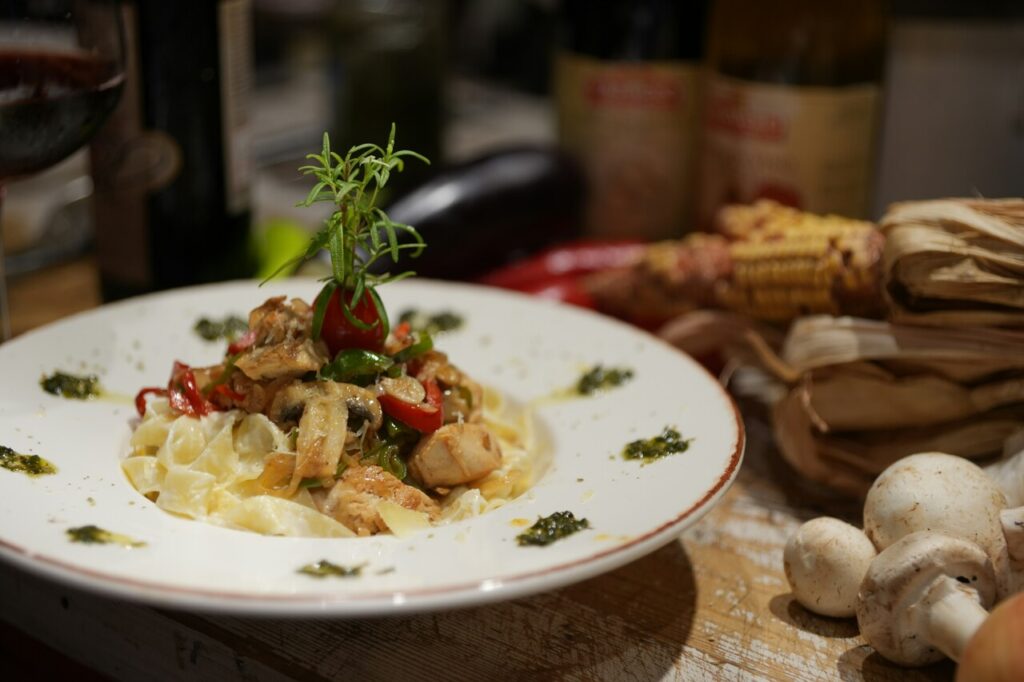
Copycat recipes often win for one simple reason: timing. A sauce served right after it emulsifies, a soup eaten at its peak, and bread pulled hot from the oven can taste cleaner and more vivid than anything built to sit.
Home versions also allow upgrades where it matters most, like better cheese, fresher herbs, and seasoning that matches the ingredients instead of a fixed chain standard. Texture improves too, since pasta can stay properly tender, gnocchi can keep its bite, and salads can stay crisp.
These dishes keep the Olive Garden spirit, but they lean on fresh cooking fundamentals: controlled heat, balanced salt and acid, and smart finishing. The result can feel familiar, yet noticeably better in flavor and structure.
1. Better-Than Alfredo Sauce
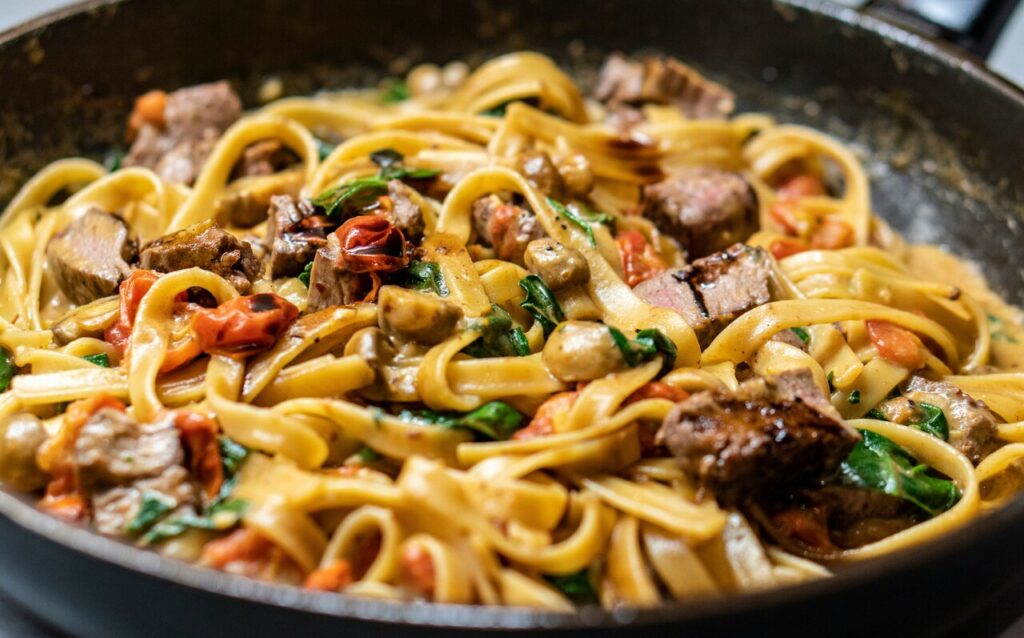
Alfredo lives or dies on freshness, because the flavor is basically dairy, cheese, and seasoning with nowhere to hide, so a homemade version can easily taste better when butter is clean, cream is not overheated, and cheese is grated fresh.
Texture is where home cooking often wins. Freshly grated Parmesan melts more evenly than pre-shredded blends, and adjusting the cream-to-cheese ratio lets thickness land exactly where it should.
Salt levels can be tuned to the cheese being used, black pepper can be added for warmth, and a small amount of garlic or nutmeg can deepen the flavor without turning it into a different sauce. Served immediately on hot pasta, the sauce clings better and tastes richer than a bowl that has sat under heat lamps.
2. Zuppa Toscana
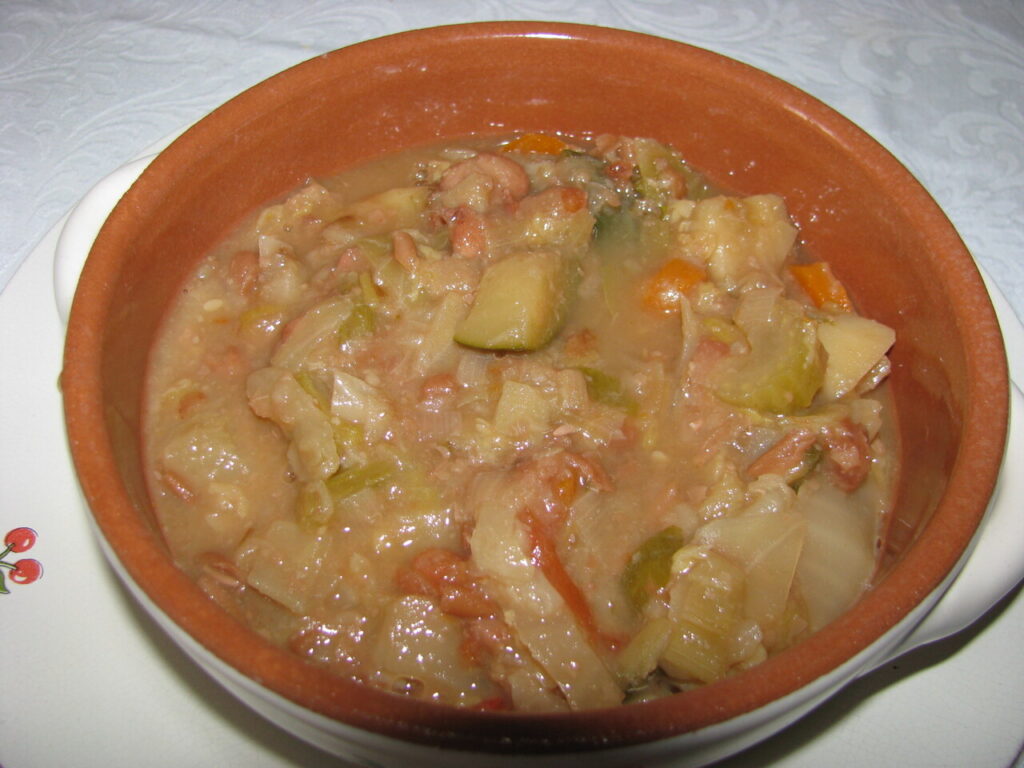
A great sausage-and-potato soup tastes best when the broth is clean and the flavors are balanced, and that is why a copycat Zuppa Toscana can shine at home, since salt, spice, and cream can be adjusted instead of locked into a chain standard.
Ingredient choices drive the payoff. Using good Italian sausage improves depth immediately, and browning it first builds fond in the pot, which becomes part of the soup’s base flavor.
Cream should be added after the boil calms, since aggressive boiling can thin or destabilize dairy, and a finishing squeeze of lemon or a splash of vinegar can brighten the whole pot without making it taste sour. When served hot, the soup feels hearty and restaurant-like, but with a cleaner flavor and better texture.
3. Pasta e Fagioli
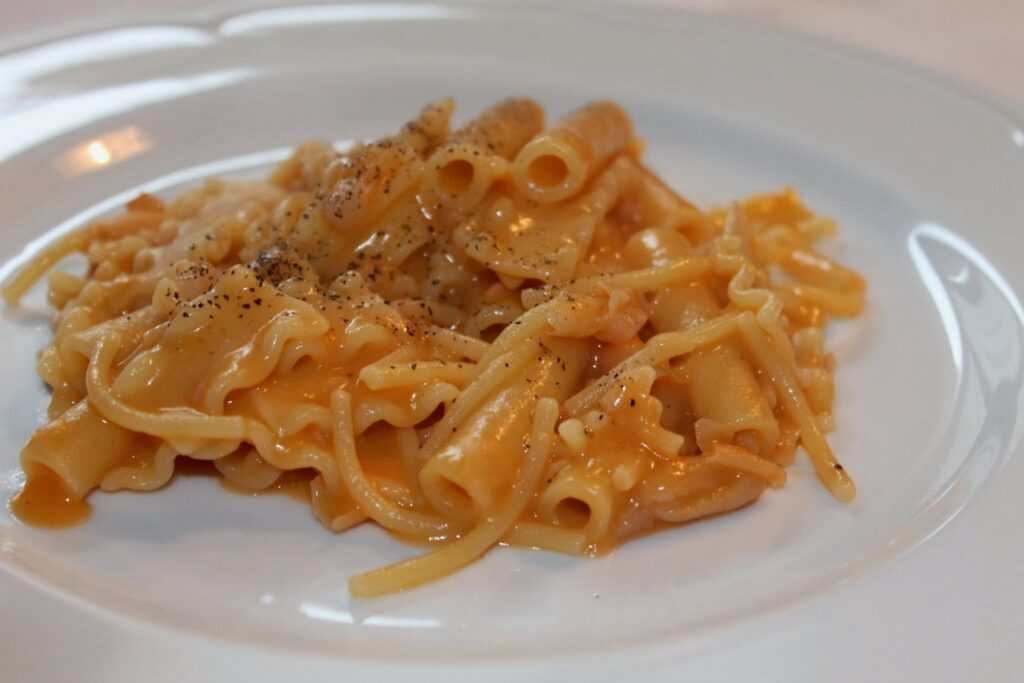
This soup earns loyalty because it is built on comfort and structure: beans, pasta, and a tomato-leaning broth that tastes savory and filling without being heavy. A home version can taste better because the “doneness” can be controlled, which is the biggest weakness of held soups.
Pasta keeps absorbing liquid as it sits, so restaurants often face a tradeoff between soup thickness and pasta texture, while a home pot can cook pasta separately. Beans also matter, since properly cooked beans should be creamy inside without breaking down into grit.
Seasoning turns it from basic to special. Aromatics like onion, garlic, and herbs give depth, and a small amount of cheese rind or a finishing sprinkle of Parmesan can add umami without extra salt.
4. Chicken and Gnocchi Soup
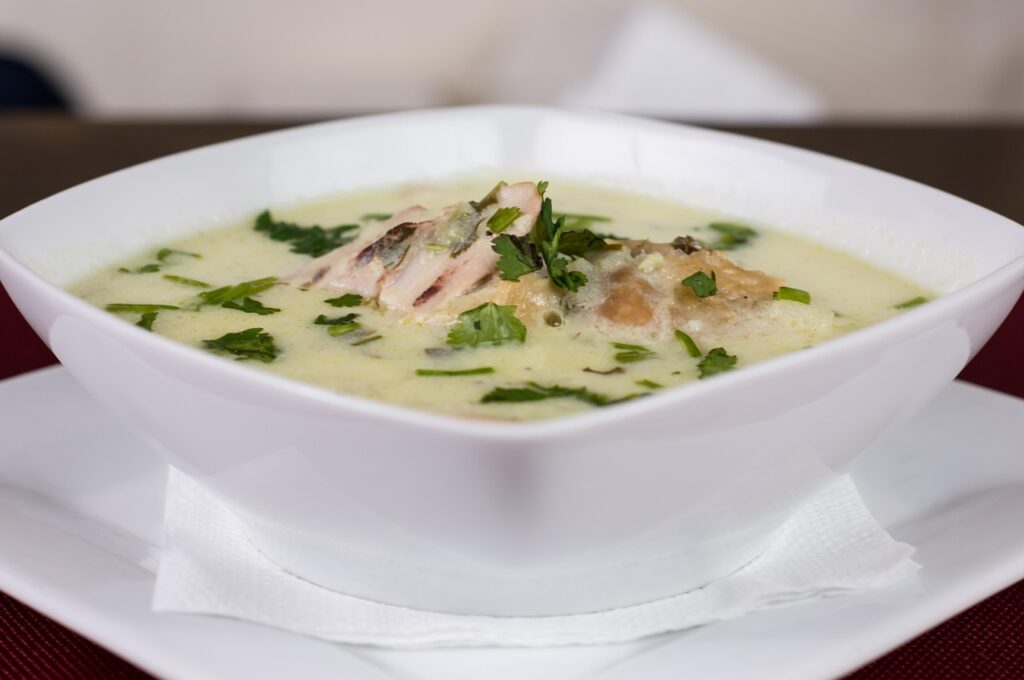
This soup succeeds when it feels soft, creamy, and cozy, yet still light enough to keep eating, and a homemade copycat often wins because gnocchi’s texture is at its best when cooked and served promptly. Held too long, gnocchi can turn overly soft and lose that pleasant chew.
Building a good base is straightforward. Cooking onion, celery, and garlic gently creates sweetness without browning, and chicken stock adds depth, while a restrained amount of cream provides richness without turning the soup heavy.
Timing is what makes it taste “better than.” Gnocchi should be cooked just until it floats and turns tender, then served soon, since overcooking makes it gummy. The finished bowl tastes cleaner and fresher, with gnocchi that still has bounce.
5. Olive Garden-Style Breadsticks

Breadsticks are at their peak when they are hot, soft, and heavily scented with butter and garlic, since oven timing and topping freshness are fully controlled. Warm bread plus fresh butter aroma is hard to compete with.
Dough quality sets the ceiling. A simple enriched dough gives tenderness, and proper proofing builds lightness, while rushing proofing creates dense sticks that taste bready rather than airy.
Seasoning is the signature. Garlic powder, salt, and a touch of herbs can be applied while the butter is still glossy, which helps it cling, and that fresh application tastes more vivid than seasoning that has sat. Served immediately, the breadsticks tear cleanly, smell fragrant, and deliver that soft-salty bite in a way that is difficult to match after any holding time.
6. Five Cheese Ziti al Forno
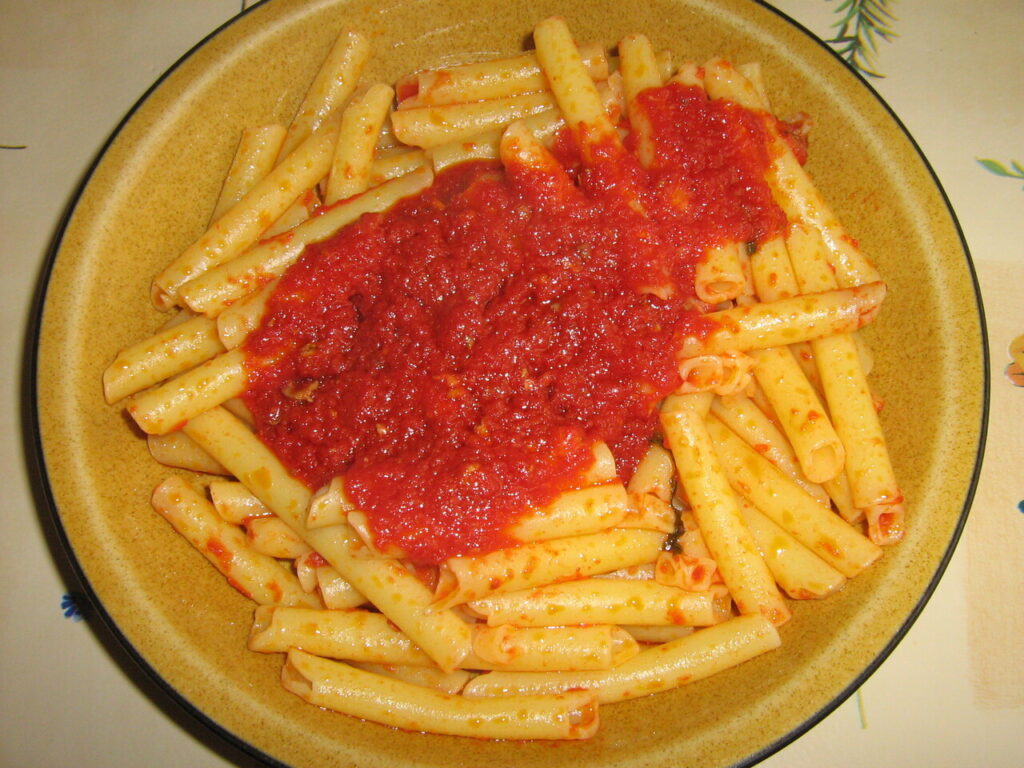
Baked pasta wins when the top gets browned and the middle stays creamy, and a copycat five-cheese ziti can taste better because cheese quality and bake timing are under control. The chain version is designed for consistency, while a home pan can chase maximum texture.
Cheese selection changes the entire dish. A mix of mozzarella for pull, ricotta for creaminess, Parmesan for salt and depth, and another melty cheese for richness creates a more layered taste than a generic blend.
A hot oven sets the edges, melts cheese evenly, and creates browned spots that taste savory, and finishing with a short broil can add a crisp top without drying the interior. The final result feels richer, cheesier, and more structured than a dish that has been held.
7. Chicken Marsala Fettuccine
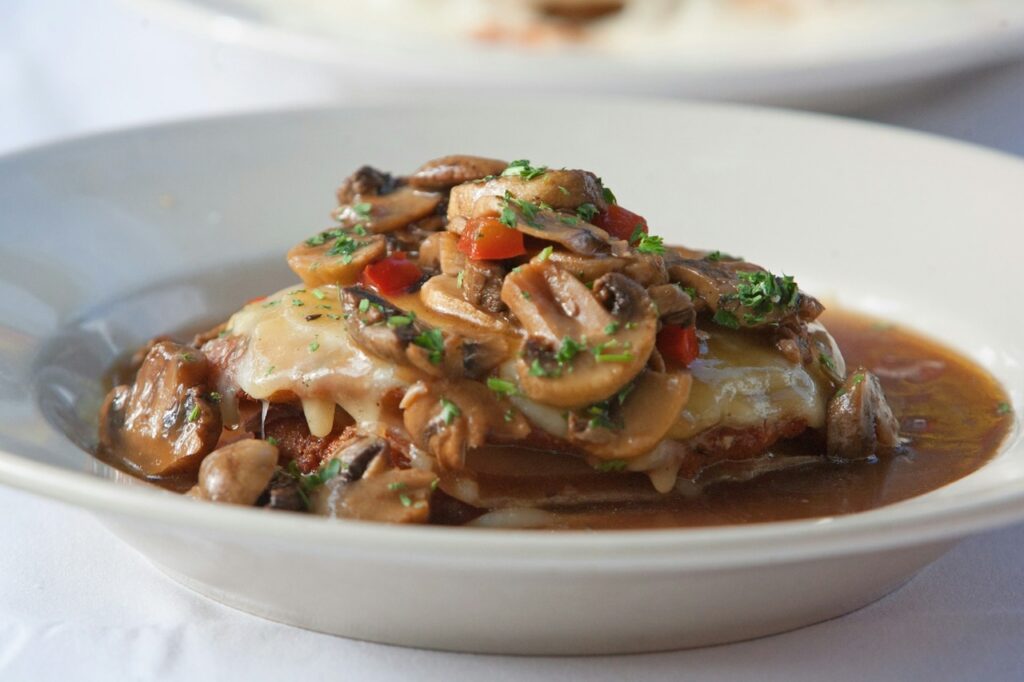
Marsala-style pasta tastes best when the sauce is glossy, aromatic, and properly reduced, and that is why a home version can shine, since reduction can be controlled instead of rushed or stretched. The dish depends on concentration, not complexity.
The sauce is built from mushrooms, pan juices, and wine, and those elements need time to cook down. Mushrooms release water first, then brown, and that browning creates a deeper flavor, while a gentle simmer reduces the wine so it tastes integrated, not sharp.
Chicken cooked to order stays juicy, while overcooked chicken turns dry and tough, especially when reheated. The result tastes cleaner and more balanced, with mushroom depth and a rich finish that feels restaurant-level.
8. Chicken and Shrimp Carbonara
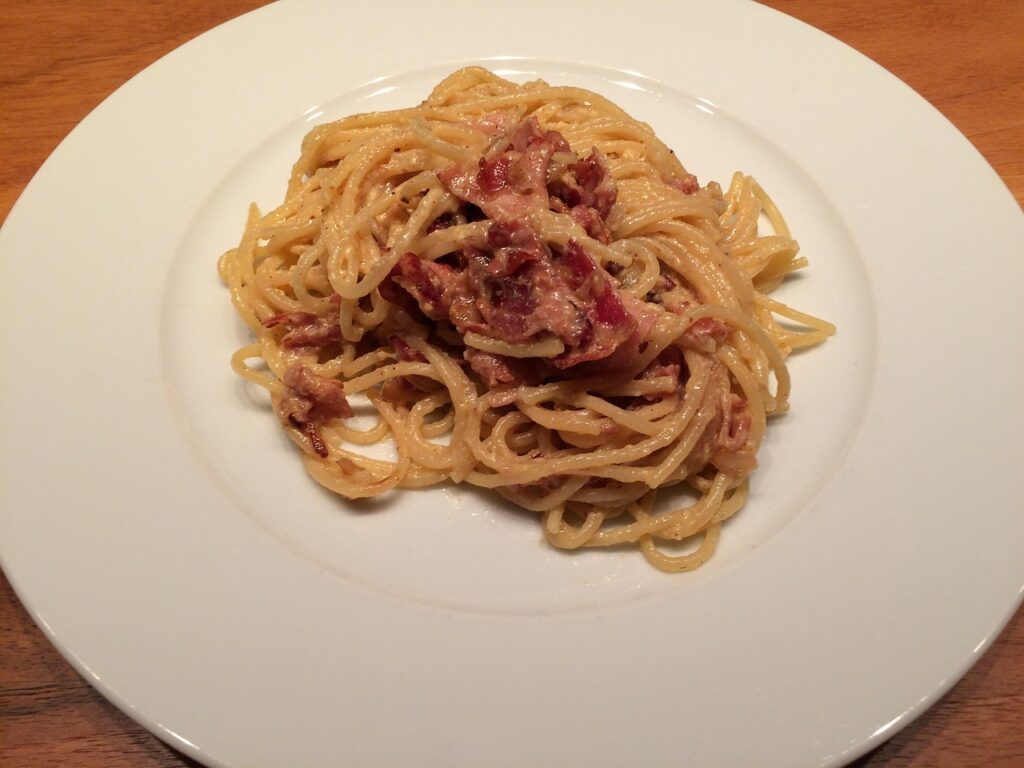
This dish is indulgent by design, and it tastes best when the sauce is creamy without feeling heavy and when the proteins are cooked correctly. A homemade copycat can outperform because timing and heat control prevent common problems.
Carbonara-style sauces need gentle handling. If eggs are part of the method, the heat should be low enough to emulsify without scrambling, and if cream is used, it should be warmed without aggressive boiling so the texture stays smooth.
Shrimp should be cooked quickly until just opaque, and chicken should be browned for flavor without drying out, then both can be tossed in at the end so they stay tender. The finished bowl tastes creamy and rich, yet still clean, with each protein tasting properly cooked rather than overcooked.
9. Olive Garden Salad and Dressing
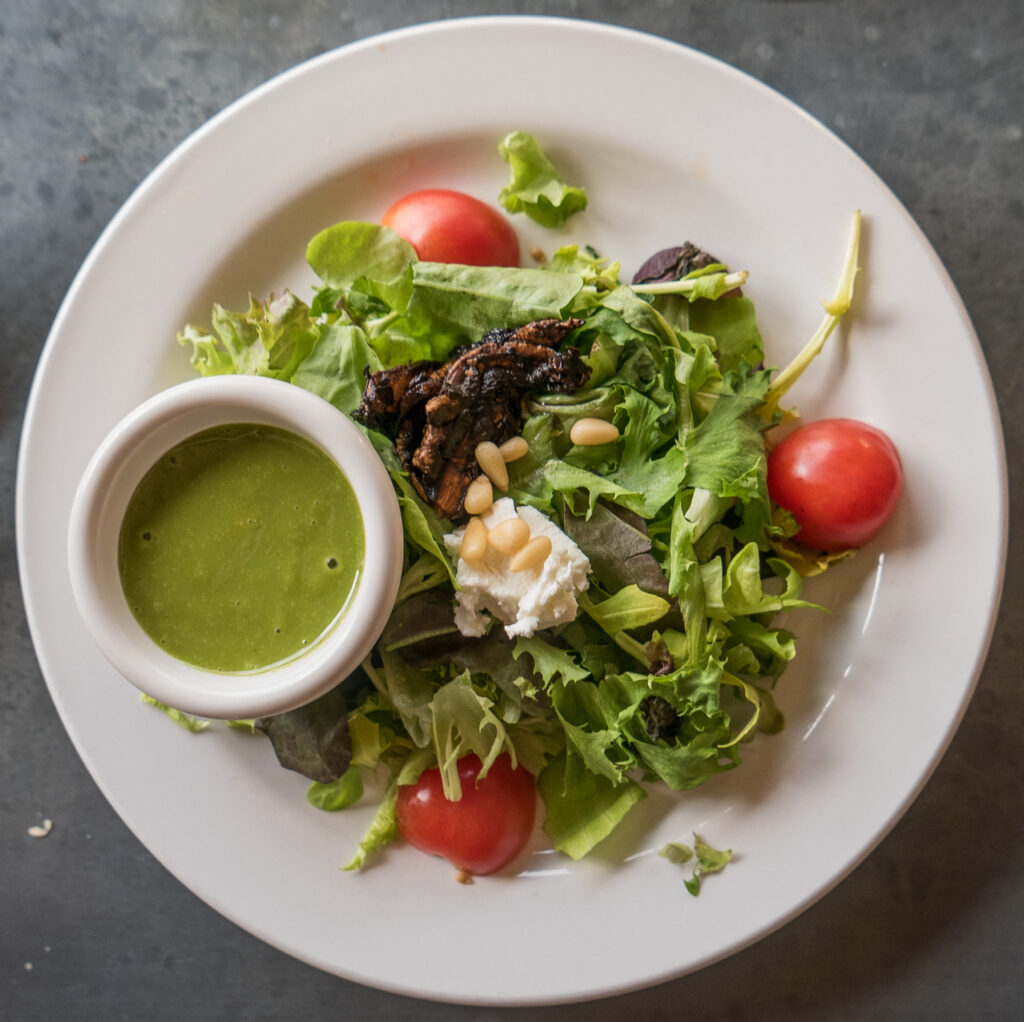
A salad becomes addictive when the dressing is sharp, balanced, and freshly mixed, and that is why a copycat version can taste better, since freshness is everything in raw vegetables and emulsified dressings. The classic combo relies on crunch, salt, and tang, not fancy ingredients.
Crisp romaine, fresh red onion, and good tomatoes improve texture, and croutons taste better when they are dry and crunchy instead of stale. Pepperoncini and olives add a briny bite, which helps the salad taste more like a complete dish.
Mixing it fresh keeps the flavors brighter, and it allows simple adjustments, like more vinegar for tang or more seasoning for depth. When assembled right before eating, the salad stays crisp, and the dressing tastes lively.
10. Italian Lemon Cream Cake
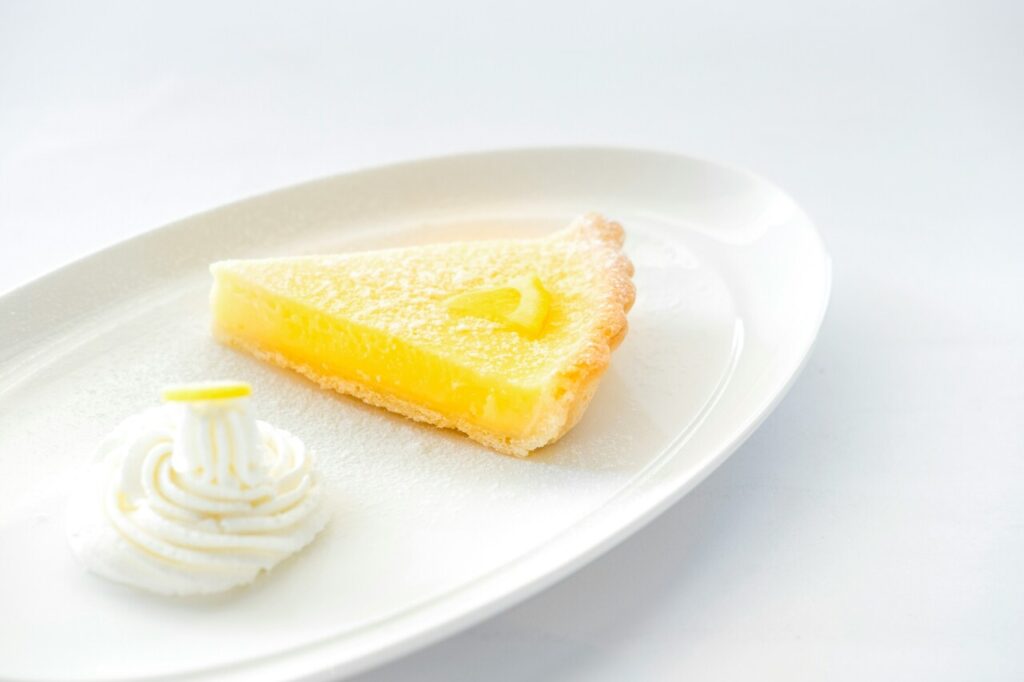
Lemon desserts win when they taste bright, not perfumy, and a homemade lemon cream cake can taste better because freshness and texture are protected from display-case time.
Technique keeps it clean. Overmixing can toughen cake layers, so gentle mixing helps keep the crumb tender, and chilling the filling helps it set so slices hold shape. Lemon flavor should come from real citrus, since extracts can taste harsh when overused.
When layered and served fresh, the cake has better structure and a cleaner bite, while long holding can soften layers too much and mute the lemon. A dusting of powdered sugar or a light frosting keeps it elegant. The result tastes vivid, creamy, and balanced, with lemon acting like a fresh finish.