Restaurants Used to Give These 9 Foods Away Without Thinking Twice; Now They’re Almost Gone

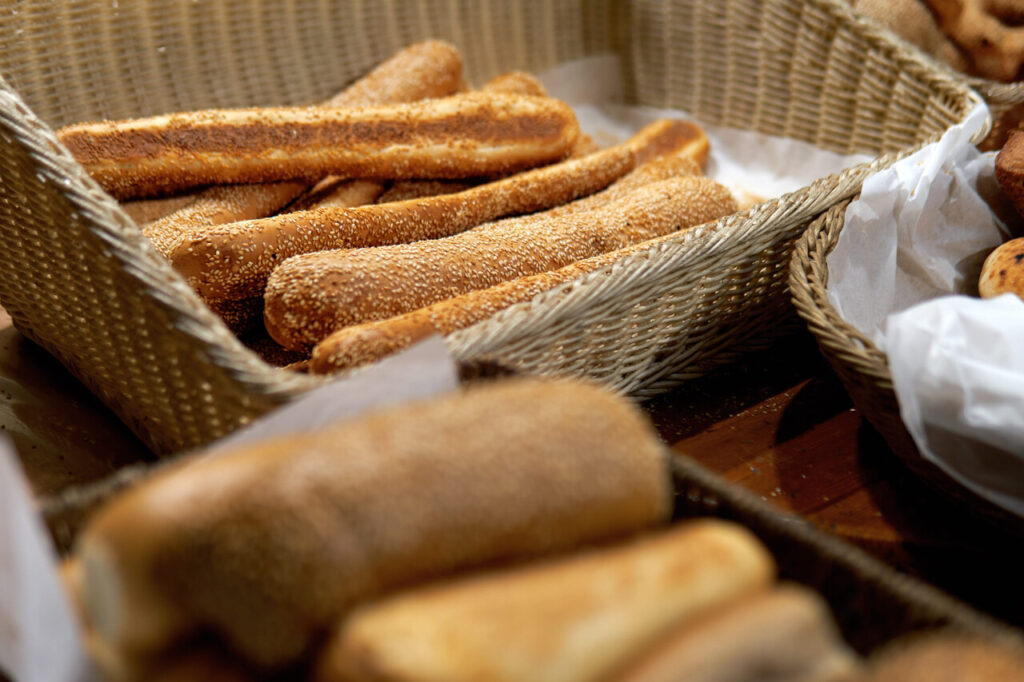
There was a time when eating out came with small extras that felt almost automatic. Bread baskets, chips, refills, and little finishing touches were part of the experience, not something you had to think about or ask for. These gestures helped set the tone, making meals feel more generous and relaxed from the moment you sat down.
But things have shifted. Rising food costs, tighter margins, and changing health standards have pushed many restaurants to rethink what they can give away. What used to be standard is now often limited, charged, or gone entirely. These small changes may seem subtle, but they are some of the most noticeable differences in today’s dining experience.
1. Free Bread Baskets Once Set the Tone for the Meal
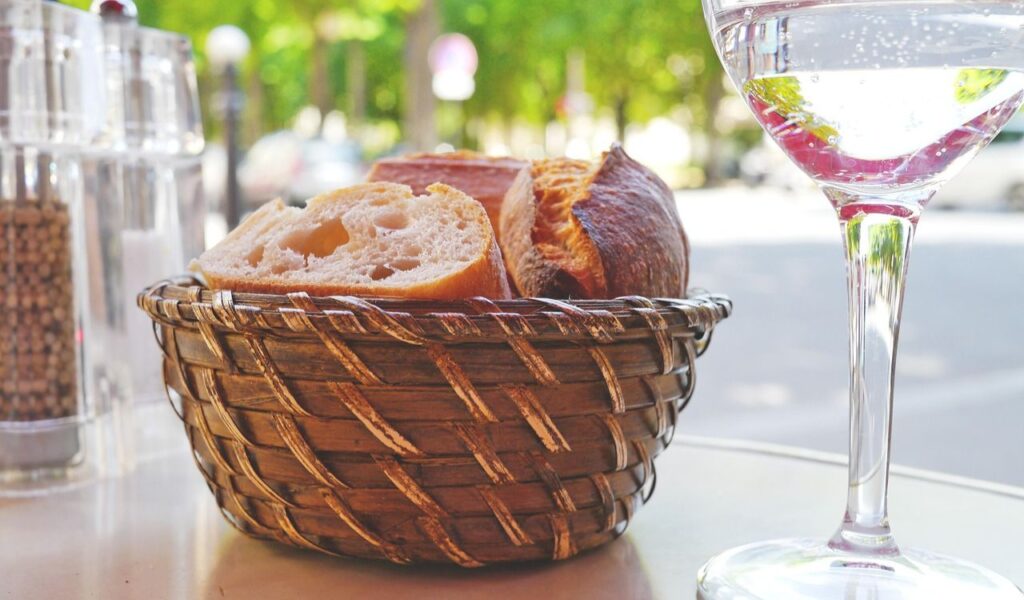
There was a time when sitting down at a restaurant meant a basket of warm bread would arrive almost immediately. It created a welcoming start and gave guests something to enjoy while waiting for their order. This small gesture became part of the dining experience in many casual and mid range restaurants.
Over time, the cost of ingredients like flour, butter, and labor began to rise. Preparing fresh bread or even sourcing it consistently added up, especially when baskets were refilled without limits. Restaurants began to see this as a cost center rather than a simple courtesy.
Many places have now reduced or removed this offering, or only provide it upon request. Some charge for it as a side. What used to feel automatic now depends on the restaurant, and its absence is one of the first changes regular diners tend to notice.
2. Chips and Salsa Are No Longer Always a Free Starter
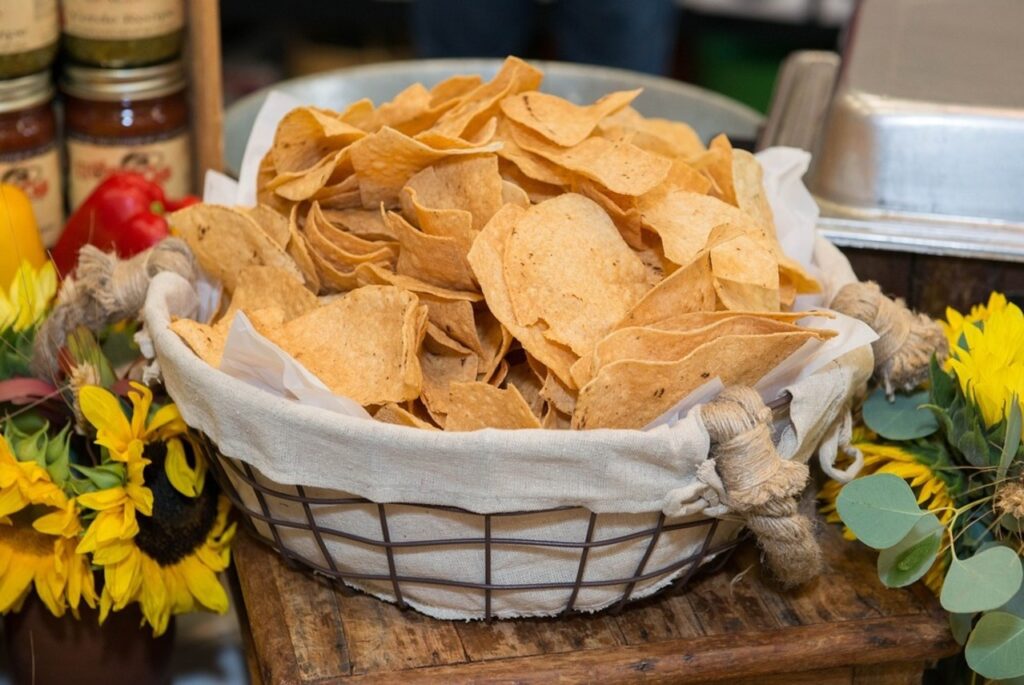
Complimentary chips and salsa once felt like a defining feature of many Mexican restaurants. The combination was simple, quick to serve, and easy to refill, which made it a reliable way to keep guests satisfied before their meals arrived.
As ingredient prices increased, especially for items like corn, oil, and fresh produce, the cost of maintaining unlimited refills became harder to justify. At the same time, high demand meant that large quantities were consumed without adding to the final bill.
Today, many restaurants have adjusted their approach. Some offer smaller portions, limit refills, or charge a small fee. While still common in some places, it is no longer something diners can always expect without thinking twice.
3. Breadsticks Shifted From Free to Feature Item
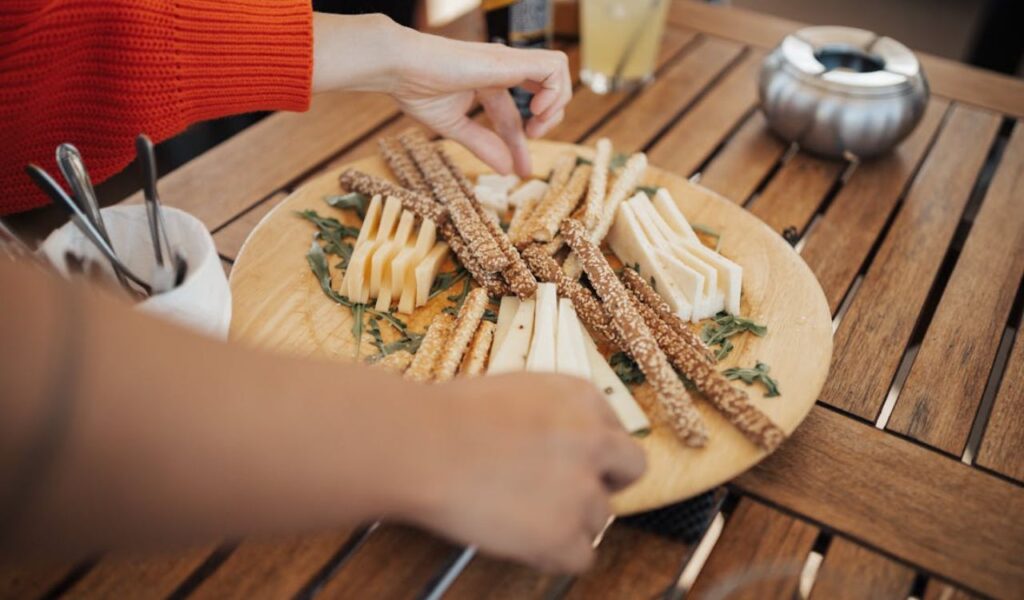
Breadsticks were once handed out freely in many casual dining chains, often as a signature part of the meal. Their warm, soft texture and simple seasoning made them an easy crowd favorite that complemented a wide range of dishes.
As dining costs rose, these items became more valuable as menu features rather than complimentary extras. By placing them as a paid side or bundle option, restaurants could better control portions and recover costs associated with production and waste.
The shift reflects a broader change in how menus are structured. Items that were once given away are now positioned as add ons. While they are still available, they no longer arrive automatically at the table.
4. Unlimited Soup or Salad Is Becoming Less Common
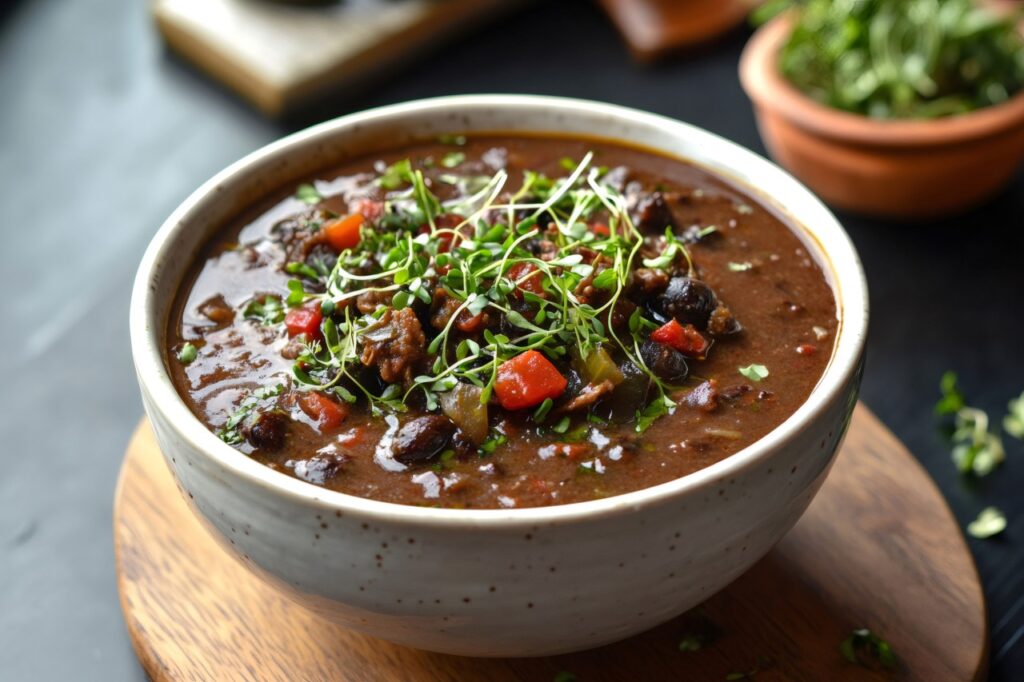
Unlimited soup or salad options once gave diners a sense of abundance. These offerings allowed guests to start their meal with as much as they wanted, creating a feeling of value and comfort that encouraged repeat visits.
From an operational standpoint, however, unlimited servings can lead to waste and unpredictable costs. Ingredients must be prepared in large quantities, and not all of it gets consumed efficiently. Over time, this model became harder to sustain.
Many restaurants now offer single portions or limited refills instead. The experience has shifted from open ended servings to more controlled portions, which helps manage both cost and consistency.
5. Free Peanuts Disappeared Alongside Changing Standards
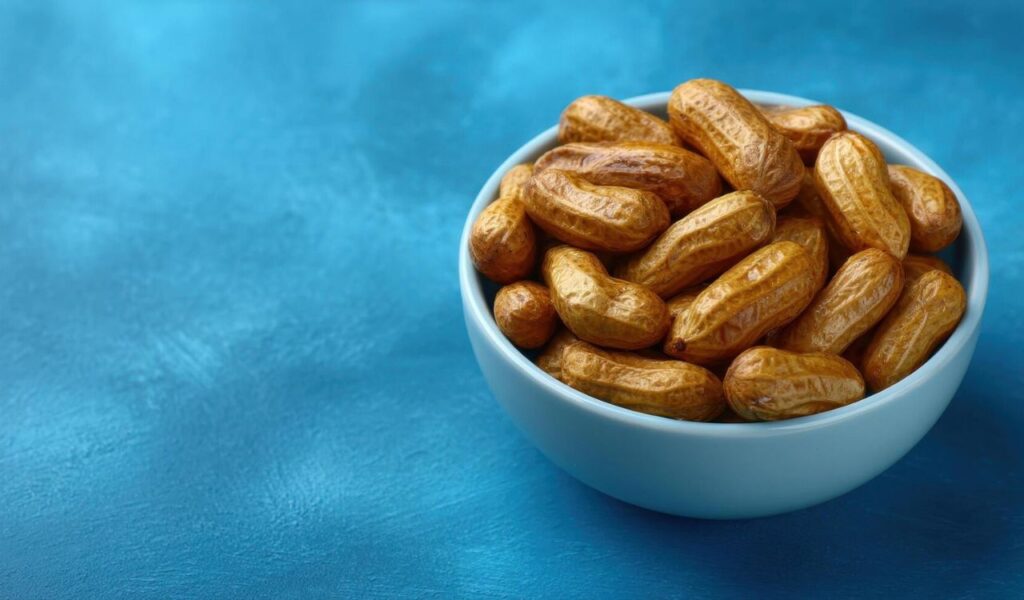
Bowls of free peanuts were once a common sight in casual dining spots and bars. They added a relaxed atmosphere and gave guests something to snack on without placing an order. It was a simple way to create a welcoming environment.
Health and safety concerns played a major role in their decline. Open bowls shared by multiple guests raised hygiene issues, and peanut allergies became a more significant consideration in public spaces.
As a result, many establishments removed them entirely. What was once seen as a fun and informal touch is now viewed as a potential risk, both from a safety and liability perspective.
6. Complimentary Appetizer Samples Became Less Practical
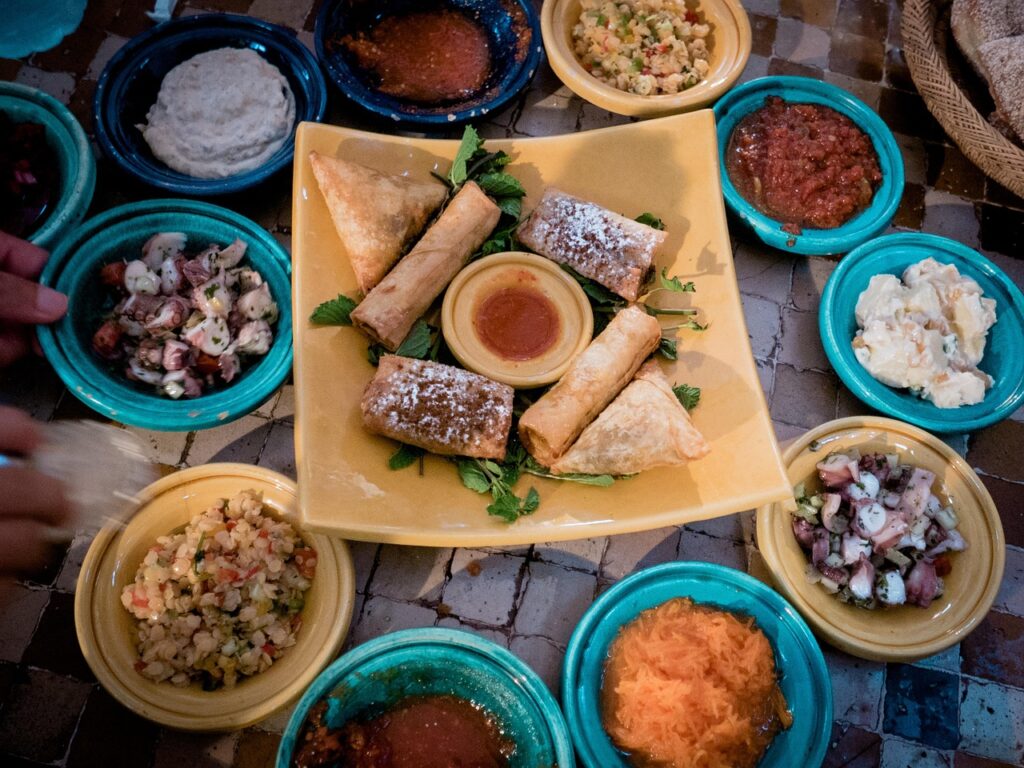
Offering small samples of appetizers was once a way to introduce diners to new menu items. It helped restaurants showcase flavors and encourage future orders without requiring a full commitment from the customer.
Over time, the cost of preparing these samples and the additional labor involved became harder to justify. With tighter margins, restaurants began focusing on items that directly contributed to revenue rather than promotional extras.
Today, sampling is less common outside of specific promotions or events. The focus has shifted toward curated menus and paid starters rather than spontaneous tastings.
7. After Meal Candies Are No Longer a Given

A small mint or candy at the end of a meal used to be a subtle way for restaurants to leave a positive final impression. It was inexpensive, easy to provide, and often associated with hospitality and attention to detail.
Even these small gestures add up over time. When multiplied across hundreds of customers daily, the cost becomes more noticeable. Restaurants looking to streamline expenses often start by removing items that are not essential to the meal itself.
While some places still offer them, it is no longer a universal practice. The absence may seem minor, but it reflects a broader trend toward trimming even the smallest extras.
8. Tabletop Crackers and Snacks Faded With Hygiene Concerns
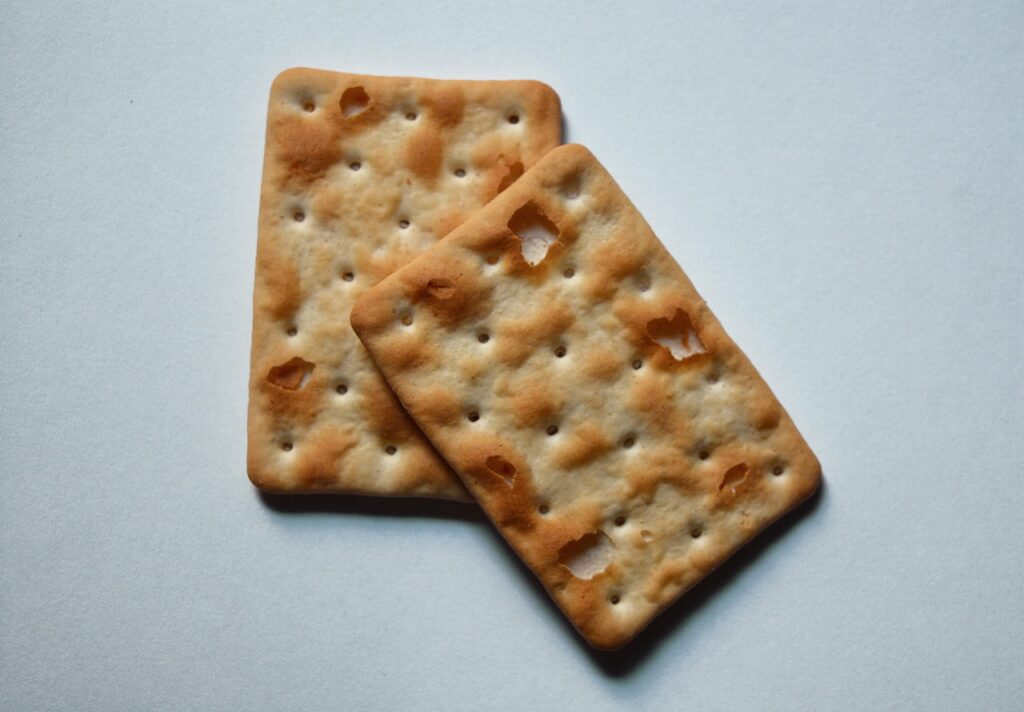
Shared snack bowls and crackers placed on tables were once part of casual dining culture. They gave guests something to nibble on immediately and contributed to a relaxed, informal setting.
Changing expectations around cleanliness and food safety have made these shared items less acceptable. Open containers that multiple people can access raise concerns about contamination and handling.
As a result, many restaurants have removed them entirely or replaced them with individually packaged options. The shift prioritizes safety and consistency over the convenience of shared snacks.
9. Free Refills on Sides Are Becoming More Limited
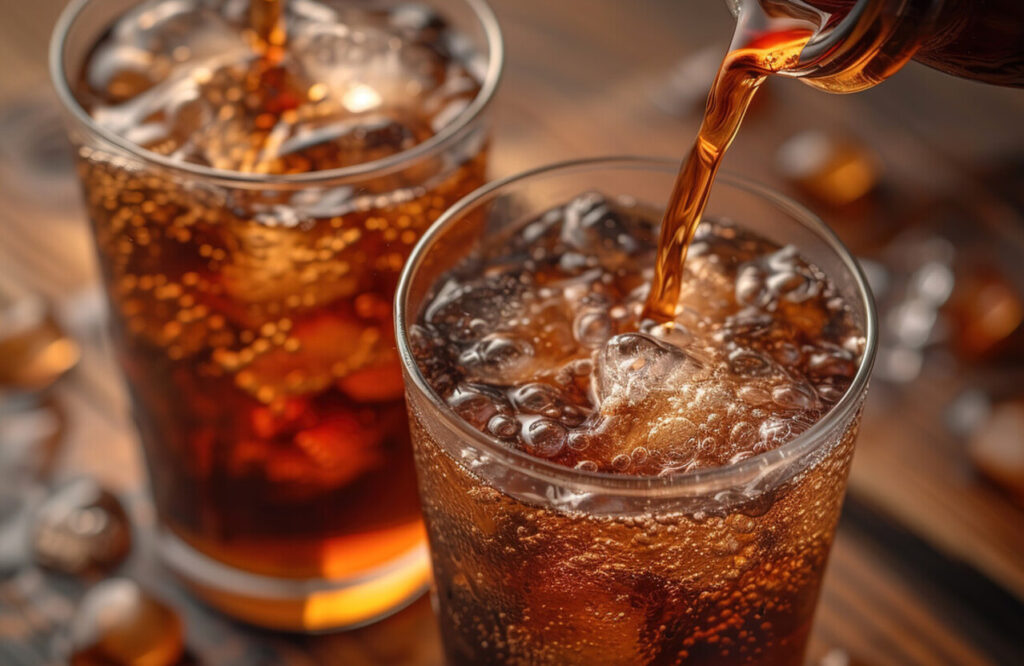
Unlimited refills on items like fries, bread, or certain sides once added a sense of generosity to the dining experience. Guests could enjoy more without worrying about additional cost, which made meals feel more satisfying.
However, these refills come with real expenses. Ingredients, preparation time, and potential waste all contribute to the overall cost. As margins tighten, offering unlimited portions becomes less sustainable.
Many restaurants now limit refills or charge for additional servings. The change reflects a move toward more controlled portioning, ensuring that pricing aligns more closely with what is served.