10 Ingredients Americans Used to Avoid That Are Now Totally Normal


Food fears and regulations have shaped American kitchens more than most people realize, pushing some ingredients off shelves for decades while others gained reputations that made shoppers wary. Over time, science, global food trends, and changing tastes helped many of these ingredients return, slowly transforming them from avoided or restricted items into everyday staples. Today, many foods once questioned or unavailable now appear so normal that their complicated past has almost completely faded from memory.
1. Blackcurrants

For decades, many Americans never tasted blackcurrants because the fruit was largely absent from grocery shelves. Federal restrictions limited cultivation in the early twentieth century due to concerns that currant plants spread a disease threatening pine forests, effectively removing the fruit from everyday American cooking.
As agricultural controls improved and states gradually lifted restrictions, blackcurrants began returning through imports. Their intense tart flavor, common in European jams, syrups, and candies, slowly reappeared in niche markets and cocktail culture.
Today, blackcurrants show up in preserves, beverages, and desserts without much concern, and younger consumers often encounter them without knowing they were once restricted.
2. Gooseberries

Gooseberries disappeared alongside currants because similar agricultural rules discouraged growing plants linked to crop disease concerns. Many Americans grew up without ever seeing gooseberries in markets, making the fruit feel exotic despite its popularity elsewhere.
As restrictions eased, specialty farms and home gardeners began cultivating gooseberries again, introducing them through farmers markets and artisanal preserves. Their balance of tartness and sweetness makes them versatile for pies, jams, and sauces.
Now, gooseberries appear more frequently in farm-to-table cooking and specialty baking. While still less common than mainstream berries, they no longer feel off limits, showing how agricultural policy once shaped food familiarity in ways modern shoppers rarely notice.
3. Saccharin

Saccharin once sat at the center of health debates after research in the 1970s raised concerns about cancer risk in laboratory animals. Warning labels and consumer fear pushed many Americans to avoid artificial sweeteners, treating them with suspicion.
Later research clarified that human risk differed significantly, and regulatory agencies revised guidelines, eventually removing warning labels. Diet beverages and sugar-free products continued growing in popularity as consumers sought alternatives to sugar.
Today, saccharin and similar sweeteners appear routinely in tabletop packets and processed foods. While debates about artificial sweeteners still exist, the ingredient no longer sparks widespread alarm, showing how scientific reassessment can shift public acceptance over time.
4. Sichuan Peppercorns
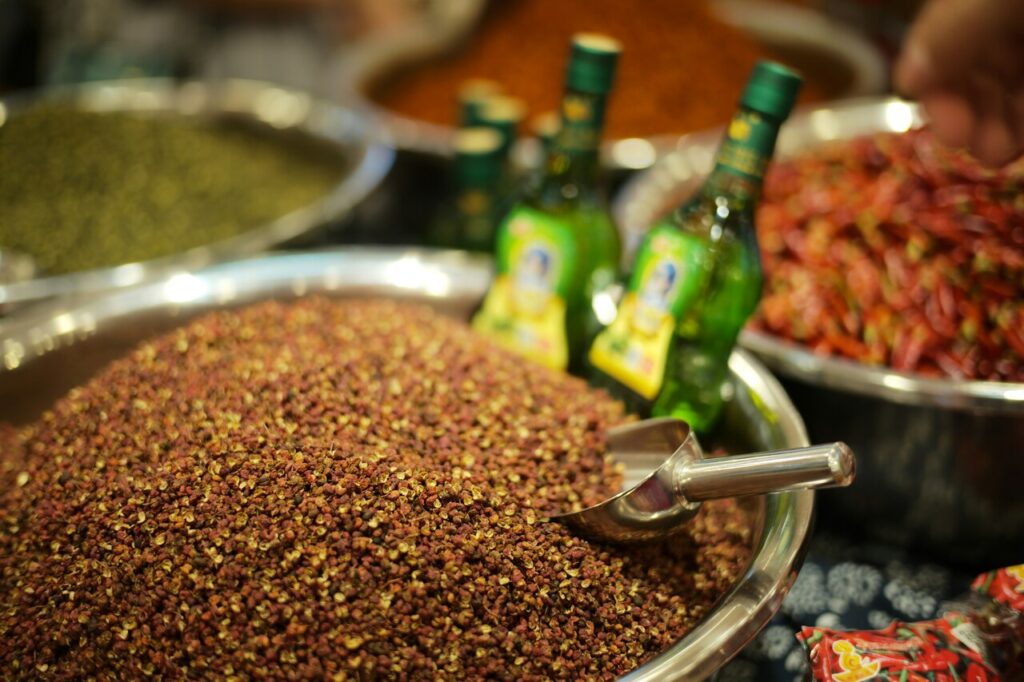
Sichuan peppercorns, known for their tongue-tingling sensation, were once restricted in the United States due to fears they could carry plant diseases affecting citrus crops. As a result, authentic Sichuan cuisine often lacked a key flavor element in American restaurants.
Once import regulations allowed properly processed peppercorns, chefs quickly embraced the ingredient. Its citrusy aroma and numbing effect became central to dishes like mapo tofu and spicy hot pots, helping diners experience authentic regional flavors.
Today, the ingredient appears regularly in specialty markets and adventurous home kitchens. Diners accustomed to global cuisine now treat Sichuan peppercorns as exciting rather than suspicious, reflecting how exposure reshapes what people consider normal.
5. Ackee
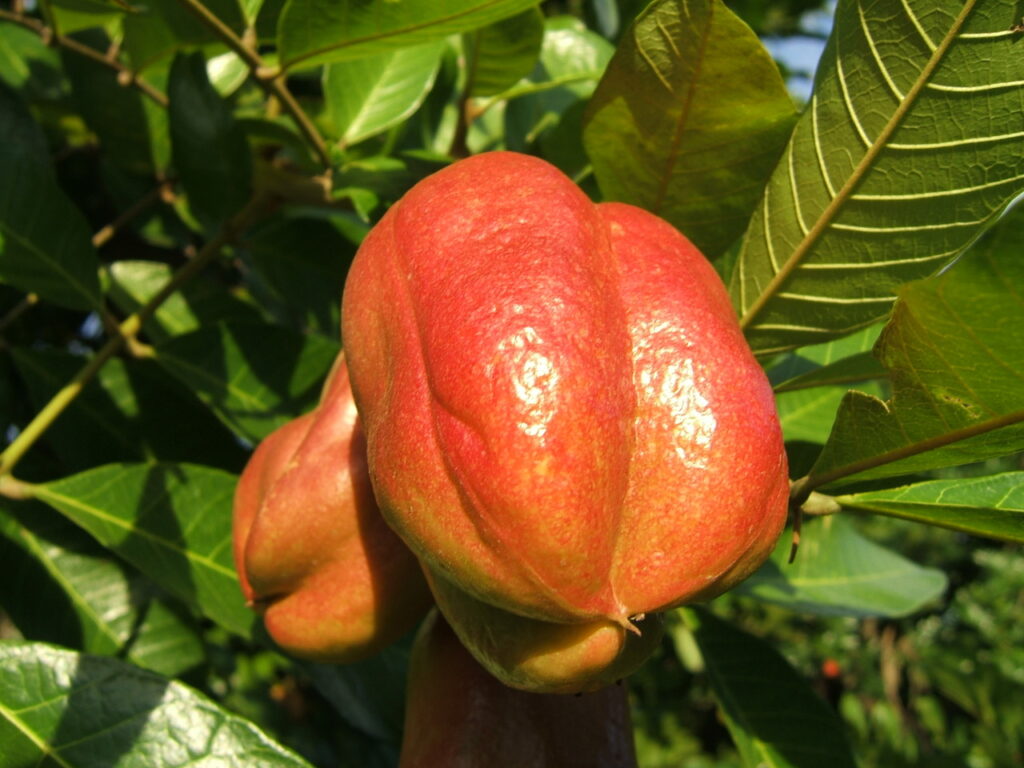
Ackee, Jamaica’s national fruit, long carried warnings because unripe fruit contains toxins that can cause severe illness. For years, strict import rules limited access, making it unfamiliar to many Americans outside Caribbean communities.
Regulations eventually allowed canned ackee processed under strict safety standards, making the fruit available while reducing health risks. Caribbean restaurants and grocery stores introduced the ingredient through traditional dishes like ackee and saltfish.
Today, canned ackee appears routinely in specialty markets, and diners treat it as part of Caribbean culinary identity rather than a dangerous novelty. The fruit’s shift from restricted to accepted highlights how preparation knowledge influences ingredient acceptance.
6. Irradiated Tropical Fruits

Many tropical fruits struggled to enter American markets because imported produce risked carrying invasive pests. Regulations restricted certain fruits unless they underwent treatments like irradiation to ensure safety.
Irradiation initially worried consumers unfamiliar with the process, but scientific evidence showed it safely eliminated pests without making food radioactive or unsafe. Gradually, treated fruits began appearing in supermarkets.
Now, fruits once considered rare imports show up regularly in produce aisles, often without shoppers noticing processing methods. What once felt unusual or suspicious now blends into normal shopping routines, reflecting growing trust in food safety science.
7. Sliced Bread

Even something as ordinary as sliced bread faced resistance when wartime conservation efforts temporarily banned commercial slicing to save materials. Consumers accustomed to convenience suddenly returned to slicing bread at home.
The backlash revealed how quickly convenience became essential in American kitchens. Once slicing returned, pre-sliced bread regained popularity, reinforcing expectations for ready-to-use foods that simplify daily routines.
Today, sliced bread feels inseparable from grocery shopping, yet its brief absence showed how habits form around convenience. What once required adaptation now seems indispensable, reminding shoppers how quickly food norms can shift.
8. Monosodium Glutamate (MSG)

MSG became controversial after reports linked it to symptoms collectively labeled as “Chinese restaurant syndrome,” causing many diners to avoid foods containing the additive. Restaurants and packaged foods began advertising MSG-free options to calm customer fears.
Scientific research later failed to consistently support widespread sensitivity claims, leading many chefs and food experts to reevaluate MSG’s reputation. The ingredient enhances savory flavor and naturally occurs in foods like tomatoes and cheese.
Today, MSG quietly returns to kitchens as cooks seek deeper umami flavors. While some skepticism remains, many consumers no longer fear it, and chefs openly use it to improve taste, showing how misinformation can eventually give way to understanding.
9. Artificial Food Colors and Additives

Artificial colors and additives have long faced waves of consumer concern over potential health effects. At various times, shoppers avoided brightly colored snacks or processed foods due to fears about safety.
Regulatory reviews and reformulations addressed some concerns, while manufacturers adjusted labeling and ingredients to reassure buyers. Despite ongoing debates, these additives remain common in packaged foods across the country.
Brightly colored cereals, candies, and beverages now feel ordinary in grocery stores, especially for younger generations. Ingredients once viewed suspiciously now appear normal, reflecting how consumer acceptance evolves alongside regulation and industry adaptation.
10. Iodized Salt

Iodized salt faced resistance when first introduced because some consumers worried it might alter taste or interfere with traditional cooking. Many households initially preferred untreated salt despite public health campaigns promoting iodization.
Over time, health benefits became clear, as iodine deficiency decreased significantly in populations using fortified salt. Grocery stores gradually replaced plain options with iodized versions, making them standard in kitchens.
Today, most households use iodized salt without thinking about its history. What once required persuasion now feels routine, showing how nutritional fortification can move from controversial innovation to unnoticed everyday practice.