11 Beer Myths People Still Believe but Should Forget

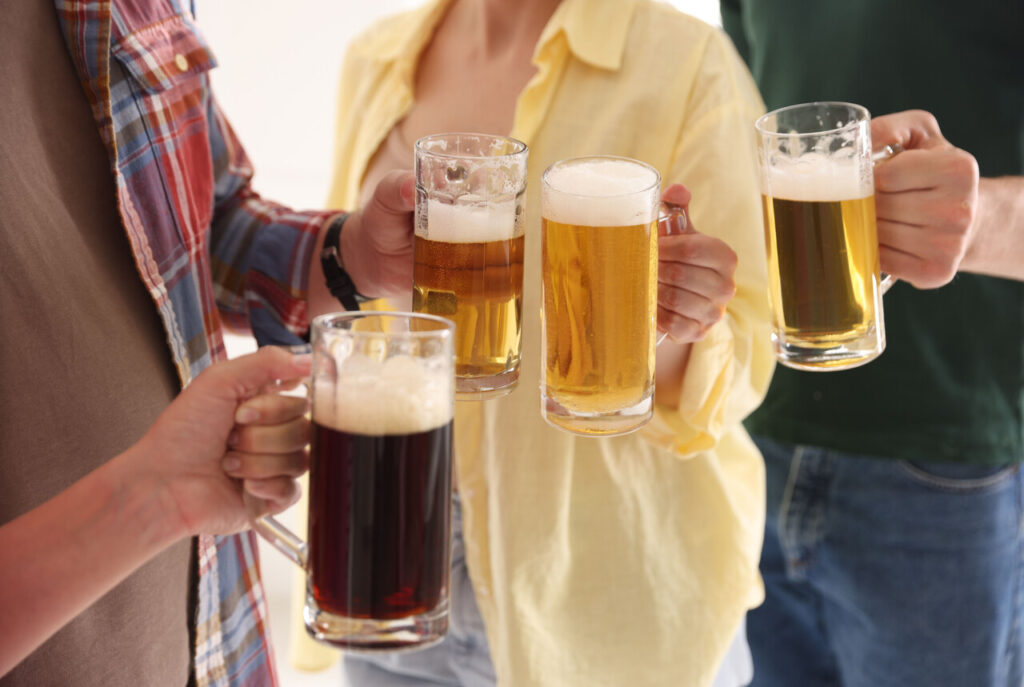
You hear myths about beer all the time; how it’s always fattening, light brews mean weak taste, or bottles taste better than cans. Most of these stories have more to do with tradition or marketing than actual science. If you still pick a beer based on color alone, or think you need to store every bottle icy cold, it’s time to clear things up. Learning the truth makes your next pour a lot more interesting. Here are eleven beer myths you can let go of for good; so you relax and trust your own taste, not the rumors.
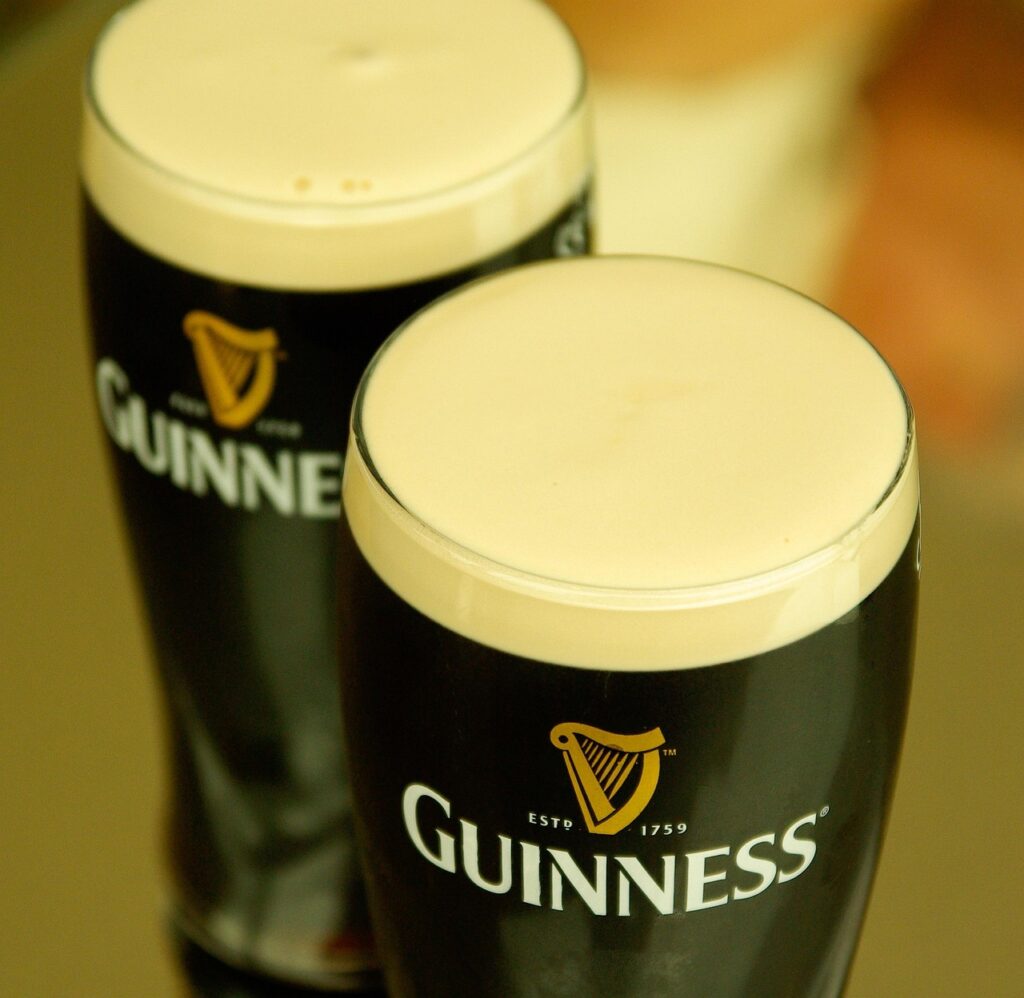
1. Dark Beer Always Means Strong Beer
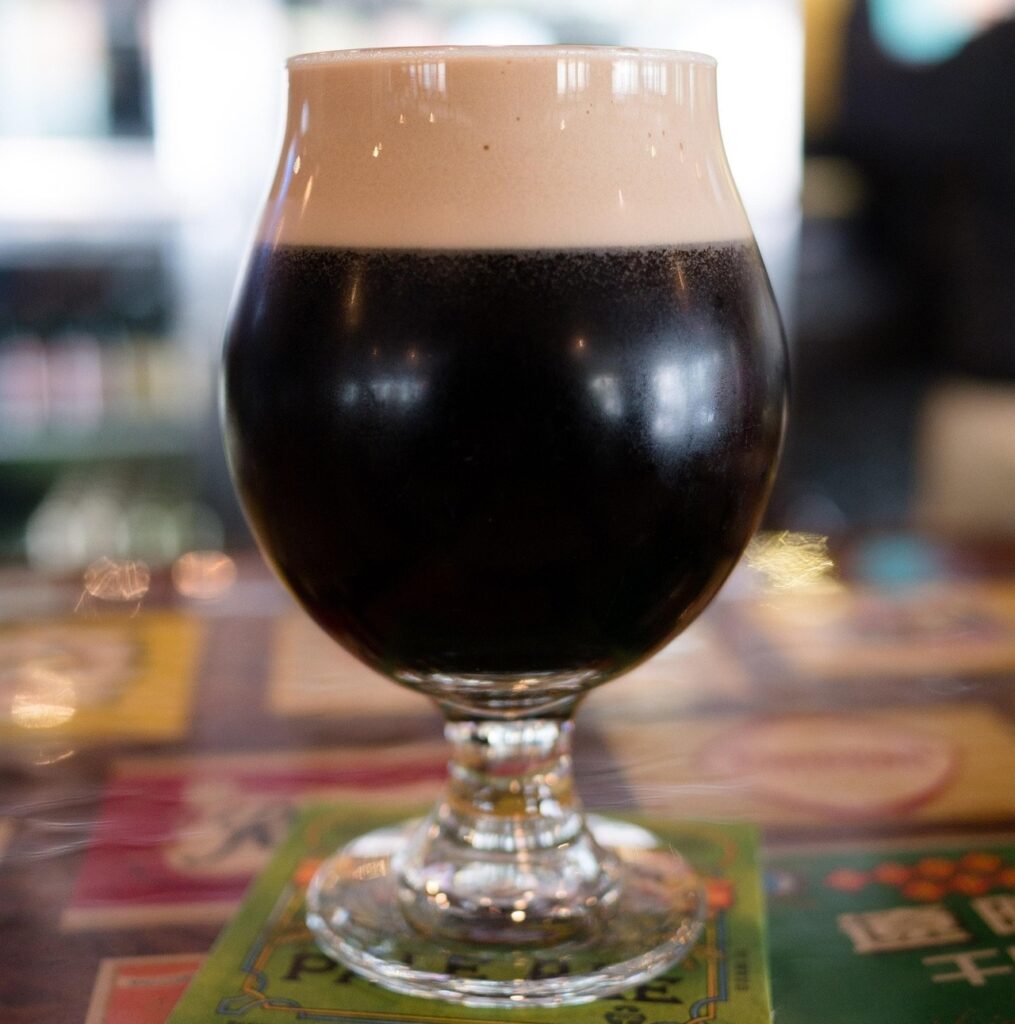
Dark beer gets its color from roasted malt, not from high alcohol levels, so you can’t judge strength by shade alone. When you taste with that in mind, you notice how light some dark styles feel while certain pale beers hit harder than you expect. You start paying attention to the label instead of the color, and you stop linking darkness with heaviness. The more you compare, the clearer it becomes that flavor and strength follow their own paths.
2. Beer Needs to Be Ice Cold to Taste Good
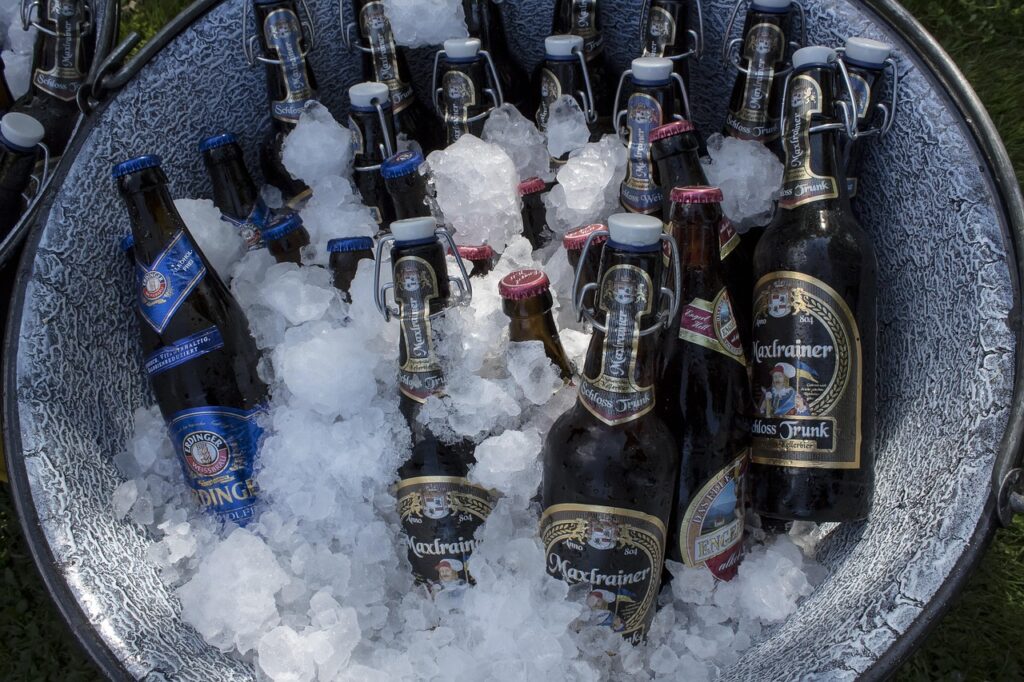
Cold beer feels refreshing, but extreme chill hides flavor, so you miss details when you drink it at freezer temperatures. As it warms slightly, you notice subtle sweetness, crisp bitterness, and aromas that were buried before. You don’t need it warm, but you benefit from letting it settle for a moment. Once you try this with a few styles, you realize how much taste you were losing. Temperature becomes something you manage instead of ignoring.
3. A Big Foamy Head Is a Bad Sign
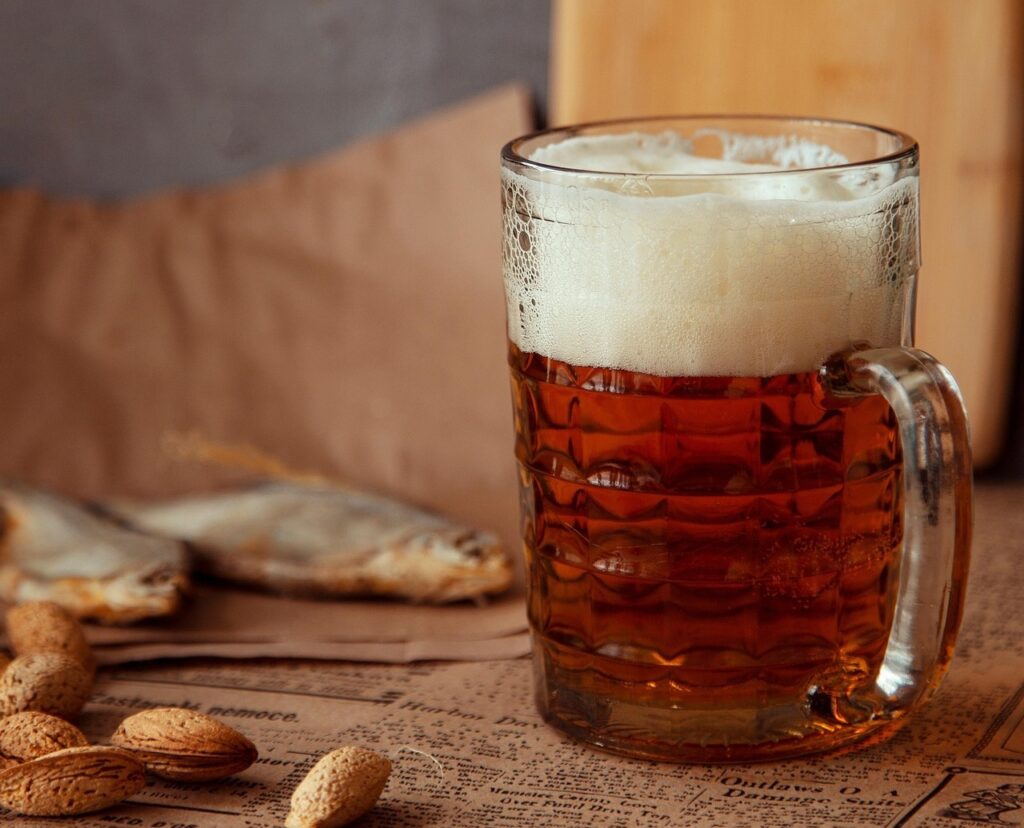
Foam carries aroma, protects freshness, and helps each sip feel balanced, so avoiding it only dulls the experience. When you pour correctly, you get a steady layer that settles into a smooth cap instead of a messy overflow. You taste richer scents because the bubbles lift them toward you. You also notice how the texture becomes softer and more rounded. After a few pours, you stop chasing flat beer and start welcoming a healthy head.
4. Bottled Beer Is Always Better Than Canned Beer
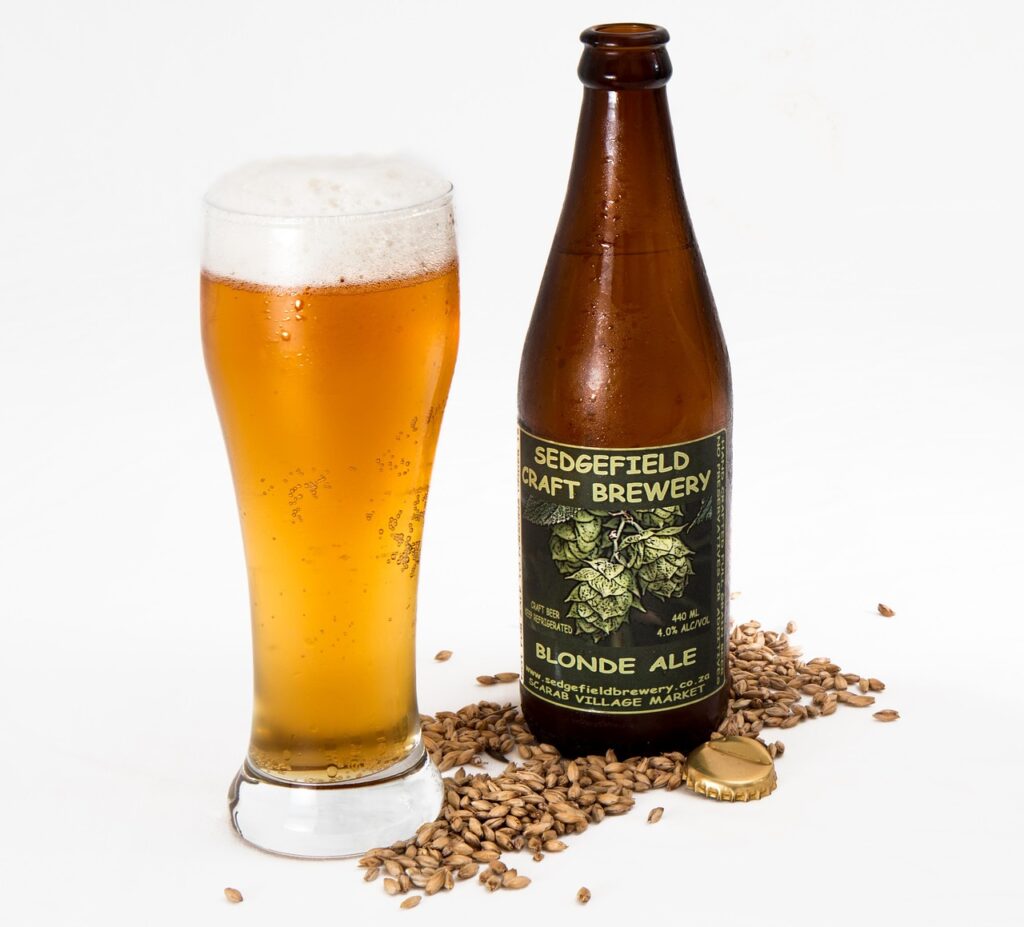
Cans block light and seal more tightly than many bottles, so the beer inside often stays fresher and cleaner. When you try the same beer in both formats, you notice how the canned version holds its flavor longer. You also appreciate how quickly cans chill and how easy they are to store and carry. Bottles still have their charm, but they’re not automatically superior. You learn to judge by taste instead of tradition once you compare them side by side.
5. Light Beer Means Low Flavor
Light beer focuses on fewer calories, not on stripping taste, so you still get grain character and a crisp finish when you slow down and notice the details. Brewers work harder than you think to keep balance with lower alcohol. When you let go of the idea that light equals bland, you start picking up subtle notes you missed before. You also realize it works well when you want refreshment without heaviness. The more you explore, the more flavor you find.
6. Beer Goes Bad Only After the Printed Date
The date helps, but storage conditions matter more, and heat or sunlight can age beer much faster than you expect. A can left warm may taste older than one kept cool even if the printed date matches. When you store your beer in a dark and steady spot, you keep it fresher far beyond the label’s number. You start checking how shops handle their stock before buying. Once you see the difference, you trust conditions over dates.
7. Imported Beer Is Always Higher Quality
Import status doesn’t guarantee freshness, since long travel can dull aroma and flavor before the bottle reaches you. When you try a well-made local option, you often find it brighter and cleaner because it didn’t spend weeks in transit. You can still enjoy imports, but you stop assuming they win every time. You focus on style, brewery, and handling instead of the label. After a while, you judge each beer by how it actually tastes in your glass.
8. Beer With Sediment Is Bad Beer
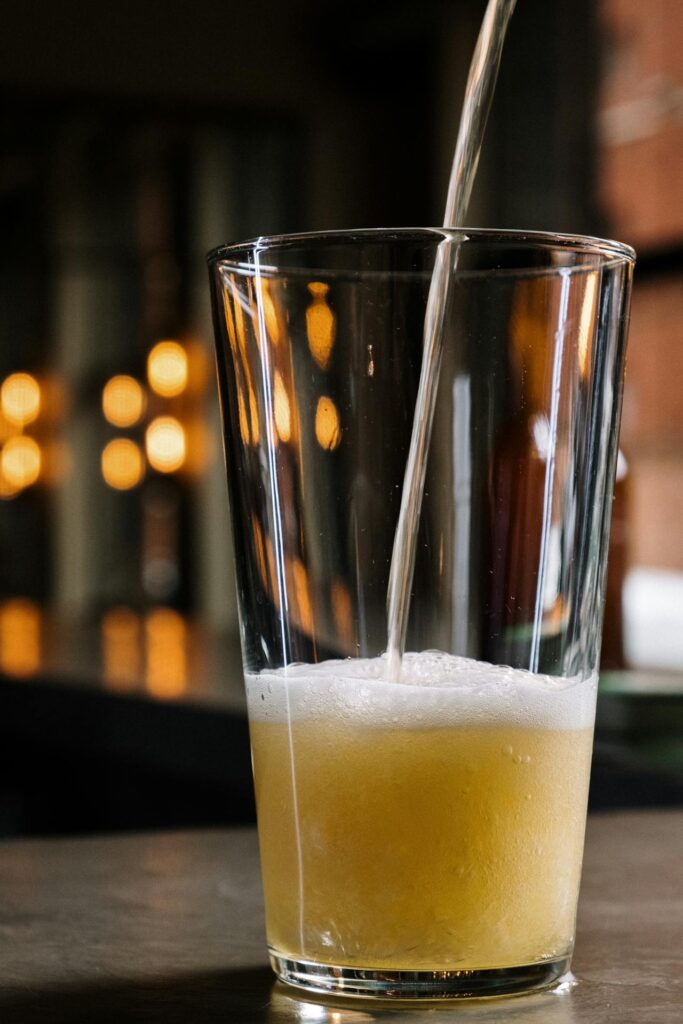
Sediment usually comes from natural brewing methods, not spoilage, and the tiny particles can add texture and depth. When you see haze at the bottom, it often means the beer wasn’t filtered hard. You can swirl if you want extra body or pour gently to keep it clear. Either choice works. Once you understand what sediment represents, you stop treating it like a flaw. You start noticing how those fine bits can round out flavor in certain styles.
9. Beer Makes You More Dehydrated Than Other Alcohol
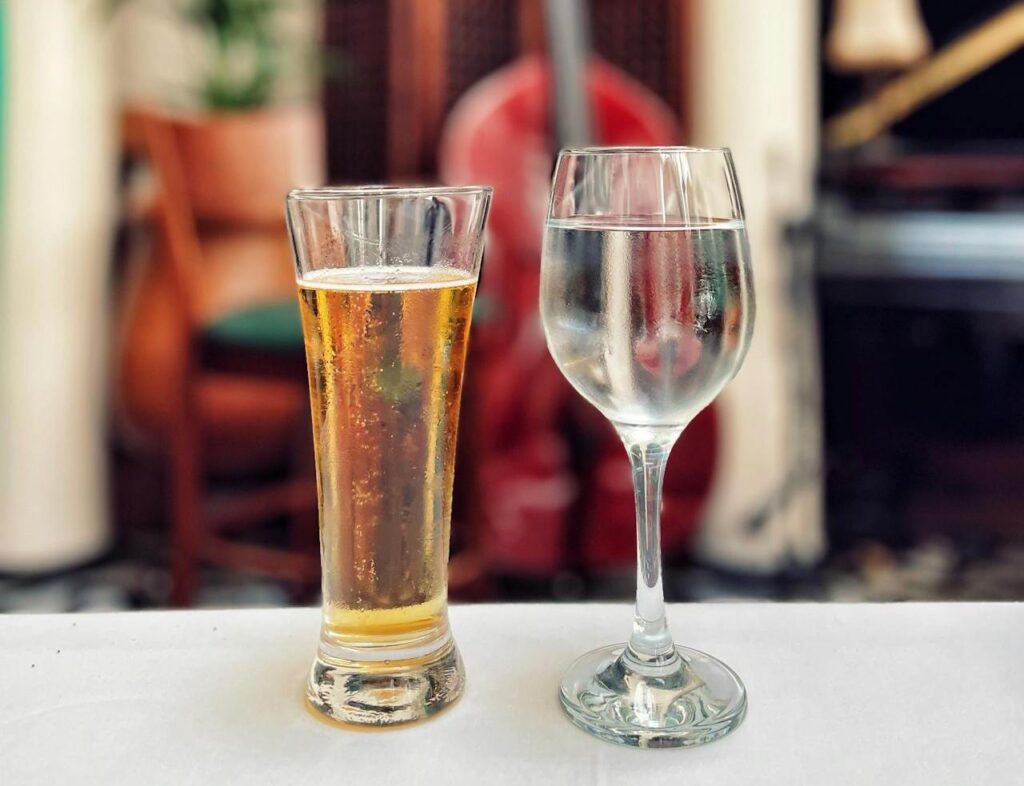
Alcohol dehydrates you regardless of the drink, and beer often affects you less because it has lower alcohol and more water. When you pace yourself and sip water between servings, you handle it well. You still feel the impact, but you avoid the myth that beer dries you out faster than anything else. You understand that habits matter more than the drink itself. Knowing this helps you enjoy responsibly without carrying old assumptions.
10. Hoppy Means Bitter
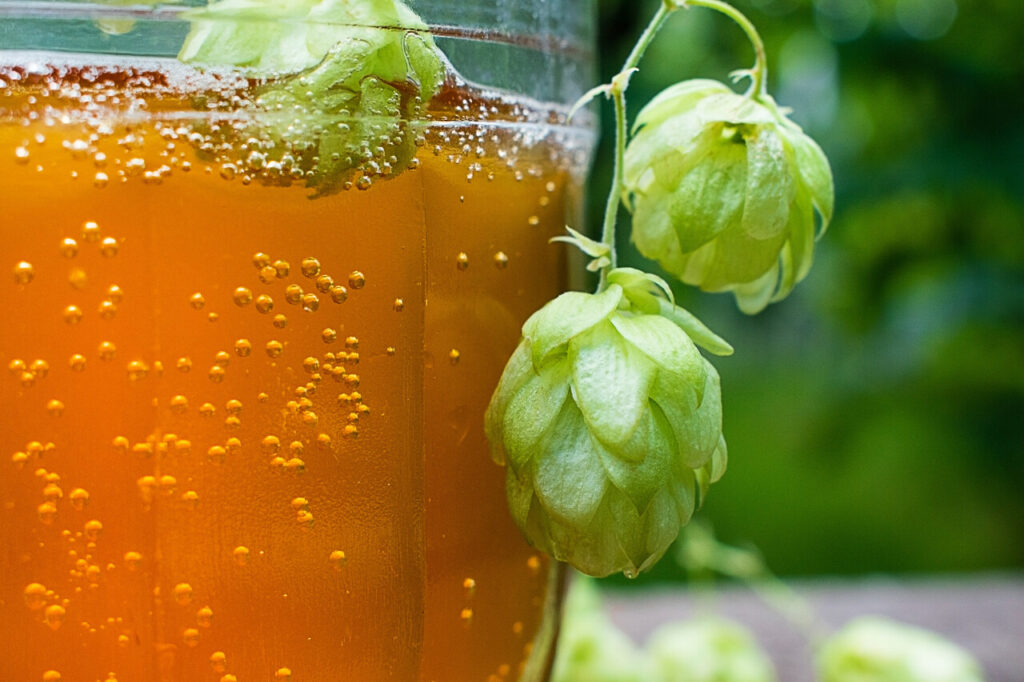
Hops bring aroma, not just bitterness, and you notice citrus, pine, or floral notes when you take a deep breath before sipping. Bitterness appears when hops boil early, but late additions create fragrance instead. When you try a hop-forward style that emphasizes aroma, you see that hoppy doesn’t always mean sharp. You stop avoiding the word and start exploring what those scents add. The more you try, the more you realize how varied hop character can be.
11. Beer Always Makes You Gain Weight

Beer doesn’t cause weight gain on its own. Habits, portion sizes, and the snacks you pair with it play a bigger role. When you drink mindfully and eat balanced meals, beer fits into your routine without trouble. You start noticing that heavy foods you crave during drinking sessions matter more than the drink itself. Once you see the full picture, you stop blaming beer by default. You treat it like any other part of your diet and enjoy it with intention.