11 Dark Chocolate Bars That Charge Luxury Prices

Dark chocolate has a way of feeling sophisticated the moment you unwrap it. Higher cocoa percentages, sleek packaging, and elegant branding instantly suggest depth, craftsmanship, and indulgence. It promises more than sweetness. It promises an experience.
But not every luxury-priced bar earns its premium. Behind the glossy wrappers are factors like sourcing models, boutique production, specialty ingredients, and brand positioning that quietly shape the final cost on the shelf.
Understanding what truly drives those higher price tags helps you decide whether you are paying for rare cocoa complexity or simply for image and presentation. A closer look makes every square taste a little more informed.
1. Lindt & Sprüngli Excellence 70% Cocoa
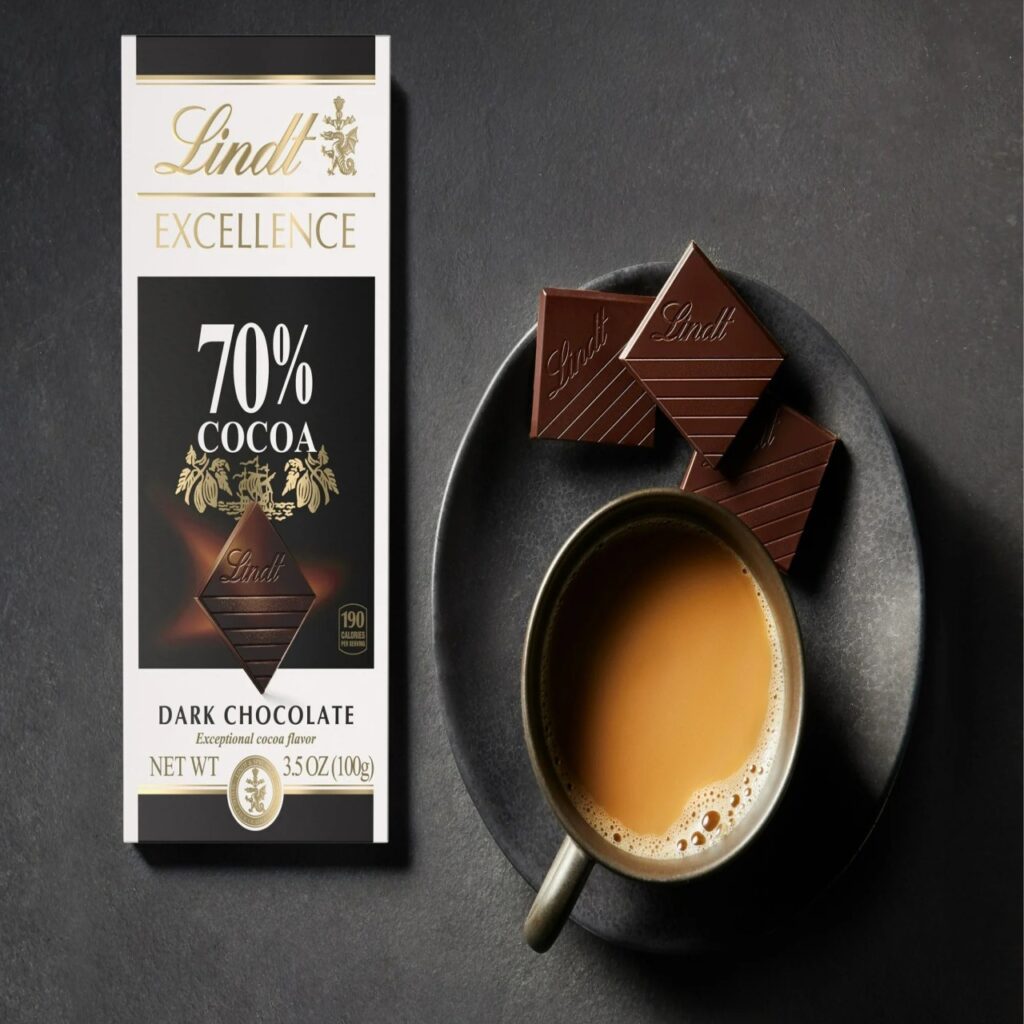
Few supermarket bars signal “premium” as confidently as Lindt’s Excellence 70% Cocoa. The slim black wrapper, precise squares, and Swiss branding create an immediate sense of refinement, and the price often reflects that positioning.
Much of the cost is tied to brand heritage and large-scale European manufacturing standards. Lindt invests heavily in conching, a lengthy refining process that smooths texture and reduces bitterness. Cocoa sourcing and global distribution also influence pricing.
Still, when compared by cocoa percentage alone, similar 70% bars can cost less. Buyers are often paying for consistency, reputation, and presentation as much as raw ingredients.
2. Green & Black’s Organic Dark 70%
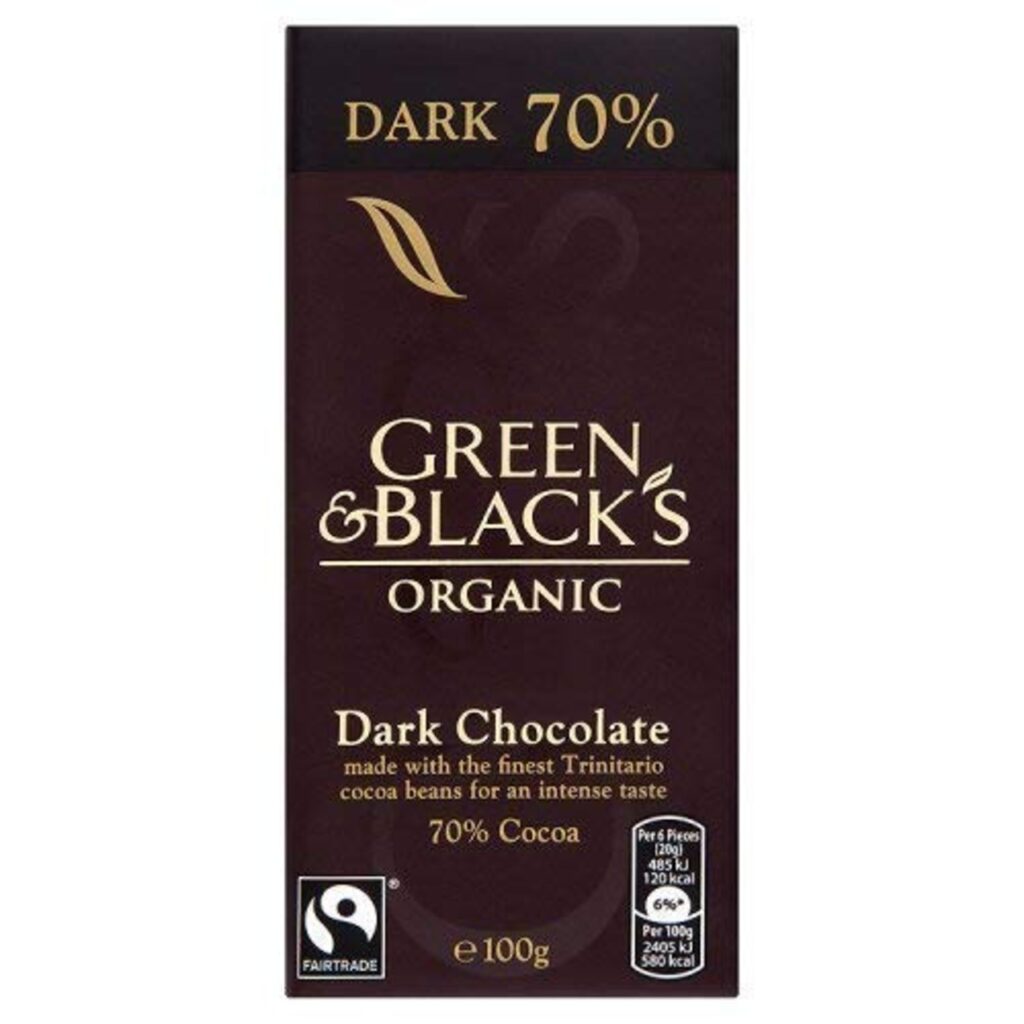
Green & Black’s built its name on organic chocolate before it became mainstream. That early commitment still shapes its pricing, with the 70% Dark bar commonly sitting above standard grocery options.
Organic certification requires stricter farming practices and supply chain audits. Cocoa and sugar must meet regulated standards, and traceability systems add administrative costs. These factors raise production expenses beyond conventional sourcing.
The flavor is balanced and reliable, but the higher price often reflects environmental and ethical commitments rather than rare cocoa varieties. Consumers pay for verified standards as much as taste.
3. Godiva Dark Chocolate Bars
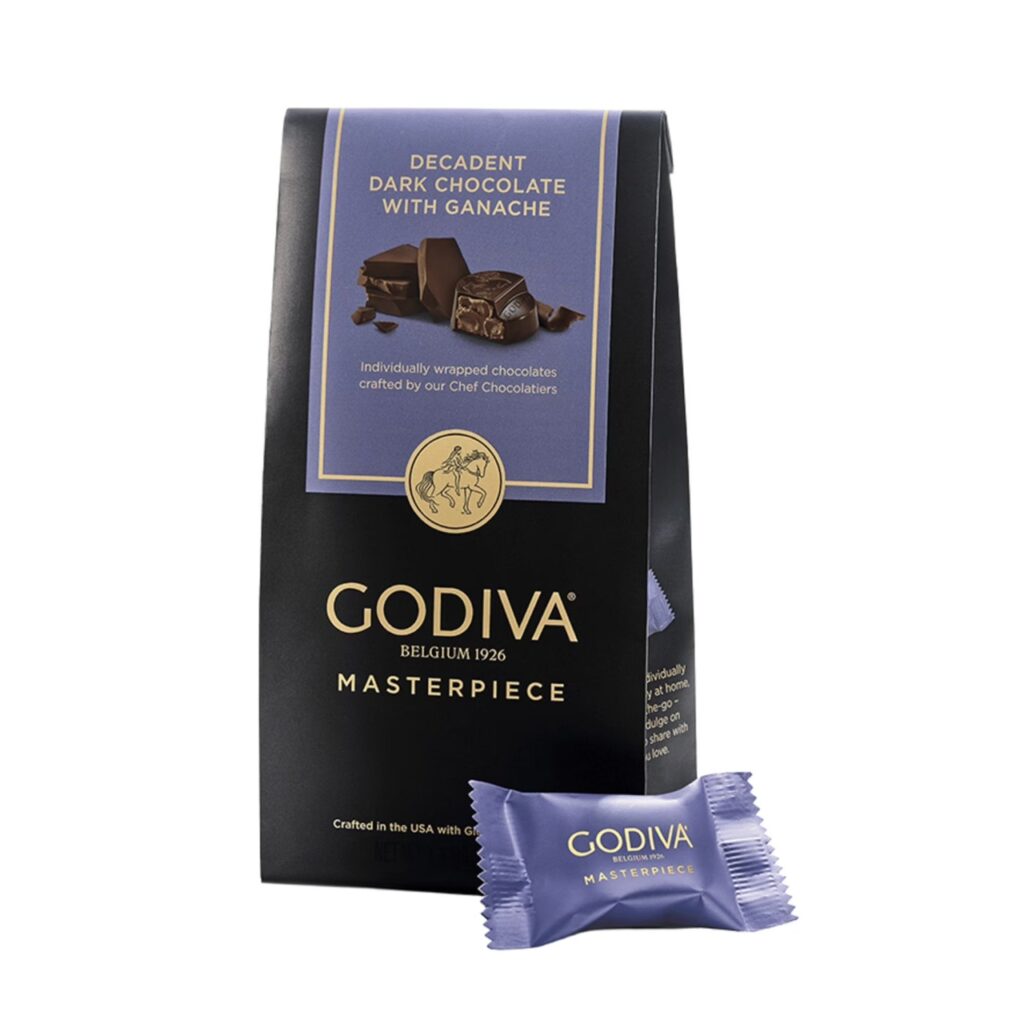
Godiva’s dark bars carry the aura of gift shop luxury. Elegant gold accents and boutique displays position the brand closer to fine confectionery than everyday snacks, and prices mirror that image.
A significant portion of the cost supports branding, retail storefronts, and global marketing. Belgian chocolate heritage plays strongly into consumer perception, even when production occurs in multiple international facilities.
The chocolate itself is smooth and dependable. However, the premium often reflects presentation, gifting appeal, and store overhead more than unusually expensive cocoa content.
4. Ghirardelli Chocolate Company Intense Dark
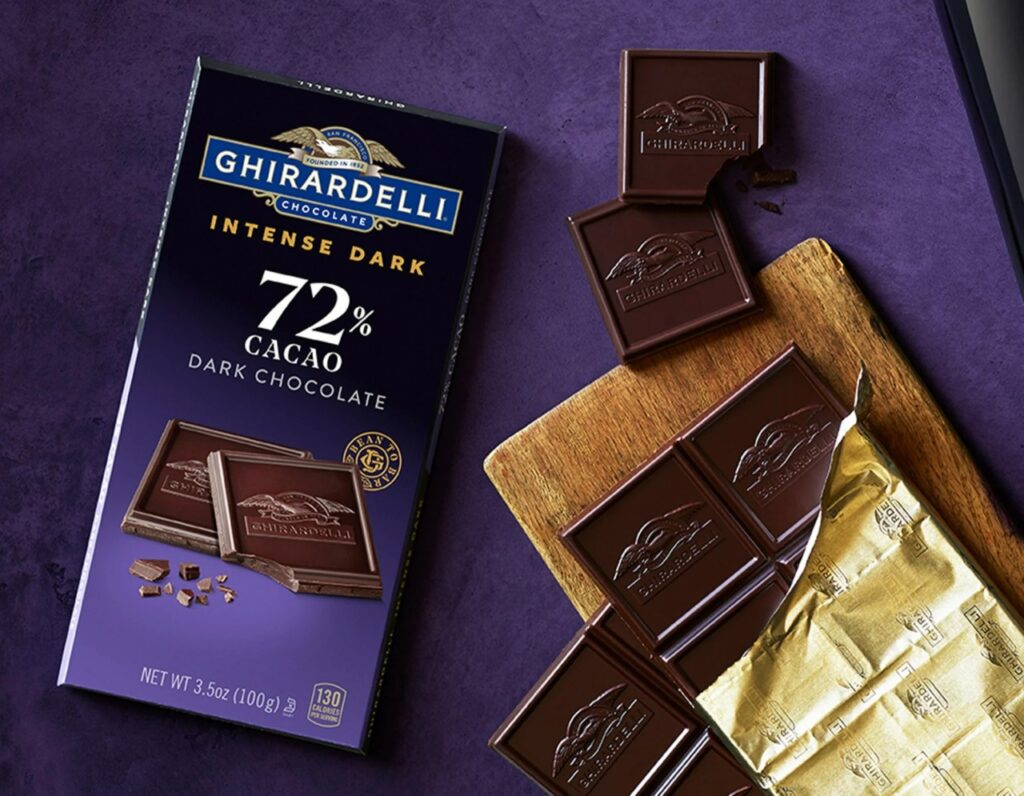
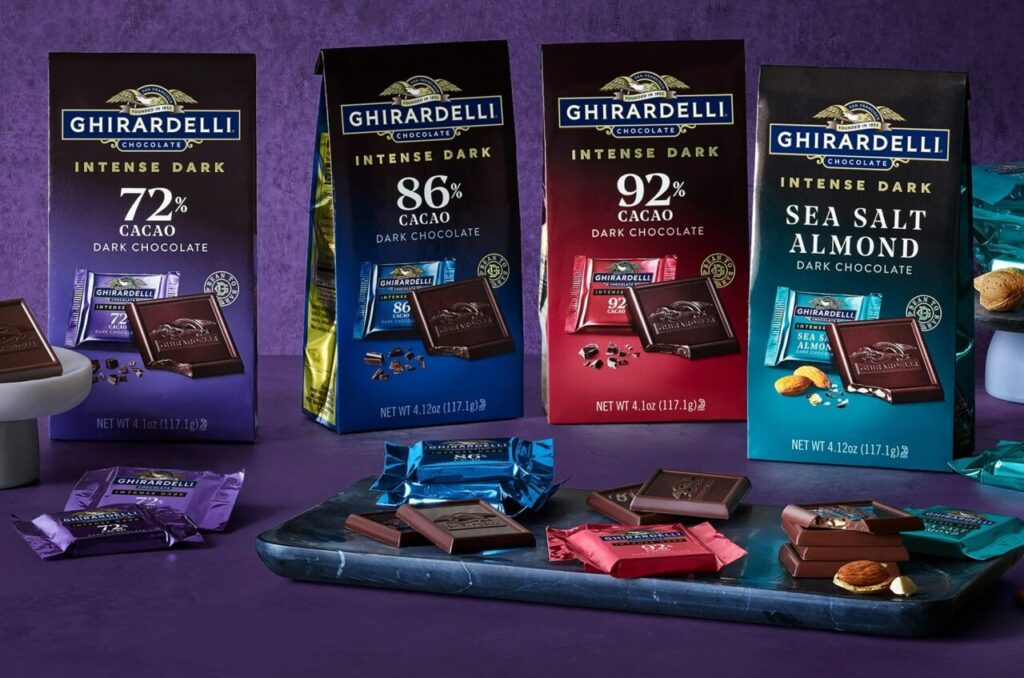
Ghirardelli’s Intense Dark line is marketed as bold yet smooth, appealing to shoppers seeking higher cocoa percentages without specialty store pricing. Even so, it often costs more than private label competitors.
The company uses proprietary blends and extended refining to create a consistent texture. Operating historic production facilities and maintaining brand legacy in the United States add to operational costs.
While quality control is strong, similar cocoa percentages can be found for less. The added expense often reflects brand loyalty and perceived reliability rather than rare bean sourcing.
5. Alter Eco Dark Chocolate Bars
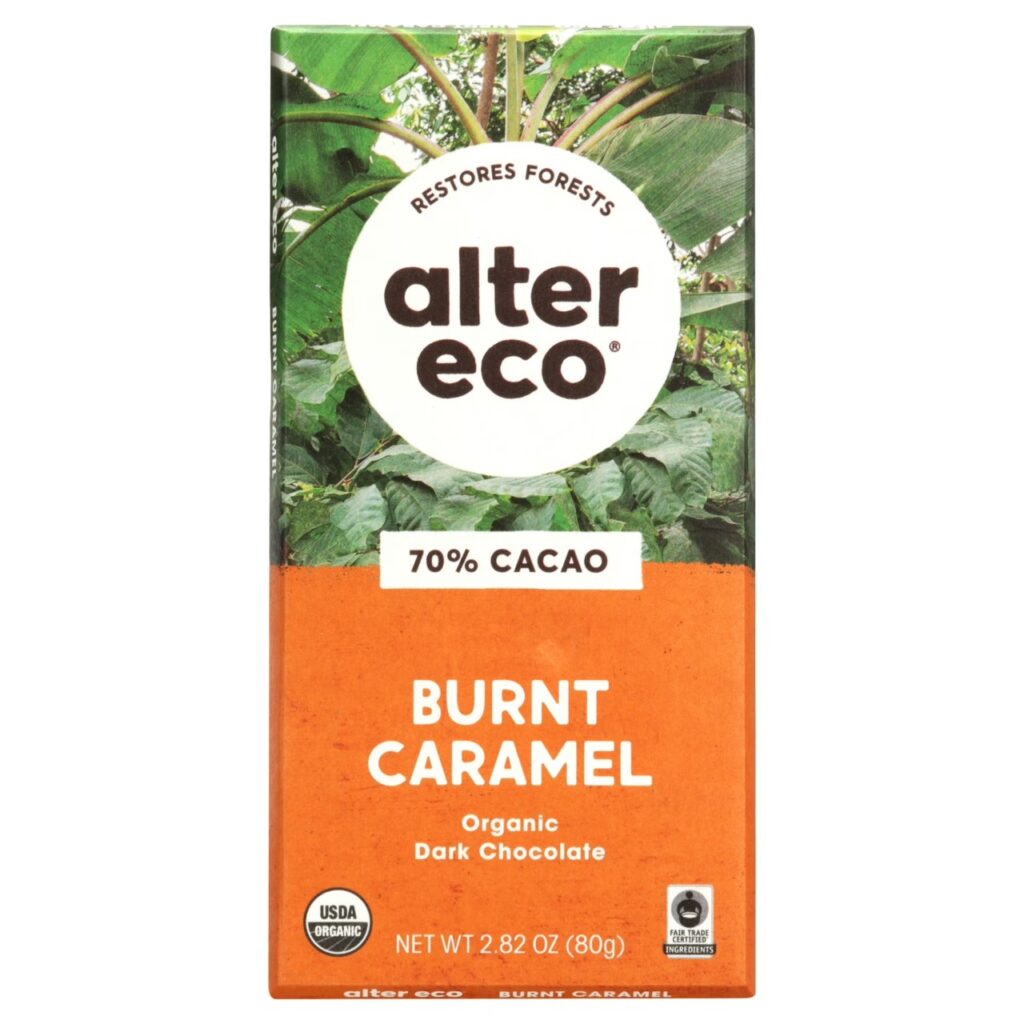
Alter Eco positions its dark chocolate at the intersection of indulgence and sustainability. Its bars frequently command premium prices compared to conventional supermarket options.
The company emphasizes fair trade cocoa, organic certification, and environmentally conscious packaging. Smaller-scale production and ethical sourcing contracts increase per-unit costs compared to mass market manufacturers.
For many buyers, those standards justify the higher price. From a sensory standpoint, however, the difference may be subtle, making the premium more about values than dramatic flavor contrast.
6. Tony’s Chocolonely Dark Chocolate
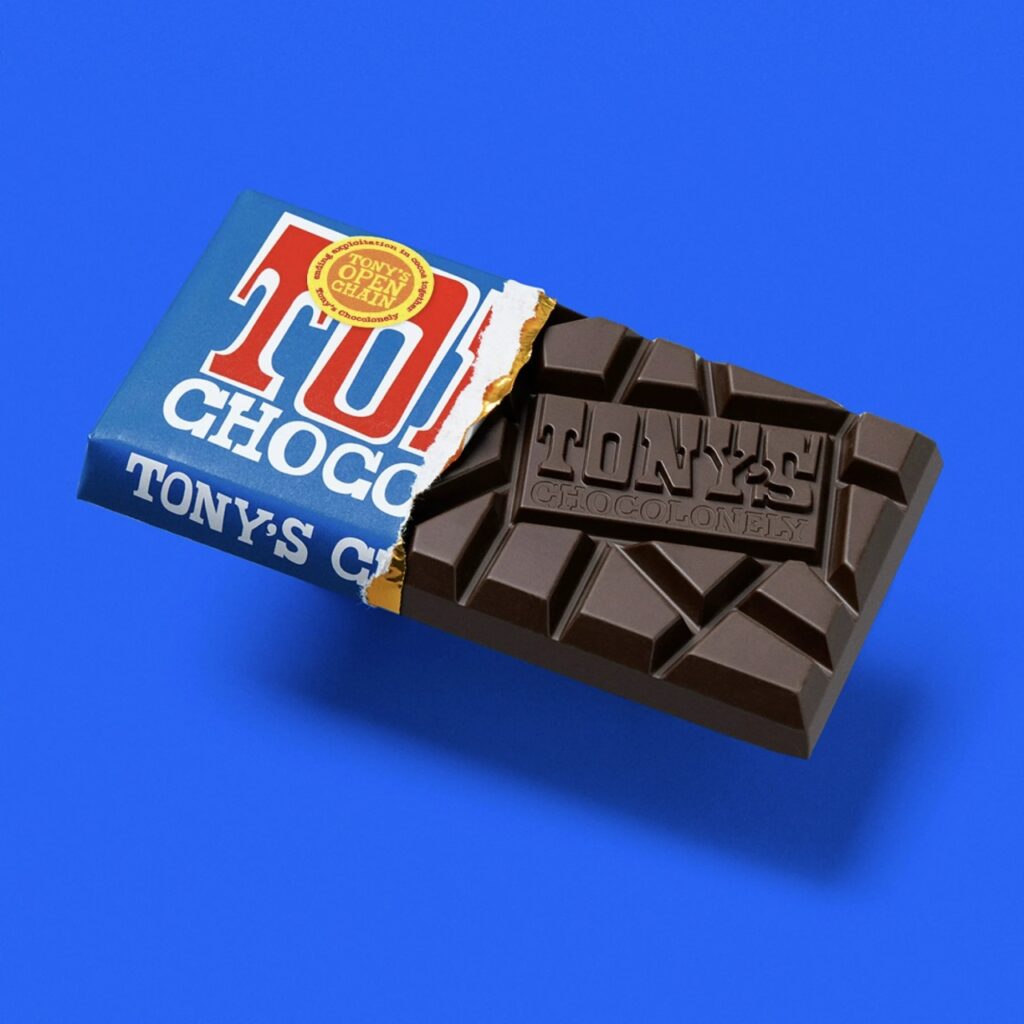
Few chocolate bars make a statement before you even taste them. Tony’s Chocolonely does exactly that with bold colors and unevenly divided pieces that symbolize inequality in the cocoa trade. The price often sits above standard grocery store dark chocolate, and that difference is intentional.
The company invests heavily in traceable cocoa sourcing and long-term contracts with farmers in West Africa. It pays premiums designed to improve incomes and address labor abuses within supply chains. Building and auditing these systems adds measurable cost.
Flavor quality is reliable and smooth, but much of the higher price supports transparency programs and social impact efforts. Buyers are paying for accountability and reform alongside cocoa content.
7. Valrhona Dark Chocolate Bars
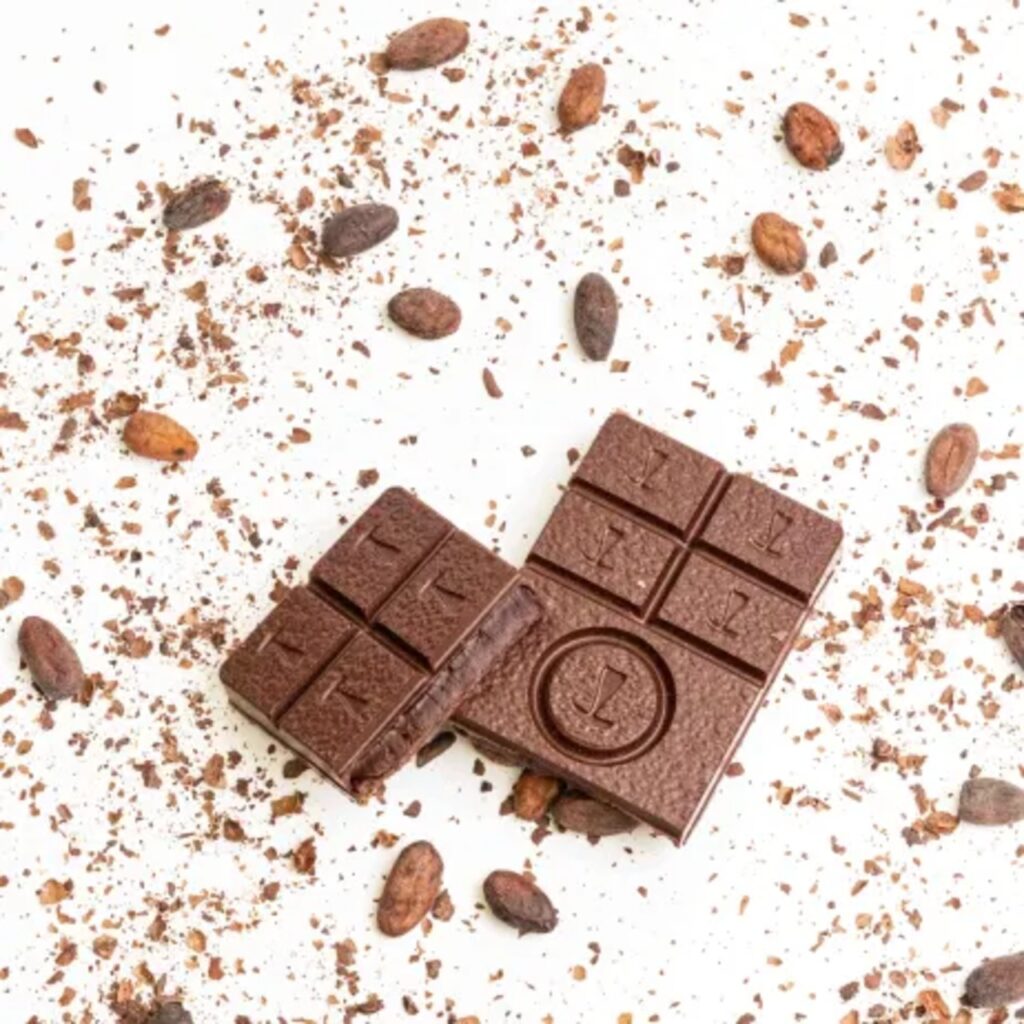
Step into a professional pastry kitchen and you are likely to find Valrhona within reach. The brand is known for specialty couvertures and dark bars that command significantly higher prices than supermarket staples.
Valrhona sources from specific plantations and focuses on detailed fermentation and roasting techniques to develop distinct flavor profiles. These controlled processes aim to highlight fruit, floral, or nutty notes with precision.
Such craftsmanship raises production costs, and limited distribution keeps supply tight. For chefs and enthusiasts, the complexity justifies the premium. For casual buyers, the price may feel elevated compared to everyday alternatives.
8. Amedei Toscano Black
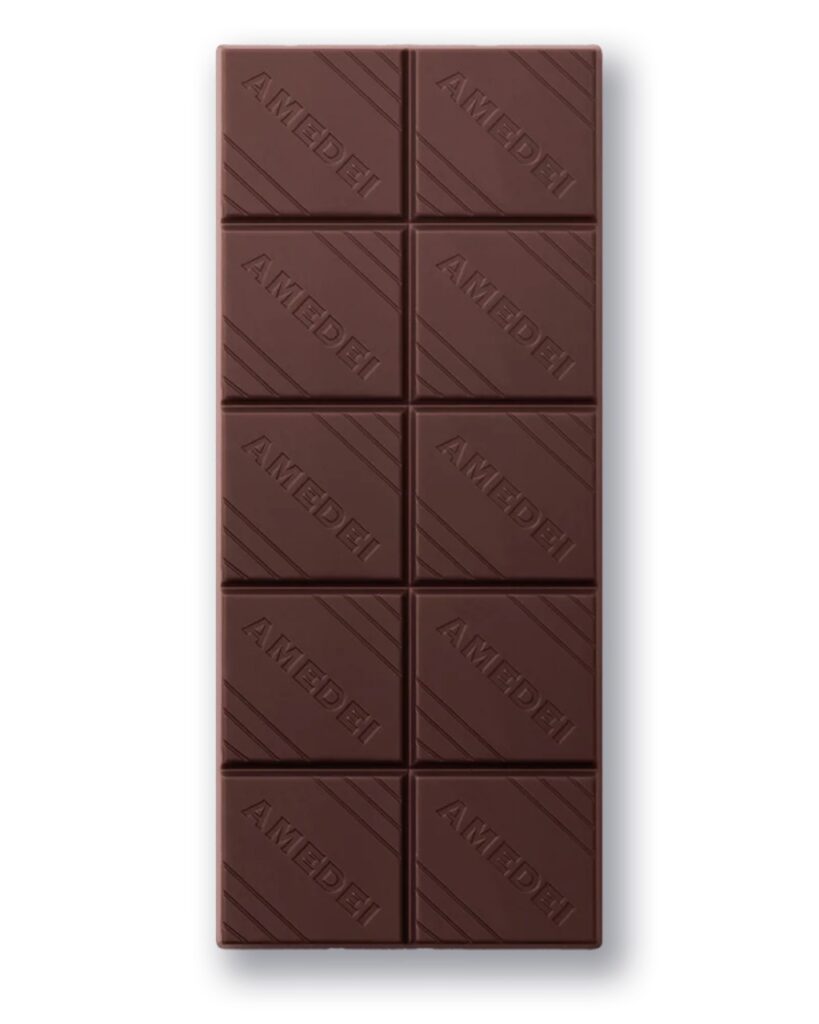
Amedei’s Toscano Black is often presented as a connoisseur’s chocolate rather than a casual treat. Its retail price typically exceeds mainstream dark bars by a wide margin, reflecting boutique production methods.
The company works with carefully selected cocoa beans and produces in smaller batches. Without the economies of scale enjoyed by global giants, each bar carries higher manufacturing and sourcing expenses.
The result is refined and carefully balanced chocolate aimed at serious enthusiasts. While flavor depth can be notable, much of the cost reflects exclusivity, limited output, and artisan positioning.
9. Vosges Haut-Chocolat Exotic Dark Bars
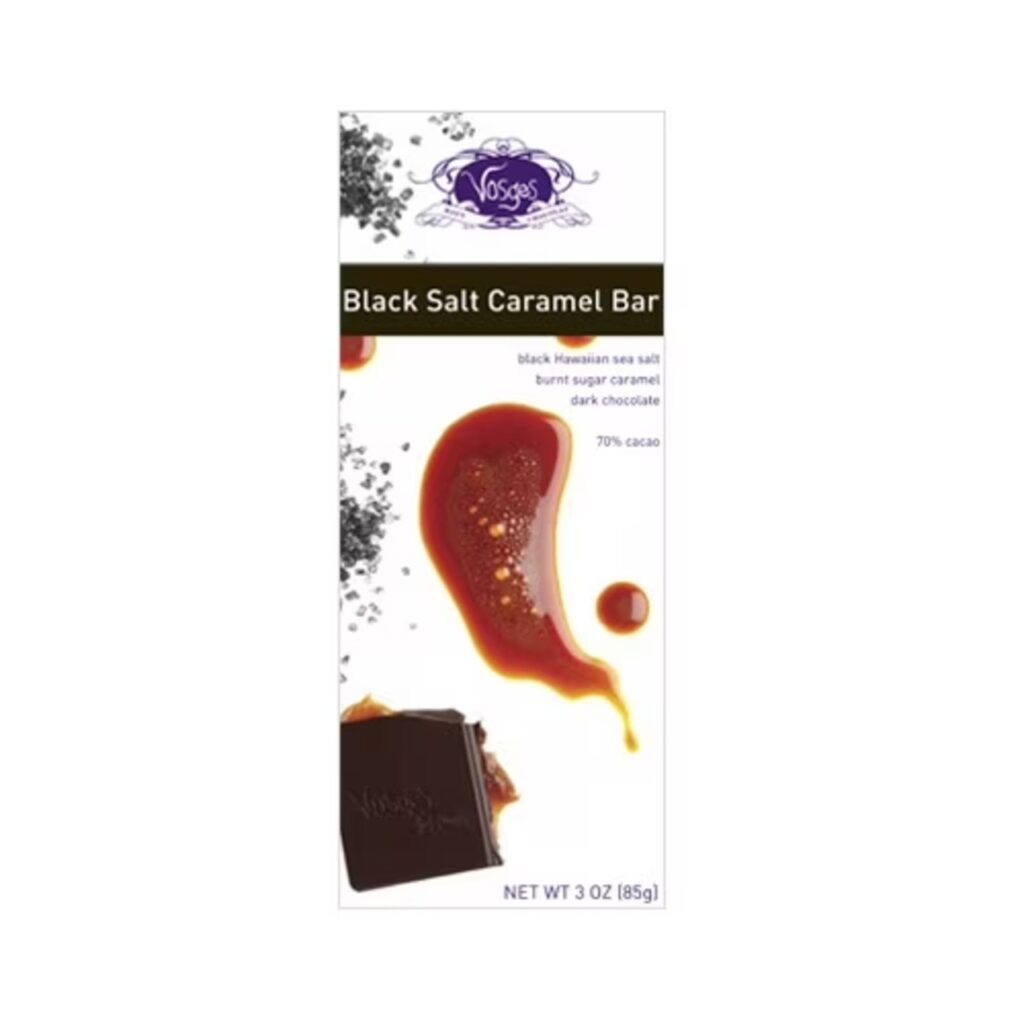
Vosges approaches dark chocolate as a culinary experiment rather than a simple sweet. Its Exotic Dark bars blend high cocoa content with ingredients like ancho chili, Himalayan salt, or floral infusions. That positioning places the bars in the luxury tier.
Specialty spices and globally sourced inclusions raise costs beyond standard cocoa, sugar, and cocoa butter. Smaller batch production and flavor balancing require added development time and quality control. Decorative packaging also increases overall expense.
The chocolate is smooth and well-crafted, yet the premium often reflects creativity and presentation as much as cocoa quality. Buyers are investing in distinctive flavor pairings and brand identity alongside dark chocolate intensity.
10. Theo Chocolate Dark Chocolate
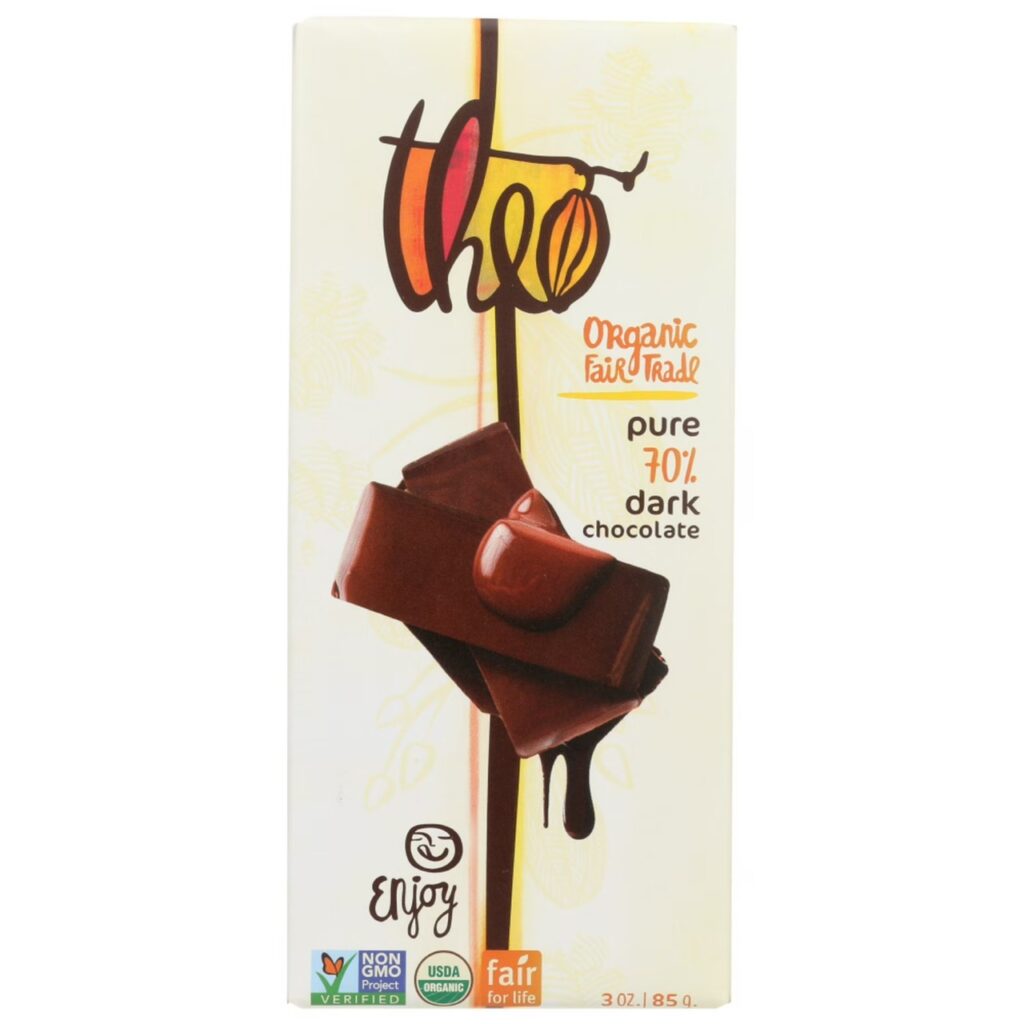
Theo Chocolate built its reputation on organic and fair trade principles long before such labels were common. Its dark bars typically cost more than conventional brands with similar cocoa percentages.
Maintaining certified organic facilities and transparent sourcing systems requires audits, documentation, and compliance measures that raise operational overhead. Domestic production in the United States can also mean higher labor expenses.
Flavor profiles are clean and balanced, yet the premium largely reflects certification and ethical commitments. Buyers often pay for verified standards and responsible sourcing rather than dramatic differences in cocoa strength.
11. Hotel Chocolat Dark Chocolate Slabs
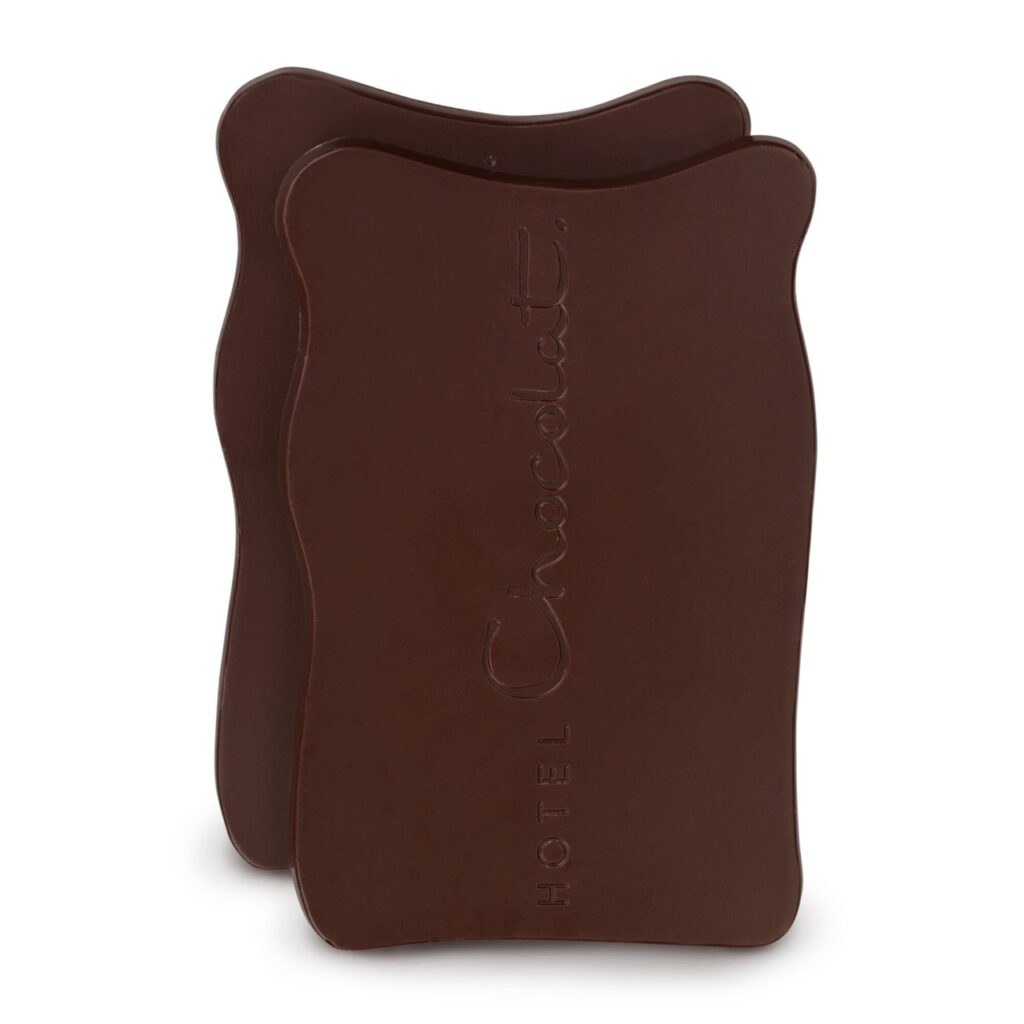
Hotel Chocolat positions its dark slabs as indulgent experiences rather than simple candy bars. Sleek packaging and curated collections immediately signal an upscale approach, and prices follow that tone.
The company operates boutique retail locations and invests in brand storytelling built around British luxury chocolate. Store leases, staffing, and refined presentation add layers of overhead beyond raw ingredients.
Ingredient quality is dependable, but much of the premium reflects the broader brand environment. Customers often pay for atmosphere, design, and curated appeal alongside the chocolate itself.