Woody Chicken Breast and the Alarming Texture Problem in Modern Poultry

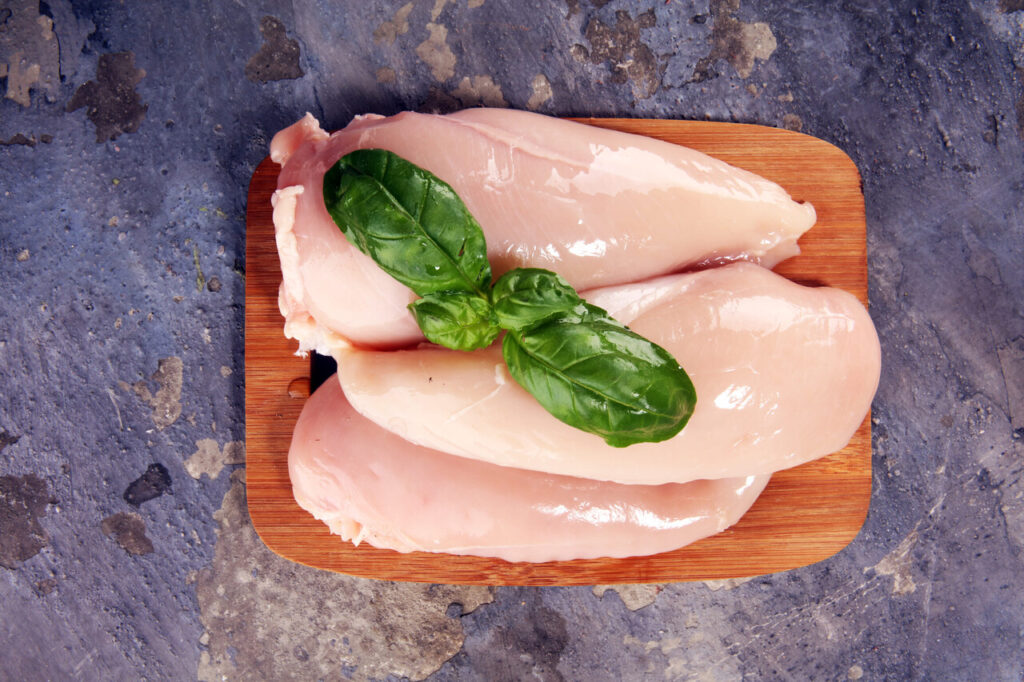
Chicken breast has long been a dependable staple in American kitchens, prized for its lean protein and versatility. But more home cooks are noticing something unsettling: a dense, rubbery texture that refuses to soften, even when cooked correctly. Known in food science circles as woody breast, this muscle condition has become increasingly common in modern poultry. It is not a safety issue, but it is a quality problem rooted in how today’s chickens are bred and raised. As researchers and producers work to understand it, consumers are left wondering why their once-tender chicken now feels unexpectedly tough.
The Surprising Texture Problem in Your Chicken
Every once in a while, a texture issue in food becomes impossible to ignore. For many home cooks and restaurant diners, that moment has arrived with chicken breast. A growing number of people open their pan or plate expecting tender, juicy poultry, and instead feel something hard, chewy, and oddly unyielding. The sensation has prompted questions, photos on social media, and confusion at dinner tables across the country. This isn’t the typical variation in doneness from overcooking. When people describe chicken that feels stiff, woody, or springy even after proper cooking, they’re likely encountering a condition researchers call “woody breast.” It’s a quality issue that can make even well-prepared chicken less enjoyable, and it’s occurring with enough frequency that consumers are talking about it.
The experience is distinct and consistent enough that it’s become a recognizable problem. Consumers describe it as dense or rubbery, with a firmness that doesn’t align with how chicken breast normally feels when cooked. It can occur in grocery store packages, restaurant meals, and even premium poultry products. For people who rely on chicken as a lean, healthy protein in everyday meals, discovering a cut with this unusual texture can be frustrating and disappointing. Because the issue doesn’t always come with visible signs that something is “off” at first glance, many cooks only realize it when they bite into the meat. That creates uncertainty: is it safe, is it just tough, or is something else going on?
What Scientists Say Is Happening

To understand why chicken can develop this woody texture, it helps to look at muscle science. Chicken breast meat is primarily made up of muscle fibers arranged in long, thin bundles. In healthy muscle tissue, these fibers remain flexible and uniform, giving cooked chicken its characteristic tenderness. But under certain conditions, the composition and structure of these fibers change. Researchers studying poultry quality have found that, in cases of woody breast, muscle fibers show signs of degeneration, fibrosis, and an increase in connective tissue. Connective tissue doesn’t break down in the same way as muscle protein during cooking. Instead of becoming tender, it remains tough. This scientific explanation aligns with how consumers describe the experience. What feels like “gristle” or “chewiness” is not random. It’s a biological change in the meat.
The condition has been the subject of study in food science and animal physiology, especially in the last decade. Research shows that the muscle changes associated with woody breast are most common in fast-growing poultry breeds. These breeds were developed for efficiency, to reach market weight quickly with minimal feed, but that rapid growth appears to outpace the muscle’s ability to develop properly. When muscle fibers grow too fast and too large, the internal organization of the tissue can become compromised, leading to rigidity and abnormal texture. In clinical terms, this is sometimes described as a myopathy, a disorder of muscle growth and health, rather than a simple cooking problem.
Why This Problem Has Emerged Now
The rise of woody breast is closely tied to how modern poultry is raised at industrial scale. Over the past several decades, the poultry industry has dramatically increased growth rates in broiler chickens, selecting for genetics that produce large breast fillets quickly. This has enabled producers to meet consumer demand for lean meat at lower cost, but it has also pushed biological systems into overdrive. Rapid growth places stress on muscle tissue. When the muscle fibers expand quickly to meet growth targets, the internal structure doesn’t always keep pace. That imbalance can result in tougher, more fibrous meat, the hallmark of woody breast.
Production pressures also play a part. Poultry producers operate in a highly competitive environment where efficiency and yield are primary goals. Large breast meat is often more valuable, which incentivizes breeding strategies that favor size and weight. At the same time, feed formulations and environmental conditions on farms contribute to how muscle tissue develops. The exact combination of genetics, feeding, and growth rate that increases the risk of woody breast isn’t fully understood, but the correlation with the fastest-growing commercial breeds is clear. In practical terms, modern poultry production has prioritized rapid growth and high yields, and the unintended consequence is a texture problem that has become increasingly common in supermarket aisles and menus alike.
Health and Safety Questions for Shoppers

One of the first questions people ask when they encounter unusually tough chicken is whether it’s safe to eat. The good news is that, according to food safety scientists, woody breast is a quality defect rather than a safety hazard. It doesn’t signal the presence of pathogens, spoilage, or contamination. As long as the chicken has been stored and cooked properly, reaching the recommended internal temperature, it is safe to consume. The texture issue is linked to muscle composition, not bacterial growth or unsafe storage conditions. That distinction is important for consumers who want clarity about whether an unusual bite means they should discard the meat entirely.
That said, texture and enjoyment are legitimate quality concerns. Even if safe, woody breast can be unpalatable. For people preparing meals for families or guests, an unexpectedly tough piece of meat can mar an otherwise well-cooked dish. Moreover, there’s nuance in when the texture is purely woody and when it’s combined with other quality issues, such as white striping or variable fat distribution. Some studies have also shown that woody breast can be more common in larger fillets, meaning that while safety isn’t compromised, predictability and consistency are less certain. For cooks who prioritize quality and texture, understanding these differences can help in selecting cuts and adjusting cooking methods.
What the Poultry Industry Is Doing
Faced with consumer complaints and growing scientific attention, parts of the poultry industry are working to address the issue. Researchers, breeders, and producers are exploring strategies to reduce the incidence of woody breast as they balance economic goals with quality outcomes. Some geneticists are investigating alternative breeding lines that prioritize muscle health and texture without sacrificing growth performance. Others are looking at feed formulation, environmental management, and growth pacing as potential levers to improve muscle development.
At the same time, processors are experimenting with grading and quality control measures to detect and segregate meat with pronounced textural defects before it reaches retail shelves. The idea is to prevent the most extreme cases of woody breast from being sold to consumers, preserving trust and satisfaction. But implementing these measures at scale is complicated and costly, and there’s no universal standard yet for how to classify or label affected meat. As a result, shoppers may still encounter woody breast in stores and restaurants. The ongoing efforts signal that the industry recognizes the issue, but the path to widespread resolution will take time, cooperation between producers and scientists, and likely some adjustments in what consumers see as the “standard” cut of chicken breast.