10 Buddha Bowls That Look Gourmet but Taste Basic

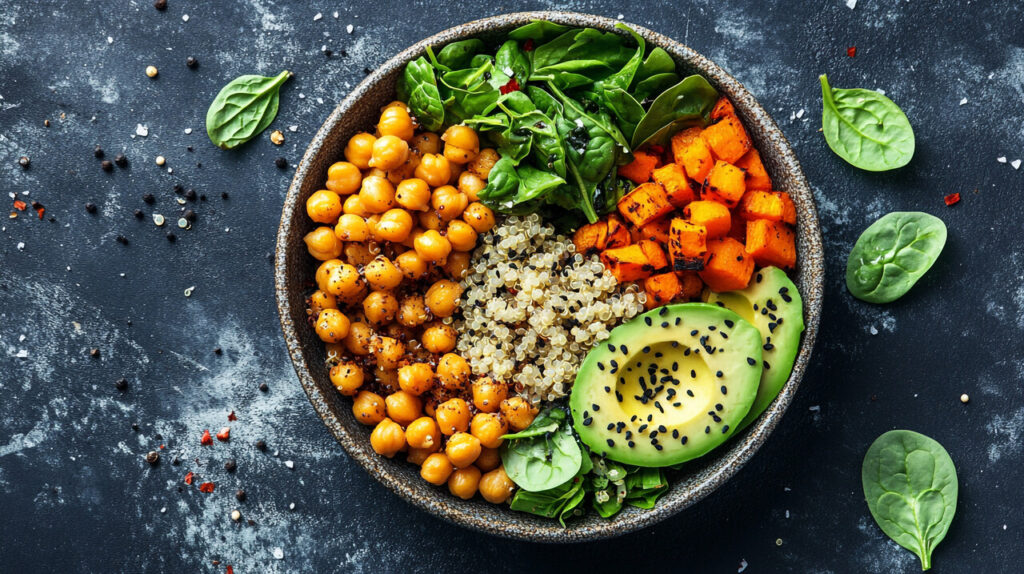
Buddha bowls have taken over social feeds and café menus for a reason. They look balanced, colorful, and thoughtfully arranged, almost like edible art. Grains form the base, vegetables add texture, and a drizzle of sauce ties it all together. On the surface, they promise bold flavor and nourishing satisfaction in every bite.
But here’s the catch. When seasoning is light, and ingredients are chosen more for color than character, these bowls can fall flat. What looks gourmet can end up tasting surprisingly ordinary. The difference often comes down to technique, balance, and how much attention is given to flavor instead of just presentation.
1. Rainbow Veggie Bowl With Quinoa and Hummus
At first glance, this bowl feels like a nutrition poster brought to life. You get bright shredded carrots, sliced cucumbers, purple cabbage, cherry tomatoes, and a scoop of fluffy quinoa arranged in neat sections with a generous spoon of hummus in the center. It looks balanced, wholesome, and thoughtfully composed.
The issue is not the ingredients themselves but how they are often treated. Raw vegetables carry subtle flavors that depend heavily on salt, acid, and fat to shine. Quinoa, while protein-rich and nutrient-dense, has a mild and slightly nutty taste that can easily fade into the background. If the hummus is store-bought and used as the only source of seasoning, the bowl quickly becomes repetitive.
Without a bold dressing, toasted spices, fresh herbs, or something crunchy and salty for contrast, every bite blends into the next. What feels vibrant visually can taste flat in practice. It is a perfect example of how color does not automatically translate to depth of flavor.
2. Chickpea Falafel Buddha Bowl
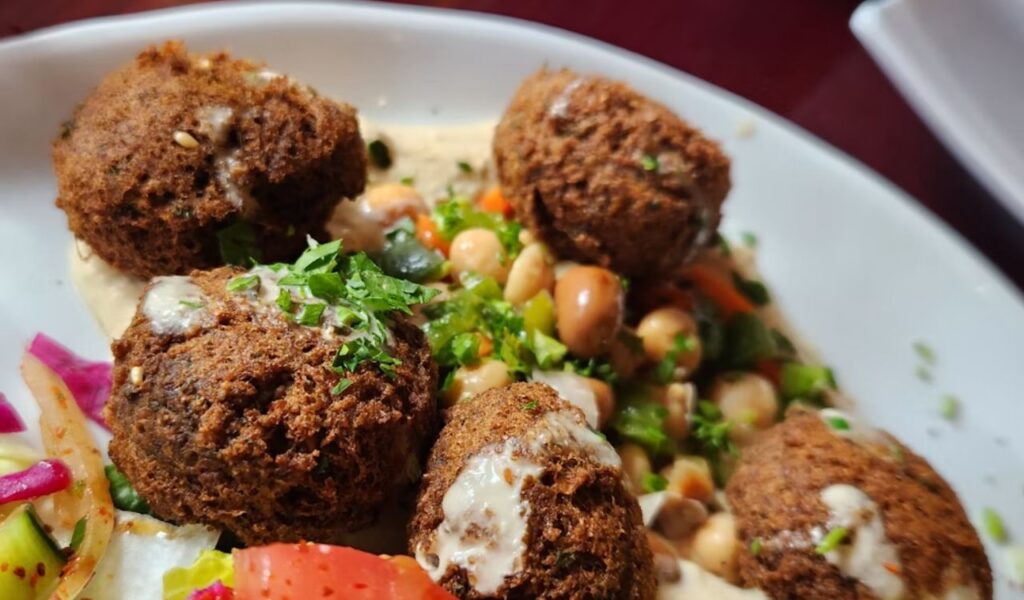
Falafel brings promise. Golden brown on the outside and tender inside, these chickpea fritters suggest warmth and spice. When placed over grains and greens with a drizzle of tahini, the bowl looks like something straight out of a café window.
The reality depends on execution. Falafel that is under-seasoned or baked instead of properly fried can turn dry and crumbly. Pair that with plain rice or unseasoned greens, and the overall flavor becomes surprisingly muted. Chickpeas are mild by nature, and they rely on cumin, coriander, garlic, and herbs to carry the dish.
If the tahini sauce lacks enough lemon, salt, or garlic, the bowl ends up tasting like dense chickpea patties on neutral grains. The texture may be satisfying, but the flavor often fails to match the visual appeal. It shows how even a beloved street food can feel basic when the supporting elements are too restrained.
3. Grilled Tofu and Avocado Bowl
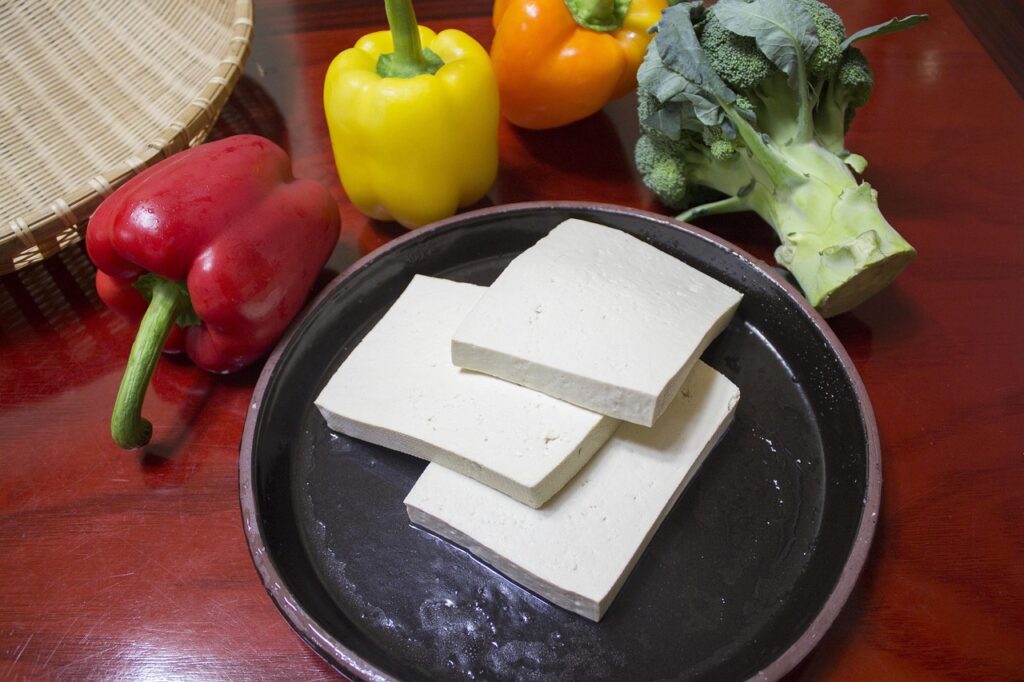
Few bowls look more polished than neat cubes of grilled tofu beside creamy avocado slices and glossy greens. The combination signals plant-based luxury and clean eating at the same time.
Tofu, however, is famously neutral. It absorbs flavor rather than creating its own. If it is not marinated long enough or seasoned aggressively, grilling alone will not transform it. Avocado adds richness but almost no salt or acidity. When both are placed over plain grains with a drizzle of oil and lemon, the bowl can feel one-dimensional.
The texture contrast between crispy edges and soft avocado is pleasant, yet flavor depth remains limited without soy sauce, chili paste, herbs, or something fermented. This bowl proves that clean and simple can sometimes slide into bland if seasoning is treated as an afterthought.
4. Sweet Potato Kale and Brown Rice Bowl
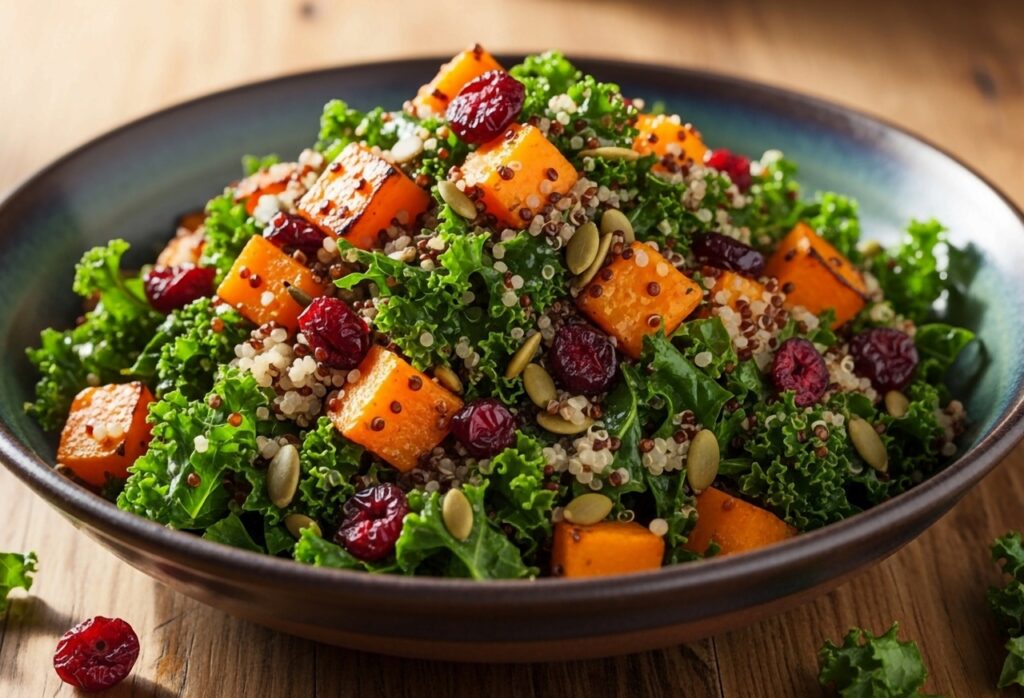
Something is comforting about roasted sweet potatoes against dark green kale and hearty brown rice. The colors are warm and earthy, and the ingredients suggest both fiber and long-lasting energy.
Sweet potatoes are naturally sweet, kale is slightly bitter, and brown rice has a nutty quality. On paper, that balance sounds thoughtful. In practice, if the vegetables are roasted with minimal salt and the kale is not massaged or dressed properly, the bowl can feel dry and slightly flat.
The sweetness of the potato needs spice or acid to feel lively. The kale benefits from citrus or vinegar to soften its sharpness. Without those adjustments, the bowl tastes like wholesome components placed side by side rather than a cohesive dish. It is nourishing, but not always memorable.
5. Beet and Goat Cheese Buddha Bowl
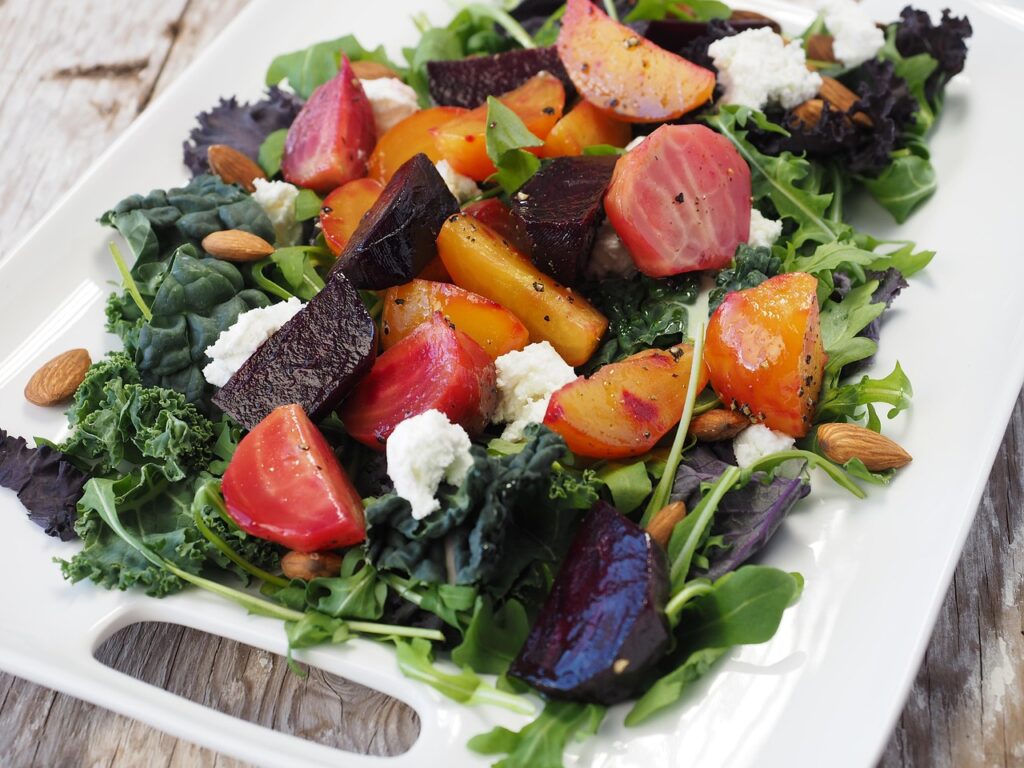
Deep red beets and creamy white goat cheese create a striking visual contrast. Add greens and grains, and the bowl looks refined and almost restaurant-ready.
Beets bring an earthy sweetness that can dominate if not balanced. Goat cheese adds tang, but in small amounts, it may not be enough to carry the whole bowl. When the grain base is plain and the dressing is mild, the flavor leans heavily toward sweet earthiness.
A sharp vinaigrette, toasted nuts, or fresh herbs could elevate the profile. Without those elements, each bite tastes similar. It is pleasant, but not dynamic. The bowl often relies on its dramatic color more than on layered seasoning.
6. Mediterranean Bowl With Olives and Cucumber
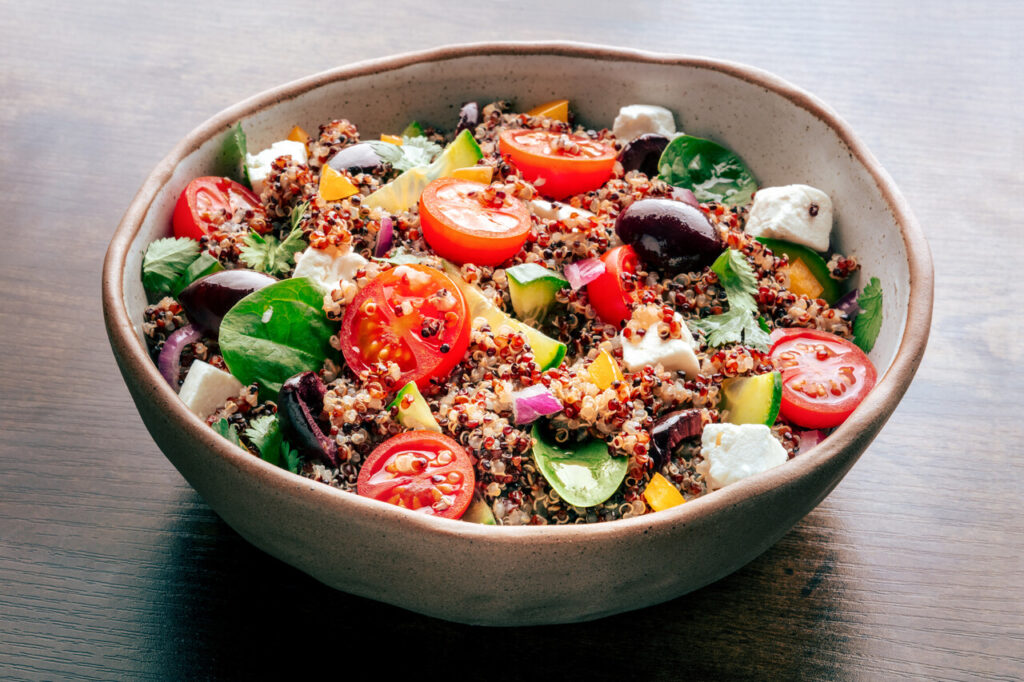
This bowl promises brightness with olives, cucumber, tomatoes, and feta scattered over grains. It evokes seaside flavors and relaxed dining.
The ingredients themselves are flavorful, especially olives and feta. The problem appears when everything is used sparingly, and the base is underseasoned. Cucumber and tomato contain a high water content and need salt to release flavor. Without it, they taste refreshing but mild.
If the dressing is just olive oil with a squeeze of lemon, the overall effect can feel restrained. Mediterranean food thrives on herbs, garlic, and acidity. When those are dialed down, the bowl looks vibrant but tastes like a simplified version of something that could have been much more exciting.
7. Roasted Vegetable and Tahini Bowl
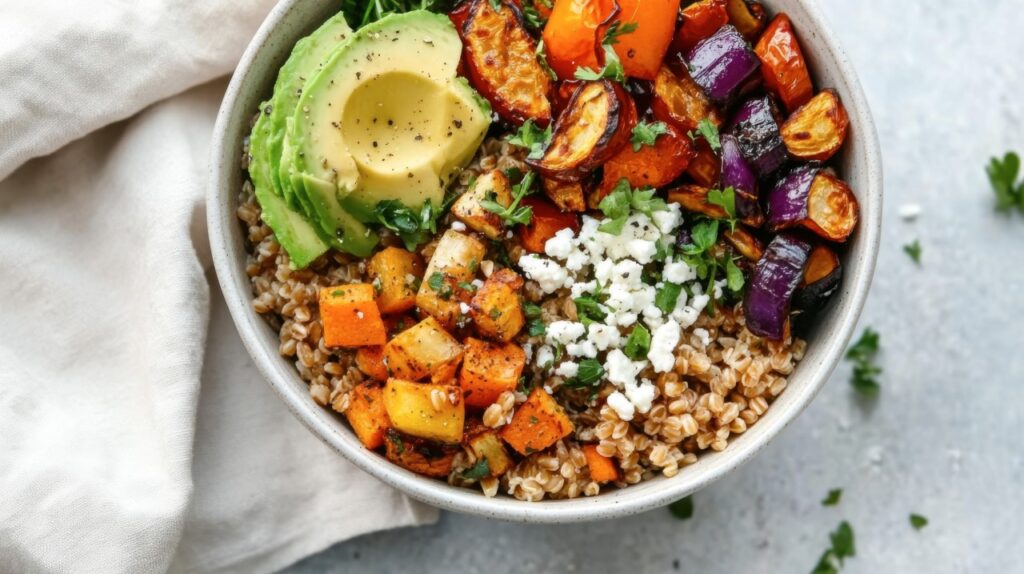
Roasted cauliflower, carrots, and broccoli arranged over grains can look hearty and satisfying. A swirl of tahini sauce adds visual appeal and a sense of richness.
Roasting does concentrate flavor, especially when vegetables caramelize. Yet if they are seasoned lightly, the natural sweetness alone may not create enough depth. Tahini is creamy and slightly bitter, but it also needs lemon, salt, and sometimes garlic to feel balanced.
When both components are mild, the bowl becomes predictable. Every forkful tastes similar, and the lack of contrast in texture or spice makes it feel repetitive. It is wholesome and filling, but rarely bold.
8. Black Bean and Corn Fiesta Bowl
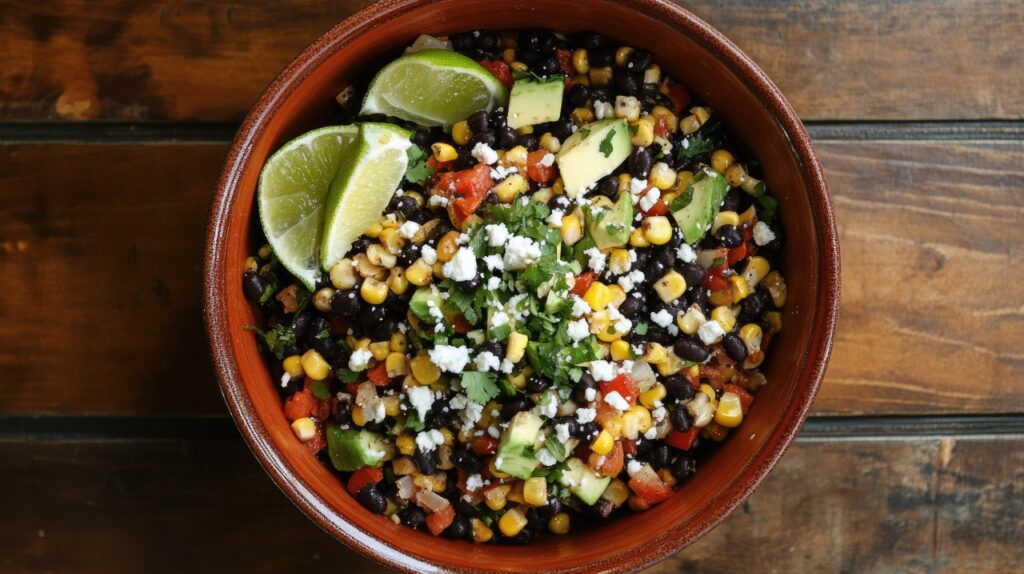
Black beans, corn, cilantro, and diced peppers create a colorful arrangement that suggests a lively Southwestern flavor profile. The bowl often looks festive and generous.
Black beans are hearty but mild. Corn adds sweetness, and both benefit from smoky spices like cumin or chili powder. If those spices are used sparingly and the rice underneath is plain, the bowl can taste more like a side dish than a main event.
A squeeze of lime, fresh salsa, or a spicy sauce can transform it. Without those additions, the ingredients feel separate rather than unified. The bowl has the potential for heat and brightness, yet it often settles into a safe and basic flavor range.
9. Miso Glazed Eggplant Bowl
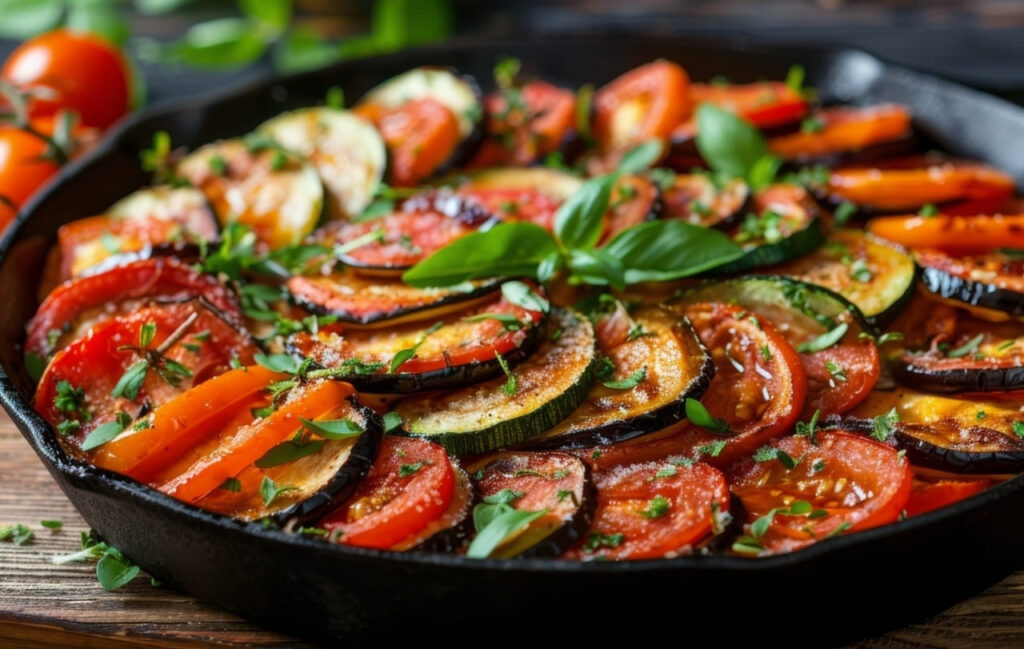
Glossy slices of eggplant coated in miso glaze look sophisticated and deeply flavored. Paired with rice and greens, the bowl suggests umami richness.
Eggplant absorbs oil and seasoning readily, but it can also turn spongy and bland if underseasoned. Miso paste is savory and salty, yet if diluted too much in the glaze, its impact fades. The result can be soft eggplant with a faint sweetness rather than a punch of umami.
Without crunch from seeds or fresh herbs for contrast, the texture becomes uniformly soft. The bowl appears refined, but the taste may not live up to that promise. Stronger seasoning and sharper acidity are often needed to bring it to life.
10. Citrus Quinoa and Feta Bowl
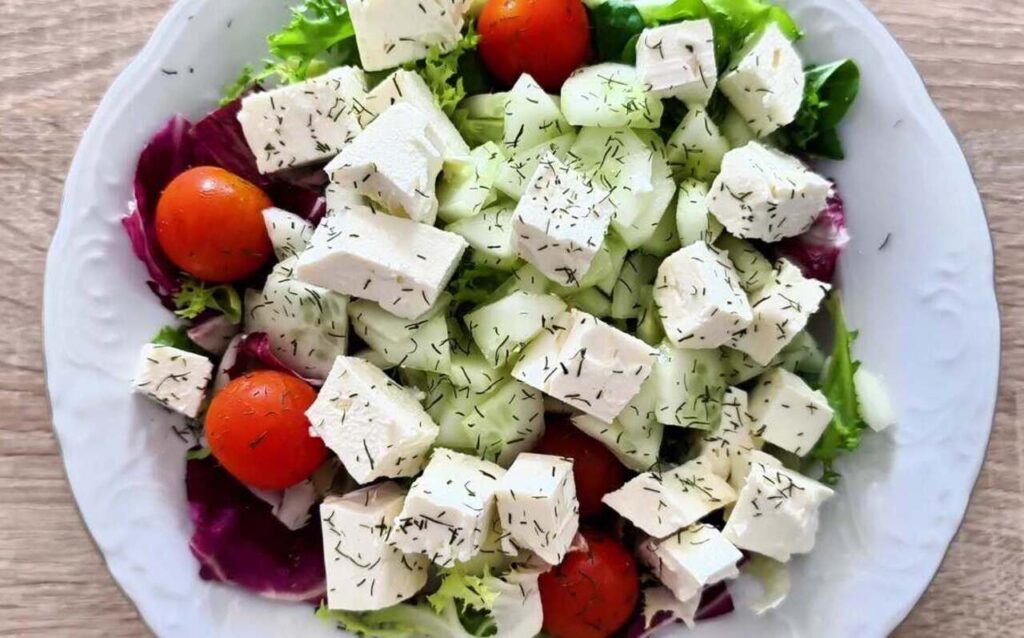
Segments of orange or grapefruit nestled into quinoa with crumbled feta look bright and refreshing. The color contrast alone makes the bowl feel special.
Citrus adds acidity and sweetness, but its flavor can be diluted when mixed with grains. Quinoa remains mild unless seasoned well, and feta, while salty, is often used sparingly. If the citrus is not especially tart, the bowl can taste gentle rather than vibrant.
Fresh herbs, toasted nuts, or a sharper vinaigrette could create balance. Without those additions, the dish leans heavily on appearance. It feels light and healthy, yet the flavor may come across as subtle to the point of being forgettable.