8 Foods That Became Less Filling After Fat and Oil Changes

Foods don’t always lose their staying power because portions shrink. Often, the change comes from what’s quietly removed. When fats and oils are reduced or replaced, familiar foods can taste similar yet leave you hungry sooner. The difference appears after the last bite.
Over time, many recipes were adjusted to cut calories, extend shelf life, or meet health targets. Oils were trimmed, dairy fat replaced, and stabilizers added to mimic texture. These shifts changed how food is digested and how long it keeps hunger away.
This list looks at foods that became less filling after fat and oil changes. It explains why satiety dropped and why some foods no longer feel as satisfying as they once did.
1. Ice Cream

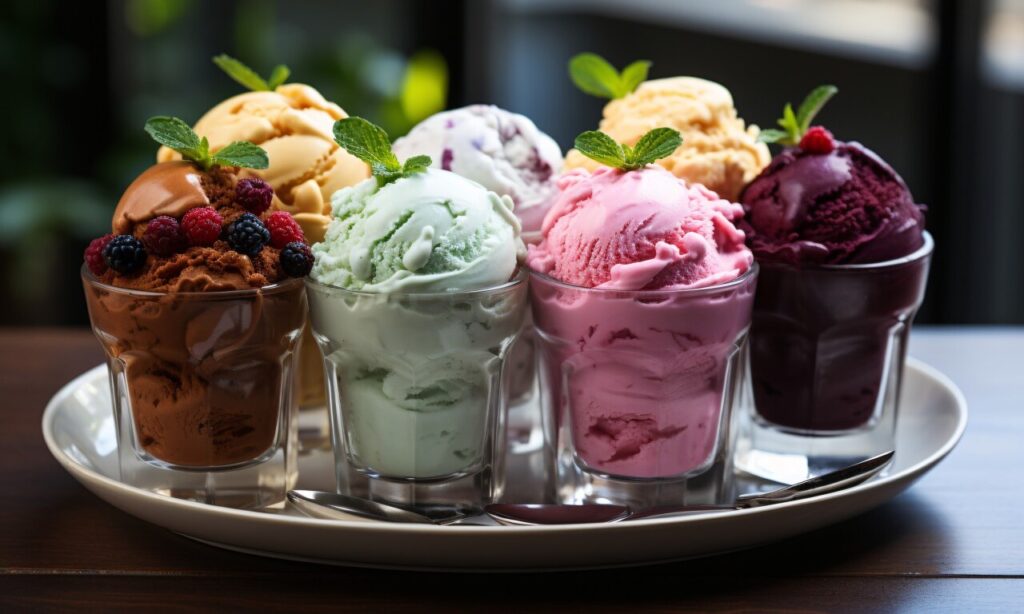
Ice cream once depended on milkfat to deliver both flavor and fullness. Higher fat slowed melting, coated the mouth, and triggered satiety signals during digestion. Eating it felt indulgent but also grounding, with richness that lingered after the bowl was finished.
As recipes shifted toward lower milkfat, stabilizers and gums were added to preserve shape and texture. These ingredients help ice cream stay smooth and scoopable, but they do not digest the same way dairy fat does. Melting happens faster, and the mouthfeel feels lighter.
The result is dessert that tastes familiar but satisfies less. Many people finish a serving and want more sooner, not from overindulgence, but because fat-driven fullness is no longer doing the work it once did.
2. Salad Dressings
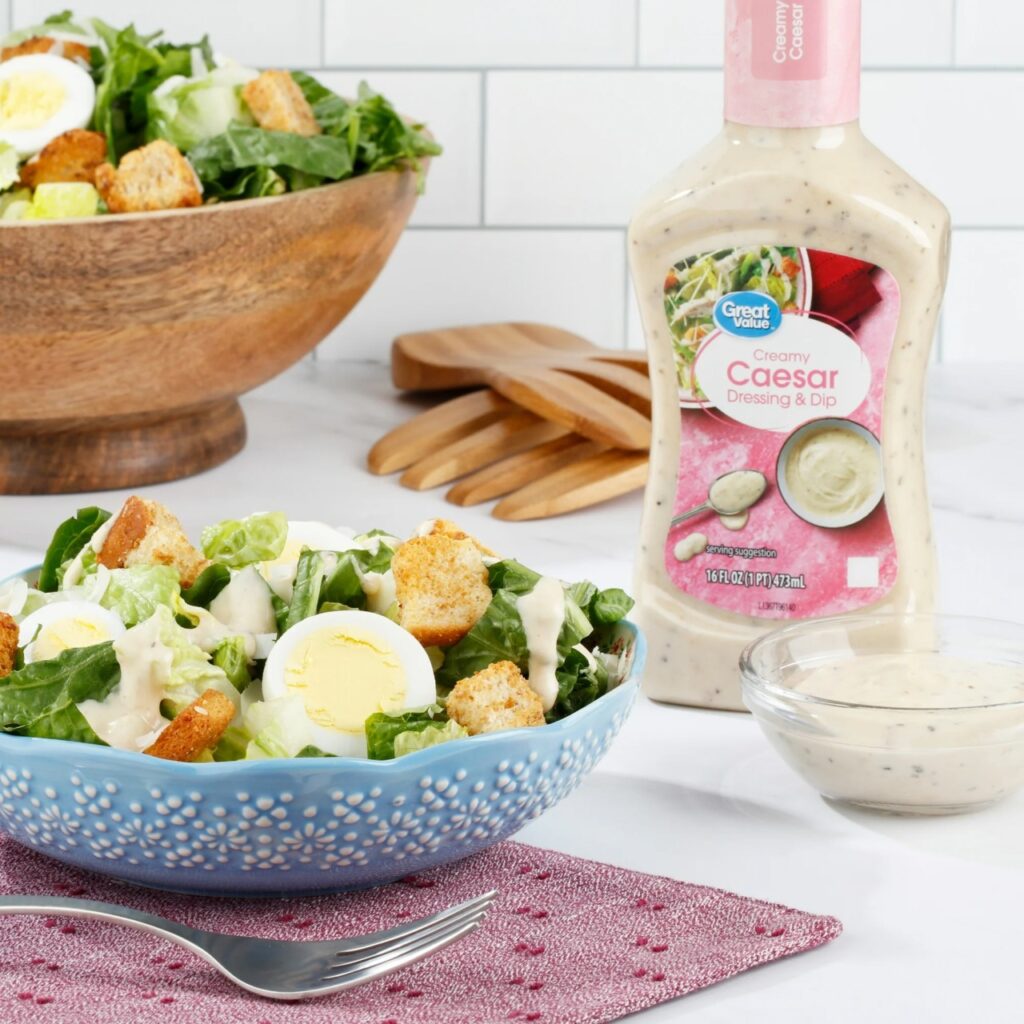
Traditional salad dressings relied on oil to provide body, balance, and staying power. Fat softened acidity, carried flavor, and slowed digestion, helping salads feel like complete meals rather than light sides.
Reduced-fat versions cut oil and replace it with water, starches, or emulsifiers. These additions recreate thickness but lack the metabolic signals fat provides. The dressing coats leave visually, yet contribute less to sustained fullness.
Salads still taste bright and well-seasoned, but hunger returns faster. Without enough fat, the meal loses its ability to anchor appetite and hold satiety beyond the first hour.
3. Peanut Butter
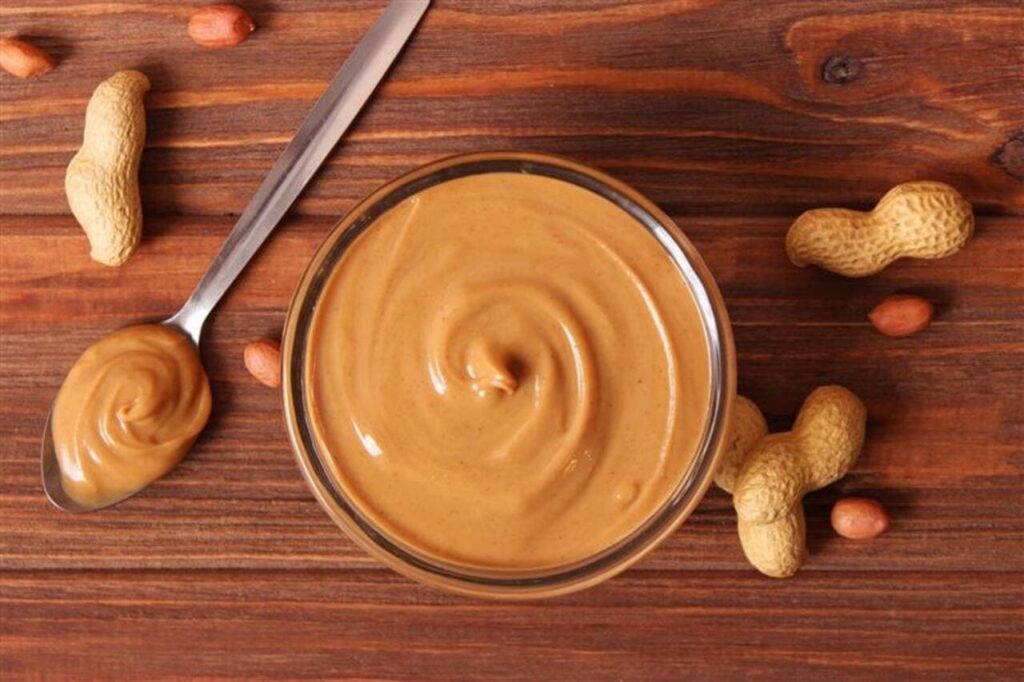
Peanut butter was once a simple blend of ground peanuts and their natural oils. That fat delivered dense calories, slowed digestion, and provided long-lasting fullness. Even small servings felt substantial because fat delayed stomach emptying and supported steady energy release.
Natural oils are reduced or stabilized, then replaced with added sugars, palm oil fractions, or emulsifiers. Texture stays smooth and spreadable, but the quality and quantity of naturally occurring fat change in meaningful ways.
The result is peanut butter that feels lighter and less filling. It spreads easily and tastes sweet, yet moves through digestion faster. Hunger returns sooner, not because portion size shrank, but because fat no longer anchors satiety.
4. Crackers
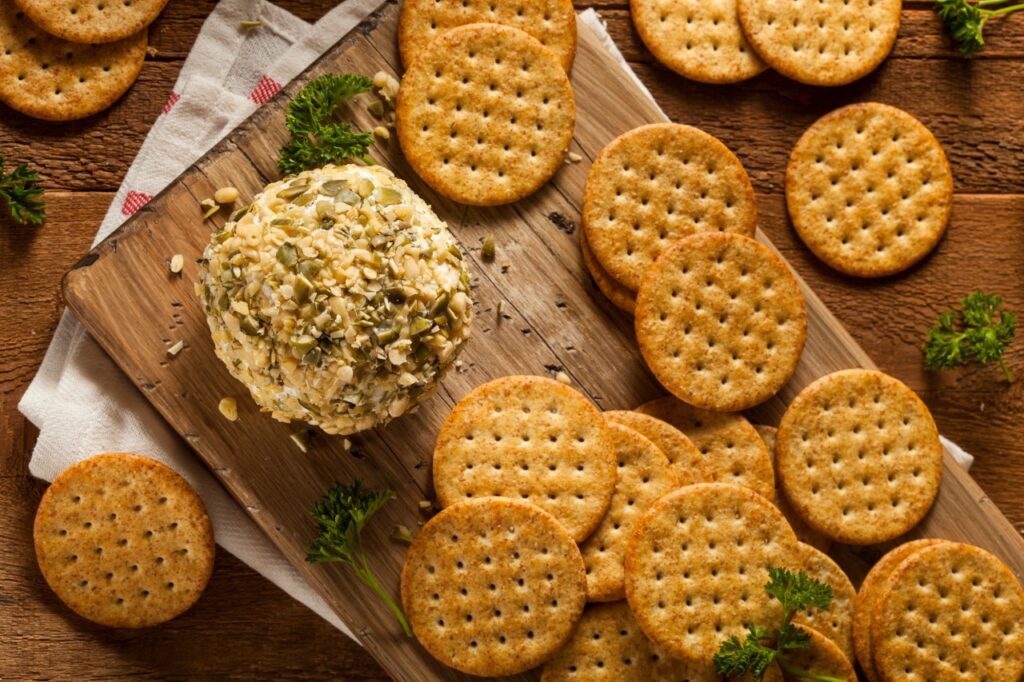
Crackers historically relied on fat to create richness and extend fullness. Oils slowed digestion and gave small servings more weight, helping crackers feel satisfying despite their thin shape. The combination of fat and starch created balance.
Reformulations reduced oil to lower calories and costs. Crunch remained intact, but fat content dropped, allowing refined starch to dominate digestion. Energy is released faster, and blood sugar rises and falls more quickly.
Crackers still snap and taste salty, yet they no longer hold hunger back. The body processes them rapidly, turning what once felt sustaining into a short pause rather than meaningful fuel.
5. Frozen Pizza
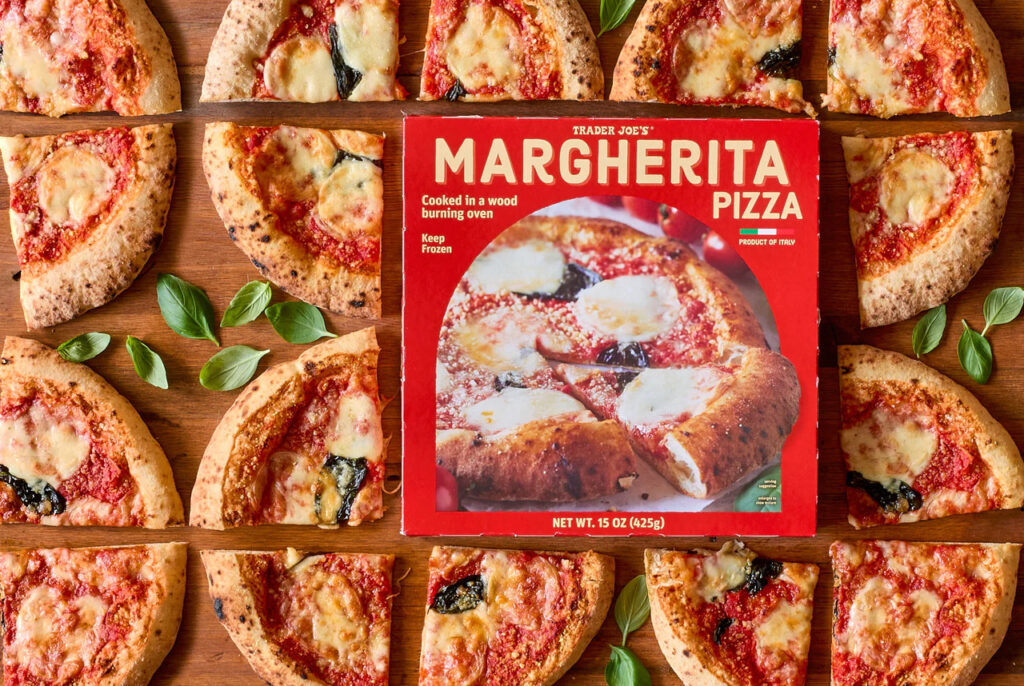
Frozen pizza once relied heavily on fat to deliver both flavor and fullness. Oil in the crust and full-fat cheese slowed digestion and created richness that lingered after eating. Even one or two slices often felt complete because fat delayed stomach emptying and supported stronger satiety signals.
Modern versions use leaner cheese blends and reduced oil in dough to cut costs and calories. Stabilizers help maintain melt, structure, and shelf life, but they digest differently than fat. Texture may look similar, yet the internal payoff changes.
Slices still taste familiar, but feel lighter. Many people eat more not from appetite alone, but because fullness fades sooner and the body’s stop signal arrives later than it once did.
6. Yogurt
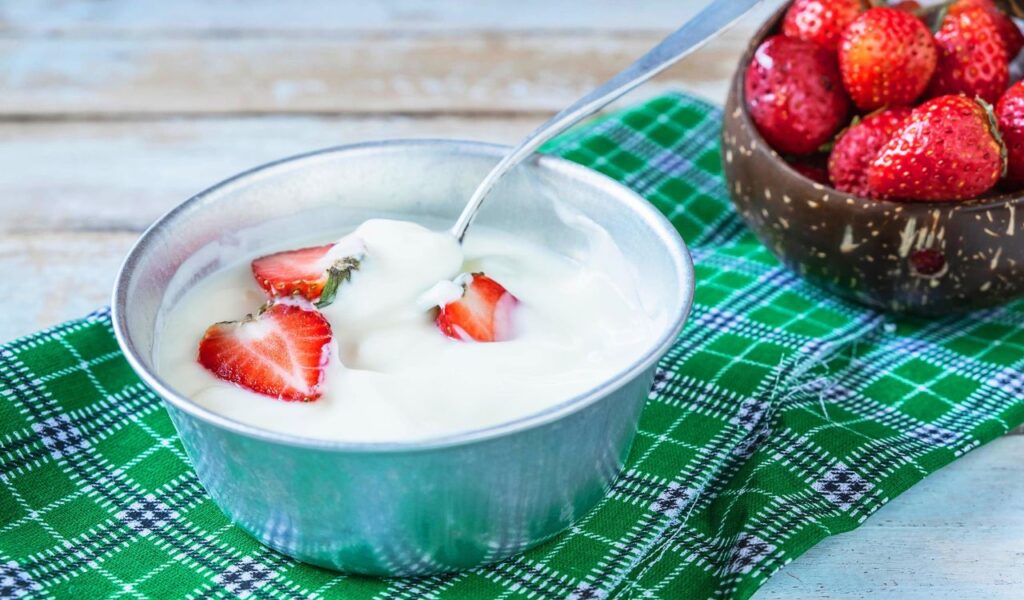
Whole-milk yogurt naturally delivered thickness and lasting fullness through dairy fat. That fat slowed digestion and helped yogurt function as a true meal or sustaining snack instead of a quick drink. Even modest portions carried staying power.
Lower-fat versions rely on starches, gums, and added protein to recreate creaminess. These ingredients preserve appearance and texture but move through the digestive system faster than fat. The result is quicker energy release.
Yogurt still looks rich, yet hunger returns sooner. Without enough fat, the body processes it more like a beverage, reducing its ability to hold appetite steady between meals.
7. Baked Snack Cakes
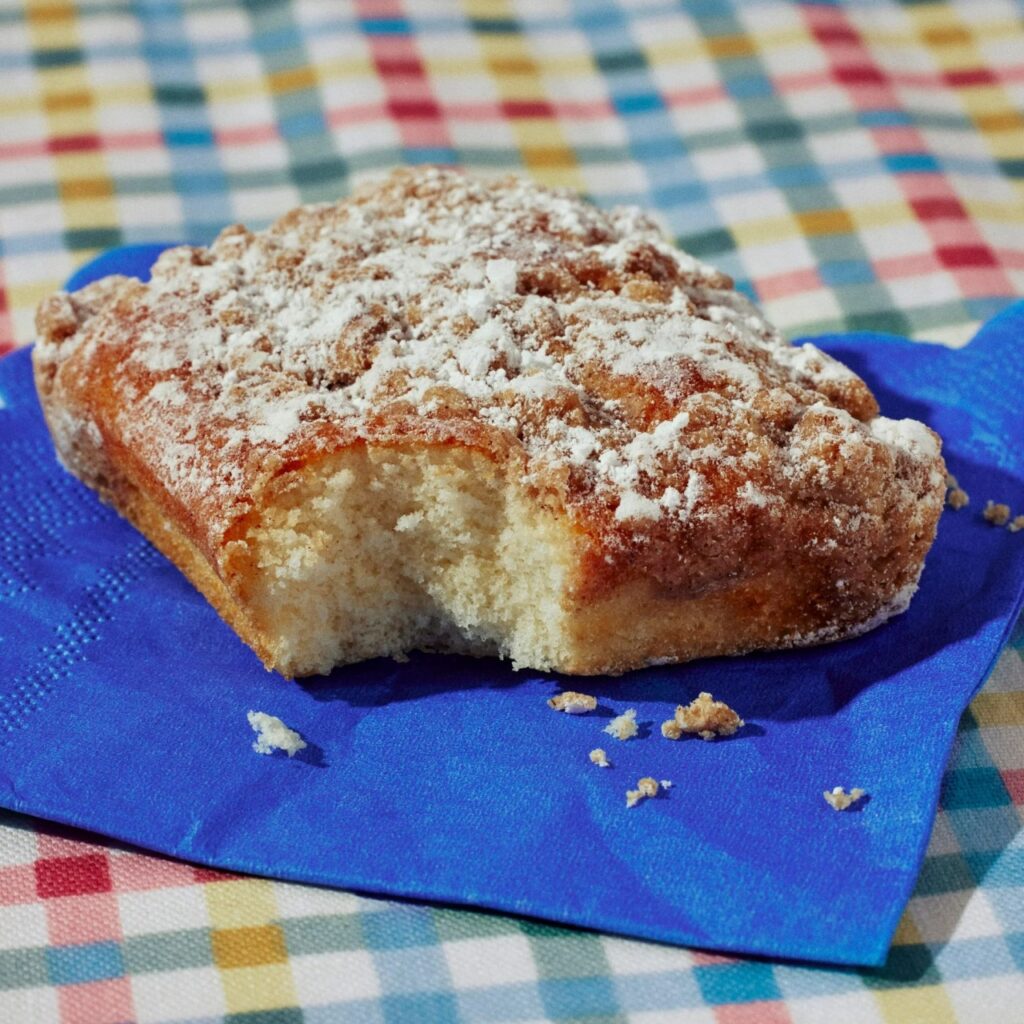
Snack cakes once relied heavily on fat to provide moisture, density, and lasting fullness. Fat slowed digestion and created a rich, cohesive crumb that made even small portions feel indulgent and complete. The structure of the cake helped signal satiety early in the eating experience.
As recipes shifted, fat was reduced and replaced with air, emulsifiers, and added sugars. Texture became lighter and less dense, while sweetness stayed high. This change shifted calories toward fast-digesting carbohydrates rather than sustained energy release.
Cakes still taste indulgent at first bite, but hunger returns sooner. The pleasure fades quickly because fat no longer anchors fullness, making repeat snacking more likely even when portions appear unchanged.
8. Microwave Popcorn
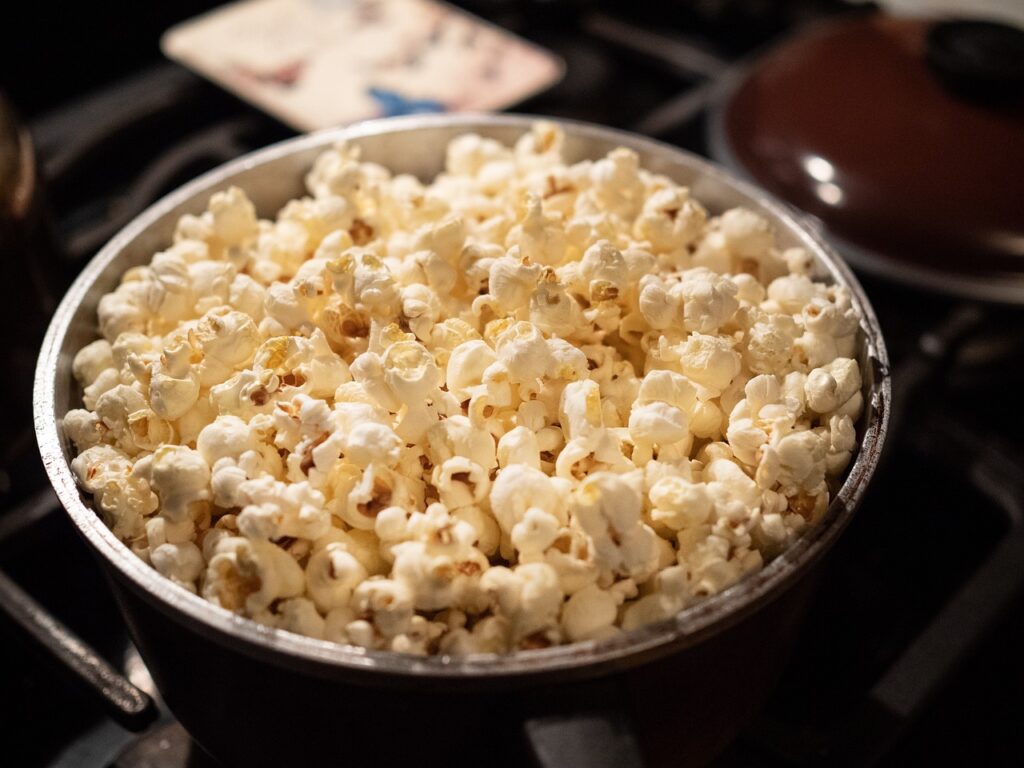
Microwave popcorn originally depended on oil to coat kernels evenly and support satiety. Fat carried flavor, improved mouthfeel, and slowed eating speed, helping the snack feel satisfying despite its low weight and high volume.
Oil reductions changed how popcorn behaves in the mouth. Kernels still pop fully, but coverage is thinner and texture feels drier. With less fat present, flavor fades faster and chewing becomes quicker and less deliberate.
Bags empty faster and hunger lingers afterward. Without enough fat to slow digestion, popcorn becomes bulk without staying power, encouraging continued snacking rather than true fullness.