More Shoppers Are Choosing Walmart Brands and It’s Not Random


Something subtle is shifting in the way people shop, and it often goes unnoticed until habits start to change. The brands filling carts are not always the ones people grew up with, and the difference is becoming harder to ignore.
At Walmart, store brands are quietly stepping into a stronger role. What once felt like a secondary option is now designed to meet expectations in quality, value, and everyday reliability.
The change is not loud, but it is consistent. With each visit, more shoppers are making different choices, and over time, those small choices begin to reshape the entire shopping experience.
1. Private Labels That Compete With Big Names
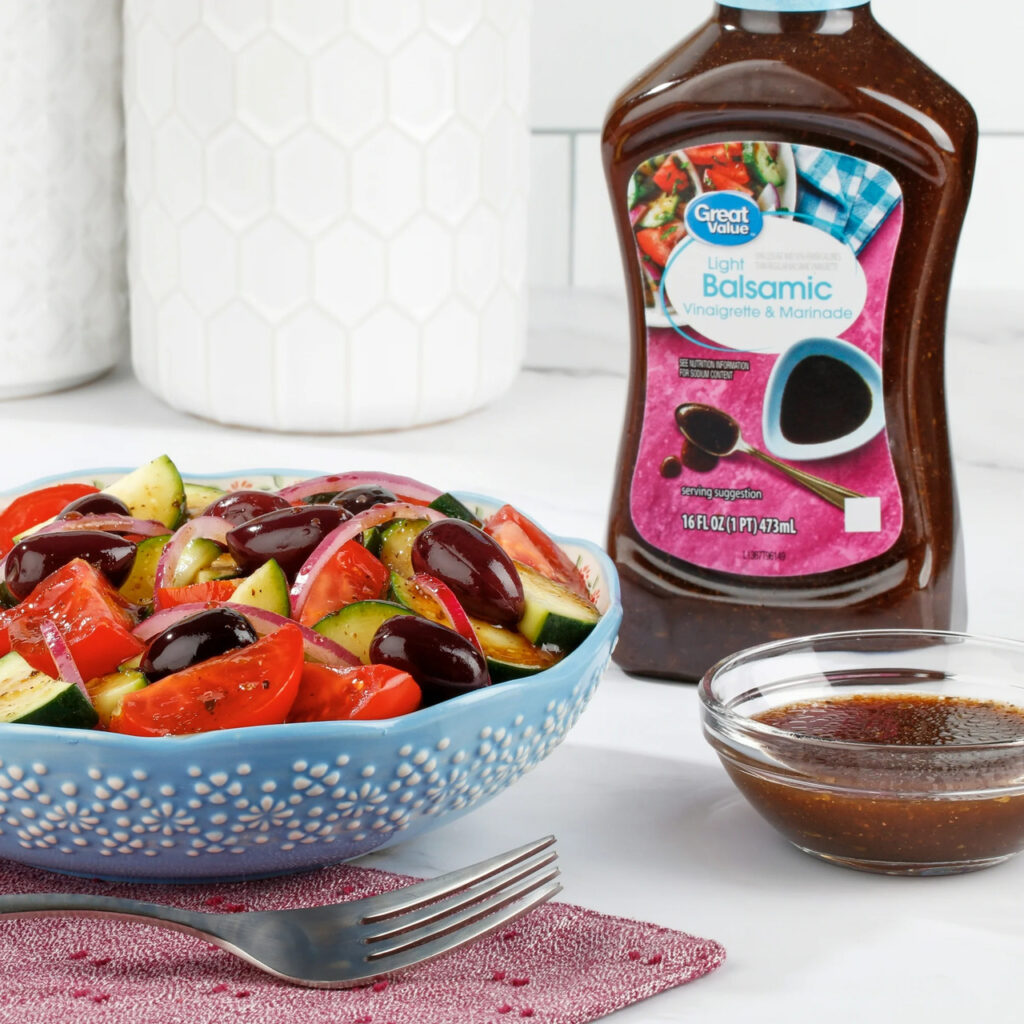
What used to be a backup choice is now standing side by side with leading brands. Walmart has steadily refined its private labels so they match national brands in taste, durability, and consistency across categories.
Lines like Great Value and Sam’s Choice are developed with a focus on meeting familiar expectations. From pantry staples to snacks, the goal is to deliver the same experience shoppers already trust, without the higher cost attached to brand recognition.
This shift changes how people decide. Instead of assuming store brands are inferior, many now compare them directly with big names. When the difference is minimal, shoppers often choose the option that offers similar results at a better value.
2. Consistent Lower Pricing Across Categories

Savings feel more meaningful when they are predictable. Walmart’s store brands are priced lower across a wide range of products, creating a sense of consistency that shoppers can rely on during every visit.
This approach goes beyond occasional discounts. It is built into the structure of how these products are sourced and sold, allowing customers to expect steady value without constantly checking for deals.
Over time, this consistency shapes buying habits. Shoppers begin to choose store brands automatically, knowing the price advantage is not temporary but part of a larger strategy that benefits their overall spending.
3. Expansion Into Health and Specialty Products

Changing food preferences have pushed retailers to rethink their offerings, and Walmart has responded by expanding its store brands into health-focused categories. Organic, plant-based, and specialty items are now widely available under its labels.
This expansion makes these options more accessible. Customers no longer need to visit niche stores to find products that fit specific diets or lifestyle choices, as they are integrated into everyday shopping.
The availability of these products within familiar aisles encourages trial. Once shoppers see that quality meets expectations, they are more likely to continue choosing store brands for both standard and specialized needs.
4. Improved Packaging That Builds Trust
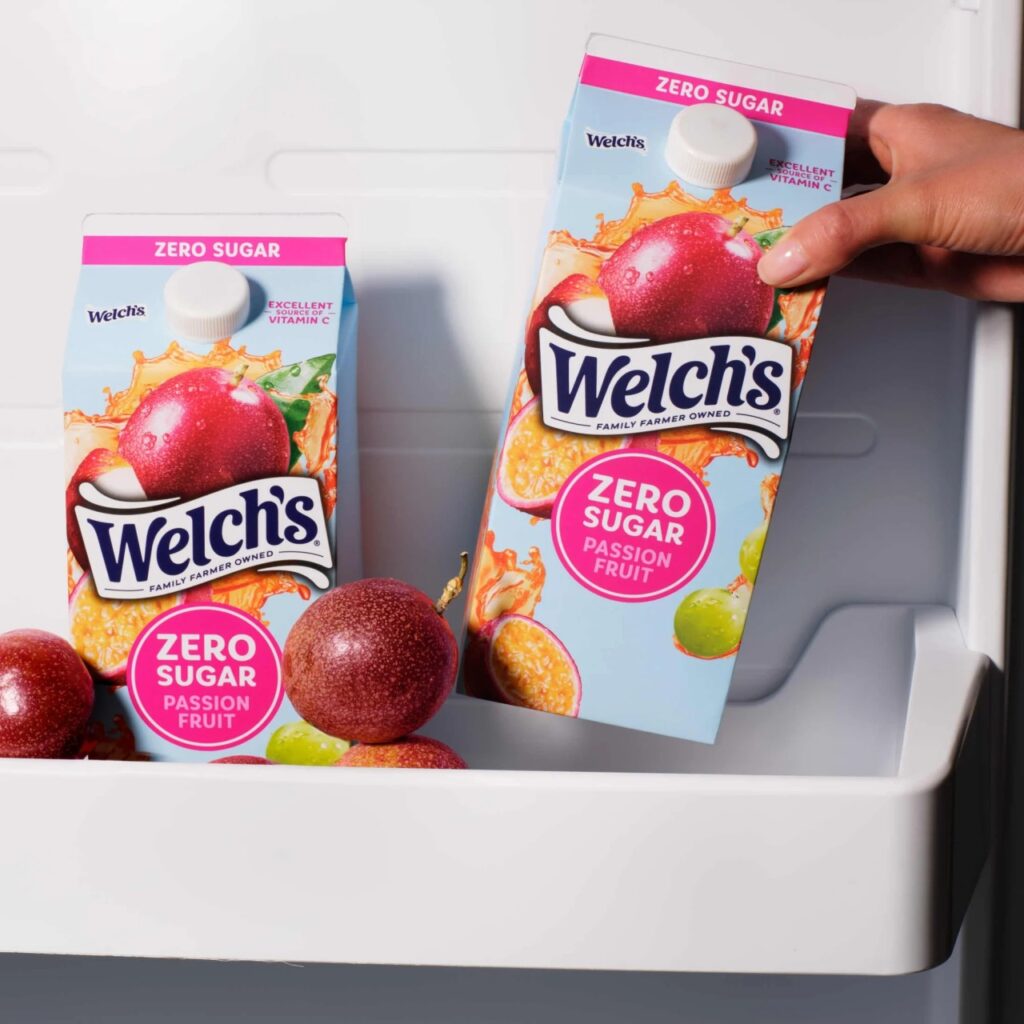
The way a product looks often shapes the first impression. Walmart has updated its store brand packaging to feel cleaner, clearer, and more aligned with modern expectations seen across leading retail shelves today.
Designs now focus on readability and visual appeal, helping shoppers quickly understand what they are buying without confusion. This reduces hesitation and makes store brands easier to recognize on crowded shelves during busy shopping trips.
Better packaging also signals consistency. When products look well-designed and thoughtfully presented, customers are more likely to trust the quality inside, which supports repeat purchases and builds long-term confidence over time.
5. Strategic Shelf Placement and Visibility

Placement within the store plays a quiet but important role in decision-making. Walmart positions its store brands where they are easy to see, often alongside national brands for direct comparison by shoppers.
This visibility encourages shoppers to consider alternatives they might otherwise overlook. When products are placed at eye level or in high-traffic areas, they naturally become part of the decision process without extra effort.
Repeated exposure builds familiarity. Over time, customers grow comfortable reaching for store brands because they have seen them often and recognize them as reliable, accessible, and consistently available options.
6. Wide Range Across Everyday Needs

Walmart’s store brands extend across a broad range of categories, covering groceries, household items, and personal care products used in everyday routines. This wide presence allows shoppers to rely on them for most daily needs.
The convenience of finding everything under one set of brands simplifies shopping. Customers do not need to switch between multiple labels or spend extra time comparing similar products across different aisles.
As familiarity grows across categories, confidence follows. Shoppers who trust one product are more likely to try others, gradually building a consistent pattern of choosing store brands for convenience and reliability.
7. Growing Customer Trust Through Experience

Trust is not created through marketing alone. It develops through repeated, reliable experiences over time. As shoppers continue to use Walmart store brands and find them consistent, confidence increases naturally.
Positive results reduce the need to experiment with higher-priced alternatives. Customers begin to rely on what they know works, making store brands their default choice during regular shopping trips.
This trust builds steadily over time. Each successful purchase reinforces the last, creating a cycle where familiarity and reliability guide decisions more than brand names alone in everyday buying choices.