Costco Makes Changes More Often Than You Think in 7 Ways

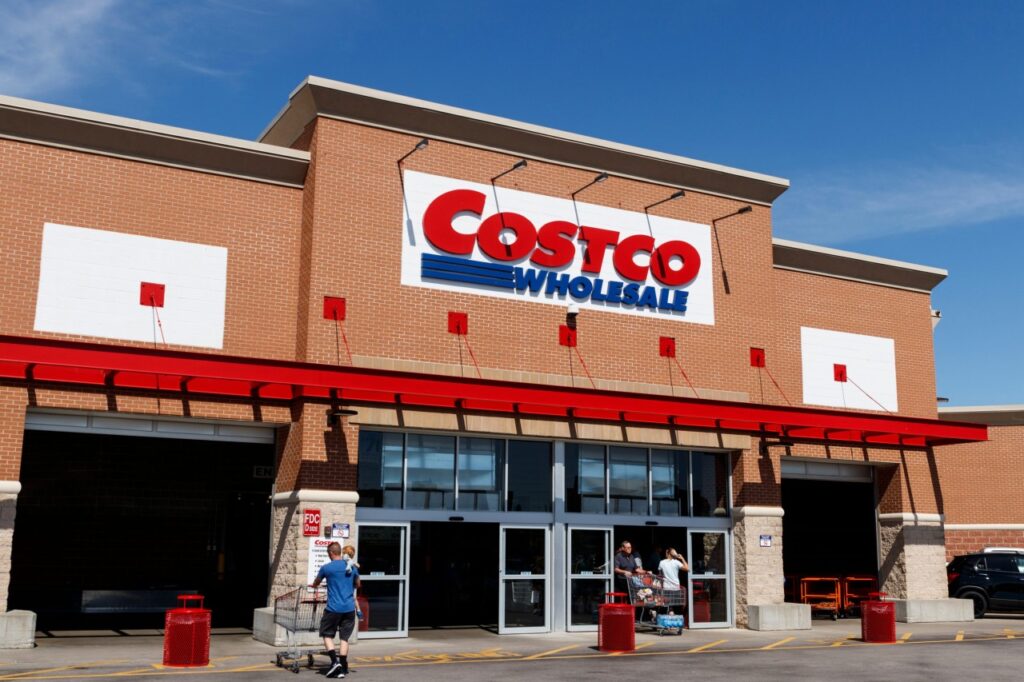
A trip to Costco may feel familiar, but beneath that routine is a pattern of constant change. The shelves, the deals, and even the products themselves are quietly shifting more often than most shoppers notice.
What seems steady is actually carefully managed behind the scenes. From rotating inventory to evolving product choices, small adjustments happen regularly to keep the experience efficient, fresh, and worth returning to.
Once you start paying attention, it becomes clear. The store is never quite the same twice, and those subtle changes are exactly what keep shoppers engaged and coming back.
1. Product Rotation That Keeps Shelves Unpredictable
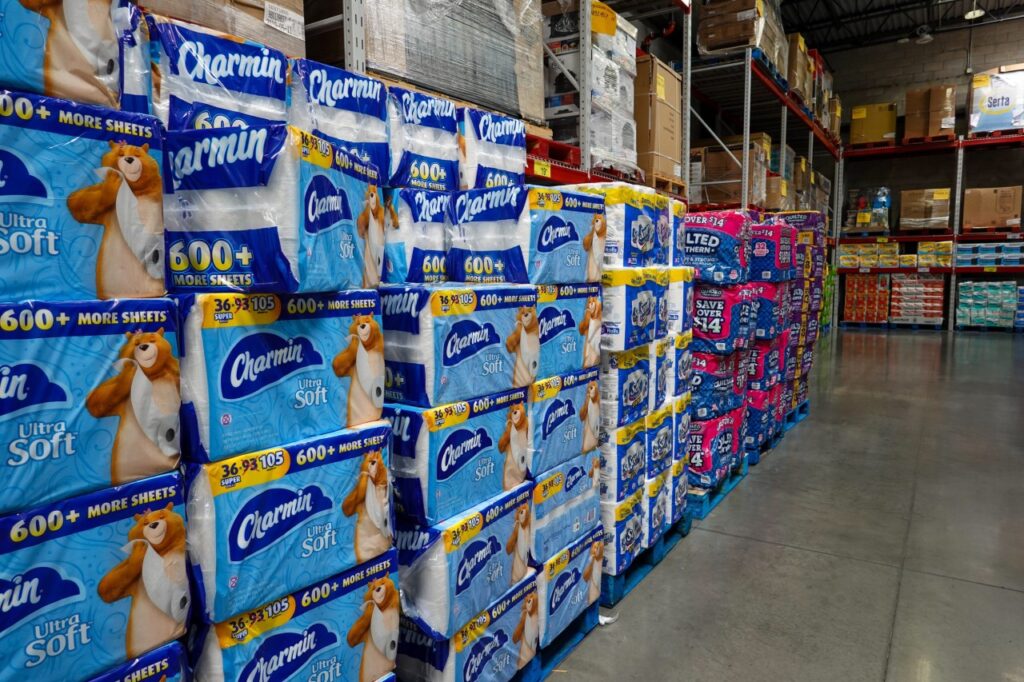
What you see today may not be there tomorrow, and that is part of the design. Costco rotates products regularly to keep inventory fresh and maintain a sense of urgency among shoppers.
This rotation is tied to limited shelf space and a focus on high-performing items. Products that sell well may return, but not always in a predictable way, which encourages customers to buy when they spot something they like.
The result is a shopping experience that feels different each visit. It reduces routine and adds discovery, making customers more attentive to what is available in the moment while also increasing overall product turnover efficiency.
2. Limited-Time Deals That Shift Quickly
Prices at Costco are not always fixed for long periods. Promotions change frequently, often tied to supplier agreements or seasonal demand, creating a steady flow of new deals across multiple categories.
These limited-time offers encourage quicker decisions. Shoppers know that waiting might mean missing out on a lower price, especially for high-demand items that may not return soon or may come back at a higher cost later.
This approach keeps pricing dynamic. It also rewards frequent visits, as customers who return often are more likely to catch the best deals before they change again, reinforcing consistent shopping habits and encouraging repeat store visits over time.
3. Seasonal Inventory That Arrives Early
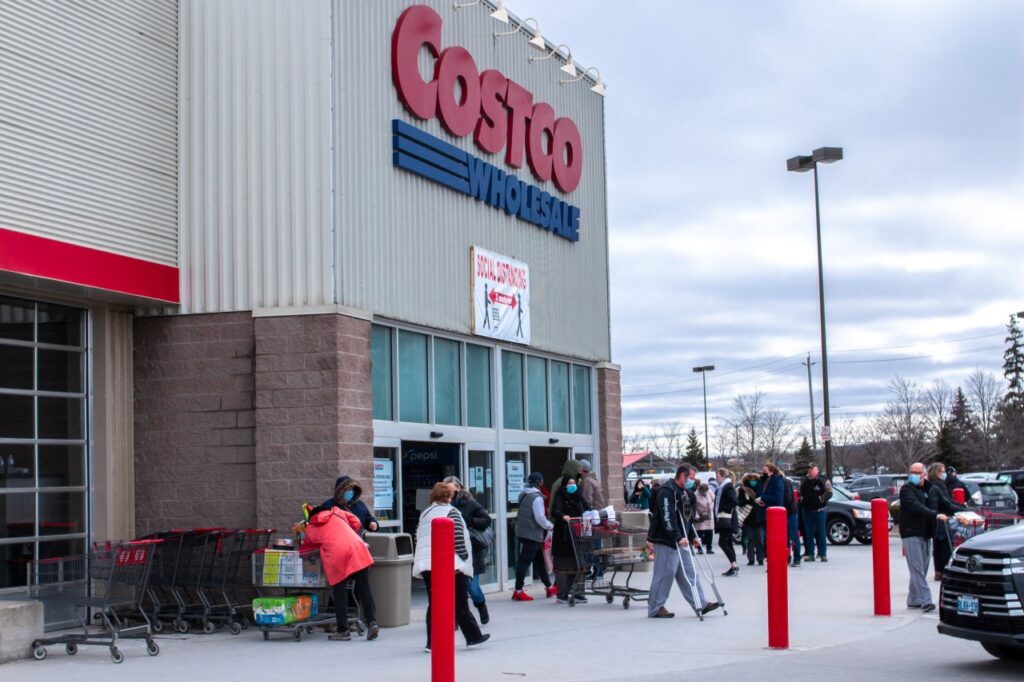
Seasonal products at Costco tend to appear earlier than expected. Holiday decorations, summer items, and winter essentials often show up weeks or even months in advance, sometimes surprising regular shoppers.
This early arrival helps Costco manage large volumes efficiently and gives shoppers more time to prepare. It also spreads demand over a longer period rather than concentrating it at the last minute during peak shopping times.
Once the season passes, these items disappear quickly. This cycle keeps inventory moving and ensures that shelf space is always used for timely and relevant products throughout the year, preventing overstock and improving turnover rates.
4. Store Layout Adjustments
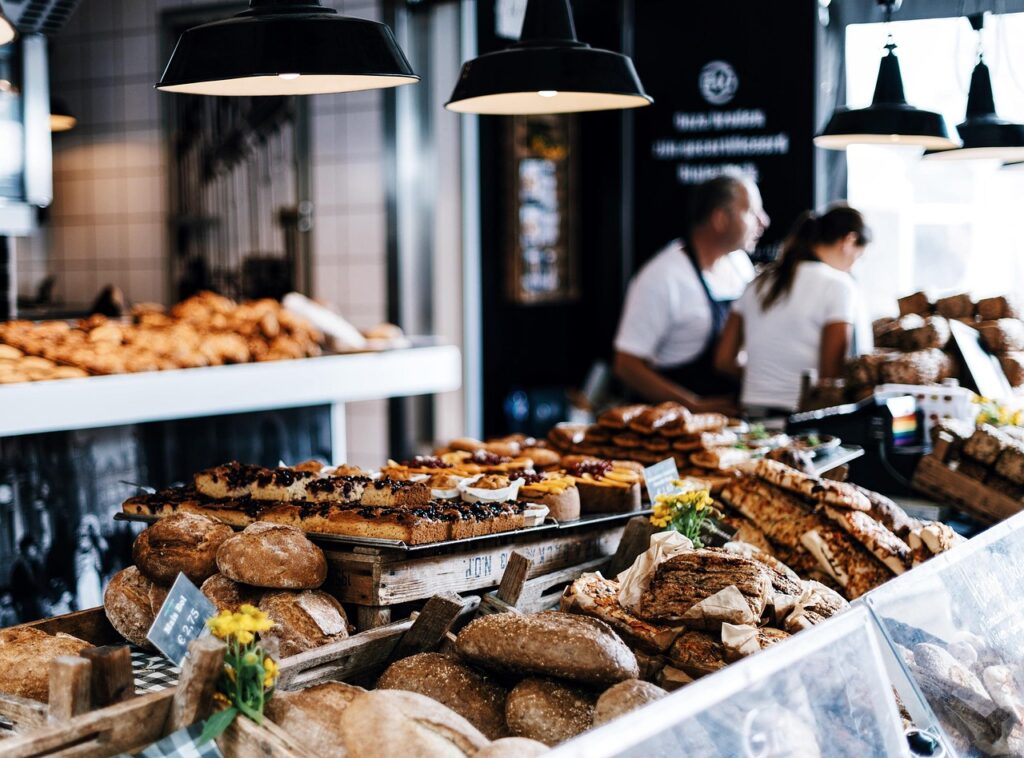
The layout inside Costco is not as fixed as it may seem. Products are often moved to different sections, even if they are regular items, which changes the path shoppers take through the store during each visit.
This strategy encourages exploration. When customers cannot rely on the same layout every time, they end up passing through more aisles and seeing more products during their visit, increasing overall exposure.
It also increases the chances of impulse purchases. By shifting placement, Costco ensures that shoppers encounter items they might not have planned to buy, boosting visibility and influencing buying behavior subtly.
5. Packaging and Product Size Tweaks
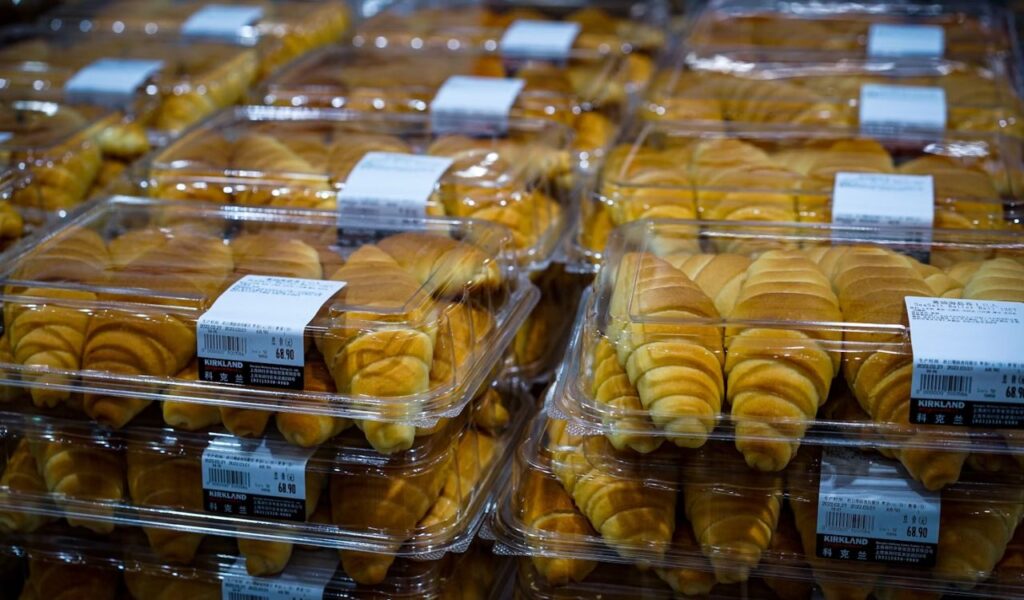
Even familiar products can change in subtle ways. Packaging updates and size adjustments happen regularly based on cost, sourcing, and efficiency, reflecting shifts in supply chain conditions.
These changes may reflect shifts in supplier pricing or efforts to maintain value while managing expenses. Sometimes the product looks slightly different, even if the core offering remains the same in quality and function.
For shoppers, this means paying closer attention. While the value remains strong, details like quantity and packaging can vary over time, requiring more awareness during repeat purchases to ensure expectations are met.
6. Private Label Expansion Under Kirkland Signature
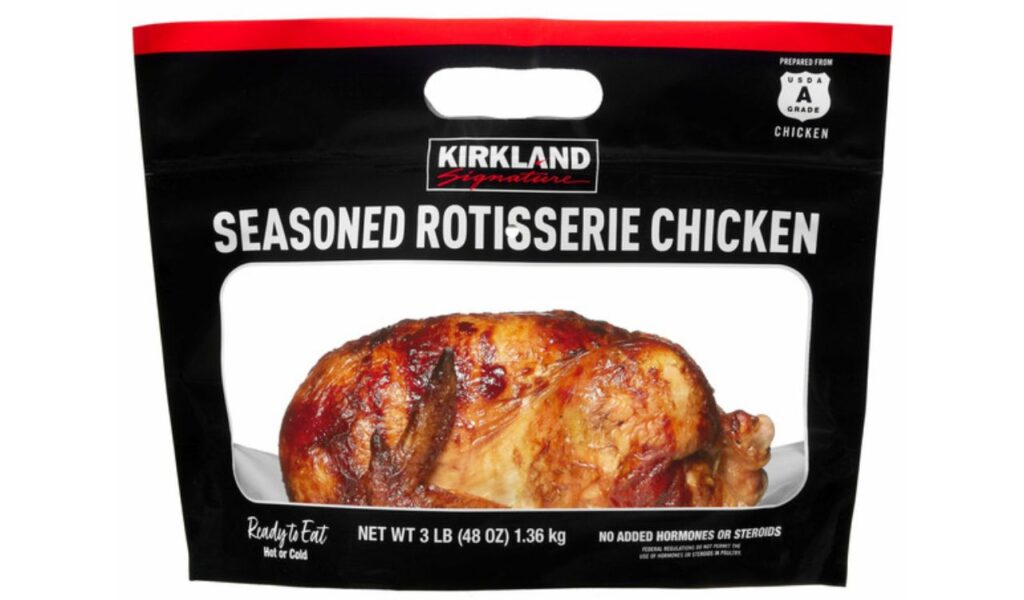
Kirkland Signature continues to grow across categories, offering alternatives to national brands with a focus on quality and value. This expansion remains a central part of Costco’s long-term retail strategy.
New products are introduced regularly, and existing ones are refined based on feedback and performance. This keeps the brand relevant and competitive in a constantly changing market environment.
As the range grows, customers become more comfortable choosing Kirkland products. The consistency across categories builds trust and encourages shoppers to rely on the brand more often for everyday needs and routine purchases.
7. Supplier and Product Swaps
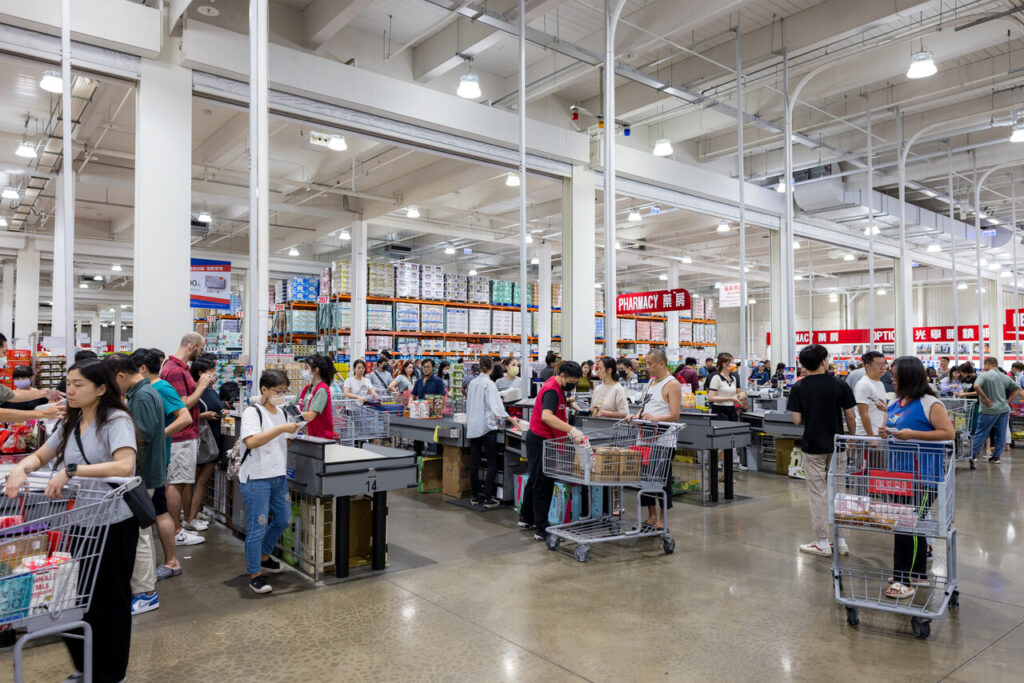
Behind the scenes, Costco frequently adjusts its supplier network. Products may be replaced or reformulated depending on availability, cost, or quality standards that the company aims to maintain consistently.
These changes are not always obvious, but they can affect taste, texture, or performance. Even similar-looking products may come from different sources over time without a clear indication to shoppers.
This flexibility allows Costco to maintain value while adapting to market conditions. For shoppers, it means that the store is constantly evolving, even when it appears consistent at first glance during regular visits.