10 Childhood Snacks That Were Ruined by Recipe Changes Nobody Asked For

Childhood snacks carry more than flavor. They hold memories of lunchboxes, after-school treats, and small moments that felt special without trying to be healthy or responsible. Many of these snacks tasted bold, sweet, salty, or rich because they were designed purely for enjoyment. Over time, changing nutrition standards, ingredient costs, shelf-life demands, and public pressure pushed manufacturers to quietly adjust recipes. Labels became cleaner, but textures shifted, flavors softened, and the magic dulled. What emerged were snacks that look familiar but no longer deliver the same sensory experience. This isn’t about nostalgia alone.
1. Fruit Snacks
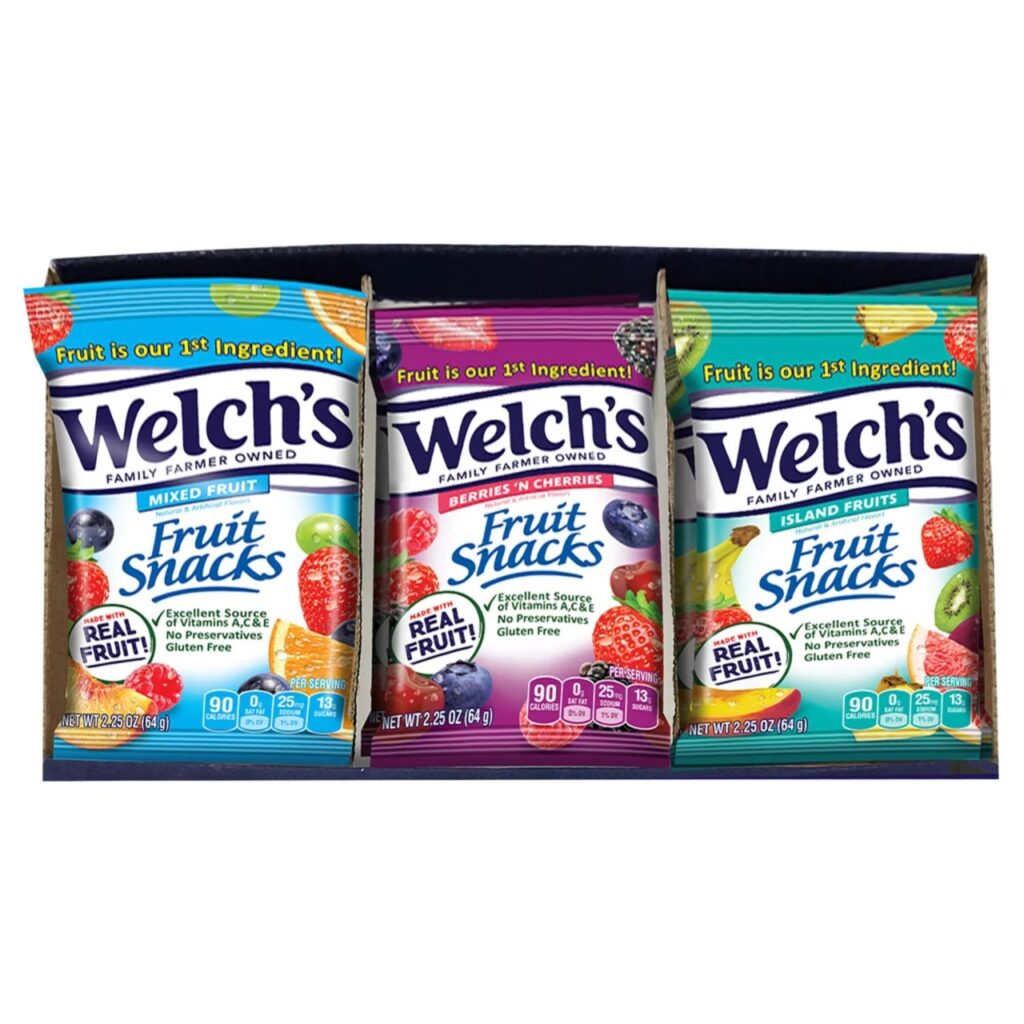
Fruit snacks once lived comfortably in the space between candy and lunchbox treat. They were chewy, brightly colored, and unapologetically sweet, with flavors that leaned more toward dessert than fruit. Early recipes relied heavily on corn syrup, gelatin, artificial colors, and flavorings that delivered an intense taste and elastic texture. As concerns about artificial dyes and sugar intake grew, manufacturers reformulated to appear healthier. Natural color sources, juice concentrates, and alternative sweeteners replaced older ingredients. While labels improved, texture and flavor changed noticeably.
2. Cheese Crackers
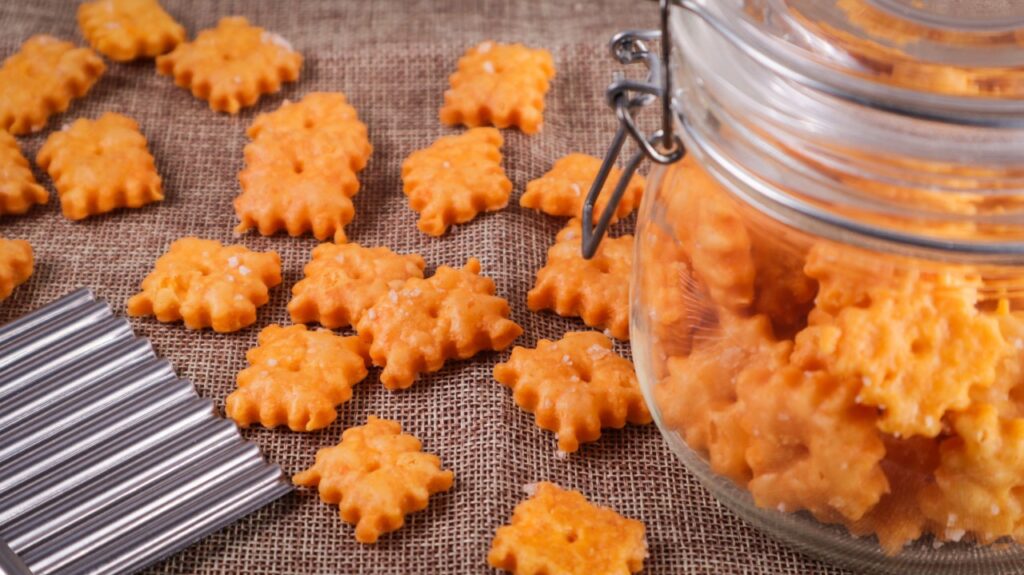
Cheese crackers were once defined by a sharp, salty bite and a dry crunch that coated fingers in bright orange dust. That flavor came from a mix of real cheese, salt, and flavor enhancers that amplified richness. Over time, sodium reduction targets and ingredient scrutiny reshaped recipes. Artificial colors were reduced or replaced, and cheese powders were adjusted to meet new standards. These changes softened the crackers’ impact. Crunch became lighter, flavor less intense, and the aftertaste milder. While the crackers still resemble their original form, longtime fans notice that they no longer deliver the same savory punch.
3. Snack Cakes
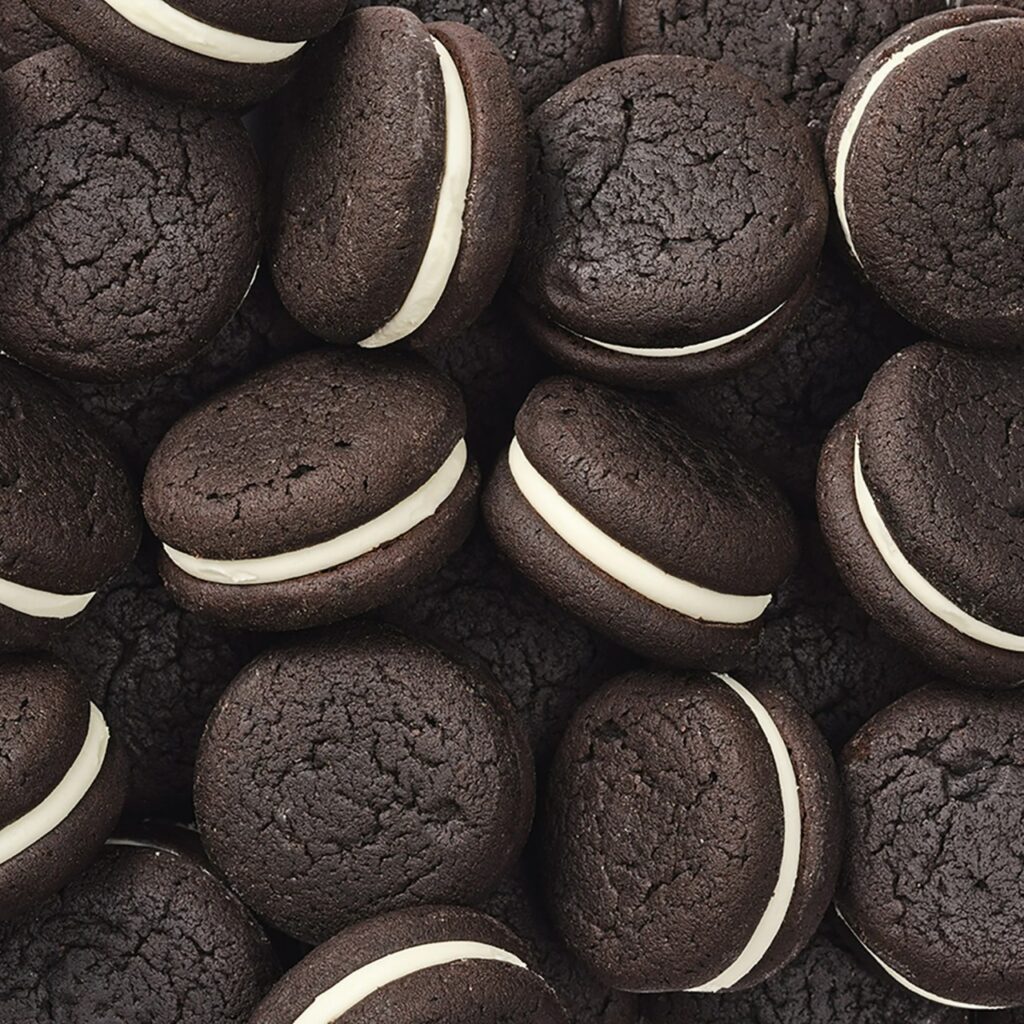
Snack cakes were once engineered to feel indulgent straight out of the wrapper. Moist sponge, rich filling, and a coating that stayed soft were key to their appeal. Earlier recipes relied on specific fats and emulsifiers that created that signature texture. As trans fats were phased out and shelf-life requirements increased, manufacturers adjusted oil blends and stabilizers. These changes affected moisture retention and mouthfeel. Many snack cakes today feel drier, sweeter in a flatter way, and less satisfying. The filling often tastes less creamy, and the cake itself stales faster once opened. While packaging and shape remain familiar, the eating experience changed.
4. Boxed Fruit Juice
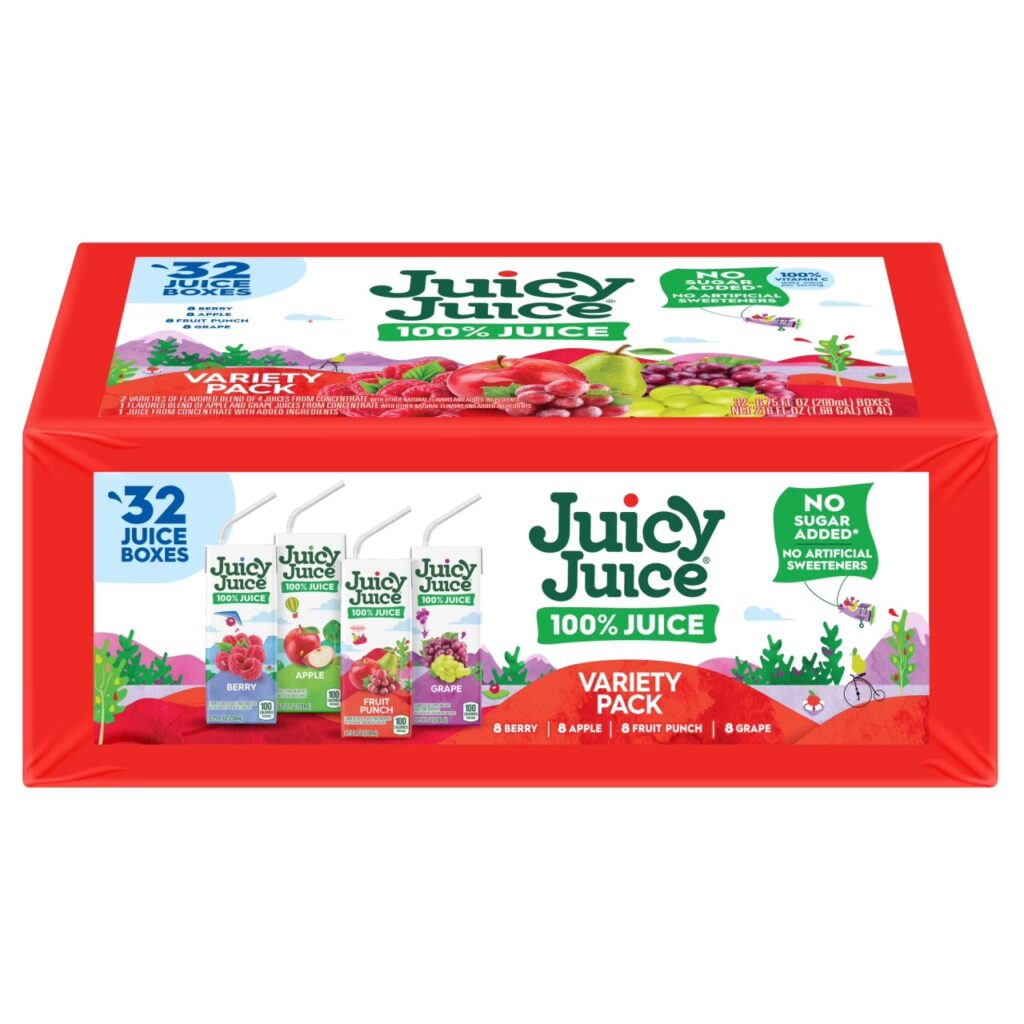
Boxed fruit juice used to taste bold and sweet, even when diluted. Early formulas leaned heavily on fruit juice concentrates and added sugars to create a strong flavor kids loved. As nutrition guidelines shifted, sugar reduction became a priority. Juices were reformulated with more water, lower juice percentages, and alternative sweeteners. Some blends added vitamins to offset flavor loss, but taste suffered. Modern juice boxes often taste thinner, with muted fruit notes and a quicker finish. Parents may appreciate the reduced sugar, but kids notice the difference immediately. The reformulation turned juice from a treat into a functional beverage, changing its role in lunchboxes.
5. Peanut Butter Crackers
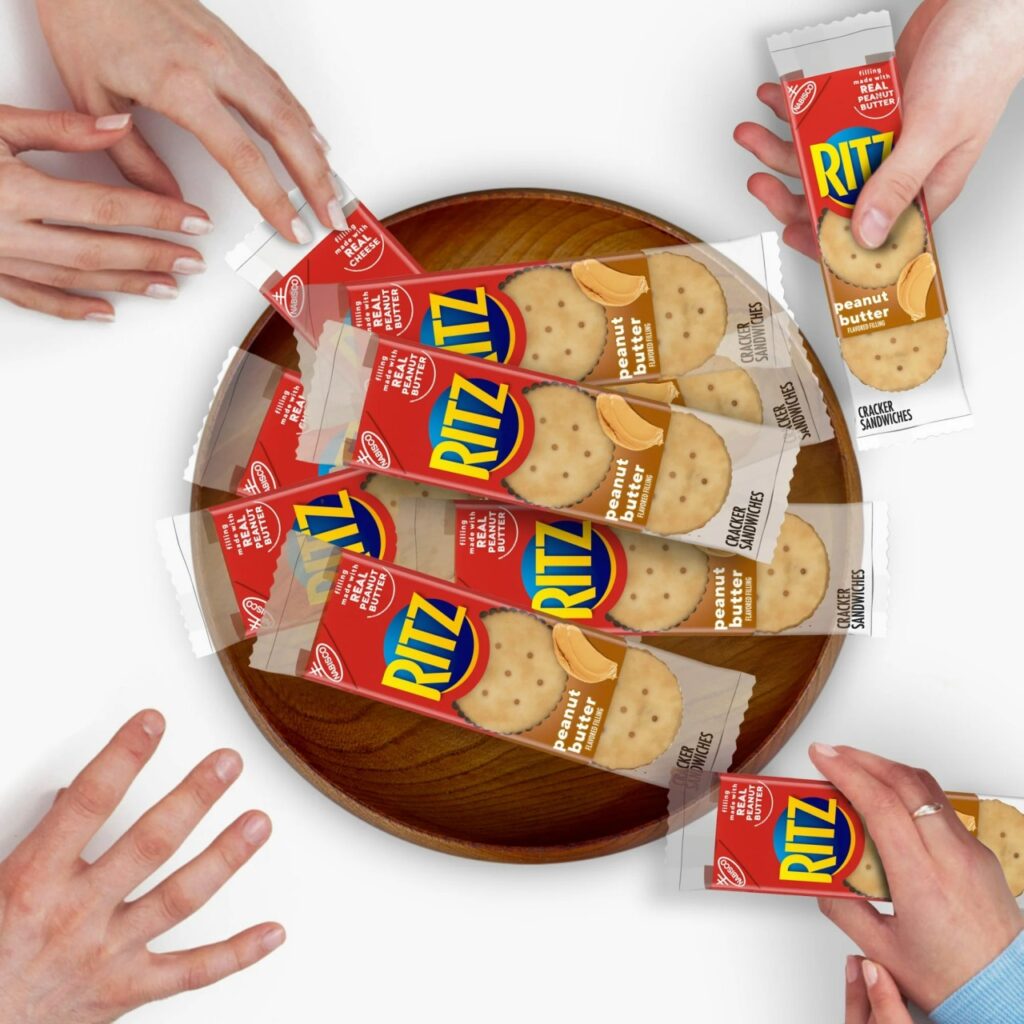
Peanut butter crackers once delivered a clear contrast between salty cracker and rich, nutty filling. The peanut butter relied on roasted peanut flavor and oil separation that created depth. As peanut butter formulas changed to improve shelf stability and sweetness appeal, the filling shifted. Stabilizers and added sugars made it smoother but less intense. The peanut flavor became background rather than centerpiece. Crackers also changed slightly to reduce sodium, dulling contrast. The result is a snack that still looks the same but tastes more generic. The balance that once made peanut butter crackers addictive has been softened into something safer and less memorable.
6. Microwave Popcorn
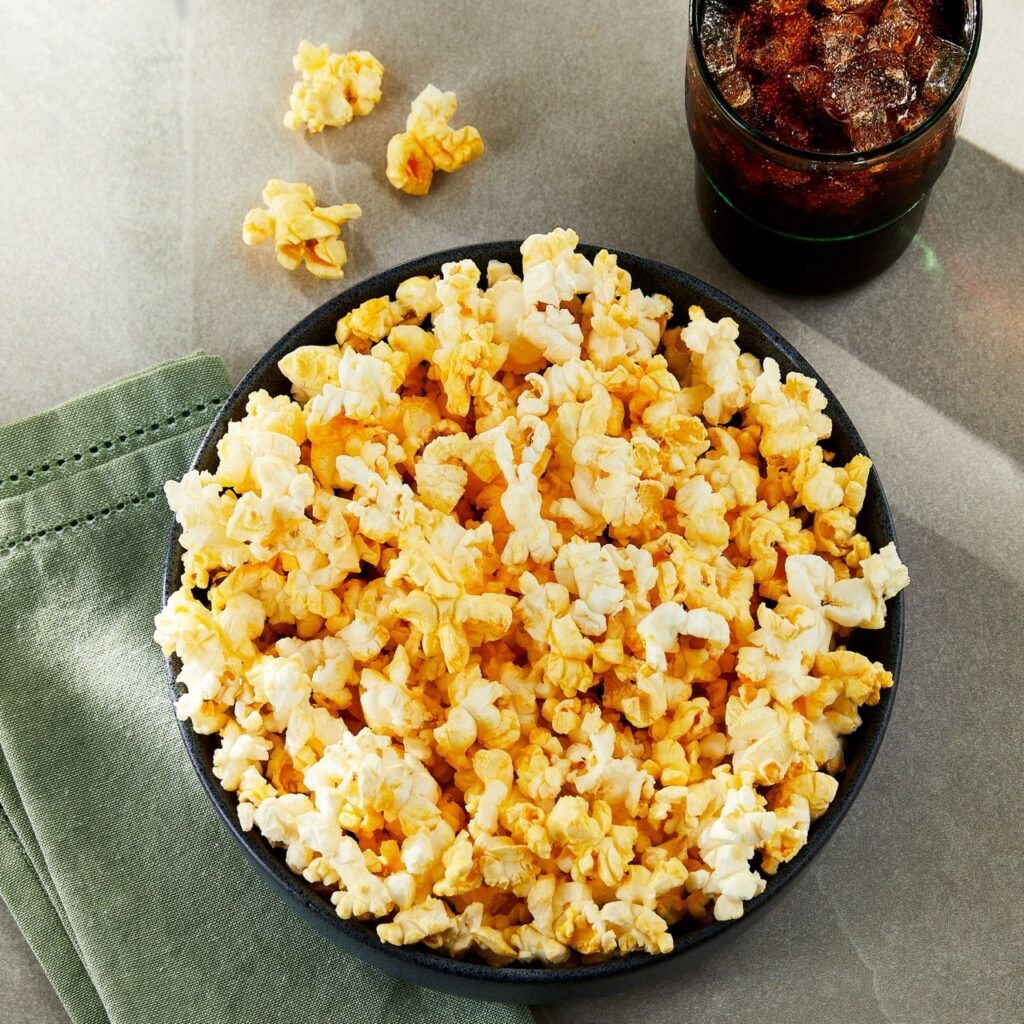
Microwave popcorn was once defined by aroma as much as taste. Opening a bag filled the room with a buttery smell that felt close to movie theater popcorn. That experience depended on specific flavorings and fats. As concerns grew around certain additives, formulas were changed. Butter flavor became less intense, oils were swapped, and seasoning levels adjusted. While popcorn still pops reliably, the smell and richness are noticeably weaker. Texture can also feel drier. What remains is a functional snack rather than an event. The reformulation removed the sensory punch that once made microwave popcorn feel special.
7. Packaged Chocolate Chip Cookies
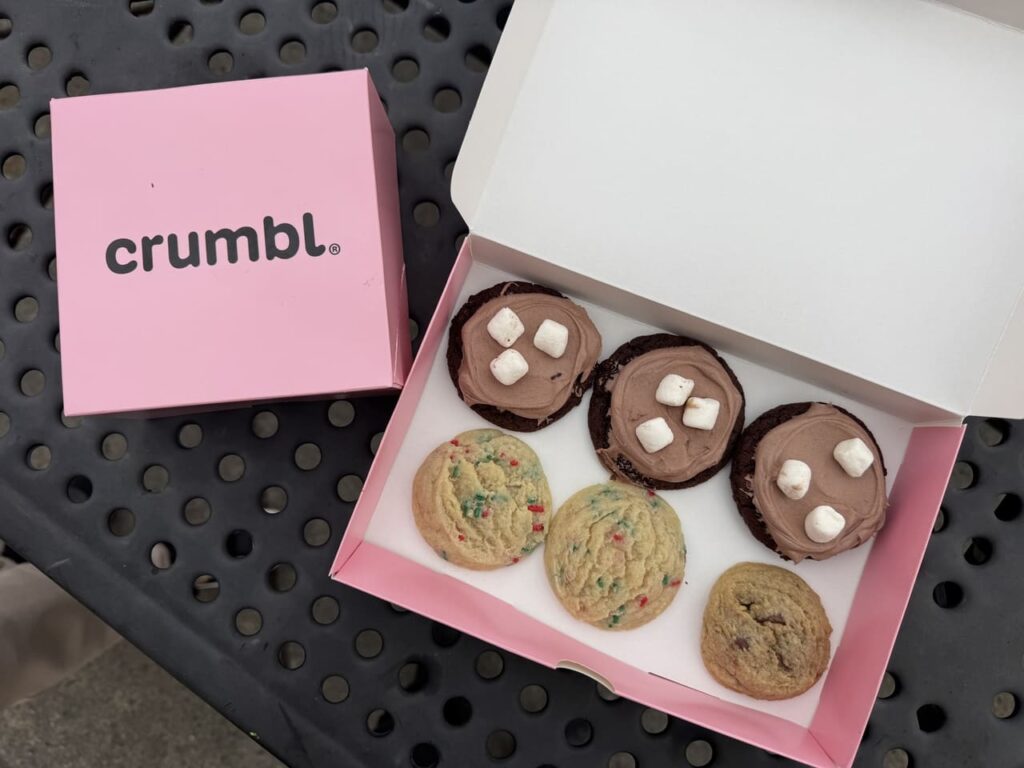
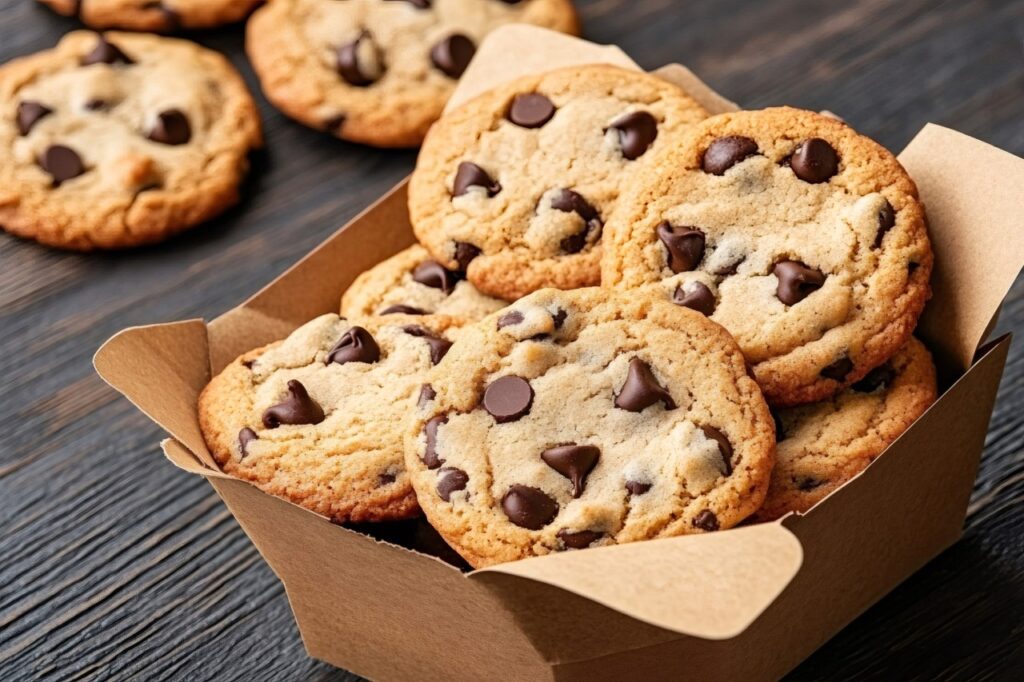
Packaged chocolate chip cookies once aimed to mimic bakery softness. That texture depended on moisture-retaining ingredients and specific fat blends. As preservatives and fats were reformulated, cookies changed. Many modern versions feel firmer, drier, or overly sweet without depth. Chocolate quality also shifted as cocoa costs rose. Chips may taste waxier or less rich. The cookie still satisfies hunger, but it no longer delivers the indulgent softness people remember. Reformulation prioritized shelf life and cost control over freshness, altering how these cookies age once the package is opened.
8. Yogurt Tubes
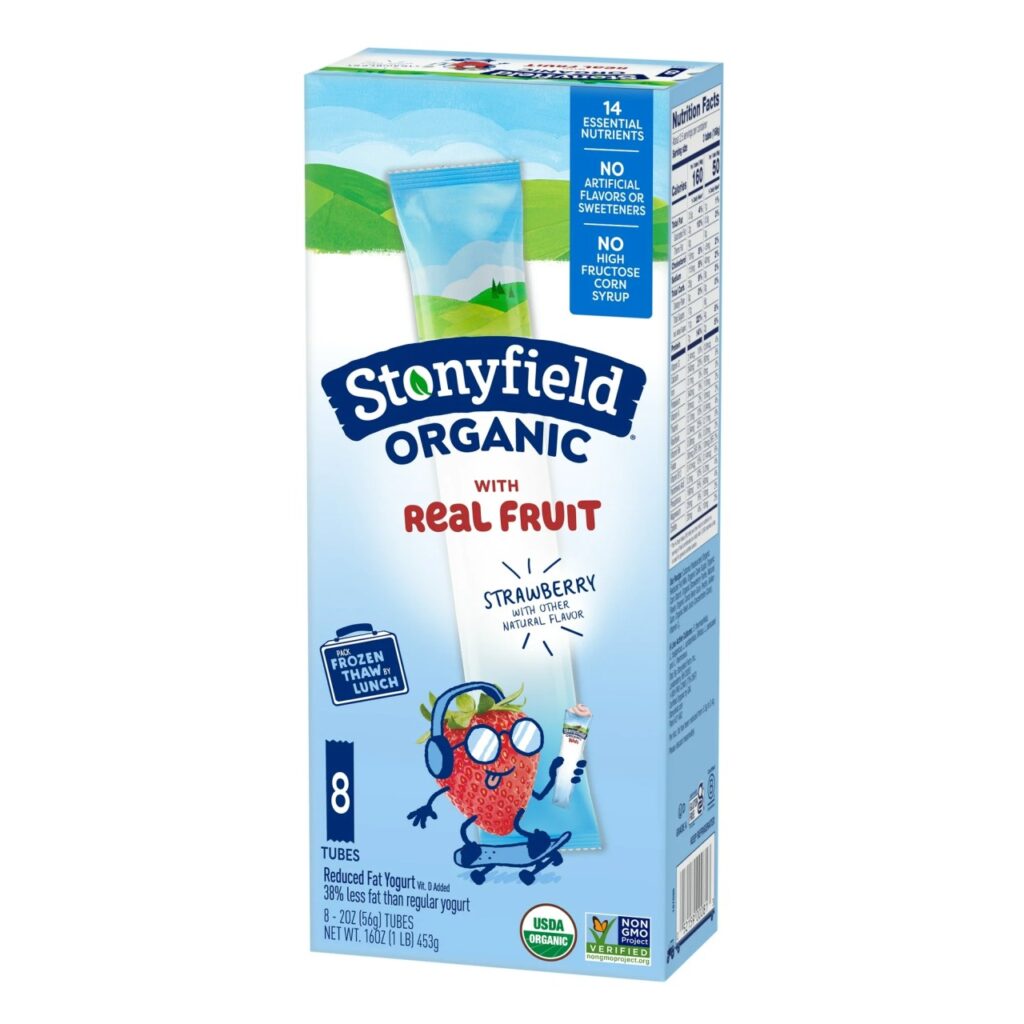
Yogurt tubes were designed to feel like dessert disguised as dairy. Thick texture, bright sweetness, and smooth consistency made them appealing to kids. As sugar reduction became a goal, recipes changed. Sweetness dropped, acidity became more noticeable, and stabilizers were adjusted. Many modern yogurt tubes feel thinner and tangier. While nutritionally improved, the experience shifted from treat to snack. Kids who remember earlier versions often describe the new ones as less fun. The reformulation changed how yogurt tubes are perceived, even if the packaging stayed playful. What was once an after-school reward now feels more like a functional food option.
9. Corn Chips
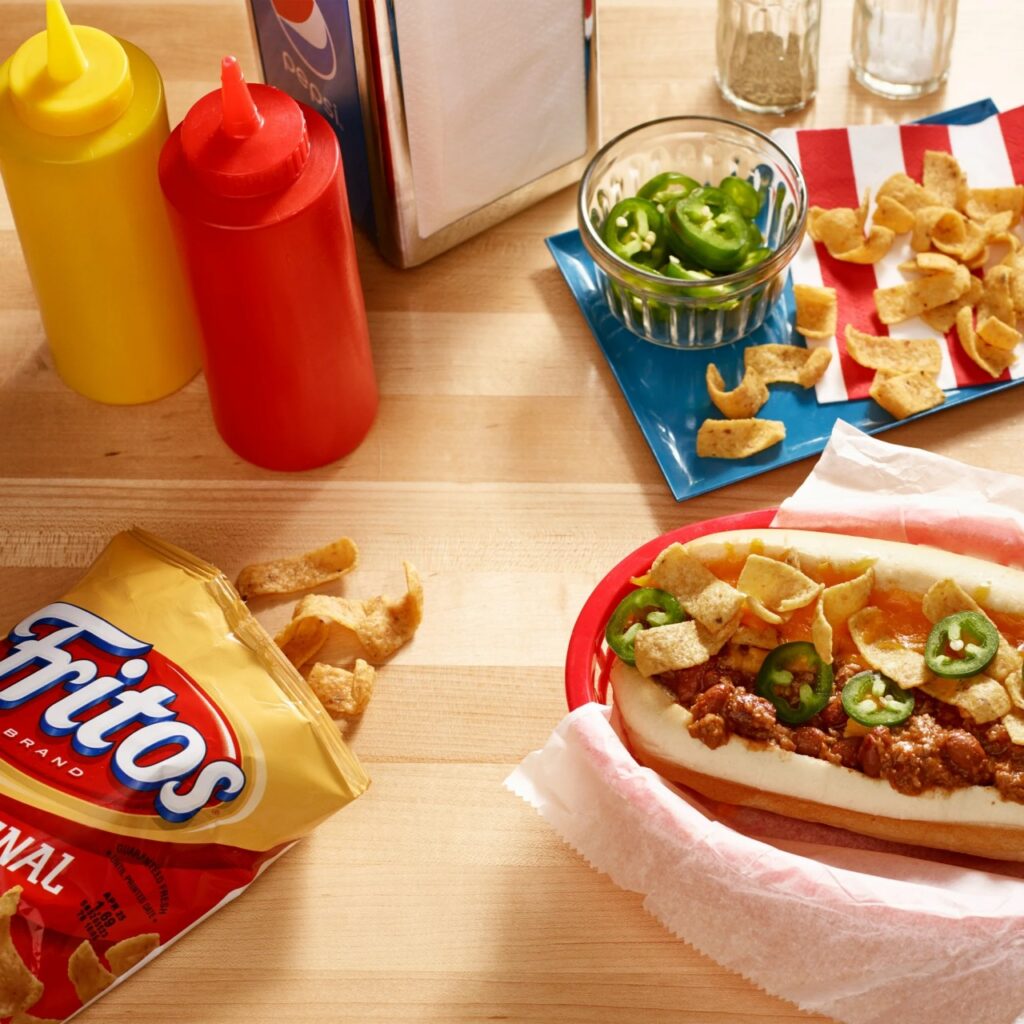
Corn chips once delivered a strong toasted corn flavor and firm crunch. Oil type and salt levels played a major role in that profile. As manufacturers reduced sodium and adjusted frying oils, both flavor and texture softened. Chips now taste milder and sometimes feel less sturdy. While these changes align with health expectations, they remove the assertive character that made corn chips distinct. The snack still works as a vehicle for dips, but eaten alone it lacks the boldness longtime fans remember. The reformulation turned a standalone snack into something that depends more heavily on toppings for impact.
10. Gummy Candy
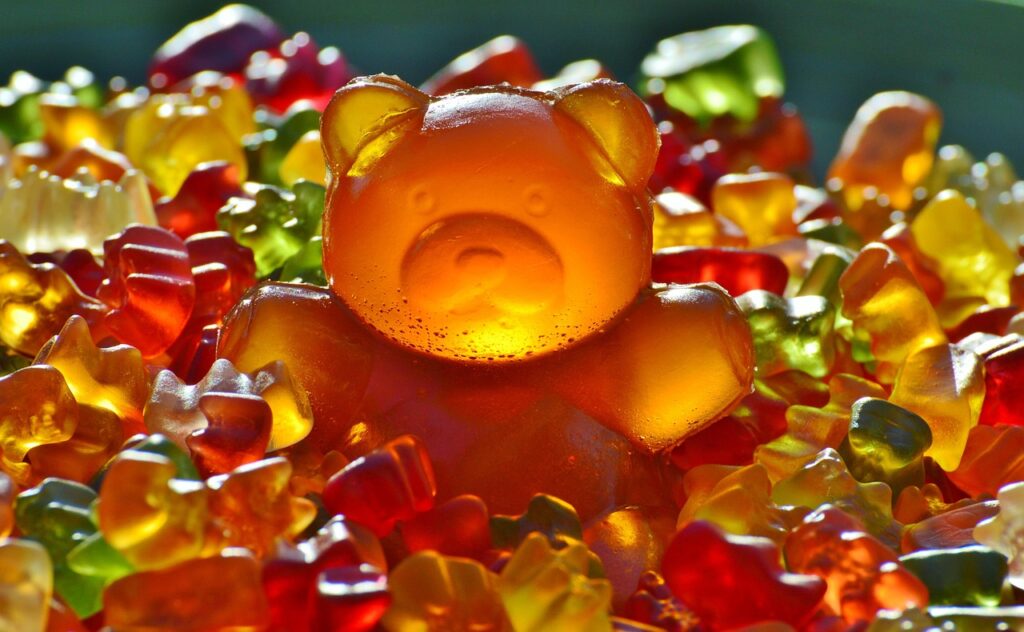
Gummy candy was once intensely chewy with concentrated fruit flavors. Gelatin levels and artificial flavorings created a slow, satisfying chew and strong taste release. Reformulations replaced some ingredients with plant-based alternatives or natural flavors. These changes affected elasticity and flavor strength. Many modern gummies feel softer and less resilient, with flavors that fade quickly. While ingredient lists look cleaner, the experience is less engaging. What was once a sensory-heavy candy now feels muted, showing how recipe changes can quietly reshape even the simplest childhood treats. The chew itself no longer lasts long enough to deliver the same playful satisfaction.