What Really Separates Cake Flour from All Purpose Flour

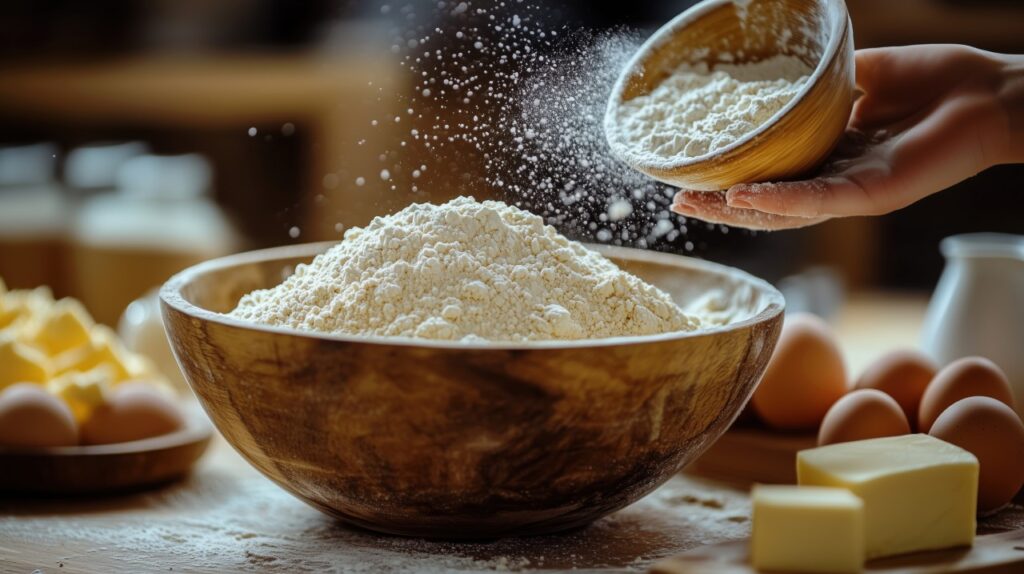
At first glance, cake flour and all-purpose flour appear almost identical, yet they behave very differently once baking begins. The difference shows up the moment liquid is added, and heat is applied. Cake flour is designed to create tenderness, encouraging a fine crumb and soft bite that feels light on the palate. All-purpose flour, by contrast, is built for balance, offering enough strength to support structure across many recipes. Knowing this distinction removes much of the mystery from baking failures. Cakes that turn dense or heavy often suffer not from poor technique, but from flour that forms too much structure for the recipe’s intent.
Understanding how flour works gives bakers more control and fewer surprises. Flour determines how much air a batter can trap, how much moisture is absorbed, and how evenly a cake sets in the oven. Cake flour allows batters to rise gently without resistance, while all-purpose flour creates a firmer framework that can weigh delicate cakes down. This difference explains why some cakes bake tall and tender while others feel compact despite careful mixing. Recognizing what separates these flours transforms baking from guesswork into a predictable process, helping recipes deliver the texture and softness they were meant to achieve.
Why Flour Choice Matters
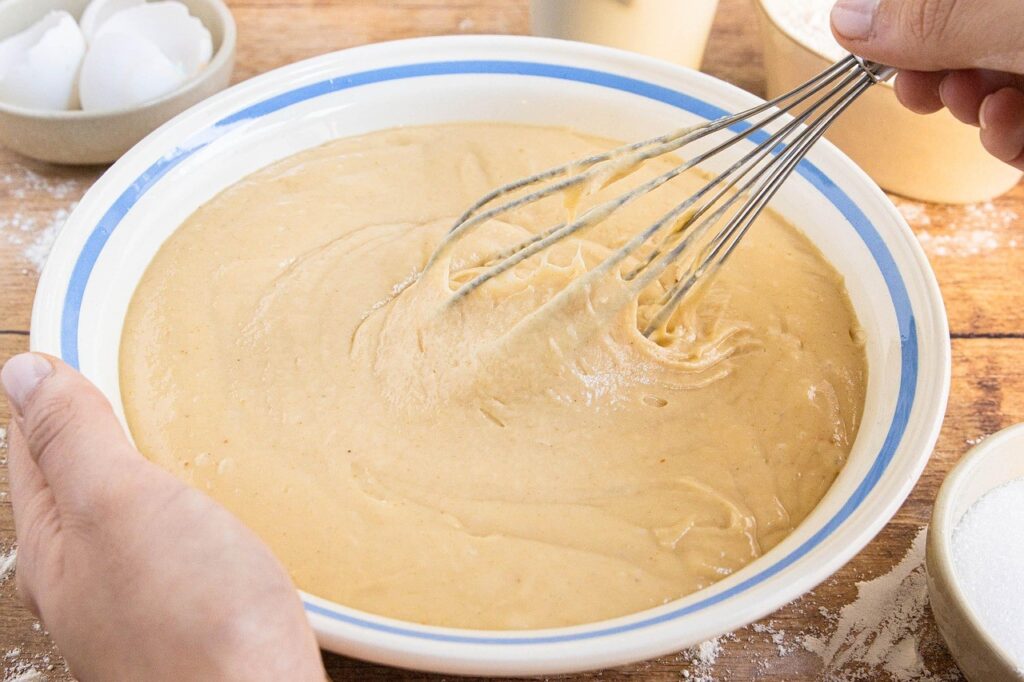
Flour might look like a simple pantry staple, but in baking, it functions as the structural backbone of nearly every recipe. The type of flour you choose determines how a batter flows, how a dough develops, and how the finished baked good feels when you take a bite. Cake flour and all-purpose flour are often treated as interchangeable, yet they are engineered for very different outcomes. Cake flour is designed to promote tenderness and delicacy, while all-purpose flour is built for flexibility and strength. Using the wrong flour can subtly affect crumb and moisture or dramatically change volume and texture, even when all other ingredients and measurements remain exactly the same.
Baking is largely a controlled chemical process, and flour sits at the center of that system. When liquid is added, flour proteins hydrate and interact, forming networks that trap air and provide structure as heat sets the batter. The density, softness, and rise of baked goods all depend on how strong or weak those protein networks become. Cake flour limits gluten development, encouraging a light, fine crumb that feels soft and delicate. All-purpose flour creates a more balanced structure that helps baked goods hold their shape. Understanding why flour choice matters allows bakers to move beyond guesswork and achieve consistent, predictable results.
Protein and Gluten Levels
The biggest difference between cake flour and all-purpose flour lies in protein content, which directly controls how much gluten forms during mixing. Protein reacts with liquid and agitation to create gluten strands, and those strands determine strength and elasticity in baked goods. Cake flour has a much lower protein percentage, which sharply limits gluten development. This is intentional because cakes are meant to rise gently and remain soft, not stretch or chew like bread. Reduced gluten allows batter to set without resistance, producing a fine, tender crumb and a lighter mouthfeel. With less structural tension, cakes bake evenly and stay delicate rather than becoming firm or rubbery.
All-purpose flour sits in the middle of the protein spectrum, which is why it performs reliably across many recipes. It forms enough gluten to support structure in cookies, muffins, quick breads, and some yeasted doughs without becoming overly tough. That versatility makes it a kitchen staple, but it can work against cakes that rely on softness. Moderate gluten development can cause cakes to feel dense, rise unevenly, or develop a slightly chewy texture. Protein also affects how much liquid flour absorbs, how air bubbles expand, and how evenly heat sets the batter, all of which shape the final result.
Texture and Baking Results
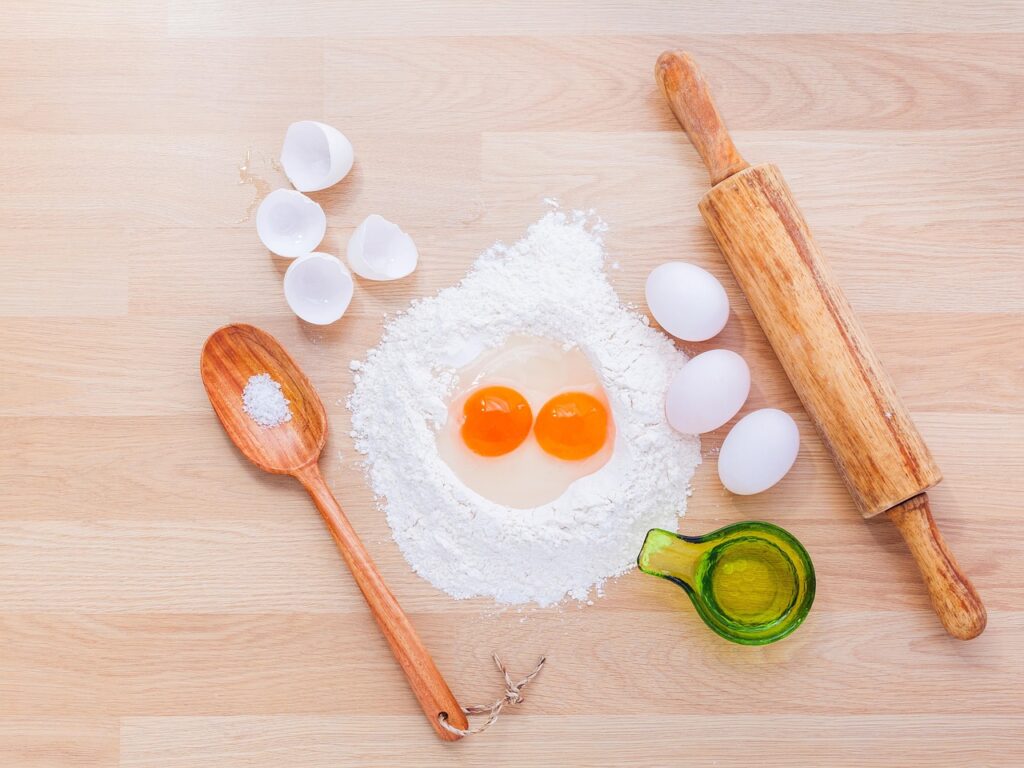
Texture is where the difference between cake flour and all-purpose flour becomes most obvious the moment a cake is cut or bitten into. Cake flour produces baked goods with a fine, light crumb and a smooth, almost velvety mouthfeel that feels delicate rather than springy. This happens because its lower protein content forms weaker gluten strands, allowing air bubbles to expand freely as the batter bakes. With less resistance, the cake rises gently and evenly, creating a uniform interior. Cakes made with cake flour tend to cool without collapsing and remain tender for longer, giving them a refined softness that feels intentional and balanced rather than dense or tight.
All-purpose flour creates a slightly sturdier crumb because its moderate protein level forms stronger gluten networks during mixing. In cakes, this often translates to a heavier bite or a texture that feels more bread-like than airy. While this firmness works well for sturdier baked goods, it can detract from recipes designed to be light and delicate. The difference is especially noticeable in sponge cakes, layer cakes, and chiffon-style bakes where lift and softness define success. Texture also shapes how flavor is perceived. A tender crumb releases sweetness and richness more easily, while a firmer structure can make a cake seem dry even when moisture levels are similar.
Processing and Milling Methods
How flour is processed shapes how it behaves long before baking even begins. Cake flour is made from softer wheat varieties that naturally contain less protein, and it is milled to a much finer consistency than most other flours. This finer grind limits how much the proteins are damaged during milling and reduces their tendency to form strong gluten bonds once liquid is added. Cake flour is also commonly chlorinated, a treatment that alters starch behavior. This allows batters to absorb more sugar and liquid while setting more quickly in the oven. As a result, cakes rise evenly, stay pale in color, and develop a tender crumb that feels soft rather than elastic or chewy.
All-purpose flour follows a very different processing path designed for flexibility rather than delicacy. It is milled from a blend of hard and soft wheat, creating a balance between strength and softness that works across many recipes. The grind is slightly coarser, and the flour is usually left untreated, meaning its starches and proteins behave in a more natural state. This gives all-purpose flour resilience, allowing it to support structure in cookies, muffins, pancakes, and quick breads. However, that same strength can work against delicate cakes. Because gluten forms more readily and starches absorb liquid differently, adjusting quantities cannot fully mimic cake flour’s performance.
When Substitutions Make Sense
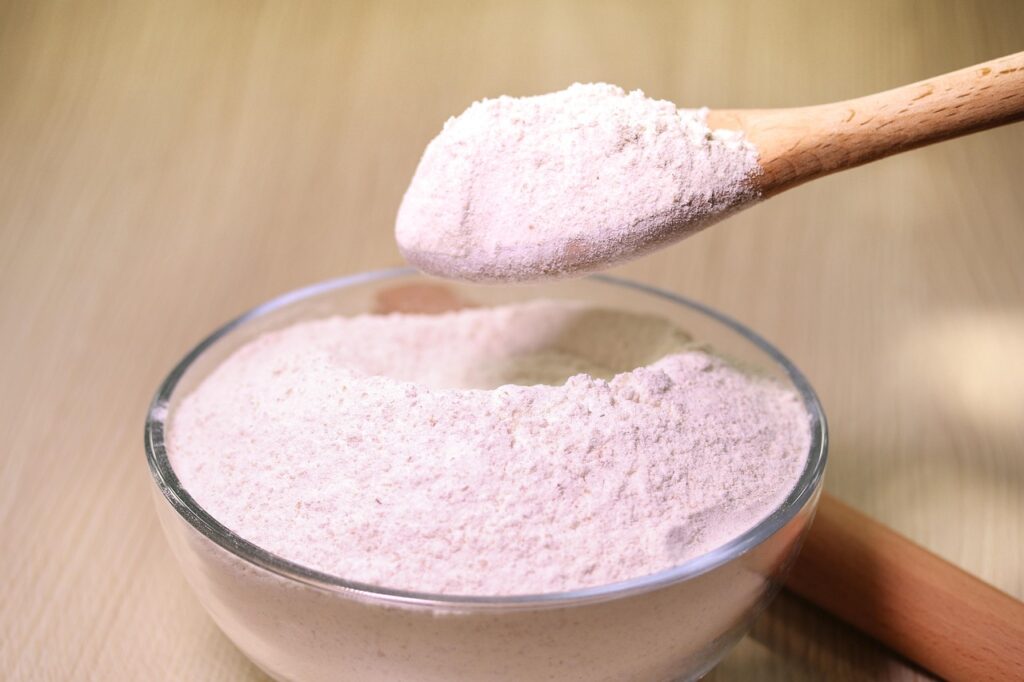
There are moments when substituting one flour for another is practical, but it requires understanding the trade-offs involved. All-purpose flour can be modified to behave more like cake flour by reducing protein and limiting gluten development. This is often done by replacing a small portion of all-purpose flour with cornstarch, which dilutes protein and softens the final texture. While this approach works reasonably well in many home baking situations, it does not fully replicate the effects of cake flour’s fine grind or specialized processing. The batter may still behave slightly differently during mixing and baking.
Substitutions are most successful in simple cakes where extreme tenderness is not critical to the final result. Snack cakes, loaf cakes, and casual everyday bakes tend to be forgiving enough to tolerate small texture changes. For highly structured or delicate cakes, using the flour specified in the recipe delivers the most reliable outcome. Cake flour is less forgiving in recipes that require strength, while all-purpose flour can sometimes overpower recipes that demand softness. Knowing when substitutions make sense allows bakers to adapt confidently. It also helps prevent wasted ingredients and disappointing textures when precision truly matters.
Reference
- What’s The Difference Between Cake Flour And All-Purpose Flour? – southernliving.com
- Cake flour vs. all-purpose flour: What’s the difference, and how do I substitute? – kingarthurbaking.com
- What’s the Difference Between All-Purpose Flour and Cake Flour? – allrecipes.com