The Best Tomato Paste Substitutes for Every Kind of Recipe

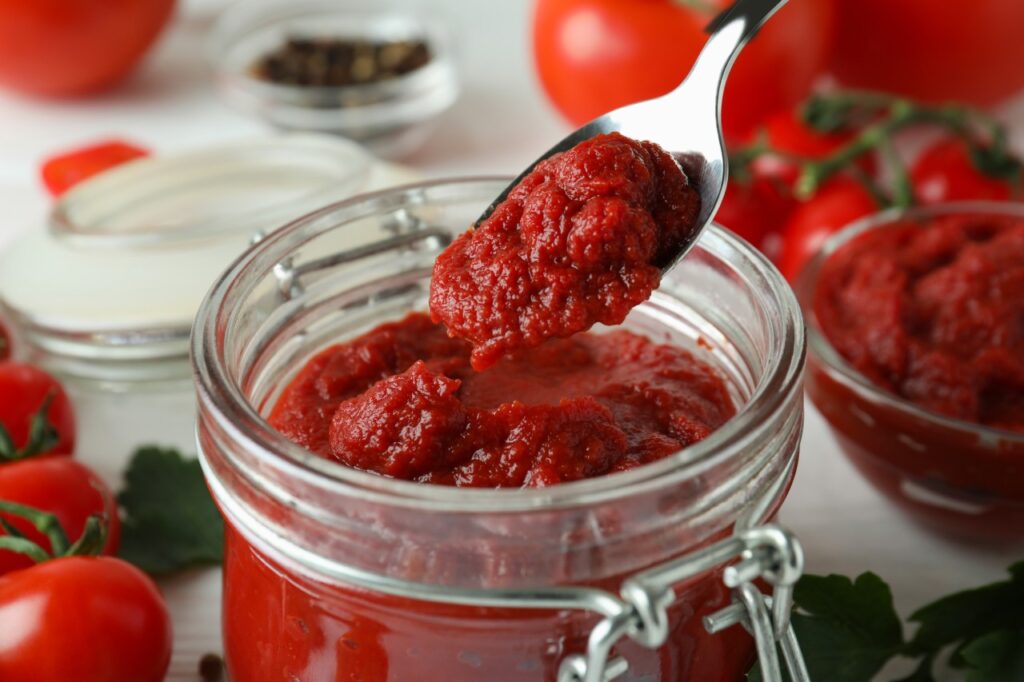
Running out of tomato paste doesn’t have to stop dinner in its tracks, even if a recipe seems to rely on it for structure and flavor. Tomato paste is valued because it concentrates sweetness, acidity, and umami into a small amount, but those qualities can be recreated in other ways. Many common ingredients already sitting in the kitchen can deliver similar depth when used thoughtfully. Knowing why tomato paste works makes substitutions far less intimidating. Once you understand its role as a thickener, flavor enhancer, and color builder, it becomes easier to adjust cooking methods and proportions without compromising the final dish. Adaptation is often simpler than it appears.
With the right substitute, you can still build rich flavor, balanced acidity, and the satisfying body that tomato paste provides. Pantry staples like sauces, purees, or even unexpected condiments can step in when handled correctly. Creative swaps can also add new dimensions, sometimes improving the dish rather than merely replacing an ingredient. Cooking is flexible by nature, and tomato paste is no exception. By focusing on technique, reduction, and balance, recipes remain forgiving and adaptable. Understanding how tomato paste behaves allows home cooks to improvise confidently, ensuring meals stay flavorful, cohesive, and enjoyable even when the original ingredient is missing.
Why Tomato Paste Matters in Cooking
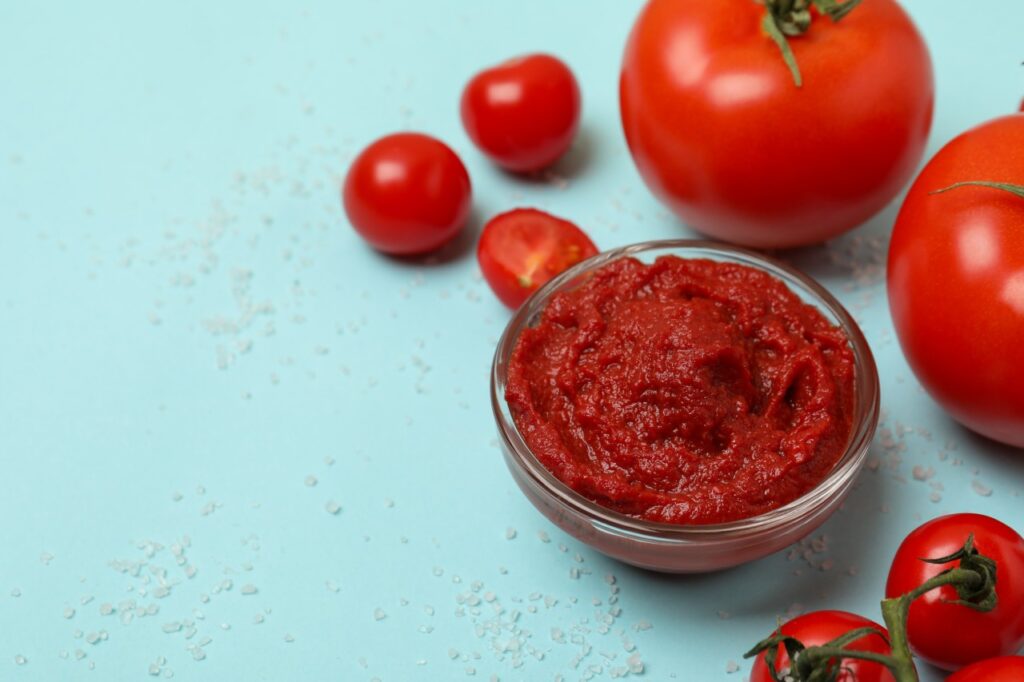
Tomato paste is one of those kitchen helpers that often goes unnoticed until it’s missing. It’s more than just concentrated tomato; it’s a flavor booster and thickener that adds richness, depth, and umami to sauces, stews, soups, and braises. Unlike tomato sauce or diced tomatoes, tomato paste has had most of its water removed through slow cooking. This concentration amplifies the sweet-tart character of tomatoes while delivering a robust, savory backbone to dishes. When you add a spoonful of tomato paste to a recipe, you’re not just adding tomato flavor. You’re layering complexity that melds with meat, vegetables, herbs, and spices.
In many classic recipes from Italian ragu to French beef bourguignon, tomato paste deepens color and consistency without overwhelming the dish with liquid. Its thick texture helps bind ingredients, creating a cohesive sauce rather than a thin broth. Because of its intensity, a small amount goes a long way. Chefs often “cook” tomato paste in oil for a minute or two before adding liquids. This technique, called blooming, enhances caramelization and releases deeper flavors. Understanding what tomato paste brings to a recipe makes it easier to choose a substitute that mimics not just its taste, but also its textural and functional roles in the dish.
Substitute Tomato Sauce and Puree
If you find yourself without tomato paste, two of the most straightforward replacements are tomato sauce and tomato puree. Both come from tomatoes but differ in texture and concentration. Tomato puree is thicker than sauce, with a smoother texture and richer flavor. While these options aren’t as concentrated as tomato paste, they can easily fill in with a few adjustments. The key is reducing the liquid so that the substitute matches the thickness and intensity that recipes expect from tomato paste. This small step helps prevent sauces from becoming watery while preserving the tomato-forward depth the dish relies on.
To make tomato puree behave more like paste, simmer it gently on the stovetop to evaporate excess water. This can take 10–15 minutes, depending on how much you’re reducing. The goal is to concentrate flavors without burning the tomatoes, so stir frequently and cook over moderate heat. Once reduced, the result thickens and deepens in flavor. Tomato sauce can undergo the same treatment, though many store-bought sauces include herbs and garlic, which can subtly change the flavor of your dish. That’s not always a downside, but it’s something to consider. Both puree and sauce are reliable pantry options that, with a little tweaking, bring you close to what tomato paste offers.
Using Fresh and Canned Tomatoes
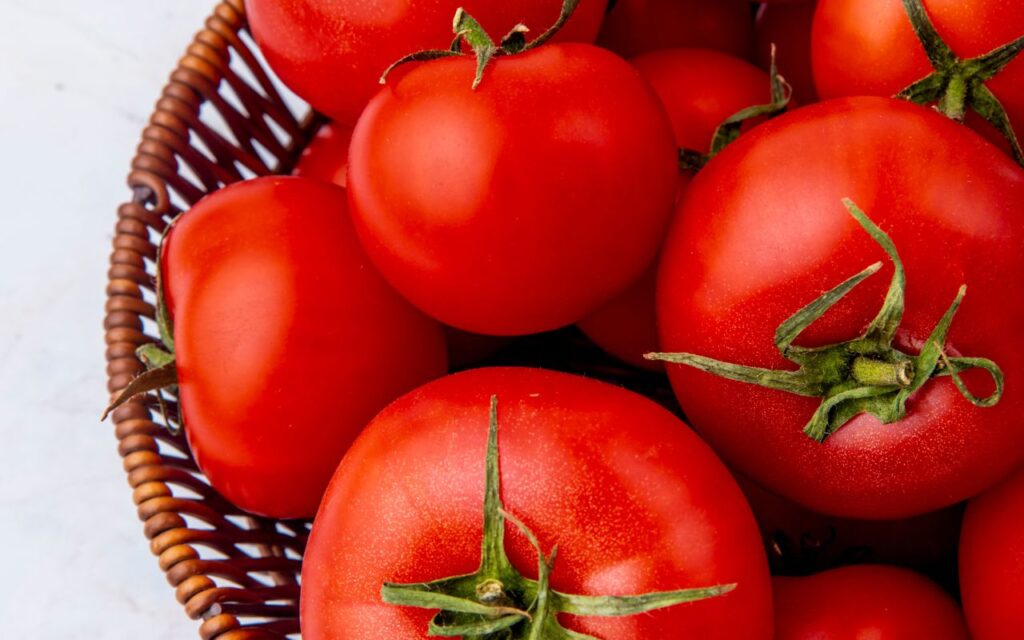
Whole canned tomatoes and fresh tomatoes can also step in when tomato paste is missing; they just need more effort. Fresh tomatoes have high water content, so transforming them into a paste-like consistency requires simmering to concentrate flavor and reduce moisture. Start by peeling and chopping the tomatoes, then cook them down slowly until the liquid evaporates and the solids thicken. This creates a fresh, vibrant substitute that highlights the natural sweetness and acidity of ripe tomatoes. While the texture won’t be as dense as store-bought paste, it works beautifully in sauces and braises.
Canned whole tomatoes offer another route. Because they are already partially broken down, they cook down faster than fresh tomatoes. Crush them in their juice, then simmer until the mixture has significantly reduced. Pressing the softened tomatoes through a strainer can help remove excess liquid and seeds, leaving behind a smoother base. The benefit of using tomatoes in their more natural form is flavor complexity: bright acidity, sweet undertones, and fresh aromatics come through in a way that highly concentrated pastes sometimes mask. These options take more time on the stove, but for those who cook often, the results are worth the extra minutes.
Pantry Standbys You Already Have
Sometimes the best substitute is something you never expected to reach for. Items like ketchup, chili sauce, and roasted red pepper purée can mimic some of the qualities of tomato paste in a pinch. Ketchup, for example, is already concentrated and seasoned, with sweetness and acidity that can complement many dishes. Use a bit less ketchup than the amount of tomato paste a recipe calls for, and be mindful of added sugar and spices that might alter the flavor profile. Chili sauce offers similar potential, with a slightly spicier edge that works in recipes where bold taste is welcome. These options work best in cooked dishes where flavors have time to mellow and blend.
Another overlooked option is sun-dried tomato paste, which you can make by rehydrating packed sun-dried tomatoes and blending them into a thick purée. This substitute brings a deep, tangy, slightly smoky flavor that pairs especially well with Mediterranean and Italian dishes. Roasted red pepper purée, either homemade or store-bought, adds sweetness and body. While these standbys won’t replicate tomato paste exactly, they bring enough texture, acidity, and flavor punch to keep your dish balanced and satisfying when you’re in a bind. Choosing the right substitute depends on whether the recipe needs depth, sweetness, or thickness most.
Creative Alternatives for Unique Flavors
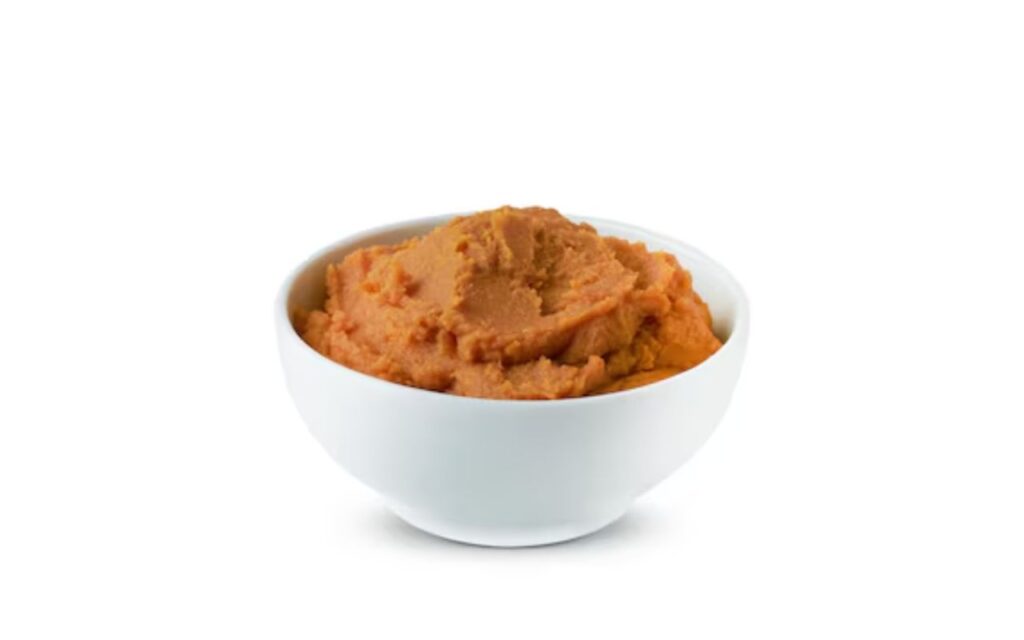
When substituting tomato paste, it’s also an opportunity to experiment with flavors that can elevate a dish. Ingredients like miso paste, harissa, or even balsamic reduction add depth in ways that tomato paste may not. Miso paste, a fermented soybean product, delivers savory richness and umami that complements hearty stews and sauces. Use it sparingly, since its intense saltiness can dominate if overused. Harissa, a North African chili paste, brings heat and complexity that can transform Middle Eastern or fusion recipes. These options work best when a recipe benefits from bold character rather than a neutral tomato base.
Balsamic reduction, made by simmering balsamic vinegar until it thickens and sweetens, provides acidity and a hint of sweetness that can stand in for tomato paste in glazes and braises. Similarly, reducing red wine with aromatics creates a rich base that adds body and flavor. These creative alternatives may not mimic tomato paste in a one-to-one way, but they expand your culinary toolkit. When you approach substitution with both practicality and imagination, you can adapt recipes confidently and discover new flavor combinations along the way. The key is adjusting seasoning carefully so these stronger ingredients enhance rather than overpower the dish.
Reference
- The Best Tomato Paste Substitute for Every Situation – tasteofhome.com
- What Is the Best Tomato Paste Substitute? – foodnetwork.com
- 15 Best Tomato Paste Substitutes for Cooking – cozymeal.com