8 Historic German Breweries Still Pouring Today

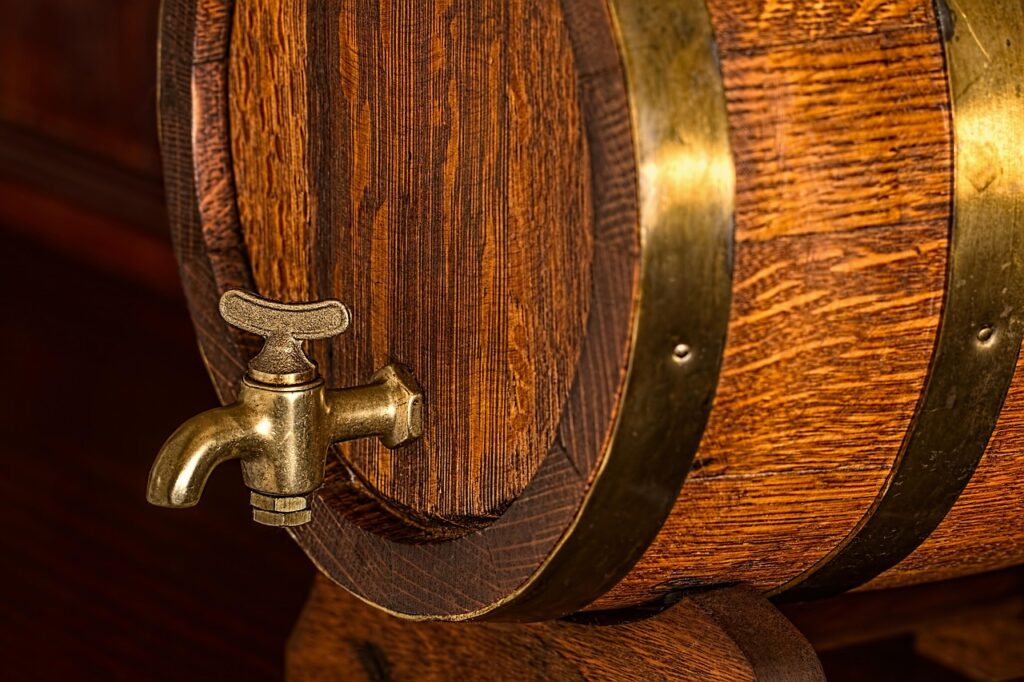
Germany’s brewing history is not locked in museums. It is still poured daily in breweries that have survived wars, shifting borders, industrial change, and evolving tastes. The most enduring names kept their identity by staying close to classic styles while improving consistency through better process and quality control. Together, these breweries show how tradition survives when it is supported by skill, reliable brewing practices, and a clear sense of place. Each pour carries a link to the past without feeling outdated.
1. Bayerische Staatsbrauerei Weihenstephan
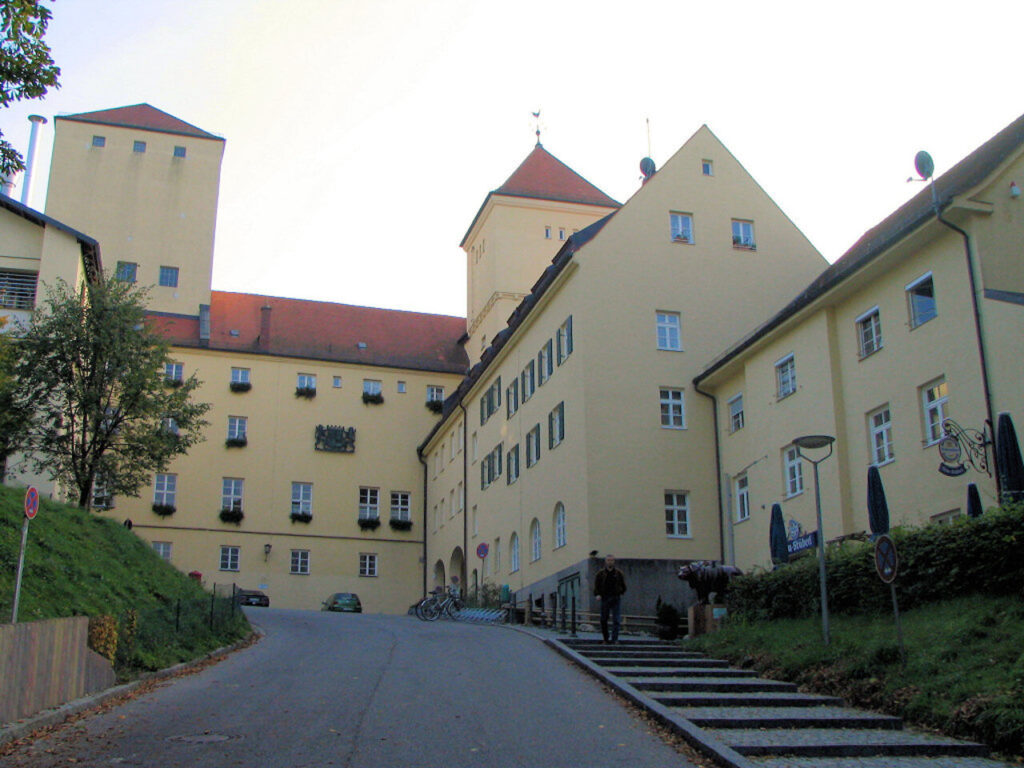
Weihenstephan stands out because it represents continuity more than spectacle. Brewing has taken place on this site in Freising for centuries, and that long history shows in how carefully the brewery approaches process and consistency. The beers are clean, balanced, and technically sound, which is why they are often used as benchmarks for students and professionals learning brewing science. Its connection to brewing education reinforces that reputation. The brewery works closely with academic institutions, blending tradition with modern quality control. That combination keeps the beer reliable year after year.
2. Augustiner-Bräu
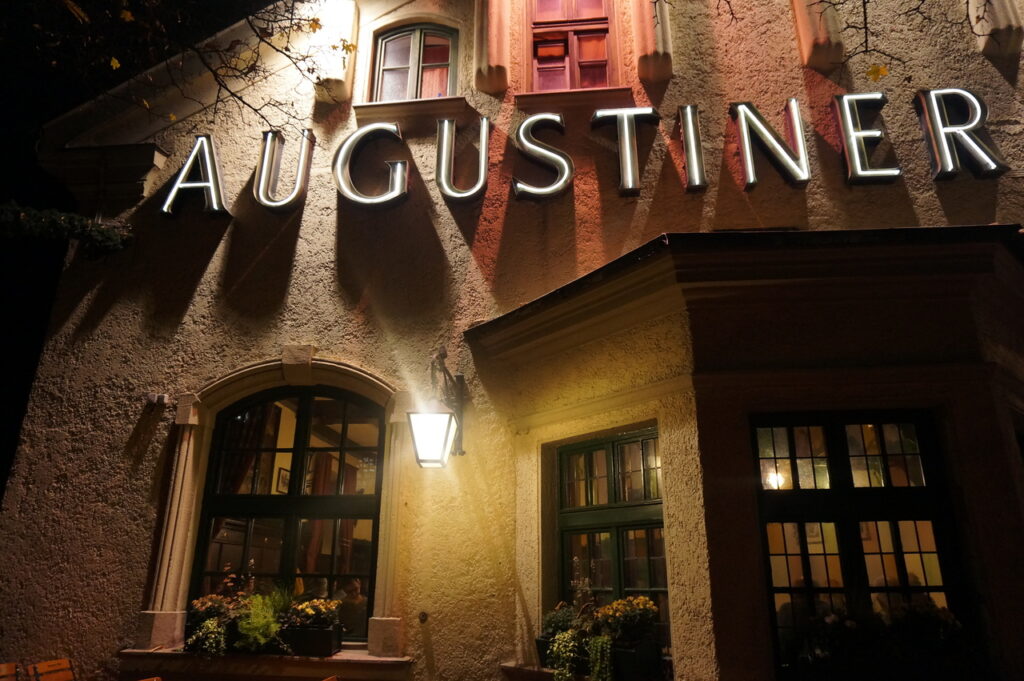
Augustiner-Bräu feels historic because it has resisted many modern changes that other breweries embraced. It remains privately owned and continues to brew using traditional methods that emphasize patience and balance. The beers are known for being understated, favoring drinkability over intensity. That restraint is deliberate. Augustiner lagers are brewed to be enjoyed in volume, especially in social settings like beer halls and festivals. The brewery’s long association with Munich gives it cultural weight beyond the beer itself. Locals often view Augustiner as a symbol of continuity in a city that has changed rapidly.
3. Hofbräu
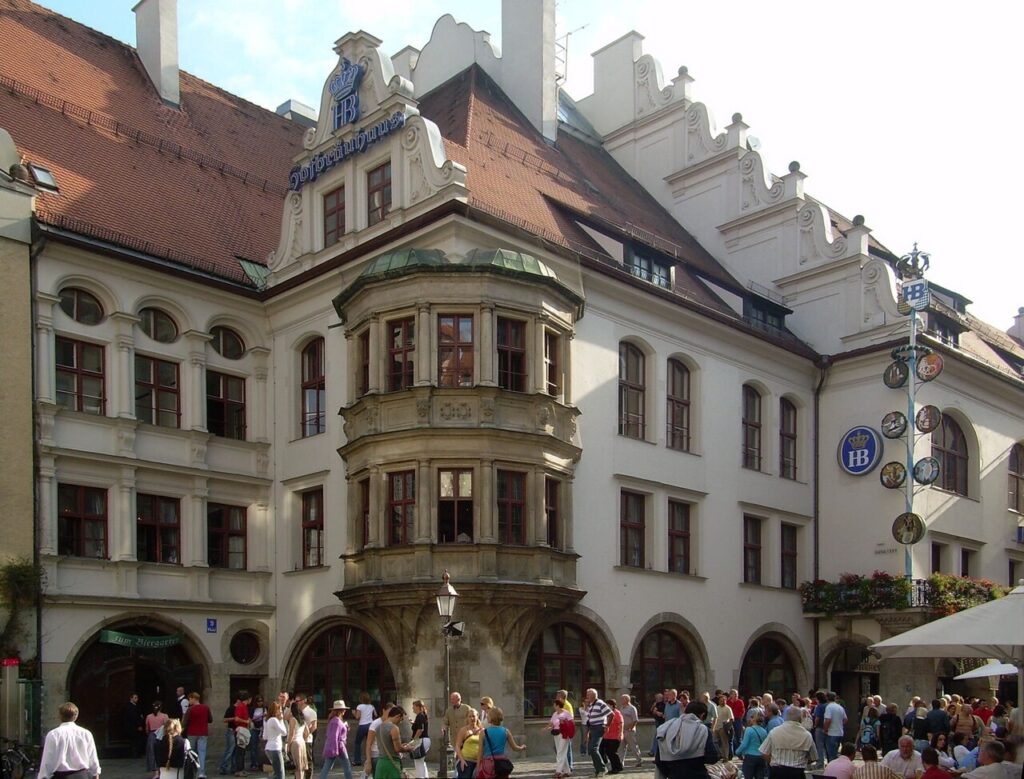
Hofbräu is one of the most recognizable names in German beer, and its endurance comes from adaptability paired with a strong identity. Originally tied closely to Bavarian leadership and state history, the brewery grew into a symbol of Munich itself. The beer styles remain classic, but production has scaled to meet global demand. Despite that scale, Hofbräu still leans heavily on traditional recipes and recognizable flavor profiles. The beers are fuller and more assertive than some other Munich lagers, which helps them stand out in crowded settings. Hofbräu’s continued success also comes from its role as a gathering place.
4. Paulaner Brauerei
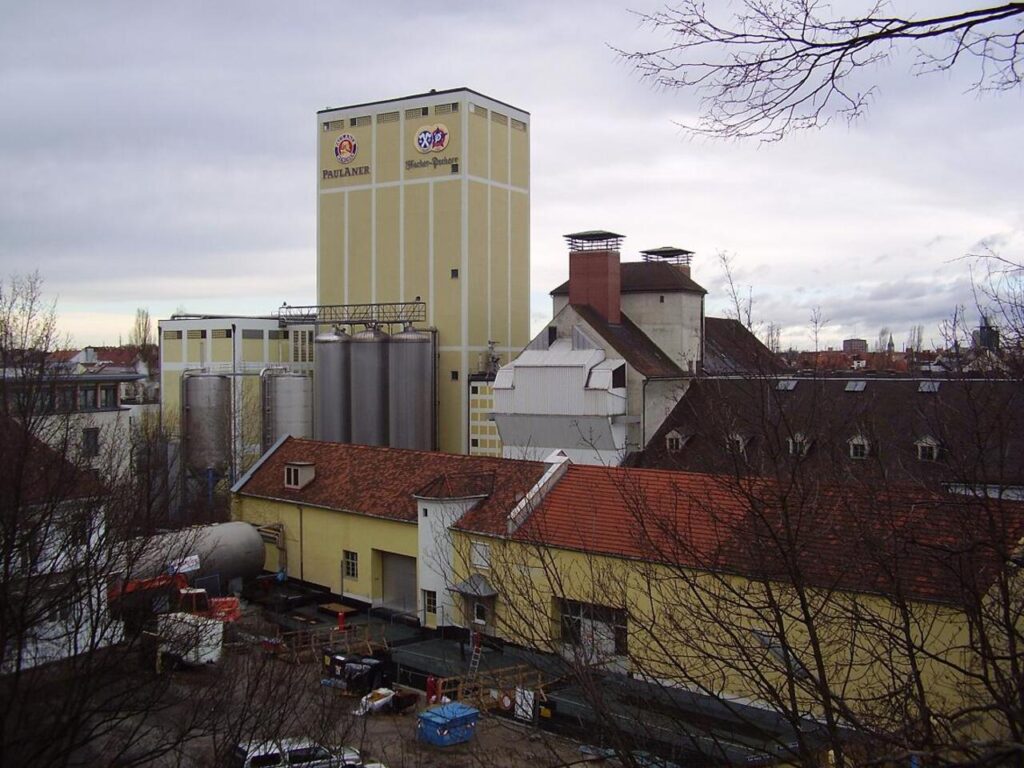
Paulaner’s story begins with monastic brewing, and that influence still shapes its approach today. The brewery built its reputation on beers designed to sustain and satisfy, particularly during fasting periods when liquid nourishment mattered. The focus is on malt character, smooth texture, and balance rather than sharp bitterness. Over time, Paulaner expanded well beyond its original setting, but it maintained a clear identity tied to Bavarian wheat beers and lagers. The brewery has been successful at introducing its beers to international audiences without stripping away their authentic character.
5. Spaten
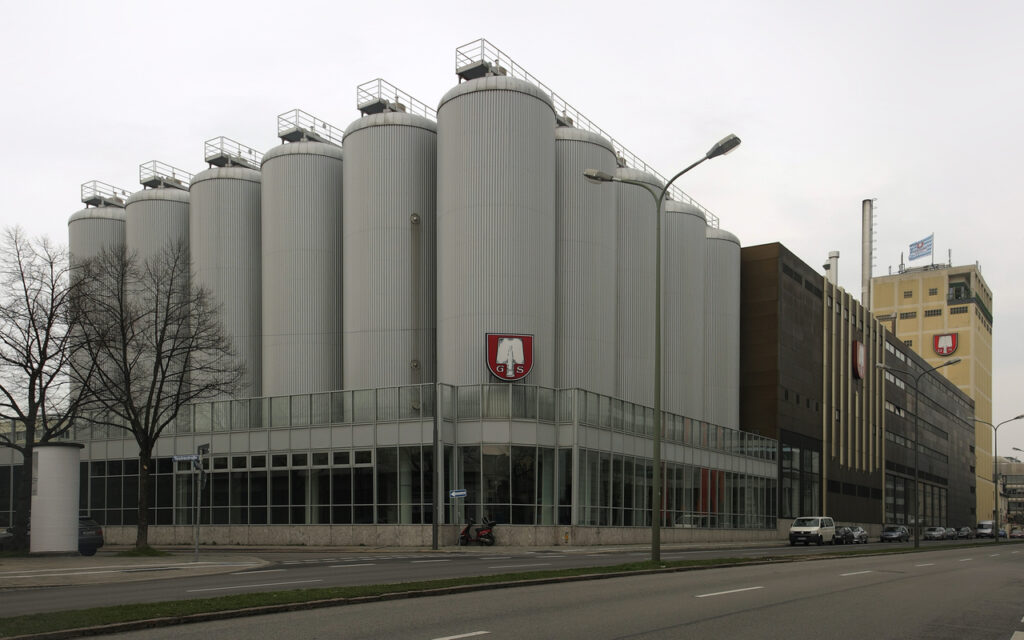
Spaten is closely linked to the technical evolution of modern lager brewing. The brewery played an important role in refining methods that helped lagers become cleaner, more stable, and easier to reproduce at scale. That technical focus is still evident in the beer. Spaten lagers are crisp, structured, and predictable in a positive way. They deliver clarity of flavor rather than complexity. Historically, Spaten also helped shape Munich’s beer culture by contributing to standards that other breweries followed. Today, the brewery’s beers are widely available, but they still reflect that foundational approach.
6. Hacker-Pschorr
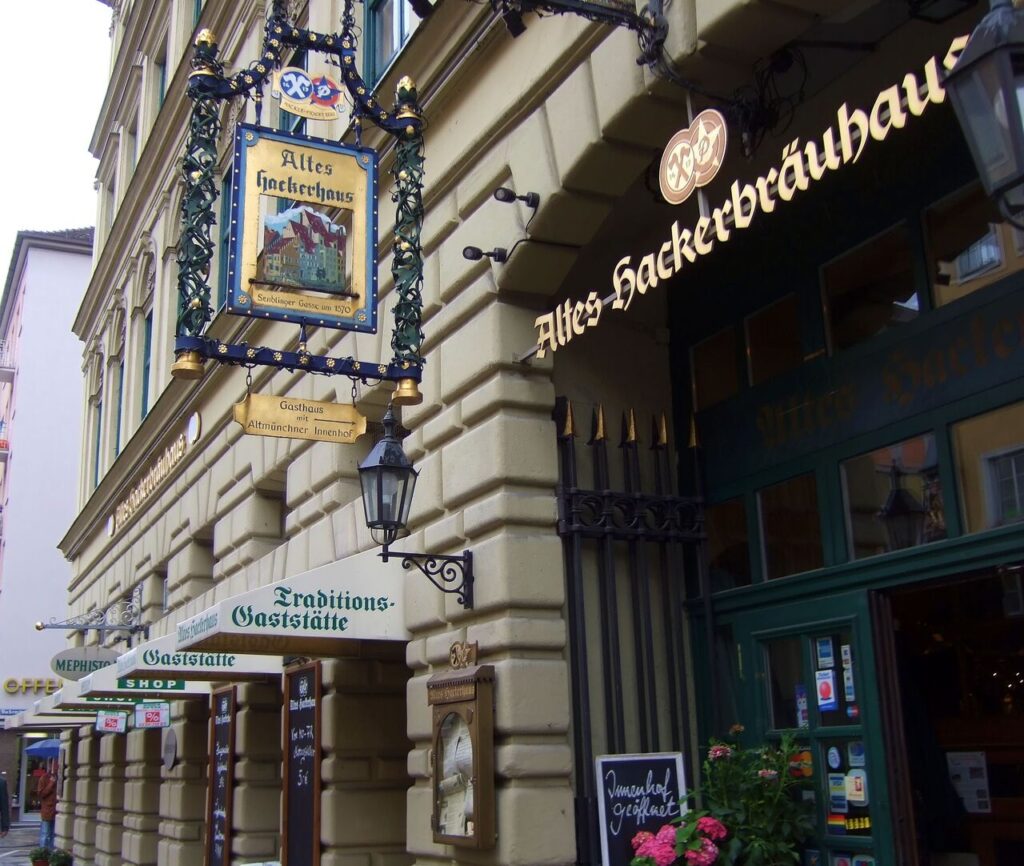
Hacker-Pschorr carries its history through storytelling as much as brewing. The brand is deeply tied to Munich’s cultural image, often emphasizing heritage through labels, beer hall traditions, and seasonal releases. The beers themselves lean toward richness and malt depth, making them especially well-suited for festival settings. Hacker-Pschorr lagers are built to feel comforting and substantial without being heavy. The brewery’s long past is reflected in how it approaches consistency. Recipes are not pushed far from their origins, and seasonal beers follow established expectations. That reliability helps keep the brewery relevant across generations.
7. Löwenbräu
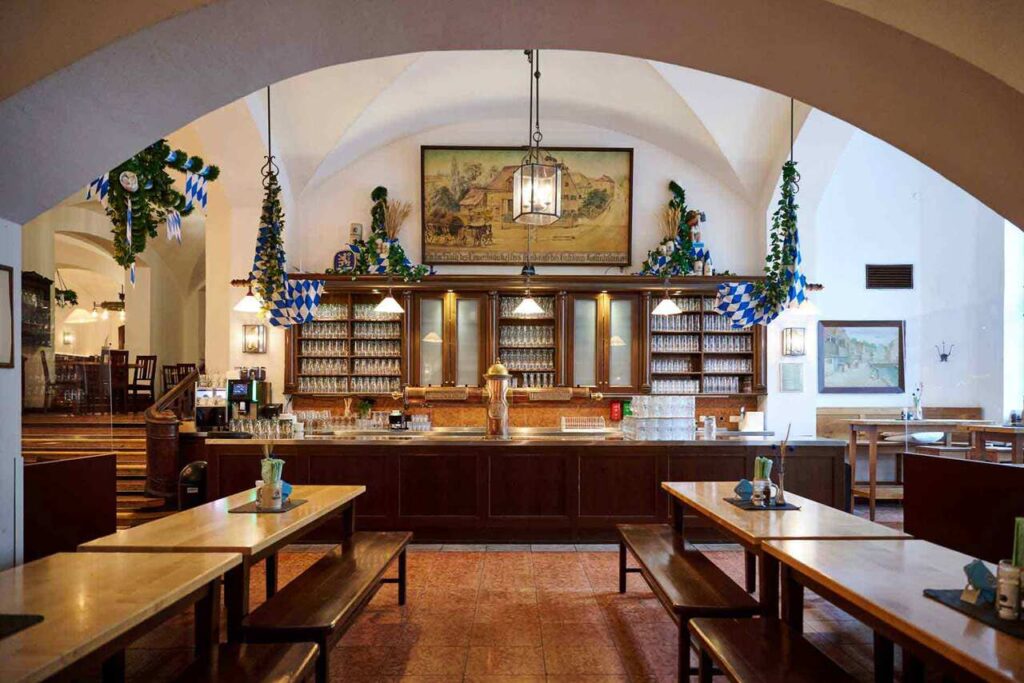
Löwenbräu’s longevity comes from strong branding paired with recognizable beer styles. The brewery has been part of Munich’s beer identity for centuries, and its lion symbol is instantly associated with Bavarian brewing. The beers themselves focus on classic profiles that emphasize balance and drinkability. Löwenbräu lagers tend to sit comfortably between malt sweetness and clean bitterness, making them approachable to a wide range of drinkers. Over time, the brewery expanded its reach beyond Germany, which introduced challenges around perception and consistency. Even so, the core beer styles remain tied to Munich tradition.
8. Schlenkerla
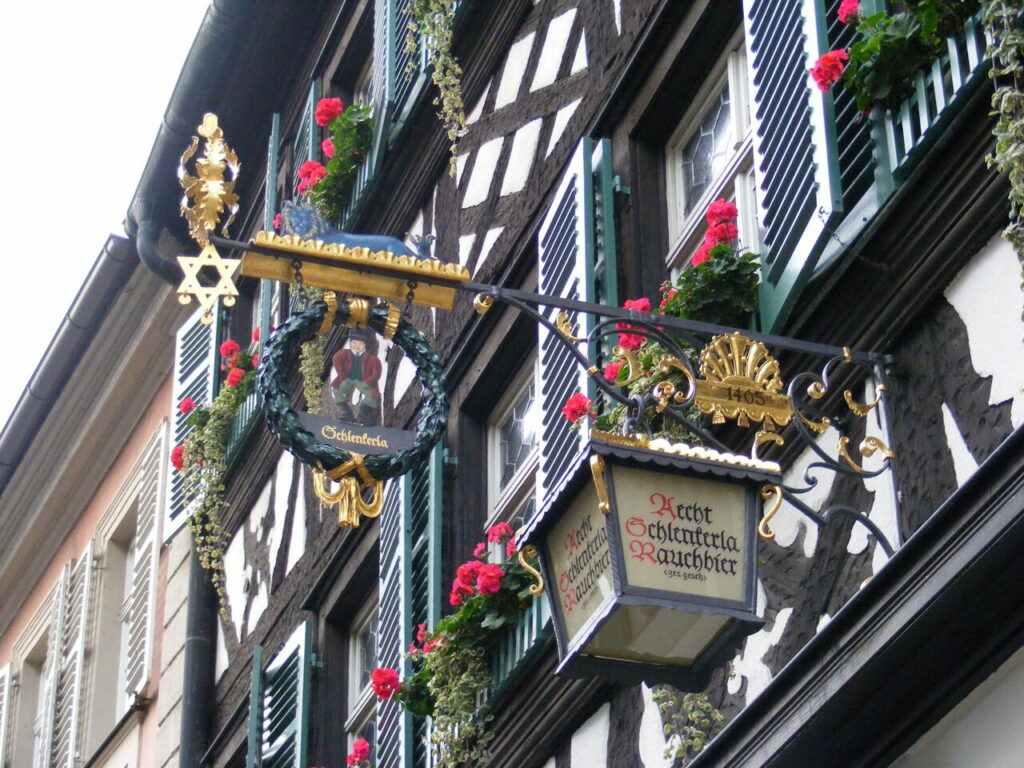
Schlenkerla is historic not just because of age, but because it preserves a brewing style that most others abandoned. The brewery is famous for smoked beer, a style rooted in older malting techniques where malt dried over open flames absorbed smoke. While modern brewing moved away from that flavor, Schlenkerla maintained it. The result is a beer that tastes unmistakably different, with deep smoky character layered over traditional lager structure. This commitment to a specific tradition has kept the brewery relevant in a different way even today. Instead of broad appeal, Schlenkerla offers authenticity.