9 Vintage One Pot Meals Boomers Still Talk About Today

One-pot meals were built for real life, not presentation. They answered the need for food that was filling, affordable, and dependable, using a single pot on the stove. These dishes emerged from a time when home cooking prioritized nourishment and efficiency over shortcuts. Ingredients were chosen for how well they held up to slow cooking and how much flavor they could release over time. Meat, vegetables, and starches worked together in the same vessel, creating depth without complexity. The result was food that felt warm, familiar, and deeply satisfying. These meals were cooked once, shared often, and remembered long after the pot was empty, which is why they still come up in conversation.
1. Beef Stew
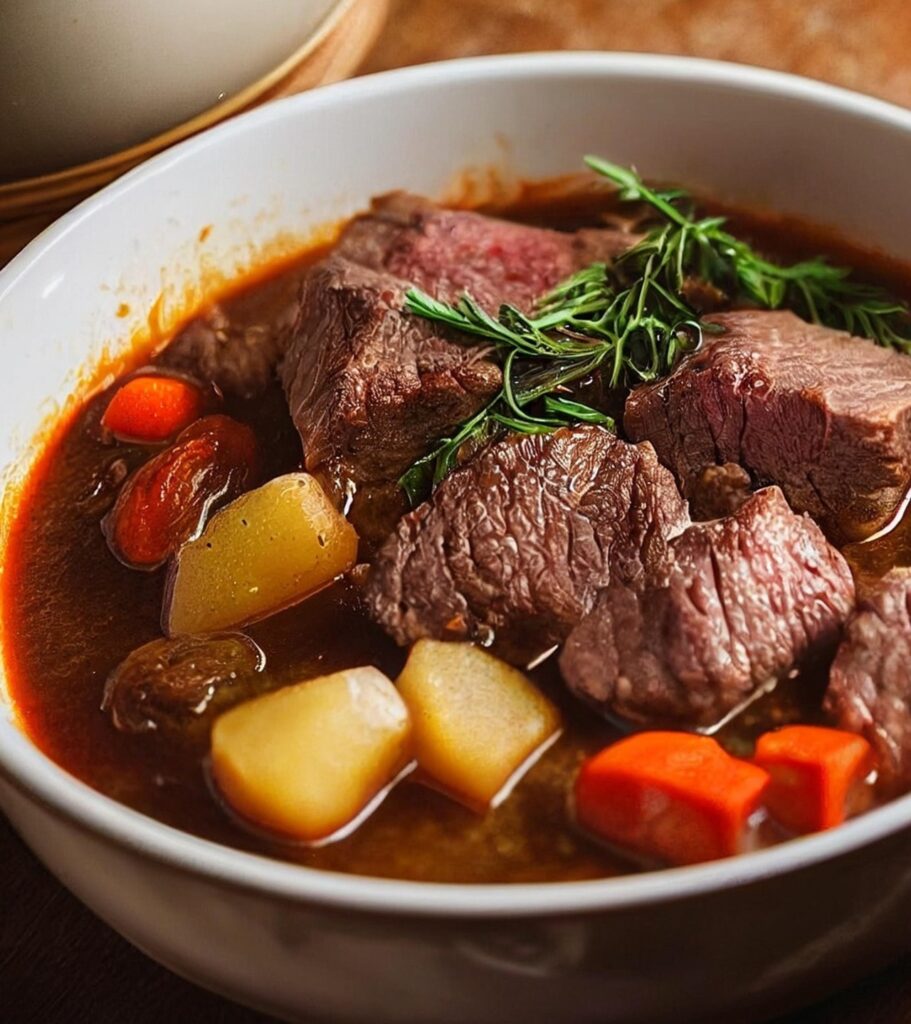
Beef stew became a staple because it turned tough, inexpensive cuts of meat into something deeply satisfying. Chuck or round beef contains connective tissue that breaks down slowly when simmered, transforming into gelatin that thickens the broth naturally. Cooking everything in one pot allowed flavors to layer over time as meat browned, vegetables softened, and starches released body into the liquid. Potatoes and carrots added bulk and nutrition, while onions provided sweetness as they cooked down. Long simmering also meant flexibility. Stew could cook while other chores were done, making it practical for busy households.
2. Chicken and Dumplings
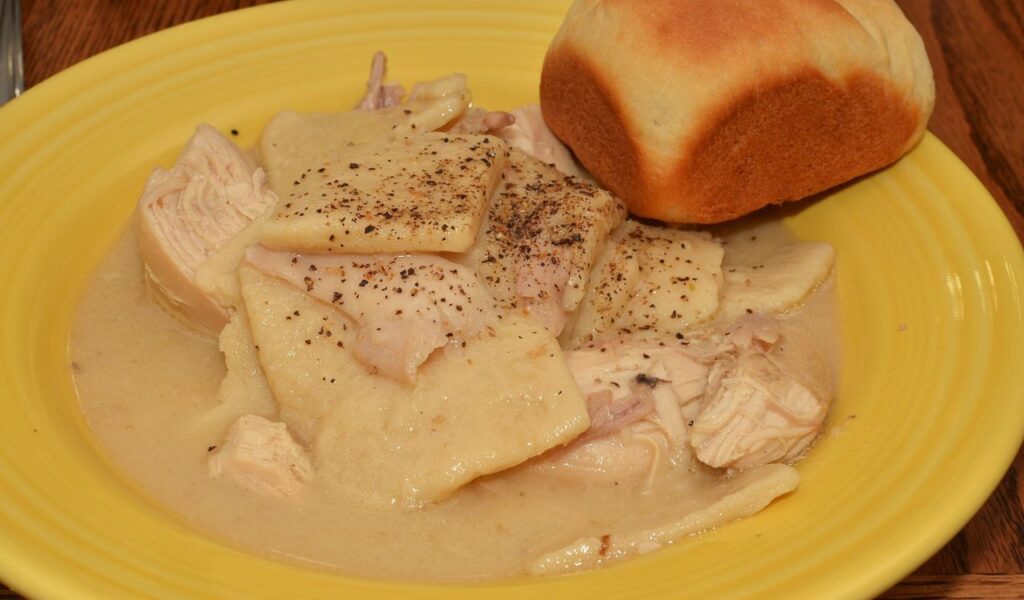
Chicken and dumplings were built around comfort and efficiency. A whole chicken simmered gently produced a rich broth without extra ingredients, while the meat became tender enough to shred easily. Dumplings were made from simple pantry staples like flour, fat, and milk, dropped directly into the simmering pot. As they cooked, they absorbed broth and released starch, thickening the liquid naturally. This created a hearty texture without cream or complicated techniques. The dish required minimal equipment and could feed several people from one pot. Its appeal came from texture contrast, soft dumplings against tender chicken, and from the way the broth carried flavor evenly.
3. Classic Goulash
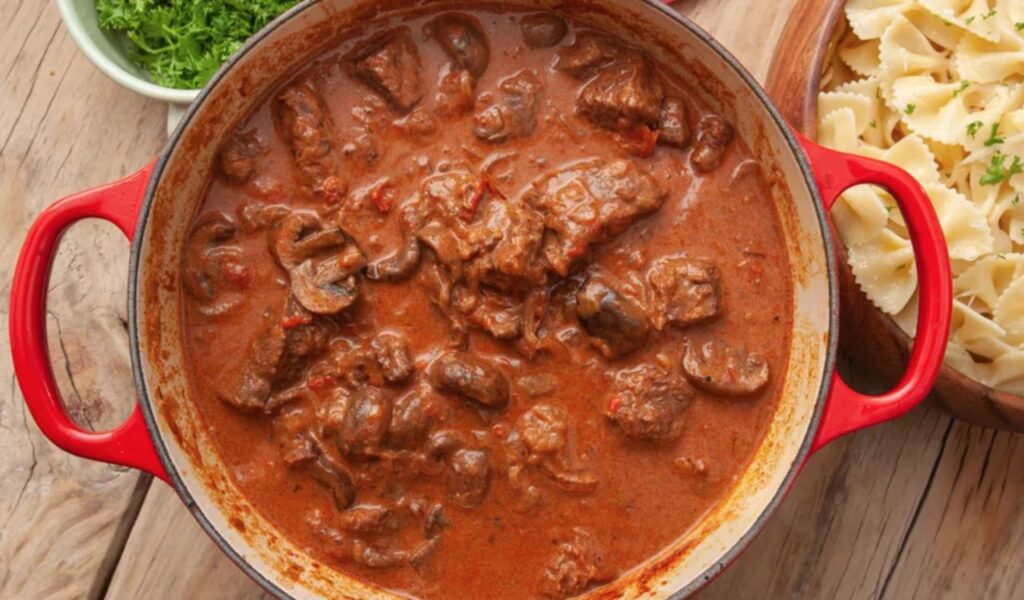
American-style goulash gained popularity because it combined affordability with bold flavor. Ground beef cooked quickly and evenly, making it ideal for one-pot meals. Tomatoes added acidity and moisture, while paprika and onions built depth without relying on many spices. Pasta cooked directly in the sauce absorbed flavor while releasing starch, thickening the dish naturally. Everything happened in one pot, reducing cleanup and time. Goulash was flexible, allowing cooks to adjust seasoning, stretch portions, or substitute ingredients based on availability. It delivered warmth, satiety, and consistency, qualities that mattered in households feeding multiple people on a budget.
4. Tuna Noodle Casserole
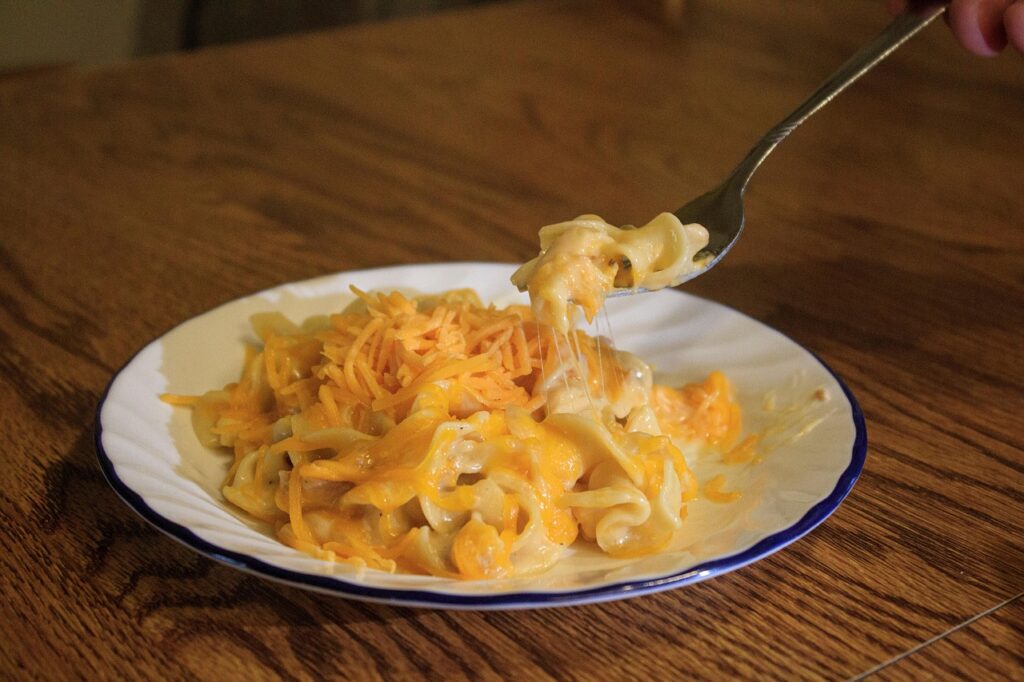
Tuna noodle casserole reflected postwar convenience and pantry cooking. Canned tuna provided affordable protein with long shelf life, while dried pasta and canned soup reduced preparation time. Cooking everything together created a cohesive dish where noodles absorbed sauce and flavors blended evenly. Peas or other vegetables added texture and nutrition without complicating the process. This meal required little hands-on attention and could be scaled easily for families. It also reheated well, making leftovers practical. The dish became familiar because it fit changing lifestyles while still delivering warmth and comfort.
5. Beef Stroganoff
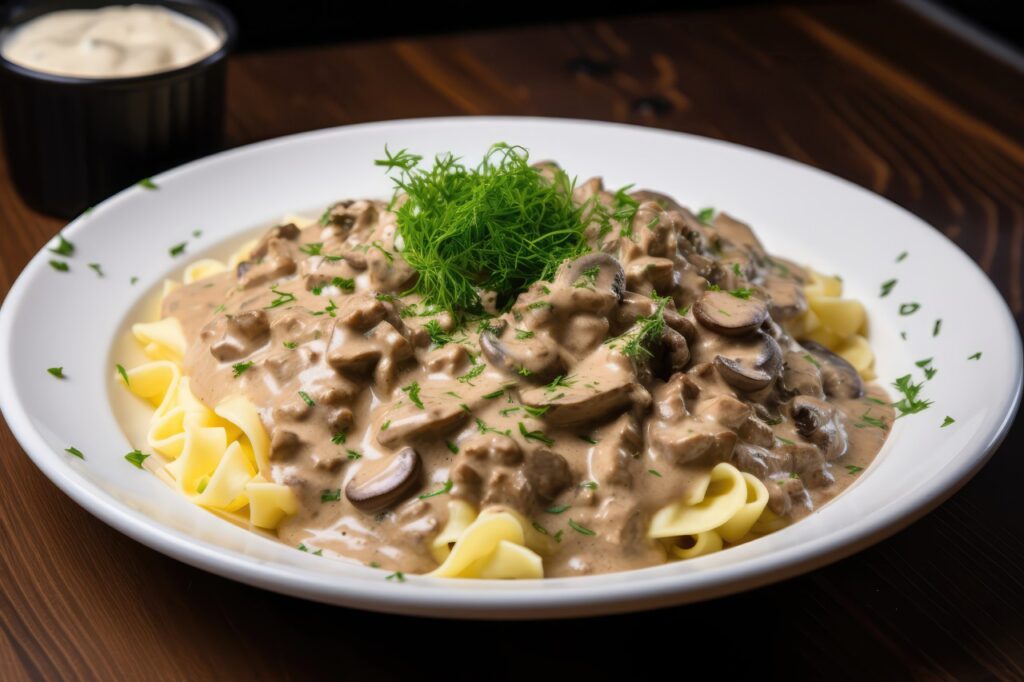
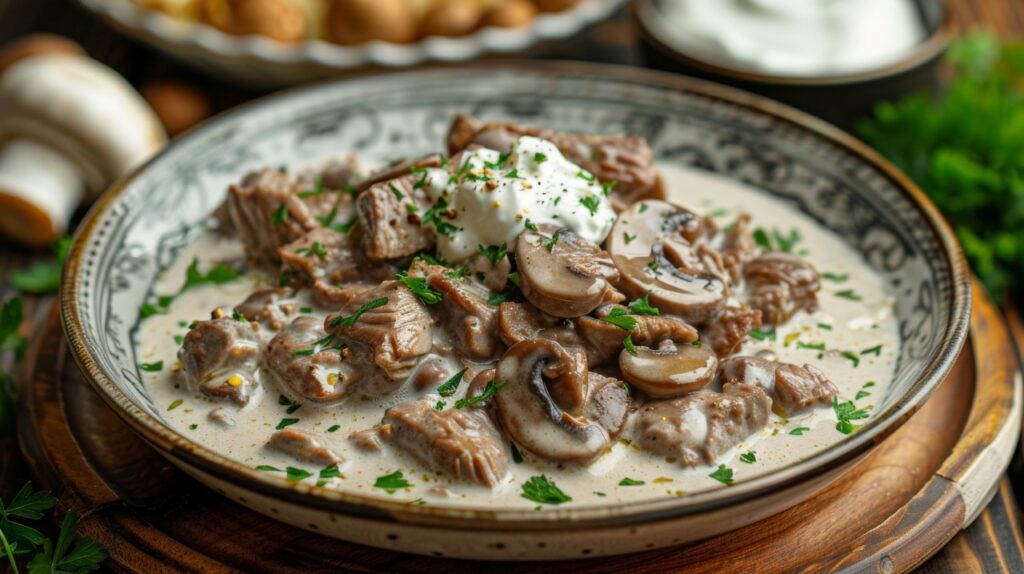
Beef stroganoff stood out for its richness achieved through careful sequencing rather than complexity. Thin strips of beef cooked quickly to stay tender, while mushrooms added umami and moisture. The sauce relied on broth and sour cream, which added tang and body when combined gently at lower heat. Cooking in one pot allowed flavors to build while minimizing steps. The dish balanced fat, acid, and protein in a way that felt indulgent but controlled. Stroganoff became popular because it felt special without requiring advanced skill. It used common ingredients but delivered depth and comfort in a single pan.
6. Ham and Beans
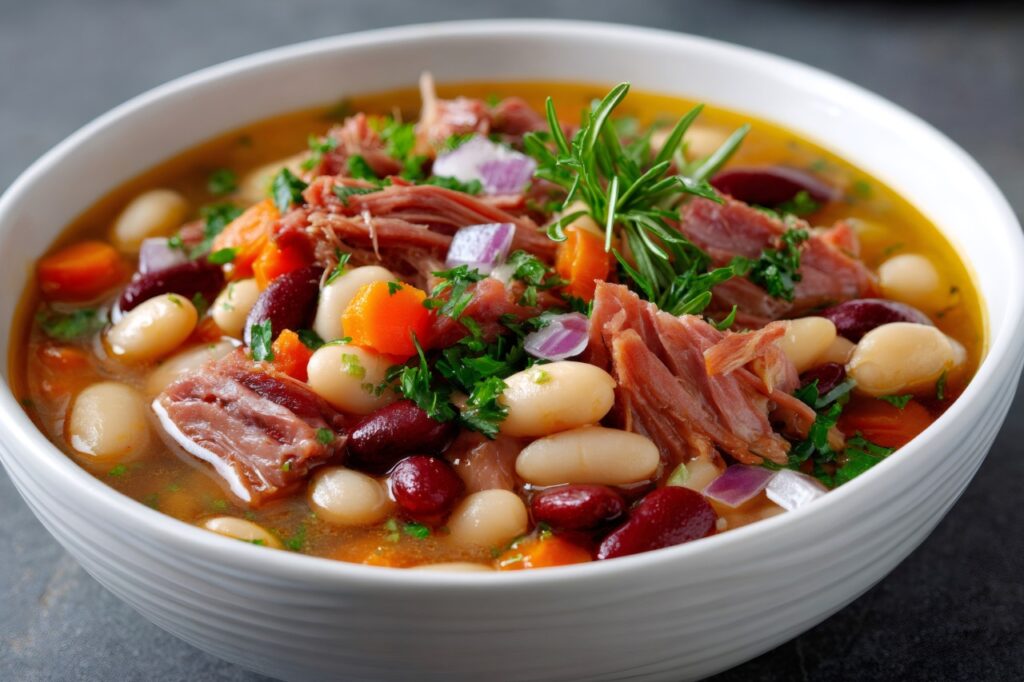
Ham and beans were rooted in thrift and patience. A ham hock or bone left from previous meals added flavor through slow simmering, extracting salt, fat, and smoke into the beans. Dried beans expanded as they cooked, making the meal economical and filling. Long cooking softened the beans while thickening the liquid naturally. Everything stayed in one pot, allowing flavors to concentrate over hours. This dish fed families for days and improved as it rested. Its appeal lay in how little it wasted and how much it delivered, making it a cornerstone of practical home cooking.
The long simmer also made it forgiving, allowing cooks to adjust seasoning gradually as flavors developed.
7. Chili Con Carne
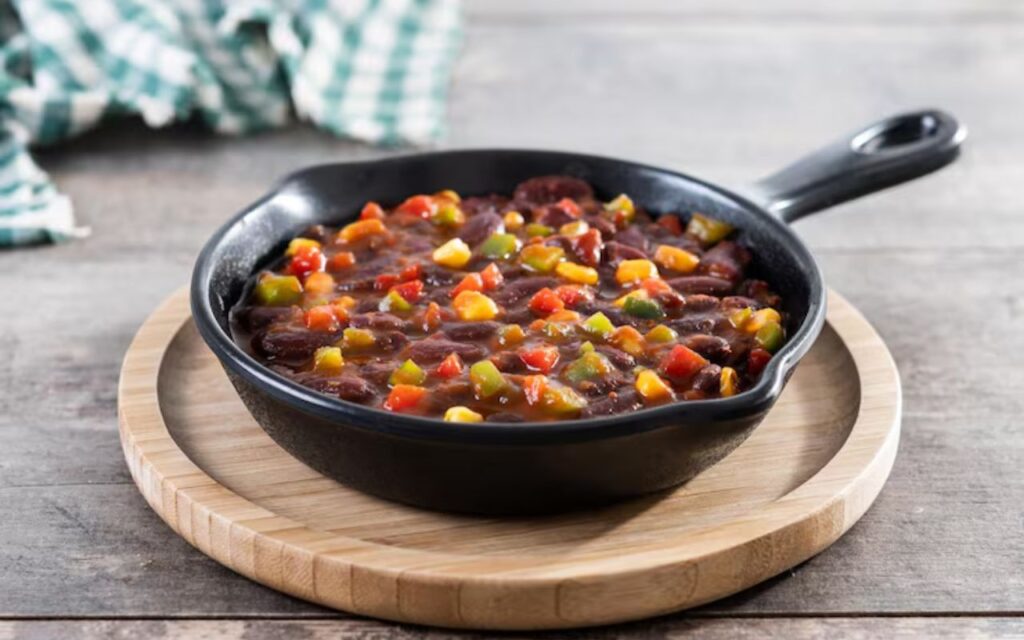
Chili con carne earned its place because it combined bold flavor with flexibility. Ground or chopped beef browned first, creating depth through caramelization. Beans and tomatoes added body and nutrition, while spices infused warmth as the pot simmered. Cooking in one vessel allowed flavors to meld gradually, producing a thick, cohesive dish. Chili could be stretched with beans or thickened through longer cooking, making it adaptable to different budgets. It fed crowds easily and reheated well. Its lasting popularity comes from how it balanced simplicity, flavor, and nourishment in one pot. Each reheating deepened the flavor, which is why chili was often better the next day.
8. Chicken Cacciatore
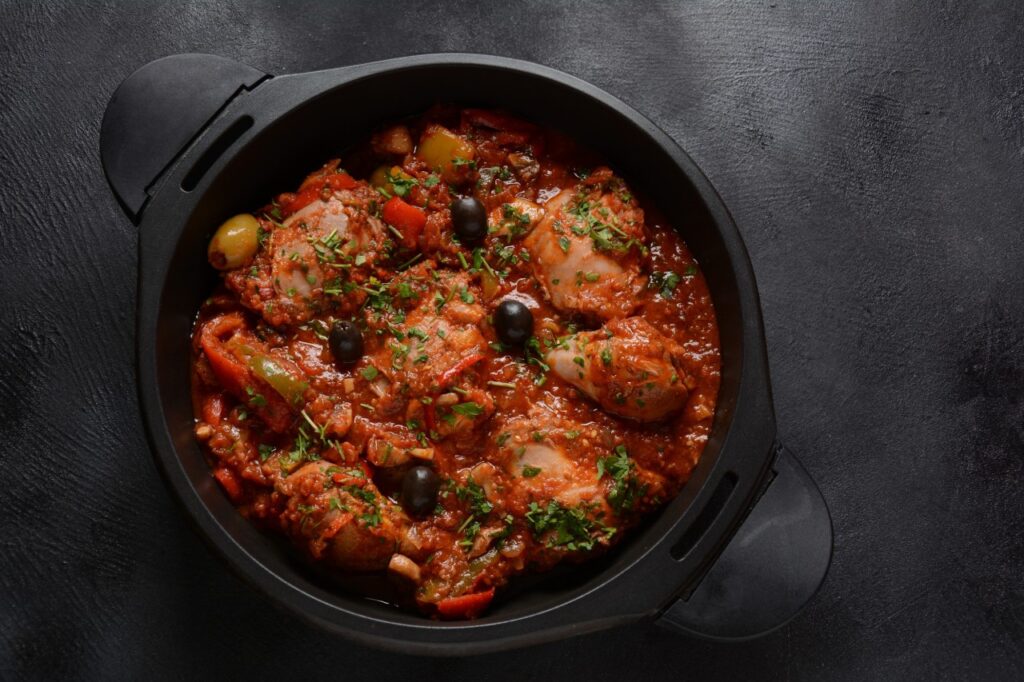
Chicken cacciatore relied on braising to build flavor efficiently. Bone-in chicken is browned first, creating a base of rendered fat and caramelized bits. Tomatoes, onions, peppers, and herbs were added directly to the same pot, deglazing and forming a sauce as everything simmered together. Slow cooking softened the chicken while vegetables broke down, thickening the sauce naturally. This method required little attention but delivered layered flavor. It reflected rustic cooking traditions where one pot handled everything, making it practical and satisfying without excess ingredients or steps. The dish was especially valued for how well it paired with simple sides like bread or pasta.
9. Shepherd’s Pie
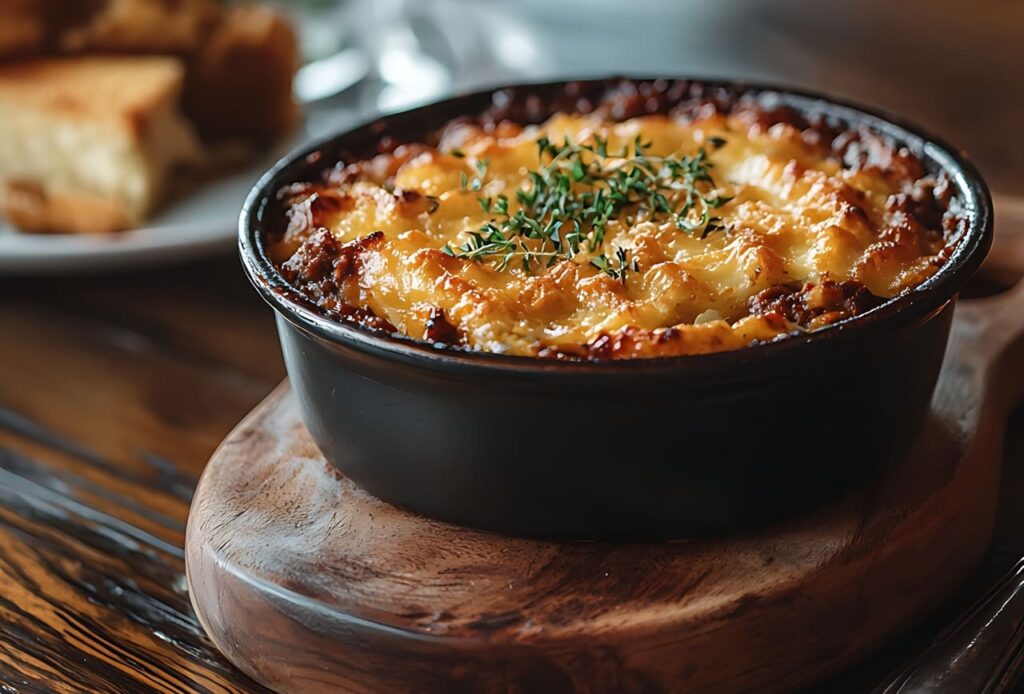
Shepherd’s pie worked because it combined multiple elements into a single cooking vessel. Ground meat and vegetables cooked together first, creating a savory base. The mixture thickened as moisture reduced, forming a cohesive filling. Mashed potatoes added on top acted as insulation, sealing in heat and moisture during final cooking. This structure allowed leftovers to reheat well without drying out. It was filling, economical, and easy to portion. The dish became memorable because it delivered comfort and efficiency, using one pot to create a complete meal that felt both hearty and familiar. Its layered construction also made it ideal for using leftover meat and vegetables without waste.