12 Old School Meatloaf Secrets Grandma Always Used

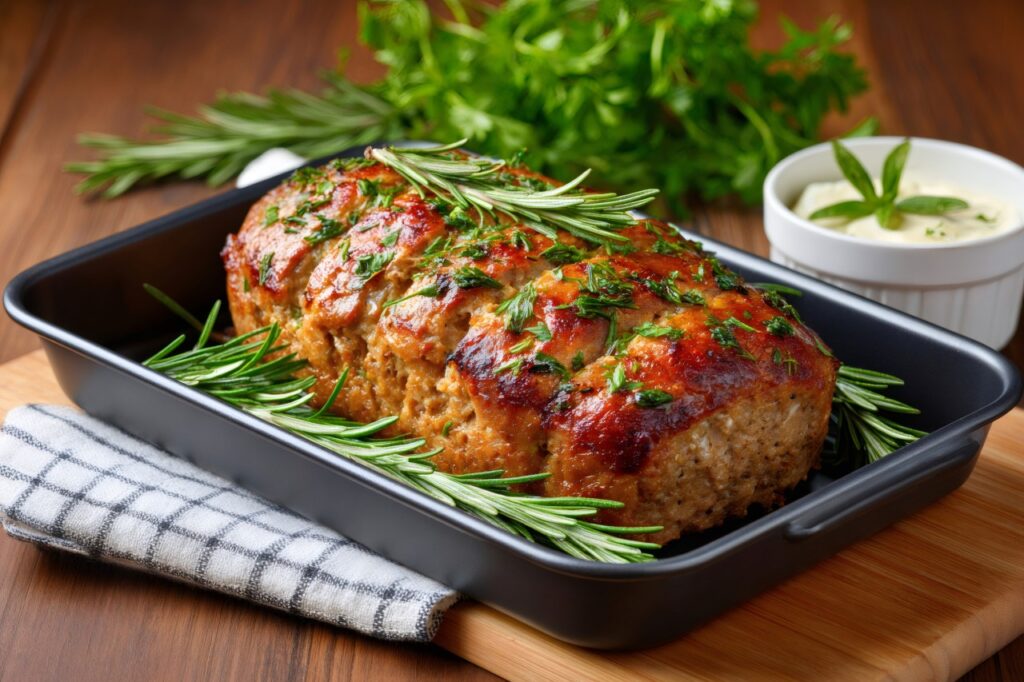
Old-school meatloaf was never about shortcuts or rigid recipes. It was built on instinct, repetition, and an understanding of how simple ingredients behave when treated with care. Grandmas didn’t rely on trends or gadgets. They relied on texture, smell, and timing, learning through years of feeding families from the same kitchen. Every step had a reason, from how the meat was mixed to how long the loaf rested before slicing. These small choices added up to meatloaf that stayed moist, flavorful, and dependable every single time. What made it special was not nostalgia, but technique. These are the quiet, practical habits that turned a humble dish into something people still talk about today.
1. She Mixed Meats
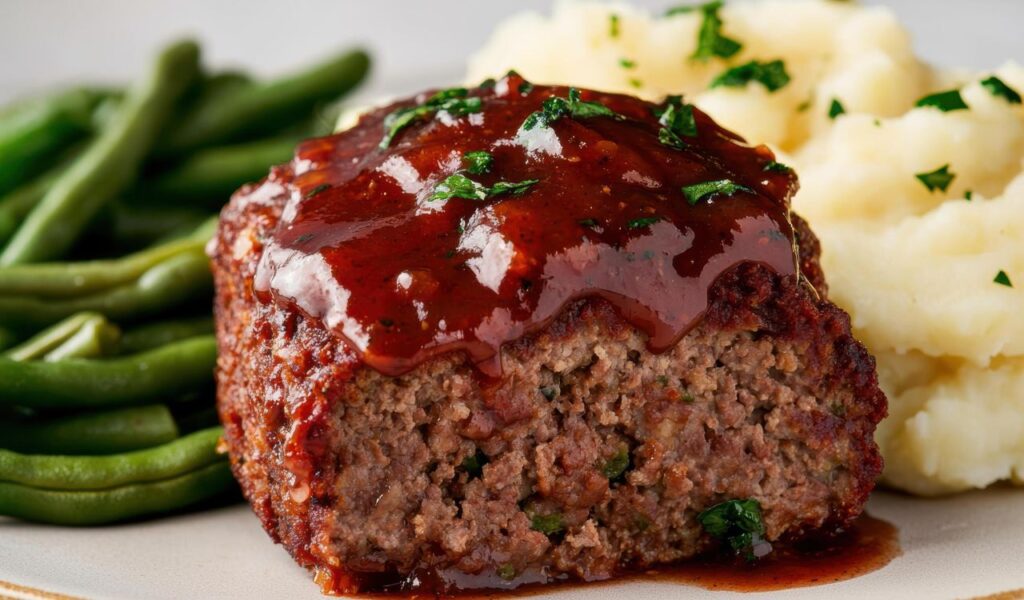
Grandma understood that meatloaf’s texture starts long before the oven turns on. Using only lean ground beef often leads to a dry, crumbly loaf because there is not enough fat to protect proteins as they cook and contract. Mixing meats, most often beef with pork or veal, solved that problem naturally. Beef provided structure and a familiar savory backbone, while pork contributed fat and mild sweetness that softened the overall bite. Veal, when used, added tenderness due to its finer muscle fibers and lower connective tissue. Different fat melting points also mattered. As the loaf baked, fats rendered gradually, coating proteins and preventing moisture loss.
2. She Used Milk, Not Water
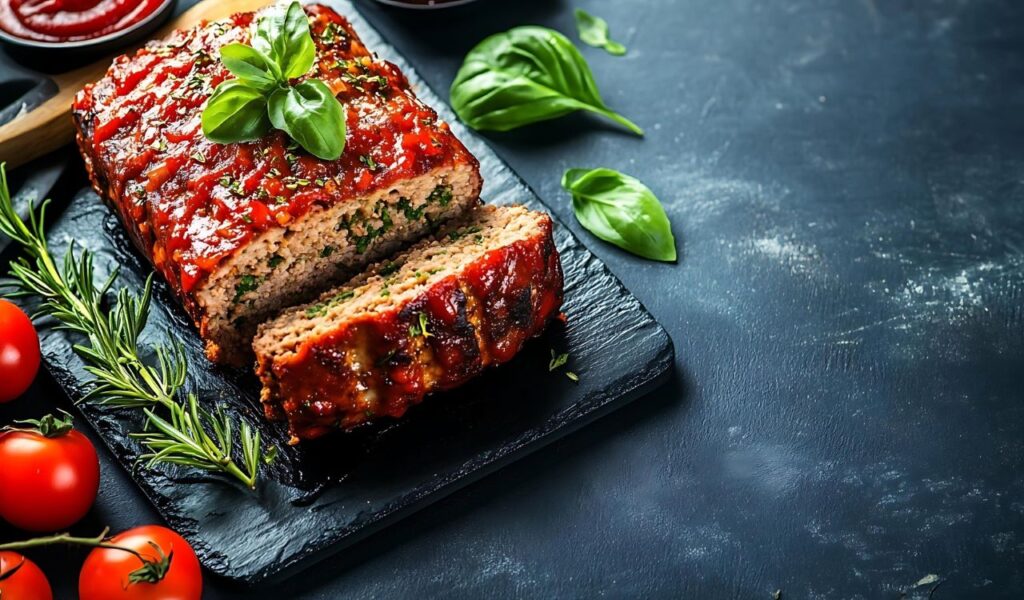
Milk played a quiet but essential role in traditional meatloaf because it supported both texture and flavor. When combined with breadcrumbs, milk formed a soft panade that absorbed liquid evenly before ever touching the meat. Water can hydrate bread, but it adds no fat, protein, or sugar. Milk contributes all three. Lactose adds subtle sweetness, milk proteins help bind moisture, and milk fat improves tenderness. As the meatloaf cooks, the milk-soaked breadcrumbs release moisture slowly, preventing muscle fibers from tightening too quickly. This slow release protects juiciness even during longer bake times.
3. She Made a Proper Panade
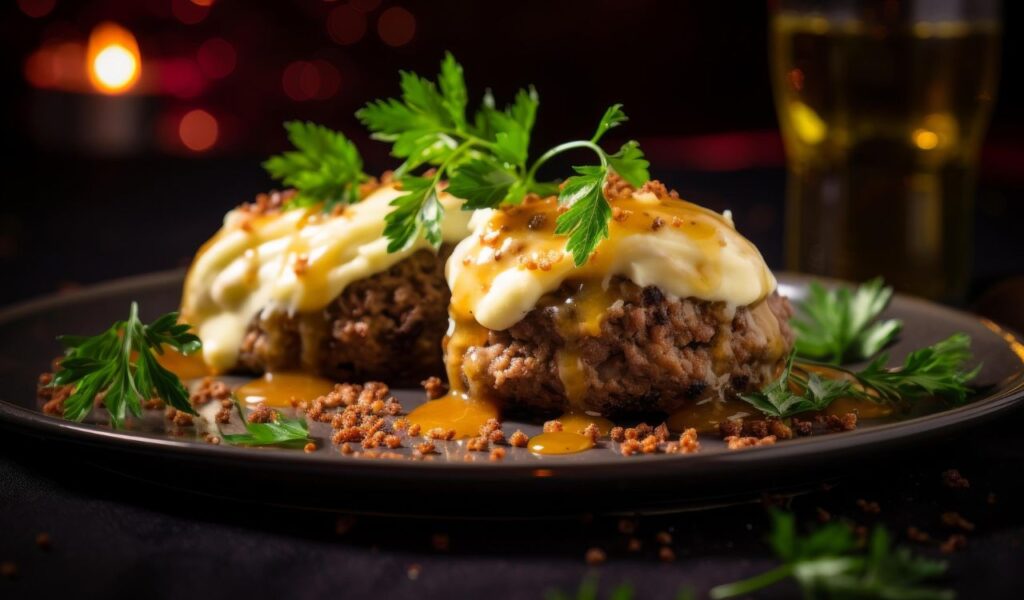
A proper panade was treated as a foundation, never an afterthought. Grandma mixed bread and milk together first, allowing the bread to fully absorb liquid before adding it to the meat. This step mattered because dry breadcrumbs pull moisture directly from meat during cooking, leading to dryness. A hydrated panade acts like a reservoir, holding liquid inside the loaf as the temperature rises. It also interrupts protein bonding, preventing the meat from tightening into a dense mass. This creates a tender structure that still slices cleanly. The panade distributes moisture evenly instead of concentrating it in pockets.
4. She Never Overmixed
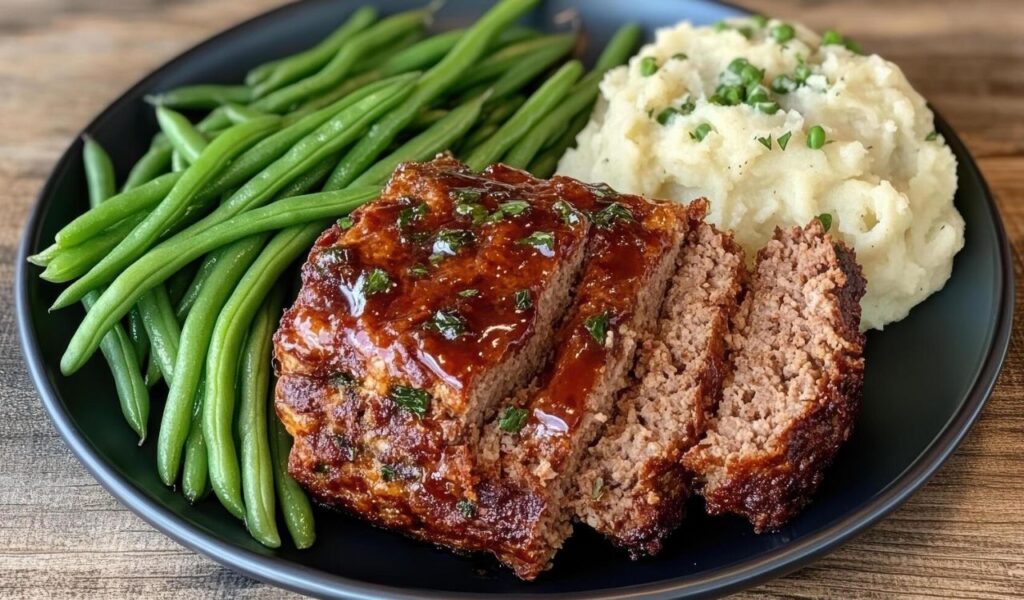
Overmixing meatloaf is one of the fastest ways to ruin its texture. When ground meat is mixed aggressively, proteins such as myosin activate and bind tightly, creating a springy, sausage-like firmness. Grandma avoided this by mixing just until the ingredients were evenly combined. She used a light hand and stopped the moment the mixture looked cohesive. This gentle approach preserved air pockets and limited protein bonding. The difference became clear after baking, when slices remained tender instead of rubbery. Overmixing often comes from trying to achieve uniformity, but Grandma knew restraint produced better results.
5. She Added Eggs Sparingly
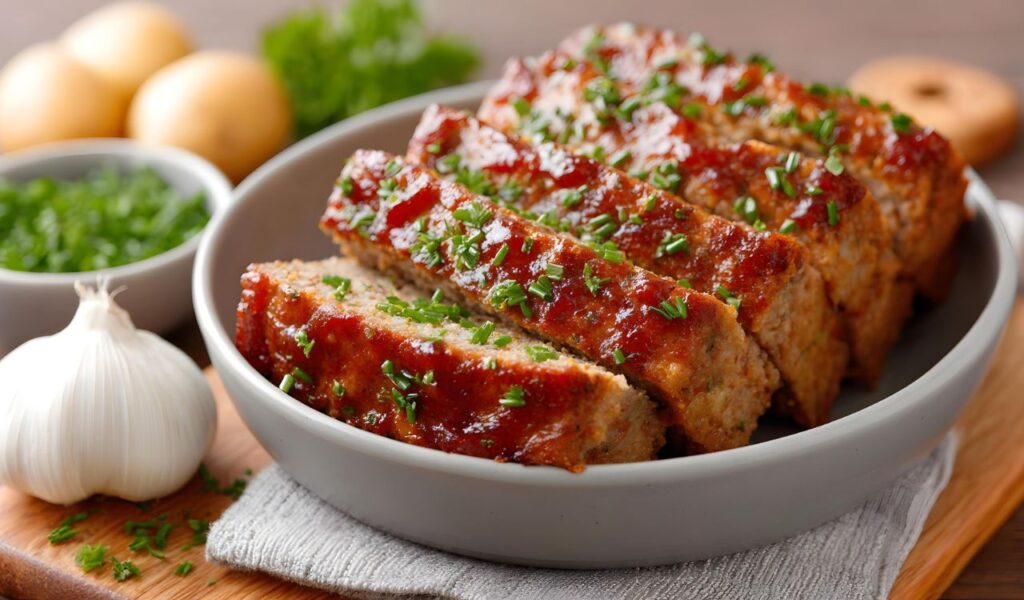
Eggs are essential in meatloaf, but only in the right amount. Grandma understood that eggs act as binders, coagulating during cooking to help the loaf hold together. Too many eggs, however, create a firm, rubbery texture because egg proteins tighten as they set. She typically used one or two eggs, depending on loaf size and other ingredients. The eggs worked alongside the panade rather than replacing it as the primary binder. This balance allowed the meatloaf to slice neatly without becoming stiff. Eggs also contributed richness and color, but their role was structural first. Using them sparingly ensured the finished loaf stayed moist, tender, and cohesive instead of dense and overly firm.
6. She Used Onion for Moisture
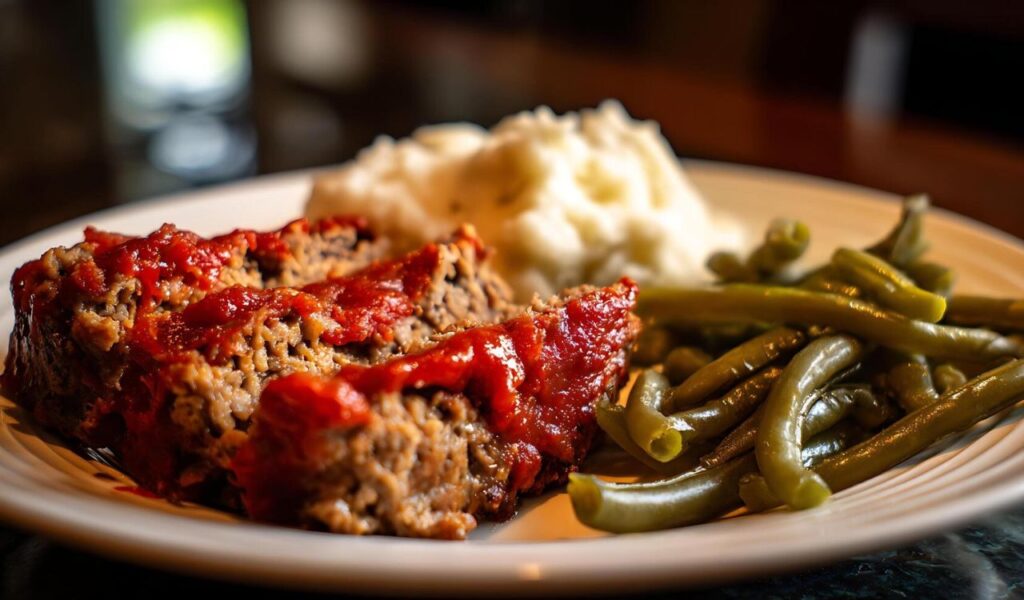
Onions served a functional purpose beyond flavor. Finely chopped or lightly sautéed onions released moisture gradually as they cooked, creating steam inside the loaf. This helped regulate internal temperature and slow moisture loss. Raw onions softened during baking, while cooked onions added sweetness without sharpness. In both cases, onions contributed water, natural sugars, and aroma. Grandma chopped them small to ensure even distribution and avoid weak spots that could cause the loaf to crumble. The moisture from onions complemented the panade, supporting tenderness from multiple angles. Their role was as much about structure and texture as taste, making them a critical ingredient.
7. She Seasoned More Than You Think
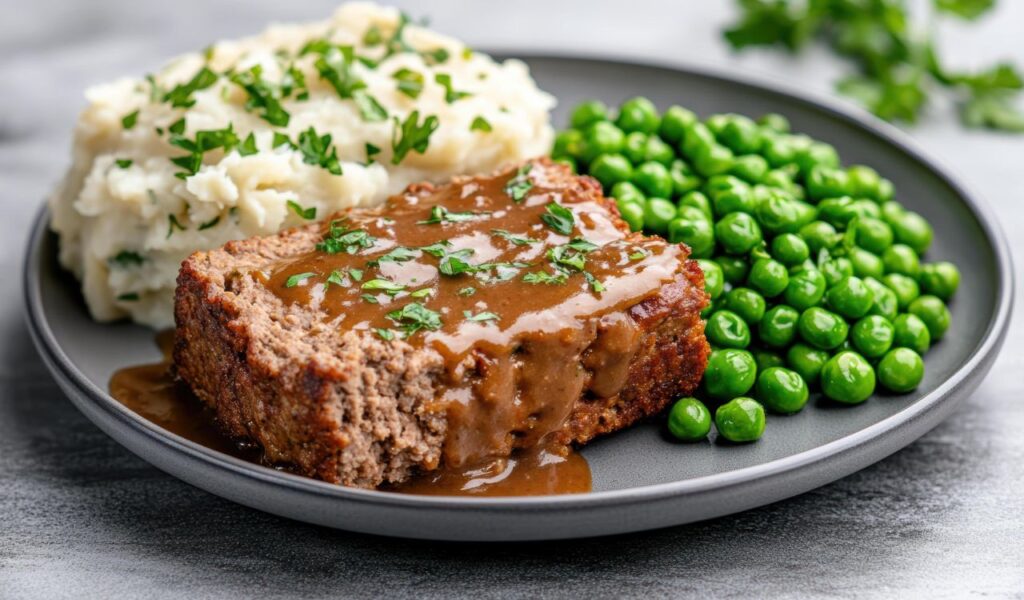
Ground meat requires more seasoning than whole cuts because every bite needs flavor. Grandma seasoned generously with salt, pepper, and simple aromatics, understanding that salt dissolves into the mixture and improves both moisture retention and protein binding. Pepper and herbs added warmth and depth without overpowering the meat. Underseasoned meatloaf tastes flat no matter how perfectly it is cooked. Grandma trusted her instincts over precise measurements, seasoning the mixture itself rather than relying on sauce alone. She knew that internal seasoning mattered more than surface flavor. This approach ensured the loaf tasted balanced throughout, not just on the outside.
8. She Didn’t Pack It Tight
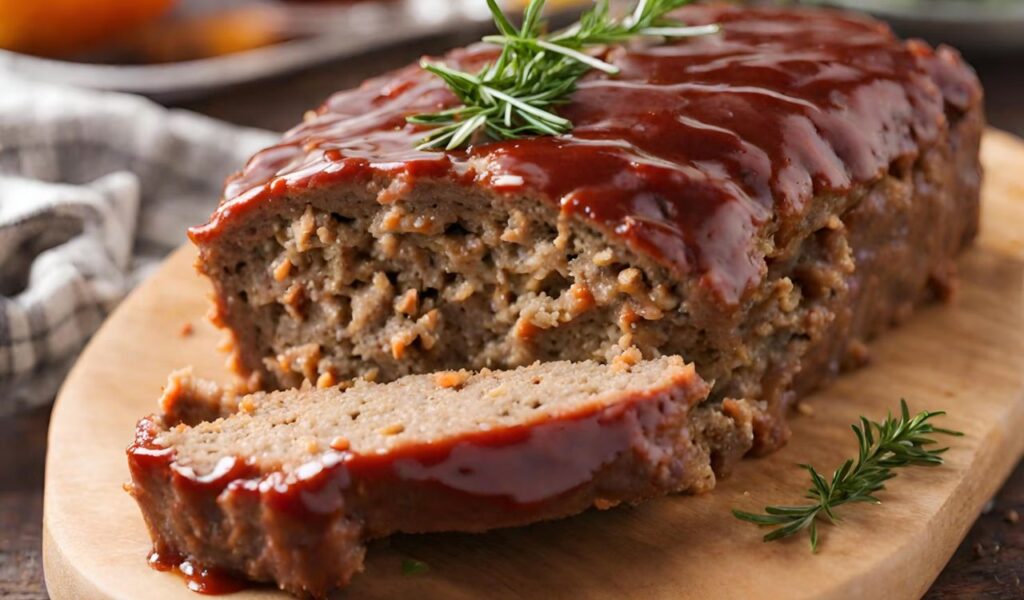
Packing meatloaf tightly creates density and uneven cooking. Grandma shaped her loaf gently, allowing small air spaces to remain inside. This gave heat room to circulate and allowed fat to render gradually. A loosely shaped loaf cooked more evenly from edge to center and stayed tender throughout. As the fat melted, it basted the meat instead of becoming trapped. Light shaping also reduced cracking and prevented the loaf from shrinking aggressively. This simple habit made a noticeable difference in texture and moisture. Grandma knew that pressure before baking translated into toughness after baking, so she handled the mixture with care.
9. She Cooked It Free Form
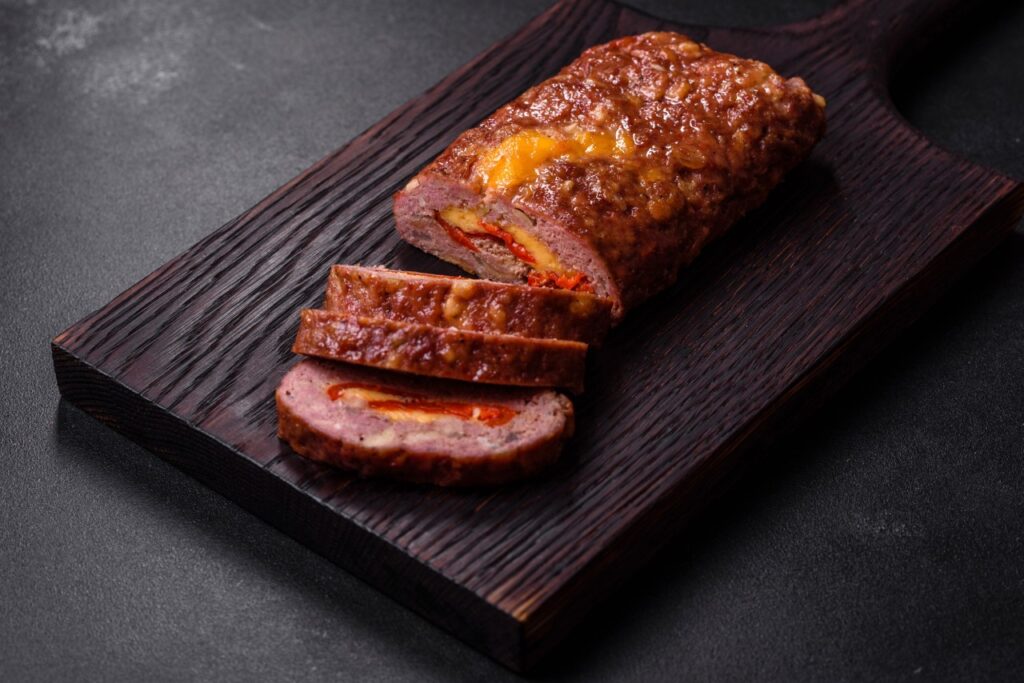
Cooking meatloaf free form solved multiple problems at once. By placing the loaf on a sheet pan or rack, excess fat could drain away instead of pooling around the meat. Pans tend to trap grease, which can lead to sogginess. Free-form cooking allowed better air circulation, promoting even heat exposure and improved browning. It also helped the glaze set properly without becoming watery. This method required confidence, but it delivered a cleaner flavor and firmer texture. Grandma used it because it improved results without adding steps, equipment, or complexity. It also made portioning easier, since the loaf held its shape without relying on a pan.
10. She Used Ketchup or Tomato Sauce
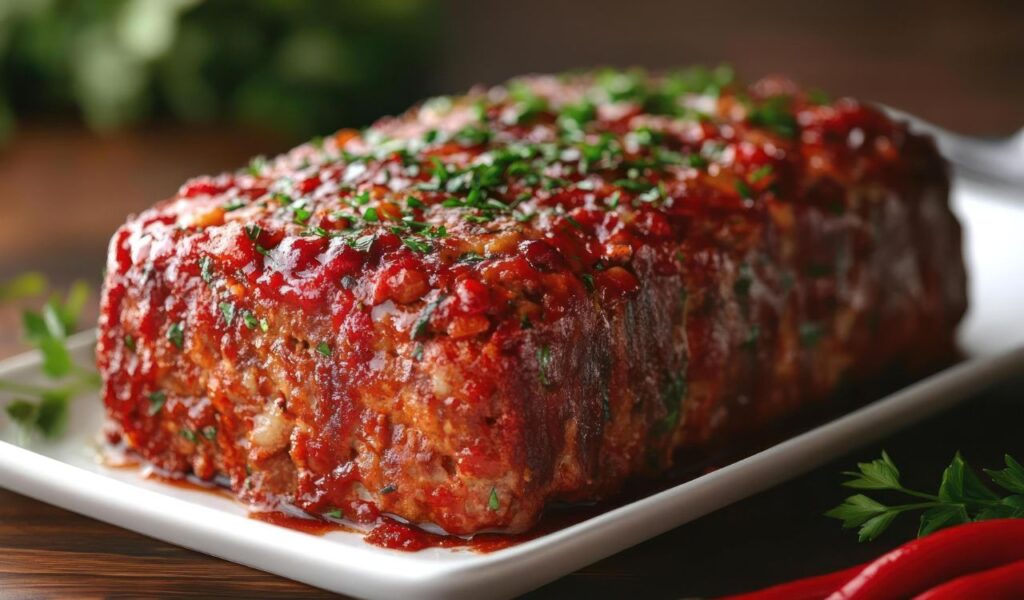
Tomato-based toppings were chosen for function as much as familiarity. The acidity in ketchup or tomato sauce balanced the richness of meat and fat, preventing the loaf from tasting heavy. As the glaze cooked, natural sugars caramelized, forming a protective layer that slowed moisture loss. The tomato flavor added brightness and contrast, lifting the overall taste. Grandma applied the glaze toward the end of baking to avoid burning while still achieving a sticky finish. This was a practical use of pantry staples that enhanced flavor, texture, and appearance at the same time. The glaze also acted as a visual cue, signaling when the meatloaf was nearing doneness.
11. She Let It Rest Before Slicing
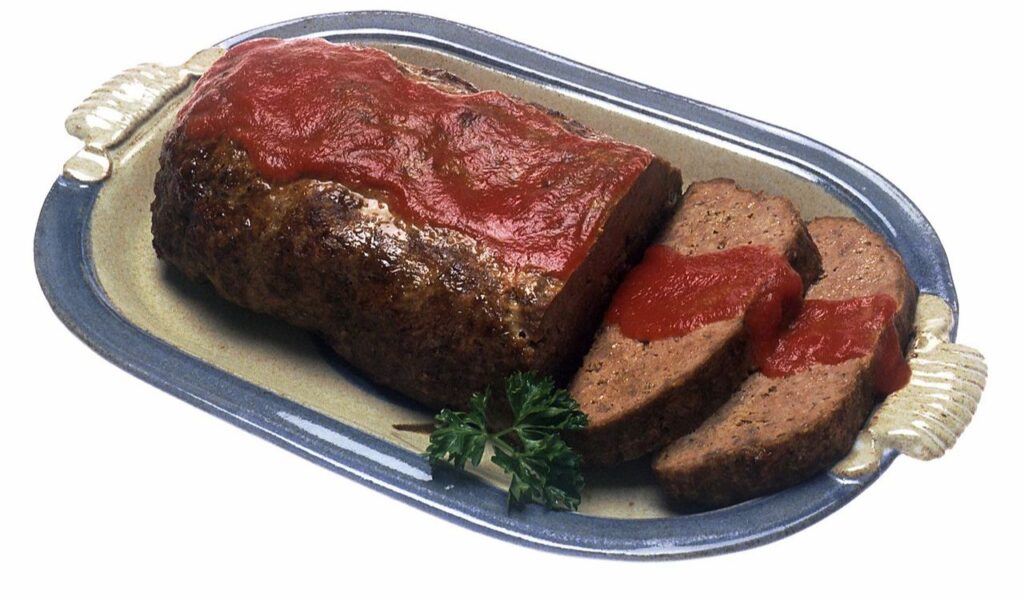
Resting meatloaf after baking was a non-negotiable step. Cutting too soon causes hot juices to escape, leaving slices dry. Grandma let the loaf rest for ten to fifteen minutes, allowing proteins to relax and moisture to redistribute evenly. During this time, starches settled and structure stabilized, making cleaner slices possible. Resting improved both texture and presentation without any extra work. This short pause turned patience into better flavor and juiciness, proving that timing after cooking mattered just as much as time in the oven. The brief rest also helped the loaf firm slightly, making serving cleaner and more consistent.
12. She Trusted Time, Not Temperature Alone
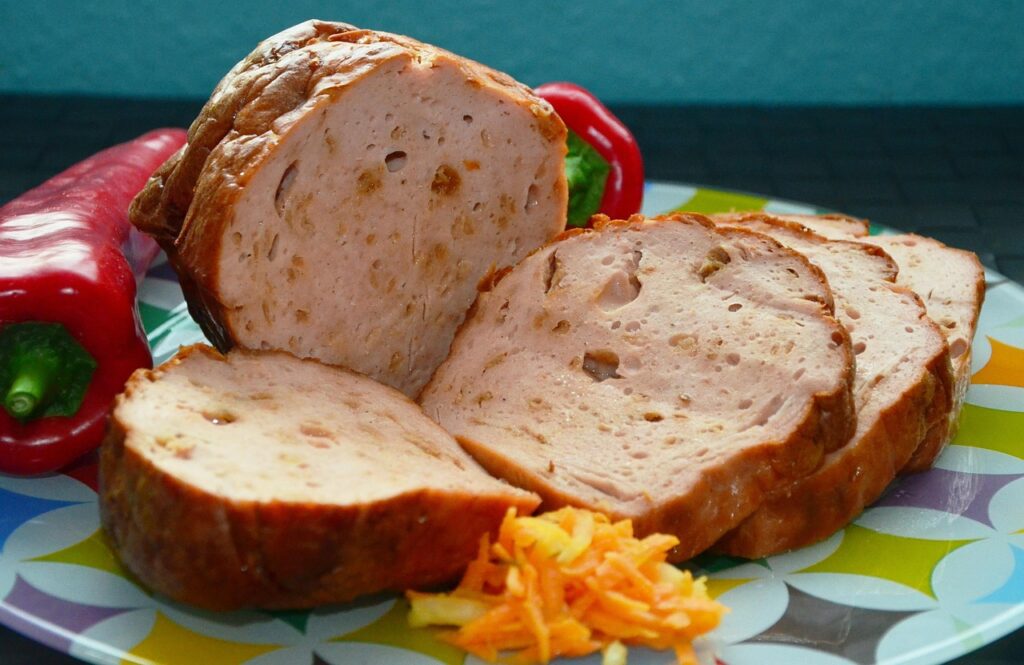
Grandma watched the loaf as much as she watched the clock. Slow, steady baking allowed fat to render gradually and proteins to set gently. High heat cooks the exterior too quickly, leaving the center dense or greasy. By relying on time and visual cues, she achieved consistent results even with older ovens that ran unevenly. This approach emphasized understanding how food behaves rather than following strict numbers. It was this attention to process that made her meatloaf dependable year after year, regardless of equipment or conditions. Experience taught her when the loaf looked and felt right, which mattered more than exact settings.