10 Retro Brownie Style Desserts Americans Grew Up Loving

Retro brownie desserts weren’t about perfection or presentation. They were about comfort, generosity, and making the most of what was already in the pantry. These desserts came from a time when brownies were baked in well-used pans, sliced unevenly, and shared without ceremony. What made them special was their reliability. Butter, sugar, cocoa, and eggs worked together in familiar ways, creating textures that ranged from dense and fudgy to soft and saucy. Many of these recipes relied on simple baking science rather than precision, allowing home cooks to adjust based on feel and experience. The result was a dessert that felt warm, indulgent, and dependable.
1. Classic Fudge Brownies
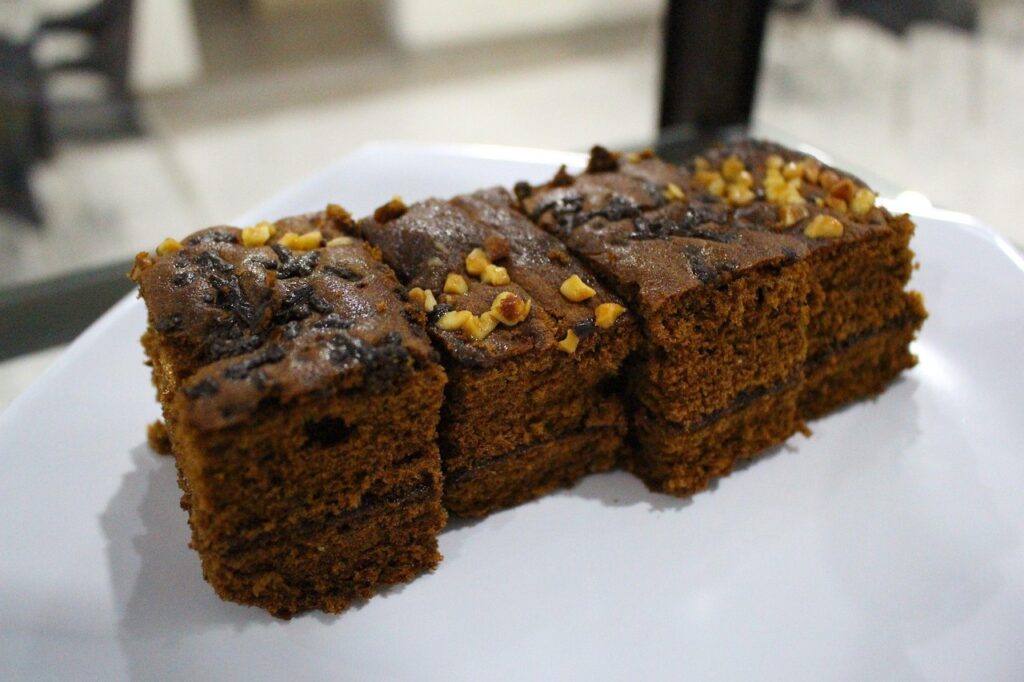
Classic fudge brownies earned their place in American kitchens because they balanced simplicity with indulgence. These brownies rely on a high fat to flour ratio, usually from butter and melted chocolate, which limits gluten formation and keeps the texture dense rather than cakey. Eggs provide structure, but not so much that the crumb becomes firm. Sugar plays two roles here. It sweetens and also contributes to the signature crackly top as it dissolves and recrystallizes during baking. Baking time is critical. Pulling the pan while the center still looks slightly underdone allows residual heat to finish the job without drying the interior.
2. Blondies
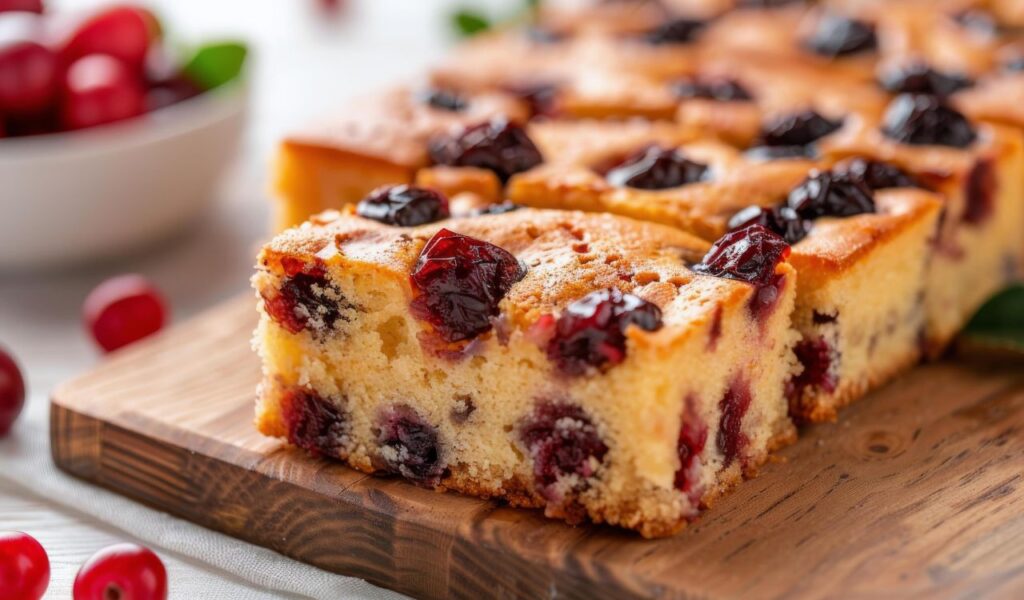
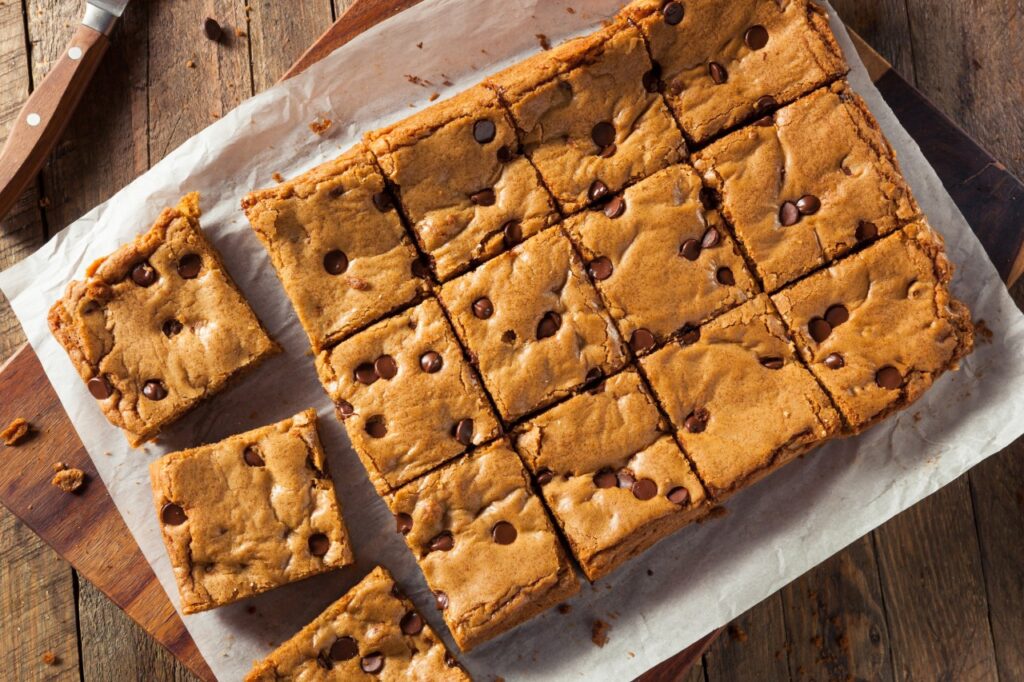
Blondies became popular because they offered a brownie-like experience without cocoa. Instead of chocolate, their flavor is built on brown sugar, butter, and vanilla. Brown sugar contains molasses, which adds moisture and a subtle caramel note while keeping the bars chewy. Butter provides richness, while eggs bind the mixture without creating a cake-like crumb. Because there is no cocoa powder to absorb moisture, precise flour measurement matters more here. Blondies bake best at moderate temperatures that allow the center to set slowly. Their appeal came from familiarity and accessibility, using pantry ingredients while delivering a dessert that felt indulgent and satisfying.
3. Brownie Sundae
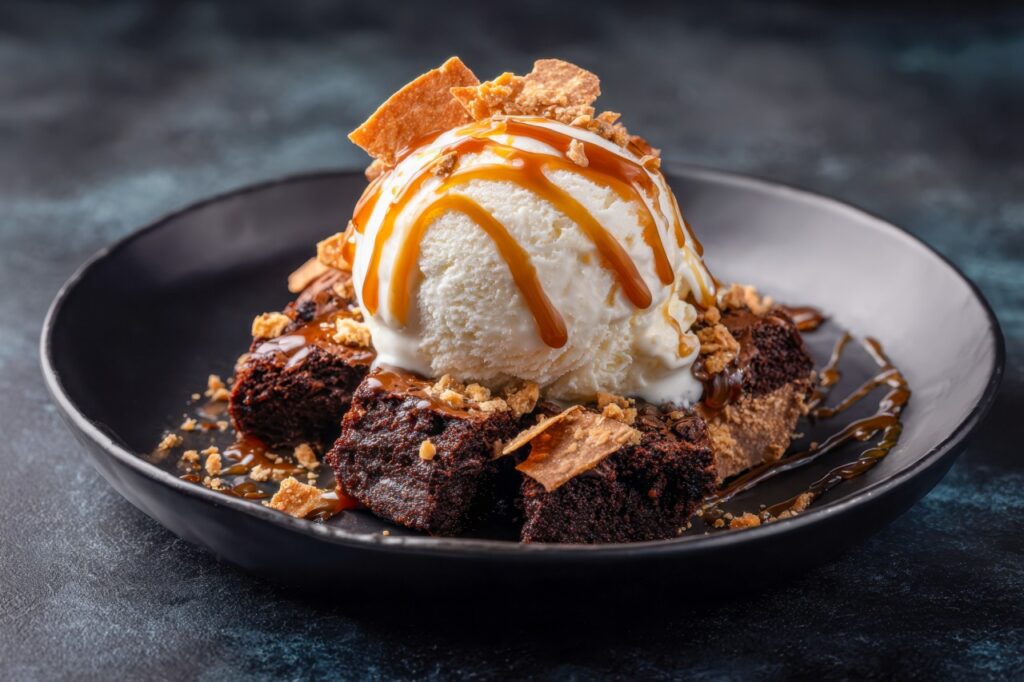
The brownie sundae succeeded by combining temperature and texture contrast. Warm brownies release aromas and soften fats, while cold ice cream provides creaminess and relief from sweetness. The brownie itself is usually baked fudgy so it does not harden under heat. Ice cream melts slightly on contact, creating a sauce-like effect that blends with chocolate syrup or fudge topping. Nuts add crunch, preventing the dessert from feeling one-note. This dessert required no advanced baking skill, only good timing. Its popularity came from how easily it transformed a simple brownie into a shareable, celebratory dessert that felt special without extra effort.
4. Brownie Pie
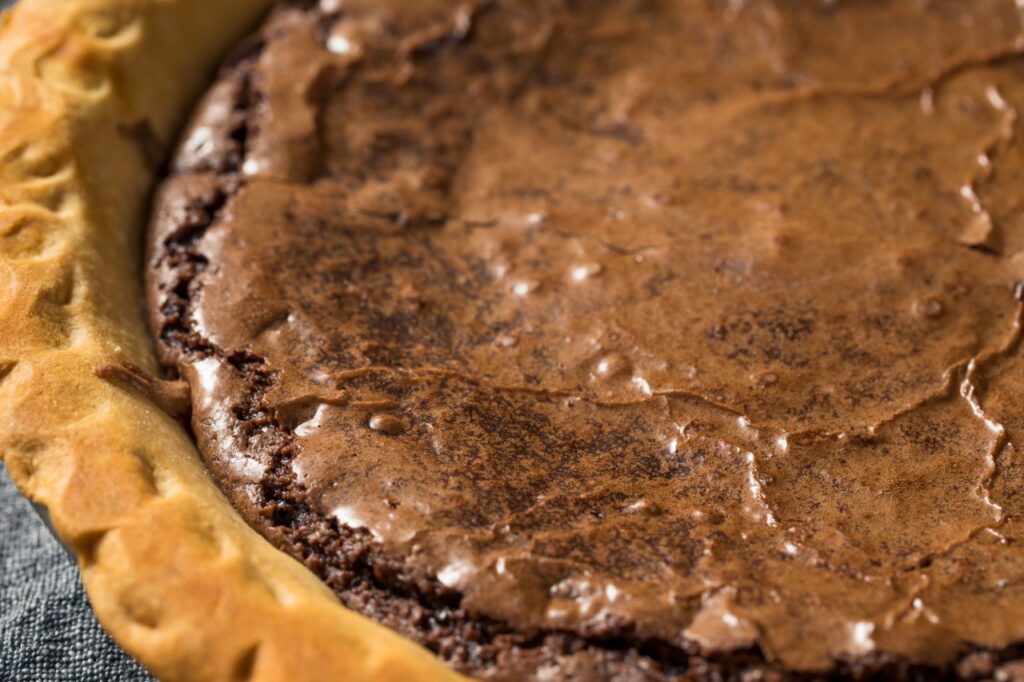
Brownie pie blurred the line between bar dessert and traditional pie. The filling is essentially brownie batter poured into a pie pan or crust and baked until the edges set while the center remains soft. The deeper pan creates varied texture, with chewy edges and a dense interior. Eggs and fat work together to support the thicker structure without drying it out. Baking slightly lower and longer helps prevent overcooking the center. Brownie pie became a favorite because it sliced cleanly and served easily at gatherings. It offered the familiarity of brownies with the visual appeal of pie, making it feel nostalgic and abundant.
5. Mint Chocolate Brownies
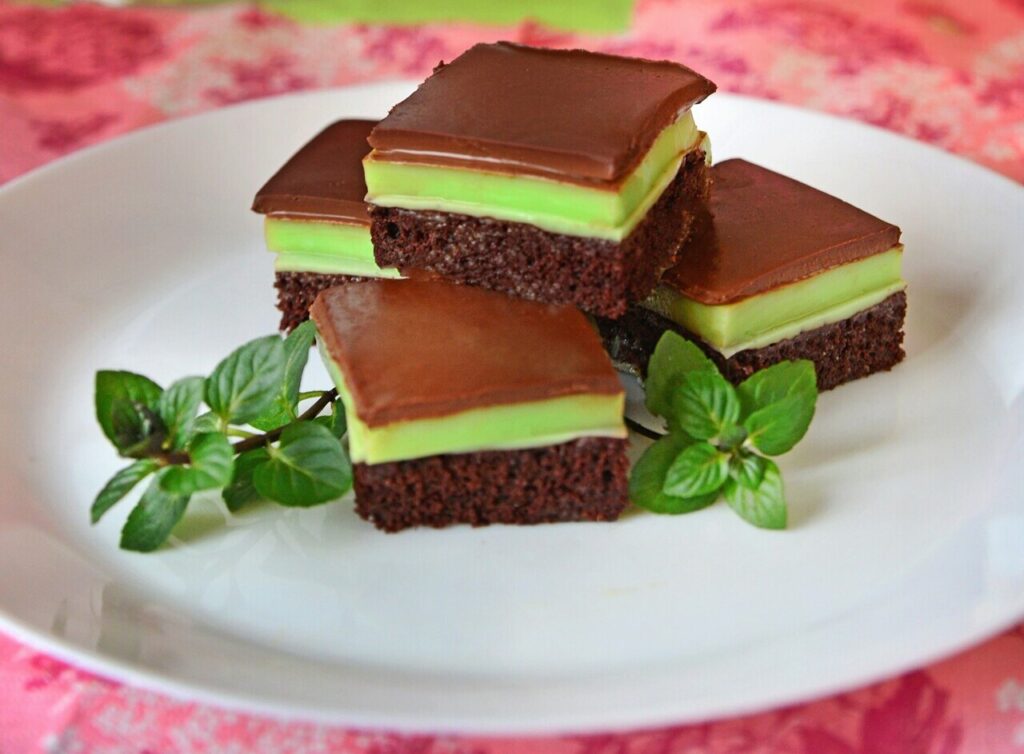
Mint chocolate brownies gained traction by layering flavor rather than mixing it directly into the batter. The base brownie stays rich and chocolate-forward. A mint frosting layer adds sweetness and cooling contrast through peppermint flavor, which stimulates the palate and reduces perceived richness. The final chocolate glaze seals the layers and adds texture contrast once set. Timing matters, as each layer must cool before the next is added to maintain definition. This dessert felt special because of its clean layers and bold flavor pairing, yet it relied on basic techniques. Its popularity was driven by the way mint refreshed the palate without overwhelming the chocolate.
6. Peanut Butter Swirl Brownies
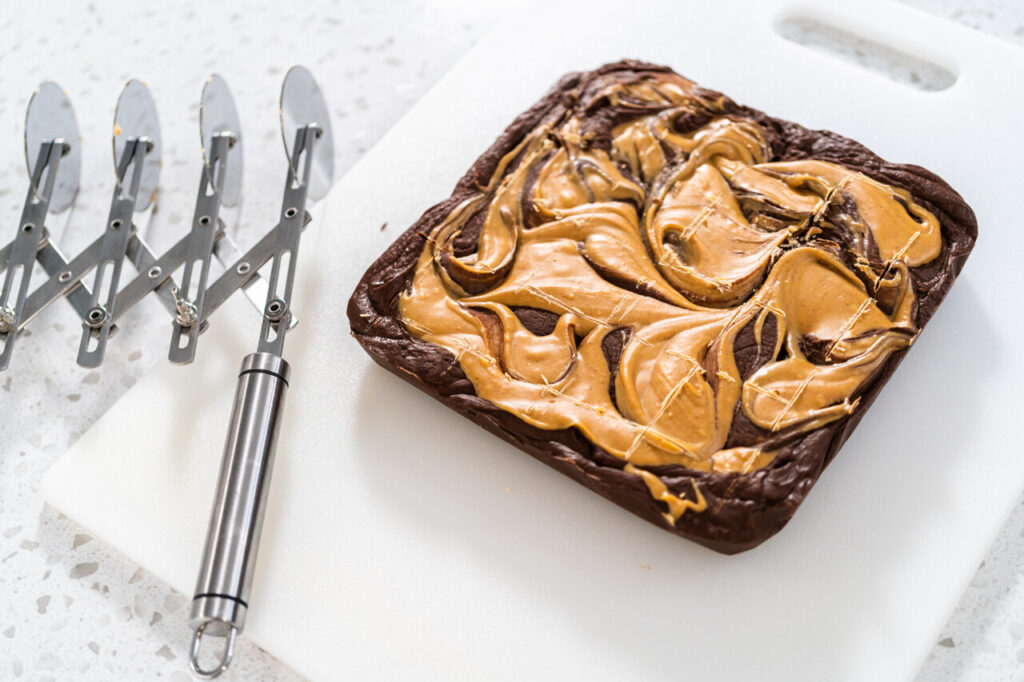
Peanut butter swirl brownies rely on contrast rather than uniformity. Peanut butter brings fat, salt, and roasted flavor that offsets chocolate’s sweetness. Swirling instead of mixing keeps flavors distinct and prevents the batter from becoming too heavy. Peanut butter also sets firmer than brownie batter, creating a varied texture throughout the pan. Baking temperature must allow both components to cook evenly without drying the edges. This dessert became a favorite because it combined two familiar flavors into one pan, delivering richness while still feeling playful and approachable. The visible swirls made the brownies feel special, even though they required no extra ingredients.
7. Cream Cheese Brownies
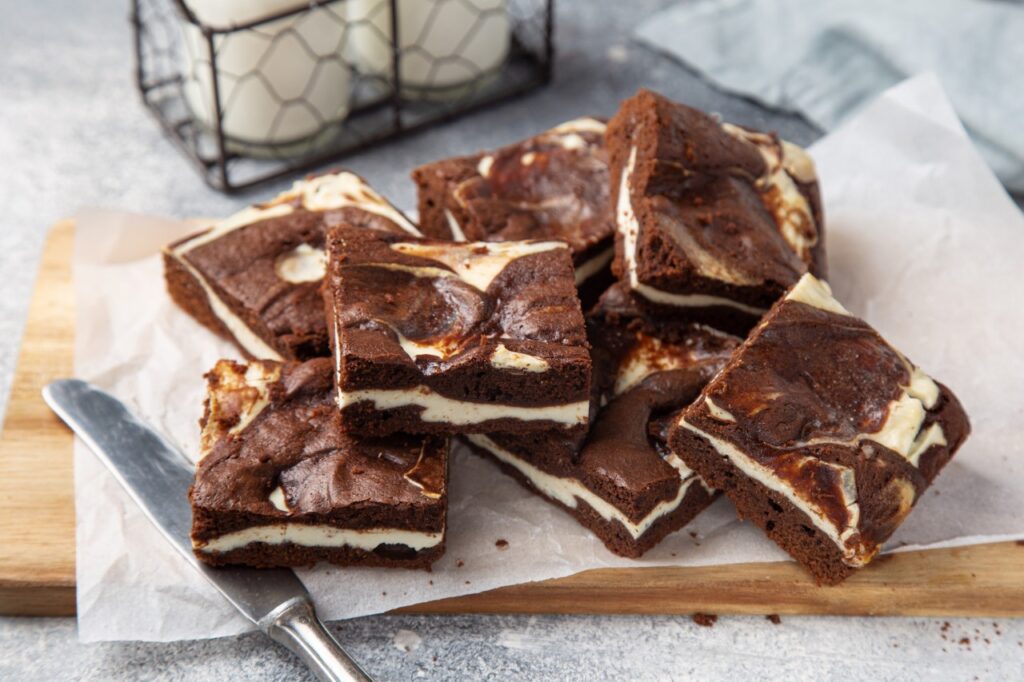
Cream cheese brownies stand out because they balance richness with tang. Cream cheese adds acidity that cuts through chocolate’s fat and sweetness. The cream cheese mixture is usually lightly sweetened and swirled into the batter rather than fully blended. This creates pockets of contrast rather than uniform flavor. Baking temperature is important, as cream cheese sets differently than brownie batter. Gentle heat allows both components to cook evenly. The result is a dessert with visual appeal and layered texture. These brownies became popular because they felt indulgent but balanced, offering relief from sweetness without sacrificing richness.
8. Walnut Brownies
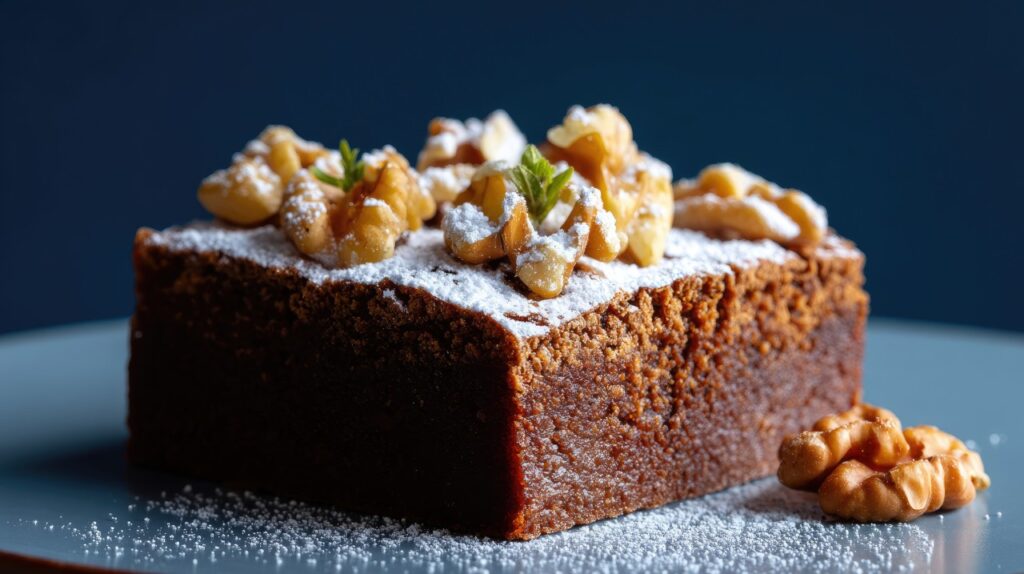
Walnut brownies became a classic because nuts provide more than crunch. Walnuts add bitterness and fat, which balance chocolate sweetness and deepen flavor. Their texture breaks up the dense crumb, making each bite more interesting. Toasting walnuts before mixing enhances aroma and prevents sogginess during baking. Proper distribution ensures even texture without clumping. Walnuts also slow eating by requiring more chewing, which makes the dessert feel more satisfying. These brownies appealed to generations because they added complexity without changing the core recipe, preserving familiarity while improving texture and balance.
9. Brownie Pudding Cake
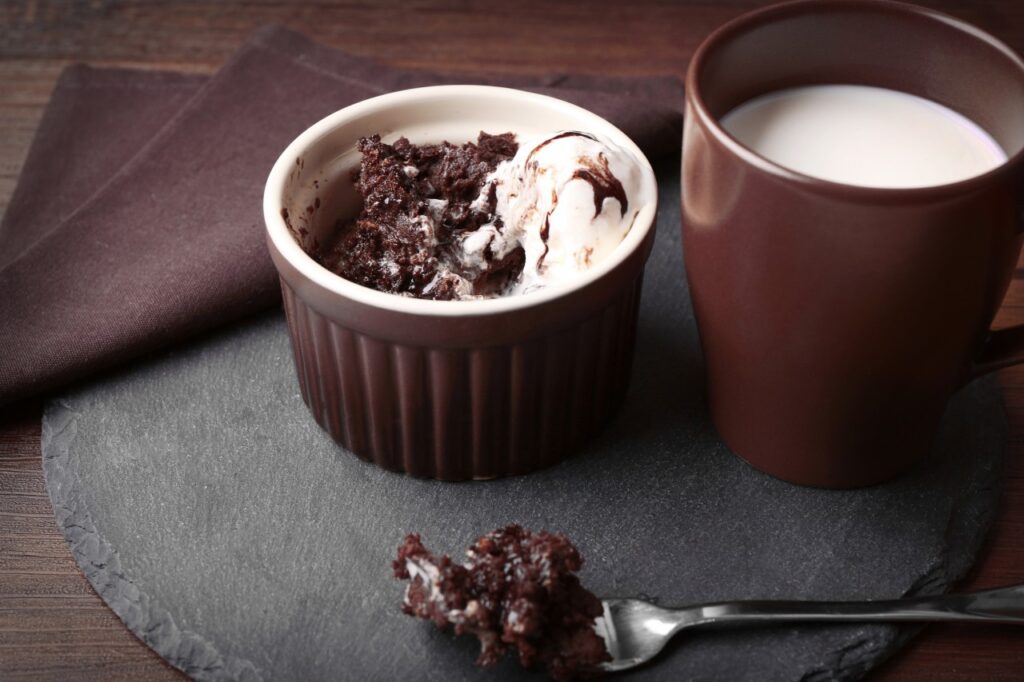
Brownie pudding cake works because it creates two textures in one bake. A thin batter topped with sugar and cocoa forms a crust on top while liquid sinks, creating a sauce underneath. As it bakes, starches and sugars separate naturally, forming a cake-like layer above and a pudding base below. This process requires no stirring after assembly, relying instead on physics and heat. Serving warm is essential to preserve the contrast. This dessert felt magical to many households because it delivered cake and sauce without extra steps, making it both economical and memorable. It was often served straight from the pan, reinforcing its casual, comforting appeal.
10. Texas Sheet Cake Brownies
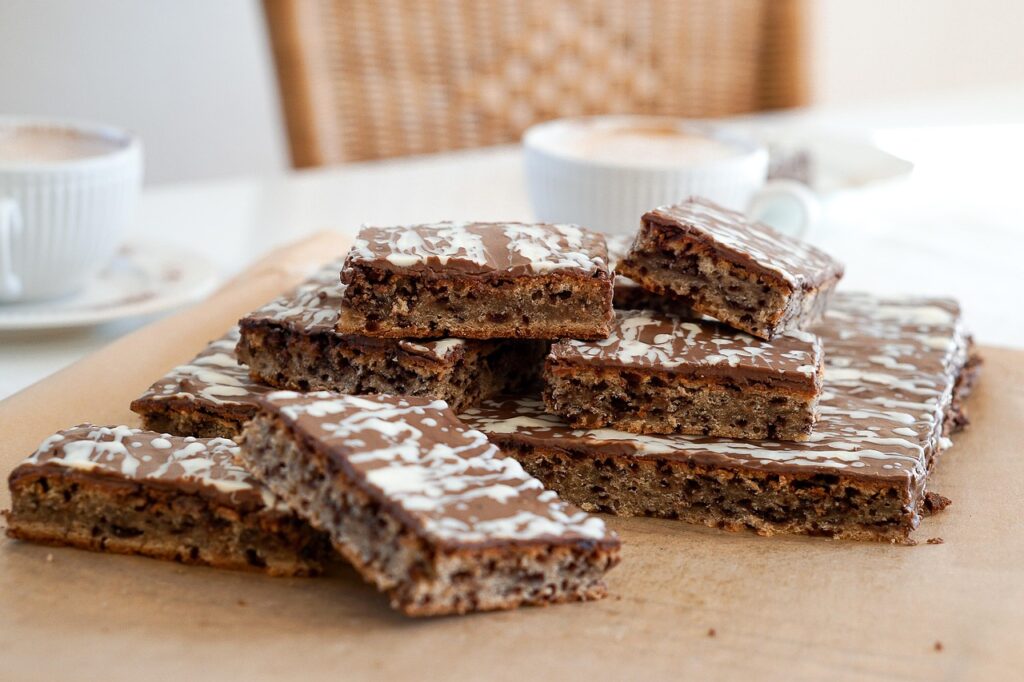
Texas sheet cake brownies are defined by scale and moisture. Baked thin in a large pan, they cook quickly and evenly. Sour cream or buttermilk adds acidity and tenderness, preventing dryness despite the thin layer. The warm frosting poured over the hot cake melts into the surface, sealing moisture and creating a glossy finish. This method eliminates the need for long cooling times. These brownies became popular because they fed crowds easily and stayed moist for days. Their simplicity and reliability made them a staple at gatherings and celebrations. The large format also made them easy to slice and serve without fuss or special tools.