8 Old Sodas That Wrecked Gen X Teeth for Fun

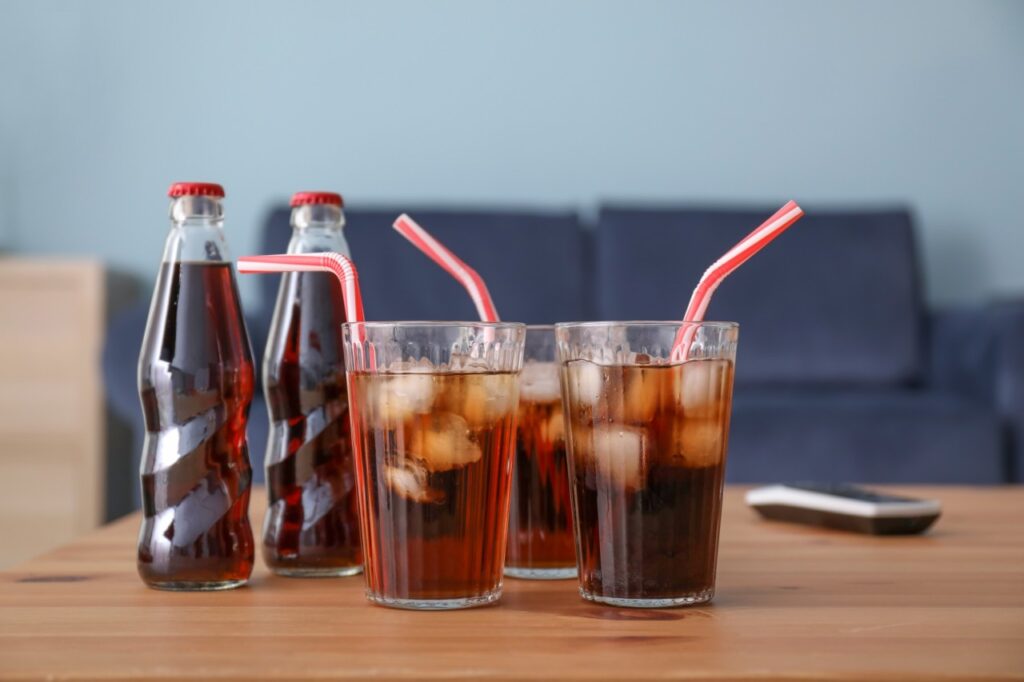
Growing up Gen X meant freedom, arcade afternoons, and a fridge full of brightly colored drinks no one questioned. These sodas weren’t just treats. They were part of daily life, sipped during homework, bike rides, and late-night TV. What no one talked about was what all that sugar and acid were doing to young teeth. Dental science was still catching up, and warning labels were nonexistent. Looking back, these once-loved drinks tell a story of flavor, fun, and enamel quietly taking a hit. Nostalgia makes them feel harmless, but the damage they caused was very real. Those carefree habits followed many people straight into years of unexpected dental repairs.
1. Jolt Cola
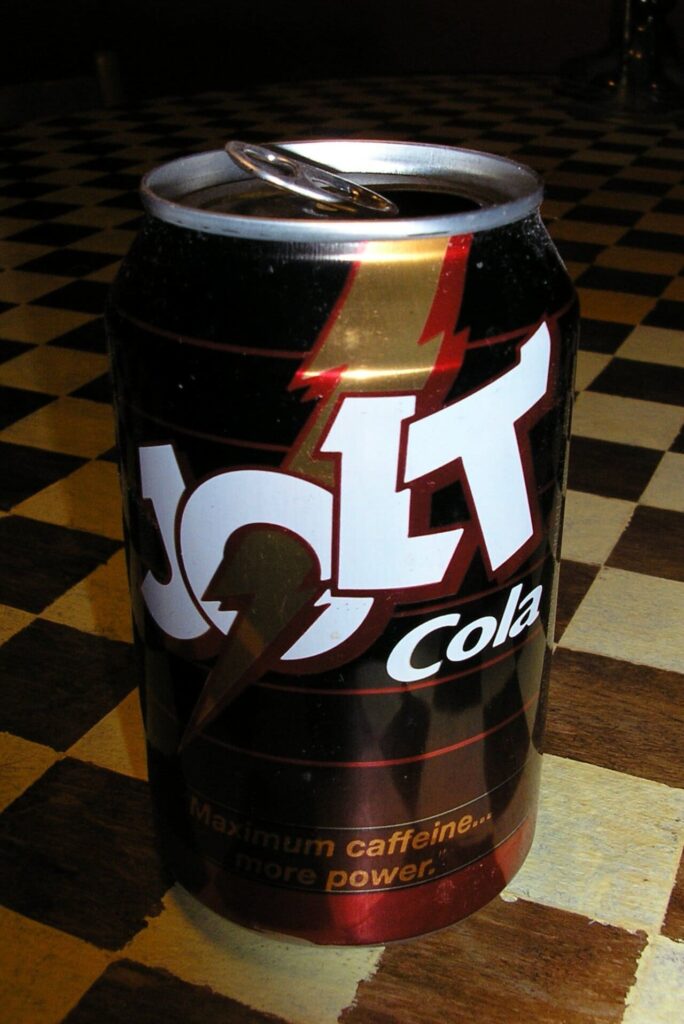
Jolt Cola did not pretend to be subtle or balanced. It marketed itself on excess, promising more caffeine and intensity than anything else on the shelf. That same excess extended to its impact on teeth. Jolt combined high sugar levels with phosphoric acid, creating conditions where enamel softened quickly. Gen X teens often drank it slowly during long nights of studying, gaming, or hanging out, which meant teeth were bathed in acid for extended periods. Saliva, which normally helps neutralize acid, could not keep up. Constant sipping maximized damage. Regular exposure increased the risk of cavities and enamel erosion, especially without rinsing or brushing.
2. Surge
Surge built its identity around bold citrus flavor and oversized portions. Citrus sodas are particularly harsh on teeth because citric acid actively weakens enamel by binding to calcium. Surge paired that acid with high sugar content, fueling bacteria that produce even more acid once the drink was gone. Many Gen X kids drank Surge as a daytime soda, not a rare treat, which increased frequency of exposure. Large cans and bottles encouraged finishing more in one sitting. Unlike darker colas, citrus sodas often feel lighter and more refreshing, which can lead to faster and repeated consumption. This combination made Surge especially rough on developing teeth.
3. Mountain Dew
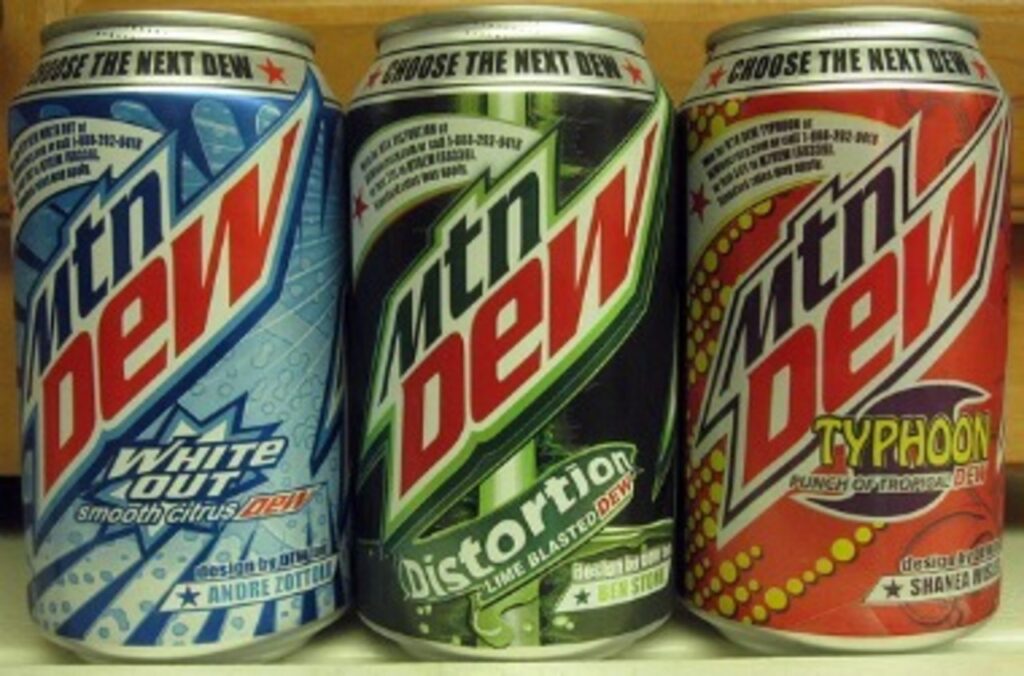
Mountain Dew earned a long-standing reputation among dentists for good reason. It combines high sugar with citric acid and a culture of constant sipping. Unlike sodas reserved for meals, Mountain Dew became an all-day drink for many Gen X teens, especially during gaming, biking, or hanging out after school. Frequent small sips never allowed enamel to recover between acid attacks. Citric acid softened enamel, while sugar fed cavity-causing bacteria. Even diet versions remained acidic enough to cause erosion. The bright color and sweet taste also encouraged it to linger in the mouth. Over time, this pattern led to widespread dental issues, including decay along the gumline.
4. Crystal Pepsi
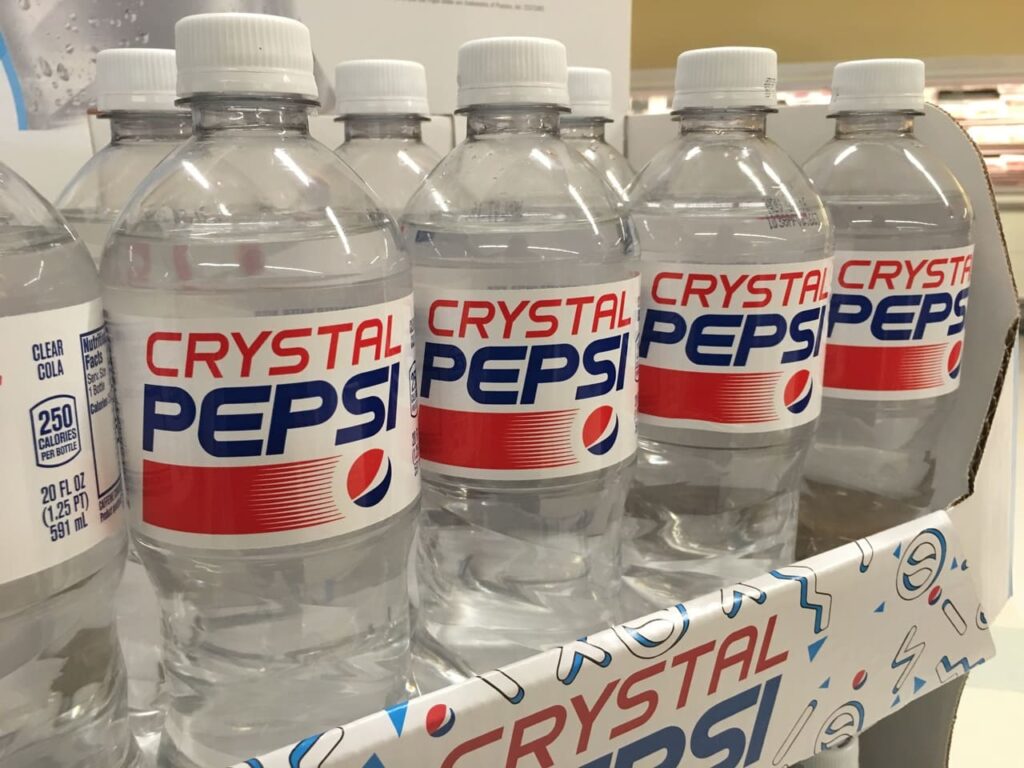
Crystal Pepsi looked harmless, and that was part of the problem. Its clear appearance suggested cleanliness or purity, even though its chemical makeup closely mirrored traditional colas. It still contained significant sugar and acid capable of eroding enamel. Many drinkers assumed it was lighter or less damaging and consumed it more freely. That misconception led to increased exposure. The lack of dark coloring also meant stains were less visible early on, masking warning signs. Like other colas, it used phosphoric acid, which weakens enamel and can reduce mineral density over time. Crystal Pepsi did not invent new dental risks, but it hid familiar ones behind a misleading look.
5. Tab
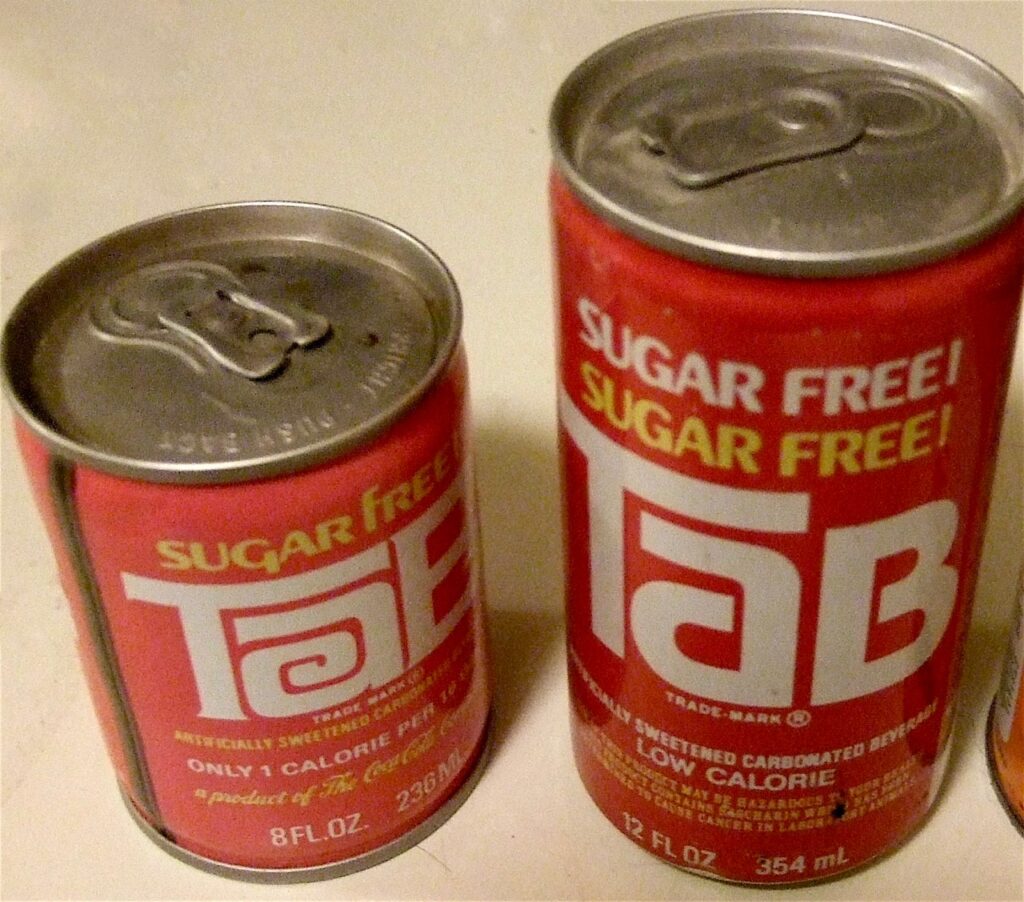
The tab showed that sugar was not the only enemy of teeth. Although it used artificial sweeteners, it still relied on acids to deliver flavor and shelf stability. Those acids continued to soften enamel with every sip. Many Gen X drinkers treated Tab as a guilt-free alternative and drank it frequently throughout the day. Without sugar, people assumed it was safe, overlooking acidity as a separate threat. Acid erosion does not require bacteria. It directly weakens enamel on contact. Over time, this led to thinning enamel and increased sensitivity. Tab’s loyal following often drank it habitually, compounding the issue.
6. New York Seltzer
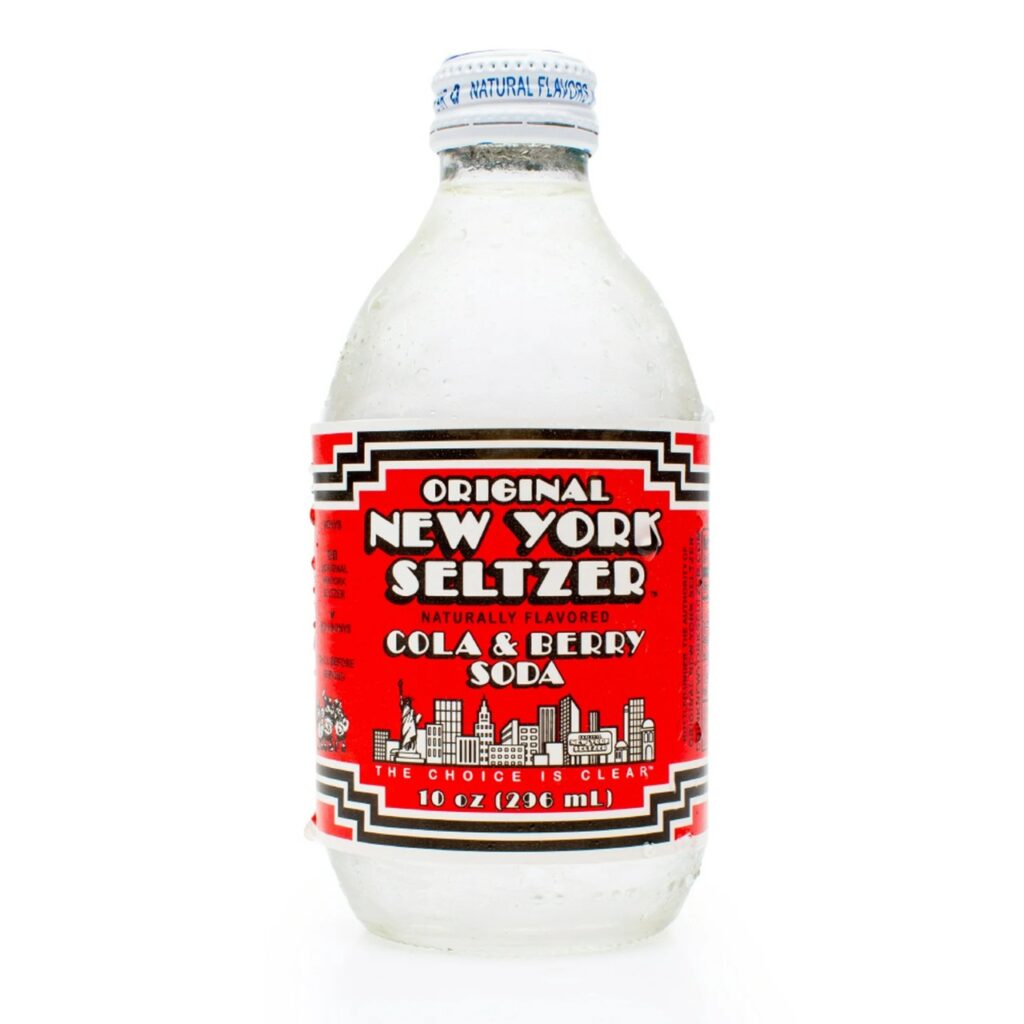
New York Seltzer carried a health halo compared to mainstream sodas. It used clear bottles, fruit flavors, and a caffeine-free image that felt gentler. Despite that, it still delivered acidic flavor profiles capable of eroding enamel. Fruit acids are particularly aggressive, especially when consumed regularly. Because it lacked caffeine, many people drank it casually throughout the day rather than treating it as a special drink. That frequent exposure mattered more than intensity. Teeth repeatedly softened and re-hardened, gradually losing mineral strength. The soda felt lighter, but its impact added up.
7. Big Red
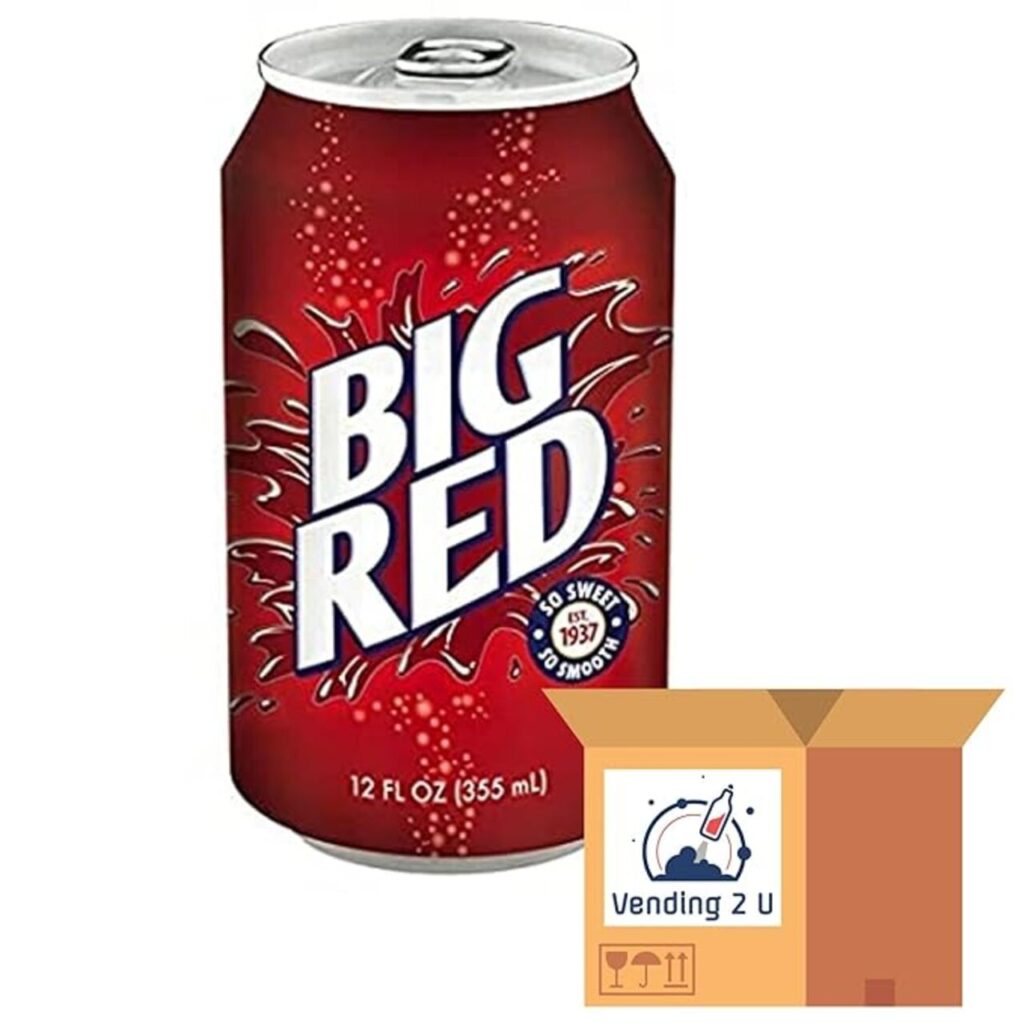
Big Red was bold in every sense, from its bright color to its intense sweetness. It combined high sugar levels with acidity that lingered on teeth long after swallowing. The thick, syrupy mouthfeel made it cling to enamel, increasing contact time. That prolonged exposure gave bacteria more fuel and acids more opportunity to soften tooth surfaces. The vivid red coloring also stained enamel, making early damage harder to distinguish from discoloration. Big Red was often consumed as a treat, but large servings and repeat refills increased total intake. Over time, this created a perfect environment for cavities. Its flavor made it memorable, but its chemistry made it especially tough on teeth.
8. Hi-C Ecto Cooler
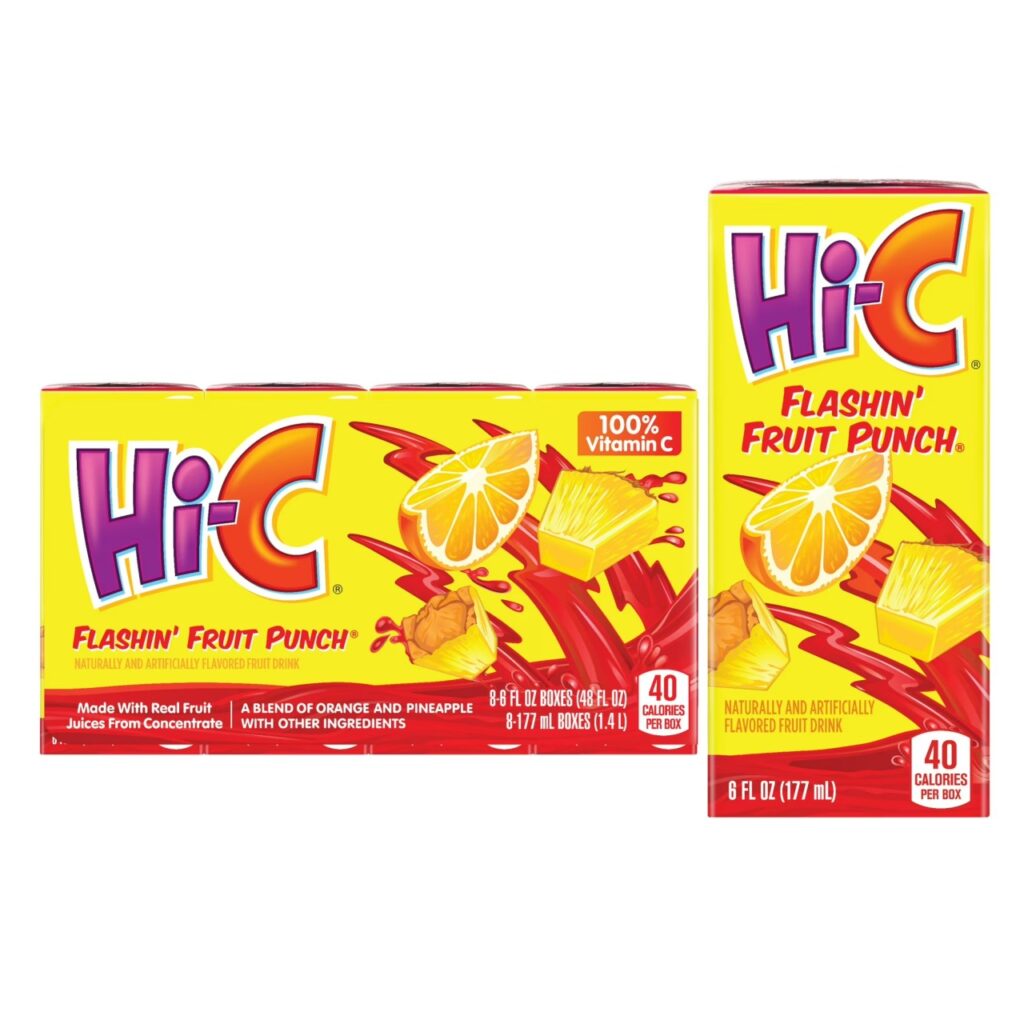
Hi-C Ecto Cooler blurred the line between juice and soda, and that confusion mattered. Many parents allowed it more freely, believing it was closer to fruit juice. In reality, it combined high sugar with citric acid, two major contributors to enamel erosion. Kids often sipped it slowly, extending acid exposure during a time when enamel was still developing. Frequent consumption increased the risk of cavities and sensitivity early in life. The bright color and sweet taste encouraged repeat drinking, especially during cartoons or playtime. Unlike soda, it was rarely followed by brushing or rinsing.