14 Cottage Cheese Comeback Recipes That Still Feel Like a Stretch

Cottage cheese has quietly staged one of the most unexpected food comebacks in recent years. Once dismissed as a dated diet staple, it now appears in pancakes, pizza crusts, dips, and even desserts, all promoted as high-protein upgrades. Social media has embraced its versatility, turning humble curds into blended sauces and baked goods that promise both nutrition and nostalgia. Yet while some recipes genuinely work, others stretch the ingredient far beyond its natural strengths. The revival raises an important question: where does practicality end and overreach begin?
1. Cottage Cheese Pancakes
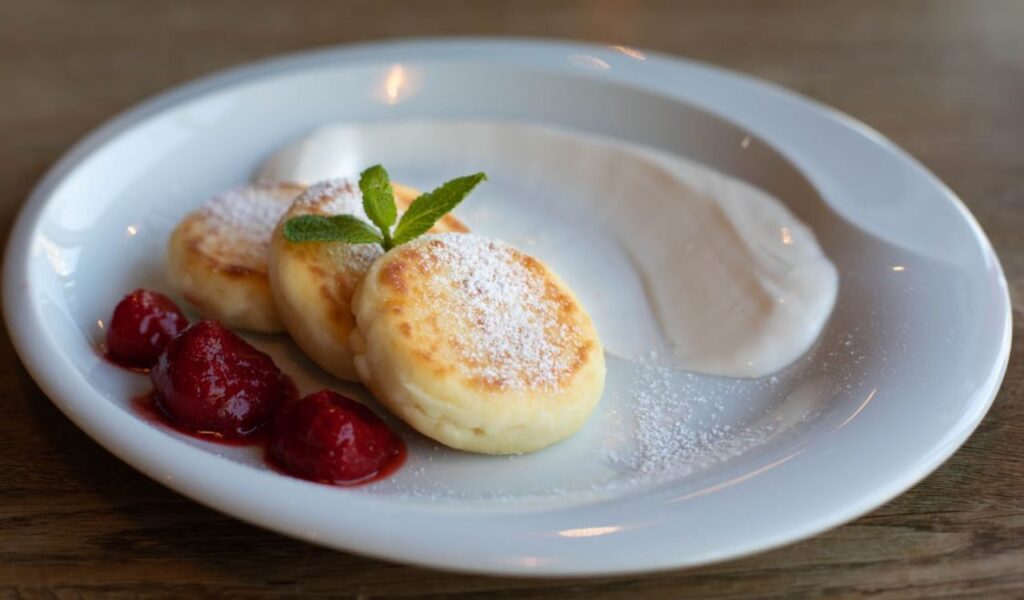
Few breakfast trends have leaned into protein culture as heavily as cottage cheese pancakes. Social media videos often show tall, golden rounds that look nearly identical to classic diner versions.
In practice, cottage cheese significantly alters the batter structure. Its moisture and curd content require careful blending and balancing with flour and leavening. Achieving the right consistency demands more technique than standard pancake batter.
The result can be satisfying, but it often feels like a nutritional workaround rather than a flavor improvement. The protein boost may appeal to fitness-driven eaters, yet the culinary payoff depends entirely on precise execution and proper ingredient balance.
2. Savory Cottage Cheese Toast
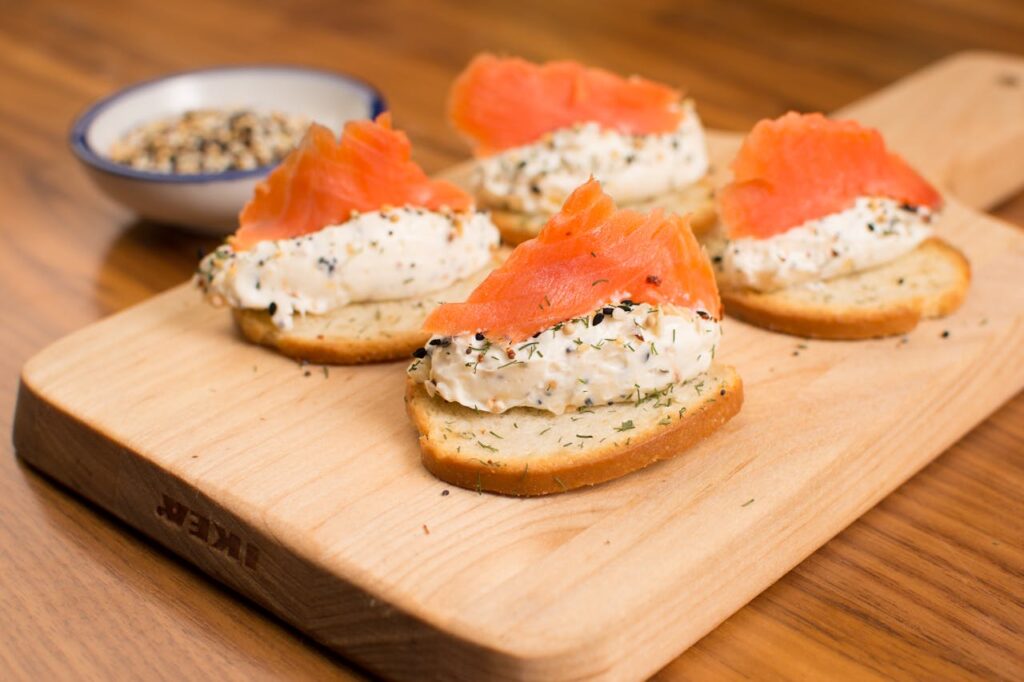
Savory cottage cheese toast reflects the modern push to transform simple dairy into a protein-centered meal. Spread thickly over toasted bread and topped with herbs, tomatoes, or chili flakes, it photographs well and aligns neatly with wellness messaging.
Cottage cheese, however, lacks the luxurious smoothness of whipped ricotta or burrata unless thoroughly blended. The success of the dish often rests more on the toppings than the cheese itself, which functions primarily as a protein vehicle rather than a flavor driver.
Yet as a culinary innovation, it sometimes feels stretched. The appeal lies in simplicity and macros rather than in complex flavor layering or refined preparation techniques.
3. Cottage Cheese Smoothie Bowls
Blending cottage cheese into smoothie bowls aims to create thickness and satiety without relying solely on yogurt or frozen banana. When processed properly, it contributes creaminess and body while raising protein content. The trend fits neatly into fitness and wellness routines.
Cottage cheese has a distinct dairy note that can compete with subtle fruits. Unless blended until completely smooth, small curds can disrupt texture and visual consistency. Recipes often require strong flavors such as cocoa, peanut butter, or ripe berries to balance the tang.
While nutritionally practical, the concept depends heavily on masking strategies. Success relies more on surrounding ingredients than on the dairy base.
4. Cottage Cheese Pizza Crust

Cottage cheese pizza crust is frequently promoted as a low-carb, high-protein alternative to traditional dough. The mixture usually combines blended cottage cheese with eggs and flour to form a batter baked into a flat base. It appeals to those seeking macro-friendly options.
Structurally, it behaves differently from yeast-based crust. It lacks fermentation, elasticity, and the airy crumb that defines pizza texture. The finished result often resembles a firm flatbread rather than a chewy slice with blistered edges and stretch.
For those seeking dietary adjustments, it provides functionality and convenience. The protein content rises, but the sensory experience shifts considerably and requires adjusted expectations.
5. Cottage Cheese Stuffed Shells

Stuffed shells made with cottage cheese represent a practical substitution for ricotta. The swap reduces cost and increases protein while maintaining a creamy filling layered with sauce and pasta. It is a familiar home kitchen modification.
Moisture control becomes essential. Cottage cheese contains more liquid than ricotta, which can thin the filling unless drained thoroughly. Blending improves smoothness, yet it also alters the rustic texture many expect from baked pasta dishes.
When properly prepared, the dish remains comforting and satisfying. Still, the substitution sometimes feels rooted in efficiency rather than indulgence. The flavor profile remains similar, but the richness level changes subtly and may be noticeable to traditionalists.
6. Cottage Cheese Deviled Eggs

Incorporating cottage cheese into deviled eggs aims to lighten the filling while preserving creaminess. Blended with yolks and seasoning, it creates a paler, protein-rich alternative to mayonnaise-heavy mixtures. The change appeals to calorie-conscious eaters.
Texture is critical. Even slight graininess can contrast sharply with the smooth yolk base. Achieving a velvety consistency requires thorough processing and careful seasoning adjustments to maintain balance.
The result offers nutritional advantages and reduced fat content. Yet it shifts the familiar richness associated with traditional deviled eggs. The update feels sensible, though not necessarily superior from a purely culinary perspective.
7. Cottage Cheese Fritters

Cottage cheese fritters combine curds with flour and eggs to form small patties that crisp in a skillet. The contrast between the golden exterior and soft interior gives them visual appeal and a satisfying bite.
Because cottage cheese holds significant moisture, balancing dry ingredients is essential to prevent spreading. Without adequate binding, fritters can turn overly soft or fragile during cooking, requiring careful monitoring of heat.
When executed well, they provide a satisfying texture contrast. However, the preparation requires more calibration than standard fritters, making the trend feel slightly more technical than effortless and dependent on recipe precision.
8. Cottage Cheese Lasagna
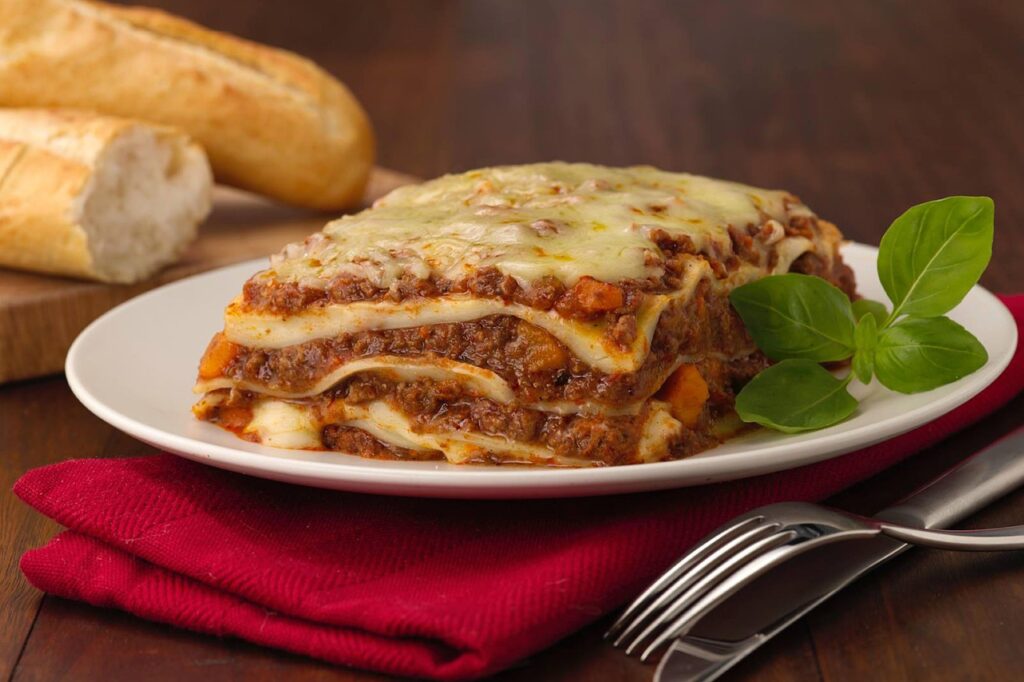
Lasagna layered with cottage cheese instead of ricotta has long appeared in home kitchens. The approach reduces ingredient cost and boosts protein while maintaining recognizable layered structure and baked comfort appeal.
Managing excess moisture remains the primary concern. Cottage cheese must be drained or blended to prevent watery layers that compromise texture. Seasoning and herbs play a larger role in achieving depth and cohesion across layers.
The finished dish can still feel hearty and balanced. Yet compared with ricotta, the texture leans lighter and slightly less rich, which may divide preferences depending on expectation and nostalgia.
9. Cottage Cheese Dip with Herbs

Whipped cottage cheese blended with herbs creates a protein-rich dip positioned as a lighter alternative to cream-based spreads. When processed thoroughly, it can approach the texture of soft cheese and spread easily.
The base flavor is mild and slightly tangy. Without assertive garlic, lemon, or fresh herbs, the dip can taste understated and neutral. Strong seasoning determines whether it feels vibrant or forgettable.
It performs well as a functional snack option paired with vegetables or crackers. Still, its appeal often depends more on nutritional positioning than on dramatic flavor transformation or culinary innovation.
10. Cottage Cheese Brownies
Adding cottage cheese to brownie batter aims to reduce fat while maintaining moisture and structure. Once blended completely smooth, it contributes body similar to yogurt or sour cream in baked goods.
The challenge lies in preserving fudginess and density. Brownies may turn lighter or more cake-like depending on ratio adjustments. Thorough incorporation prevents visible curd texture and uneven crumb.
While the recipe supports higher protein intake, it alters the indulgent density many expect from brownies. The variation feels like a strategic health adaptation rather than a reinvention of classic dessert texture.
11. Cottage Cheese Muffins
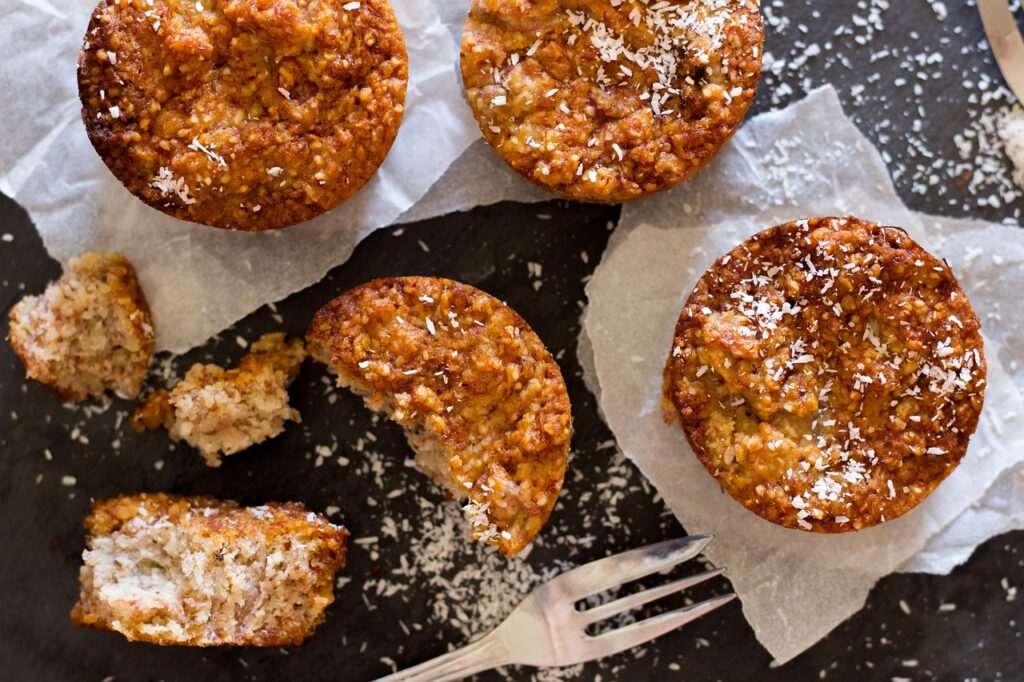
Cottage cheese muffins promise tenderness and protein in portable form. The dairy adds moisture and mild tang that can complement fruit, seeds, or whole-grain bases in breakfast baking. Its curds soften during baking, contributing to a plush crumb without requiring excessive butter or oil.
Uniform blending remains important to maintain a smooth crumb. Uneven curds can create an inconsistent texture and subtle pockets within the muffin. Careful mixing helps preserve structure and even rise.
The muffins can taste pleasant and filling for morning routines. Yet the change primarily enhances nutritional profile rather than dramatically transforming flavor experience or baking technique.
12. Cottage Cheese Salad with Fruit
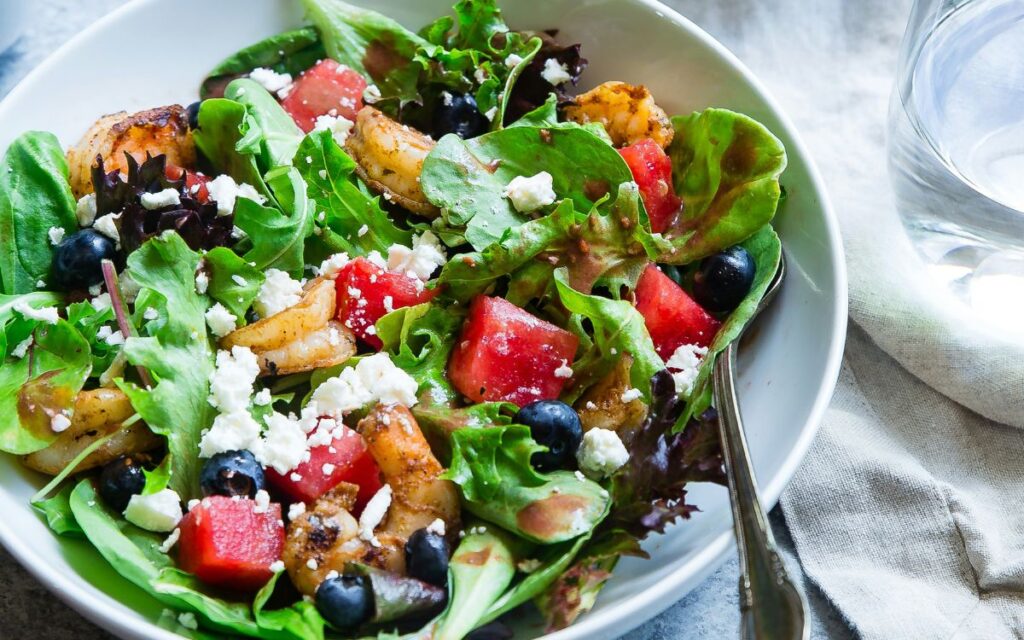
The pairing of cottage cheese and fruit has resurfaced as a high-protein snack option. Sweet berries or pineapple contrast with the mild saltiness of the curds, creating balance through simplicity.
Texture contrast defines the dish. Creamy and slightly lumpy cheese meets juicy fruit, which can be appealing or divisive depending on preference. Ripeness of fruit heavily influences overall harmony.
The comeback reflects renewed interest in simple protein sources and nostalgic meals. However, it often feels retro rather than innovative, leaning on practicality more than culinary creativity or refinement.
13. Cottage Cheese Alfredo Sauce
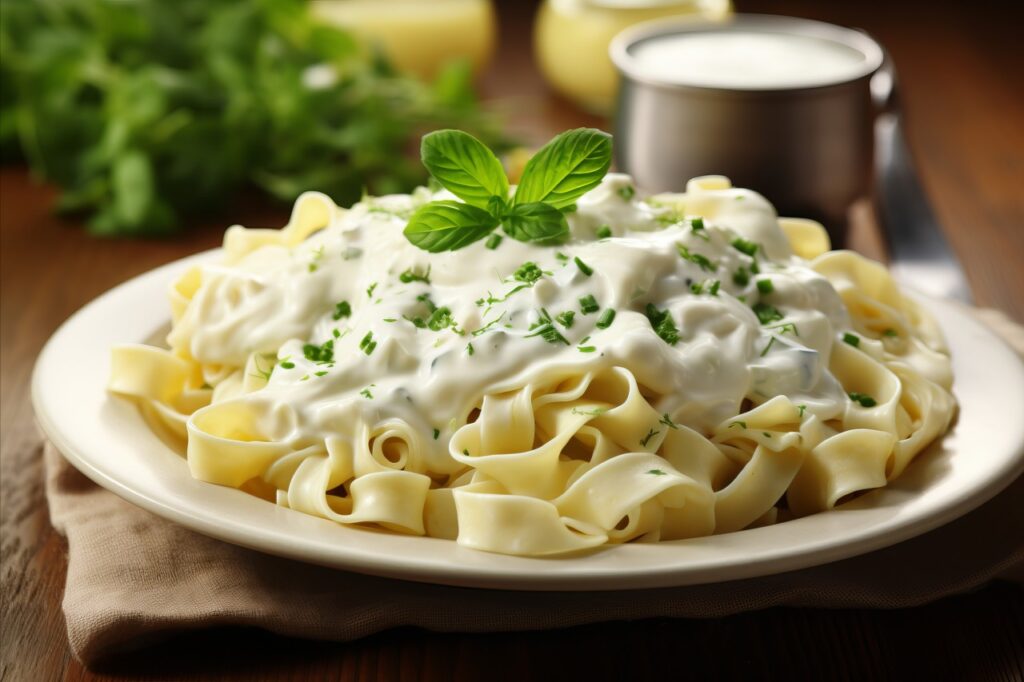
Blended cottage cheese can serve as a base for a lighter Alfredo-style sauce. When processed until smooth, it thickens pasta while reducing reliance on heavy cream and butter.
The flavor profile differs noticeably from traditional versions. Tang and dairy sharpness become more prominent, requiring seasoning and garlic to approach classic warmth and depth. Without careful balancing, the acidity can overshadow the familiar richness expected in the original dish.
It offers calorie savings and protein benefits, yet it shifts the indulgent character associated with classic Alfredo. The adaptation works functionally but rarely matches the luxurious richness of the original.
14. Cottage Cheese Cheesecake Bars
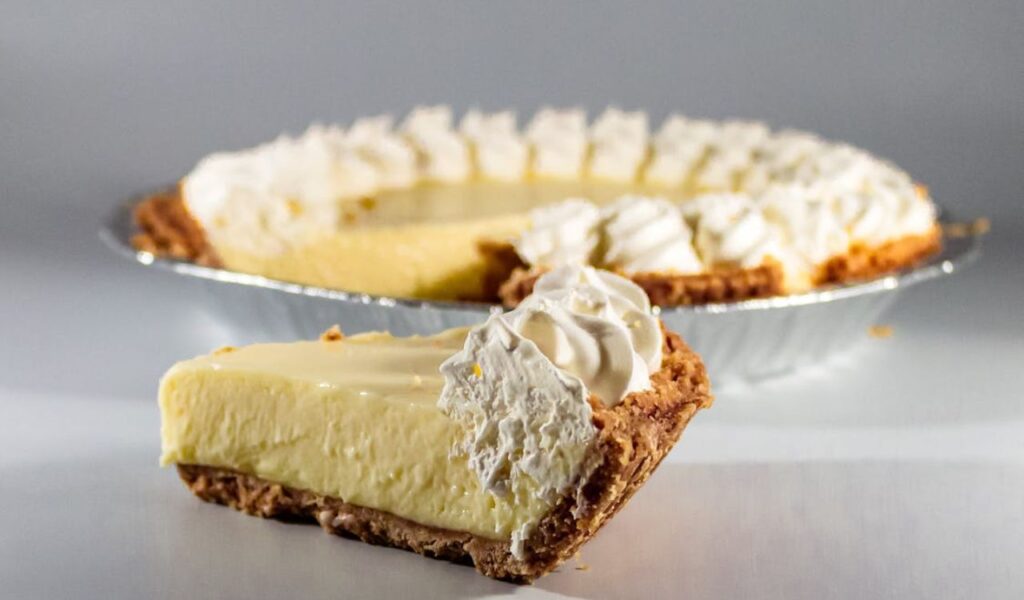
Using cottage cheese in cheesecake bars reduces fat while maintaining a creamy filling when blended thoroughly. The result can be lighter in texture than cream cheese-based desserts.
Careful processing prevents graininess and ensures smooth consistency throughout the filling. Sweeteners and vanilla play an important role in softening the dairy tang and balancing flavor.
The bars deliver a protein-enhanced alternative for dessert lovers. Though they remain enjoyable, they often feel less dense and decadent than traditional cheesecake, emphasizing nutrition over indulgence.