12 Protein Snack Packs That Feel Like Repackaged Candy

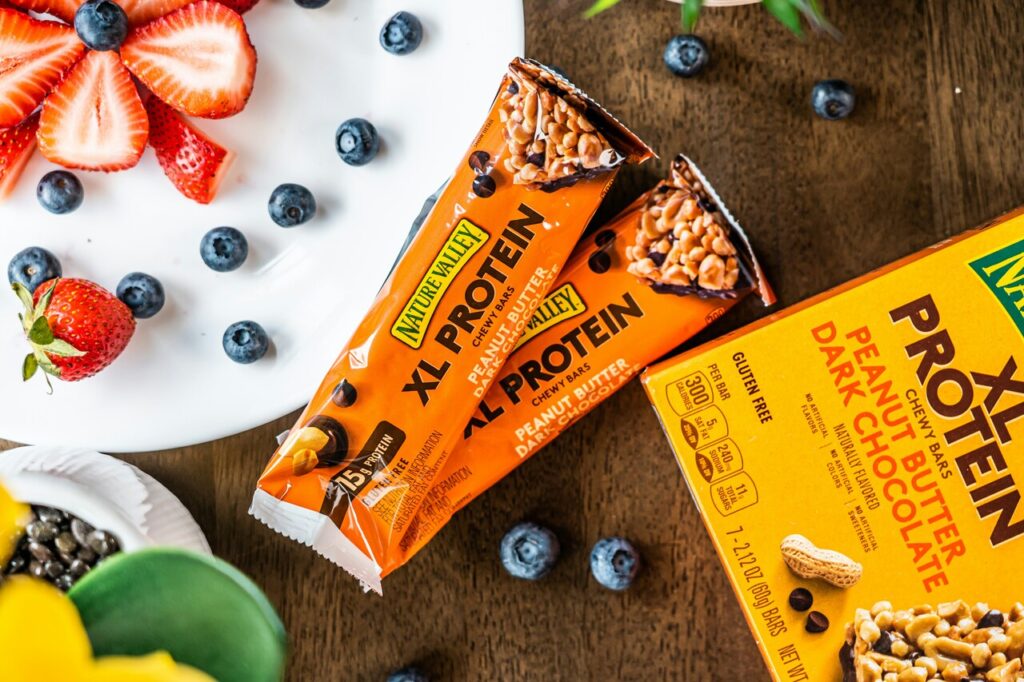
Protein snack packs have surged in popularity as consumers search for convenient ways to boost their daily intake. Bright packaging highlights grams of protein, fitness-friendly claims, and indulgent flavors that seem almost too good to be true. Yet a closer look at many of these products reveals familiar ingredients such as chocolate coatings, caramel binders, and syrup-based sweeteners. While protein content may be higher than traditional sweets, the overall taste and structure often resemble candy more than functional fuel. The difference lies as much in branding as in formulation.
1. Chocolate Covered Protein Bites
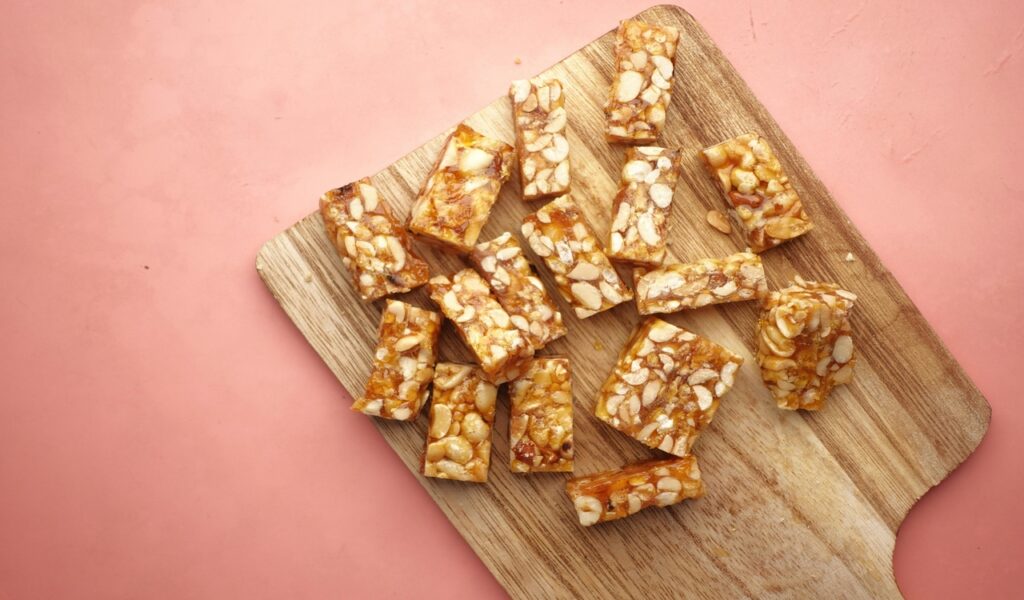
At first glance, chocolate-covered protein bites look nearly identical to boxed candy truffles. Glossy coatings, uniform shapes, and indulgent flavors dominate the packaging.
Nutritionally, many of these bites contain added sugars, syrups, and chocolate coatings that mirror dessert formulations. The high protein claim shifts attention away from total sugar content and calorie density, which can remain substantial.
The result feels like confectionery rebranded for fitness culture. The protein content may be real, but the overall experience remains dessert-driven. Texture, flavor, and portion style closely resemble classic candy, making the difference more about marketing emphasis than structural change in formulation.
2. Protein Caramel Clusters
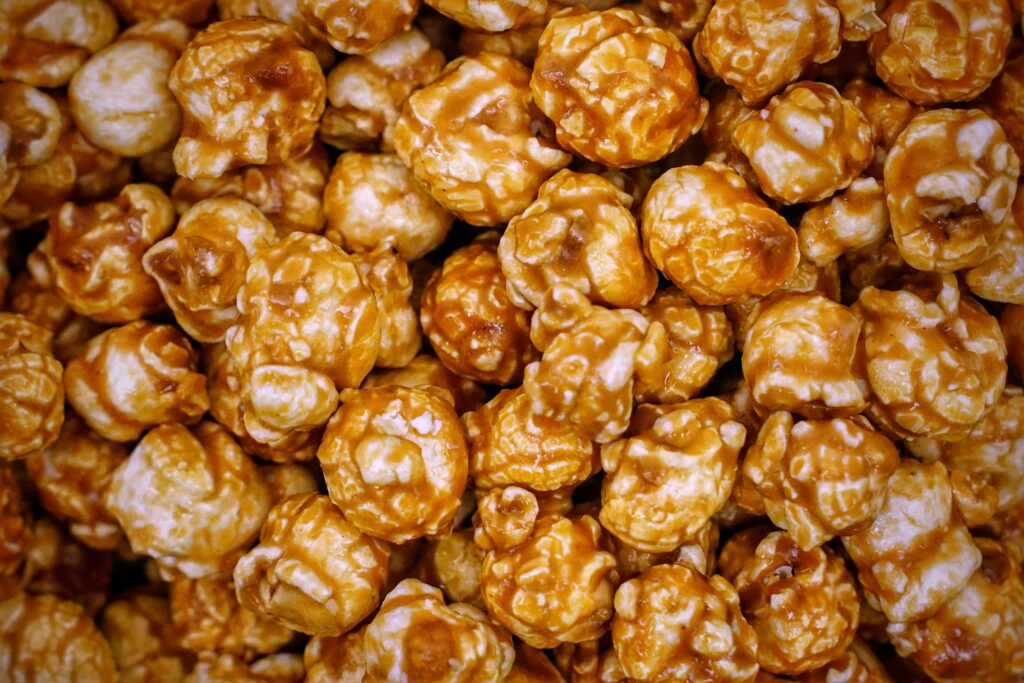
Caramel clusters marketed as protein snacks lean heavily on texture and indulgence. Sticky caramel binds nuts or crisped pieces together, all wrapped in a chocolate layer that feels unmistakably like candy found in confectionery aisles.
Protein powder may be incorporated into the caramel base, yet the structural integrity still depends on sugar or syrup. The sweetness profile often overshadows any savory or nutty depth from the ingredients beneath the coating.
These snacks appeal because they taste familiar and rich rather than purely functional. However, the protein enhancement does not fundamentally change the candy-like composition. The format feels more like a confection with added macros than a genuinely reformulated health-focused alternative.
3. Peanut Butter Chocolate Protein Balls
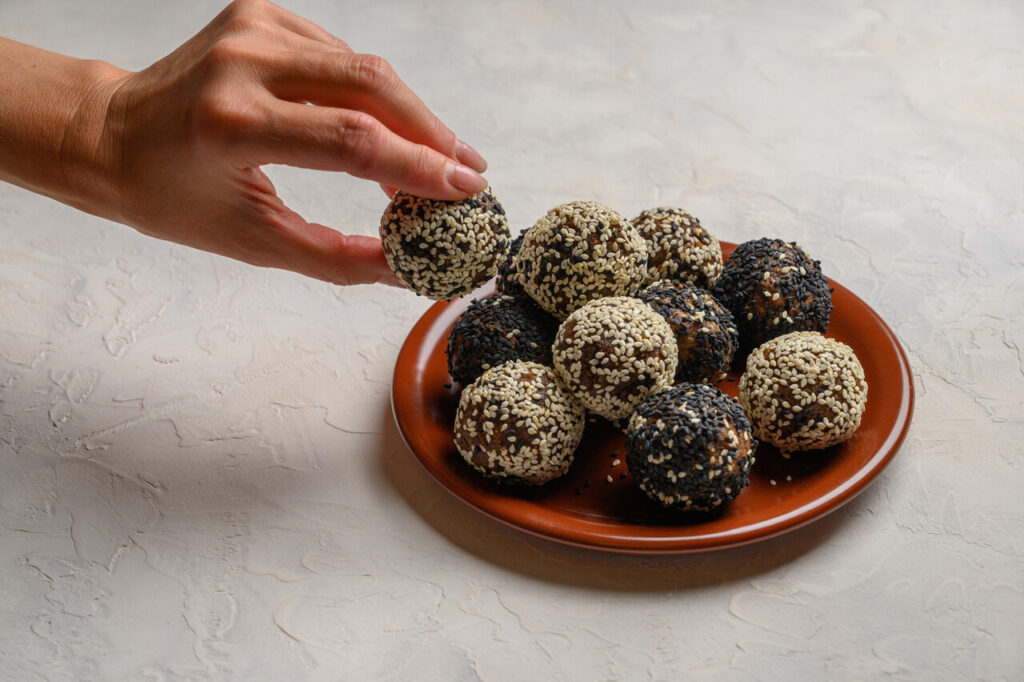
Few combinations are as universally appealing as peanut butter and chocolate. Protein balls using this pairing capitalize on that familiarity, shaping them into small spheres that resemble dessert bites or holiday treats.
Many versions rely on sweeteners such as honey, syrups, or chocolate chips to achieve cohesion and flavor balance. While peanut butter contributes natural fats and some protein, sweetness remains the dominant taste in most commercial varieties. The protein addition becomes secondary in perception.
The snack becomes a controlled portion dessert rather than a transformative health alternative. The indulgent profile makes the nutritional positioning feel layered on top rather than integrated into the recipe design.
4. Protein Cookie Dough Cups

Protein cookie dough cups often mimic the look of chocolate peanut butter cups. A soft, sweet center sits beneath a hardened chocolate shell, creating a layered treat structure that mirrors classic candy molds.
To achieve cookie dough flavor, manufacturers rely on sweeteners, cocoa, and flavor extracts. The protein base blends into this sugary profile rather than standing apart as a savory or neutral component. Texture tends to be smooth and indulgent, reinforcing dessert associations instead of functional snack cues.
Though marketed for recovery or meal replacement, the sensory signals are unmistakably candy-driven. Consumers experience familiar sweetness first, with nutrition claims serving as reassurance rather than transformation.
5. Protein Fudge Squares
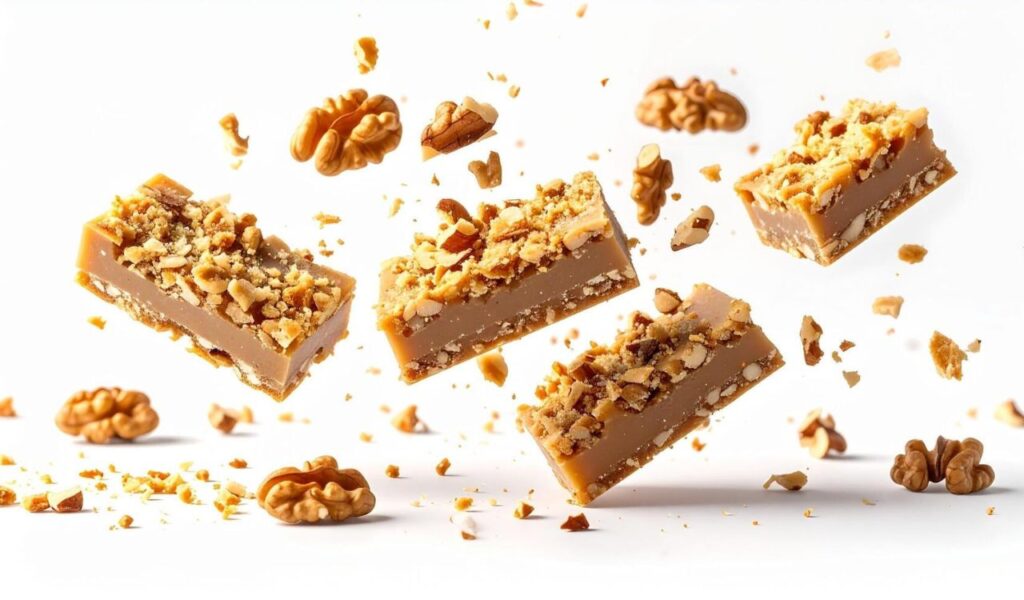
Dense protein fudge squares appear rich and decadent, often cut into neat portions that resemble confectionery fudge squares found in bakery cases. Their glossy surface and chewy interior amplify the resemblance.
Protein isolates are blended with cocoa and sweeteners to achieve thickness and sweetness. As a result, many formulations remain high in added sweet components to maintain mouthfeel.
The final product satisfies cravings similarly to traditional fudge. While protein content increases compared to classic versions, the overall structure and taste feel closer to dessert than functional nutrition. The indulgent identity remains dominant despite health-focused branding.
6. Sweetened Yogurt Covered Nuts
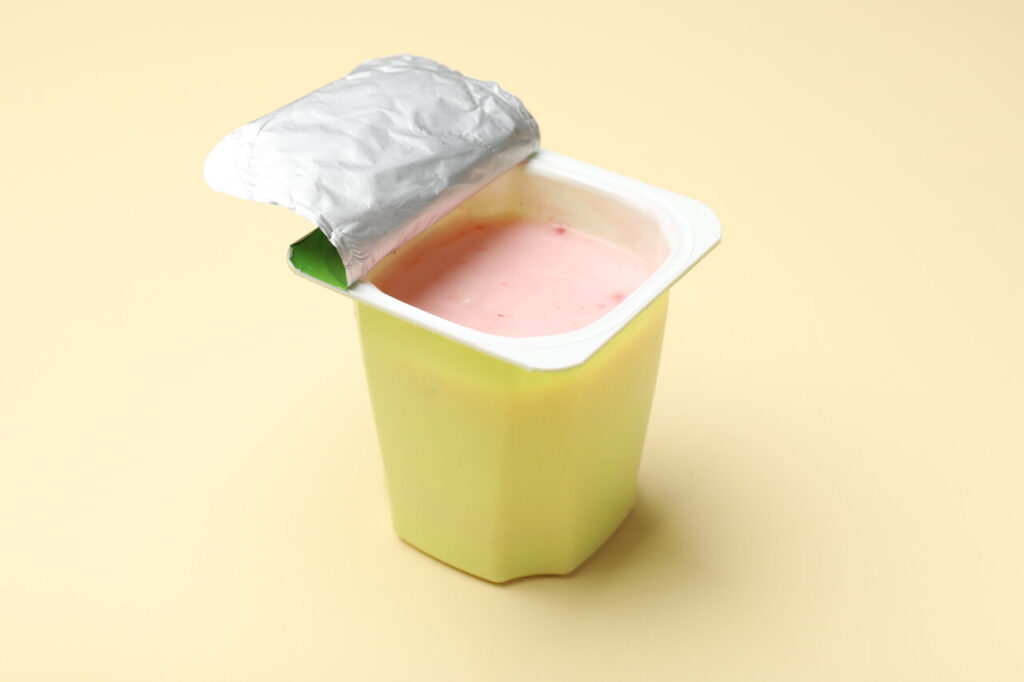
Yogurt-covered nuts marketed as protein snacks often carry a bright white coating that feels nostalgic and familiar. Despite yogurt branding, the coating frequently contains sugar and fat levels comparable to candy shells.
The protein content typically comes from the nuts themselves rather than the coating. The sweetness of the exterior layer dominates flavor, turning the snack into a sugar-forward treat. The yogurt label can create an impression of balance that the ingredient list does not fully support.
Consumers may assume the yogurt coating signals a lighter composition. In practice, the snack behaves much like chocolate-coated candy, with protein acting as a secondary benefit rather than the central nutritional driver.
7. Protein Granola Bar With Candy Chunks
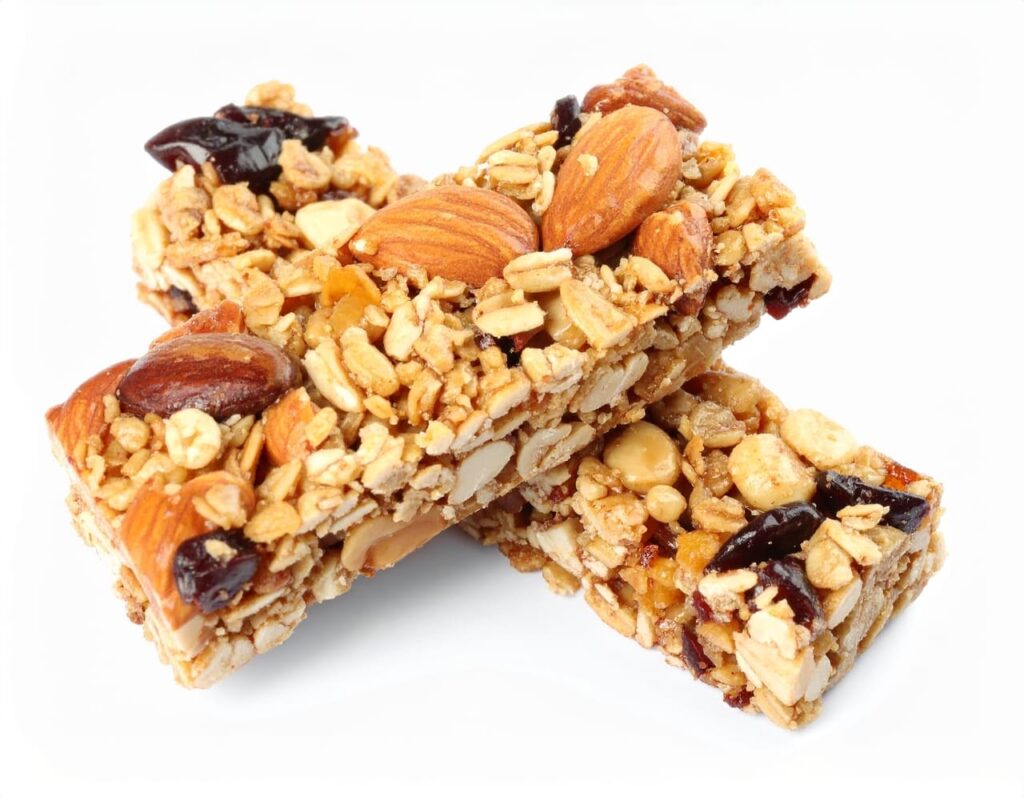
Granola bars containing chocolate chips or candy pieces often present themselves as wholesome protein options. The base may include oats and seeds, but sweet inclusions shape the overall flavor identity.
Chocolate chunks and syrup binders increase palatability and shelf stability. The protein claim rests on added isolates or fortified blends, while sweetness remains central to taste perception. Many bars achieve softness through sugars that parallel dessert formulations.
The result is a bar that resembles a candy bar in texture and sweetness profile. Though positioned as functional fuel for busy schedules, the formulation leans heavily toward indulgence. The difference between a snack bar and a candy bar becomes more about labeling than composition.
8. Protein Brownie Bites
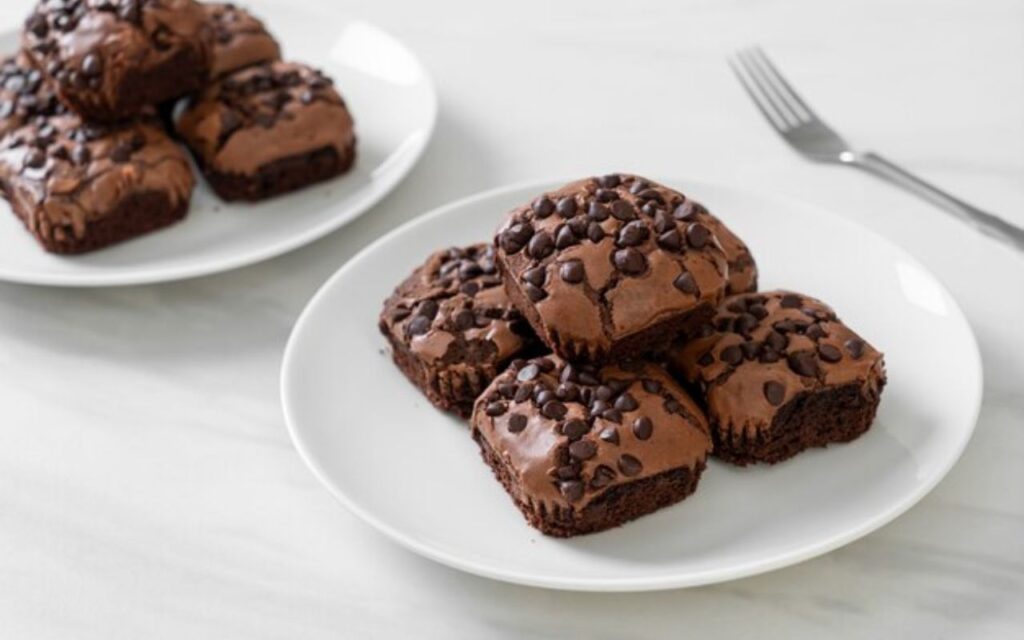
Protein brownie bites are packaged in small, portioned pieces that look nearly identical to miniature brownies. Dark cocoa color and soft interiors reinforce the dessert impression from the moment the package is opened.
To maintain moisture and density, many rely on syrups or sugar alcohols. Protein is integrated into the batter, but sweetness remains prominent across most brands. The texture aims deliberately to replicate traditional baked goods rather than distinguish itself as utilitarian.
These bites may contain more protein than classic brownies, yet the flavor and structure stay closely aligned with confectionery. The snack feels upgraded rather than reinvented, preserving indulgent character while adding a nutritional headline.
9. Caramel & Chocolate Protein Chews
Chewy caramel and chocolate protein chews echo classic soft candies sold in individually wrapped pieces. Their glossy appearance and pliable texture reinforce that association immediately.
The chewiness depends on sweet binding agents that provide elasticity and structure. Protein blends contribute density, yet sugar or sweeteners remain critical to mouthfeel and flavor intensity. Without them, the chew would feel dry or brittle.
Although marketed as energy or recovery snacks, the experience resembles eating candy with a nutritional adjustment. The functional positioning contrasts with the indulgent taste, making the distinction more conceptual than sensory.
10. Fruit & Chocolate Protein Mix
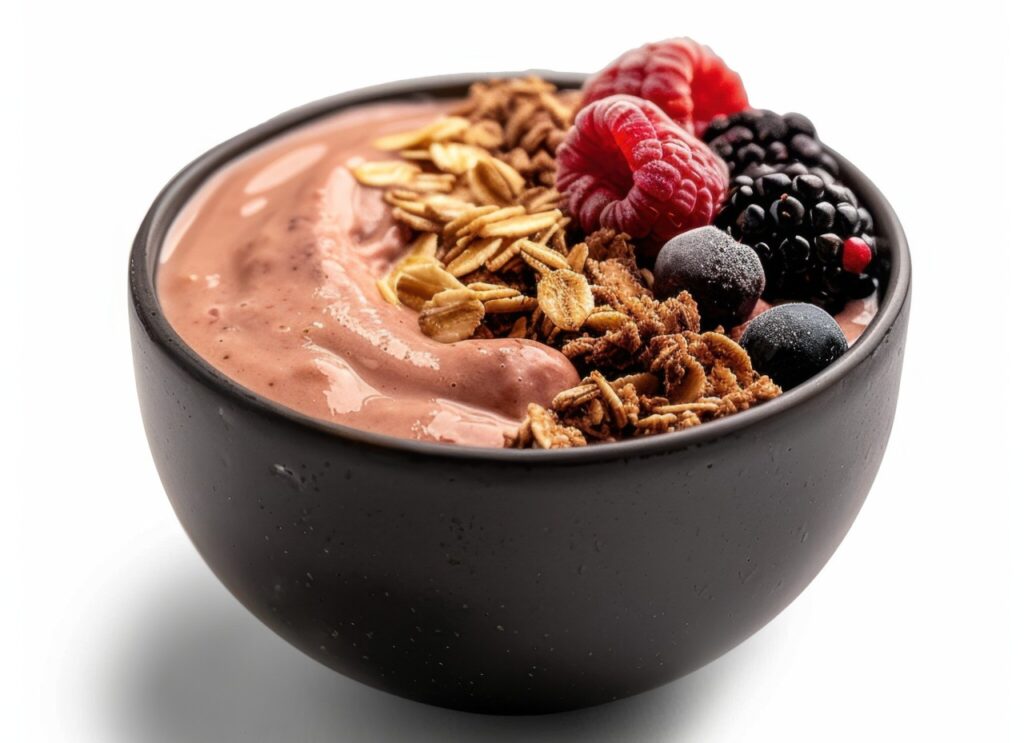
Fruit and chocolate protein mixes combine dried fruit, chocolate pieces, and sometimes coated nuts. The mix resembles a trail mix that leans heavily toward sweet components rather than a savory balance.
Protein may come from fortified nuts or added clusters, yet the chocolate and sweetened fruit often dominate calorie content. The sugar concentration in dried fruit can approach candy levels, especially when coated or sweetened further.
The packaging emphasizes protein grams, yet the composition mirrors snack aisle candy blends. The overall impression aligns more with indulgence than restraint. The nutritional framing does little to alter the fundamental sweetness of the mix.
11. Protein Crisps
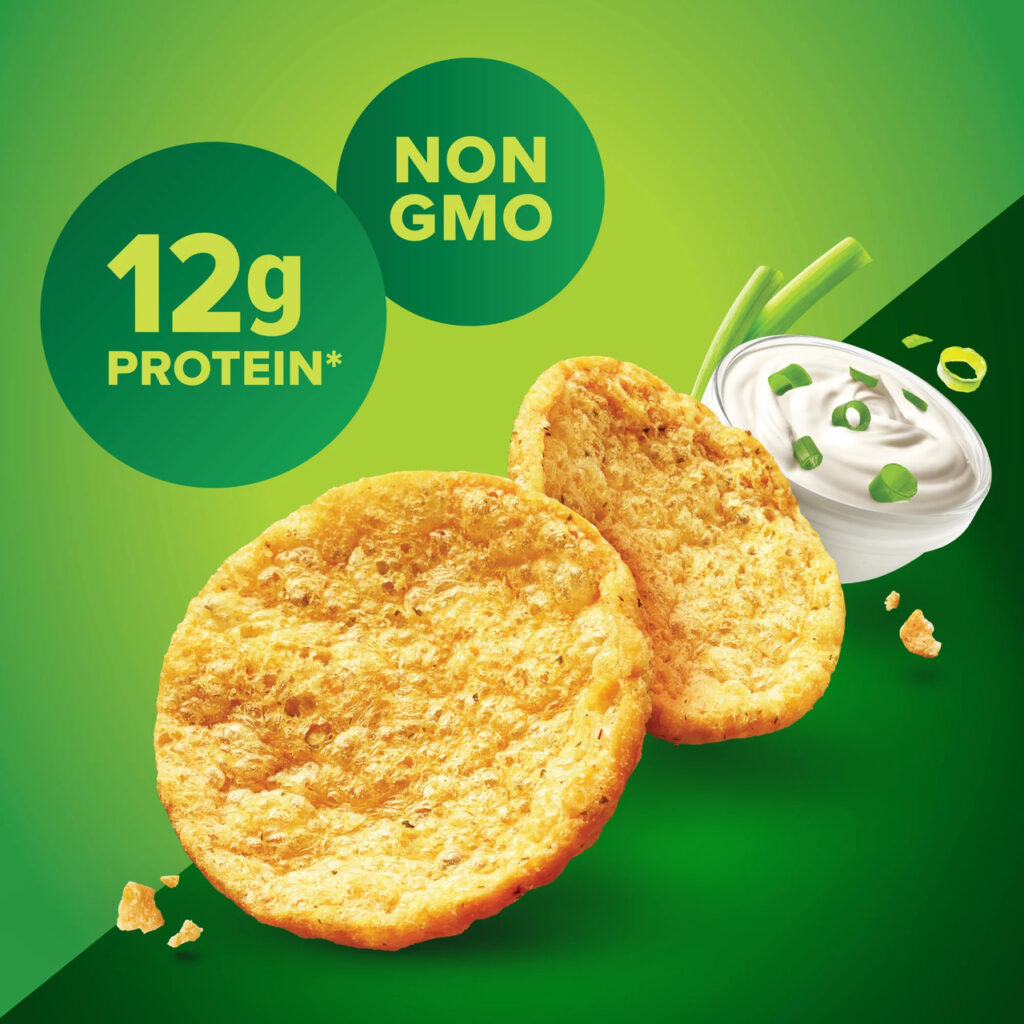
Protein crisps coated or drizzled with cocoa appear light and crunchy at first glance. Their airy structure suggests a lighter alternative to dense bars or bites.
Many crisps rely on chocolate drizzle to enhance appeal and mask the inherent dryness of protein bases. Without it, the base may taste plain or chalky. The drizzle compensates for texture by introducing sweetness and richness.
This dynamic shifts the snack closer to candy in taste experience. The protein base exists structurally, but indulgent coating drives perception and enjoyment. The contrast between marketing language and sensory impact becomes increasingly noticeable.
12. Sweet Protein Pretzel Packs
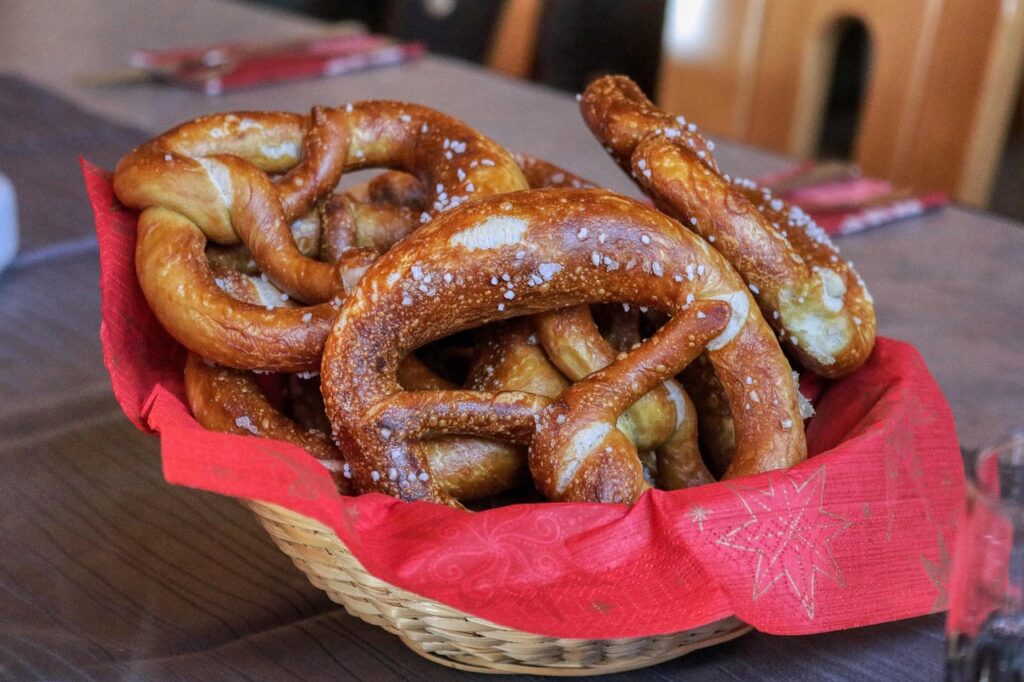
Pretzel packs dipped in chocolate or yogurt coatings are often labeled as protein snacks in compact packaging. The salty-sweet contrast feels familiar and comforting, reinforcing snack aisle nostalgia.
Protein enhancement may come from added powders in the coating or accompanying dips. However, the sweet layer typically contains sugar levels comparable to confectionery items. The pretzel base contributes crunch but does not significantly shift the sweetness balance.
While portion control supports moderation, the overall structure resembles candy-covered pretzels rather than reformulated nutrition products. The protein label reframes a familiar treat without fundamentally altering its indulgent nature.