12 Wing Pricing Models That Leave Customers Paying More

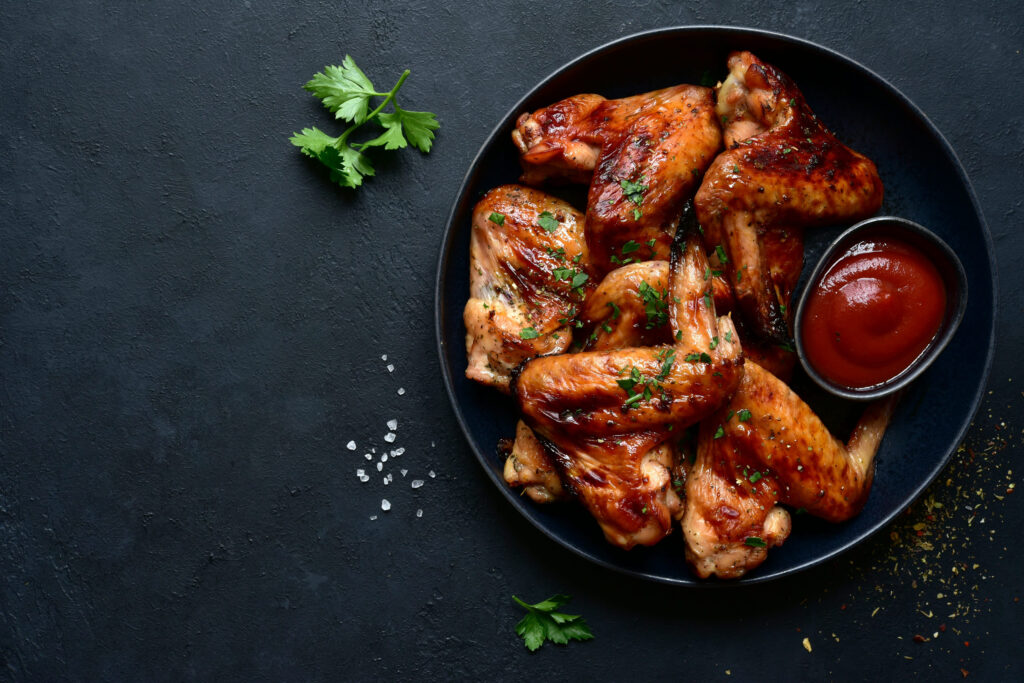
Chicken wings used to be a simple order. You picked a size, chose a sauce, and paid the posted price. That straightforward approach has quietly evolved. Today, wing pricing often reflects layered strategies designed to increase average ticket size, protect margins during supply swings, and capitalize on high-demand moments like game nights.
What looks like a harmless combo deal or a small flavor upgrade can be part of a broader pricing model that nudges customers to spend more. Some tactics rely on psychology, others on packaging, and some on timing. The wings may not change, but the structure around them certainly does.
Here’s a closer look at the pricing models that often leave diners paying more than they expected.
1. Bundled Wing Combos That Remove the Cheaper Option
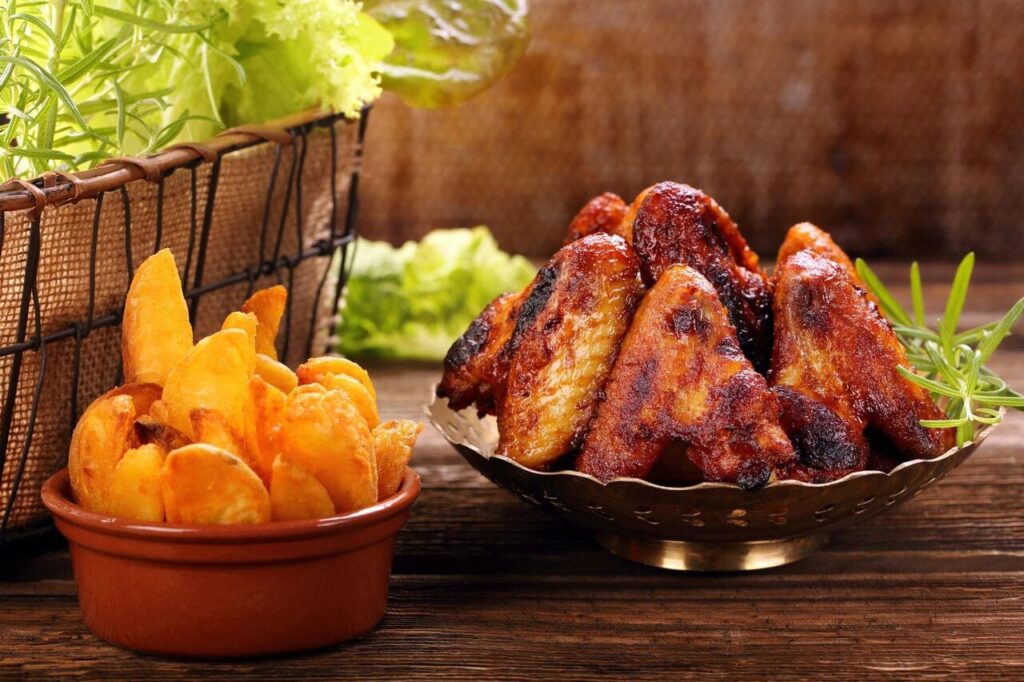
At first glance, a wing combo feels like a deal. You get wings, fries, and a drink for one flat price. The issue is flexibility. When wings are bundled by default, customers lose the option to order just the portion they actually want. That bundled structure often raises the average ticket automatically.
From a pricing strategy standpoint, bundling increases perceived value while lifting total spend. Even if the fries and drink are low-cost items for the restaurant, the combined package is priced higher than wings alone would have been. Customers focus on the word combo rather than the per-item math.
The result is subtle but effective. Most people order the package because it feels complete. The restaurant increases revenue per guest without changing the core product. The customer leaves having paid more than if wings were priced transparently on their own.
2. Peak Hour Wing Pricing That Climbs With Demand
Wings are closely tied to sports nights and weekend gatherings. During high-demand windows, some restaurants adjust pricing upward. This dynamic approach mirrors airline or hotel pricing, where costs rise during peak usage.
When traffic increases, restaurants know customers are less price sensitive. Demand-driven pricing captures that urgency. The wings are the same product, but the context changes the willingness to pay. Many customers do not realize prices fluctuate unless they compare receipts over time.
This model maximizes revenue during busy periods. While it may make business sense, it often leaves diners paying more simply because they chose to eat during a game or weekend rush.
3. Cost Plus Markup That Locks in High Margins
Cost plus pricing starts with the ingredient cost and adds a fixed percentage for overhead and profit. When chicken prices spike, that markup scales upward automatically. The end price can rise quickly even if labor and preparation remain the same.
For wings, which have experienced volatility in supply chains, cost fluctuations are common. Applying a consistent markup on rising wholesale costs leads to noticeably higher menu prices. Customers often absorb the increase without understanding the calculation behind it.
This model ensures the restaurant protects its margin. The downside for customers is that they pay more each time raw material prices shift upward, even if the dining experience itself has not changed.
4. Value-Based Pricing That Leans on Hype
Sometimes wings are labeled as premium, jumbo, or chef-crafted. In those cases, pricing reflects perceived value rather than actual cost. If the restaurant positions the wings as a specialty or artisan, the price climbs accordingly.
Value-based pricing depends on brand perception. If customers believe the wings are higher quality or exclusive, they are willing to spend more. The production cost may not differ dramatically from standard wings, but the marketing elevates them.
This strategy works because dining is emotional. Presentation, plating, and branding influence price tolerance. The product may be similar, yet the story around it justifies a higher price on the menu.
5. Tiered Pricing Between Boneless and Traditional
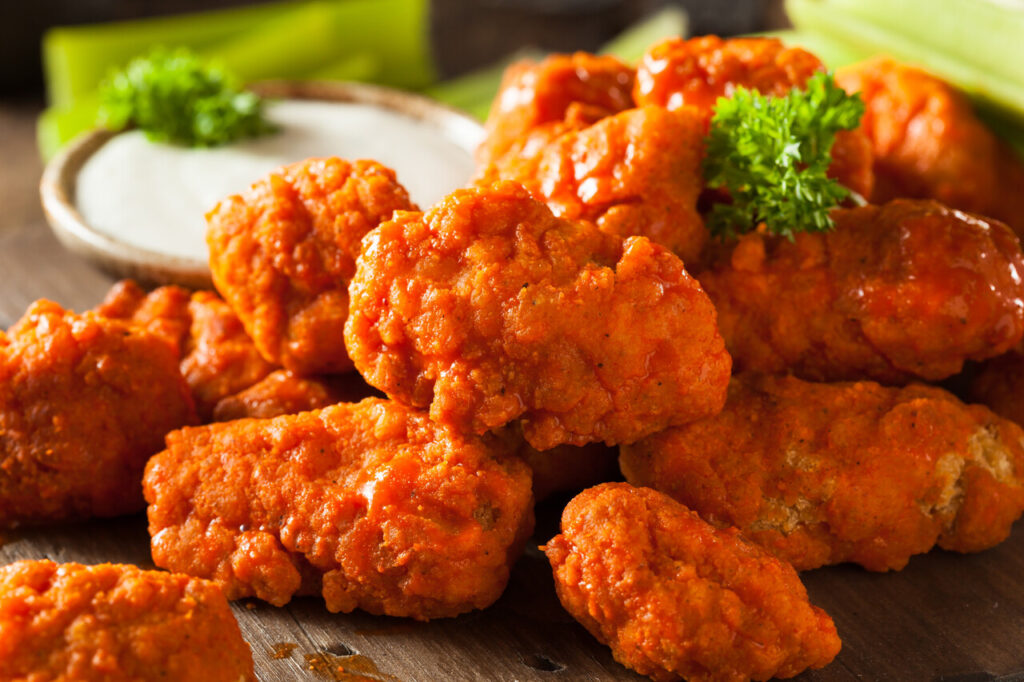
Separating boneless and bone in wings into pricing tiers creates structured upselling. Traditional wings are often priced higher due to supply constraints and popularity, while boneless options may appear cheaper but come in smaller portions.
Tiered pricing increases complexity. Customers compare categories instead of per-ounce value. Specialty sauces or preparation styles may sit in higher tiers, encouraging upgrades that add incremental cost.
The layering of options expands revenue opportunities. By dividing wings into multiple categories, restaurants capture higher spend from customers who gravitate toward perceived premium choices.
6. Flavor Upcharges That Add Incremental Costs
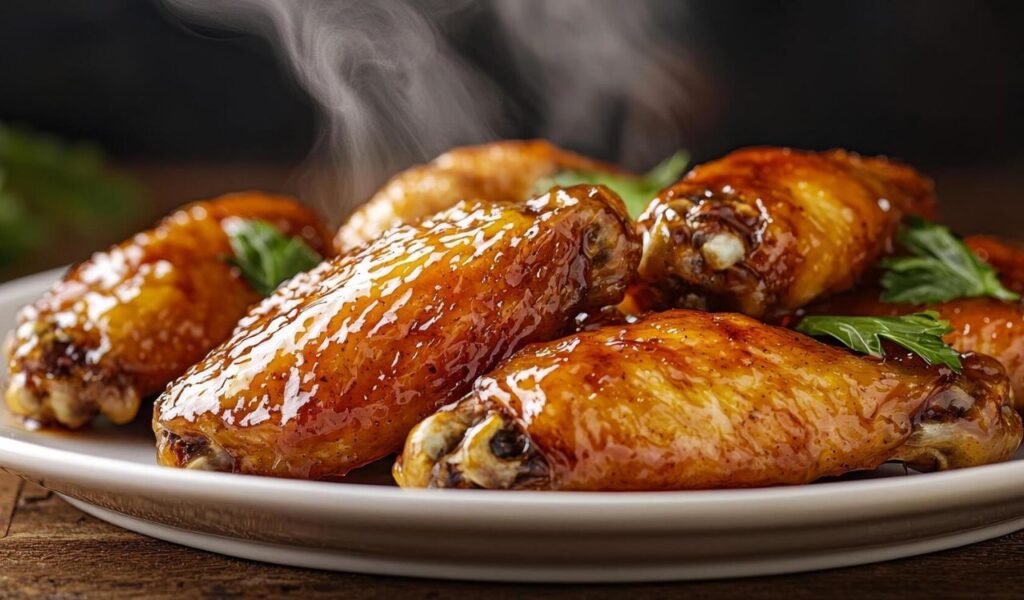
A base wing price may cover standard sauces, but specialty flavors often carry extra charges. Garlic parmesan, truffle glaze, or limited edition sauces can add small fees per order.
The psychology is subtle. An extra dollar for a flavor seems minor in isolation. Yet over multiple servings, that adds meaningfully to the final bill. Customers focus on taste preference rather than cumulative cost.
Flavor-based upcharges leverage customization trends. Diners enjoy personalization, and restaurants monetize that preference by attaching incremental fees that lift overall revenue.
7. Minimum Order Requirements That Raise the Floor
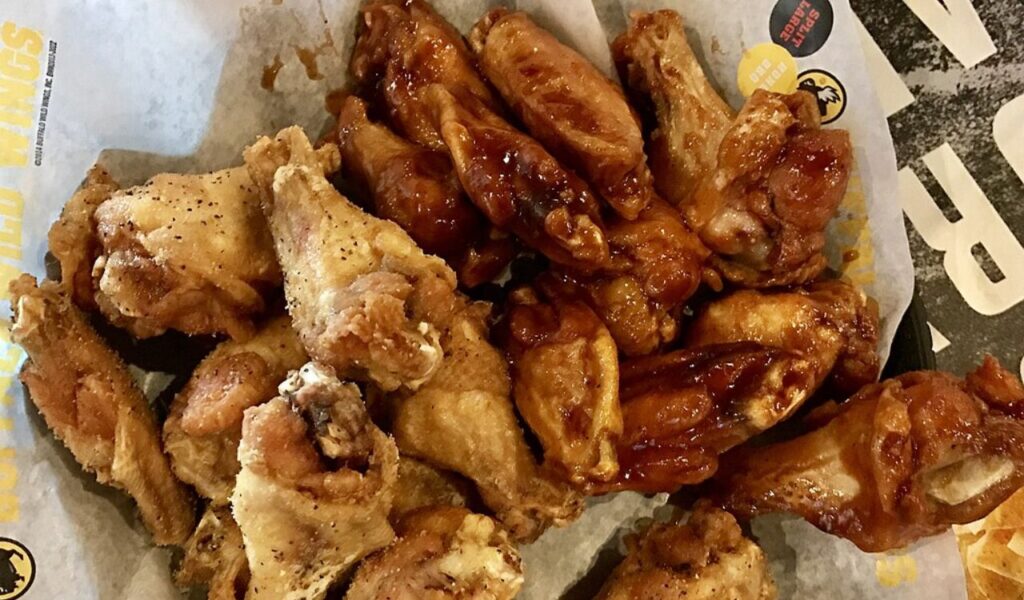
Some establishments no longer price wings individually. Instead, they require orders in fixed quantities such as ten or twelve pieces. That removes the ability to buy a smaller portion.
Minimum thresholds guarantee a higher baseline spend per table. Even customers who want a lighter snack must purchase the preset quantity. This approach simplifies kitchen operations but increases average revenue per order.
For diners, it means paying for more food than they may have intended. The pricing model shifts from flexibility to enforced volume, which consistently pushes totals upward.
Family packs or party platters are marketed as savings options. They often provide a slight per-wing discount, but the total price is significantly higher than a single order. The psychological anchor becomes the per-piece value rather than the final amount paid.
Bulk pricing nudges groups to order more than necessary. Even if the discount exists, the higher volume increases overall revenue. Restaurants benefit from larger tickets and fewer small transactions.
Customers perceive value in quantity. The result is spending more in total, even when believing they are saving on each unit.
9. Loss Leader Sides That Shift Focus to Wings
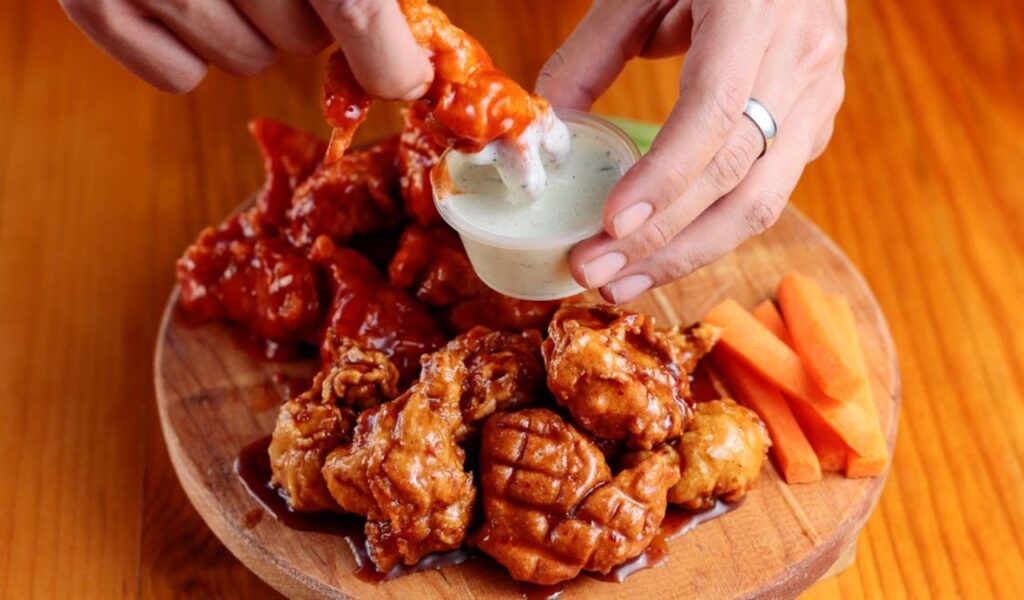
Cheap fries or discounted drinks are sometimes used to drive traffic. While those items may be low margin, the core profit remains in the wings. This cross-selling model encourages customers to add wings as the primary purchase.
By making side items seem affordable, restaurants increase the perceived affordability of the overall meal. Customers justify ordering more wings because the extras feel inexpensive.
The strategy increases the overall basket size. Even if a side is discounted, the total bill rises due to higher wing volume.
10. Loyalty Pricing That Rewards Higher Spend
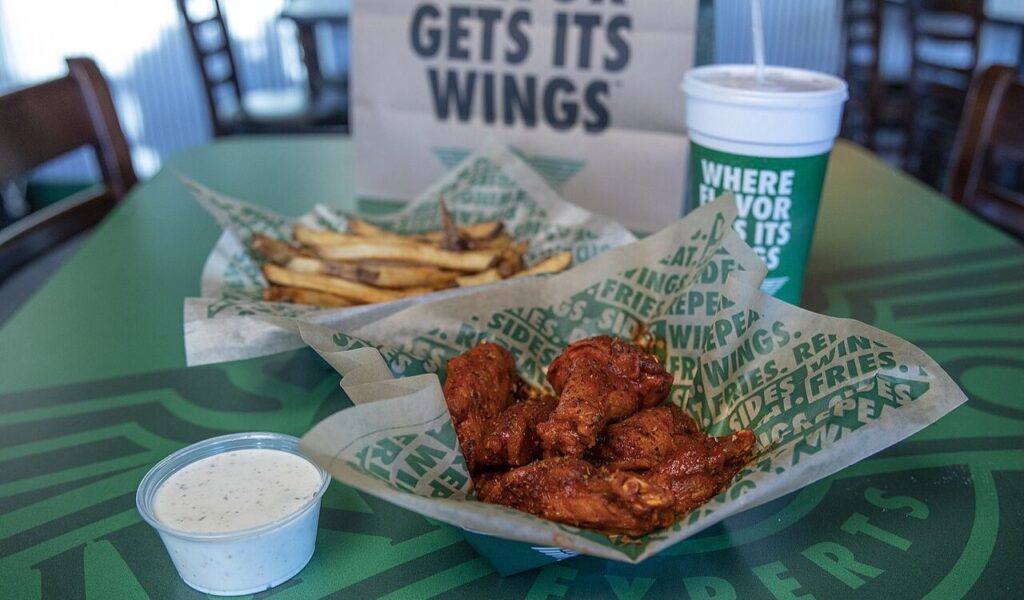
Some restaurants promote special wing prices exclusively for members. Non-members pay the standard rate. This segmented pricing pushes customers toward signups and repeat purchases.
While loyalty discounts sound beneficial, the regular price is often set higher to create contrast. Members feel rewarded, and non-members effectively subsidize the discount through full pricing.
The model increases long-term customer value for the business. For occasional diners, however, it can mean consistently paying more without access to the advertised deal.
11. Psychological Pricing That Masks True Cost
Charm pricing, such as listing wings at 14.99 instead of 15.00, influences perception. Research shows that consumers interpret prices ending in .99 as meaningfully lower, even when the difference is minimal.
In wing pricing, this tactic softens the visual impact of increases. A shift from 13.99 to 14.99 feels incremental, though it represents a full dollar jump. The format reduces resistance to gradual price hikes.
Over time, these small increments accumulate. The customer may not notice the steady climb, but the business benefits from higher margins achieved through subtle presentation techniques.
12. Subscription and Wing Club Models
Monthly wing clubs or game day subscriptions offer recurring access to discounted pricing. The structure guarantees predictable revenue for the restaurant. In return, customers commit to ongoing spending.
Subscriptions often include minimum purchase requirements or limited redemption windows. Customers may spend more overall to justify their membership, even if they would not have ordered that frequently otherwise.
This model increases lifetime customer value. While it offers convenience, it also encourages higher total spending over time compared to occasional single purchases.