7 Bakery Items at Grocery Stores That Are Usually Made From Frozen Dough

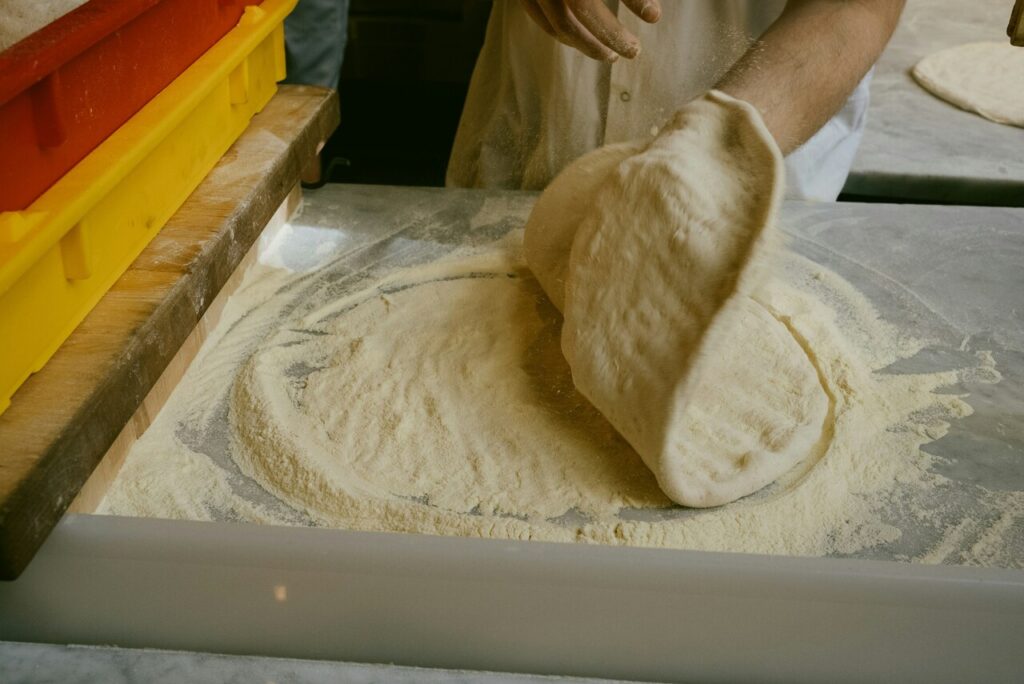
The warm smell of bread and pastries often draws shoppers toward the bakery section of a grocery store. Rows of golden baguettes, flaky croissants, and fresh muffins create the impression that everything was made from scratch just hours earlier. In reality, many supermarket bakeries rely on frozen dough prepared in large commercial facilities. The dough is shipped to stores and baked on site to produce the appearance of fresh baking. This system helps stores maintain variety and consistency, but it also means some bakery favorites may not be as freshly made as they seem.
1. French Baguettes
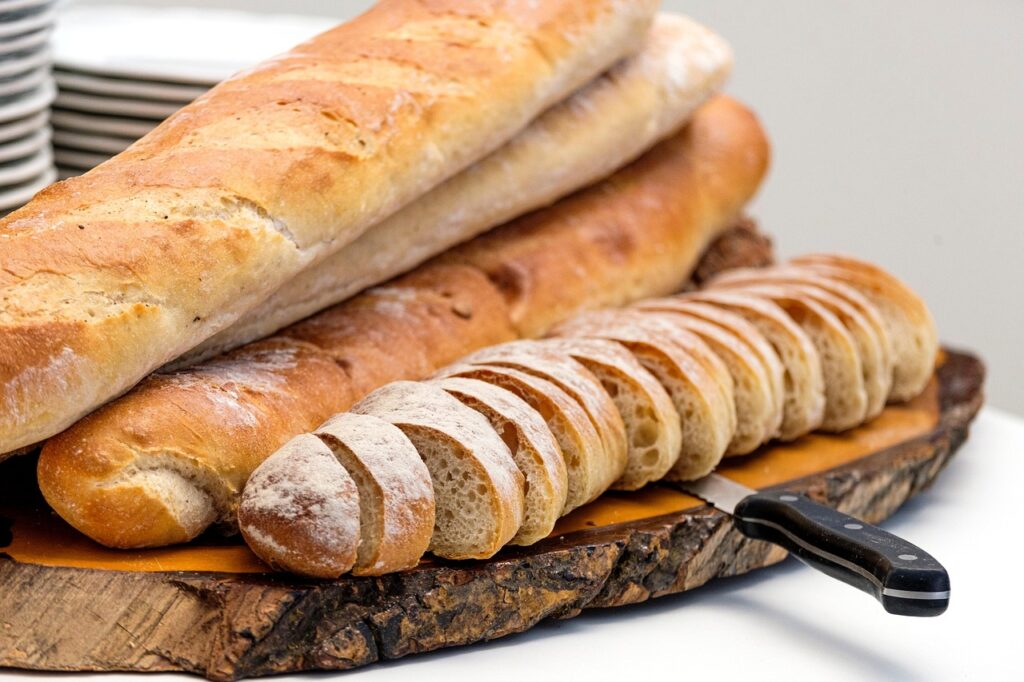
Few bakery items look as inviting as a warm baguette sitting in the grocery store bakery section. The crisp crust and golden color give the impression that the bread was made fresh that morning.
Large commercial bakeries often mix, shape, and partially prepare the dough in centralized facilities. The formed baguettes are then frozen and shipped to grocery stores. This method allows stores to produce bread throughout the day without maintaining a full baking staff.
While the technique provides convenience and consistency, it can affect flavor. Frozen dough tends to shorten this process, which means the bread may look authentic but often lacks the deep flavor of a bakery-made loaf.
2. Ciabatta Rolls
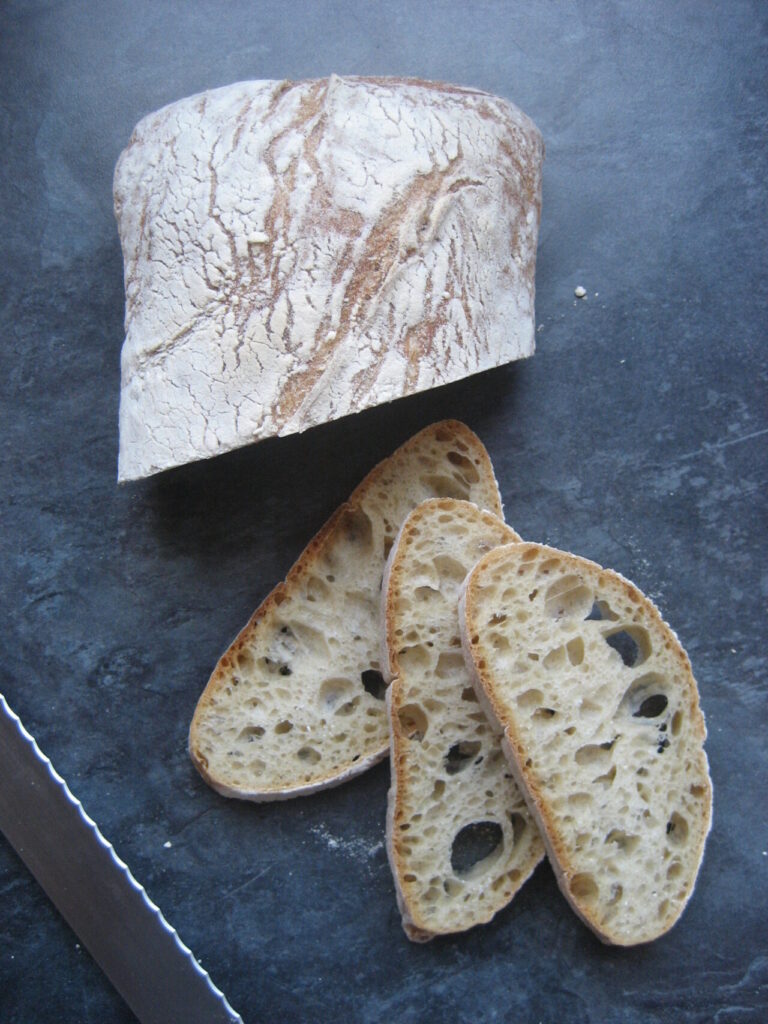
Ciabatta rolls have become a popular choice for sandwiches because of their airy interior and crisp crust. Their irregular holes and chewy texture are part of what makes the bread appealing. Many grocery store versions, however, are not mixed and fermented on-site.
Instead, the dough is typically produced in large batches at commercial bakeries. At the store level, staff bake the rolls from frozen dough so they appear freshly baked to customers.
This system helps retailers maintain a steady supply without the complexity of producing ciabatta from scratch. Freezing the dough simplifies production, but the final flavor and texture may not fully match traditional bakery methods.
3. Sourdough Loaves
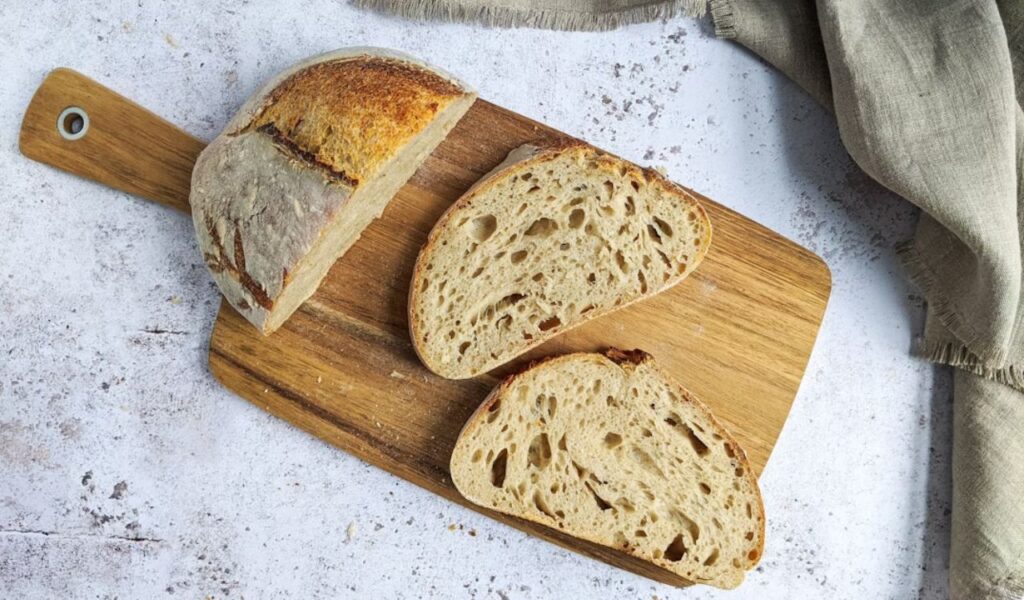
Sourdough bread carries a reputation for its distinctive tangy flavor and chewy texture. True sourdough relies on natural fermentation using wild yeast and bacteria, a process that can take many hours or even days. This slow development is what gives sourdough its depth of flavor.
Many supermarket sourdough loaves are made differently. The frozen loaves are then shipped to grocery stores and baked shortly before being placed on display.
Although the bread emerges from the oven warm and fragrant, the fermentation process is often shorter than in traditional bakeries. As a result, the loaf may resemble sourdough in appearance but taste milder than a classic version.
4. Multigrain Sandwich Bread
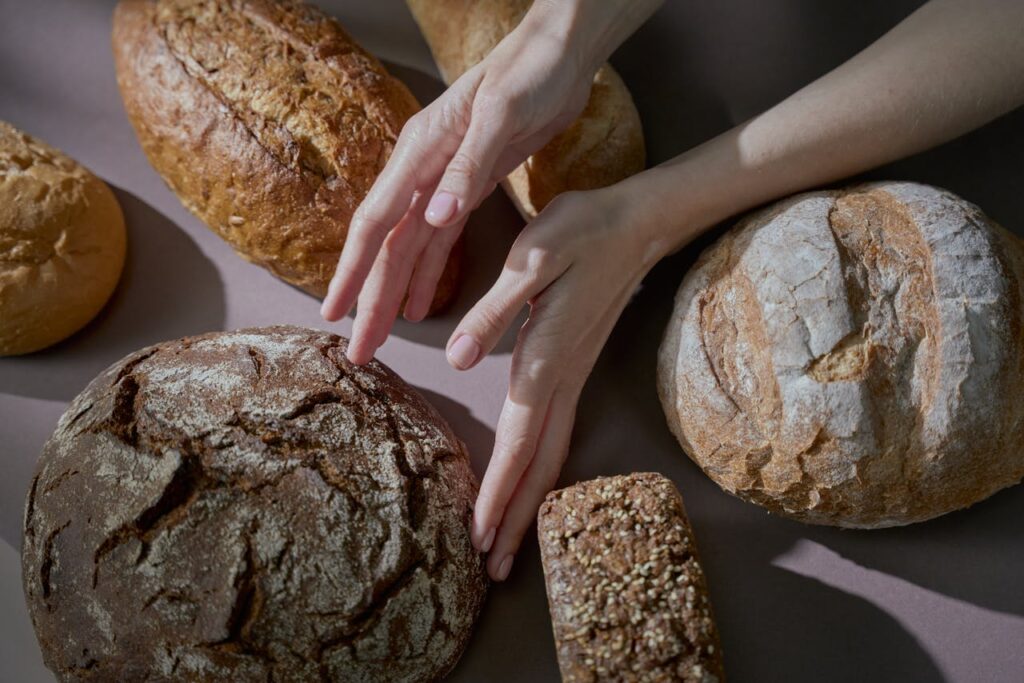
Multigrain bread often attracts shoppers who want a hearty loaf filled with seeds and grains. The visible mix of ingredients, such as oats, flaxseed, and sunflower seeds, creates the impression of a carefully crafted bread made in small batches.
In many grocery store bakeries, the dough arrives from commercial facilities already prepared. Employees then bake the frozen dough to create the appearance of fresh bread coming directly from the oven.
This approach allows grocery stores to offer a variety of breads without maintaining complex baking operations. By freezing the dough in advance, suppliers ensure consistency while simplifying the process for the retail bakery.
5. Croissants
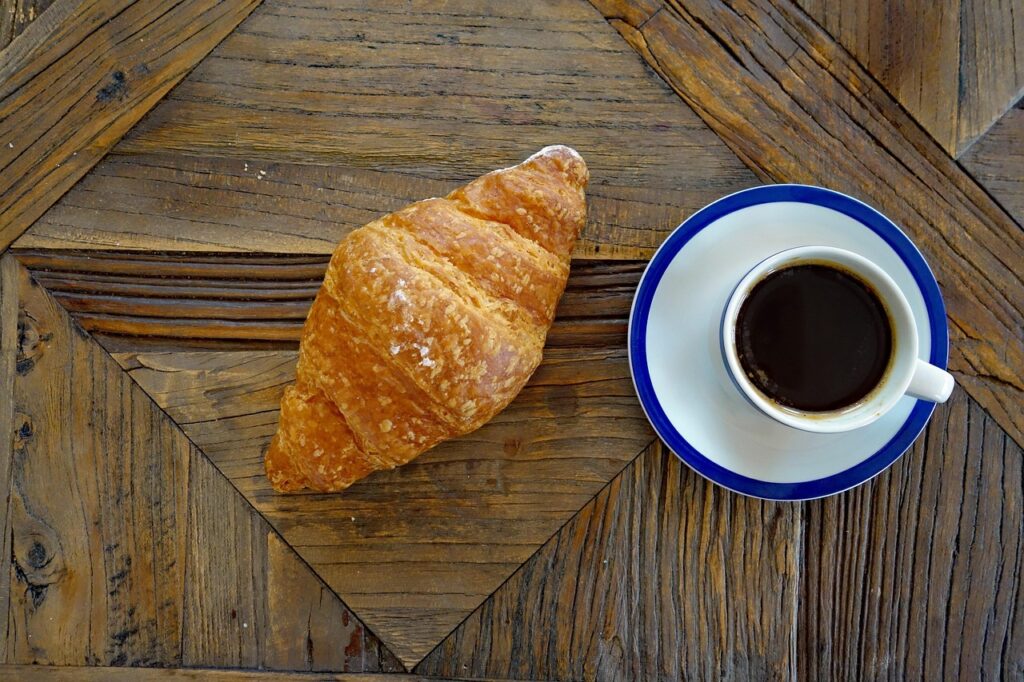
Croissants are famous for their delicate layers of butter and pastry that create a light and flaky texture. Traditional croissant preparation is a labor-intensive process that involves repeatedly folding dough and butter to form dozens of thin layers.
Many supermarket bakeries rely on frozen croissant dough prepared by large commercial pastry manufacturers. Stores simply proof and bake the croissants shortly before selling them.
This method allows grocery stores to offer warm croissants without the extensive training required for traditional pastry production. While the frozen dough technique produces visually appealing pastries, some bakers note that freshly laminated dough often develops richer flavor and a more delicate crumb.
6. Muffins
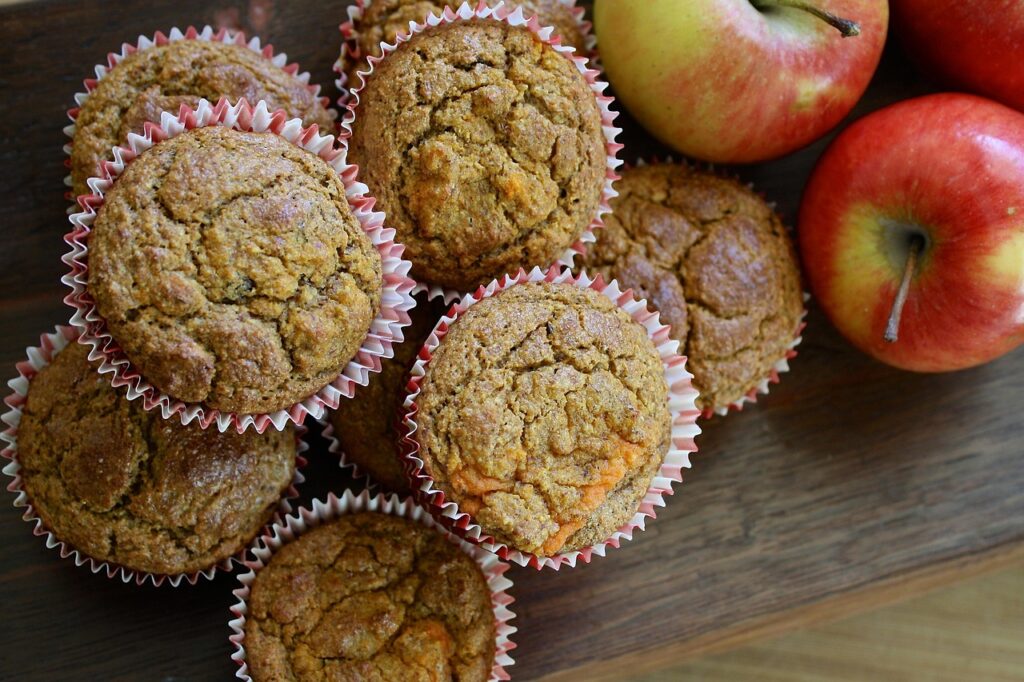
Muffins are a staple of grocery store bakery displays because they are quick to bake and widely popular. Large varieties filled with blueberries, chocolate chips, or nuts often appear fresh each morning on bakery shelves.
In many cases, the batter or dough is prepared at large manufacturing facilities rather than in the store itself. The batter may be portioned and frozen or shipped as ready-to-bake mixtures that require minimal preparation.
This system helps ensure consistent size and flavor across different store locations. Baking muffins entirely from scratch requires measuring ingredients, mixing batter, and managing oven schedules. Frozen batter allows stores to simplify these steps while still offering freshly baked products.
7. Cinnamon Rolls
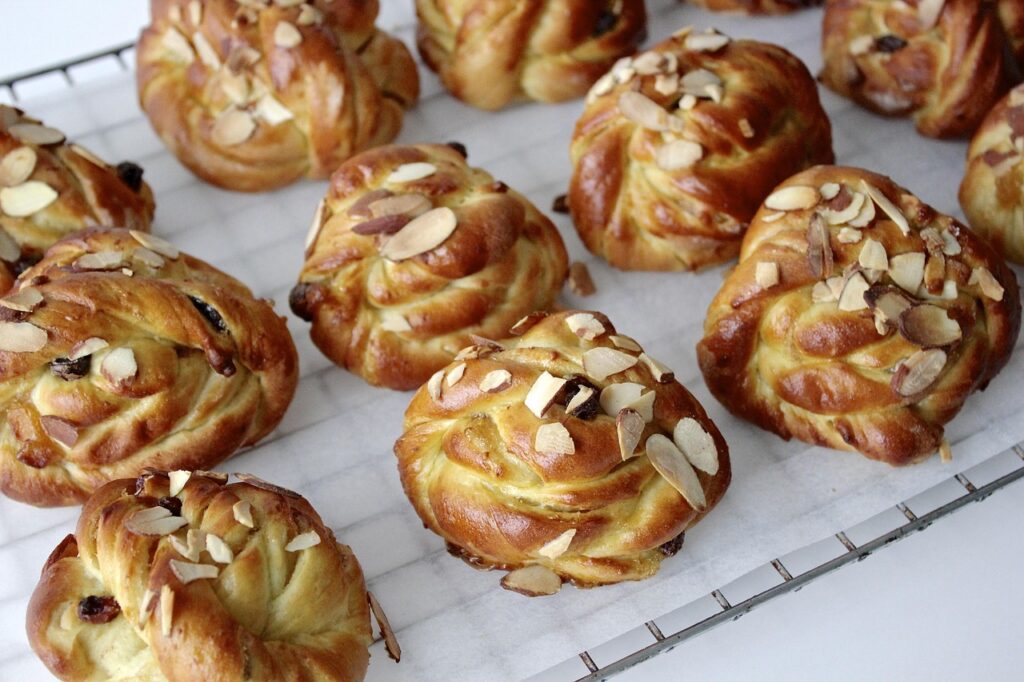
Cinnamon rolls are another bakery favorite known for their sweet filling and soft spiral layers. When placed in a warm display case, they often appear to be freshly made pastries that came directly from a bakery kitchen.
In many grocery stores, the rolls begin as frozen dough prepared by specialized suppliers. The dough arrives shaped and filled with cinnamon sugar. Store employees allow the dough to thaw and rise before baking it in store ovens.
This process allows bakeries to produce warm pastries without the time required to mix and shape dough from scratch.Frozen dough shortens the process while still producing pastries that appear freshly baked to customers.