8 Foods Americans Refrigerate That Experts Say Lose Flavor

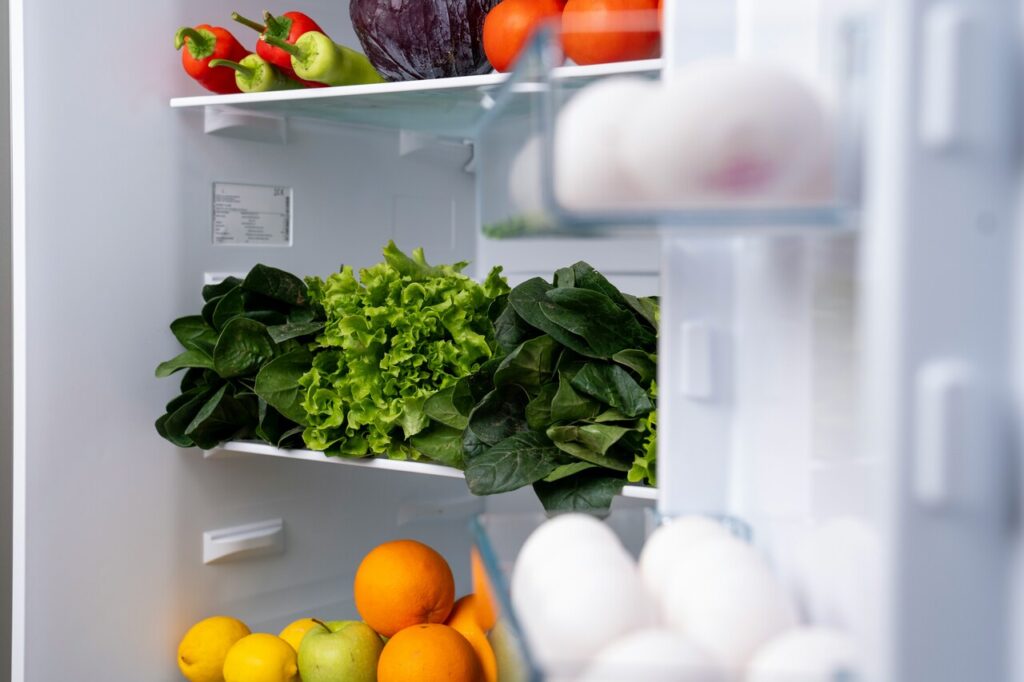
Refrigerators help keep many foods fresh, but not everything belongs in the cold. In fact, some everyday ingredients lose their flavor, texture, or natural ripening ability when stored in the fridge. Many people refrigerate food out of habit, assuming it will extend their shelf life. However, experts say certain items actually taste better when kept at room temperature or in a cool pantry. Understanding which foods react poorly to cold storage can help preserve their natural flavor and improve the overall quality of the meals you prepare.
1. Tomatoes
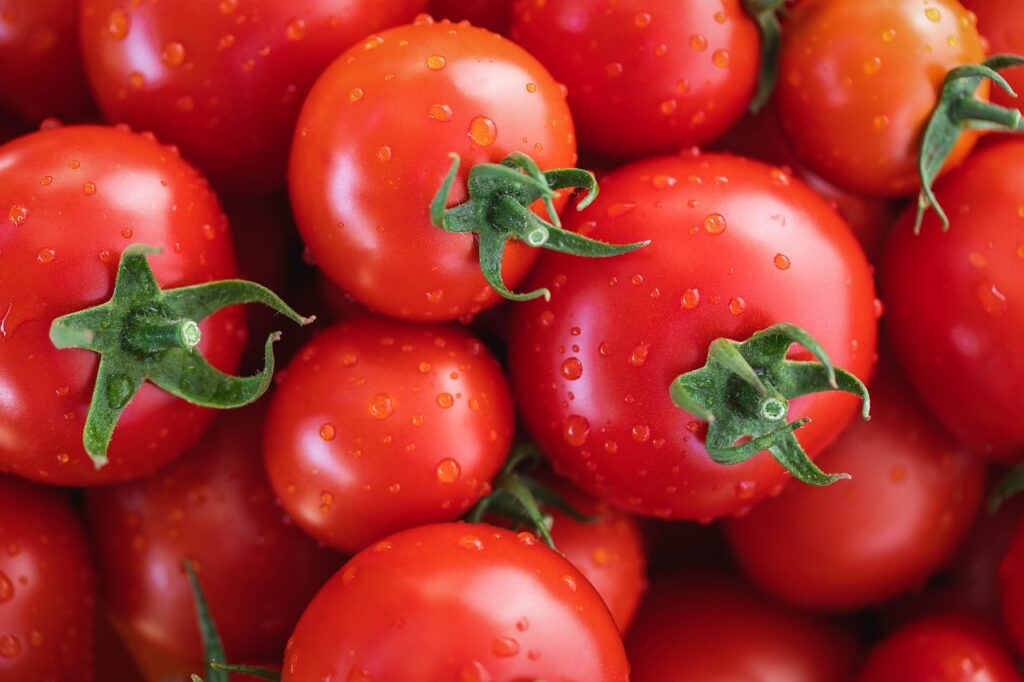
Tomatoes are one of the most commonly refrigerated foods, yet many food experts say the refrigerator is the worst place to store them. Cold temperatures interrupt this process and weaken the delicate balance of sugars and acids that give tomatoes their taste.
When tomatoes are placed in the refrigerator, the cold slows down the activity of enzymes responsible for flavor development. As a result, refrigerated tomatoes often taste dull and less sweet.
Texture also changes noticeably. The cold can break down cell membranes inside the fruit, leaving the flesh mealy or grainy. For the best flavor, tomatoes are usually stored at room temperature and allowed to ripen naturally before being used in salads, sauces, or sandwiches.
2. Bread
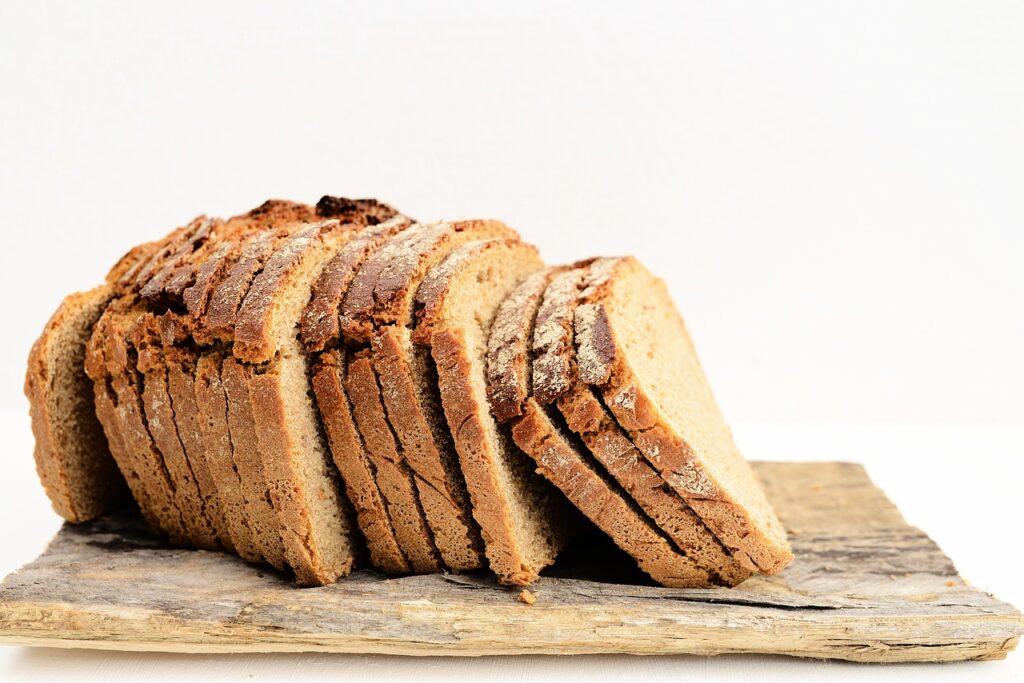
Bread is another food that many people instinctively place in the refrigerator, hoping to keep it fresh longer. In reality, refrigeration often does the opposite. Cold temperatures accelerate a process known as starch retrogradation, which causes bread to become stale more quickly.
As bread cools in the refrigerator, the starch molecules inside the loaf begin to crystallize. Even freshly baked bread can lose its soft texture within a short time in the fridge.
Flavor also suffers during this process. Bread that stales rapidly loses its subtle wheat and yeast notes, leaving behind a flat taste. Experts often recommend storing bread at room temperature in a bread box or paper bag, or freezing it if it needs to be kept for a longer period.
3. Onions
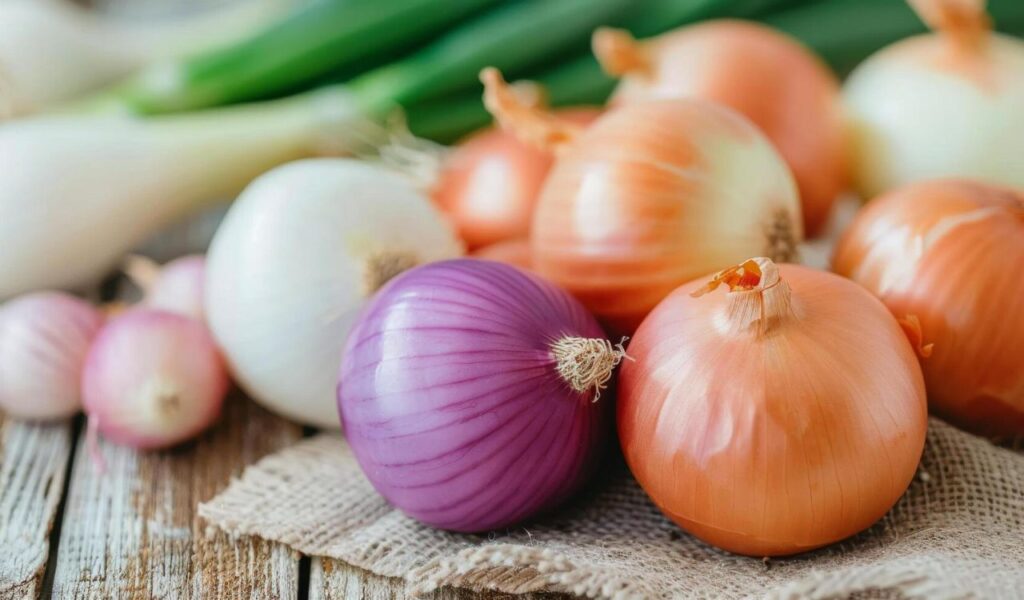
Onions may seem like a natural candidate for refrigeration, but storing them in the fridge can create several problems. Whole onions prefer cool, dry environments with good air circulation rather than the humid conditions found inside a refrigerator.
The moisture inside refrigerators encourages onions to soften and lose their crisp structure. Over time, the outer layers may become rubbery. This environment can also dilute the strong aromatic compounds that give onions their characteristic flavor.
For the best results, onions are usually stored in a dry pantry or cupboard away from direct sunlight. Keeping them in a breathable container allows air to circulate and helps maintain both texture and flavor until the onion is ready to be used.
4. Potatoes
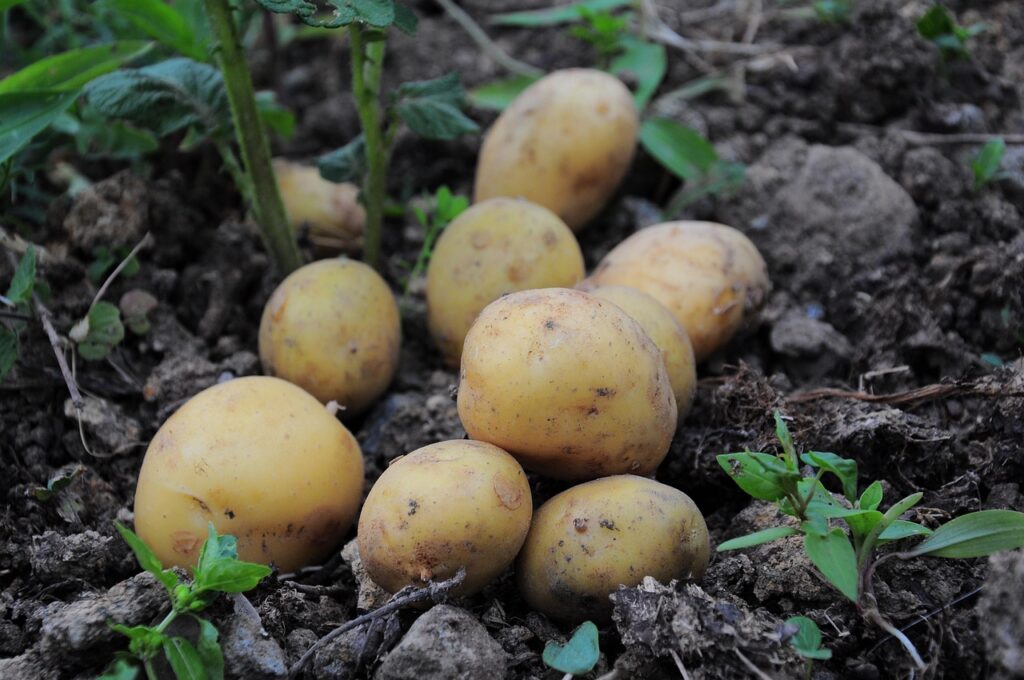
Potatoes are particularly sensitive to cold storage. When stored in the refrigerator, the starch inside the potato begins to convert into sugar. This chemical change affects both the taste and the cooking behavior of the potato.
The increased sugar content can make refrigerated potatoes taste slightly sweet instead of mild and earthy. When cooked at high temperatures, these sugars can also cause the potatoes to brown more quickly than expected.
Texture may also become unpleasant. Refrigerated potatoes can develop a gritty interior that affects dishes like mashed potatoes or roasted potatoes. A cool, dark pantry with moderate airflow is usually considered the ideal place to store them.
5. Coffee
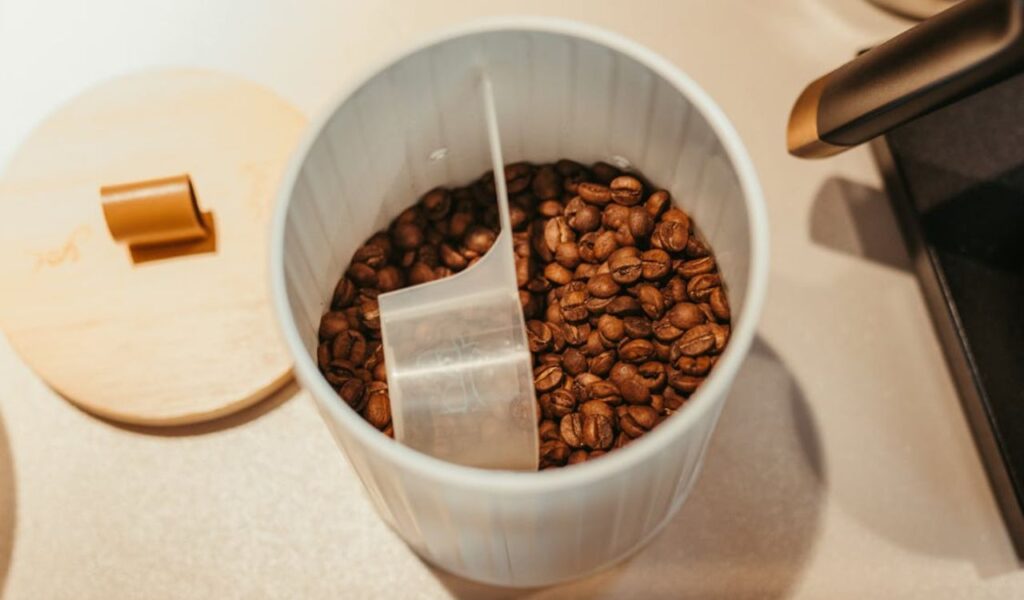
Coffee lovers often place their beans or grounds in the refrigerator, thinking the cold will preserve freshness. In reality, coffee is highly sensitive to moisture and odors, both of which are common inside a refrigerator.
Coffee beans contain aromatic oils that give the beverage its complex flavor. These oils can absorb surrounding smells very easily. When stored in the fridge, coffee may pick up odors from nearby foods such as onions, cheese, or leftovers.
Moisture is another concern. Temperature changes between the refrigerator and room air can cause condensation to form on the beans. This moisture gradually weakens the aroma and flavor. Experts generally recommend storing coffee in an airtight container in a cool, dark cupboard.
6. Garlic
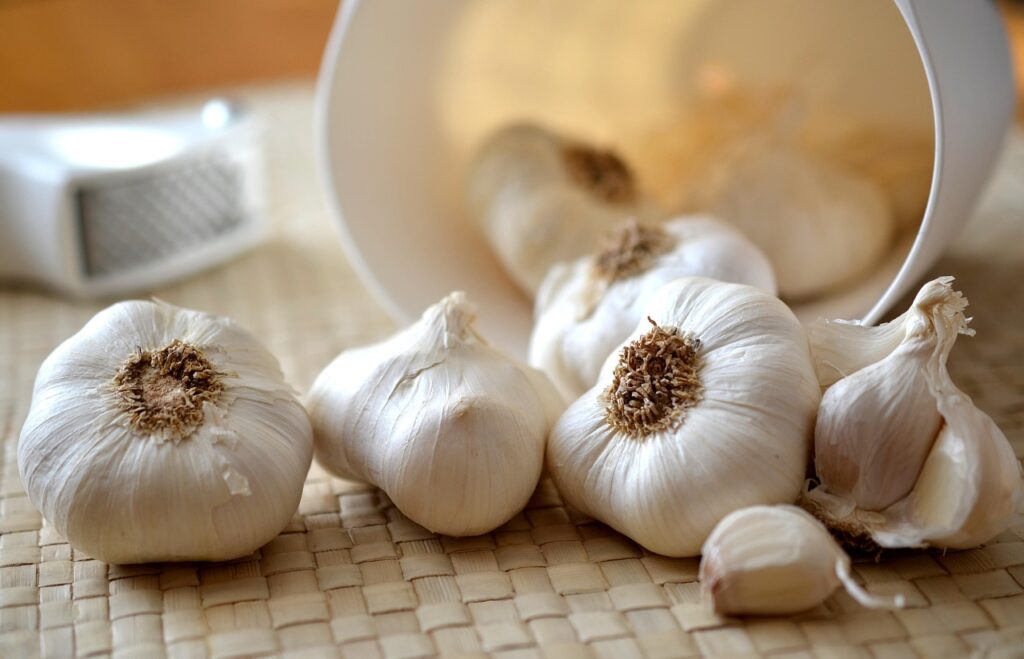
Garlic bulbs may appear sturdy, but they respond poorly to refrigeration. Cold temperatures can change the structure of the cloves and encourage premature sprouting. Once garlic begins to sprout, its flavor can become sharper and less balanced.
Refrigerators also introduce excess humidity. Garlic prefers a dry environment where the outer skin can remain firm and protective. Moist conditions may cause cloves to soften or develop mold.
For the best storage, garlic is typically kept in a well-ventilated container at room temperature. A basket or mesh bag allows airflow around the bulbs, helping them maintain both flavor and texture for a longer period.
7. Bananas
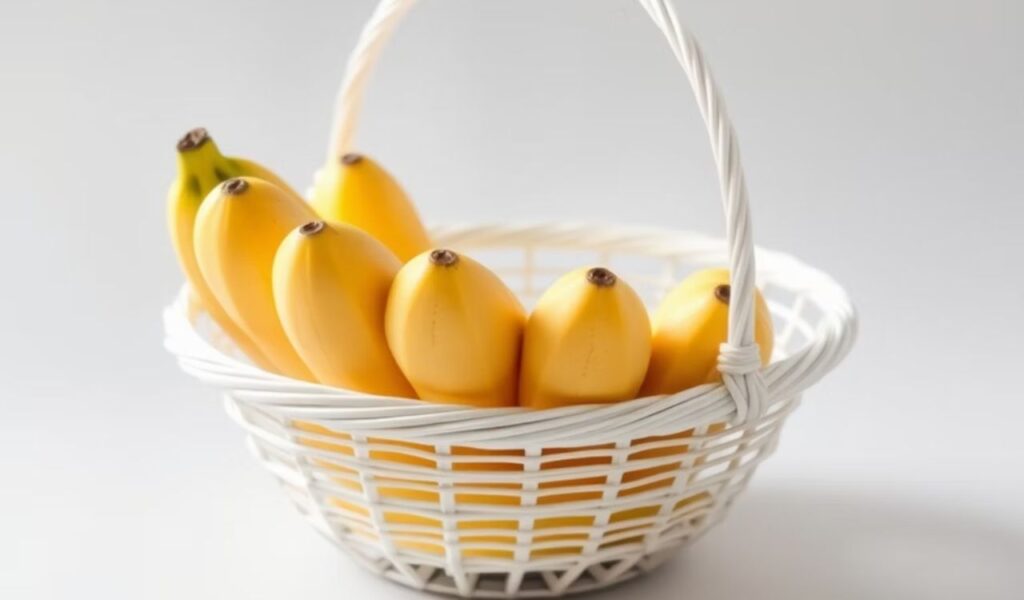
Bananas often end up in the refrigerator when they begin to ripen quickly. While this may slow down the ripening process, cold temperatures interfere with the fruit’s natural development of sweetness and aroma.
Bananas ripen through a process driven by natural plant hormones called ethylene. The cold environment of a refrigerator slows this process dramatically. As a result, the fruit may never fully develop its intended flavor.
The peel often turns dark in the refrigerator, which can make the fruit appear spoiled even when it is still edible. For the best taste, bananas are usually stored at room temperature until they reach the desired level of ripeness.
8. Honey

Honey is one of the few foods that rarely spoils, yet many people still store it in the refrigerator. Cold temperatures cause honey to crystallize more quickly, changing its smooth texture into a grainy solid.
Crystallization is a natural process caused by the sugars in honey forming tiny crystals. While this does not make the honey unsafe to eat, it can make the product difficult to pour or spread.
Flavor perception can also change when honey becomes crystallized. The thicker texture prevents the delicate floral notes from spreading evenly across the palate. Storing honey at room temperature keeps it smooth and easier to enjoy in tea, baked goods, or drizzled over food.