9 Classic Beers Americans Rarely Order Anymore

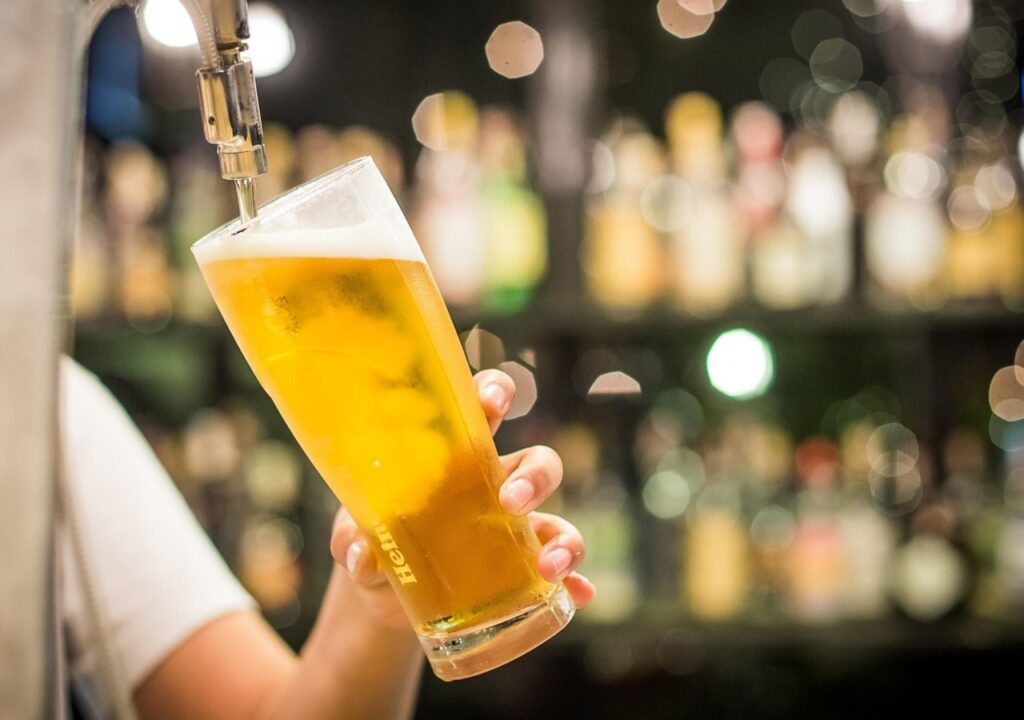
For a long stretch of the 20th century, certain beer labels seemed welded to American life. Cases showed up at union halls, fishing trips, bowling leagues, and back porch card games without much thought. Then craft breweries, imports, and flavored drinks arrived, and tap handles changed almost overnight. Many of the old standbys still exist, kept alive by habit, regional loyalty, and nostalgia. Their stories now live as much in memory and vintage bar signs as in actual pint glasses.
Schlitz
Schlitz once sat near the center of American beer culture, marketed as the taste of Milwaukee and poured at stadiums and corner bars alike. A damaging recipe change and shifting tastes pushed it out of the spotlight, and the brand never fully regained that old reach. It still appears in certain cities and throwback bars, yet often feels like a nod to history rather than a serious rival to modern lagers and hoppy craft favorites.
Old Milwaukee
Old Milwaukee filled coolers for decades, especially when budgets were tight and gatherings were big. The red cans became familiar at block parties, garage hangs, and late night card tables. As drinkers explored local breweries and more heavily promoted budget options, the brand slid down the priority list. It still holds quiet pockets of loyalty in the Midwest and among longtime fans, but in many bars it lives more in memory than on the tap tower.
Keystone Light
Keystone Light carved out a place in college apartments, tailgates, and camping trips, where low price mattered more than complex flavor. The cans were easy to stack and even easier to share. Over time, younger drinkers shifted interest toward canned cocktails, seltzers, and local session beers. Keystone still moves in big box stores and warehouse pallets, yet feels less present at neighborhood bars, where even the simplest lagers often carry a different label.
Milwaukee’s Best
Milwaukee’s Best built a strong reputation as a rock bottom budget choice, known by many simply as Beast. It kept fridges full for parties where quantity beat subtlety every time. As other inexpensive beers crowded shelves and marketing dollars moved elsewhere, its profile dimmed. The brand remains available but rarely sits front and center. For many adults, the name now triggers flashes of college stories more than current bar orders or grocery runs.
Old Style
Old Style sank deep roots into Chicago, tying itself to neighborhood taverns and long summers at the ballpark. The logo lived on bar windows, hanging signs, and foam cups in the stands. Changes in stadium contracts and the rise of local craft lagers cut into its visibility. It still claims a loyal following in certain city corners and small town bars, but outside that orbit the cans often feel like artifacts from another era of drinking.
Rolling Rock
Rolling Rock rode into wider awareness with its green bottle, painted script, and the small mystery of the number 33 on its label. It offered a lighter alternative that still felt a bit different from the usual macro lagers. As breweries released crisp pilsners and easy drinking ales with fresher branding, Rolling Rock’s quiet edge softened. Bottles remain on shelves, yet rarely define a cooler or dominate a bar order the way they once did in the 1990s.
Olympia
Olympia’s identity revolved around its water and its Pacific Northwest roots, which gave the beer a strong sense of place. For many in Washington and Oregon, the gold cans belonged to fishing trips, logging camps, and small town taverns. Moves in production and the surge of independent breweries changed the landscape. The brand now feels more like a memory stamped on old bar mirrors and hats, with fewer fresh cans crossing modern bar counters.
Hamm’s
Hamm’s leaned into cheerful commercials and a cartoon bear that stuck in the minds of midcentury viewers. The beer itself poured as an unfussy, easygoing option that fit well in working class bars and boat coolers. As the decades passed, it settled into the bargain section while retro styled craft lagers borrowed its laid back feel. Today, a Hamm’s can sometimes appears as an ironic or nostalgic choice, not the automatic first pick of a crowded night.
Genesee Cream Ale
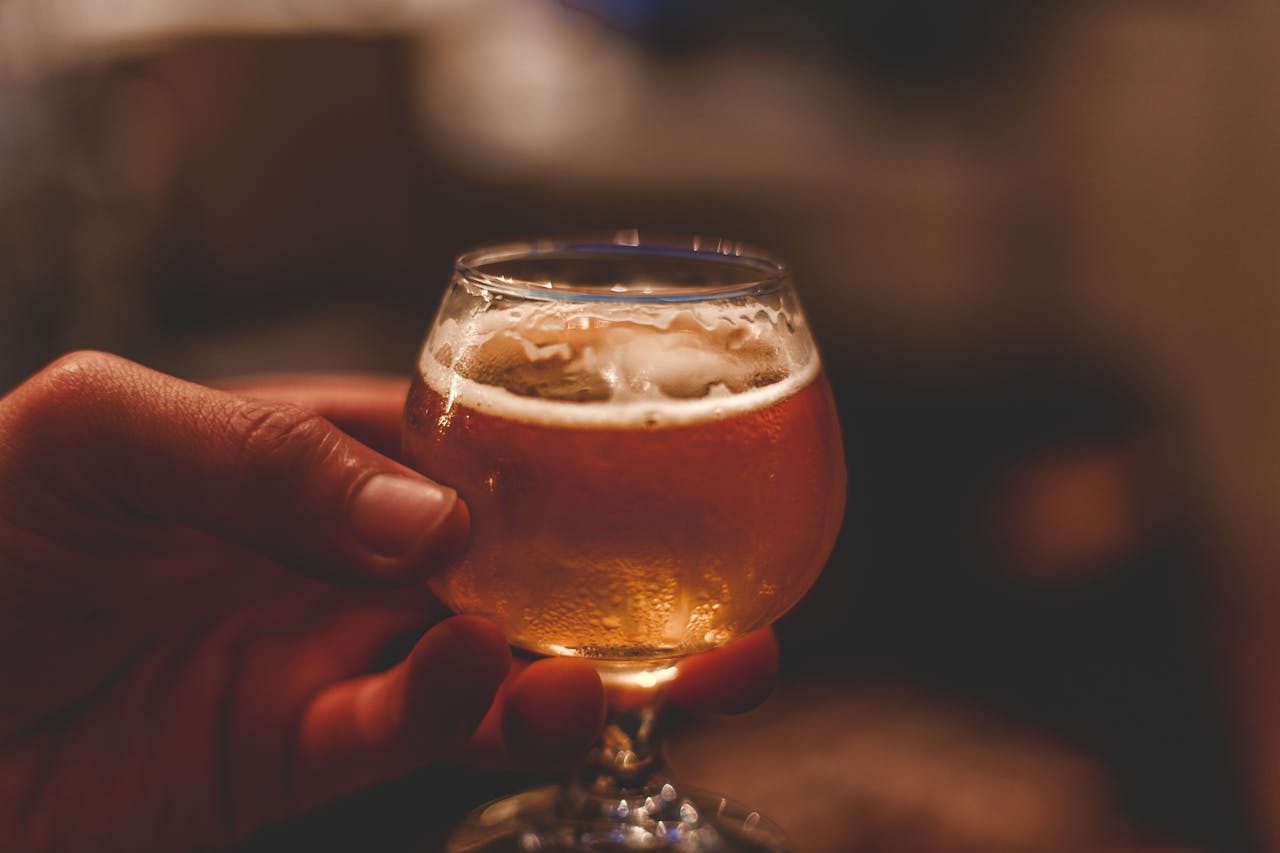
Genesee Cream Ale once gave drinkers in the Northeast a bridge between basic lagers and richer ales, with a smooth, slightly sweet profile. It built quiet loyalty across upstate New York and beyond, especially in blue collar towns. As craft breweries experimented with their own cream ales and lighter styles, the original lost some ground outside its strongholds. The brand still inspires real affection, but orders often come from those who grew up with it rather than new converts.