10 Everyday Foods Banned From Sale During World War II

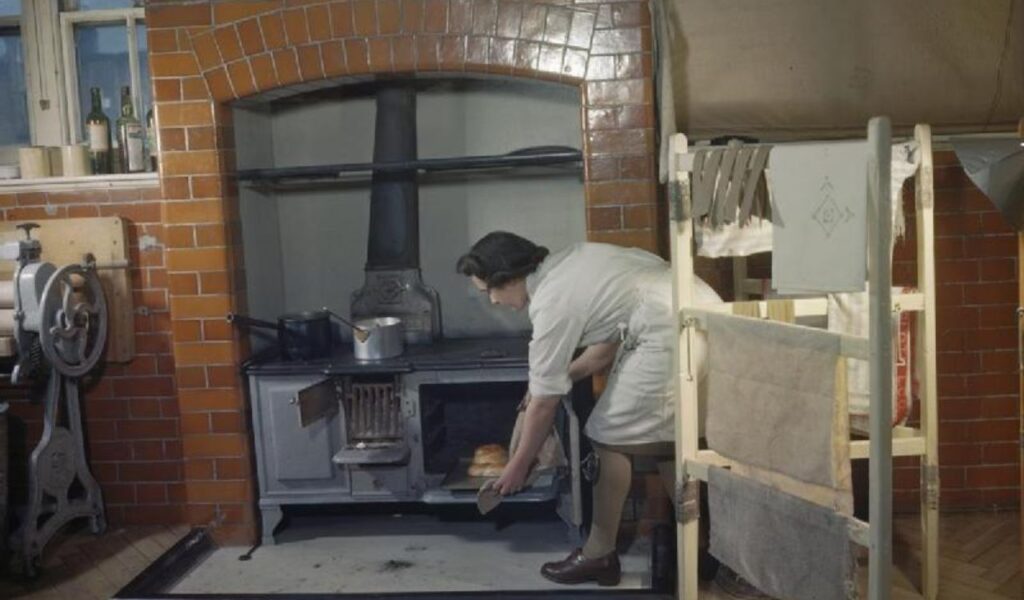
On the home front, World War II showed up less in speeches and more in pantries. Governments treated grocery shelves like supply lines, redirecting ships, farms, and factories toward soldiers first. Some foods were rationed, others disappeared completely under outright bans or production orders. Families rewrote recipes, queued with coupons, and watched favorite treats vanish overnight. What had once been casual snacks or simple comforts suddenly felt distant, tied to convoys, air raids, and careful planning.
Bananas In Wartime Britain
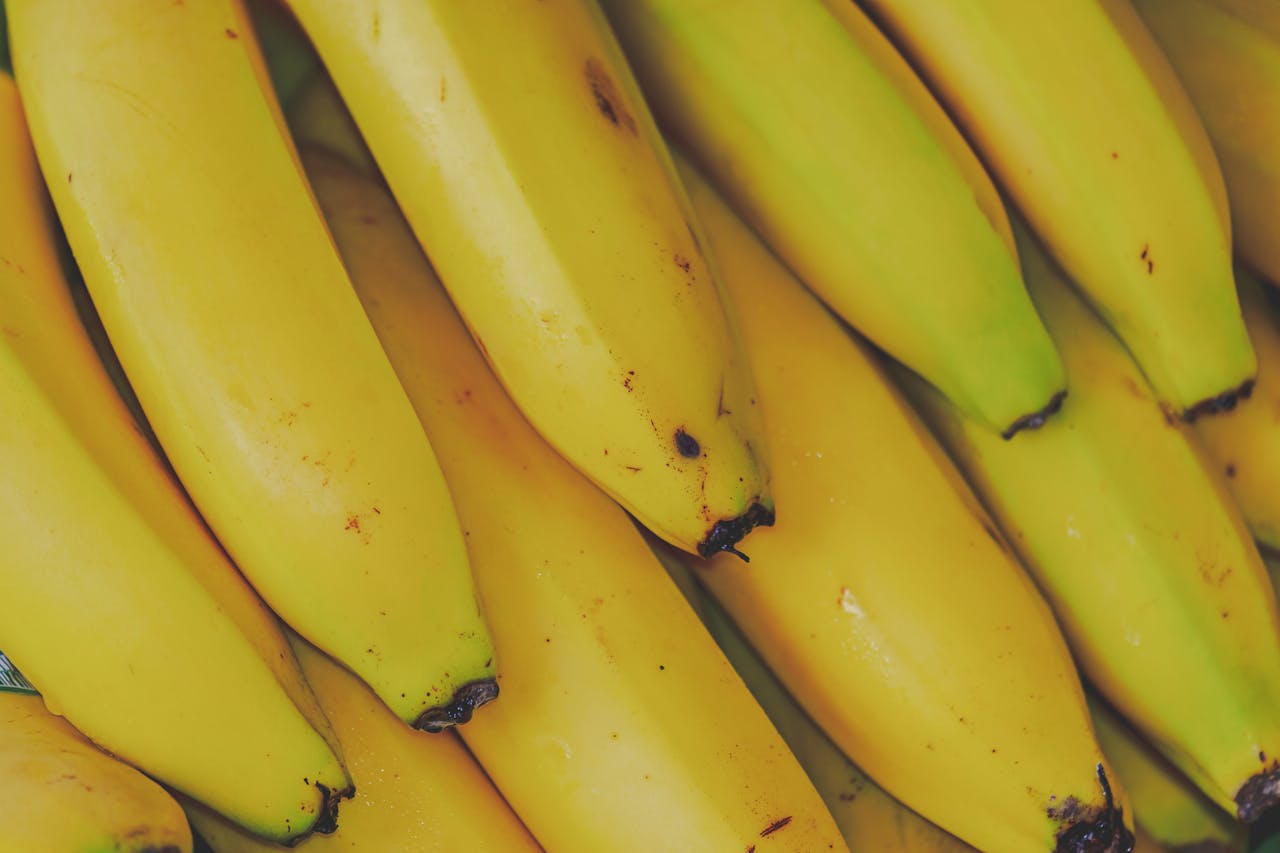
Before the war, bananas were cheap, cheerful, and shipped in constantly. Once U boats began targeting merchant convoys, British officials banned banana imports so precious cargo space could go to grain and fuel. For a whole generation of children, bananas became almost mythical. Mothers spoke about their taste in the past tense, and newspapers later ran photos of kids trying them for the first time after victory. A basic fruit turned into a symbol of peacetime.
Ice Cream In Embattled Cities

Ice cream relied on sugar, dairy, refrigeration, and delivery trucks, all of which were pulled into the war effort. In Britain and parts of Europe, governments restricted or banned commercial ice cream production so milk and cold storage could support hospitals and military kitchens instead. Summer treats turned into watery puddings, flavored ices, or homemade custards with very little sugar. For many children, the sound of a real ice cream churn became part of a distant, prewar world.
Sliced Bread In The United States
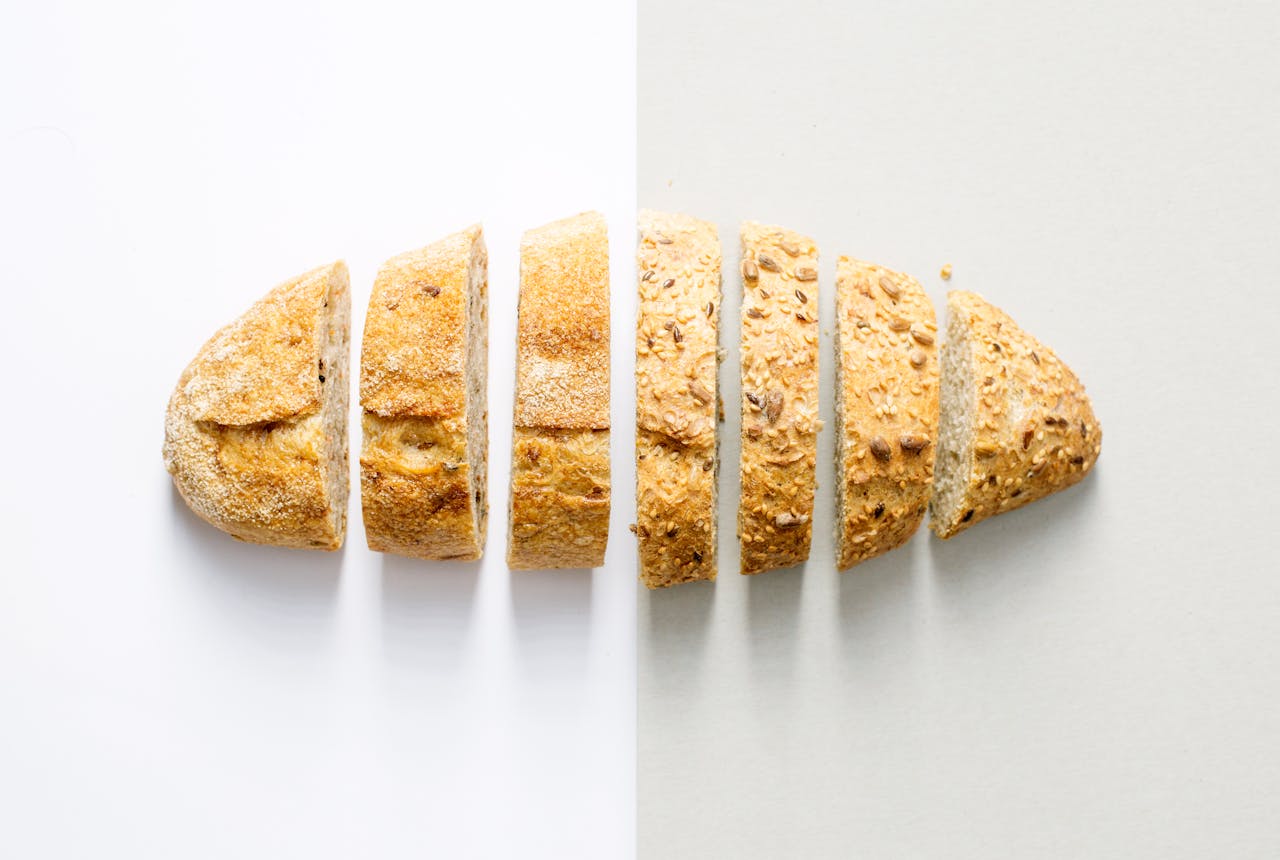
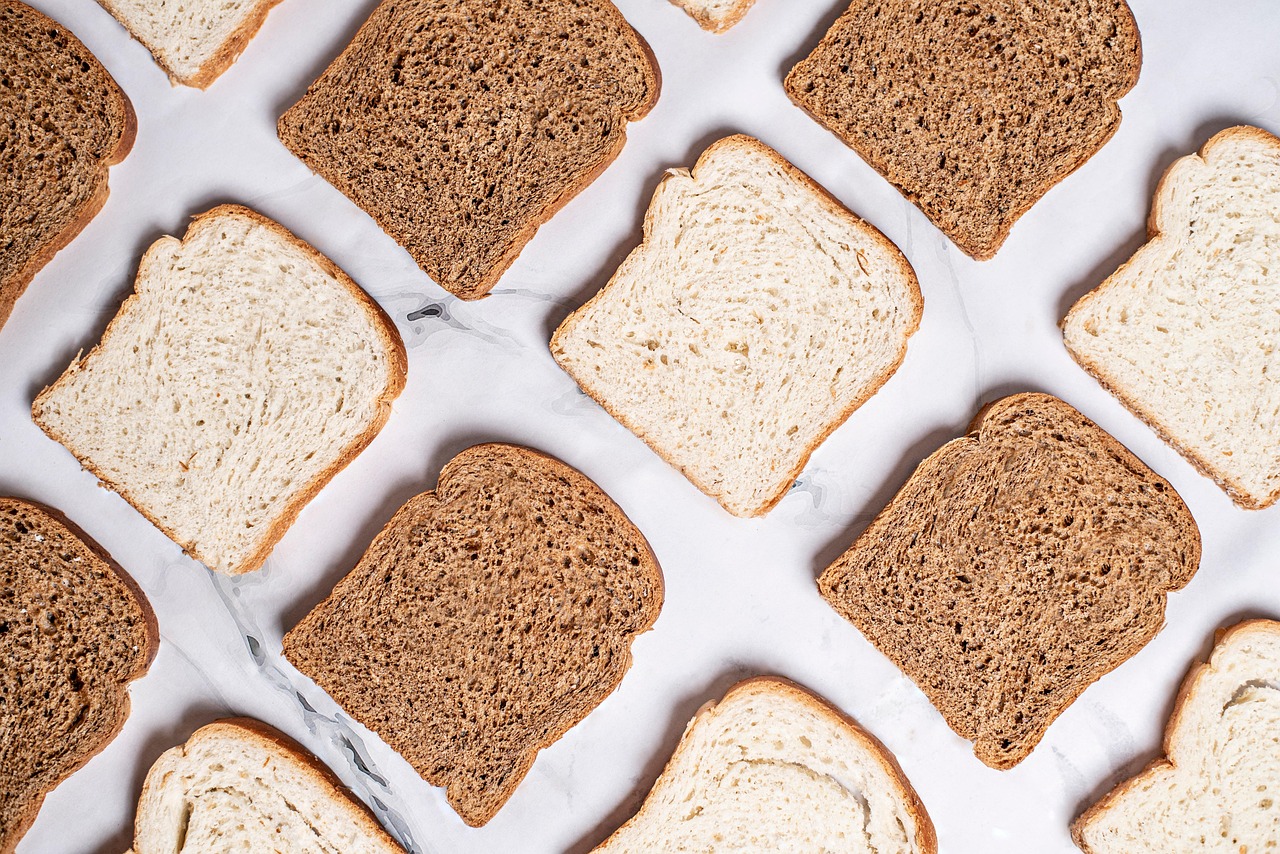
In early 1943, American shoppers walked into bakeries and found a surprise. Neatly sliced loaves had been replaced with whole ones, after officials banned sliced bread to save on waxed paper and industrial blades. Housewives complained in letters to editors about jagged sandwiches and the extra time needed each morning. The policy did not last long, but it proved how fast a small convenience could feel essential once it was removed from daily life.
White Bread In Britain
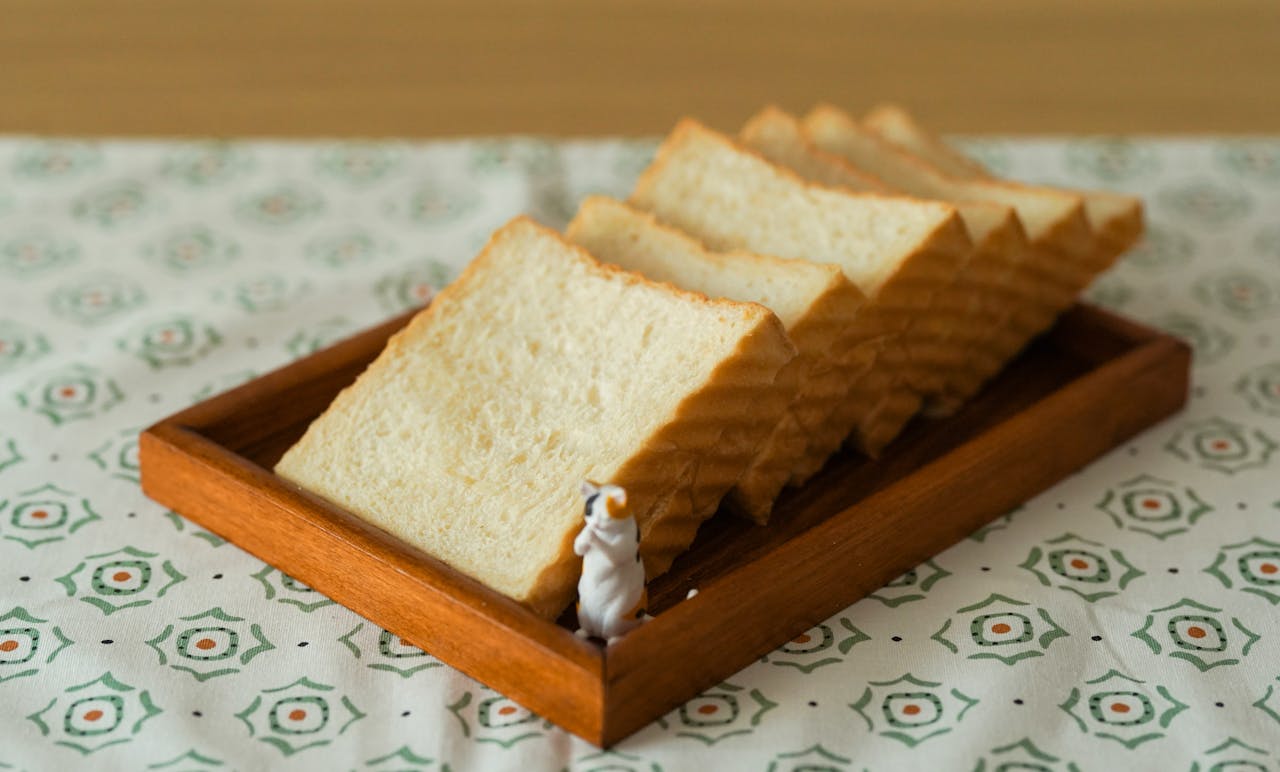
White bread was once a soft, reliable comfort on British tables. Wartime grain shortages and shipping risks pushed the government to ban highly refined flour and replace it with a darker National Wheatmeal Loaf. Bakers had to use more of the whole grain, producing loaves that were heavier, denser, and often unpopular at first bite. Over time, nutritionists noted that this enforced shift quietly improved public health, even as many people counted the days until white bread returned.
Milk Chocolate Bars
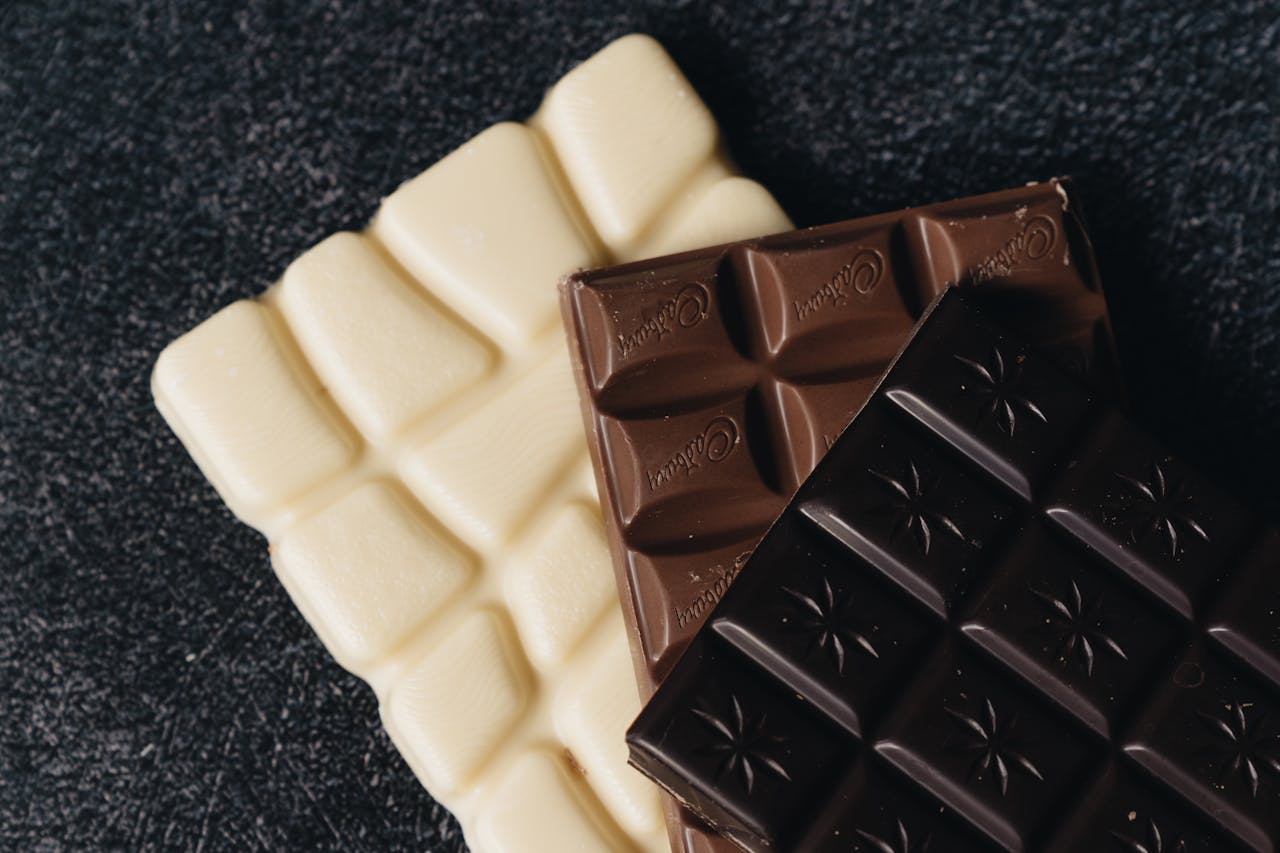
Milk chocolate sat at the intersection of sugar, cocoa, and fresh dairy, all under pressure during the war. In Britain, manufacturers were ordered to stop using fresh milk, leading to thinner, chalkier bars made with dried milk or other substitutes. On top of that, chocolate itself went under strict rationing, so even the inferior versions were rare. Children hoarded coupons for birthdays and holidays, and a single square of chocolate could turn into a shared family event.
Sugar In U.S. Kitchens
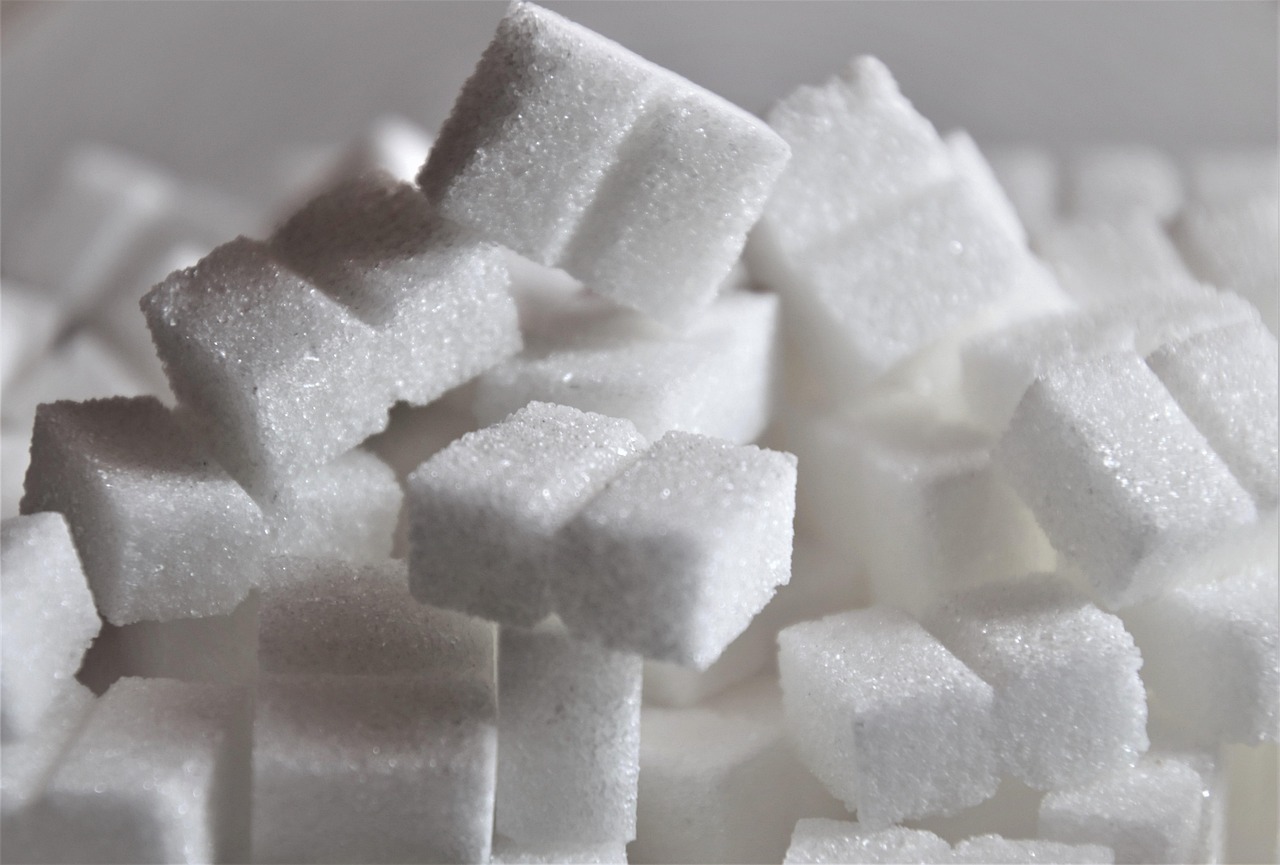
Sugar looked simple in a bowl but represented ships, plantations, and industrial supply chains spread across oceans. The United States froze sugar sales in 1942, then reintroduced them under a rationing system that sharply cut civilian use. Home bakers adapted with corn syrup, honey, or mashed fruit, and cookbook writers churned out pamphlets full of substitute desserts. Holiday baking shrank, frosting layers thinned, and every cup of sugar measured out carried a sense of weight.
Coffee On The Home Front
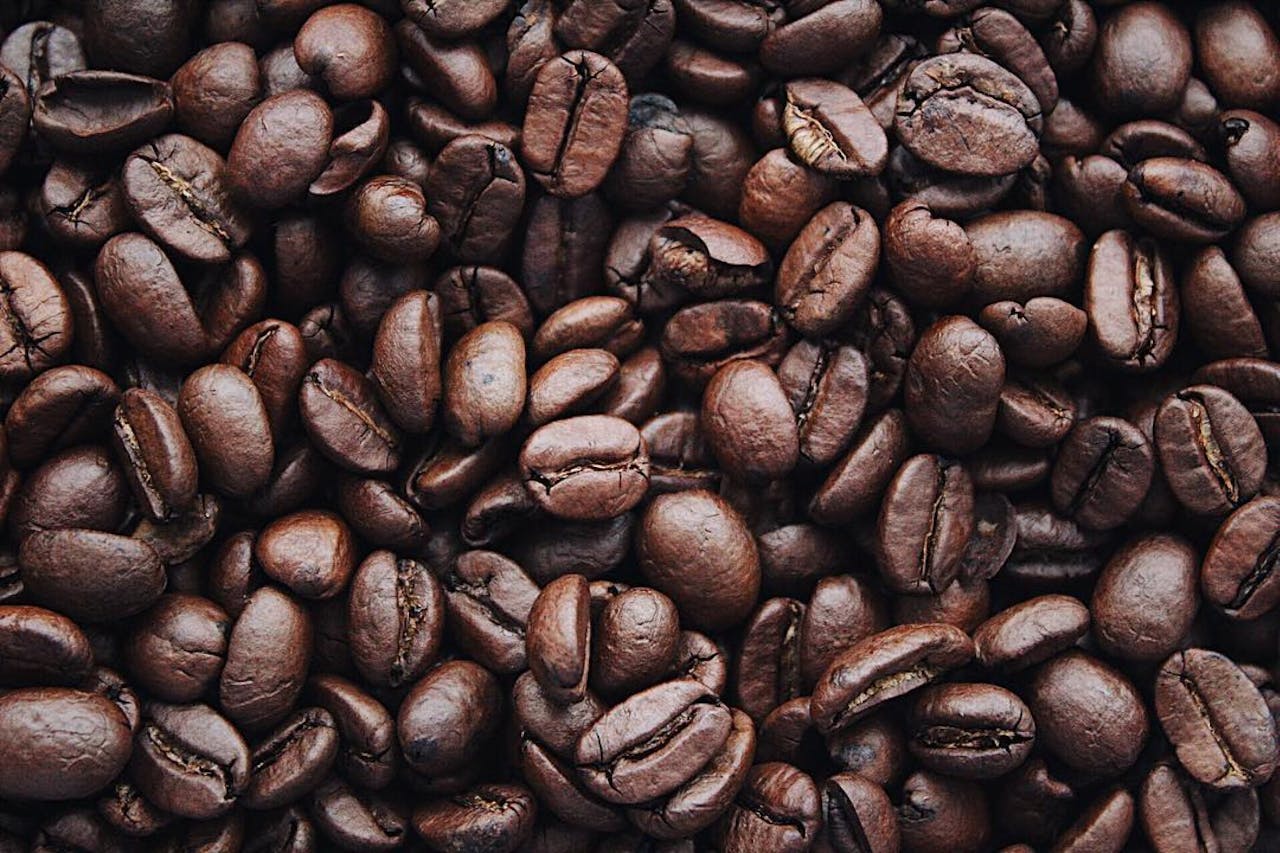
Coffee was another everyday ritual reshaped by war. When shipping lanes tightened and imports dropped, the U.S. government imposed strict coffee rationing, limiting each person to a small allotment every few weeks. Cans disappeared quickly from shelves, and households stretched grounds, brewed weaker pots, or turned to chicory and grain blends. The morning cup still happened, but it became a quieter, thinner version of the comfort people remembered from peacetime.
Butter At The Back Of The Fridge
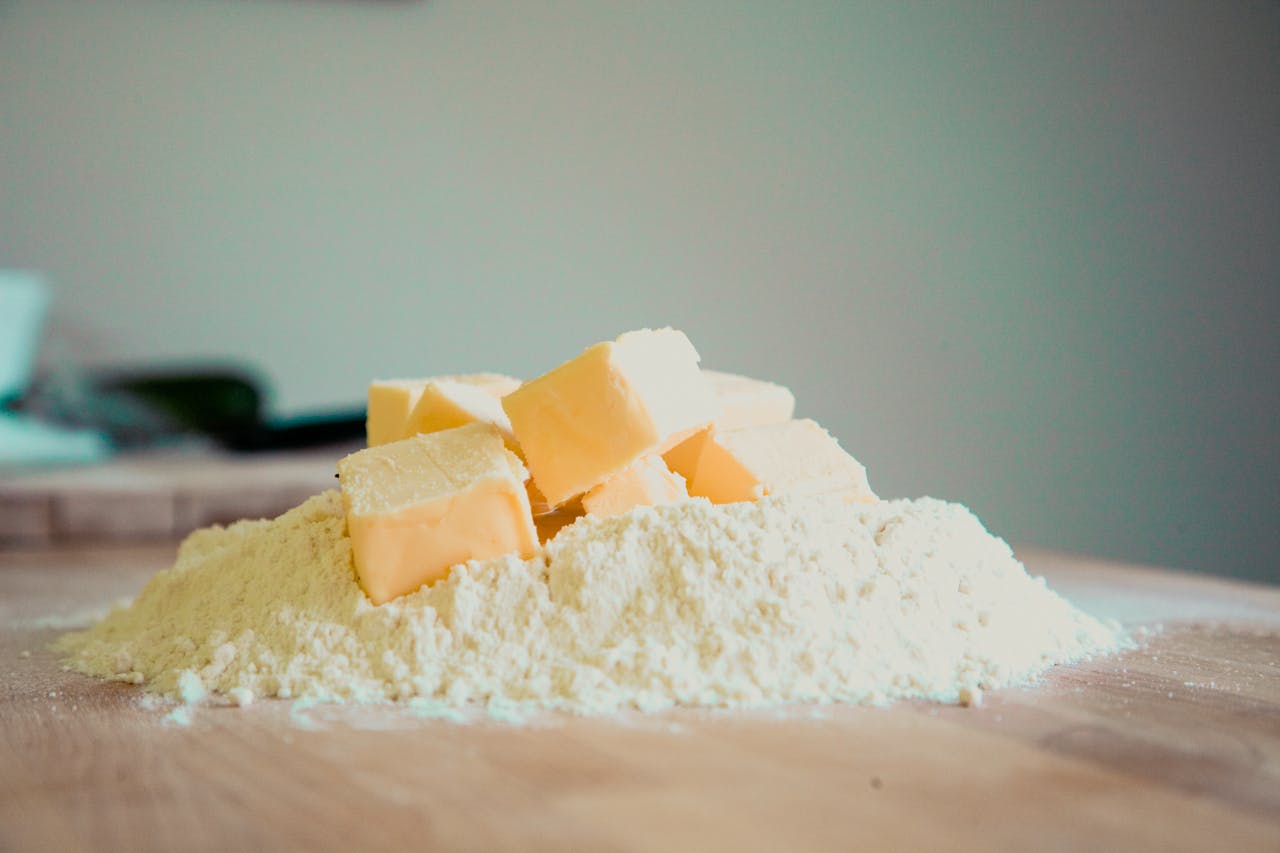
Butter depended on dairy herds, feed, and refrigerated transport, all under strain in wartime. In both Britain and America, butter allowances were cut to a few ounces per person per week, with military and hospital needs coming first. Families learned to make do with margarine, rendered fat, or drippings saved in jars. Real butter often stayed hidden for Sunday dinners, special guests, or holiday baking, turning a simple smear on toast into something close to luxury.
Canned Convenience Foods
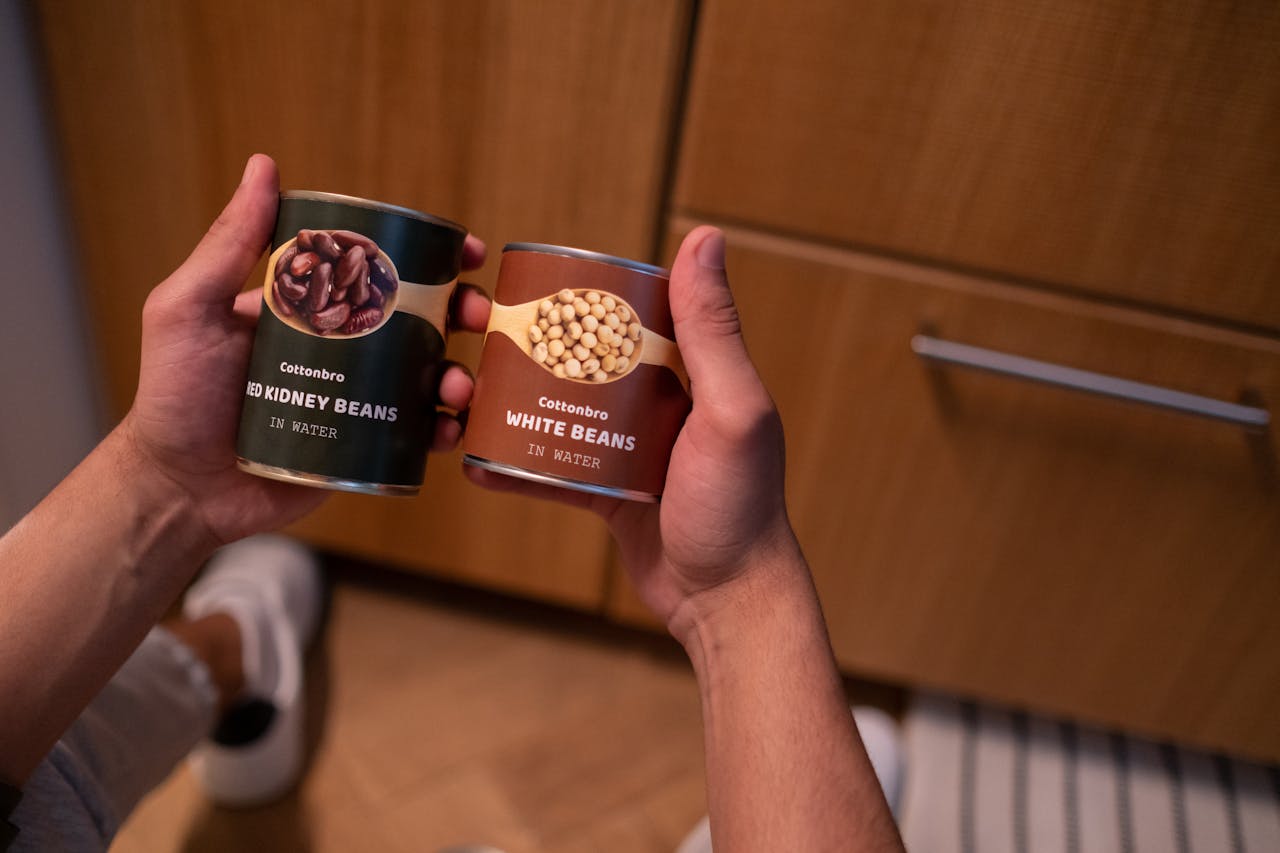
Before the war, canned soups, fruits, and vegetables had already transformed kitchen work. Once the conflict deepened, tin, steel, and factory lines were needed for rations and ammunition. Many canned foods fell under tight rationing or vanished for stretches as plants shifted production to military contracts. Shoppers found gaps on shelves where familiar labels used to sit. Home canning and preserving surged again, as families tried to reclaim some control over what stayed in their cupboards.
Pet Food In Metal Cans
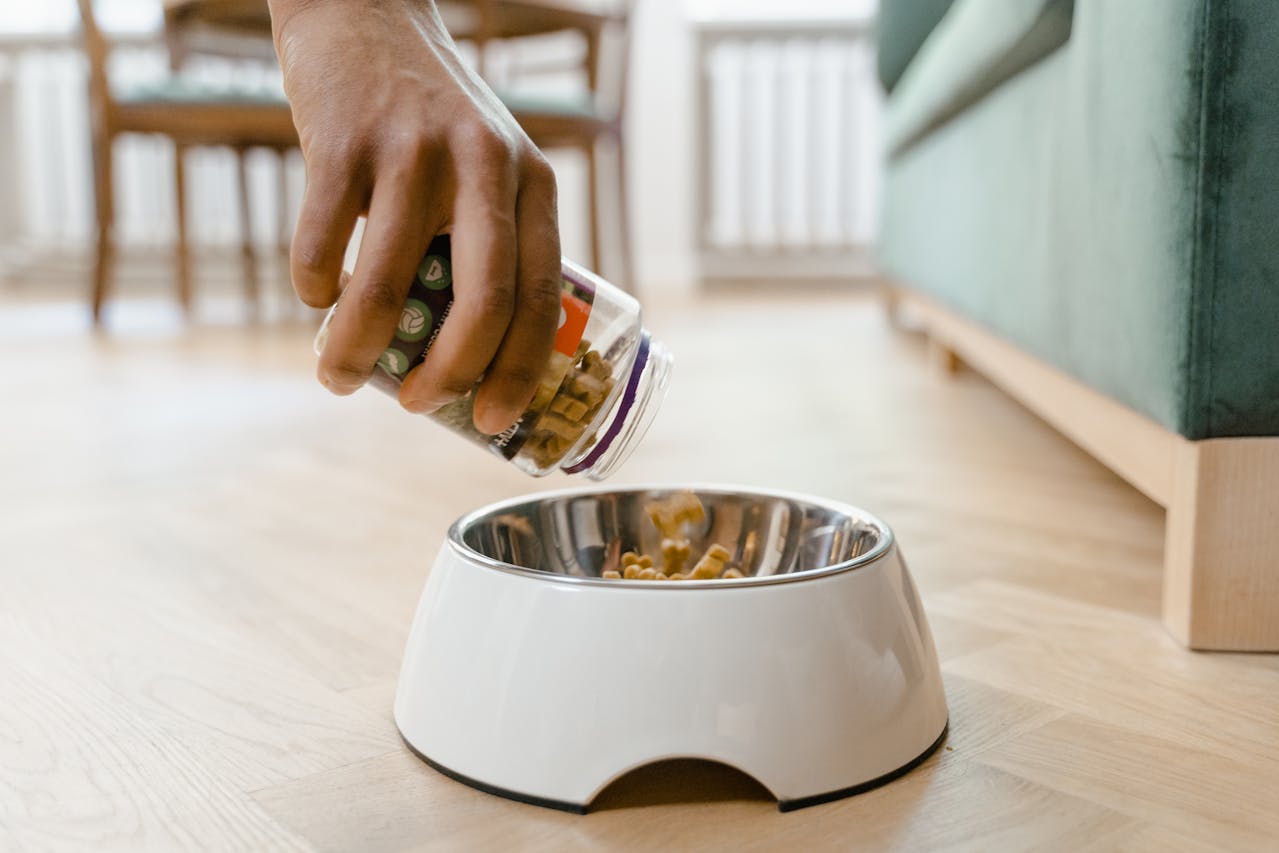
Even family pets felt the reach of wartime bans. In the United States, canned dog food was pushed off the market so metal could go into ration tins and weapons. Companies rushed to sell dehydrated or bagged options instead, and owners had to adjust feeding habits. For many households, the change was a daily reminder that this was not a normal shortage. Every scrap, down to the can in the dog’s bowl, had been enlisted.