13 Food Items in America That Are Total Rip Offs


Some foods in America are undeniably tempting, the kind you reach for without a second thought because they feel familiar, fun, or comforting. Yet behind many of these everyday favorites lies a surprising truth: you’re often paying premium prices for items that cost only pennies to make. From nostalgic snacks to trendy café staples, these deceptively simple foods have mastered the art of looking irresistible while quietly stretching your wallet. As you explore this list, you’ll uncover the clever marketing, convenience pricing, and hidden markups that turn ordinary bites into costly indulgences, giving you a clearer view of what’s truly worth your money.
1. Movie Theater Popcorn

There’s a ritual to movie popcorn: the warm, buttery aroma that makes a theater feel like an event. The problem is price: what you’re paying for is convenience and atmosphere, not ingredients. Kernels, oil, and a seasoning blend are inexpensive at scale, yet theaters mark up tubs and buckets heavily because most venues rely on concession margins to stay profitable. Portion sizes are often engineered to look generous while costing little to produce. Add a butter-flavored topping or proprietary seasoning and the price climbs further, though the actual cost remains small. For many patrons the splurge feels tied to tradition, even if the economics don’t justify the markup.
2. Bottled Water at Airports
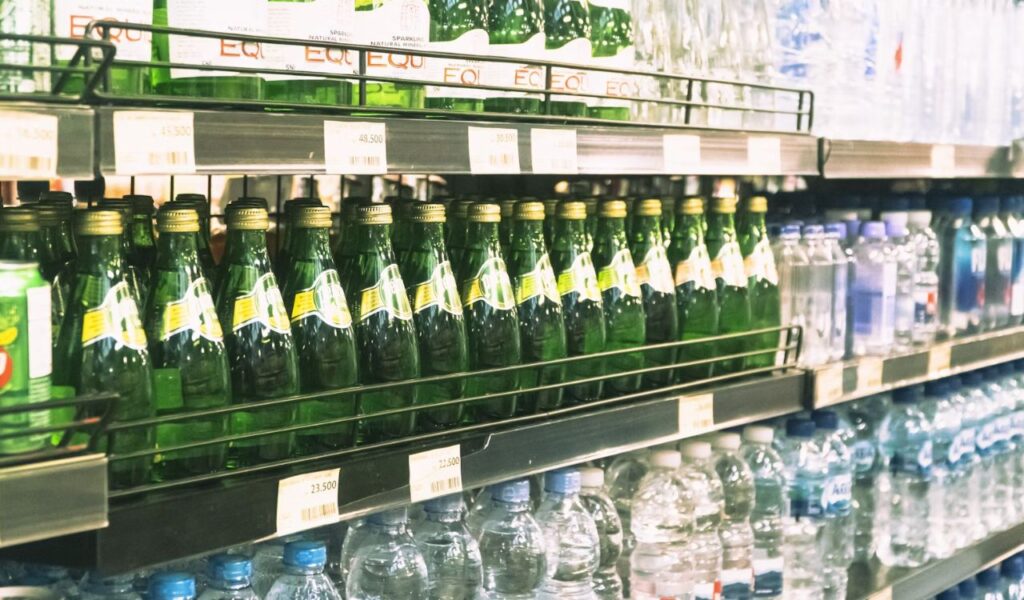
Buying bottled water at an airport feels like charging for oxygen; markup is the reality. Bottled water involves transportation, retail overhead, and convenience pricing, and airports often charge a premium because travelers have limited options past security. Bottles are small-lot inventory items with long shelf life, yet the consumer sees high prices due to rent, concession agreements, and the expectation that people will pay rather than carry a refillable bottle. Many airports now offer water refill stations to reduce costs and waste, but if you buy one-off bottles you’re effectively paying for exclusivity and immediate access rather than superior quality.
3. Theme Park Snacks and Drinks

Theme parks monetize delight, and that extends to snacks and drinks priced far above supermarket or local-cafe levels. Concessions are curated for impulse purchase with compact packaging, themed presentation, and strategic placement along high-traffic routes. Operating costs inside parks are higher, from staffing to waste management, but profit margins remain substantial. Specialty or themed items like giant turkey legs, novelty desserts, and souvenir cups create perceived value beyond the food itself. For many visitors, the convenience and spectacle justify the markup even when the food itself offers limited culinary value.
4. Avocado Toast at Cafés

Avocado toast became shorthand for elevated simple foods, and with that came a price premium that often outstrips ingredient cost. A slice of quality bread, half an avocado, a dash of olive oil, and seasoning is inexpensive when bought in bulk, yet cafés charge for preparation, plating, and perceived trendiness. Add extras, poached egg, feta, microgreens and the price rises further. Labor, café rent, and the promise of a curated aesthetic factor into price, but consumers are often paying more for presentation and the idea of artisanal sourcing than for raw input cost. It remains tasty and convenient, yet not always an economical breakfast choice.
5. Pre-Cut Fruit Packs

Pre-cut fruit sells convenience at a steep markup because labor and packaging are built into the price. Cutting, washing, and sealing fruit requires time, sanitary handling, and refrigerated display, which stores bill back to the consumer. Still, the per-pound cost of pre-cut fruit can be substantially higher than whole fruit bought and prepared at home. The tradeoff is obvious: ready-to-eat fruit reduces prep time and waste for busy shoppers, but it also often sacrifices peak freshness and flavor compared with whole fruit cut just before eating. If you care about cost-efficiency and longevity, buying whole produce wins.
6. Gourmet Cupcakes

Gourmet cupcakes sell craftsmanship, decoration, and novelty more than bulk value. A cupcake’s ingredients, flour, sugar, butter, eg,g are modest in cost, but labor-intensive decoration, specialty frostings, and boutique presentation justify higher prices in bakeries. Custom flavors, small-batch quality control, and visually polished toppings create perceived scarcity that supports premium pricing. For celebrations and gifts, paying extra for artistry makes sense; but mass-market comparisons show that per-serving cost is often far beyond what the ingredients alone would suggest. In short, you’re paying for the baker’s time, design, and the social signal of a handcrafted touch.
7. Truffle Oil Dishes

Truffle oil commands a culinary reputation that can make dishes feel luxurious, yet most commercial truffle oils are synthetic or concentrated infusions that offer aroma more than nuanced flavor. Restaurants apply it sparingly, drizzled over fries, pasta, or mashed potatoes, then bill the dish up to reflect perceived decadence. The economics are skewed: a few drops dramatically alter perceived sophistication, but actual truffle content may be minimal. True fresh truffles are expensive and fleeting; truffle oil is often a cheaper shortcut that markets affluence. For diners seeking authenticity, look for dishes using fresh shavings or clear sourcing instead of aromatic oil alone.
8. Fancy Coffee Drinks

Specialty coffee drinks turned milk, syrup, and espresso into a profitable category by adding customization, barista skill, and brand experience. A latte or flavored espresso beverage uses base ingredients that cost little per cup, but cafés charge for craftsmanship, atmosphere, and the labor of pulling shots and steaming milk. Seasonal syrups, alternative milks, and elaborate presentations further increase prices. Part of what you pay for is consistency and convenience; another part is the brand’s cultural cachet. If you make similar drinks at home, the raw cost drops dramatically, though few home setups match the speed or uniformity of café service.
9. Organic or “Artisan” Ice Cream Pints

Artisanal and organic ice cream pints promise elevated ingredients, organic dairy, single-origin chocolate, and exotic mix-ins, and they charge accordingly. These higher costs reflect sourcing standards, smaller production runs, and brand positioning rather than just raw fat and sugar content. For consumers who prioritize ingredient provenance, ethical sourcing, and unique flavor development, the price can feel justified. But comparing base ingredient costs, premium labels often mark up similar product structures substantially. For everyday consumption, the price-to-scoop value is usually lower than mass-market tubs.
10. Smoothie Bar Drinks

Smoothie bars sell health, convenience, and personalization, but their price tags frequently reflect branding more than per-serving raw ingredients. Fruit, yogurt, juice, and supplements are inexpensive in volume, yet labor, equipment, and fresh handling increase retail cost. Proprietary blends, boosters like protein powders or superfood add-ins, and single-serve packaging push prices higher. Smoothies are convenient meal replacements, but portion density and sugar content vary widely. If you compare calories and nutrients per dollar to homemade blends, many commercial smoothies are less economical.
11. Hotel Room Service Food

Room service monetizes immediate convenience and privacy into steep food prices. Beyond food costs, hotels add service fees, delivery, and staffing charges, and items are often plated and transported in ways that preserve appearance rather than optimize value. Menu pricing assumes guests will accept higher costs for in-room dining, especially after long travel days or late arrivals. Portions may be smaller or simplified compared with main restaurant offerings, but prices can rival or exceed those at quality local restaurants. If you value ease and discretion, the premium is understandable; for budget-sensitive travelers, order takeout from town or bring snacks to avoid inflated hotel margins.
12. Gas Station Snacks
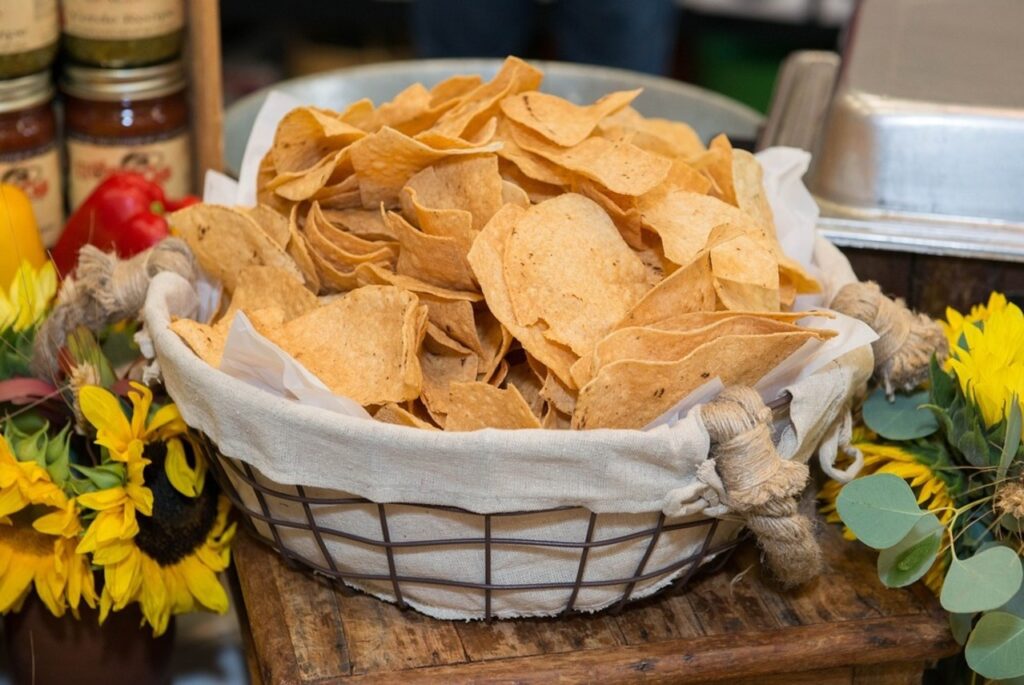
Gas station snacks thrive on impulse purchase and convenience, not on competitive pricing. Single-serve chips, candy bars, and packaged sandwiches are priced to reflect immediate availability rather than culinary value. Limited refrigeration, high inventory turnover, and the need to serve travelers in brief windows justify higher per-unit costs. Many items are packaged for portability and shelf stability, which inflates unit cost compared with buying larger packs at a supermarket. For a quick fuel-and-food stop, the convenience is unmatched, but the same snack is often considerably cheaper purchased elsewhere.
13. Branded Cereal Boxes
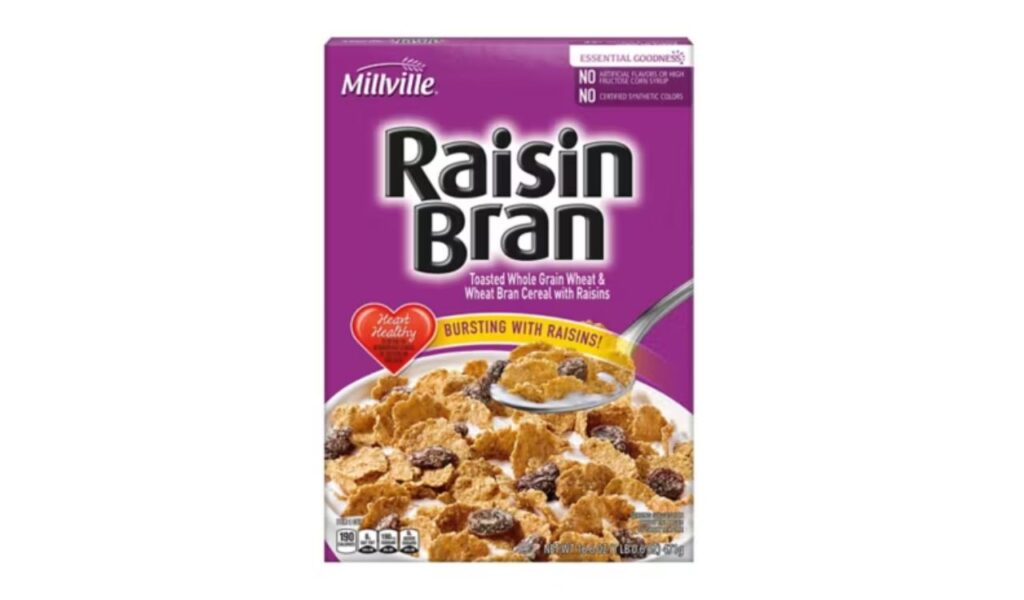
Branded cereal boxes sell nostalgia, character tie-ins, and marketing more than nutritional or ingredient superiority. Mascots, licensed characters, and clever packaging entice children and trigger impulse purchases; manufacturers offset lower per-unit margins with advertising and shelf presence. Premium or novelty cereals add marshmallows, colors, or licensed tie-ins and command higher prices for perceived entertainment value. If you compare cost per serving and ingredient lists, many name-brand cereals deliver inflated prices for branding and convenience. For a more economical breakfast, generics or oats provide similar calories for a fraction of the cost.