10 Viral Ramen Upgrades That Add Cost Not Flavor

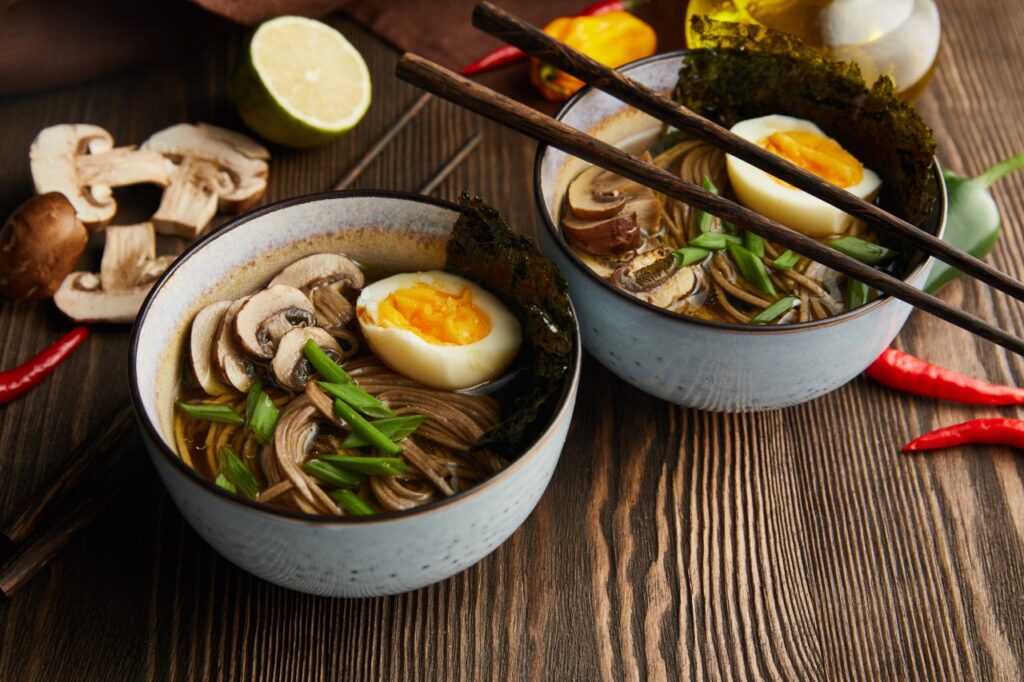
Ramen has always been about balance. A well-built bowl layers broth, noodles, fat, and toppings with intention, creating depth from simple ingredients. Even instant versions can shine with thoughtful additions.
But in the age of viral food trends, upgrades often chase spectacle over substance. Luxury toppings, shimmering garnishes, and dramatic melts promise indulgence, yet not every addition improves flavor.
This list looks closely at popular ramen upgrades that raise the price more than they raise the taste. If you love a satisfying bowl, you may be surprised by which extras are more about show than substance.
1. Gold Leaf Garnish
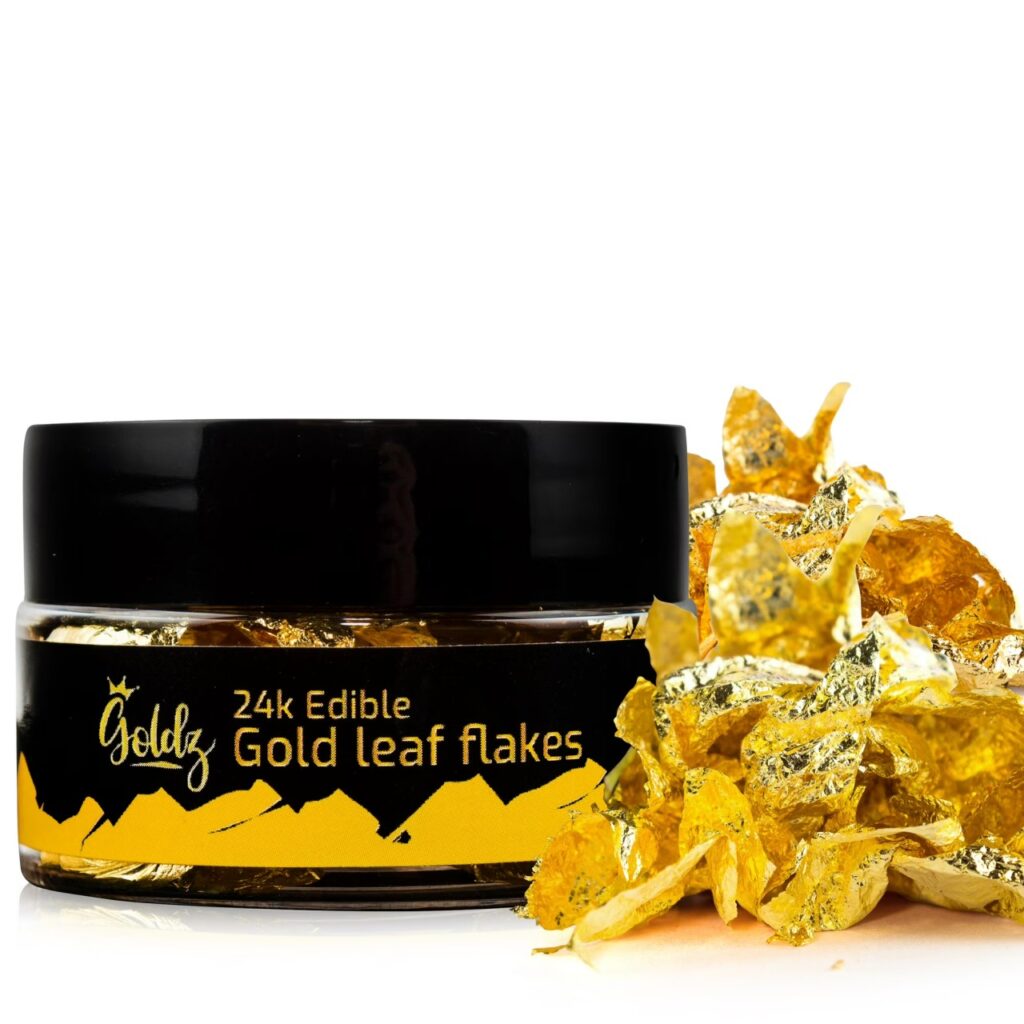
Few toppings photograph as dramatically as gold leaf drifting across a bowl of ramen. The shimmer immediately signals luxury and exclusivity, turning a simple dish into something that looks ceremonial. It is designed to impress before the first bite is taken.
From a culinary standpoint, gold is inert. It has no flavor, no aroma, and no meaningful texture. It does not melt into broth or react with fat or salt. It simply rests on the surface as decoration.
Because gold carries cultural associations with wealth and celebration, it justifies a higher menu price. Yet the diner pays for visual spectacle alone. The sensory experience of the ramen remains unchanged despite the added cost.
2. Wagyu Beef Topping
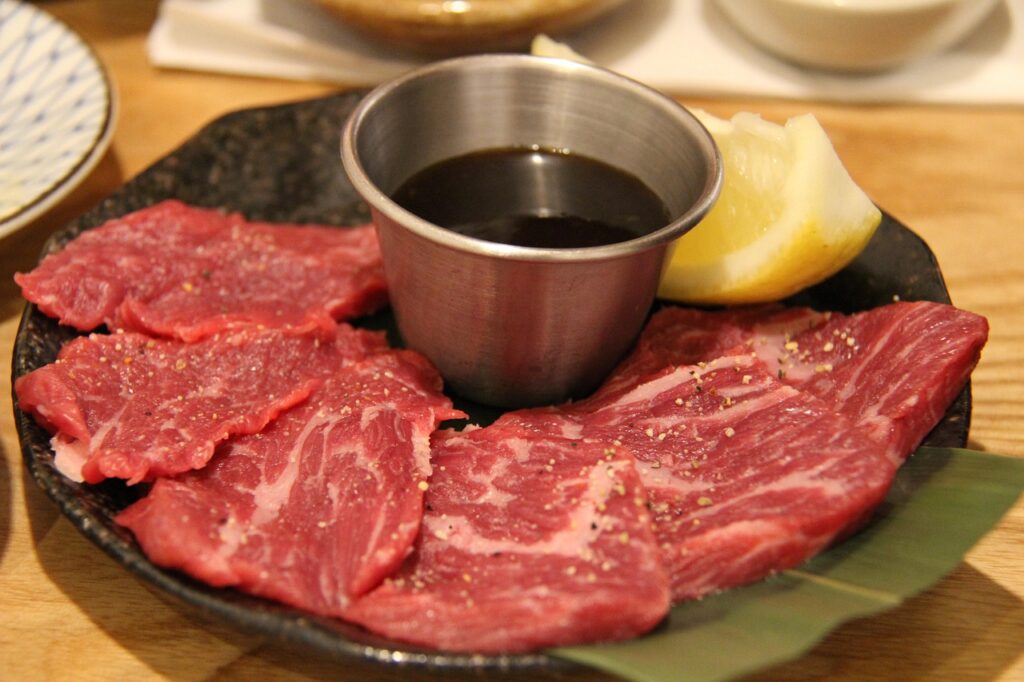
Wagyu beef earns its reputation through intense marbling and a soft, buttery mouthfeel. In controlled cooking methods like searing or grilling, its fat melts slowly and coats the palate with subtle sweetness and depth.
Ramen presents a different environment. The broth is hot, salty, and already rich with pork fat or soy-based umami. Thin slices of wagyu release their fat quickly into the liquid, reducing the distinct texture that makes the meat exceptional.
The price premium for wagyu is significant. While the name elevates the bowl on paper, much of its delicate character disappears in a powerful broth, making the upgrade more symbolic than transformative.
3. Caviar Spoonful
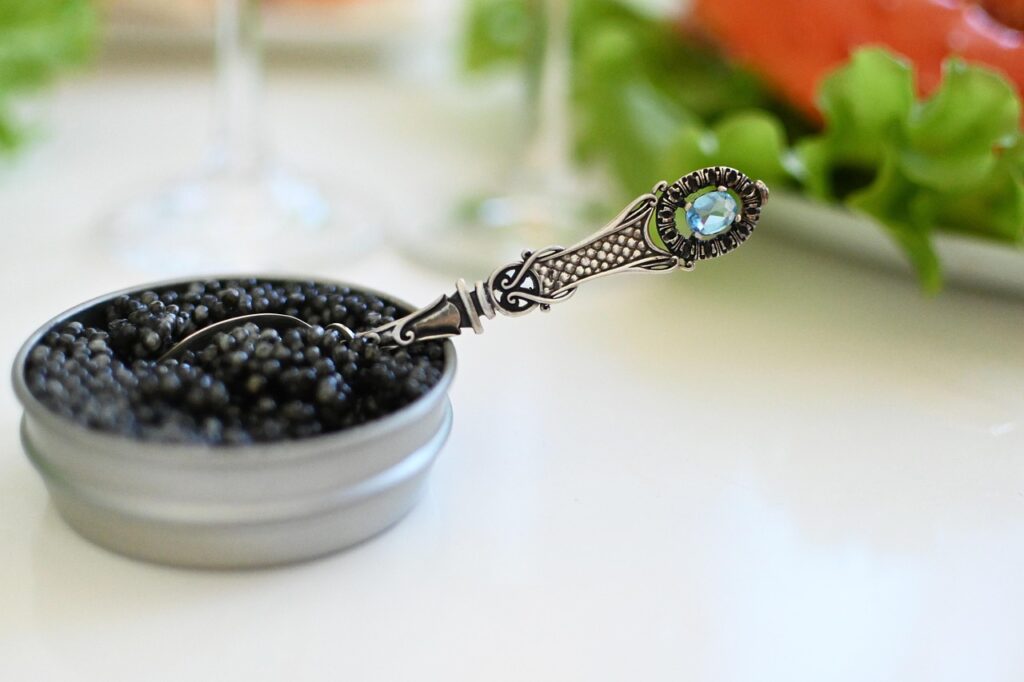
Caviar adds immediate drama to ramen. The glossy pearls create contrast in color and texture, offering visual luxury that stands out in photos and videos. The appeal is instant and unmistakable.
Ramen broth already carries strong umami and salt from soy sauce, miso, or seaweed. Caviar introduces additional salinity and briny notes that may overlap rather than complement. The heat of the soup can also mute its more delicate nuances.
True caviar commands a high market price, even in small quantities. Although visually striking, it often fails to integrate smoothly with the established flavor balance, raising cost more than complexity.
4. Lobster Tail Addition
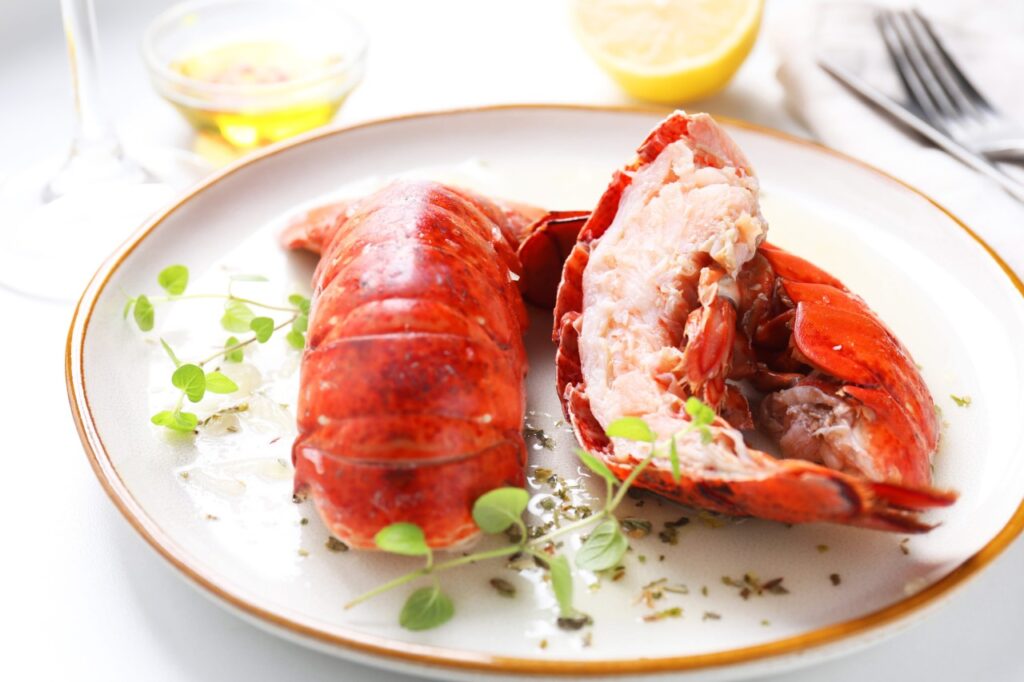
A lobster tail placed atop ramen suggests abundance and indulgence. Its bright color and curved shape make it an attention-grabbing centerpiece that elevates the bowl’s appearance instantly.
Lobster’s natural sweetness and tender texture shine in simple preparations. In a strongly seasoned ramen broth filled with garlic, soy, and pork fat, that sweetness can be overshadowed. Prolonged contact with hot soup may also firm the meat beyond its ideal texture.
The ingredient is expensive compared to noodles and stock. While it enhances presentation, the actual flavor gain in a bold broth can be modest relative to the price increase.
5. Foie Gras Slice
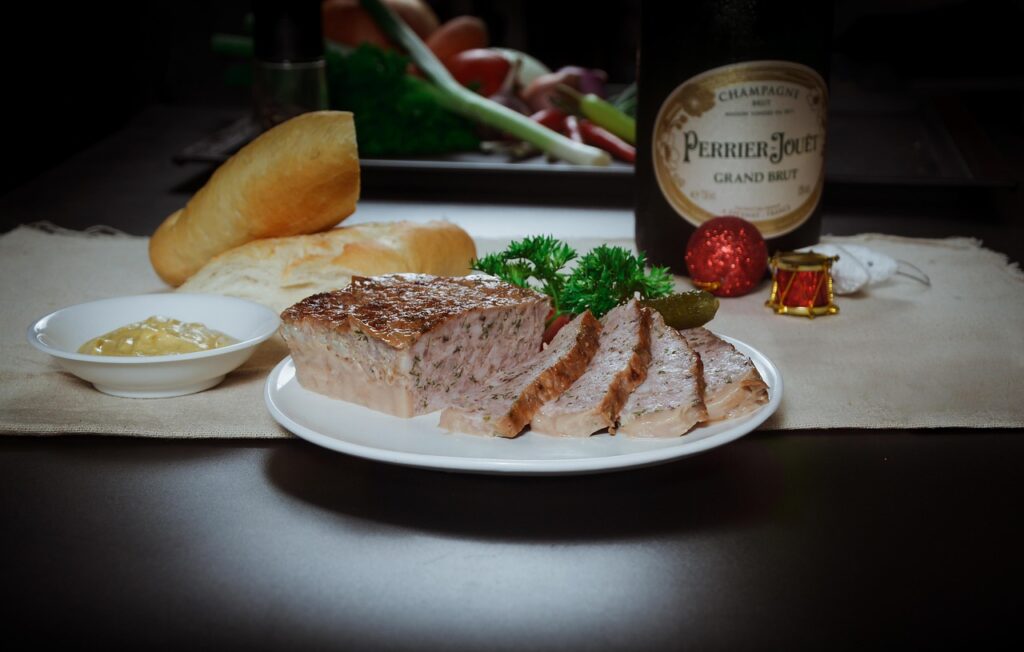
Foie gras is prized for its silky texture and concentrated savory depth. In dishes built around restraint, it delivers a luxurious, almost custard-like richness that lingers on the palate. Its appeal lies in nuance and controlled portioning.
Ramen, however, already carries significant fat from pork bones, chicken stock, or miso. When foie gras is placed on a steaming bowl, it melts quickly and disperses into the broth. Instead of standing out, it blends into an already rich base.
The result can feel heavier rather than more complex. Given its high price per ounce, even a small slice raises the total cost sharply. The indulgence is visible, but the flavor payoff is often subtle compared to the expense.
6. Oversized Butter Pat
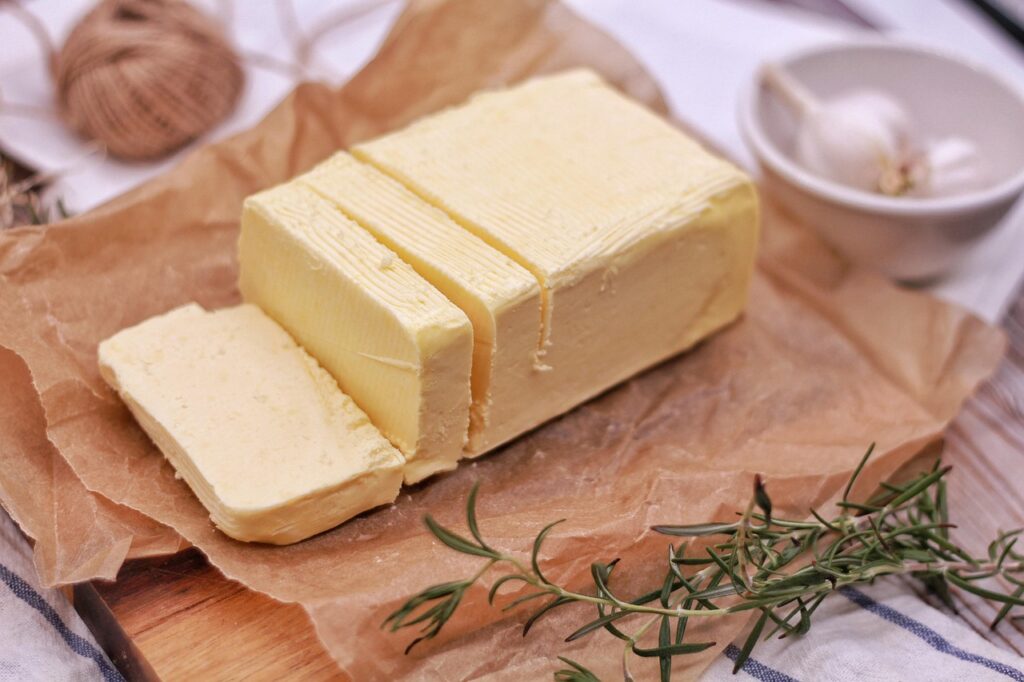
Butter has legitimate roots in certain regional ramen styles, where a modest amount softens salt and rounds out sharp edges. In controlled portions, it can add gentle sweetness and smoothness.
When the pat becomes oversized, balance shifts. The butter melts into the surface, forming an oily layer that mutes aromatics like garlic, scallions, or sesame. Instead of enhancing the broth, it can dull its clarity.
Butter itself is affordable, yet repeated heavy use increases cost and calories without proportional flavor gain. The dramatic melting effect may look appealing, but the improvement in taste often plateaus quickly.
7. Cheese Blanket Melt
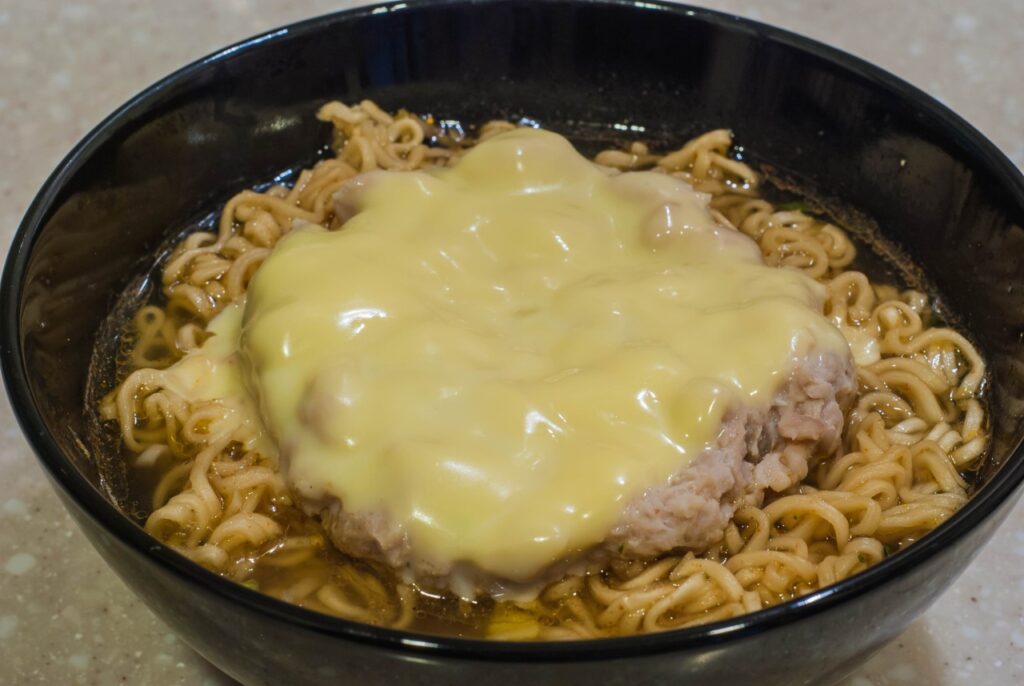
Few ramen trends are as camera-ready as a melted sheet of cheese draped over steaming noodles. The stretch and glossy surface make it instantly shareable. Visually, it turns a simple bowl into something indulgent and dramatic.
Ramen broths rely on balance. Salt, fat, and umami are layered through stock, tare, and aromatic oils. When cheese melts in, it adds dairy sweetness and thickness that blur those layers. The broth can lose clarity and aromatic lift.
Higher-end cheeses raise costs, yet even basic slices shift focus toward texture over depth. The bowl feels heavier and richer, but the nuanced complexity that defines good ramen often becomes less clear.
8. Sea Urchin Topping
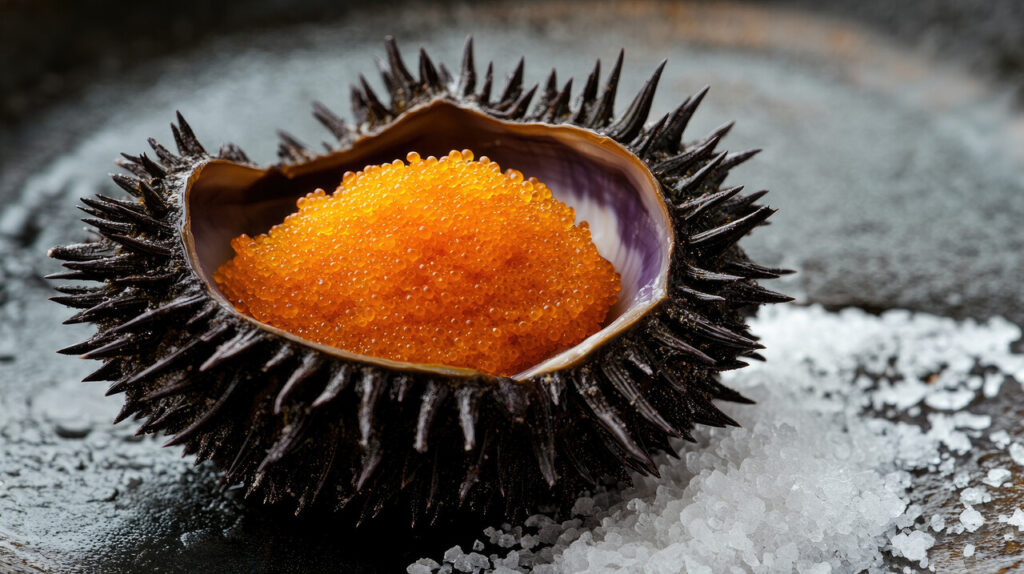
Sea urchin, or uni, is admired for its custard-like texture and subtle ocean sweetness. In minimalist dishes, its flavor unfolds gradually and rewards restraint. Its value lies in delicacy rather than intensity.
Ramen broth, by contrast, is bold and served very hot. High heat can soften uni quickly, and strong seasonings such as soy sauce or miso can overpower its gentle marine notes. Without careful calibration, the topping disappears into the background.
Uni is also expensive and highly perishable, which significantly raises the price of the bowl. While it signals luxury, its nuanced character often struggles to compete with such an assertive base.
9. Premium Imported Mushrooms
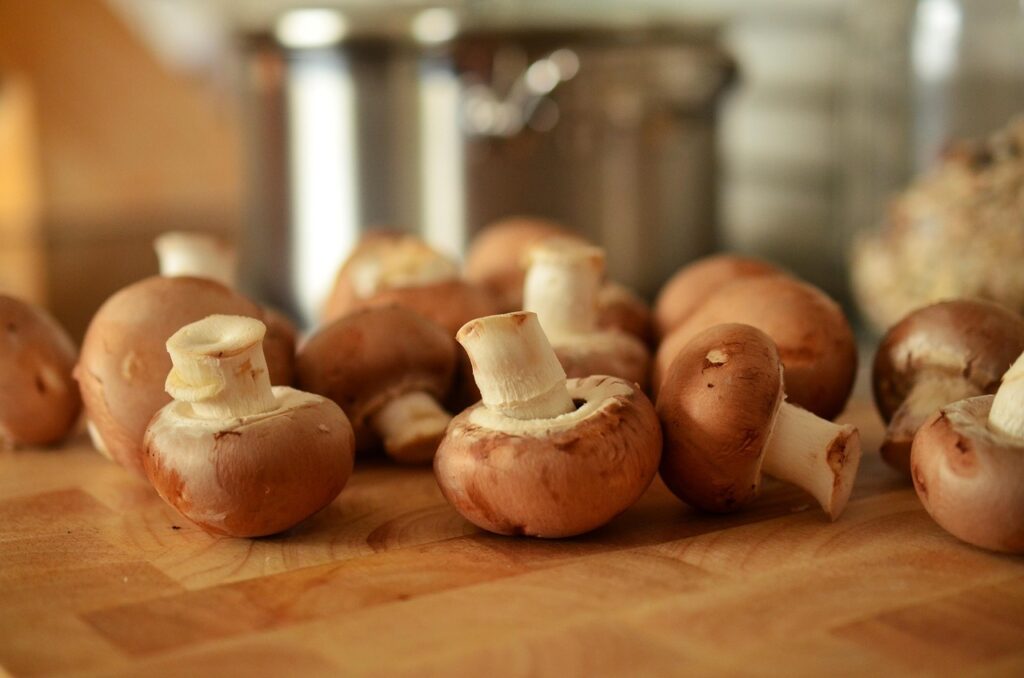
Exotic mushrooms like morels or matsutake carry distinctive aromas that chefs prize for their depth and rarity. When used in simple preparations, their earthy fragrance can define an entire dish.
In a robust ramen broth, especially pork or miso-based styles, those delicate aromatic compounds can be overshadowed. Unless infused thoughtfully or used in generous amounts, their signature notes fade behind stronger flavors.
These mushrooms command high market prices, particularly when imported. While they add prestige to a menu description, the actual flavor impact in a heavily seasoned soup can be subtle compared to more affordable varieties.
10. Edible Glitter or Colored Oils

Few upgrades demand attention like a swirl of neon chili oil or a dusting of edible glitter. Against pale noodles and glossy broth, the colors stand out immediately. The bowl shifts from comfort food to visual performance, crafted as much for the camera as for the table.
Glitter is entirely flavorless, adding no aroma, texture, or depth. Strongly colored oils may bring heat, but when used heavily for effect, they can overwhelm balanced broth and mute subtle notes from stock and tare.
Decorative elements can increase ingredient costs, especially when sold as premium touches. Yet the change is mostly visual. The ramen looks striking, while its core flavor often stays the same or becomes slightly less balanced.