8 Grocery Brands Shoppers Are Actively Boycotting in 2026

Grocery shopping has become a form of protest for many consumers in 2026. Rising food prices, labor disputes, and corporate political ties have pushed shoppers to rethink where they spend their money. Large grocery brands and retail chains now face organized boycotts driven by affordability concerns, ethical objections, and frustration with corporate power. These movements are not about inconvenience but about accountability. By avoiding certain brands, shoppers aim to pressure companies to change practices, improve transparenc,y and address the growing gap between everyday costs and household incomes.
1. Amazon / Whole Foods Market
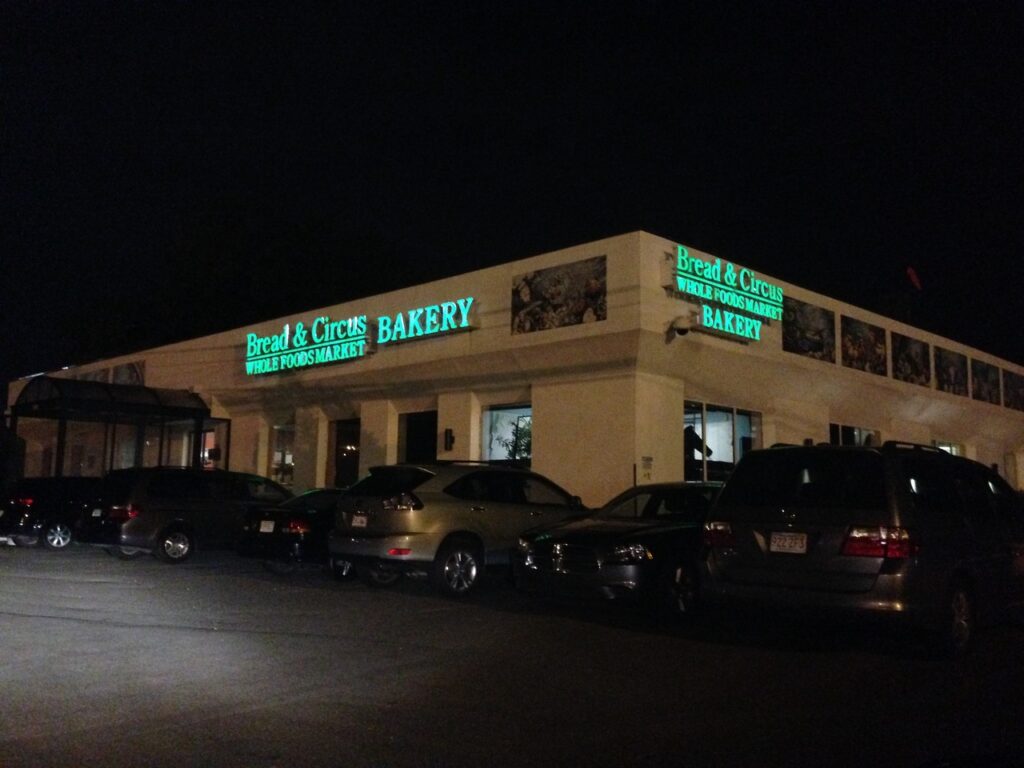
The boycott surrounding Amazon and its grocery arm Whole Foods is driven by a mix of labor, pricing, and ethical concerns that have stayed in public view through 2026. Shoppers critical of Amazon often point to warehouse working conditions, union resistance, and the company’s outsized influence over supply chains. Whole Foods, once seen as a premium ethical grocer, became part of that conversation after its acquisition, with critics arguing that pricing pressure and labor policies now mirror its parent company. For many consumers, the boycott is less about a single incident and more about accumulated frustration.
2. Target
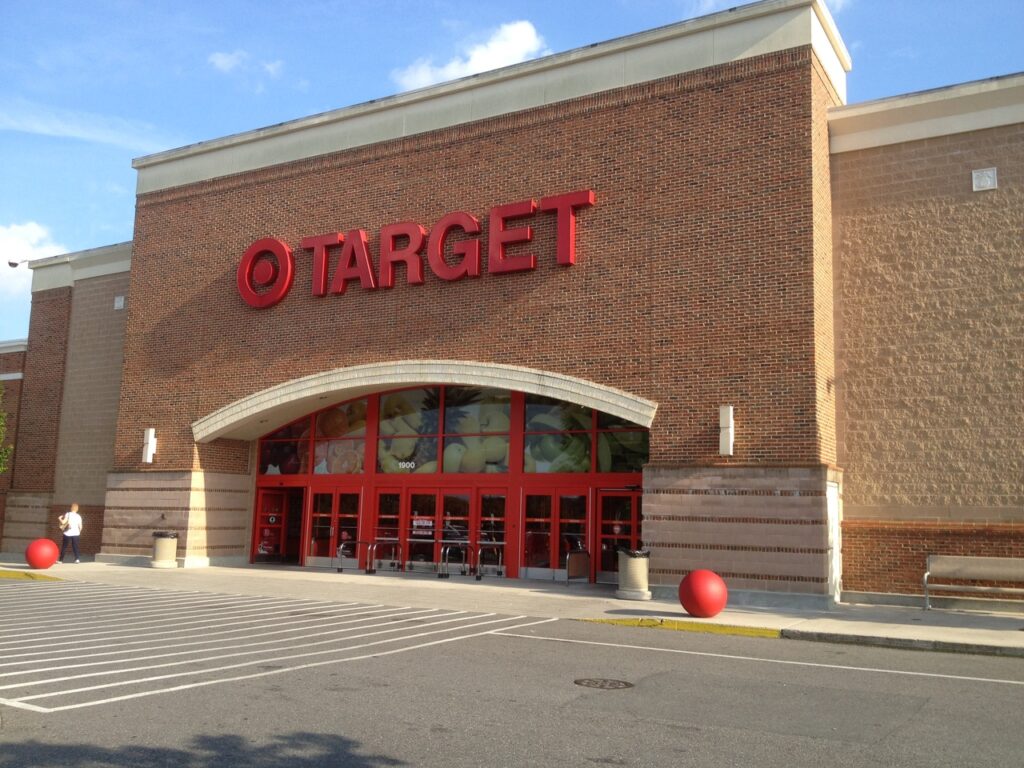
Target’s inclusion in boycott lists reflects how quickly consumer trust can erode when values messaging and actions appear misaligned. In recent years, shoppers have reacted strongly to shifts in the company’s public stances, particularly around social and cultural issues. Some boycott participants argue that Target’s changes were driven by fear of backlash rather than principle, which weakened brand credibility. Others focus on pricing strategies and supplier relationships, claiming that everyday affordability no longer matches the brand’s image. The boycott has become a symbol of consumers demanding consistency.
3. Walmart
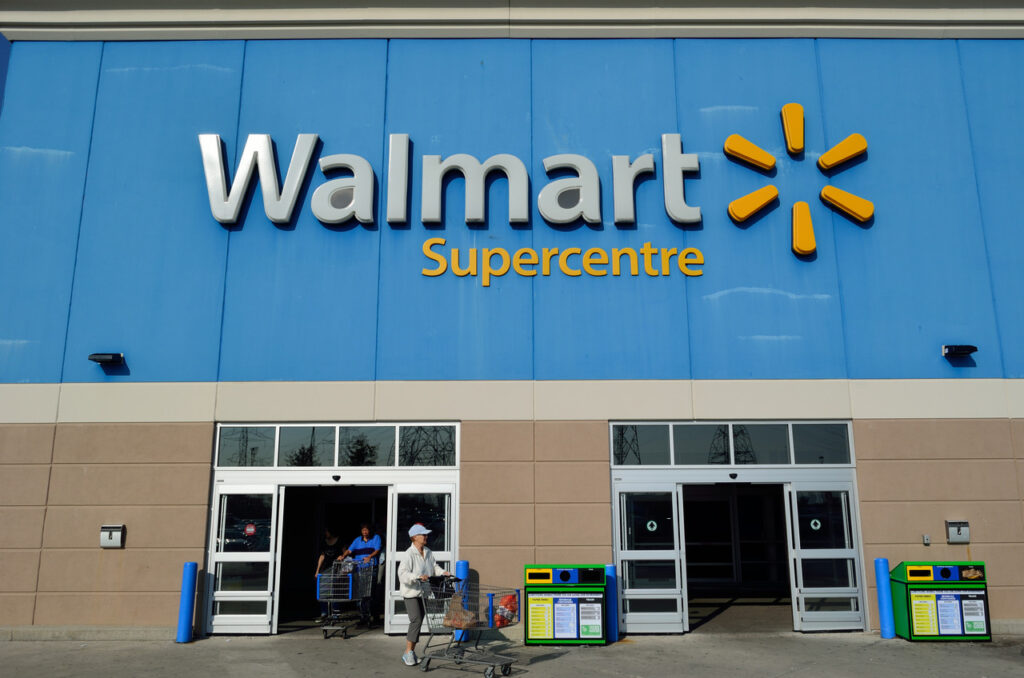
Walmart has long been a target of consumer boycotts, and in 2026, those efforts continue with renewed intensity. Critics often cite labor practices, wages, and the impact of Walmart’s scale on small businesses and local economies. Grocery shoppers in particular raise concerns about pricing power and the pressure placed on suppliers. While Walmart is known for affordability, some boycott supporters argue that low prices come at hidden social costs. The decision to boycott Walmart is frequently framed as a long-term stance rather than a reaction to a single controversy. For many households, it represents a desire to support alternative retailers.
4. Home Depot
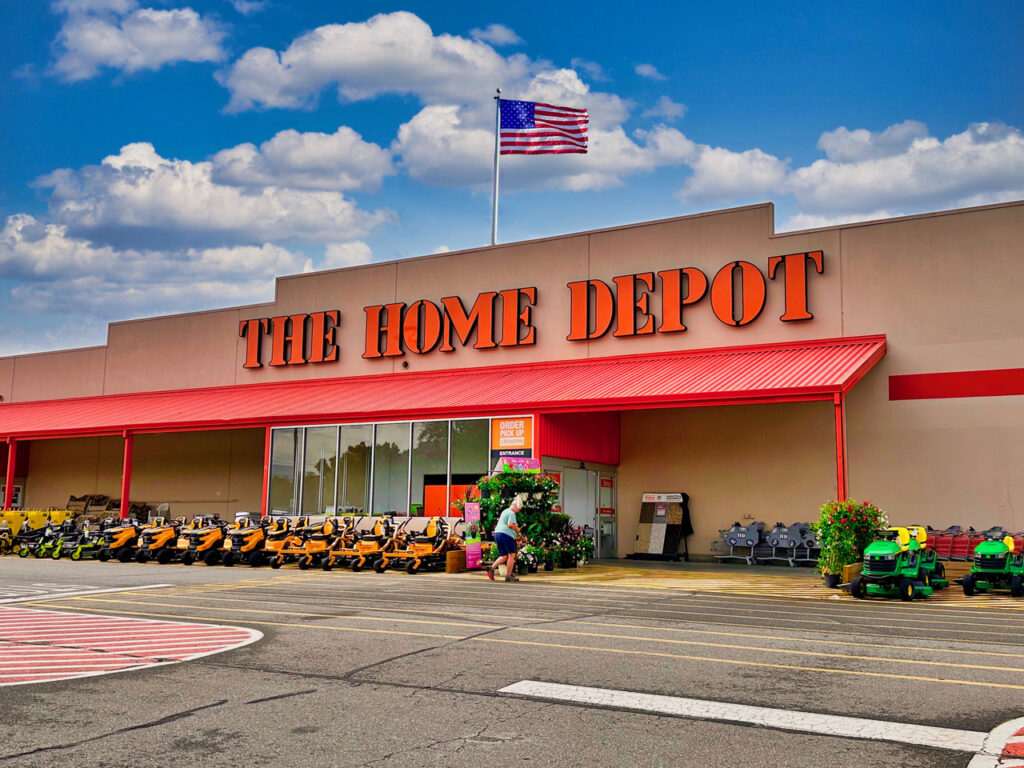
Although not a traditional grocery brand, Home Depot appears in boycott conversations that influence where consumers choose to spend their overall household budgets, including food. The company has been targeted in broader retail boycotts tied to political donations and corporate affiliations. Some shoppers view spending as interconnected, choosing to avoid all purchases from certain companies rather than separating grocery and non-grocery spending. In this context, Home Depot becomes part of a wider protest against corporate influence. The boycott reflects how consumer activism has expanded beyond single categories to lifestyle-level decisions.
5. Starbucks
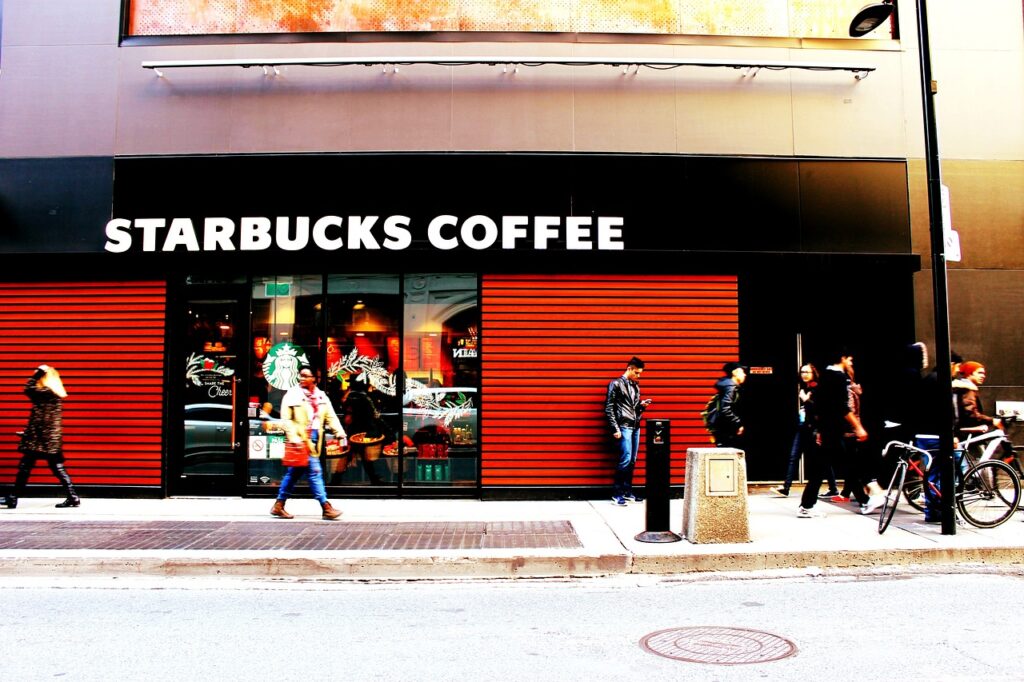
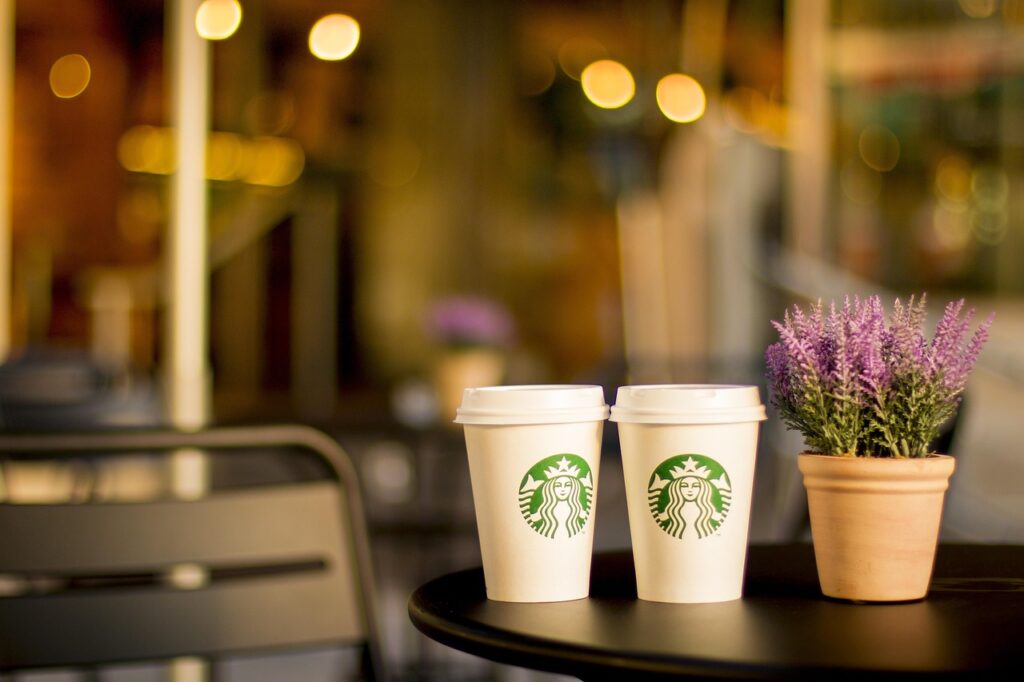
Starbucks appears in grocery boycott conversations not only as a café chain but as a major packaged food and beverage brand found on supermarket shelves. Ready-to-drink coffees, beans, pods, and bottled products place Starbucks firmly within everyday grocery purchasing decisions. In 2026, boycott participation continues to be driven by labor disputes, union-related tensions, pricing concerns, and political controversies that extend beyond store locations. Some shoppers argue that premium pricing no longer aligns with perceived value, while others focus on worker treatment and corporate responses to organizing efforts.
6. Nestlé
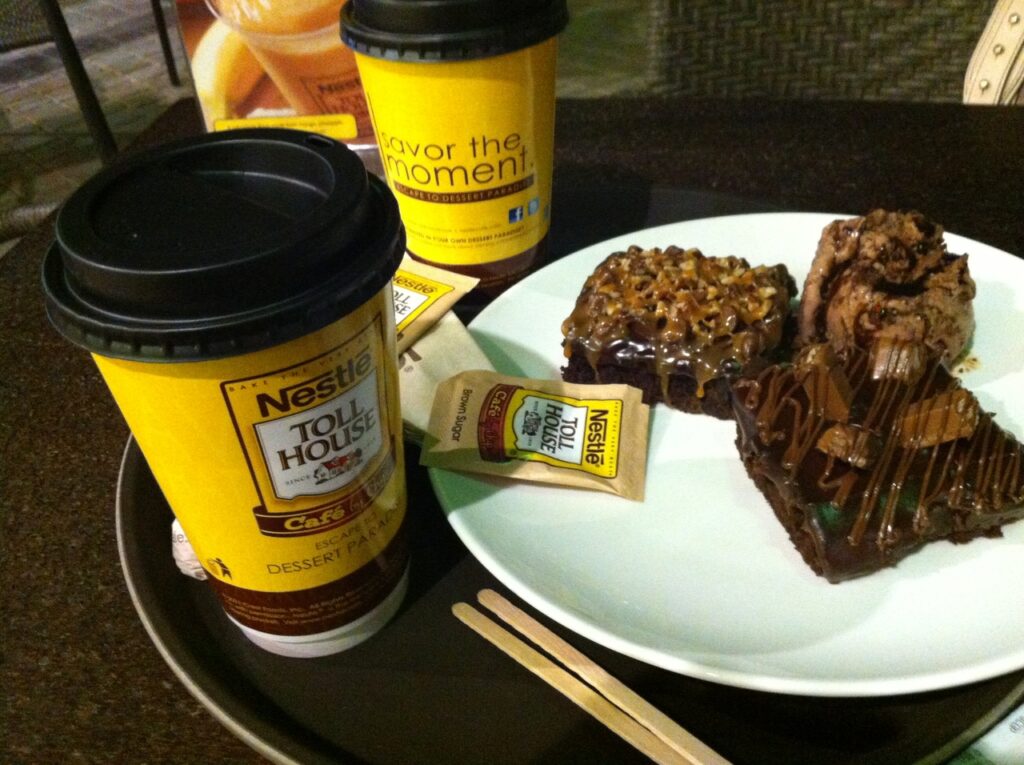
Nestlé remains one of the most frequently boycotted grocery brands in the United States, and that attention has intensified in 2026. American shoppers encounter Nestlé daily through coffee, bottled water, chocolate, frozen meals, pet food, and baby products, making it an obvious target for consumer activism. Boycott calls in the U.S. often center on concerns about water usage in drought-prone regions, pricing strategies during periods of food inflation, and long-standing questions around supply chain labor practices. Critics argue that price increases on staple products have widened the gap between corporate profits and household budgets.
7. Kroger
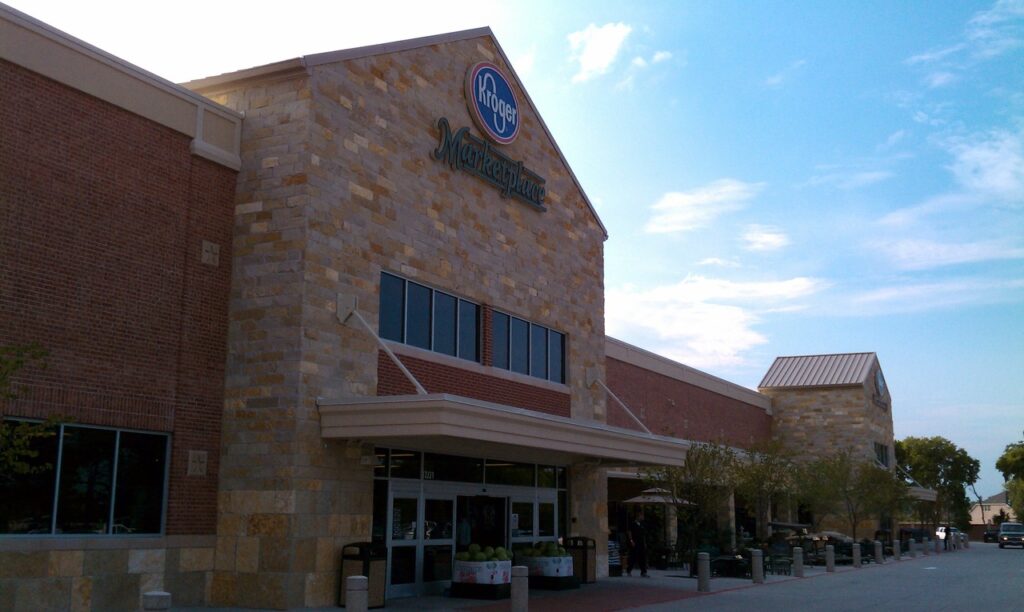
Kroger has become a major boycott target in the U.S. due to grocery price inflation, union disputes, and concerns over market consolidation. Shoppers have criticized the company for rising food costs during periods of record profits and for labor contract tensions affecting store workers. As one of the largest supermarket operators in America, Kroger represents the broader frustration many consumers feel about affordability and competition in the U.S. grocery system. For boycott participants, avoiding Kroger is a way to push back against corporate scale and demand fairer pricing and labor practices across the grocery industry.
8. PepsiCo
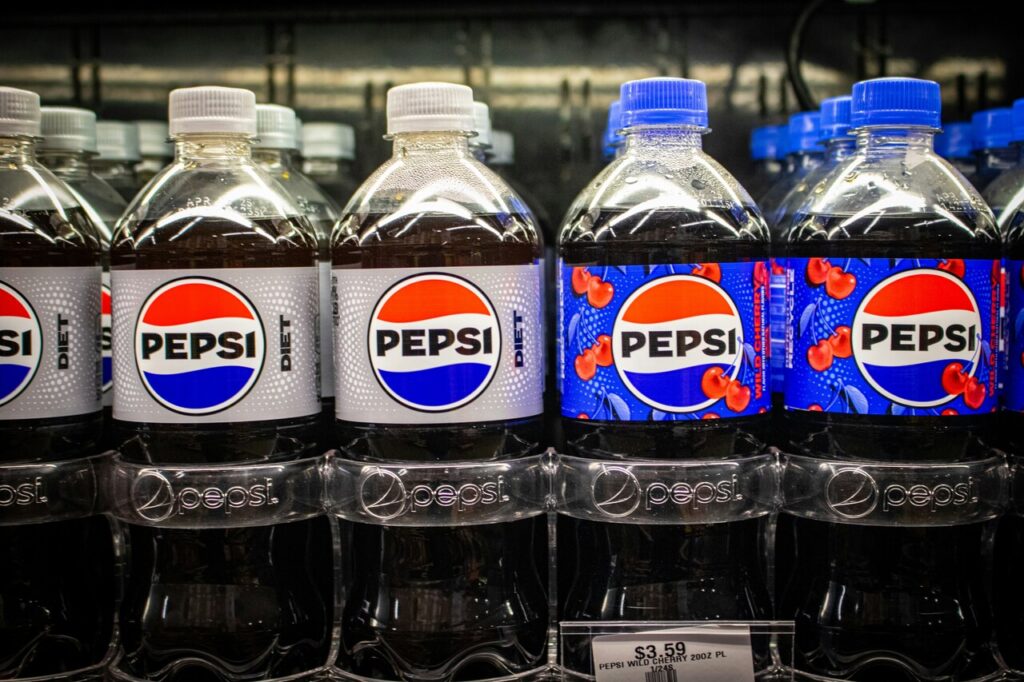
PepsiCo remains a frequent target of U.S. consumer boycotts because of pricing practices, labor issues, and environmental concerns tied to plastic use and water resources. With brands spanning snacks, sodas, and pantry staples, PepsiCo products are easy for shoppers to avoid as a form of protest. In 2026, boycott efforts often focus on the company’s influence over shelf space and the rising cost of packaged foods that many households consider everyday essentials. For many consumers, skipping PepsiCo products is a small but visible way to express dissatisfaction with how large food manufacturers balance profit and responsibility.