Social Media Makes Some Foods Feel Unstoppable but Sales Numbers Tell Another Story

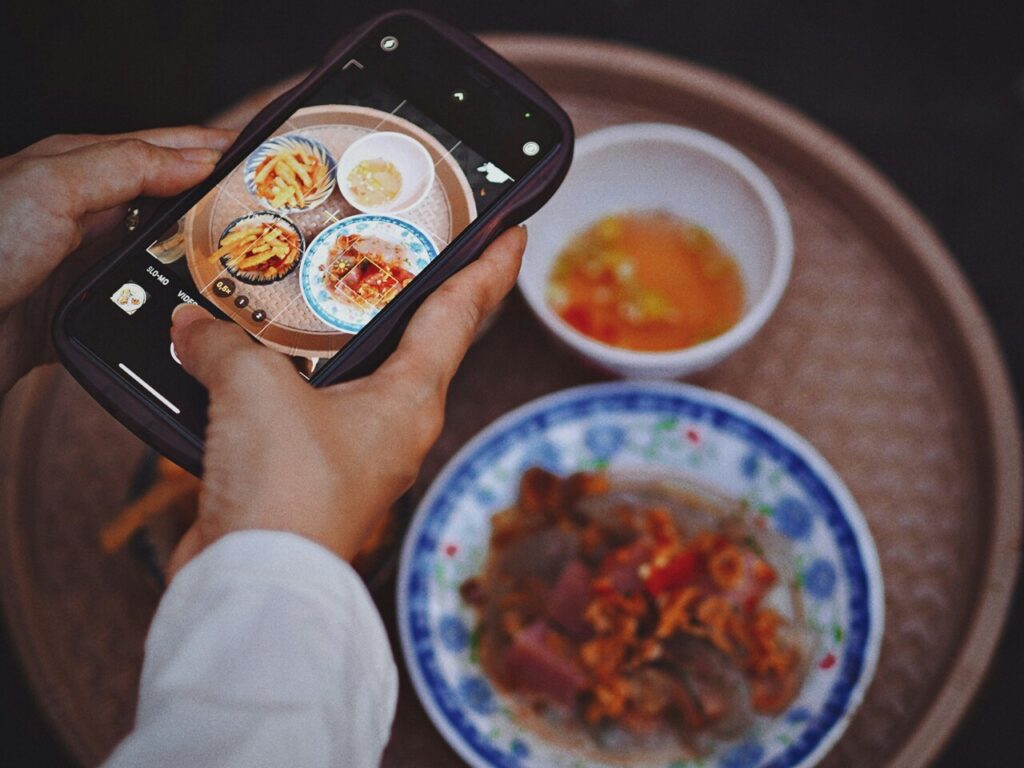
Food trends move faster than ever in the age of social media. A single video can turn an unusual dish into an overnight sensation, filling feeds with colorful desserts, oversized sandwiches, or dramatic cooking techniques. To many viewers, these viral foods appear to dominate the culinary world. However, restaurant sales data often tells a different story. While millions may watch or share these trends online, only a small number actually order them in real life. The contrast between digital hype and everyday dining habits reveals how social media shapes perception more than demand.
The Viral Food Phenomenon
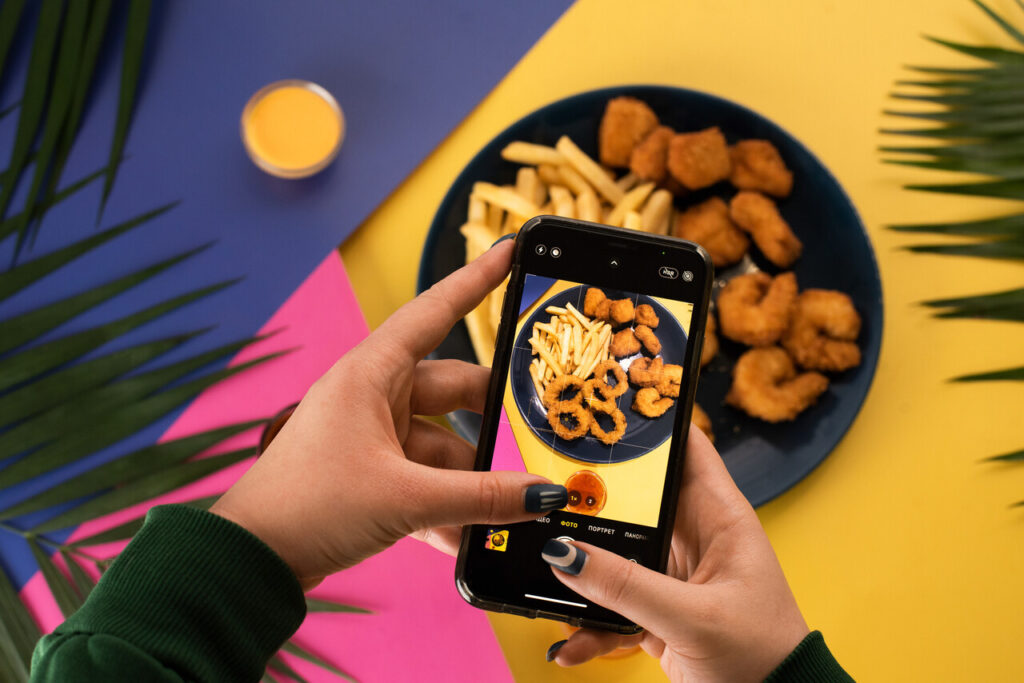
A single short video can now transform an ordinary dish into an internet sensation. Social media platforms have created an environment where food trends spread faster than ever before. When a dish looks visually striking or unusual, it can quickly appear across thousands of feeds. Users share clips, reactions, and recreations, which multiply exposure within hours. This rapid cycle gives the impression that a particular food has suddenly become a worldwide obsession. In reality, most of the attention exists within the online environment itself. The same dish may dominate social media conversations while remaining relatively rare in actual restaurants.
The design of social media platforms encourages this effect. Algorithms promote content that receives strong engagement, which means eye-catching food videos often travel far beyond their original audience. A colorful dessert or an oversized sandwich is more likely to attract likes and comments than a simple everyday meal. As a result, dramatic dishes appear repeatedly on people’s screens. Repetition reinforces the perception that everyone is talking about the same food. This visibility makes the trend feel unstoppable even when real demand remains limited. Users may see similar clips from dozens of different creators in a short period.
Another factor behind viral food moments is the speed of digital communication. Once a dish becomes popular online, creators across the world begin making their own versions. Restaurants experiment with the concept, home cooks attempt recreations, and influencers document their experiences. Each new video adds another layer of attention. The trend seems to expand endlessly, even though the actual number of people buying the dish may remain relatively small. Some creators focus on dramatic reactions to the food rather than the taste itself. Others compete to make the most exaggerated version of the trend.
The Illusion of Popularity
Online engagement often creates a powerful illusion of widespread demand. A video featuring a trendy dish can receive millions of views within days. At first glance, those numbers suggest that millions of people are eager to try the food themselves. However, watching a video requires far less commitment than visiting a restaurant or purchasing ingredients. Many viewers interact with viral food content simply because it is entertaining to watch. The viewing experience feels similar to watching any other form of online entertainment. The difference between curiosity and intention becomes very clear in these situations.
The difference between attention and action is significant. Social media platforms measure success through likes, comments, and shares. Restaurants measure success through sales. These two systems operate independently of each other. A dish may dominate online conversations but still sell modestly in physical locations. When restaurants examine their order data, they often discover that viral items represent only a small fraction of total sales. Many diners remain loyal to familiar meals they trust. Repeat purchases usually come from dependable menu items. Viral foods often attract only a brief wave of curiosity.
Algorithms also contribute to this illusion by repeatedly showing the same type of content to interested viewers. If someone watches a video about a trending food, the platform may recommend several similar clips. This repetition makes the trend appear even larger than it actually is. Users begin to feel surrounded by the same dish across their feeds. In reality, the audience remains limited to those who interact with that specific content category. The algorithm simply amplifies the appearance of scale. The result is a digital environment where certain foods appear far more dominant than they truly are.
The Restaurant Reality
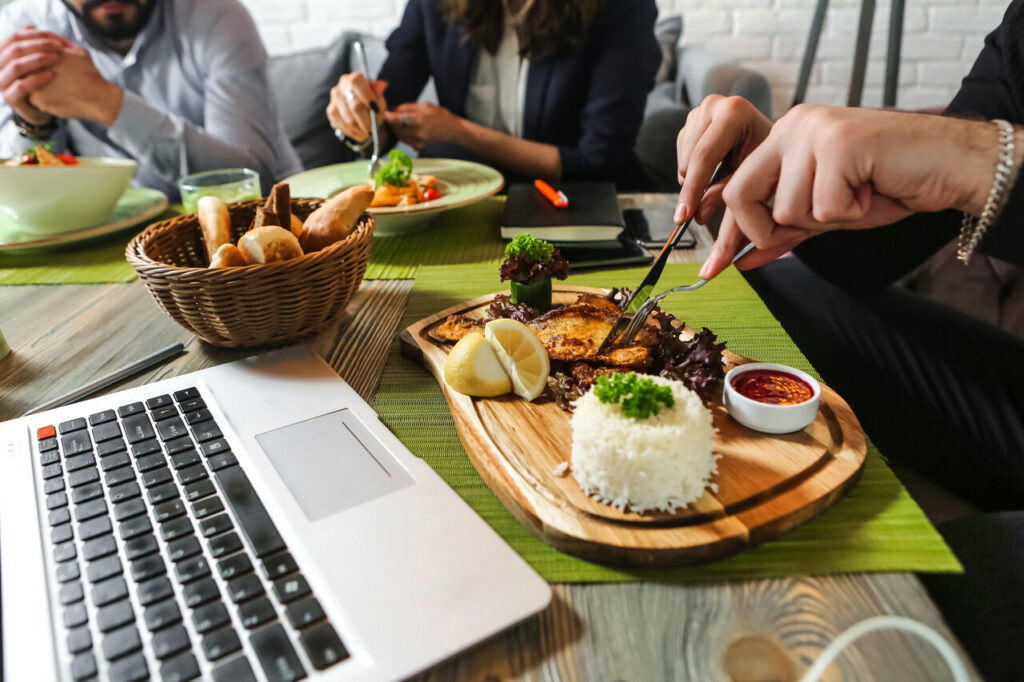
Restaurant operators often rely on concrete sales numbers rather than online excitement when evaluating new menu items. Viral foods can generate curiosity, but curiosity does not always translate into consistent orders. Many restaurants that experiment with internet trends discover that the initial interest fades quickly. Customers may try the dish once because they saw it online, but they rarely order it again. Without repeat purchases, the item becomes difficult to justify on a permanent menu. Kitchens must consider the effort required to maintain the dish. Ingredients may sit unused if demand drops suddenly.
Operational challenges also play a role. Some viral foods require elaborate preparation or unusual ingredients that are difficult to source regularly. These requirements increase costs and slow down kitchen workflows. Restaurants must consider whether the excitement around a trend is strong enough to offset these complications. In many cases, the answer turns out to be no. Kitchens prioritize efficiency during busy service hours. Complex dishes disrupt that rhythm. Even popular trends can become burdensome to prepare. Over time, practicality tends to outweigh novelty. For many restaurants, sustainable operations matter more than short-lived trends.
Sales data provides a clear picture of customer behavior. When restaurants review their order histories, familiar dishes almost always dominate the results. Burgers, pasta, sandwiches, and other traditional favorites continue to generate steady demand. Viral dishes may appear briefly in the data but rarely maintain long-term momentum. This pattern encourages operators to approach online trends with caution. Data consistently shows the strength of familiar comfort foods. Diners tend to return to meals they know they enjoy. Restaurants, therefore, focus on consistency rather than chasing every trend. Reliable dishes remain the backbone of most menus.
The Visual Appeal Factor
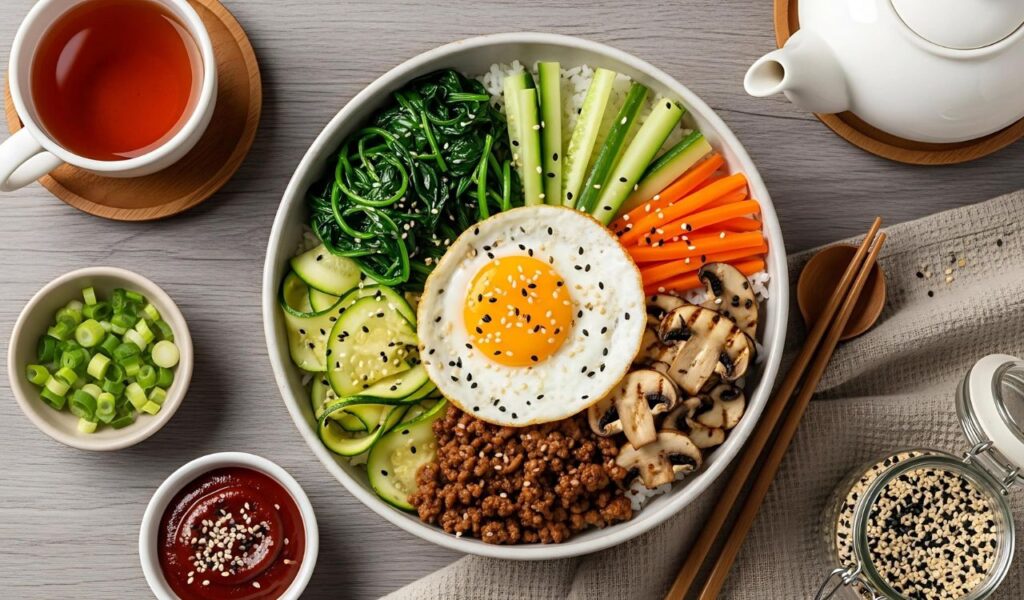
Many foods achieve online fame primarily because they look impressive on camera. Social media platforms reward content that captures attention instantly, and visually dramatic dishes perform especially well. Bright colors, exaggerated portions, and unusual textures often create the strongest reactions. A towering milkshake or a rainbow colored pastry may attract millions of views simply because it stands out visually. The visual drama makes the content easy to share across different platforms. People pause when something looks unexpected or exaggerated. This immediate reaction helps videos travel quickly through feeds.
However, the qualities that make a dish visually striking do not always translate into everyday dining appeal. Customers often prioritize flavor, value, and comfort when choosing meals. A dish that looks extraordinary in a video may feel impractical or overly indulgent in real life. Restaurants, therefore, face a dilemma when deciding whether to adopt visually driven trends. A photogenic dessert might attract attention but remain too rich for regular consumption. Practical dining habits often override visual curiosity. Restaurants, therefore, weigh visual appeal against real customer behavior.
Photogenic food also tends to emphasize presentation over practicality. A dish designed for visual impact may require additional preparation steps or specialized ingredients. These factors increase the complexity of kitchen operations. Restaurants must weigh the marketing value of a visually appealing dish against the operational effort required to produce it. Staff may need extra time to assemble visually elaborate plates. This slows down service during busy hours. The dish may also require ingredients that are rarely used elsewhere. These complications often discourage restaurants from keeping viral foods long-term.
The Curiosity Effect

Social media has transformed food into a form of entertainment. Many people watch viral food videos with the same mindset they bring to other online content. The clips are interesting, surprising, or amusing, but they are not necessarily intended to inspire real-world action. Viewers enjoy observing unusual recipes or dramatic cooking techniques without planning to replicate them. The experience becomes a form of digital curiosity. People enjoy seeing something unusual unfold on screen. The novelty creates entertainment value rather than hunger. This viewing behavior shapes how viral foods spread.
This curiosity-driven viewing behavior explains why viral food trends often attract large audiences but modest sales. People share videos with friends because they find them entertaining. The content sparks conversation and amusement rather than genuine dining interest. In this sense, viral food functions more like a spectacle than a practical dining suggestion. A dramatic presentation may be fascinating to watch once. After that initial curiosity fades, viewers move on to the next video. The dish remains memorable but not necessarily desirable. Entertainment and appetite do not always align.
Restaurants sometimes misinterpret this attention as evidence of strong demand. When a dish dominates social media, it appears logical to add it to the menu. Yet curiosity rarely converts into consistent purchasing behavior. After the novelty wears off, customers usually return to familiar meals that fit comfortably into their routines. Restaurants learn this lesson through actual sales data. The initial spike in interest quickly levels out. Orders stabilize around traditional menu items. This pattern repeats across many viral food trends. Online excitement does not always reflect real purchasing habits.
The Short Lifespan of Trends
Food trends driven by social media often follow a predictable life cycle. A dish appears online and quickly gains attention through shares and reposts. For a brief period, the trend dominates digital conversation. Restaurants experiment with their own versions, and influencers continue producing related content. Eventually, the novelty fades as audiences move on to the next viral moment. The speed of this cycle surprises many restaurant operators. What feels like a massive trend may last only a few weeks. This rapid turnover makes planning difficult. Kitchens struggle to decide whether a trend deserves long-term investment.
This rapid cycle contrasts sharply with traditional culinary trends, which often develop gradually over years. Social media compresses the timeline dramatically. A dish can reach peak visibility and disappear again within a few months. Restaurants that invest heavily in such trends may find themselves chasing fleeting interest. Marketing campaigns built around viral foods can lose relevance quickly. Customers stop discussing the trend almost as suddenly as it appeared. Restaurants then need to decide whether to keep or remove the item. Many choose to quietly phase it out. The experience teaches operators to approach viral foods cautiously.
The short lifespan of viral foods encourages caution among experienced operators. Instead of redesigning menus around every online trend, many restaurants observe the pattern. They wait to see whether interest persists beyond the initial wave of excitement. If the trend proves durable, they may adopt a refined version later. This strategy reduces risk while still allowing room for innovation. Patience helps restaurants avoid costly mistakes. Operators learn to separate lasting trends from temporary hype. The most successful businesses adapt carefully rather than reacting immediately. Observing customer behavior over time provides clearer insight.
The Operational Challenge
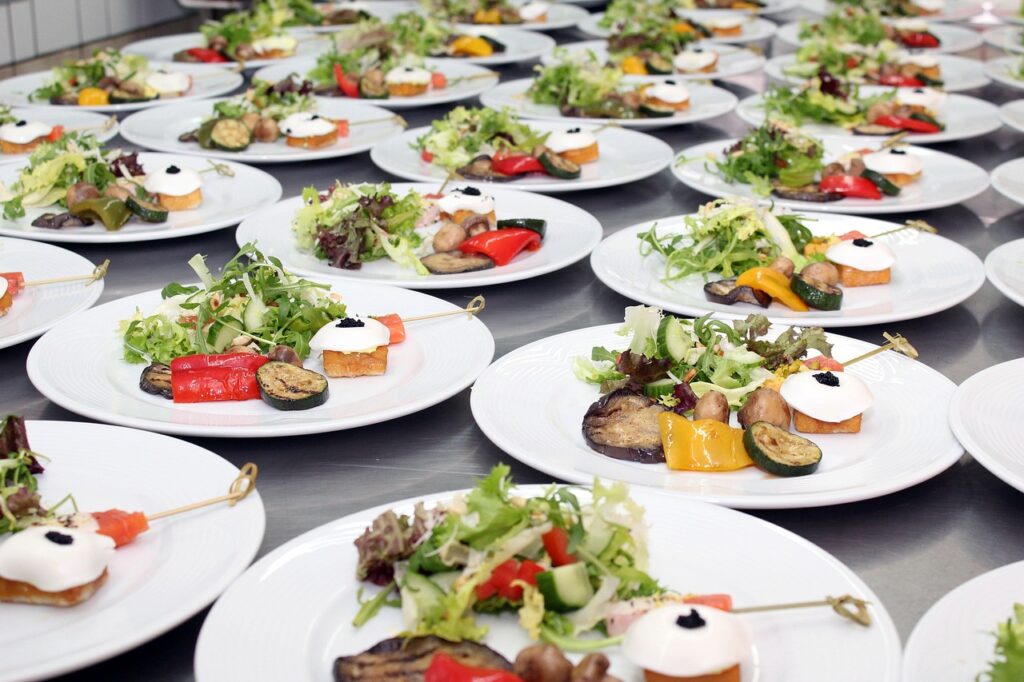
Introducing a viral dish into a restaurant kitchen often requires significant adjustments. Some trendy foods rely on specialized ingredients or complex preparation techniques. These requirements can disrupt the rhythm of a kitchen designed for efficiency. Staff members must learn new processes, and preparation times may increase during busy service periods. Training staff for a short-lived trend can become inefficient. Kitchens may also need additional equipment or tools. This adds complexity to daily operations. Small disruptions can affect the entire service flow. Even minor delays can slow down orders during peak hours.
Ingredient sourcing also presents challenges. Viral dishes sometimes depend on items that are not widely available through standard suppliers. Restaurants may need to work with new vendors or manage unpredictable delivery schedules. These complications increase operational costs and reduce consistency. If the ingredient supply becomes unreliable, the dish cannot remain on the menu. Customers may become frustrated when popular items suddenly disappear. This unpredictability creates additional pressure for kitchen managers. Stability often becomes the deciding factor. Reliable supply chains are essential for daily restaurant operations.
Even when a restaurant successfully introduces a trendy dish, maintaining quality can be difficult. High demand during the initial phase of a trend may overwhelm the kitchen. As interest declines, the remaining ingredients risk going unused. For many operators, the effort required to manage these fluctuations outweighs the potential benefits of participating in the trend. Restaurants prefer predictable demand patterns. Consistency helps control both costs and staffing schedules. Viral trends rarely provide that stability. Long-term menu success usually depends on reliability rather than excitement.