Restaurant Menus Are Shrinking Nationwide and the Strategy Behind It Is Surprising

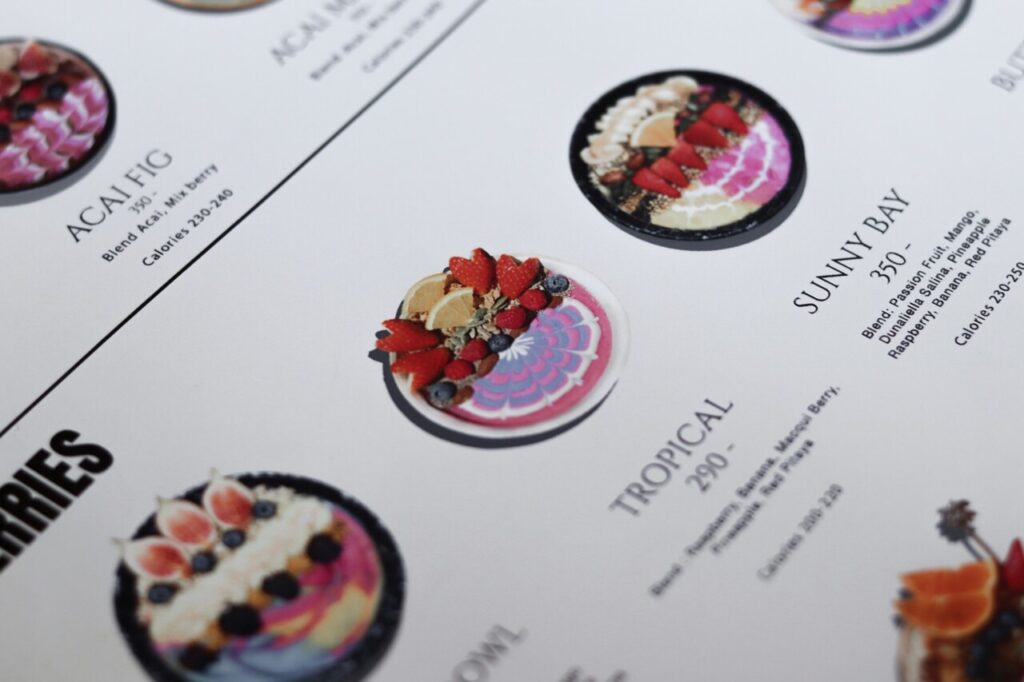
Across the United States, restaurant menus are quietly getting smaller. What once included pages of appetizers, mains, and specialty dishes is now being replaced with tighter, more focused selections. While fewer choices might seem like a limitation, many restaurants see it as a strategic advantage. Rising costs, staffing challenges, and operational efficiency are pushing operators to rethink how menus are designed. By concentrating on a smaller number of reliable dishes, restaurants can improve consistency, reduce waste, and speed up service while still delivering a satisfying dining experience.
The Quality Improvement Effect
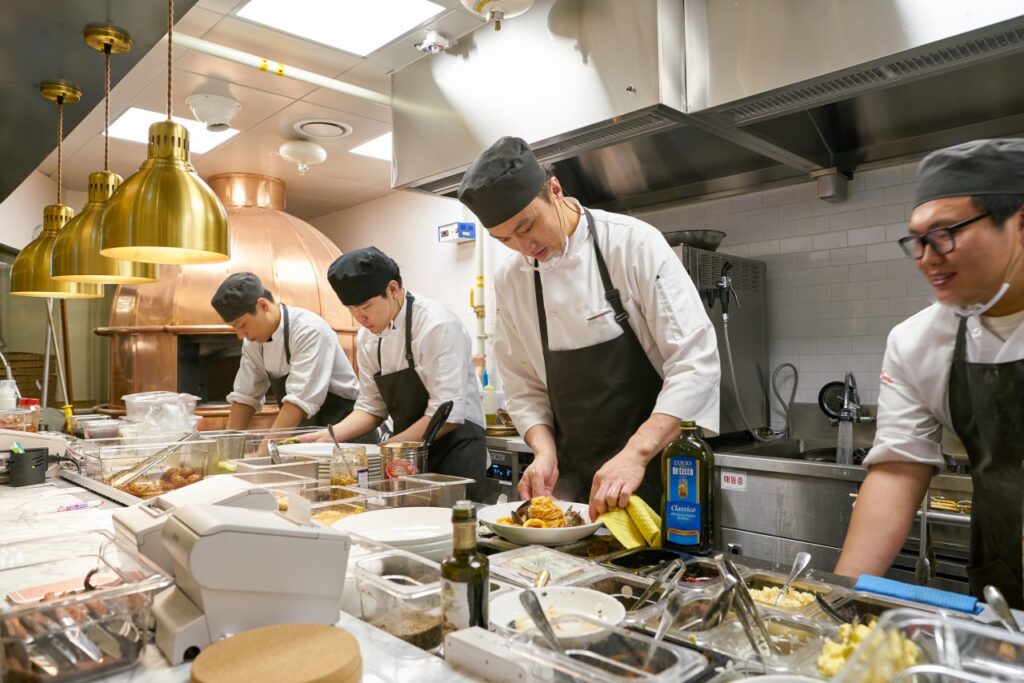
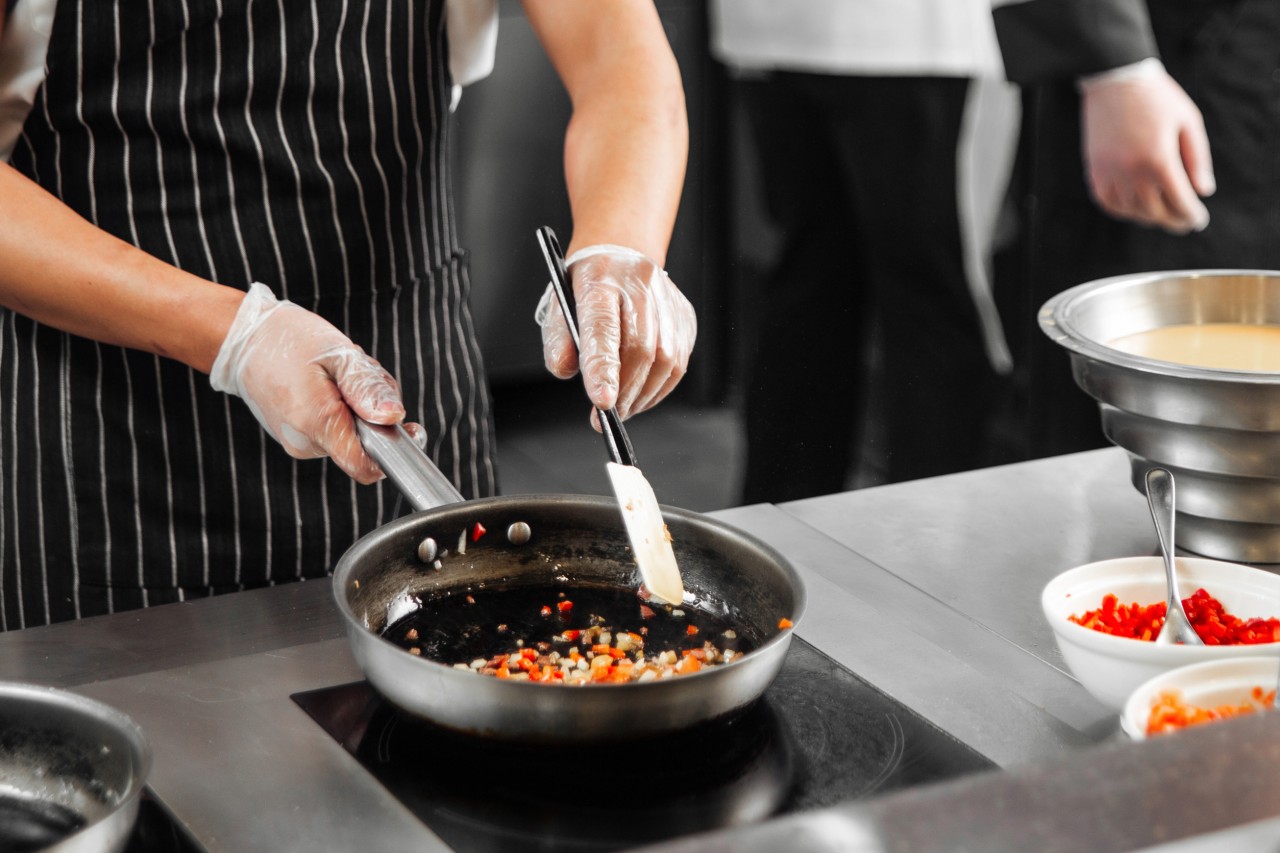
Reducing the number of menu items often leads to stronger food quality in restaurant kitchens. When chefs concentrate on a smaller group of dishes, they can devote more attention to refining each recipe. Ingredients receive greater care during preparation, and cooking techniques become more consistent across every order. Kitchens are able to focus their efforts on a set of meals that represent the restaurant’s strengths. This attention to detail improves the reliability of every plate that reaches the table. Diners quickly notice when flavors remain consistent from one visit to the next. Consistency builds trust between the restaurant and its customers.
Chefs also gain more control over ingredient sourcing when the menu becomes smaller. Instead of managing a long list of specialty components, kitchens can concentrate on fewer items and ensure those ingredients are always fresh. Purchasing becomes more predictable because the same products are used repeatedly throughout the week. This allows restaurants to work closely with suppliers and maintain stable inventory levels. Higher-quality ingredients often become possible because waste is reduced. When ingredients move quickly through the kitchen, they remain fresh and flavorful. Customers often recognize the difference in taste and presentation.
A streamlined menu also allows chefs to refine presentation and plating. When cooks prepare the same dishes regularly, they can improve the visual appearance of each plate. Small adjustments in garnish, texture, or portion balance can elevate the dining experience. These improvements are difficult to achieve when kitchens manage dozens of different recipes. With fewer dishes to oversee, chefs can experiment carefully and perfect their techniques. Guests often appreciate meals that look as appealing as they taste. Social media exposure can amplify this effect and attract new customers. The focus on quality ultimately strengthens the restaurant’s identity.
The Menu Engineering Approach

Modern restaurants increasingly rely on data to guide decisions about their menus. Sales reports provide detailed information about which dishes customers order most frequently. Managers review these reports carefully to identify patterns in ordering behavior. Some items appear on receipts every day, while others receive only occasional attention. When dishes consistently perform poorly, restaurants begin considering whether those items should remain on the menu. Removing low-performing dishes allows kitchens to simplify operations without sacrificing customer satisfaction. Data-driven analysis replaces guesswork in menu planning.
Menu engineering also examines the profitability of each dish. Some meals may be popular but expensive to produce, while others deliver stronger financial returns. Restaurants compare ingredient costs, preparation time, and selling price to determine which items contribute most to overall revenue. The goal is to highlight dishes that perform well both in sales and profitability. By identifying these high-performing items, restaurants can build a menu that supports financial stability. Less efficient dishes gradually disappear from the lineup. This careful balance between popularity and profit creates a stronger business model.
The design of the menu itself also plays a role in menu engineering. High-performing dishes are often placed in positions where customers notice them quickly. Descriptions may highlight appealing ingredients or cooking methods that capture attention. Restaurants sometimes adjust layout and typography to guide customers toward specific items. These subtle design choices influence ordering decisions without restricting choice. Diners still feel free to explore the menu, yet they often gravitate toward the highlighted dishes. Over time, this strategy increases the visibility of the restaurant’s most efficient meals.
The Waste Reduction Factor

Food waste represents one of the most significant hidden expenses in restaurant operations. Large menus require kitchens to stock many different ingredients, some of which may be used only occasionally. When those ingredients sit unused for too long, they spoil and must be discarded. This waste directly affects profitability because the restaurant pays for food that never reaches a customer’s plate. Reducing the number of menu items helps address this problem. A smaller menu requires fewer ingredients, which makes inventory management easier. Kitchens can track supplies more accurately and reduce unnecessary purchases.
Streamlined menus also allow ingredients to appear in multiple dishes. For example, the same vegetables, sauces, or proteins may be used in several menu items. This overlap increases the likelihood that ingredients will be used before they spoil. Kitchens can rotate stock more effectively and maintain fresher supplies. Staff members spend less time sorting through storage areas searching for rarely used items. Organized inventory systems become easier to maintain. This improvement reduces waste while simplifying kitchen routines. Restaurants often notice immediate savings when ingredient turnover improves.
Waste reduction also supports broader sustainability goals within the restaurant industry. Many diners today appreciate businesses that take responsible steps to minimize environmental impact. By managing ingredients carefully, restaurants reduce the amount of food that ends up in landfills. This practice conserves resources and lowers operational costs at the same time. Some restaurants even highlight their waste reduction strategies as part of their brand identity. Customers often respond positively to these efforts. Responsible practices can strengthen the restaurant’s reputation.
The Customer Experience Surprise

Many diners initially believe that a larger menu automatically provides a better experience. More choices seem appealing because they promise variety and flexibility. However, behavioral research shows that too many options can actually make decisions more difficult. When customers face dozens of menu items, they may struggle to choose. This hesitation can slow down the ordering process and create unnecessary stress. A smaller menu removes much of that confusion. Diners can quickly review the available dishes and make confident decisions. The experience of this becomes smoother and more enjoyable.
A focused menu also helps customers understand the restaurant’s identity. When a menu includes only a handful of carefully selected dishes, diners gain a clearer picture of what the restaurant does best. This clarity allows guests to appreciate the restaurant’s strengths rather than feeling overwhelmed by endless options. Servers also find it easier to recommend dishes when the menu is concise. Conversations between staff and guests become more informative and helpful. Customers feel guided rather than rushed. This interaction improves the overall dining atmosphere. Guests often leave with a stronger impression of the restaurant’s character.
Another advantage of smaller menus is that each dish receives more attention from customers. Instead of scanning through dozens of items, diners spend time considering a few carefully presented options. This focus increases the likelihood that guests will try the restaurant’s signature dishes. When customers order the meals that chefs prepare best, satisfaction naturally increases. Positive dining experiences encourage repeat visits. Guests often recommend these standout dishes to friends or family. The result is a stronger relationship between the restaurant and its customers. Signature items become closely associated with the restaurant’s identity.
The Pandemic Reset
The movement toward smaller menus gained momentum during the pandemic when restaurants faced extraordinary challenges. Supply chains became unpredictable, and many ingredients were difficult to obtain. Staffing shortages made it difficult to maintain complex kitchen operations. In response, many restaurants reduced their menus to a small group of dependable dishes. These temporary adjustments allowed kitchens to operate efficiently despite limited resources. Staff could focus on preparing meals that were simple, reliable, and popular with customers. The streamlined approach helped restaurants survive a difficult period.
During this time, many operators discovered unexpected benefits from simplified menus. Kitchens ran more smoothly when cooks concentrated on a smaller number of recipes. Preparation times decreased and service became faster. Waste declined because fewer ingredients needed to be stocked. Customers adapted quickly to the reduced choices and continued ordering their favorite meals. Many diners appreciated the clearer menus and shorter waiting times. The changes improved efficiency across several areas of operation. Staff training also became easier with fewer dishes to master. Inventory management grew simpler and more predictable.
Even after conditions improved, many restaurants decided to keep their streamlined menus. The advantages of the smaller format had become clear. Owners realized they could maintain strong customer satisfaction while operating more efficiently. Returning to oversized menus no longer seemed practical. Instead, restaurants continued refining their focused approach. The pandemic, therefore, served as a turning point in menu strategy. It encouraged many operators to rethink how restaurants should balance variety and efficiency. Many establishments now rotate seasonal dishes instead of expanding menus permanently.
The Future of Restaurant Menus
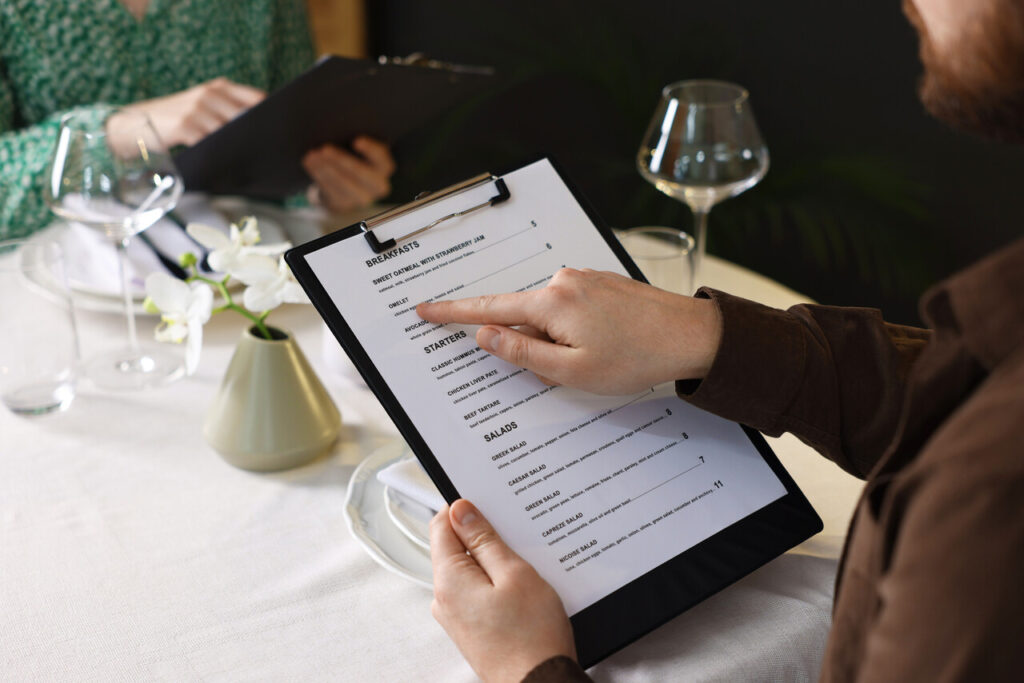
Looking ahead, the trend toward smaller menus is likely to remain an important part of the restaurant industry. Operators have learned that efficiency improves when kitchens concentrate on a manageable number of dishes. Instead of offering endless choices, many restaurants now highlight a curated selection of meals that represent their strengths. This approach allows chefs to maintain quality while controlling costs. Diners benefit from clearer menus and more consistent food. The balance between variety and focus becomes easier to maintain. Restaurants can operate with greater confidence in their menu strategy.
Seasonal rotation may become a common method for introducing variety. Rather than expanding the permanent menu, restaurants can add new dishes for limited periods. These temporary items allow chefs to experiment with fresh ingredients or creative ideas. Customers enjoy discovering new flavors while the core menu remains stable. When the season ends, those dishes may be replaced with new creations. This cycle keeps the menu interesting without overwhelming kitchen operations. Limited-time offerings can also generate excitement among regular guests. Restaurants maintain flexibility while preserving efficiency.
Technology will continue shaping how restaurants design their menus. Digital ordering systems and sales analytics provide detailed insights into customer preferences. Managers can review this data to identify which dishes perform best. Menus can then be adjusted to reflect those patterns. Over time, restaurants will refine their offerings with increasing precision. The result may be menus that are smaller but more carefully optimized than ever before. Diners will experience meals that reflect both culinary expertise and thoughtful planning. The future of restaurant menus will likely emphasize clarity, quality, and efficiency.