Ordering These 11 Trendy Menu Items Often Leads to the Same Disappointment

Restaurant menus constantly evolve as chefs and brands introduce new trends designed to capture attention. Colorful desserts, oversized drinks, and creative ingredient combinations often appear exciting when first announced. Social media has made these trends spread even faster, turning certain dishes into instant sensations. However, popularity does not always guarantee satisfaction once the food arrives at the table. Some menu items focus more on appearance or novelty than balanced flavor and thoughtful preparation.
1. Avocado Toast
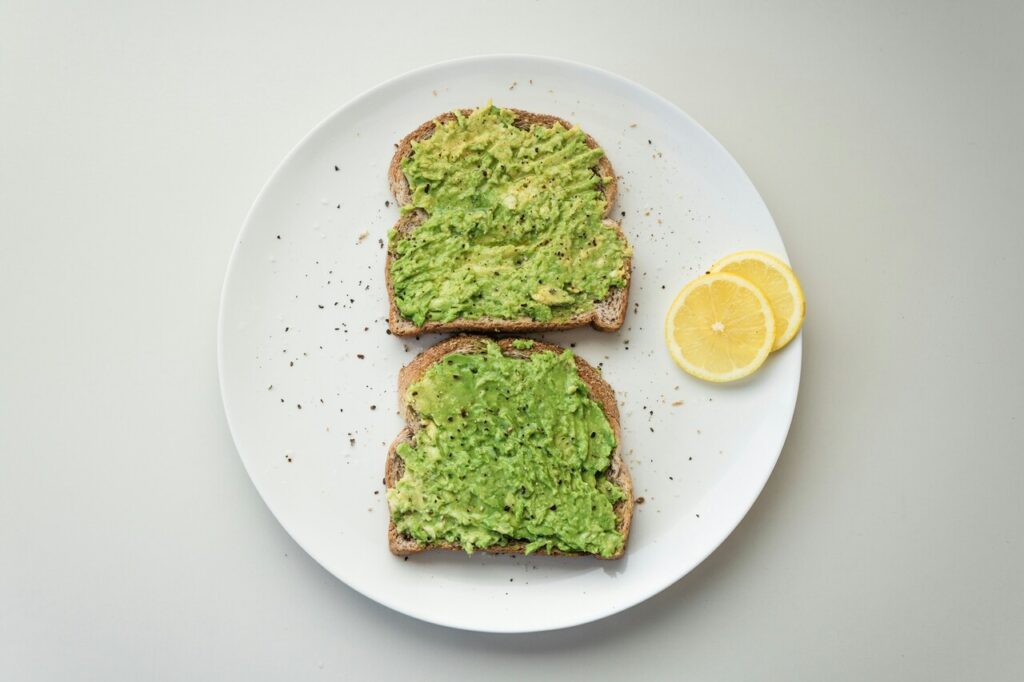
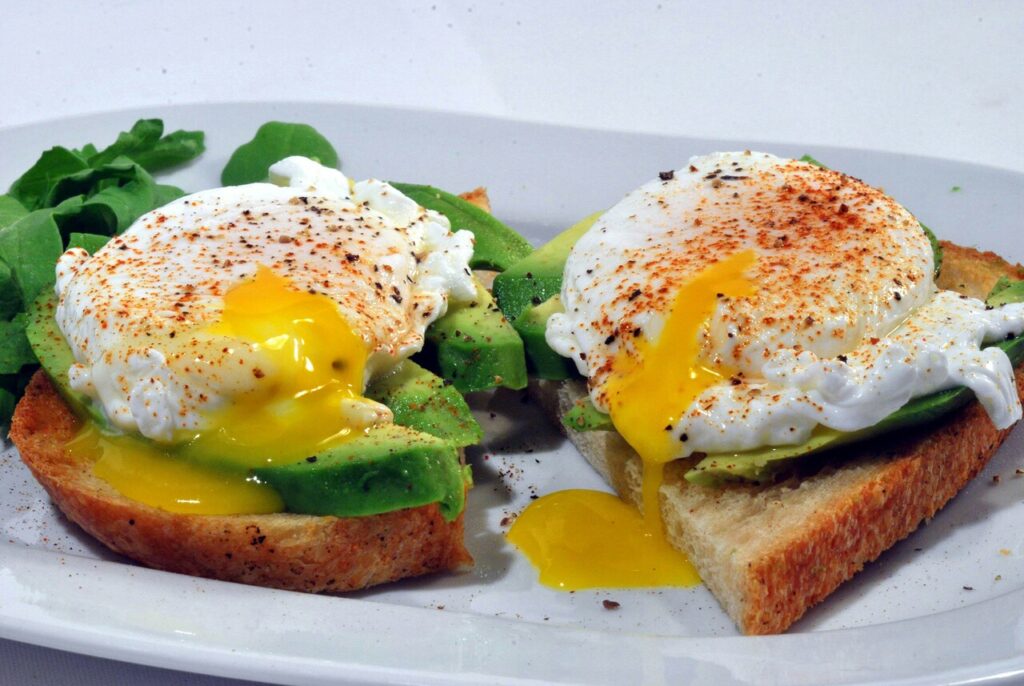
Few dishes have become as closely tied to modern café culture as avocado toast. It appears on breakfast menus everywhere, often presented on artisan bread with toppings like poached eggs, chili flakes, or microgreens. The dish looks vibrant and fresh, which explains why it quickly became a staple in trendy brunch spots.
At its heart, the dish is mashed avocado spread across toasted bread with a few basic seasonings. Restaurants sometimes elevate the presentation with specialty breads or garnishes, but the overall structure rarely changes.
Because of this simplicity, many diners feel the price does not always match the experience. The visual appeal often builds high expectations that the flavor does not always exceed.
2. Unicorn-Themed Desserts and Drinks

Bright colors and whimsical decorations turned unicorn-themed desserts into a major food trend. Cakes, milkshakes, and lattes appeared with pastel swirls, glitter, and candy toppings designed to look magical and eye-catching. These creations quickly became popular on social media because they photographed so well.
The emphasis on appearance sometimes overshadowed the flavor itself. Many of these desserts relied heavily on sugar, food coloring, and decorative elements rather than balanced ingredients.
Once the excitement of the presentation fades, diners are often left with a dessert that feels ordinary underneath the decorations. The trend demonstrated how visual creativity can attract attention.
3. Activated Charcoal Foods
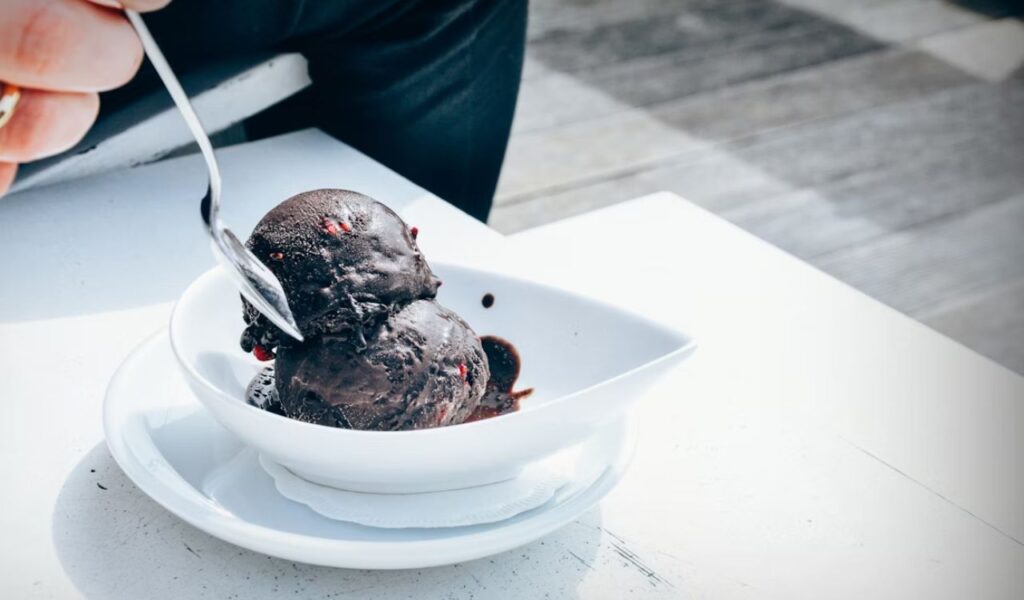
Activated charcoal foods gained attention for their striking dark color. From black ice cream to charcoal burger buns, the ingredient created dishes that stood out instantly in photographs and restaurant displays.
In reality, activated charcoal has little taste of its own. Its main effect is visual rather than culinary, which means the dramatic color does not necessarily improve the flavor of a dish.
Many diners discover that the novelty wears off quickly. After the initial curiosity, the food often tastes the same as a regular version of the dish. Without a clear flavor advantage, the trend became more about presentation than everyday enjoyment.
4. Overloaded Freakshakes
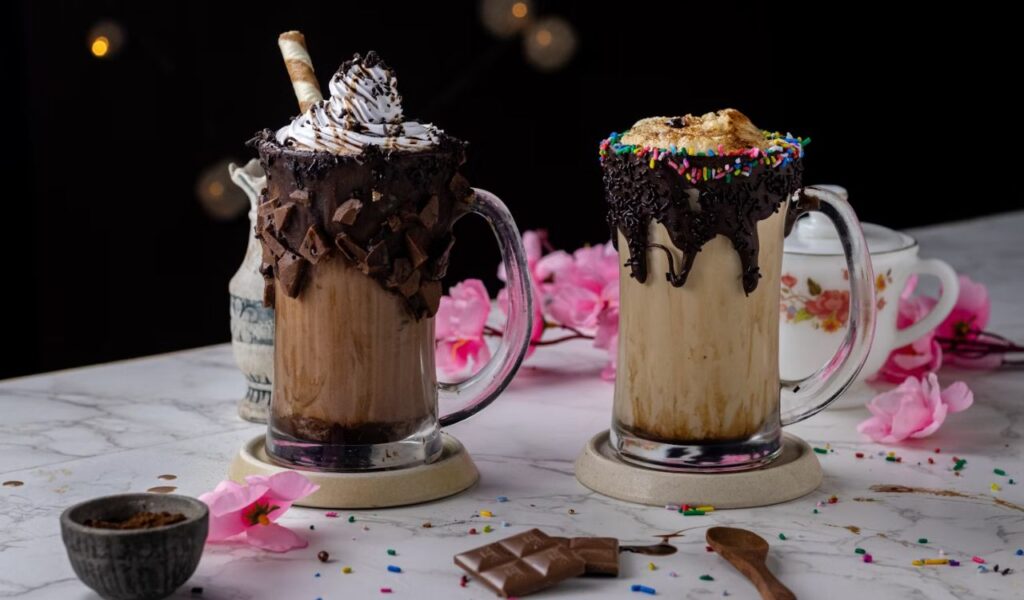
Freakshakes took milkshakes to an extreme level of indulgence. These towering drinks often included ice cream, whipped cream, cookies, chocolate bars, and entire slices of cake stacked on top of the glass. The presentation was dramatic and designed to attract attention.
While the visuals can be impressive, the drink itself can be difficult to enjoy. The combination of multiple desserts in a single glass often creates overwhelming sweetness and texture.
Many people find that the novelty fades after a few bites or sips. The shake becomes more of a spectacle than a balanced dessert. Once the excitement of the towering toppings disappears, finishing the drink can feel like a challenge rather than a treat.
5. Kale-Centered Dishes
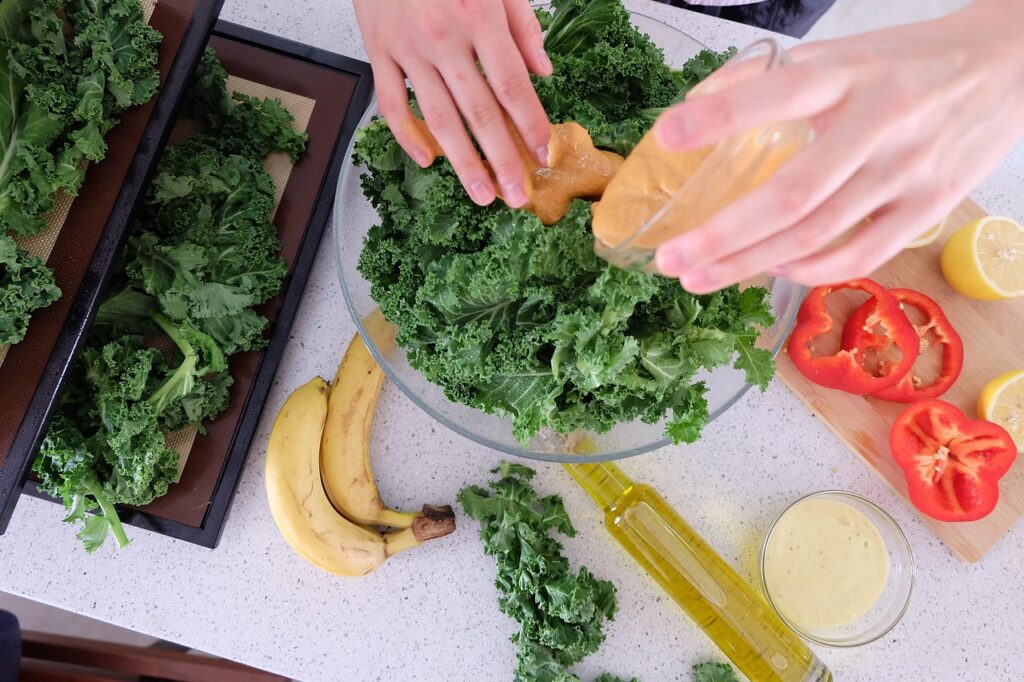
Kale gained enormous popularity as part of the modern health food movement. The leafy green appeared in salads, smoothies, and grain bowls across countless restaurant menus.
Despite its health advantages, kale has a naturally strong and slightly bitter flavor. Preparing it well requires techniques such as massaging the leaves or pairing them with acidic dressings to soften the texture.
When these steps are skipped, the result can feel tough or overly earthy. Diners expecting a flavorful salad sometimes encounter a dish that emphasizes nutrition more than taste, which can make the experience less satisfying.
6. Everything-in-a-Bowl Meals
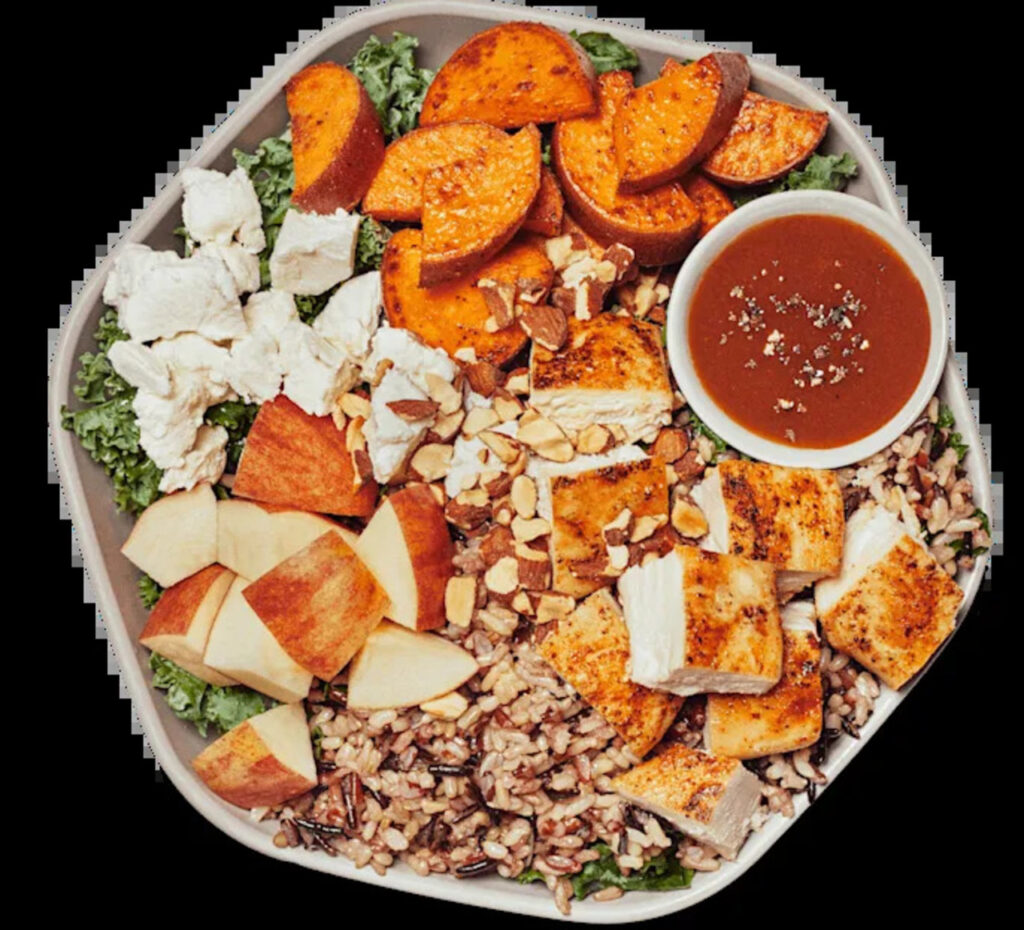
Meals served in bowls became popular for their convenience and customizable ingredients. Grain bowls, poke bowls, and salad bowls often combine proteins, vegetables, sauces, and grains in a single dish.
The concept is practical because it allows many ingredients to be served together. Restaurants can also adapt the format to different cuisines and dietary preferences.
However, the format sometimes creates high expectations that the flavors will be equally exciting. When ingredients are simply layered without thoughtful seasoning or balance, the bowl can feel less dynamic than its colorful appearance suggests.
7. Edible Glitter Drinks
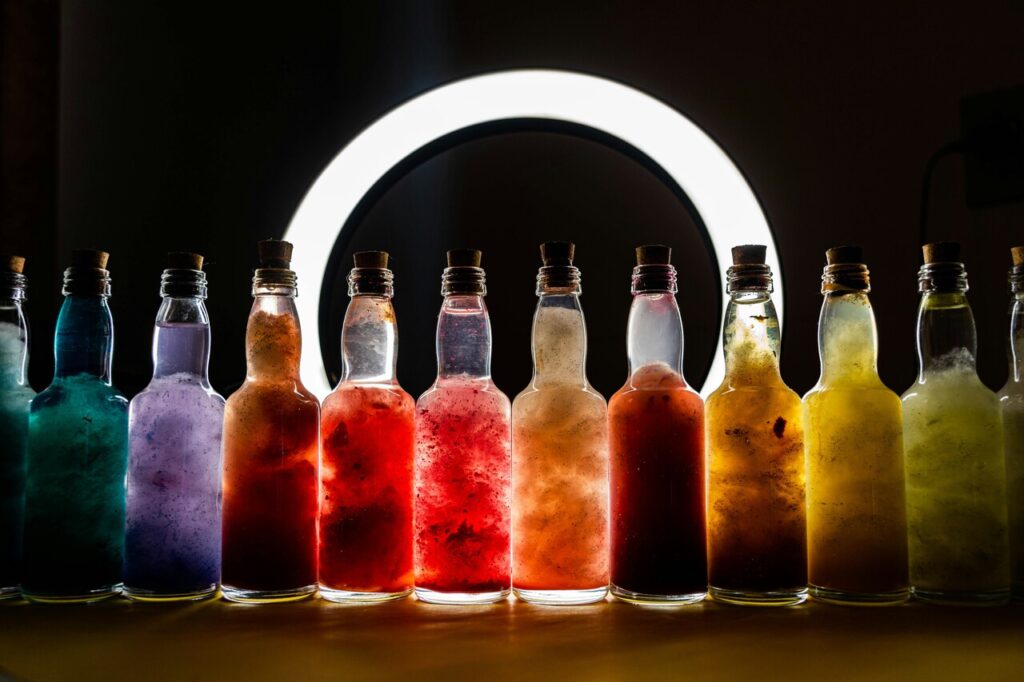
Edible glitter drinks became a social media favorite thanks to their sparkling appearance. Cocktails, sodas, and specialty beverages were decorated with shimmering particles that created swirling patterns in the glass.
The glitter itself adds no flavor and serves purely as decoration. Its purpose is to create visual movement and attract attention in photographs or videos.
Once the novelty fades, the drink underneath is often quite ordinary. Diners may enjoy the visual effect for a moment, but the taste experience remains largely unchanged. The result can feel more like a visual trick than a meaningful upgrade to the beverage.
8. Exotic Grain Bowls
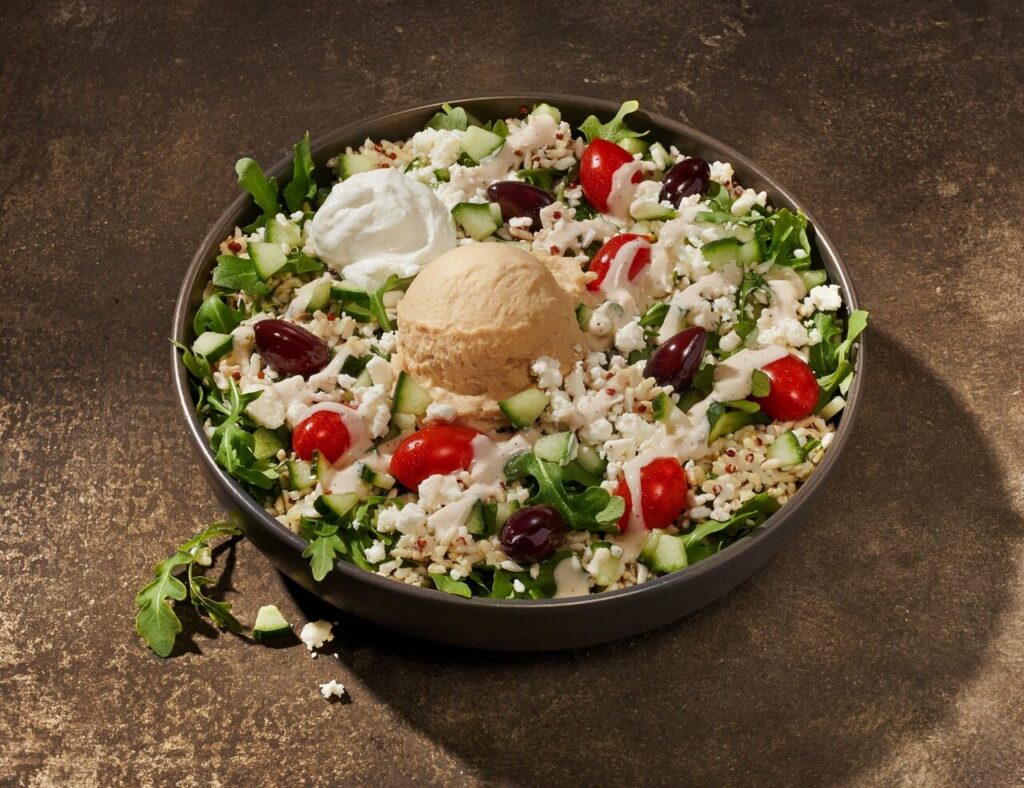
Grain bowls featuring ingredients like quinoa, farro, and ancient grains became a hallmark of modern health-focused menus. These dishes promise hearty nutrition along with colorful vegetables and protein toppings.
The grains themselves often have mild flavors. Without careful seasoning or flavorful sauces, the base of the bowl can taste surprisingly plain.
This contrast between expectation and reality can create disappointment. Diners may anticipate bold flavors because of the dish’s vibrant presentation, but the underlying ingredients require thoughtful preparation to deliver that experience.
9. Bacon Overload Dishes
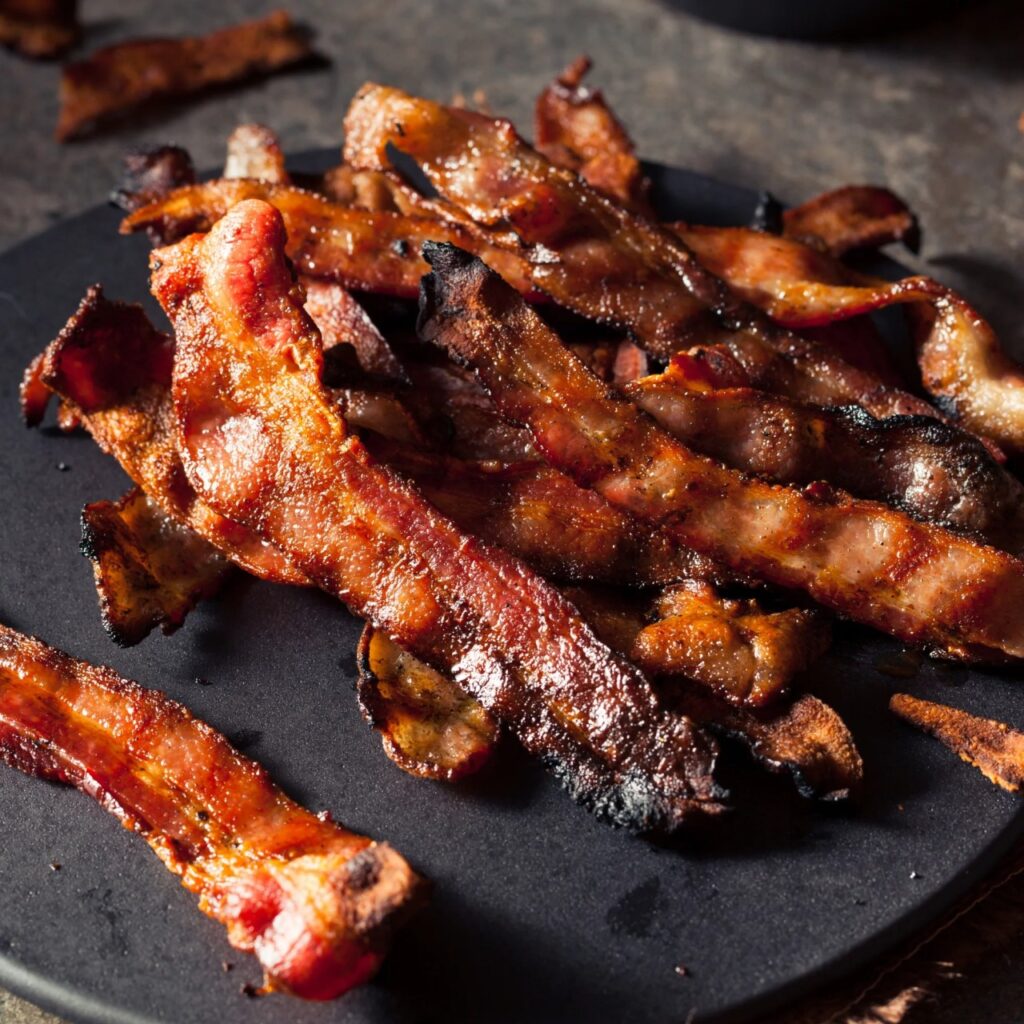
Bacon became a defining ingredient of many novelty dishes for several years. Restaurants added it to burgers, desserts, milkshakes, and even cocktails, creating menu items built around its smoky flavor.
While bacon can enhance many foods, excessive use can overwhelm other ingredients. When every component of a dish features bacon, the balance of flavors becomes limited. The smoky and salty character of bacon tends to dominate the palate.
Diners often enjoy bacon most when it complements rather than dominates. When used in excess, the ingredient can overshadow the rest of the dish and reduce the complexity that makes a meal memorable.
10. Kobe Beef Sliders

Kobe beef carries a reputation for exceptional tenderness and marbling. The meat comes from a specific breed of cattle and is known for its rich flavor when prepared carefully. The high level of fat distributed throughout the muscle creates a buttery texture that melts easily when cooked.
Some restaurants began using the name in small slider-sized burgers as a way to highlight luxury ingredients. While the idea sounds impressive, the format can limit the qualities that make the beef special.
A small slider does not always showcase the texture and flavor that define premium beef. Diners may end up paying more for the name without experiencing the full qualities that made the ingredient famous.
11. Fruit-Topped Pizza Experiments
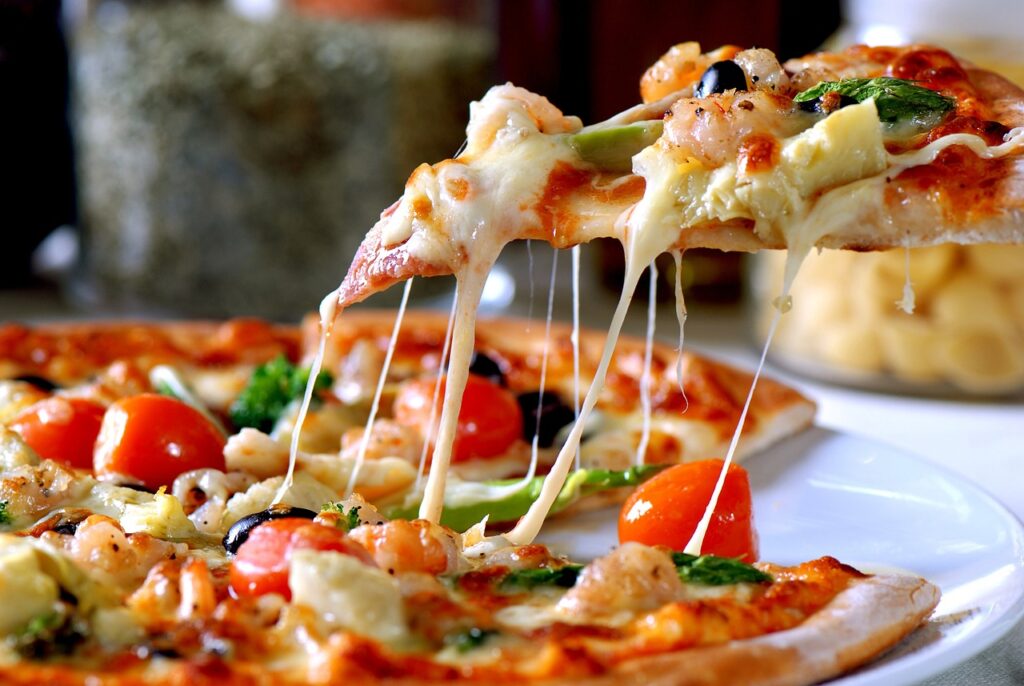
Creative pizza toppings have expanded far beyond traditional combinations. Some restaurants experimented with fruits such as strawberries, bananas, or tropical blends layered onto savory pizza bases.
These combinations attract curiosity because they break familiar culinary rules. The contrast between sweet fruit and savory cheese creates a unique flavor profile.
For many diners, however, the balance does not always work. The sweetness can clash with the salty and savory elements that define classic pizza. After the novelty wears off, many people return to more traditional topping combinations.