7 Cooking Habits Chefs Hope Home Cooks Leave Behind in 2026

Every year, home cooking evolves, shaped by better tools, smarter techniques, and lessons borrowed from professional kitchens. In 2026, chefs are hoping home cooks rethink a few habits that quietly hold meals back. These are not flashy mistakes, but rather small, everyday choices that significantly impact flavor, texture, and consistency more than most people realize. Letting go of them does not require new equipment or advanced skills, just a clearer understanding of how food behaves. With a few simple changes, everyday cooking can feel calmer, more confident, and far more rewarding. These chef-backed insights are about cooking with intention, not perfection.
1. Overcrowding the Pan
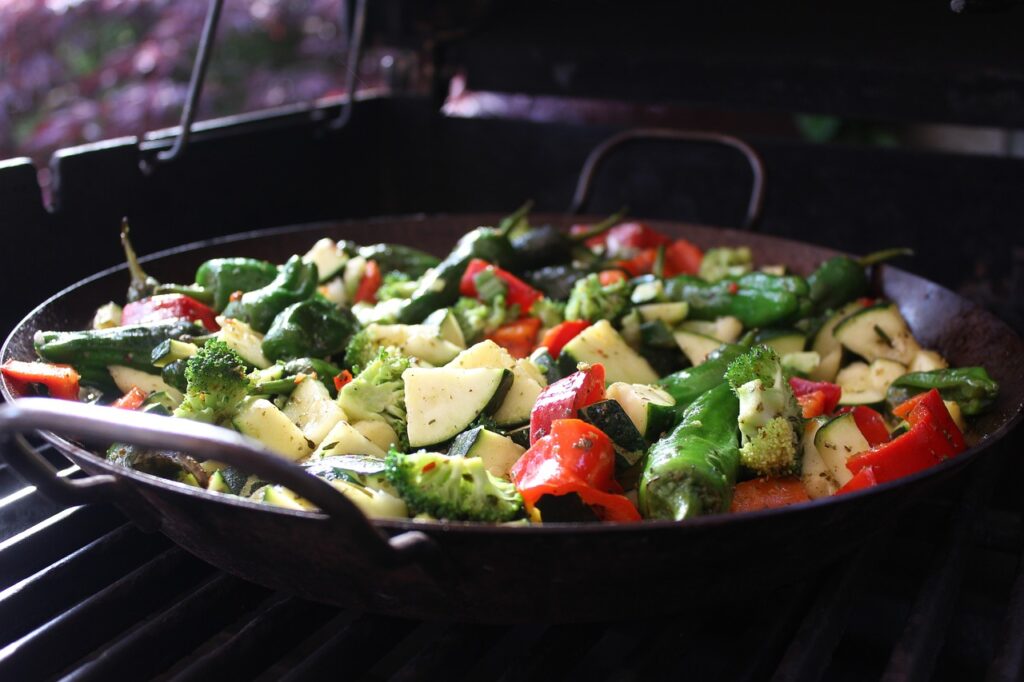
Great cooking starts with giving food room to breathe. When a pan is overcrowded, moisture released from ingredients has nowhere to escape, which drops the surface temperature and turns searing into steaming. This is why meat fails to brown properly, and vegetables come out pale and soft instead of caramelized. Chefs stress that browning is not just about appearance; it creates complex flavors through controlled heat and evaporation. Cooking in batches may feel slower, but it actually improves efficiency because food finishes faster once proper heat is restored. Overcrowding also leads to uneven cooking, forcing cooks to stir constantly and break down delicate ingredients.
2. Cooking Everything on High Heat
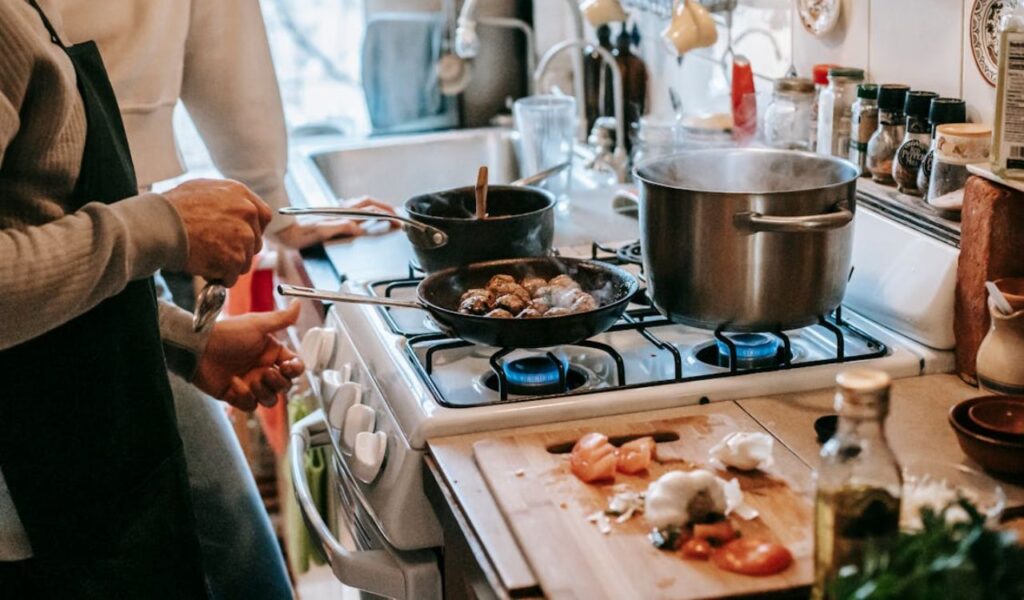
High heat has its place, but using it for everything is one of the most common mistakes chefs see at home. Excessive heat burns spices, scorches proteins, and creates bitterness before food has time to cook through. Chefs rely on heat control to guide flavor development, not rush it. Medium or medium-high heat allows sugars to caramelize slowly and proteins to firm up without drying out. Aromatics like garlic and onions especially suffer under constant high heat, turning sharp and acrid instead of sweet and mellow. Learning when to lower the flame is a skill that separates rushed cooking from thoughtful cooking.
3. Using Dull Knives
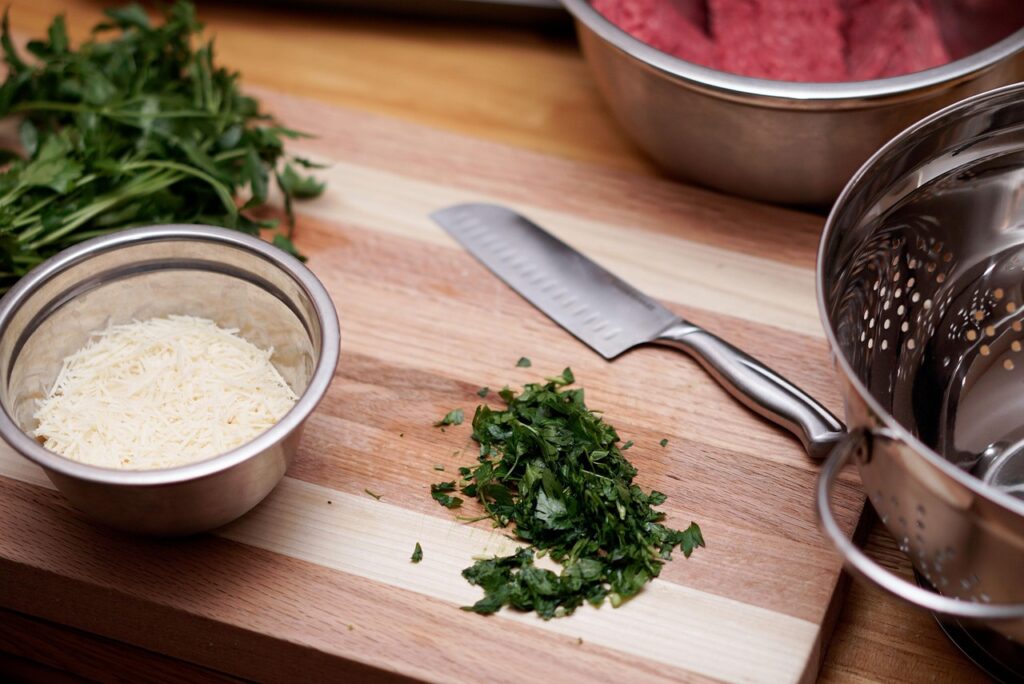
A dull knife changes how food behaves long before it hits the pan. Instead of slicing cleanly, it crushes ingredients, releasing excess moisture and damaging cell structure. Herbs bruise, tomatoes collapse, and onions weep unnecessarily. Chefs emphasize sharp knives not for speed alone, but for precision and flavor preservation. Clean cuts keep ingredients intact, which helps them cook evenly and look better on the plate. Dull knives also increase the risk of accidents because they require more force and slip more easily. Keeping knives sharp improves safety, efficiency, and overall food quality. It is one of the simplest upgrades a home cook can make with immediate payoff.
4. Overcooking Vegetables
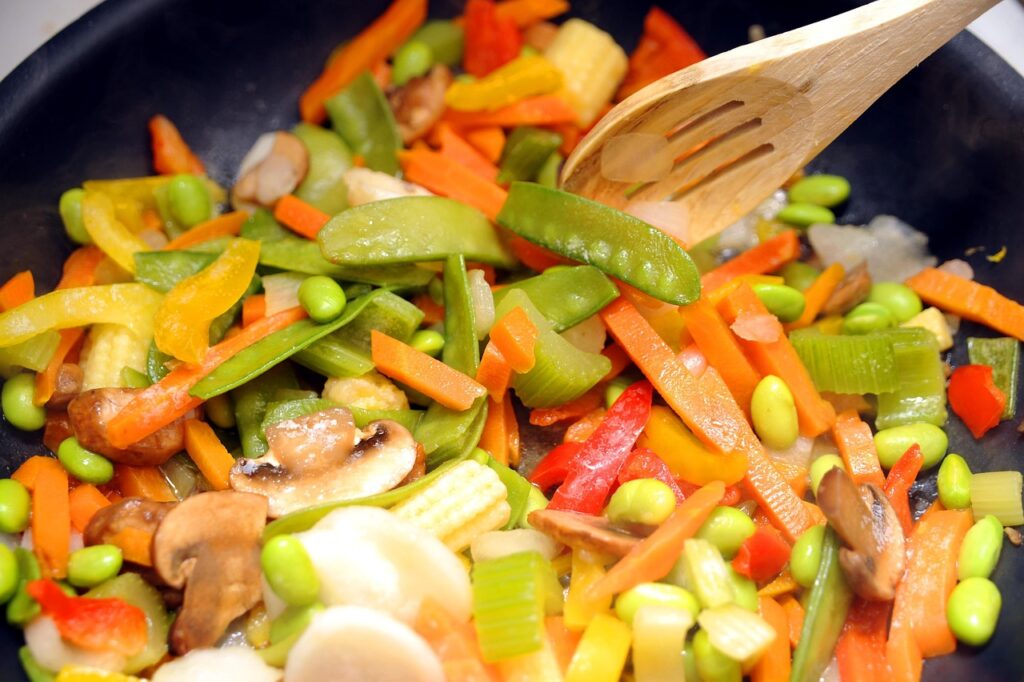
Vegetables often get treated as an afterthought, and overcooking is the fastest way to drain them of character. Prolonged boiling or sautéing breaks down structure, dulls color, and strips away natural sweetness. Chefs aim for vegetables that are tender but still offer resistance, preserving both texture and nutrients. Timing matters more than seasoning here; even perfectly seasoned vegetables taste lifeless if cooked too long. Overcooking also releases excess water, diluting sauces and creating soggy plates. Treating vegetables with the same attention as proteins transforms them into focal points rather than fillers.
5. Overusing Oil and Butter
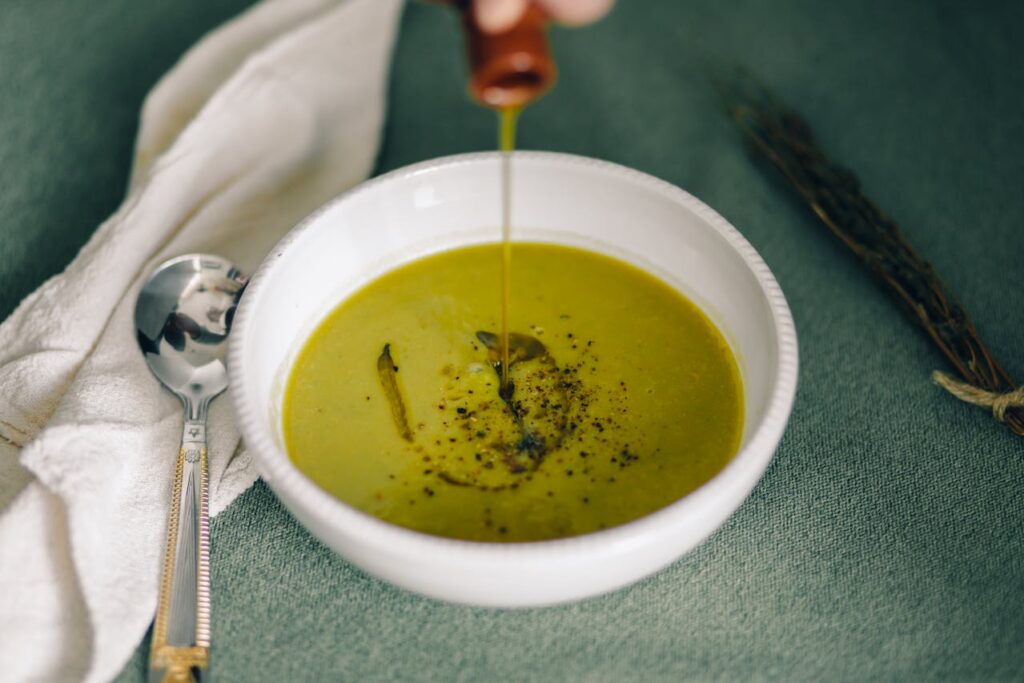
Fat is a powerful tool, but too much of it hides mistakes instead of fixing them. Excess oil can make food greasy, mute individual flavors, and leave a heavy finish on the palate. Chefs use fat strategically to enhance browning, carry aroma, and improve mouthfeel. The goal is balance, not saturation. When oil pools in a pan or butter dominates the flavor, it overwhelms the ingredients you worked to prepare. Overuse also interferes with texture, preventing crispness and creating limp results. Learning how much fat is truly needed helps dishes taste cleaner and more intentional while still feeling satisfying.
6. Underseasoning Early
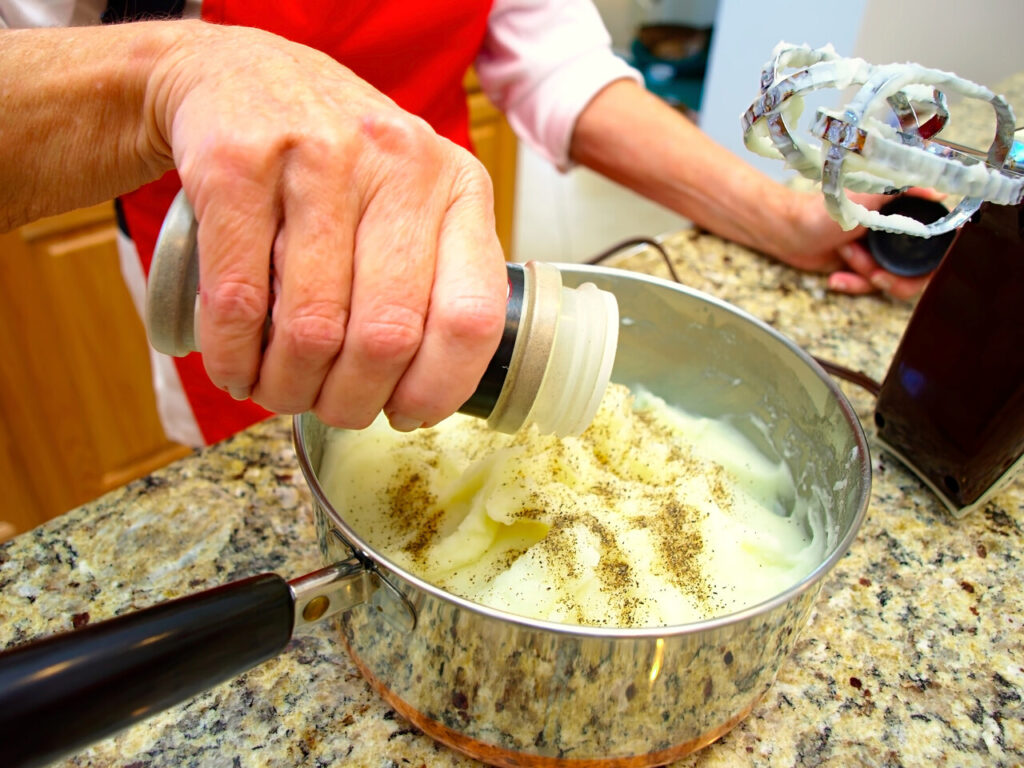
Seasoning only at the end leads to flat, surface-level flavor. Chefs season gradually because salt does more than add taste; it alters how ingredients release moisture and develop flavor during cooking. Early seasoning allows salt to penetrate proteins and vegetables, enhancing their natural qualities instead of sitting on top. This layered approach builds depth and balance rather than sharp saltiness. Waiting too long forces cooks to compensate with excessive salt, which cannot replicate properly developed flavor. Seasoning throughout the process creates cohesion, making dishes taste complete rather than assembled at the last minute.
7. Overmixing Doughs and Batters
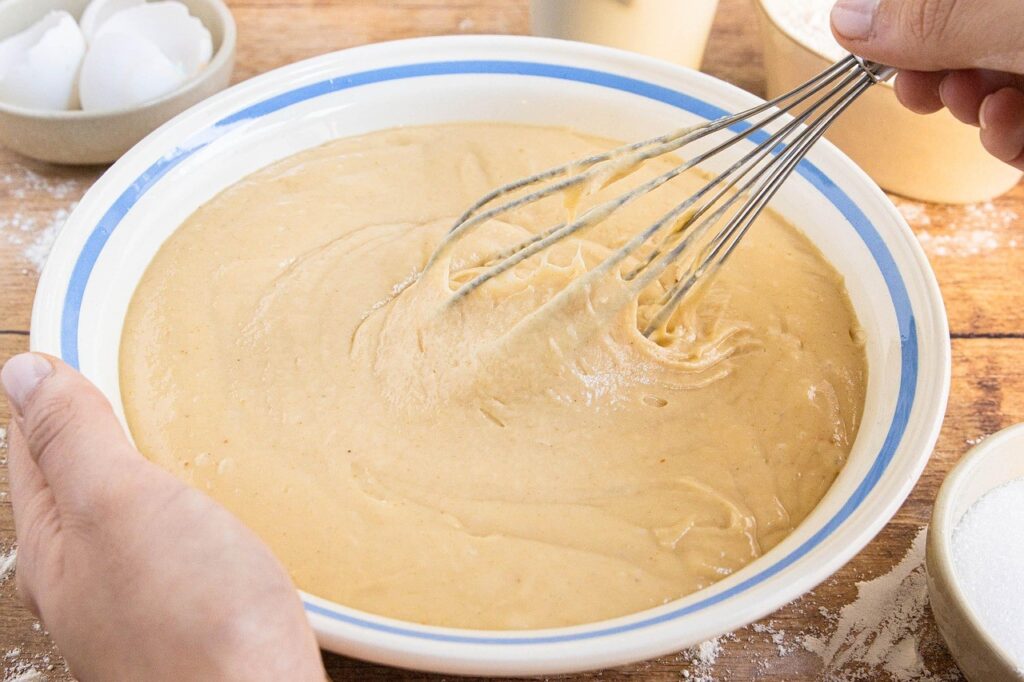
Mixing feels productive, but restraint is essential when working with flour. Overmixing develops excess gluten, which turns light batters dense and tender doughs tough. Chefs stop mixing as soon as ingredients are combined, even if the texture looks imperfect. Those small lumps often disappear during cooking, while overworked batters do not recover. Overmixing also traps air unevenly, resulting in poor rise and a heavy texture in baked goods. Understanding when to stop is a skill that improves baking more than any ingredient upgrade. Gentle handling keeps cakes soft, muffins tender, and pancakes light.