13 Cookie Skillets Burning Before They’re Done

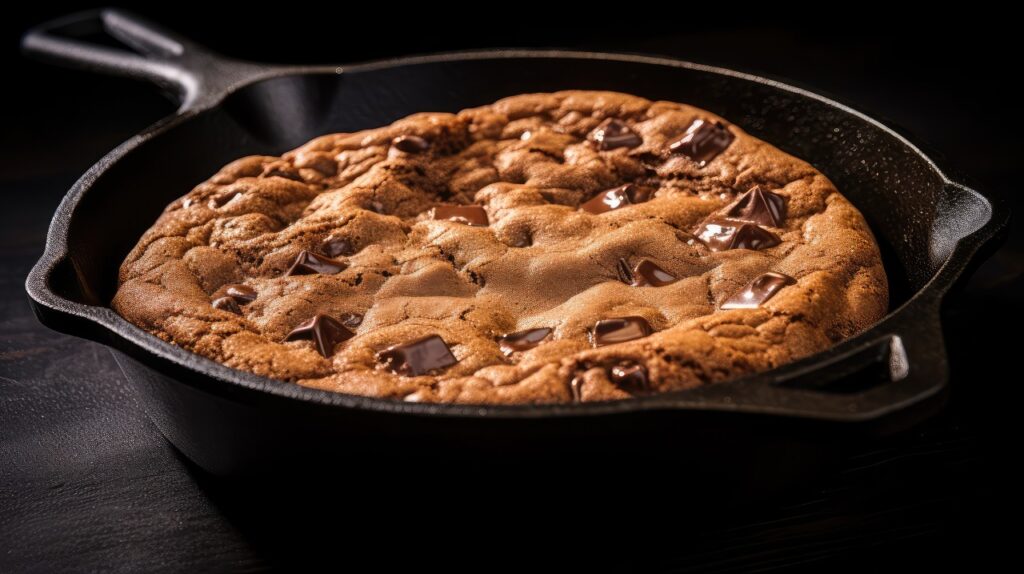
Cookie skillets promise drama and comfort in the same pan. The idea of crisp edges, a gooey center, and a warm dessert meant for sharing feels irresistible, especially when it arrives bubbling straight from the oven.
Thick pans retain heat long after baking begins, pushing edges into overdrive while the center struggles to catch up. Sugar, fat, and add-ins react fast under intense heat, making burning almost inevitable without careful control.
This list breaks down why so many popular cookie skillets scorch before they are fully baked. It is not about bad intentions or poor recipes, but about heat physics, ingredient behavior, and why this cozy dessert is far trickier than it looks.
1. Classic Chocolate Chip Cookie Skillet
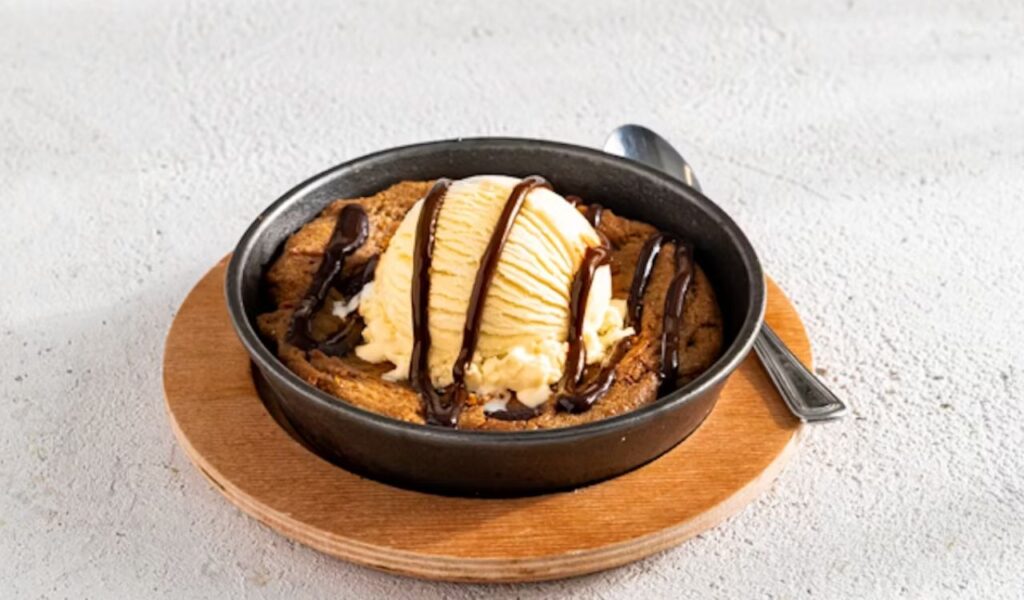
Chocolate chip cookie skillets sound foolproof, but the pan works against them. Cast iron retains intense heat, especially around the edges, which means the outer ring bakes far faster than the center. The dough near the sides sets and browns aggressively while the middle remains pale and undercooked.
Butter and sugar accelerate this problem. As they melt, they pool toward the hot edges, encouraging rapid caramelization and scorching. Chocolate chips near the rim burn easily, adding bitterness that contrasts sharply with the raw dough inside.
Lowering the oven heat helps the center but leaves the edges exposed to residual heat. Without careful timing and insulation, the result is a burnt perimeter framing an unfinished core.
2. Double Chocolate Cookie Skillet
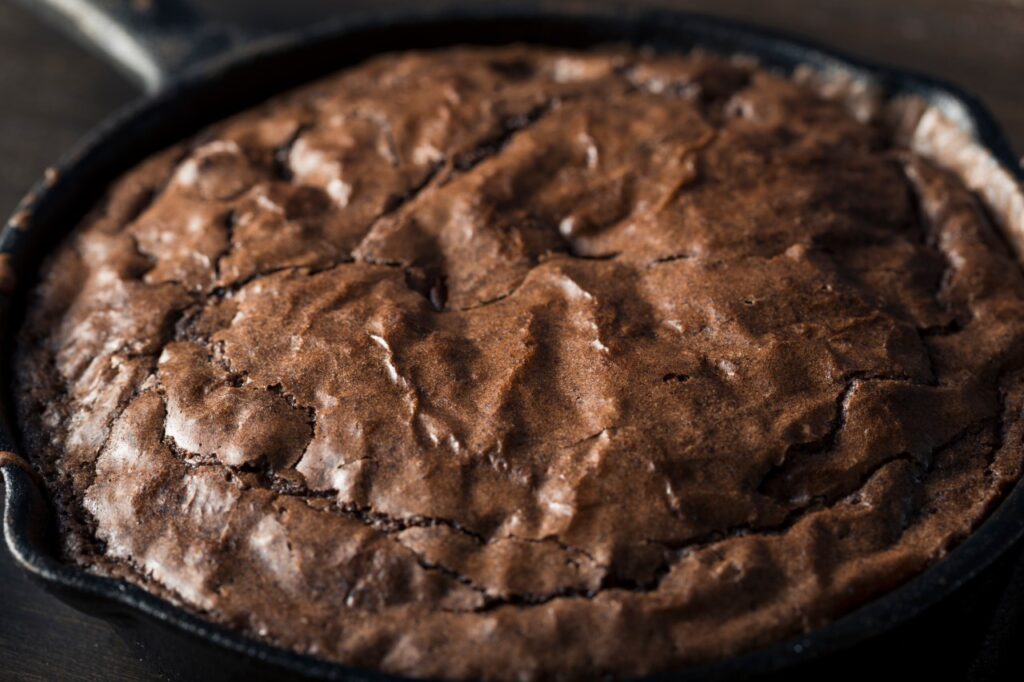
Double chocolate skillets absorb heat faster than most people expect. Cocoa powder is dark and dry, which means it pulls in heat and moisture quickly. This causes the base and sides to overheat long before the center structure sets.
Chocolate chunks add another issue. As they melt, they release fats and sugars that scorch easily against hot metal. The bottom often turns bitter while the middle stays soft and fragile.
Because chocolate masks visual cues, it is harder to judge doneness. Bakers wait for firmness that never comes without overbaking the edges. What looks rich and glossy in the pan often tastes burnt underneath.
3. Peanut Butter Cookie Skillet
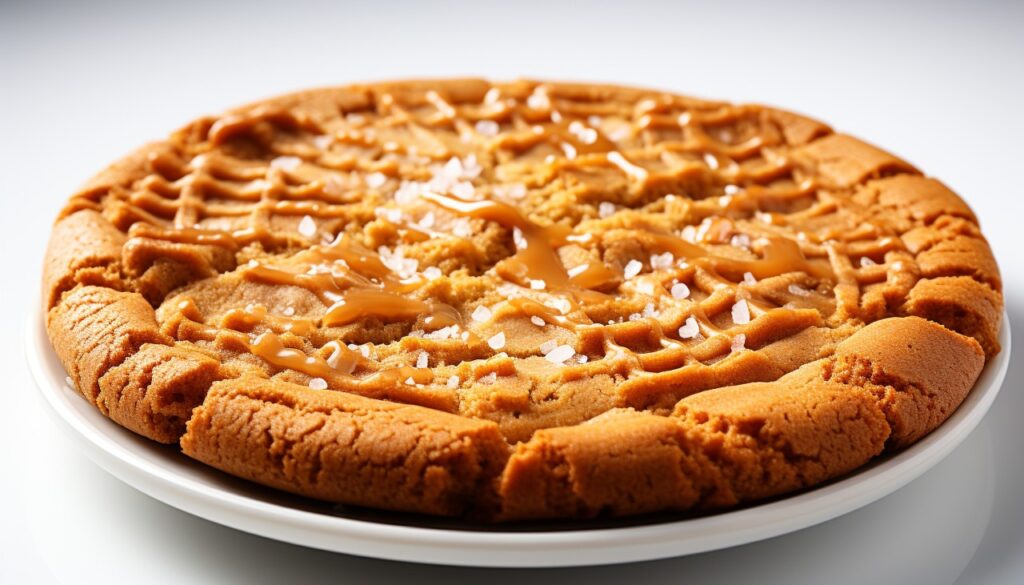
Peanut butter cookie skillets struggle because peanut butter is rich in fat, protein, and sugar, all of which brown quickly under heat. In a skillet, this causes the surface to darken fast while the center bakes more slowly. Dough at the edges stiffens and browns almost immediately when pressed against the hot pan.
Peanut butter also thickens the dough, limiting steam movement. Heat builds faster at the bottom than in the middle, creating a dark, dense base beneath softer dough and making even baking difficult.
Lowering the oven temperature rarely solves the issue. Cast iron retains heat after baking, continuing to cook the edges while the center struggles to finish, pushing the rim from golden into burnt.
4. Oreo Cookie Skillet
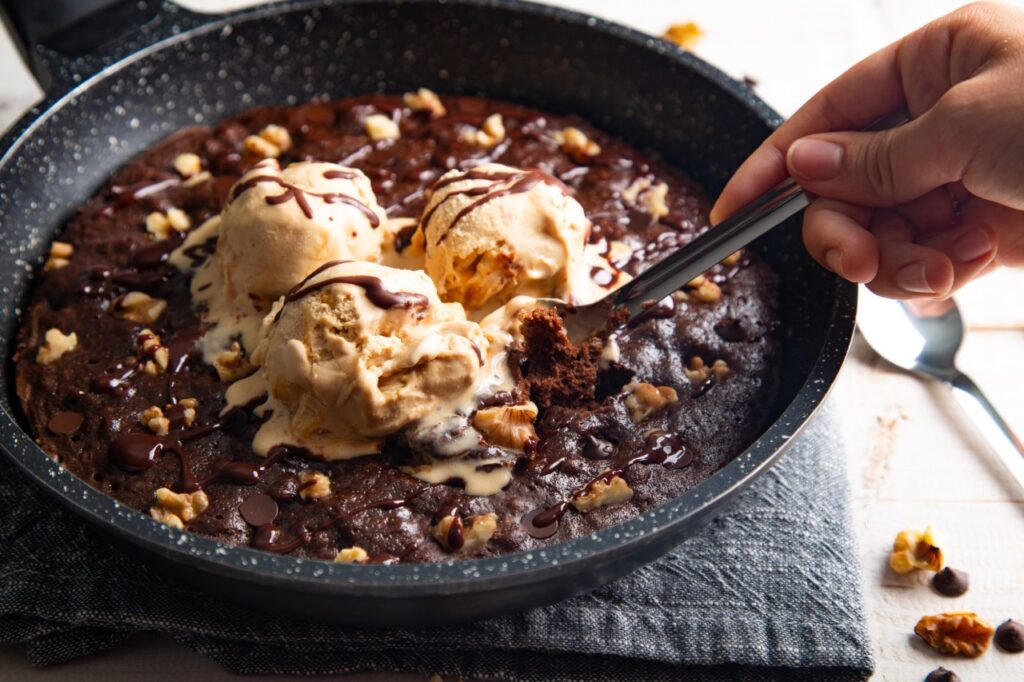
Oreo cookie skillets fail due to uneven composition. Crushed cookies absorb moisture at different rates, leaving some areas overly dry while others become saturated. In a hot skillet, these dry crumbs scorch quickly when pressed against cast iron.
The sugar in the cookies caramelizes rapidly, forming dark, bitter patches before the surrounding dough has time to set. This happens most aggressively near the edges and base, where heat is strongest.
Meanwhile, softened cookie pieces in the center trap steam and slow baking. The result is a skillet with burnt fragments surrounding underbaked dough, creating a chaotic texture instead of a cohesive cookie.
5. Sugar Cookie Skillet
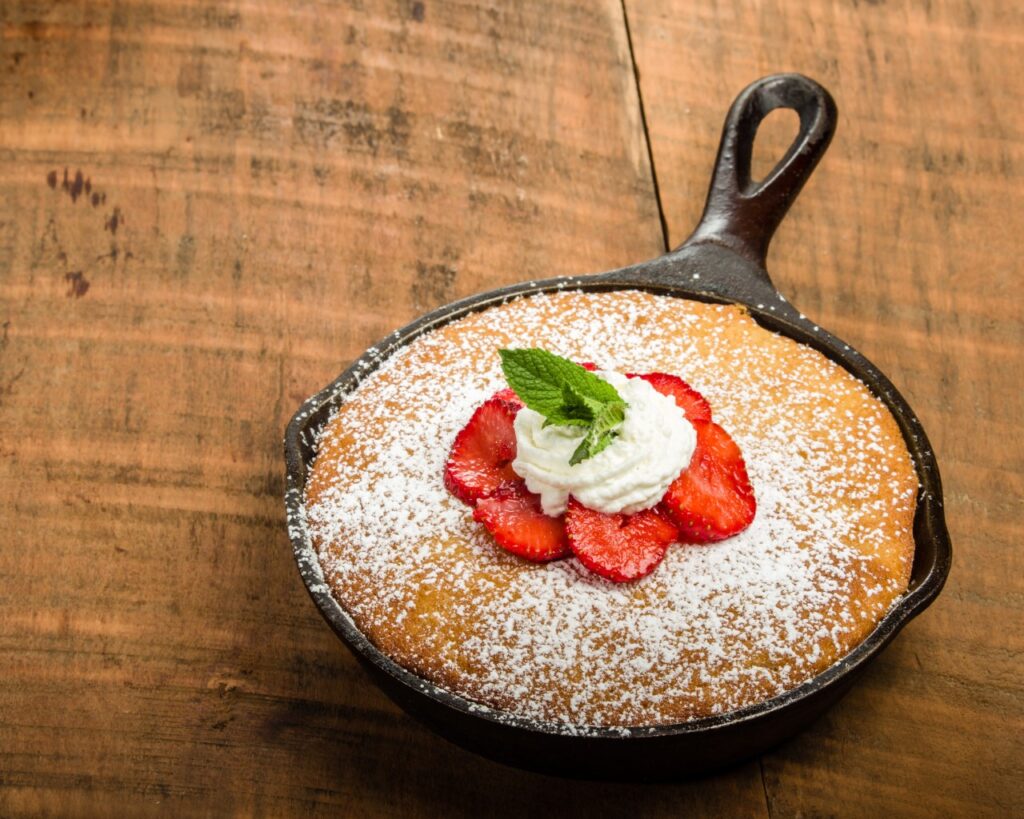
Sugar cookie skillets burn easily because sugar is the dominant ingredient. High sugar content lowers the browning threshold, so caramelization begins very quickly, especially in a hot skillet that concentrates heat along the edges. What looks lightly baked can darken rapidly in just a few minutes.
Without bold flavors to hide bitterness, scorched edges become obvious right away. As butter and sugar melt, they flow outward toward the skillet’s perimeter, where heat is strongest. This speeds browning at the rim while the interior lags behind.
The center often appears pale and soft, tempting longer baking. By the time it firms up, the edges have already moved from golden to charred, creating a sharp contrast in both texture and flavor.
6. Skillet Brookie
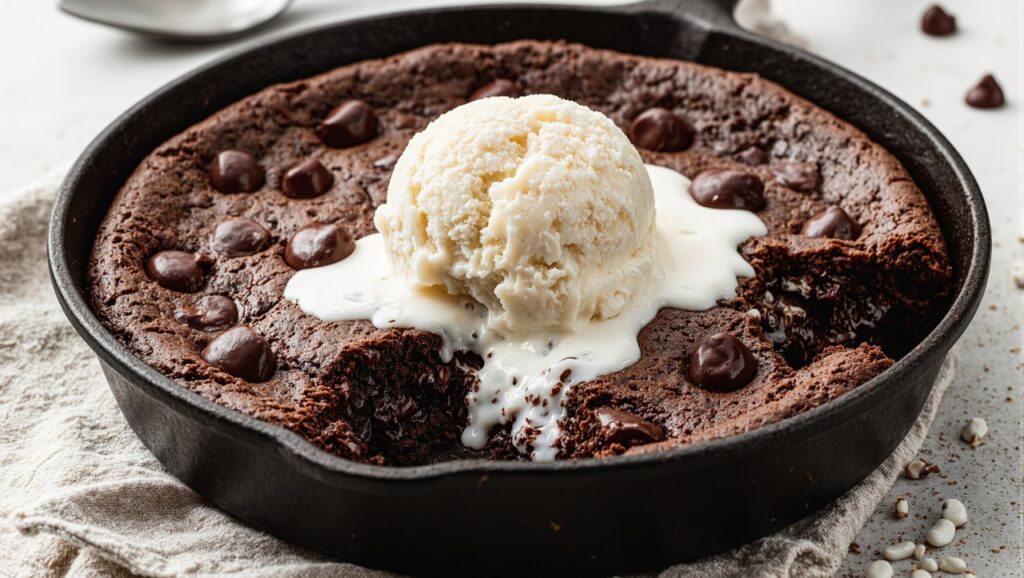
Brookie skillets struggle because they combine two batters with very different baking needs. Brownie batter is dense and moisture-heavy, meant to set slowly, while cookie dough relies on quicker heat and structure. In a skillet, direct contact with hot metal exaggerates these differences.
The cookie layer near the edges browns first, often overbaking before the brownie portion begins to firm up. Meanwhile, the brownie center traps steam and stays soft, slowing doneness.
Cast iron worsens the imbalance by holding heat beneath both layers. Timing becomes nearly impossible, leaving one layer overcooked while the other remains underbaked.
7. Salted Caramel Cookie Skillet
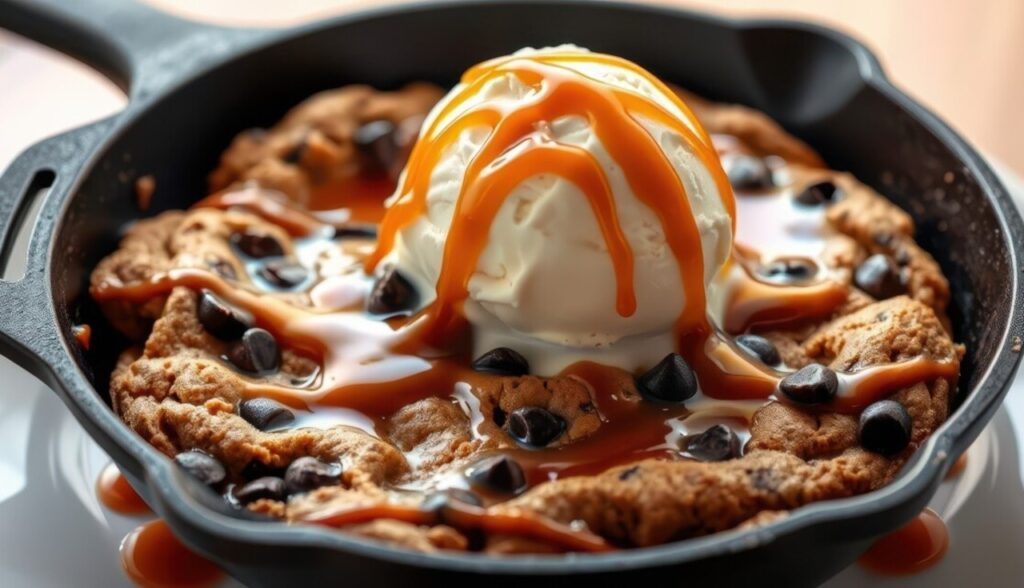
Salted caramel cookie skillets struggle because caramel is concentrated liquid sugar that reacts fast to heat. In a skillet, melted caramel flows toward the edges, where cast iron holds the most heat, increasing the risk of scorching before the dough has time to set.
As caramel heats, sugars darken quickly and can turn bitter within moments. This happens before the surrounding dough stabilizes, creating a harsh contrast between burnt sugar and soft cookie.
Lower oven temperatures cannot fully prevent this. Residual skillet heat continues cooking the edges, leaving them dark and hard while the center stays fragile and underbaked.
8. Funfetti Cookie Skillet
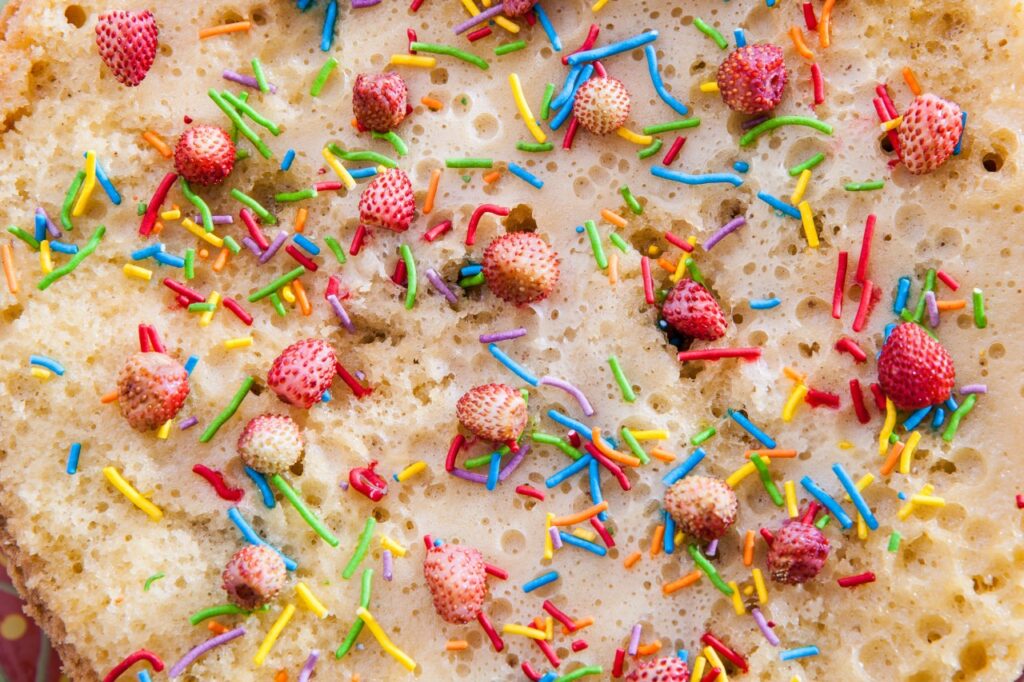
Funfetti cookie skillets depend on sprinkles for visual appeal, but sprinkles introduce extra sugar, oils, and dyes that behave unpredictably under heat. In a skillet, these elements melt quickly and speed up surface browning, especially near the edges where cast iron holds the most heat.
As sprinkles dissolve, they release syrup-like moisture into the dough. That moisture tightens the surrounding structure and causes uneven setting. Some areas firm too fast while others remain soft, increasing the risk of scorching along the perimeter.
The skillet’s retained heat exaggerates every imbalance. What should feel light and playful ends up burnt at the rim and underbaked in the center, with texture overpowering the nostalgic flavor.
9. White Chocolate Macadamia Skillet
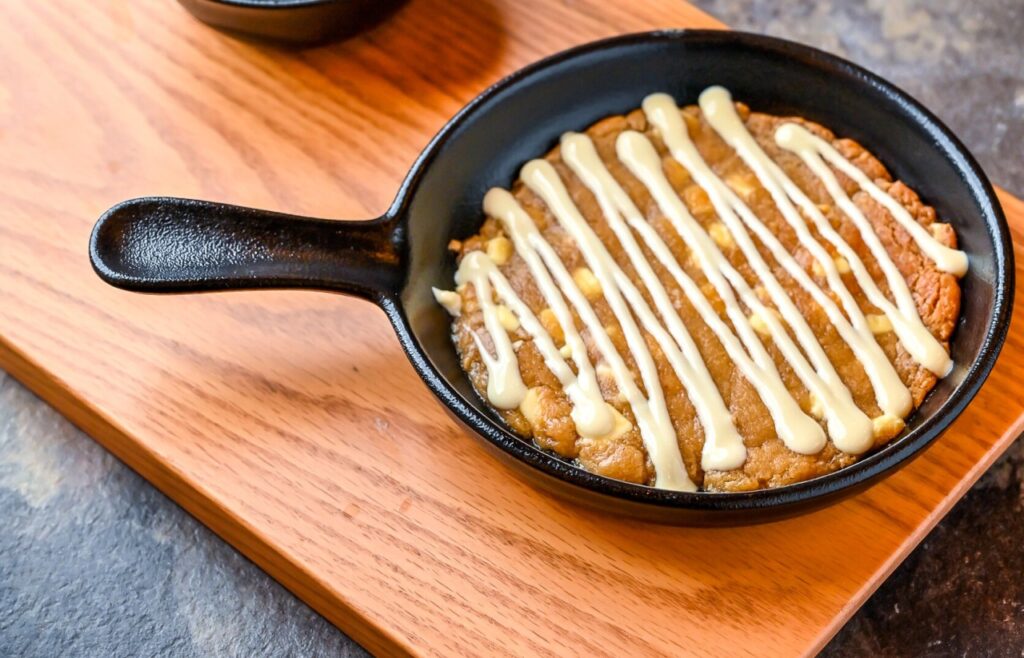
White chocolate macadamia skillets burn easily because white chocolate lacks cocoa solids, which normally help moderate heat. Its sugar and milk components brown fast, especially in cast iron that holds intense heat along the edges. This leads to scorching before the dough has time to set.
As white chocolate melts, it releases sugars that darken quickly against the hot pan. Macadamia nuts add oil, which further speeds browning where the dough meets the skillet.
The center lags due to the dough’s richness and moisture. By the time it sets, the edges often taste bitter and toasted, overwhelming what should be a soft, buttery cookie.
10. Oatmeal Cookie Skillet
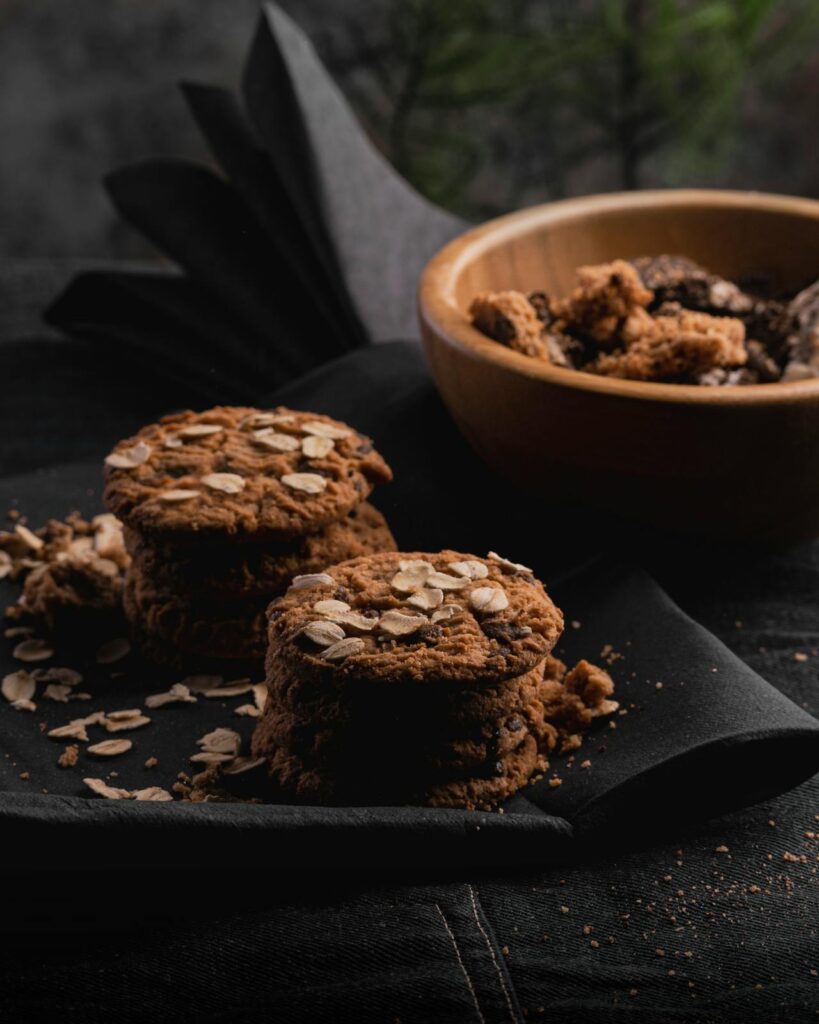
Oatmeal cookie skillets struggle because oats absorb moisture aggressively. In a skillet, they pull water from dough near the hot edges, drying it out faster than the center. The perimeter stiffens and browns before the cookie can bake evenly.
Dry dough scorches easily, especially where oats touch the pan. Sugars caramelize too quickly against the hot metal, while trapped moisture slows cooking in the middle.
The center stays soft as the edges turn firm and bitter. Instead of a balanced chew, the skillet ends up with a burnt crust surrounding a doughy middle, undercutting the comfort oatmeal cookies promise.
11. Snickerdoodle Skillet
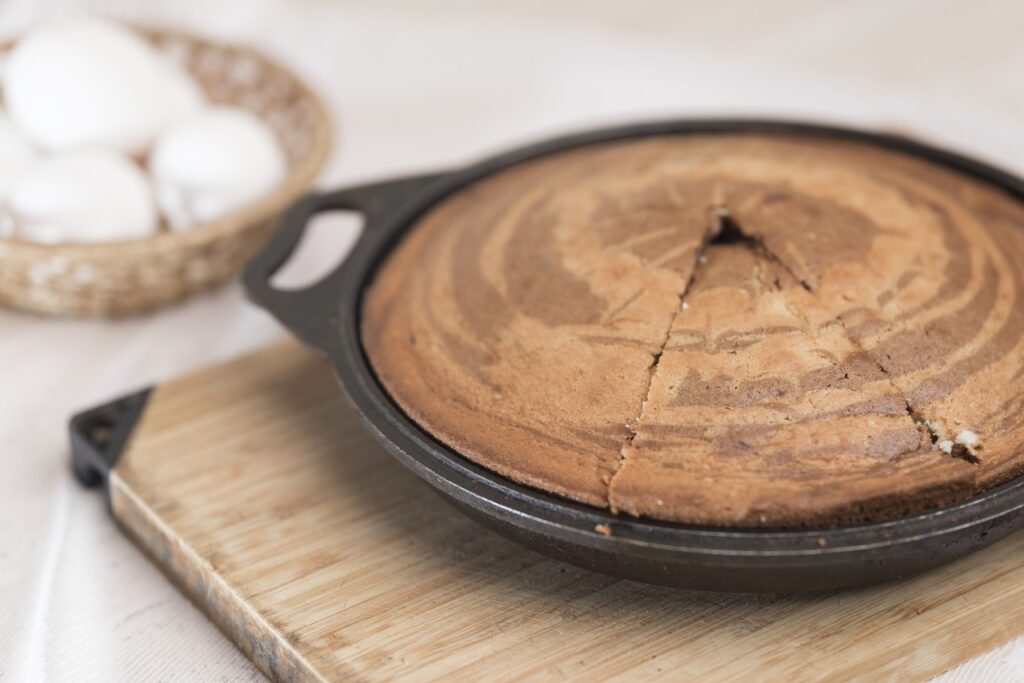
Snickerdoodle skillets depend on a sugar and cinnamon coating that reacts quickly to heat. In a skillet, that coating sits directly against hot metal, causing it to brown far faster than the dough beneath. Cast iron intensifies this effect by holding heat at the edges, where the coating caramelizes almost immediately.
As cinnamon sugar heats, it darkens and hardens into a crust. The dough below struggles to set evenly, especially in thicker skillets that trap heat at the perimeter. This creates a firm outer ring before the center has time to bake through.
The middle stays pale and tender while the edges push into bitterness. What should taste soft and fragrant ends up sharp at the rim, with uneven texture dominating every bite.
12. Pumpkin Cookie Skillet
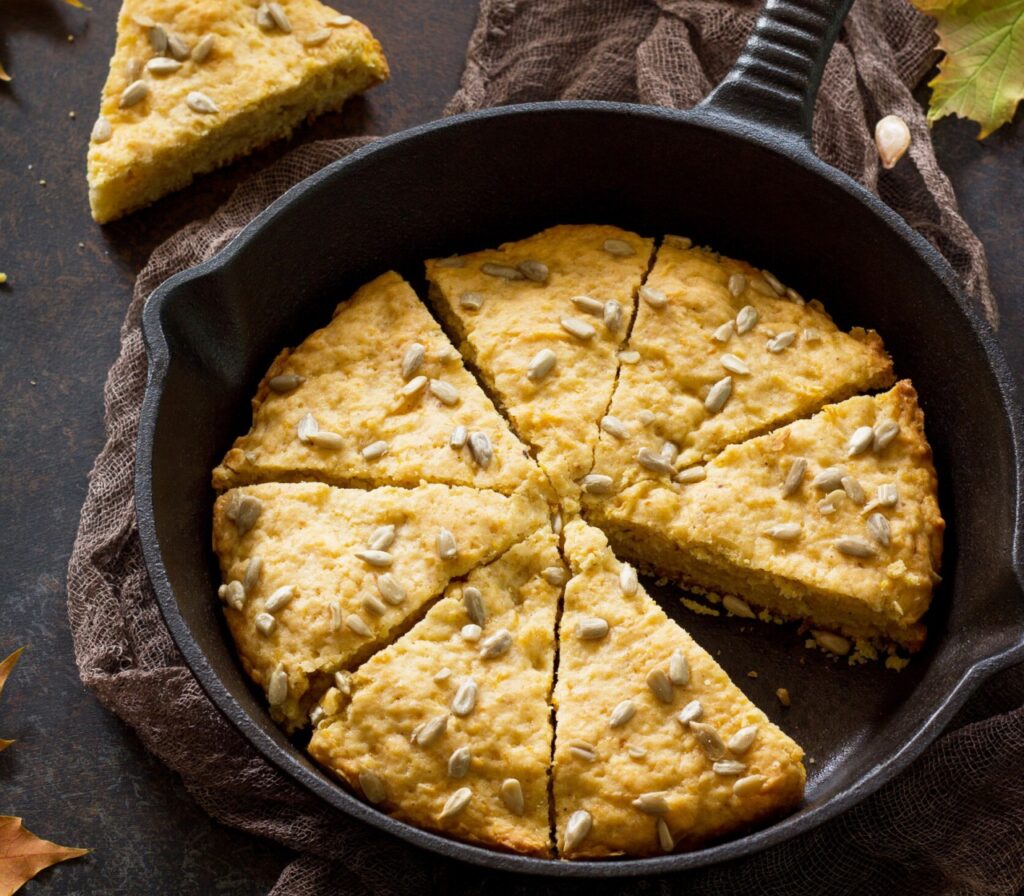
Pumpkin cookie skillets seem forgiving, but pumpkin adds moisture without strength. In a skillet, that moisture slows setting in the center while the edges face intense heat. The perimeter bakes and dries long before the middle has time to set.
As the skillet heats, water in pumpkin puree turns to steam. That steam cools the center slightly and delays doneness, while cast iron stays hot around the edges. Sugar and fat keep browning there, pushing the rim toward dryness as the center stays soft.
Spices like cinnamon and nutmeg can hide bitterness, but they cannot fix texture. By the time the center firms up, the edges are often overbaked or burnt, leaving an uneven skillet with dry borders and a soft core.
13. Vegan Cookie Skillet
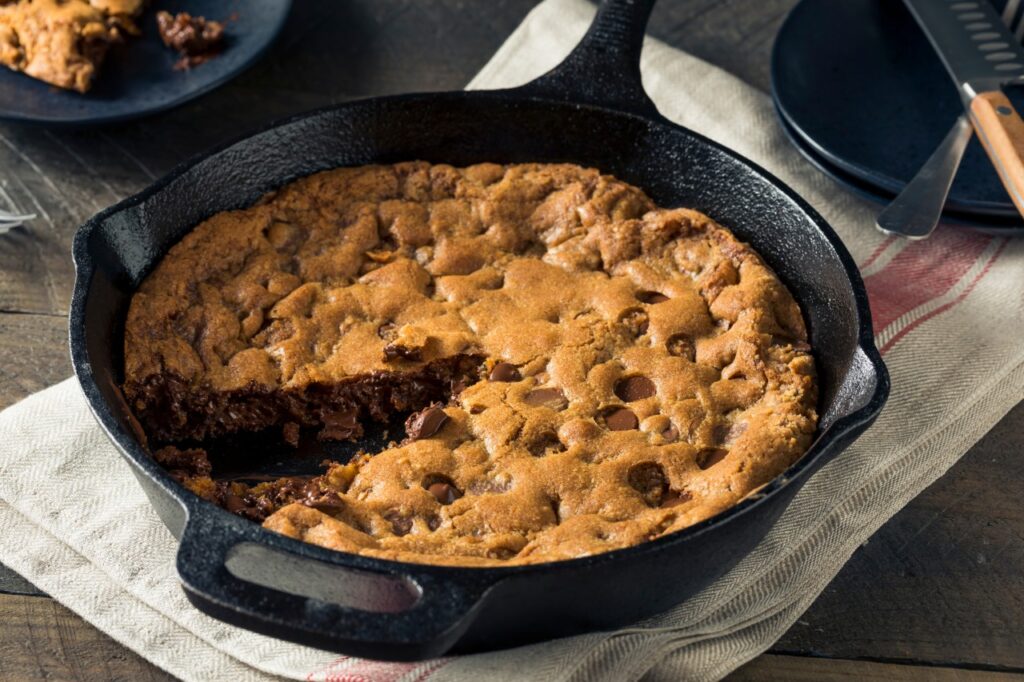
Vegan skillets rely on alternative fats and binders that behave unpredictably under heat. Oils brown faster than butter, especially in cast iron. This rapid browning shortens the window between golden and burnt. Small temperature shifts can push edges too far quickly.
Without eggs, structure develops slowly. The edges overbake while the center remains soft and fragile. Plant-based binders need gentler, longer heat to set properly. In a hot skillet, they rarely get that chance.
Residual heat worsens the problem. Even after removal, the skillet continues cooking the perimeter, leaving a burnt rim around an underfinished middle. The texture imbalance becomes more pronounced as it cools. What starts uneven only gets tougher with time.