9 Major Brands Still Using Toxic Dyes Banned in Almost Every Other State

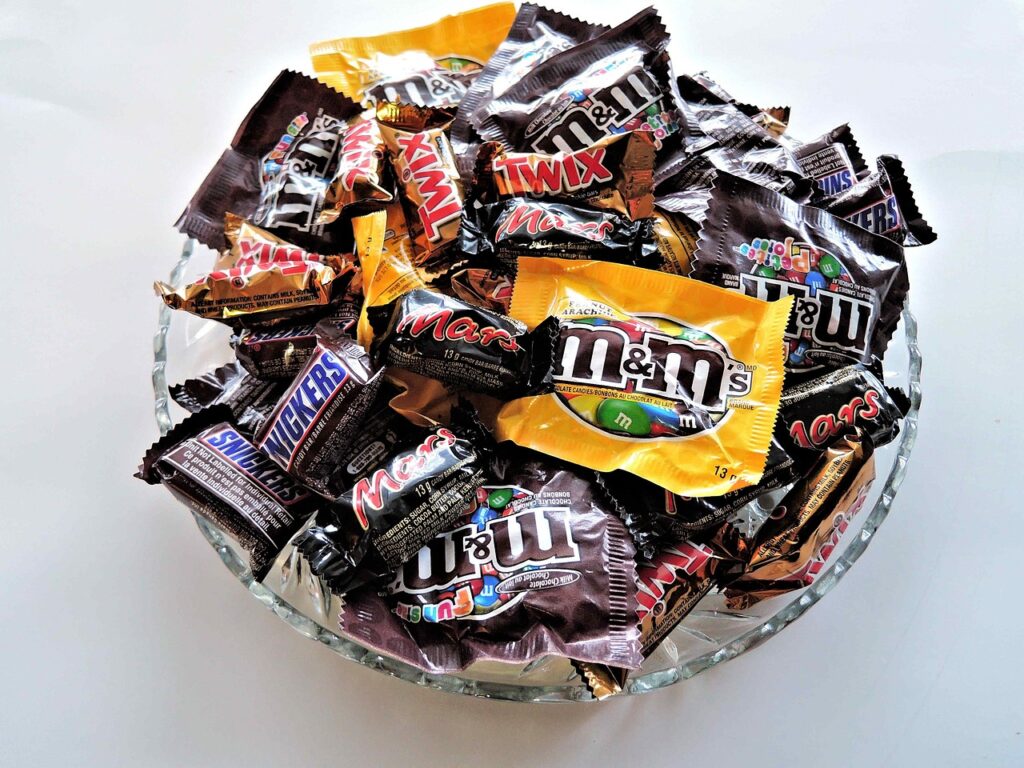
Colorful snacks and drinks often look harmless, yet many familiar grocery favorites still use synthetic dyes that regulators and health groups increasingly question. While some companies promise cleaner ingredient lists, reformulation across massive product lines takes time, leaving many items unchanged for now. As state rules tighten and shoppers grow more ingredient aware, the gap between promised change and products still on shelves reveals how slowly large food systems adapt, even when public pressure keeps growing.
1. Mars, Incorporated
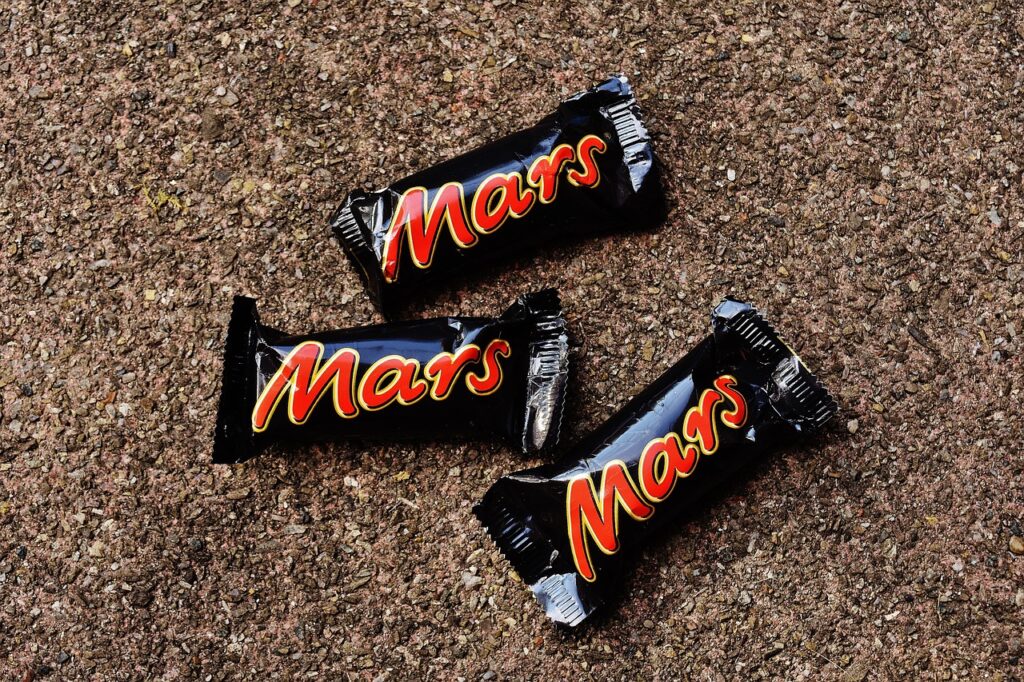
Mars products are known for bright candy colors that customers recognize instantly, especially in brands like M&M’s and Skittles. These colors have long depended on synthetic dyes because they remain stable during production, storage, and transport. Changing them is not just about health concerns but also about maintaining a familiar appearance that shoppers expect every time they open a pack.
Natural color replacements behave differently under heat and light, which makes large-scale manufacturing complicated. Plant-based pigments can fade or shift tone, creating inconsistency across batches.
Mars has announced gradual plans to reduce synthetic color use, yet many popular candies still rely on these dyes today. Reformulation across global markets takes time.
2. PepsiCo
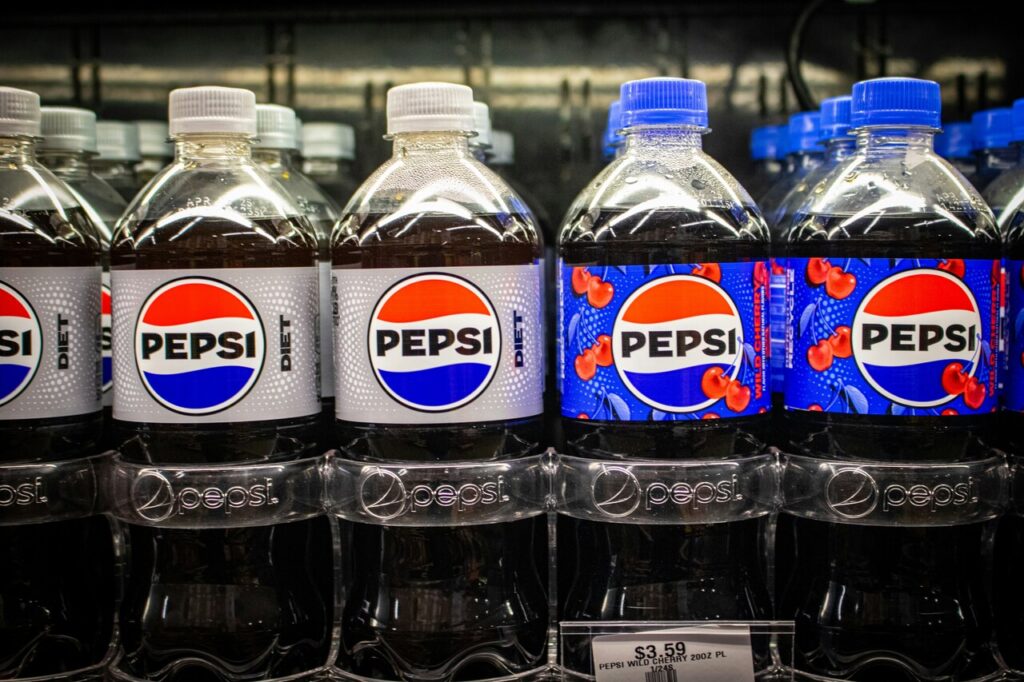
PepsiCo manages a massive range of snacks and drinks where color helps signal flavor and brand identity. Removing them requires careful reformulation so that taste and shelf appearance stay unchanged for customers.
Natural dyes react differently depending on acidity, heat, and storage conditions, making replacements more difficult in beverages and processed snacks. Each product line needs testing to avoid unwanted flavor or color variation.
PepsiCo has pledged gradual reformulation, yet many well-known items still contain artificial colors while transitions continue. Because of the company’s scale, updates appear product by product.
3. General Mills

General Mills cereals built their popularity around colorful shapes that appeal strongly to children and families. Bright colors make cereals visually exciting, but many rely on synthetic dyes for consistency. Reformulating them requires ensuring new natural colors survive storage without fading or affecting flavor.
Companies must confirm new formulas hold color stability before rolling them out nationally. That testing process stretches timelines across many cereal brands.
General Mills has started shifting some products toward alternative color sources, yet several cereals still contain synthetic dyes. The transition happens gradually, so taste, texture, and shelf appearance stay familiar while color systems are replaced carefully over time.
4. Kraft Heinz
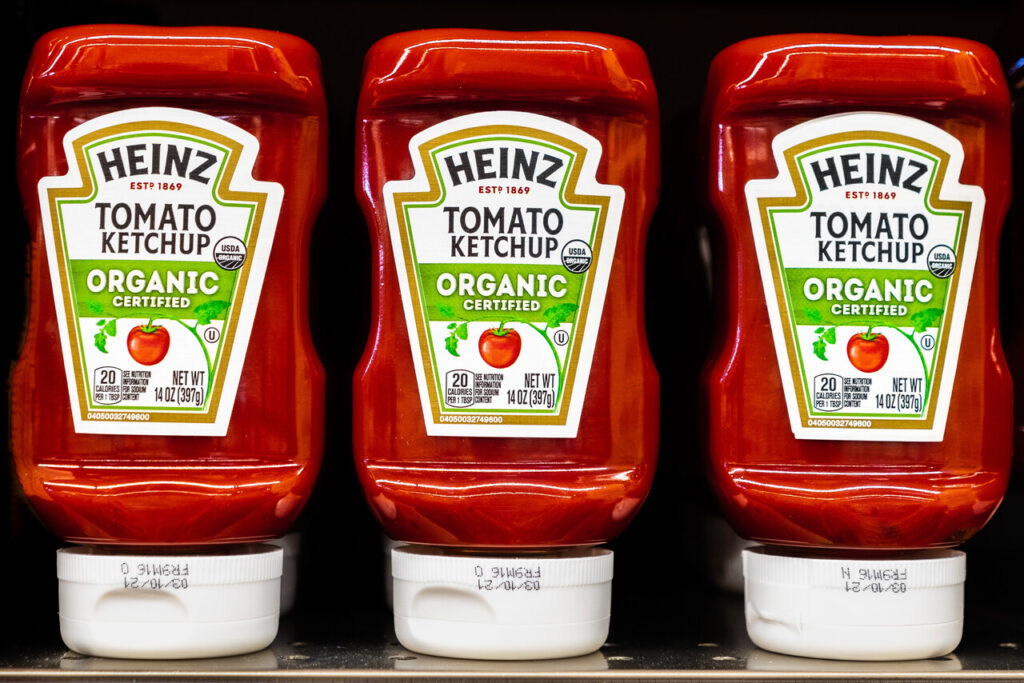
Kraft Heinz products span sauces, boxed meals, and processed foods, where consistent color influences consumer trust. Synthetic dyes help products look the same every time, which matters in packaged foods sold nationwide.
Heat processing and long shelf life make natural dyes harder to use because some pigments fade or change tone. Reformulation, therefore, involves repeated factory testing and supplier adjustments.
Kraft Heinz has committed to cleaner ingredient strategies, but many established products still use synthetic colors while reformulation progresses. Because of supply complexity and product variety, certain items remain unchanged until stable alternatives become practical.
5. Conagra Brands
Conagra produces many frozen and packaged foods, including private-label products for supermarkets. Color consistency matters because customers expect a familiar appearance from items like snacks and ready meals.
Natural color replacements sometimes degrade under freezing or long storage, creating an uneven appearance after cooking. Reformulating frozen products requires testing across cooking methods to ensure visual quality remains consistent.
Conagra continues transitioning some brands to cleaner ingredient lists, yet many products still contain artificial dyes during ongoing reformulation. Because retailer demands vary, change happens unevenly across product lines, leaving certain items still using traditional color additives while replacements are introduced gradually.
6. J.M. Smucker
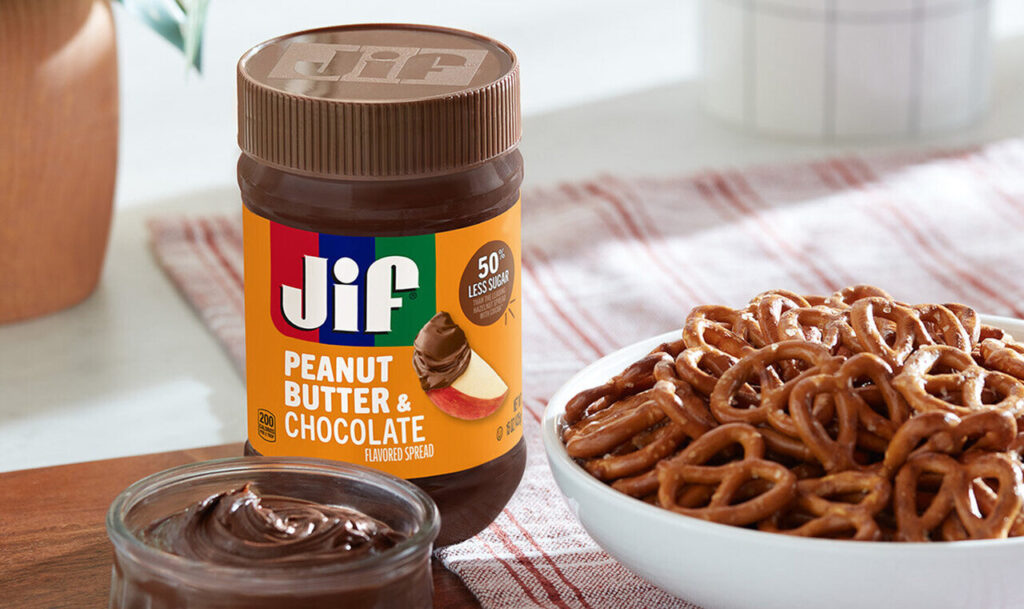
Smucker’s products include spreads, dessert toppings, and packaged foods where color signals flavor quality. Consumers expect jams and flavored items to look bright and appetizing, and synthetic dyes historically helped maintain this consistency through long shelf life.
Natural color sources can dull or shift tone over time, especially after processing or prolonged storage. Companies must ensure replacements do not affect taste or visual appeal before reformulating widely.
Smucker has announced gradual plans to reduce artificial additives, yet some products continue to use synthetic colors while testing continues. Because each category requires different solutions, transitions occur step by step instead of all at once.
7. Hershey
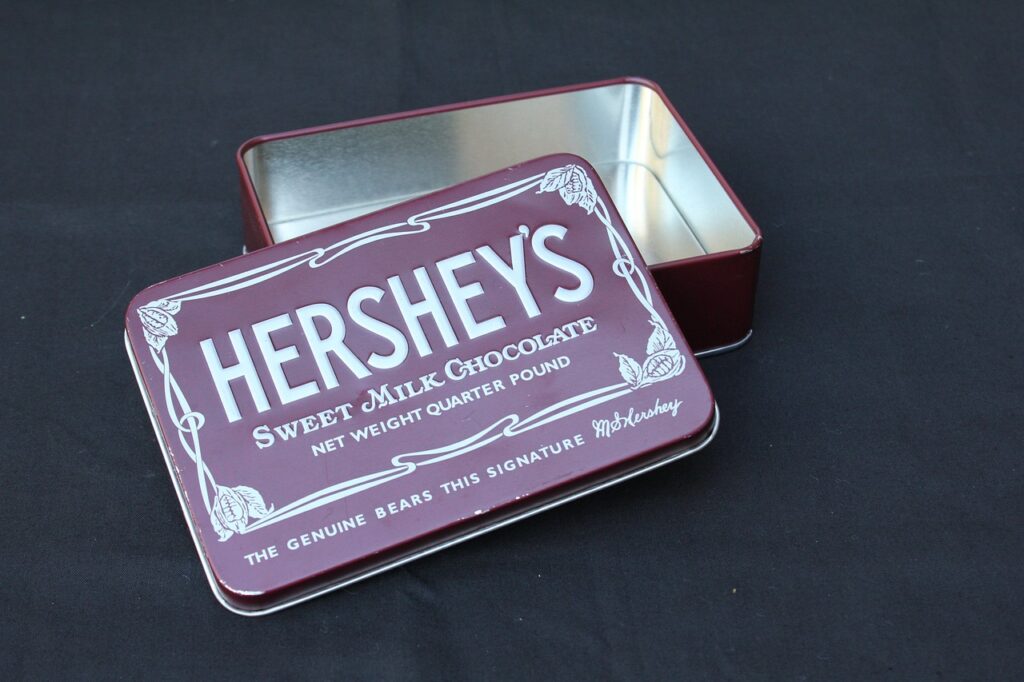
Hershey candies rely heavily on recognizable colors that attract shoppers in stores and reinforce brand identity. Synthetic dyes provide brightness and durability that survive manufacturing heat and long shipping periods.
Natural pigments sometimes fade or behave unpredictably during candy production, requiring extended research and product testing. Companies prefer incremental changes so flavors and textures remain unchanged.
Hershey continues working toward cleaner labeling, yet many familiar candy products still contain synthetic dyes today. Reformulation proceeds gradually across categories.
8. Nestlé
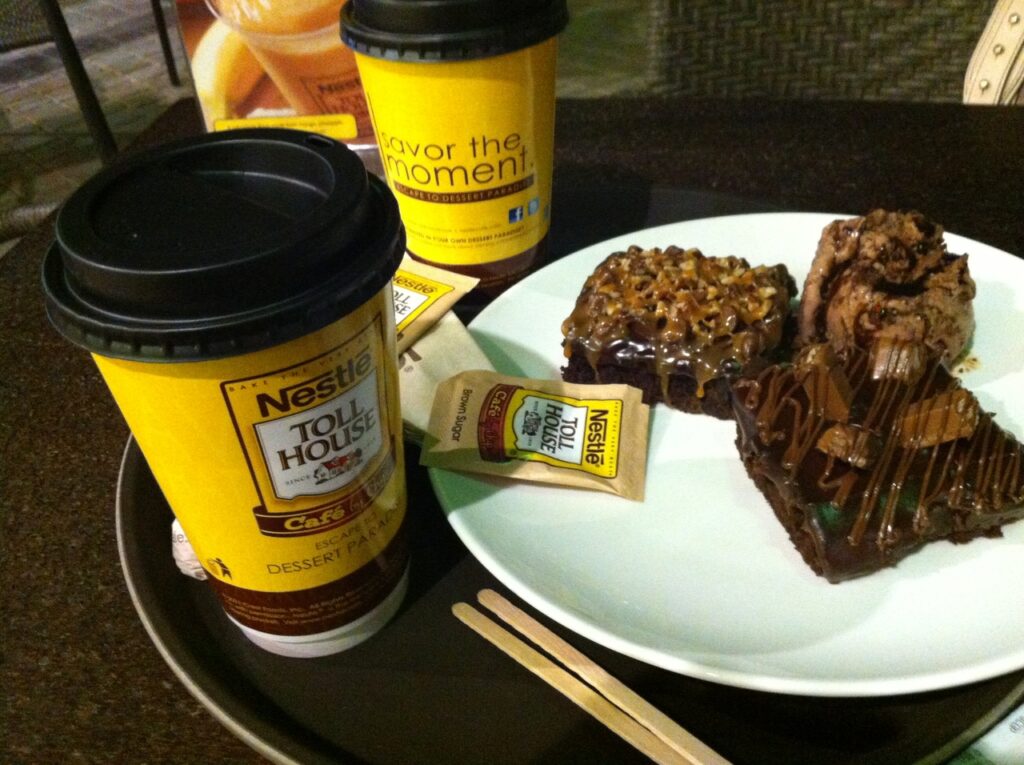
Nestlé sells products worldwide, which makes ingredient changes more complicated due to different regulations and supply systems across countries. Synthetic dyes remain common in certain lines because they guarantee a consistent appearance.
Natural dye performance varies by product and region, requiring localized testing and supplier coordination before changes become permanent. Large global portfolios mean updates roll out regionally rather than simultaneously everywhere.
Nestlé continues reformulating products where feasible, but several items still contain synthetic dyes while global transitions unfold. Because of scale and technical constraints, customers will continue encountering legacy formulas in some categories.
9. TreeHouse Foods
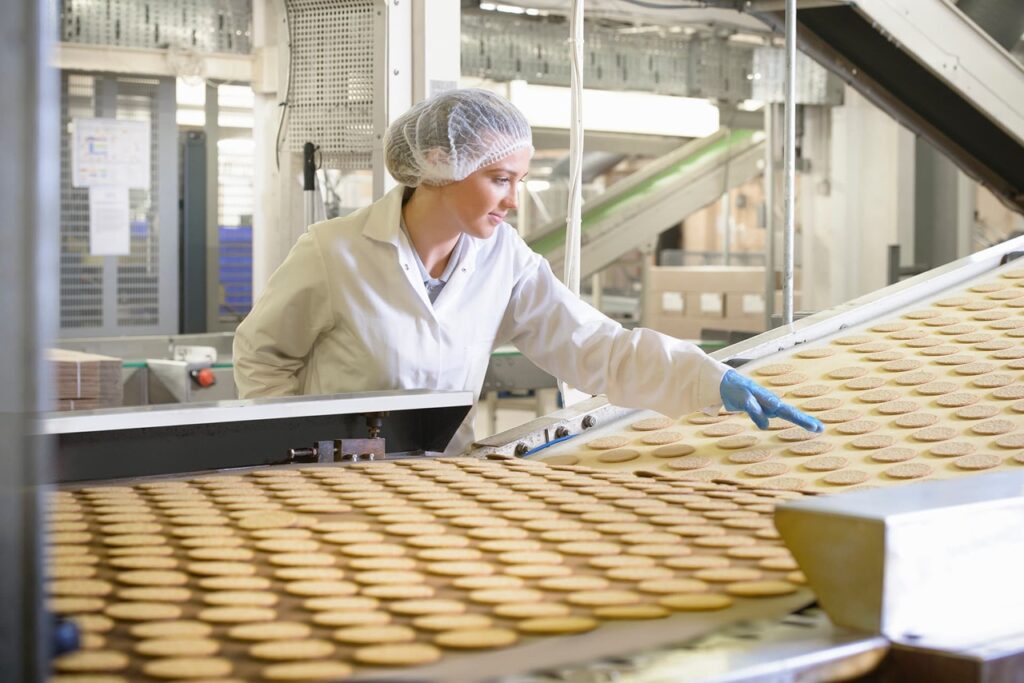
TreeHouse Foods manufactures many private-label products sold under supermarket brands. Because retailers control specifications, dye removal timelines differ across stores, resulting in mixed progress.
Private label products often operate on tighter margins, making reformulation decisions slower due to cost concerns and supplier logistics. Natural color adoption requires coordination across retailers.
TreeHouse continues adjusting formulas where retail partners demand cleaner labels, yet many store brand products still include artificial dyes. Because decisions depend on individual retailer policies, shoppers encounter uneven changes across different supermarket brands during ongoing reformulation efforts.