7 Mug Cakes Tasting Like Sad Rubber

Mug cakes promise comfort in minutes, a warm dessert made with little more than a mug and a microwave. They look cozy, unfussy, and forgiving, which makes their popularity easy to understand. The idea is simple: quick mixing, quick cooking, instant reward.
What rarely gets discussed is how unforgiving microwaves actually are. Small portions overcook fast, moisture shifts unevenly, and structure tightens before a crumb has time to soften. Ingredients that behave well in ovens react very differently under intense, uneven heat.
This list breaks down why so many popular mug cakes turn rubbery instead of tender. It is not about bad recipes alone, but about physics, ratios, and expectations that clash with reality once the microwave door closes.
1. Chocolate Mug Cake
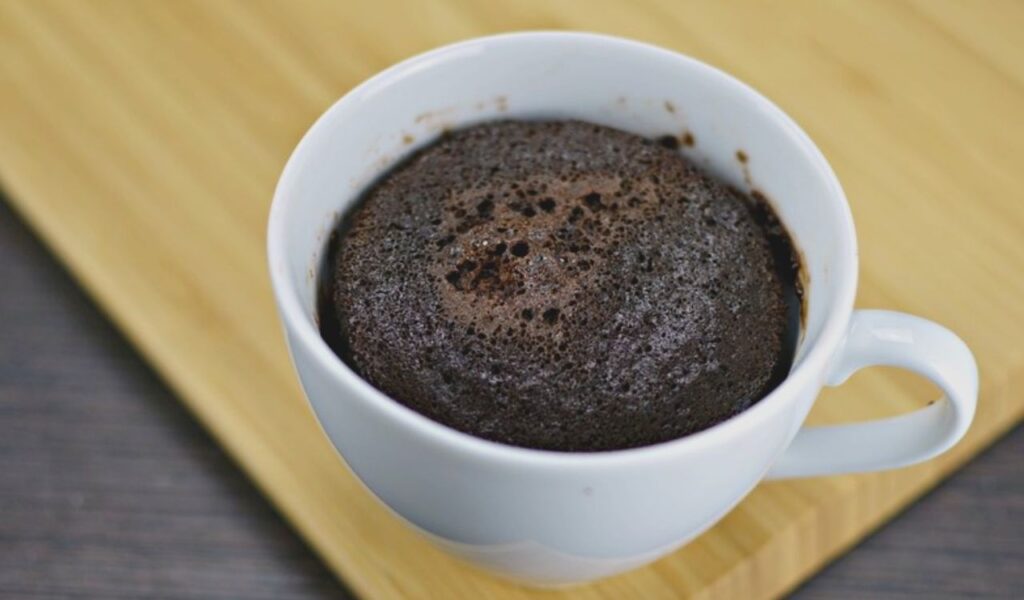
Chocolate mug cakes sell the idea of instant comfort. Cocoa suggests richness, warmth, and forgiveness, which makes people expect a soft, brownie-like center. Chocolate batter is dense to begin with, so it sets fast and tight before moisture has time to distribute evenly.
Even brief overcooking causes proteins to tighten, especially in small portions like a mug. Cocoa powders absorb liquid aggressively, pulling moisture away from the crumb as it cooks. The result is a cake that firms up seconds after cooking ends, losing any softness it briefly had.
What tastes rubbery is really trapped steam and over-set structure. Without the slow, even heat of an oven, chocolate mug cakes rarely relax into a tender crumb.
2. Vanilla Mug Cake
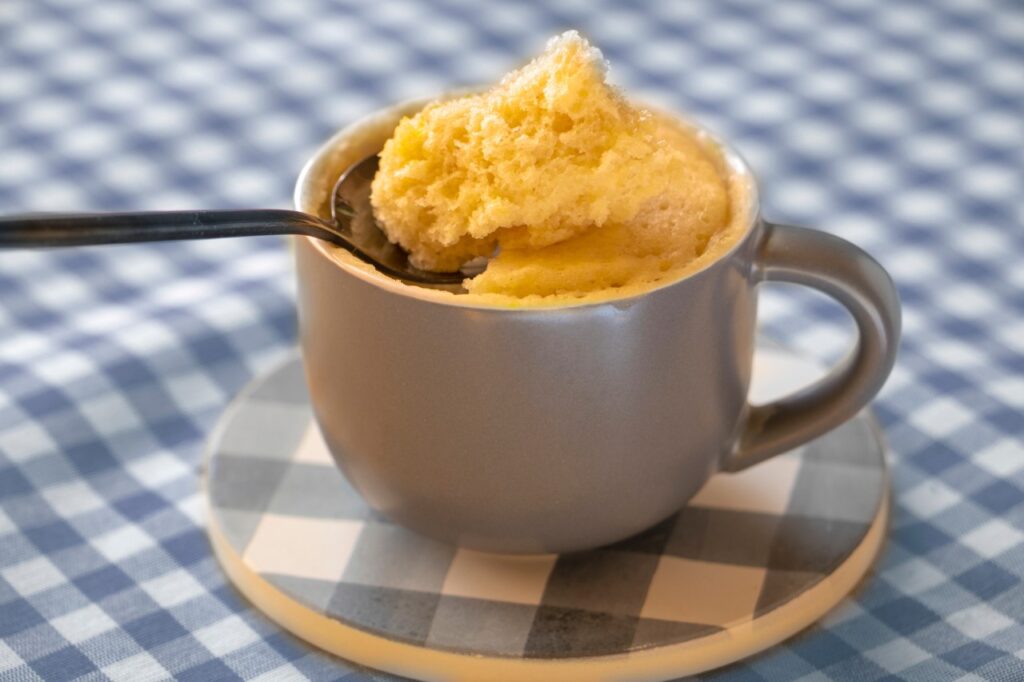
Vanilla mug cakes expose every weakness in the method. With no cocoa, spices, or strong flavors to distract the palate, texture becomes impossible to ignore. Vanilla batter depends heavily on proper aeration and gentle baking, neither of which microwaves provide.
Microwaves do not brown or dry surfaces gradually. Instead, they heat water molecules aggressively, causing the batter to puff, then collapse as soon as cooking stops. This creates a springy, elastic crumb that feels more like a sponge than a cake.
Vanilla also highlights imbalance. Too much egg makes the cake bouncy, while too little fat leaves it tight. In a mug, there is no margin for error, which is why vanilla versions so often taste oddly chewy and flat.
3. Red Velvet Mug Cake
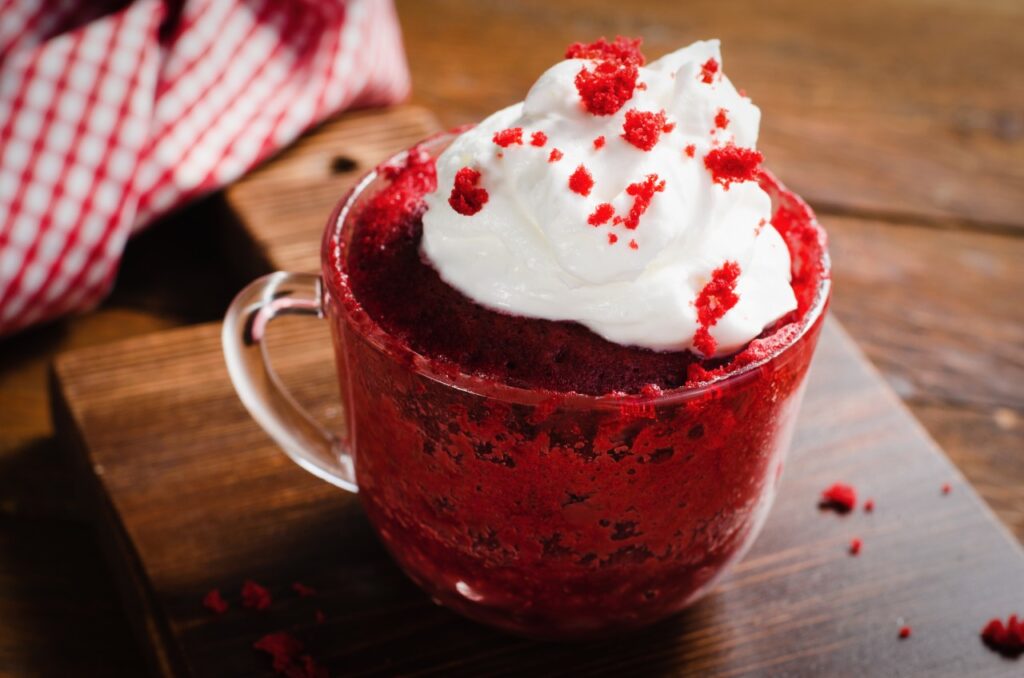
Red velvet mug cakes rely heavily on appearance. The bright color promises indulgence, but the flavor profile is actually mild. In a microwave, that mildness works against it. Cocoa is usually minimal, so it cannot mask texture problems.
The batter often contains food coloring, sugar, and acid, but little structural support beyond flour and egg. When microwaved, these ingredients heat unevenly. The outer edges cook first, while the center steams, leading to a rubbery ring and a dense middle.
Because red velvet depends on softness rather than depth of flavor, any firmness stands out immediately. What should feel plush instead feels tight and spring-loaded, making the visual appeal do most of the work.
4. Banana Mug Cake
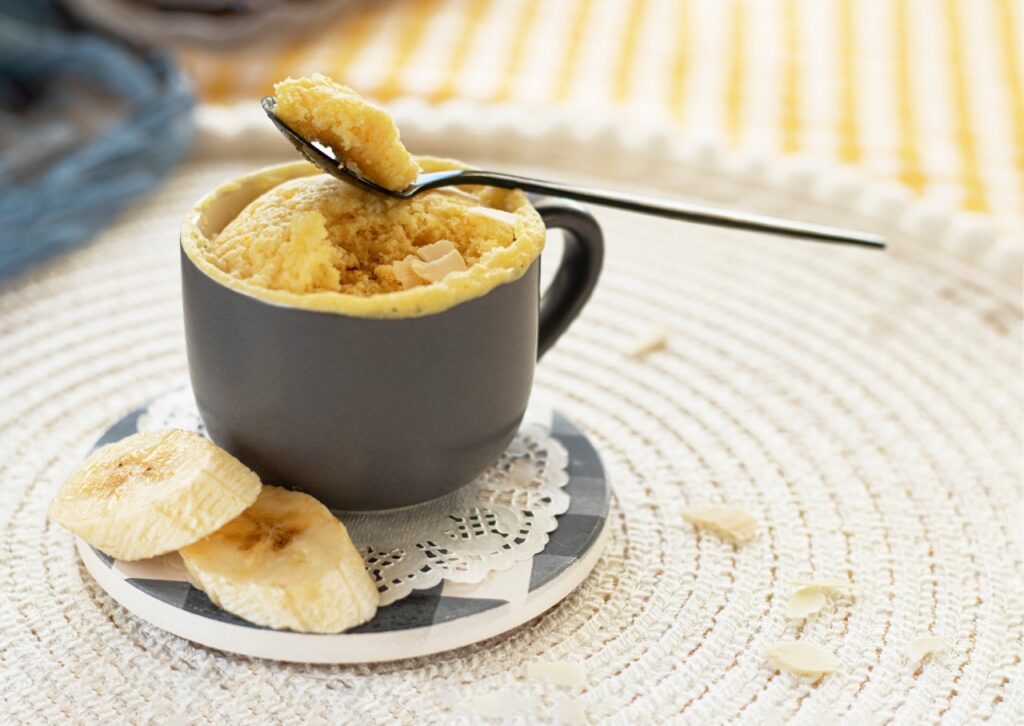
Banana mug cakes sound foolproof because bananas add moisture. In reality, bananas complicate microwave baking. Mashed banana contains sugars, fibers, and water that heat at different speeds, creating an uneven crumb.
As the mug cake cooks, banana sugars gelatinize quickly, turning sticky and dense. The fibers tighten under heat, giving the cake a gummy texture rather than softness. Any extra cooking time pushes it straight into chewiness.
Instead of lifting the cake, banana often weighs it down. What starts as a moist batter becomes elastic once cooled slightly, leaving a bite that stretches instead of crumbles.
5. Peanut Butter Mug Cake
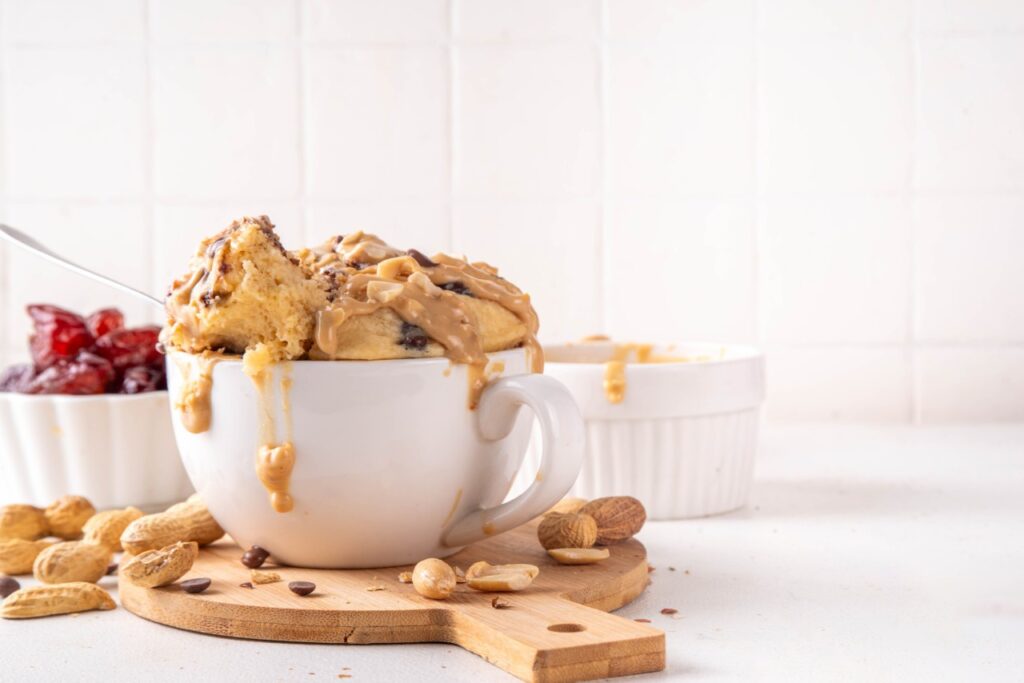
Peanut butter mug cakes fail because fat behaves differently in a microwave. Peanut butter is dense and oil-rich, which slows steam escape while encouraging structure to tighten around it. This imbalance prevents the batter from setting gently.
As the cake cooks, fats solidify quickly once heat stops. This creates a stiff, paste-like interior that feels heavy on the tongue. The more peanut butter added for flavor, the worse the texture becomes. Microwaves leave no time for that fat to redistribute evenly.
Instead of richness, you get resistance. The cake does not crumble or melt but holds together stubbornly, giving that unmistakable rubbery chew that feels more like dough than dessert.
6. Oreo Mug Cake
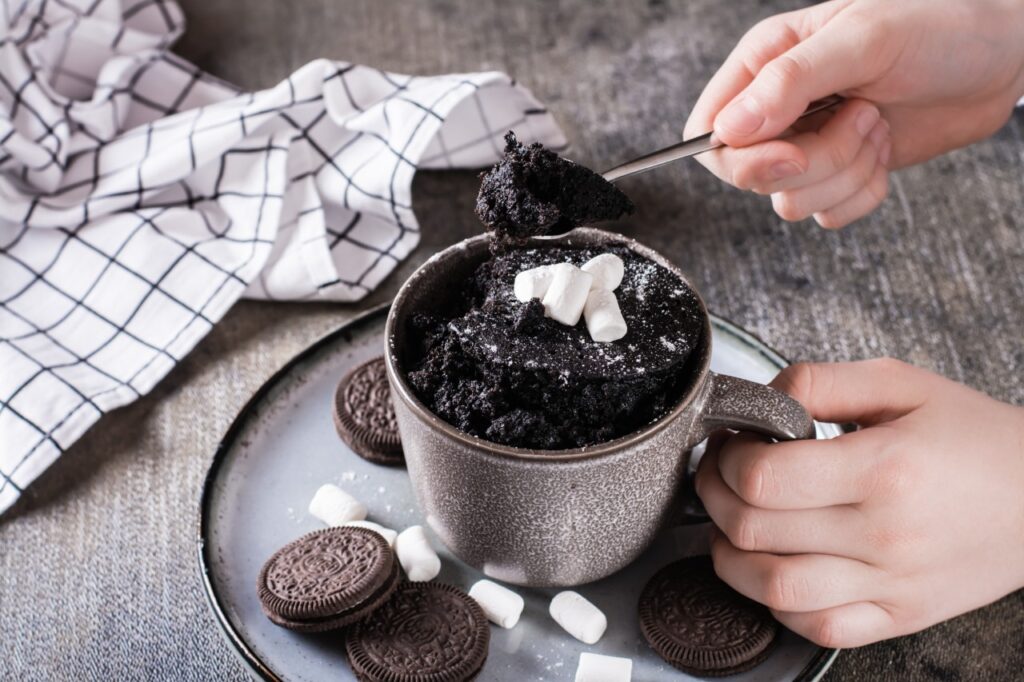
Oreo mug cakes struggle with inconsistency. Crushed cookies absorb liquid unevenly, swelling at different rates inside the batter. Some pieces soften too much, while others stay dry and gritty.
During microwaving, these soaked crumbs interfere with the cake’s structure. Steam gets trapped around cookie pieces, tightening the surrounding batter. The result is a patchy texture with rubbery sections and soggy pockets.
The cookies promise familiarity, but the microwave punishes that promise. Instead of a cohesive cake, you get a chewy block dotted with softened crumbs that never fully integrate.
7. Funfetti Mug Cake
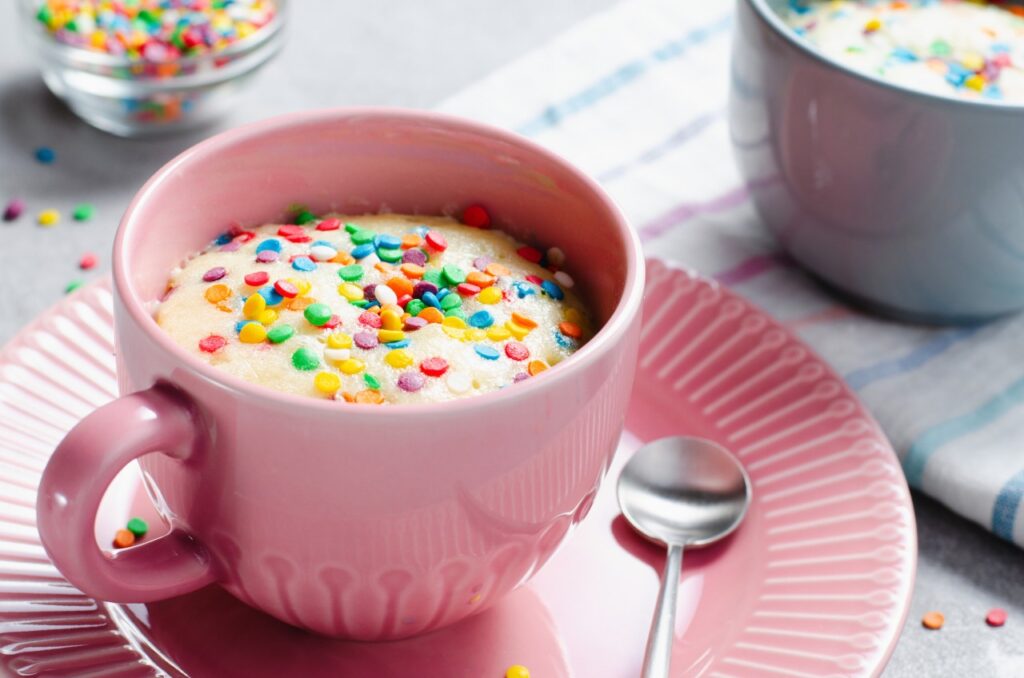
Funfetti mug cakes lean on nostalgia and color. Sprinkles suggest lightness and celebration, but structurally they add nothing helpful. In fact, they introduce sugar and wax coatings that melt unpredictably under microwave heat.
As the batter cooks, sprinkles dissolve into syrupy streaks that disrupt the crumb. This extra moisture causes surrounding areas to tighten and bounce once cooling begins. The cake sets fast and resists breaking apart.
What should feel playful ends up oddly dense. The bright colors distract at first, but the chewiness gives it away immediately, turning a cheerful idea into a rubbery disappointment.