The Untold Reason Ethnic Grocery Stores Are Outgrowing Whole Foods in the Same Zip Codes

In many neighborhoods, a quiet shift is taking place as ethnic grocery stores begin to outgrow premium chains in the very same zip codes, not because of branding or store design, but because they align more closely with how people actually shop today, offering authentic ingredients, better pricing, wider variety, and a sense of cultural familiarity, which together create a more practical and relevant shopping experience, reflecting a broader change in consumer priorities where value, access, and authenticity are starting to matter more than presentation and standardization.
The Demand Shift
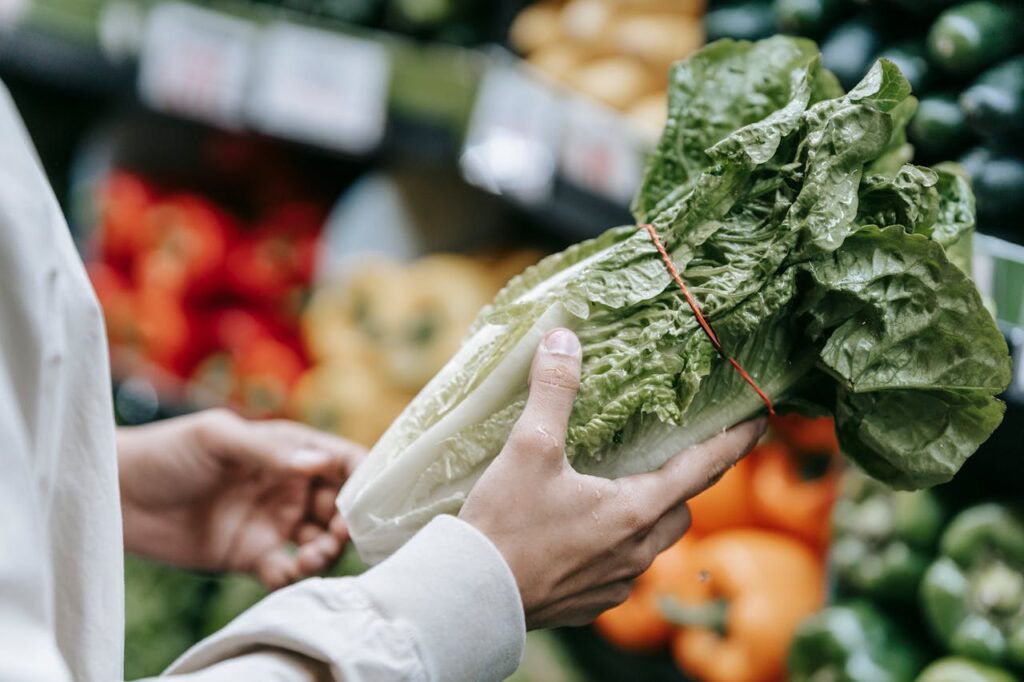
Walk through any urban neighborhood today, and the grocery basket tells a different story, because consumer demand is no longer centered around a single cuisine but shaped by a mix of cultural influences that reflect changing demographics and evolving tastes. More households are experimenting with global dishes at home. This has increased demand for ingredients that were once considered niche. Traditional supermarkets often struggle to keep up with this diversity. Ethnic grocery stores respond directly to these needs. This shift reflects broader cultural integration. Food choices are becoming more diverse across age groups.
Younger consumers in particular are driving this shift, as they show greater curiosity toward international flavors and cooking styles. Exposure through travel, social media, and food content has expanded their preferences. This creates a steady demand for authentic ingredients. Standard grocery formats often provide limited options in this space. Ethnic stores fill this gap by offering products that align with these expectations. This makes them more relevant to modern consumption patterns. Digital platforms amplify exposure to global cuisines. Cooking at home becomes an exploratory activity.
Multicultural households further accelerate this trend by requiring ingredients from multiple culinary traditions within a single shopping trip. This demand for variety cannot always be met by mainstream chains. Ethnic grocery stores provide a more comprehensive solution. They cater to both cultural familiarity and culinary exploration. This dual appeal strengthens their customer base. It also supports consistent growth in diverse neighborhoods. Families often blend cooking styles in daily meals. This increases the need for diverse ingredients. Ethnic stores naturally align with these evolving needs.
Authenticity Wins Loyalty
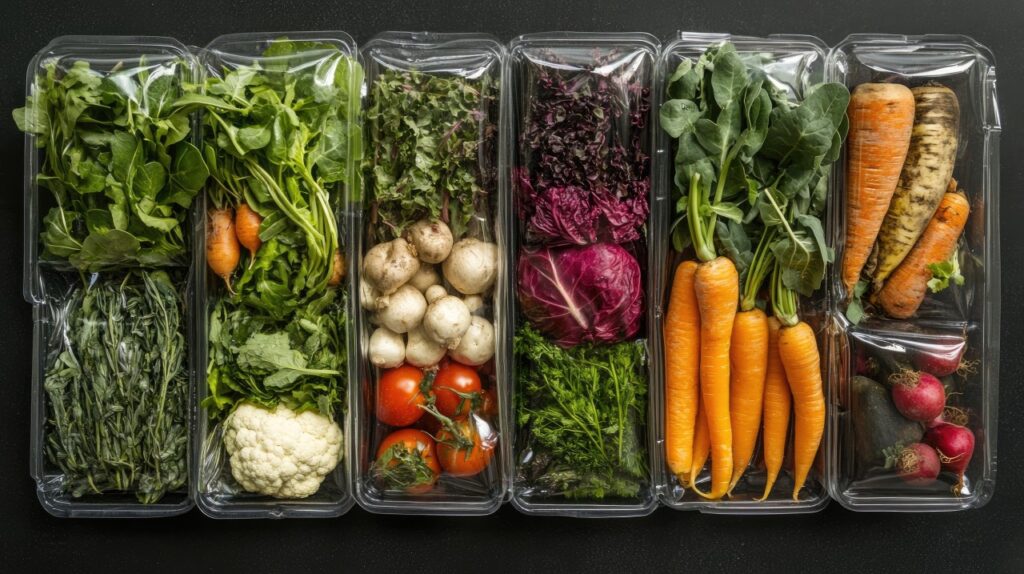
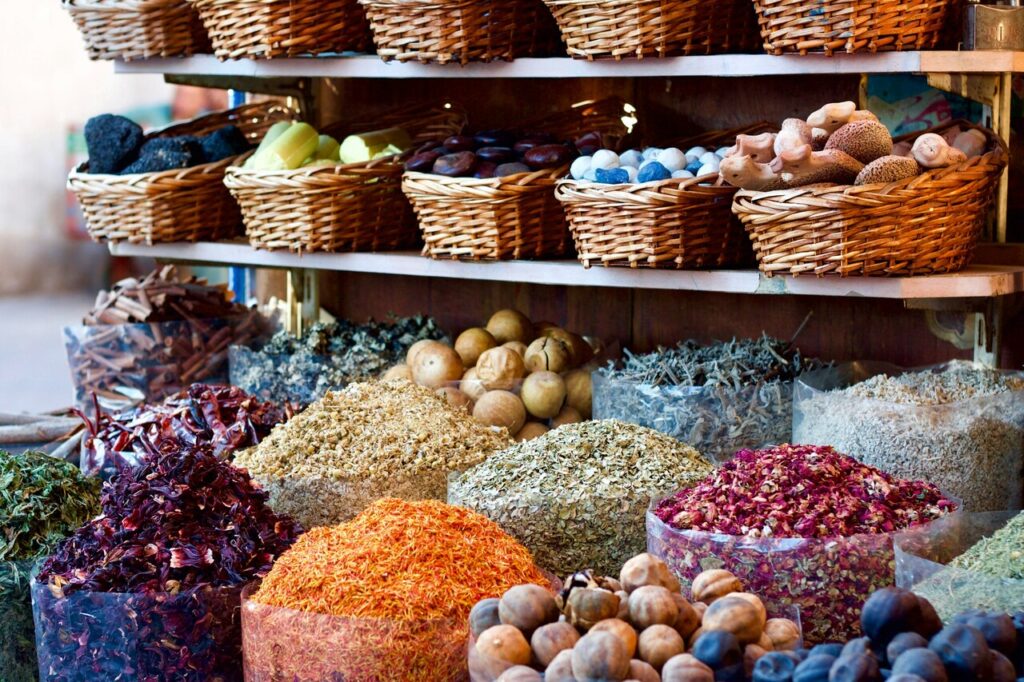
For many shoppers, the difference begins with authenticity, because the ability to find ingredients that match traditional recipes plays a major role in where they choose to shop. Ethnic grocery stores specialize in sourcing products that reflect specific regional cuisines. This includes spices, produce, and packaged goods that are difficult to find elsewhere. These offerings allow customers to recreate dishes accurately. This builds trust in the store’s selection. Authenticity becomes a defining factor in choice. Customers value accuracy in ingredients. This strengthens long-term relationships. Trust becomes a key driver of repeat visits.
Mainstream supermarkets often offer adapted versions of international ingredients, but these may not deliver the same flavor or quality expected by consumers familiar with those cuisines. This creates a gap between expectation and experience. Ethnic stores address this by focusing on authenticity rather than generalization. Their product selection is more targeted. This ensures consistency in taste and preparation. Customers rely on this precision. This difference becomes noticeable in cooking outcomes. It affects how dishes are experienced at home. Customers seek stores that meet their expectations.
Over time, this focus on authenticity builds strong customer loyalty, as shoppers return to stores that consistently meet their needs. The relationship extends beyond convenience. It becomes about reliability and cultural connection. Customers feel understood in their preferences. This creates a deeper bond with the store. Loyalty becomes a key driver of sustained growth. Repeat visits strengthen store performance. This encourages exploration in cooking. Word of mouth plays a significant role. Ethnic stores fulfill this need consistently. Communities often recommend trusted stores. This further expands the customer base.
Price Changes Everything

Affordability plays a decisive role in shopping behavior, and ethnic grocery stores often outperform larger chains by offering competitive pricing across a wide range of products. Lower overhead costs and efficient sourcing allow these stores to keep prices accessible. This makes them attractive to both budget-conscious shoppers and regular buyers. Price sensitivity influences where customers choose to shop. Ethnic stores align well with this expectation. Competitive pricing attracts diverse customer groups. It increases foot traffic consistently. Shoppers often compare prices across stores. Ethnic stores frequently offer better value.
Bulk purchasing and direct relationships with suppliers further reduce costs, enabling these stores to pass savings on to customers. Many ethnic grocers operate with leaner business models. This improves cost efficiency across operations. Customers benefit from better value for money. This advantage becomes especially important for staple items. It encourages repeat purchases and larger basket sizes. Direct sourcing reduces intermediary expenses. Savings are reflected in shelf pricing. Customers recognize consistent value. This builds long-term trust in pricing. Lower overheads also allow stores to remain competitive even during price fluctuations.
In contrast, premium grocery chains often maintain higher price points due to branding, store design, and operational costs. While these elements create a certain shopping experience, they do not always align with everyday needs. Ethnic stores prioritize value over presentation. This approach resonates with a broader customer base. Price becomes a key factor in their continued growth. Customers often prioritize affordability over ambiance. Practical needs drive purchasing decisions. Value becomes a stronger motivator than branding. This shift supports the rise of ethnic stores. Many shoppers view these stores as more practical for regular purchases.
The Variety Gap
One of the most noticeable differences lies in product range, as ethnic grocery stores often carry a wider and more specialized selection compared to mainstream supermarkets. This includes ingredients that cater to specific cuisines and cooking methods. Customers can find multiple variations of the same product. This level of choice supports both traditional cooking and experimentation. It enhances the overall shopping experience. Variety becomes a key differentiator. Customers appreciate access to niche products. It expands culinary possibilities at home. This depth of selection reduces the need to shop elsewhere.
Mainstream stores tend to standardize their inventory to appeal to a broad audience, which can limit the availability of niche or culturally specific items. This approach simplifies operations but reduces diversity in product offerings. Customers seeking particular ingredients may not find what they need. This creates an opportunity for ethnic stores to step in. They provide solutions that larger chains often overlook. Standardization limits product depth. Customers may need to visit multiple stores. Ethnic stores offer more complete solutions. This gap in availability directly influences where customers choose to shop.
By addressing these unmet needs, ethnic grocery stores position themselves as essential destinations rather than alternatives. Their ability to offer depth and specificity in product selection sets them apart. Customers recognize this difference. It influences their shopping habits. Over time, this advantage contributes to stronger market presence and growth. Specialized offerings build customer reliance. Stores become primary shopping destinations. This reduces dependence on larger chains. It strengthens long-term growth potential. This positioning reinforces their importance within the retail landscape.
Community Anchors
Beyond products, ethnic grocery stores often serve as important community spaces, providing a sense of familiarity and connection for local residents. These stores reflect the cultural identity of the neighborhoods they serve. Customers feel a sense of belonging when they shop there. This emotional connection enhances the overall experience. It goes beyond simple transactions. Community presence strengthens customer loyalty. Stores become part of daily routines. Familiar environments increase comfort levels. This builds long-term relationships with customers. This familiarity encourages consistent and repeat visits.
Store owners and staff often share cultural backgrounds with their customers, which strengthens trust and communication. This familiarity makes interactions more personal. Customers receive guidance and recommendations tailored to their needs. This level of service is difficult to replicate in larger chains. It creates a more engaging shopping environment. Relationships become part of the experience. Staff knowledge enhances customer confidence. Personalized service improves satisfaction. Customers value this human connection. It encourages repeat visits. This connection strengthens long-term customer retention.
These stores also act as informal hubs where people connect over shared traditions and food practices. This social aspect adds another layer of value. It encourages regular visits and loyalty. The store becomes part of daily life in the community. This role supports long-term growth and stability. Community engagement drives consistent footfall. Cultural events may center around these stores. They reinforce shared identity. This strengthens the store’s position in the neighborhood. This role makes them more than just retail spaces. Customers often develop personal relationships with store owners and staff.
Supply Chain Advantage
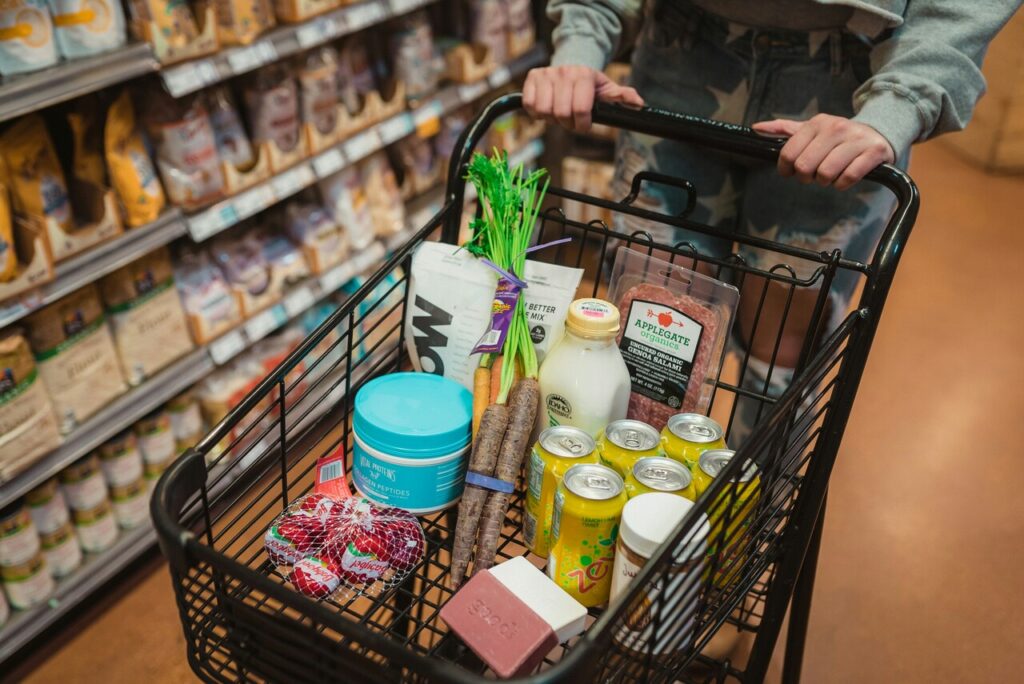
A key factor behind the success of ethnic grocery stores lies in their supply chains, which are often more direct and specialized than those of supermarket chains. These stores frequently source products through import networks that focus on specific regions. This allows them to access unique items efficiently. It also reduces dependence on broad distribution systems. Direct sourcing improves product availability. It ensures consistency in supply. This creates a reliable inventory flow. Customers benefit from steady access to products. This efficiency supports consistent shelf availability.
Direct sourcing helps maintain product authenticity while also improving cost efficiency. Fewer intermediaries mean lower costs and faster turnaround times. This ensures that products reach shelves quickly. It also helps preserve freshness, especially for perishable goods. Customers benefit from both quality and availability. Faster supply cycles reduce stock shortages. Products spend less time in transit. Freshness levels remain higher. This enhances overall product quality. This reliability strengthens customer trust in the store. It also allows stores to offer competitive pricing without compromising on quality.
Large chains often rely on centralized distribution systems that prioritize scale over specialization, which can limit their ability to stock niche products. Ethnic stores operate with more flexibility. They can adapt quickly to changing demand. This responsiveness gives them a competitive edge. It supports their ability to grow within the same markets. Flexible sourcing allows quick adjustments. Stores can respond to local demand shifts. Inventory decisions are more agile. This adaptability strengthens market position. This agility allows them to stay ahead of consumer needs. Smaller operations can also build closer relationships with suppliers.
What Is Actually Driving the Growth
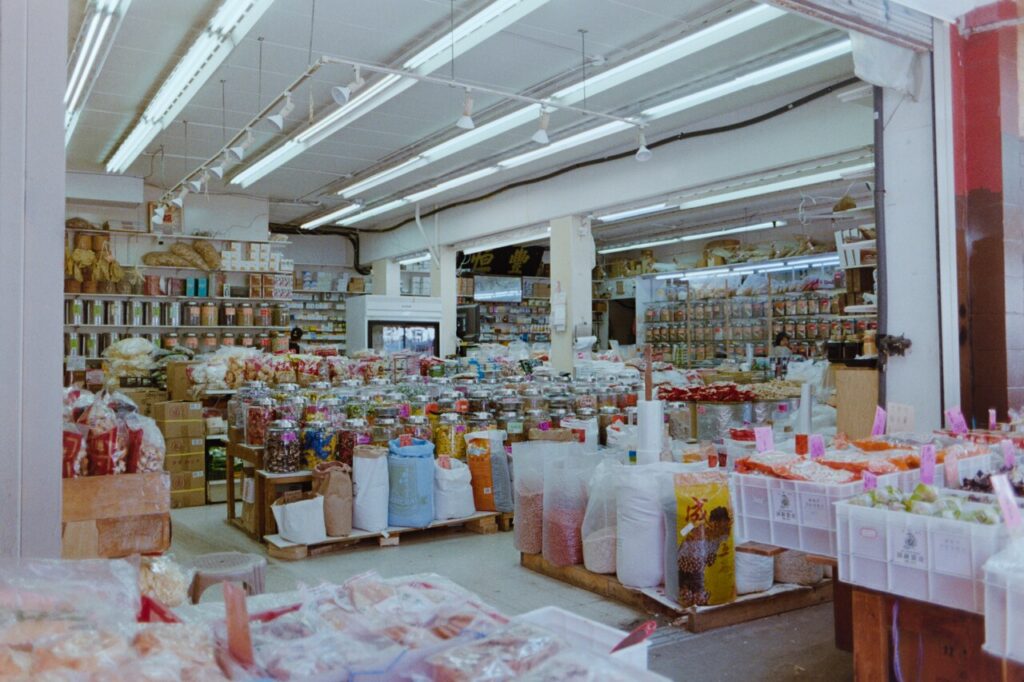
The growth of ethnic grocery stores is not driven by a single factor but by a combination of demand, authenticity, pricing, and accessibility that together create a strong value proposition. Each of these elements contributes to their appeal. Customers find both practical and cultural value in these stores. This combination sets them apart from traditional supermarkets. Multiple advantages work together. No single factor explains the growth. The model is supported by several strengths. This creates a resilient business structure. This combination makes their growth sustainable. Customers are drawn to the consistency these stores offer across visits.
As consumer preferences continue to evolve, the importance of variety and authenticity becomes more pronounced. Ethnic stores are well-positioned to meet these expectations. They offer products that align with modern cooking habits. This relevance supports their continued expansion. It also strengthens their competitive position. Consumer expectations continue to shift. Stores adapt quickly to these changes. This flexibility supports growth. It ensures long term relevance in the market. This adaptability keeps them aligned with emerging trends. Their ability to respond quickly allows them to introduce new products with minimal delay.
Ultimately, the success of these stores reflects a broader shift in how people shop for food, where cultural diversity, value, and accessibility play a central role. This trend is likely to continue as communities become more diverse. Ethnic grocery stores are adapting effectively to these changes. Their growth highlights a changing retail landscape. Shopping habits are becoming more inclusive. Consumers seek both value and authenticity. Retail formats are evolving accordingly. This transformation continues to shape the industry. This shift signals a long-term change in consumer behavior. It also indicates that demand for culturally diverse products will continue to expand.