New Beverage Brands Keep Entering the Market but Legacy Soda Companies Still Dominate

The beverage industry continues welcoming a steady stream of new brands promising healthier ingredients, bold flavors, and innovative drink concepts. From sparkling botanicals to functional energy drinks, startups are trying to reshape how consumers think about beverages. Despite this surge of creativity, the market remains heavily influenced by a few long-established soda companies. Their powerful distribution networks, marketing reach, and decades of brand recognition keep them firmly at the center of the industry. Even as new drinks gain attention, legacy soda brands continue to dominate store shelves and global sales.
The Beverage Boom
The beverage industry has experienced a surge of new brands entering the market over the past decade. Startups have launched drinks that promise everything from functional health benefits to unique flavor experiences. Many of these companies focus on modern trends such as natural ingredients, reduced sugar, and functional nutrition. As a result, supermarket shelves now feature sparkling waters, botanical beverages, probiotic drinks, and energy drinks alongside classic carbonated soft drinks. This variety reflects how quickly the industry continues expanding. Small beverage companies often position themselves around a specific lifestyle identity.
Behind this wave of innovation lies a massive global market. The non alcoholic beverage industry generates enormous annual revenue and continues growing as demand for convenient drinks rises worldwide. New companies view this scale as an opportunity to capture niche audiences that may feel underserved by traditional soda brands. Many startups build their identity around health, sustainability, or bold flavor experimentation. These elements help them stand out in a crowded marketplace. Entrepreneurs see beverages as a category where creativity can thrive. Unique packaging and branding often help products gain early attention.
However, entering the beverage industry is only the first challenge. Competing successfully requires strong distribution networks, consistent supply chains, and significant marketing investment. Startups often rely on online promotion and direct-to-consumer sales in the early stages. While these strategies can generate attention, reaching mainstream retail channels requires far greater resources. This reality explains why many new brands gain visibility but struggle to match the long-term scale of legacy soda companies. Building manufacturing capacity also becomes a major hurdle. Production must remain consistent as demand grows.
The Legacy Advantage
Despite the constant arrival of new beverage brands, a small group of legacy soda companies still holds the strongest position in the market. Companies such as Coca-Cola and PepsiCo have built their dominance over more than a century through consistent branding, global distribution, and massive marketing investments. Their products are recognized almost everywhere in the world. This familiarity plays a powerful role in consumer purchasing decisions. Shoppers often feel comfortable choosing drinks they have known for years. Brand symbols and packaging are immediately recognizable. These visual cues strengthen trust in the product.
Brand recognition alone gives legacy soda companies a strong advantage. Many people grew up drinking certain beverages and continue buying them out of habit. Familiar logos, packaging, and flavors create a sense of reliability that newer brands must work hard to replicate. Even when consumers experiment with alternative drinks, they often return to products they already trust. This loyalty keeps legacy brands at the center of the beverage market. Habit plays an important role in everyday purchasing decisions. Consumers often reach for familiar drinks without much thought. Generational familiarity strengthens these purchasing patterns.
Another advantage lies in their ability to adapt. Major soda companies continuously adjust their portfolios to respond to changing consumer preferences. They introduce low-sugar versions, flavored varieties, and entirely new drink categories. These adjustments allow legacy companies to remain relevant even as consumer tastes evolve. By combining tradition with gradual innovation, they maintain a strong presence in an increasingly competitive market. New flavors help keep classic brands interesting. Packaging redesigns refresh the product image periodically. These changes allow legacy brands to maintain strong consumer attention.
The Distribution Power
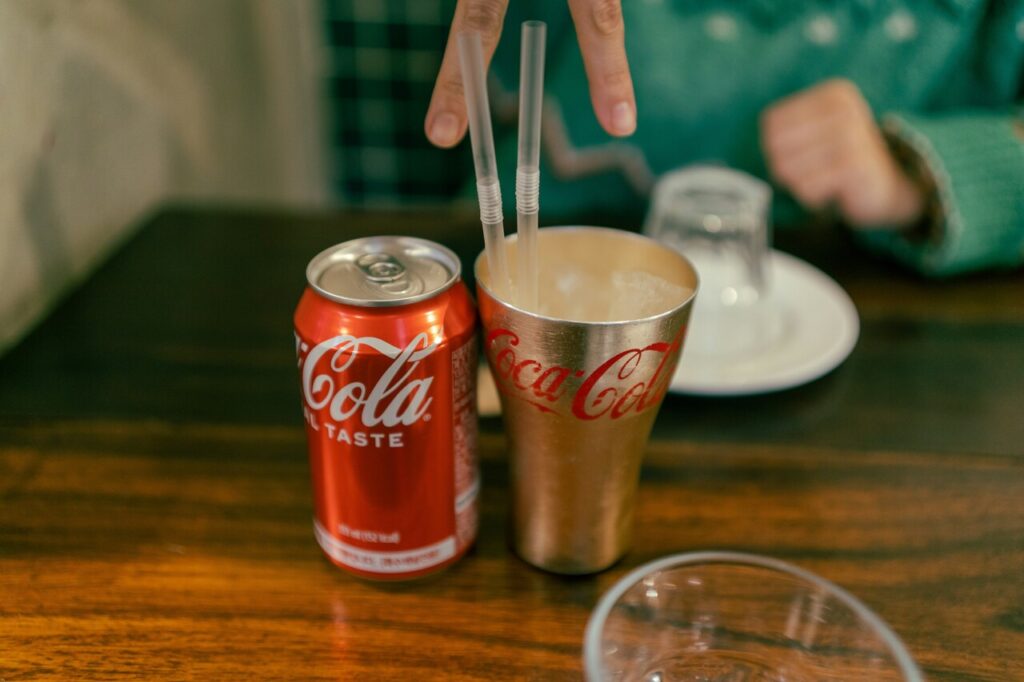
One of the most important reasons legacy soda companies maintain their dominance is distribution. Large beverage corporations operate complex global supply chains that deliver products to millions of stores and restaurants. Their drinks are available in supermarkets, convenience stores, vending machines, and fast-food outlets around the world. This level of availability makes it extremely difficult for smaller brands to compete. Accessibility plays a major role in beverage purchasing decisions. Consumers often buy drinks that are easiest to find. Widely available products naturally attract more customers.
These companies often rely on extensive bottling partnerships and logistics networks. Through these systems, beverages can be produced locally while still maintaining consistent quality standards. This model allows large brands to reach consumers in hundreds of markets worldwide. The scale of these networks creates a powerful barrier for startups trying to enter the same retail channels. Bottling partners help maintain steady production volumes. Local manufacturing reduces transportation costs. Distribution centers ensure fast delivery to retailers. These coordinated systems keep supply chains running smoothly.
Distribution strength also influences shelf placement. Retailers often prioritize products that already sell well and arrive reliably through established supply chains. Large beverage companies can supply massive quantities quickly, ensuring shelves remain stocked. When a brand can guarantee consistent delivery, retailers are more willing to dedicate valuable shelf space. This advantage reinforces the market leadership of legacy soda companies. Frequent restocking prevents empty shelves. Sales performance further strengthens retailer partnerships. These advantages create a powerful cycle of market dominance.
The Marketing Machine
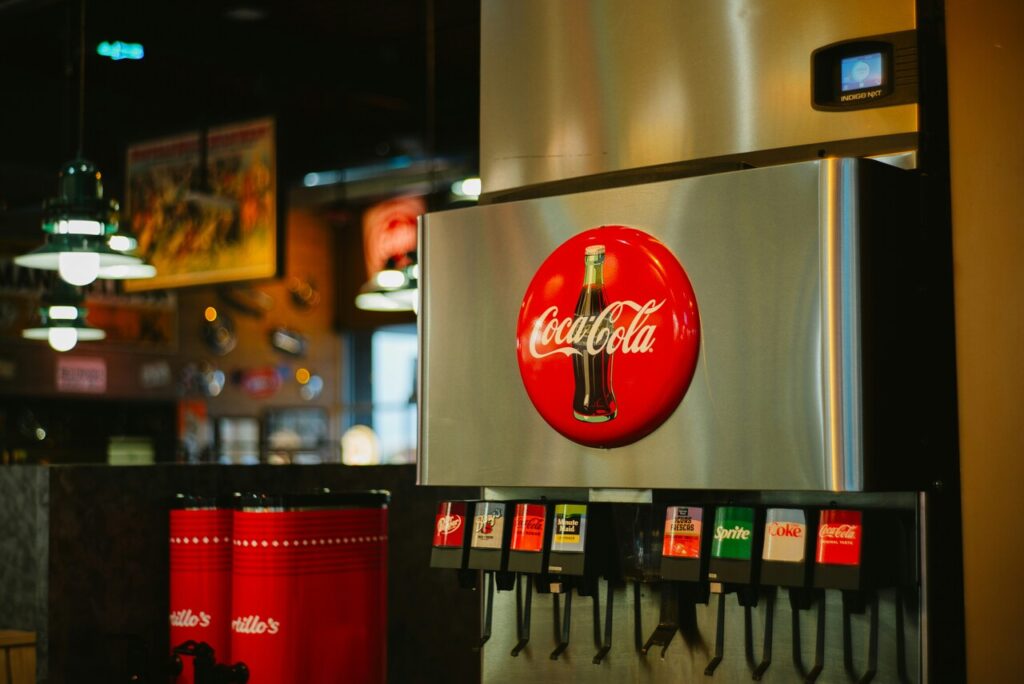
Marketing has always played a central role in the success of major beverage brands. Large soda companies invest enormous amounts in advertising across television, digital media, sports events, and global sponsorships. These campaigns help maintain strong brand recognition across generations. The messages often focus on emotion, lifestyle, and cultural connection rather than simply promoting the drink itself. This strategy builds long-term brand identity. Consumers associate these drinks with positive social experiences. Advertising often emphasizes happiness and shared moments. These emotional themes strengthen brand loyalty.
The effectiveness of these campaigns lies in storytelling. Beverage companies frequently connect their products with celebrations, friendships, and everyday enjoyment. Over time, these messages become deeply embedded in popular culture. Even people who rarely drink soda recognize the symbols and slogans associated with major brands. Cultural familiarity strengthens brand memory. Iconic advertisements become part of the public conversation. These partnerships create global brand exposure. Seasonal campaigns often appear during major holidays. These repeated messages reinforce the brand presence year after year.
Large marketing budgets also allow legacy companies to respond quickly to new trends. When consumer preferences shift toward healthier drinks or new flavors, advertising campaigns can highlight these innovations immediately. Startups may generate attention through social media, but they rarely match the scale of global marketing campaigns. As a result, legacy soda brands maintain a strong presence in the public imagination. Large companies also sponsor major sporting events. Promotional campaigns often reach millions of viewers simultaneously. This visibility helps maintain their leadership in the beverage market.
The Innovation Response
Innovation has become essential for traditional soda companies facing competition from new beverage startups. Rather than relying solely on classic products, these companies now expand into multiple drink categories. Bottled water, sports drinks, ready-to-drink coffee, and flavored sparkling waters are now common additions to their portfolios. This diversification helps them reach consumers who may no longer prefer traditional sugary sodas. Expanding categories increases overall market reach. It also allows companies to capture emerging trends quickly. Product development teams constantly monitor consumer behavior.
Health trends have played a major role in this shift. Many consumers now seek beverages with lower sugar content or added functional benefits. Large beverage companies respond by reformulating products and introducing new varieties designed to meet these expectations. Zero sugar options, natural sweeteners, and reduced-calorie drinks are now common across major soda brands. These products help maintain relevance among health-conscious consumers. Companies also experiment with natural flavors. Ingredient transparency has become increasingly important. These adjustments help brands remain competitive.
Acquisitions also play a role in innovation strategies. Instead of developing every new concept internally, large beverage corporations sometimes purchase emerging brands with strong growth potential. This approach allows them to enter new segments quickly while benefiting from the startup’s existing popularity. By combining internal research with strategic acquisitions, legacy companies continue expanding their product portfolios. Partnerships help accelerate innovation. Smaller brands bring fresh ideas into the portfolio. Larger companies provide resources for expansion. This collaboration helps both sides grow.
The Startup Challenge
New beverage startups often attract attention by offering something different from traditional soda brands. Many focus on functional drinks that claim to support energy, immunity, or digestive health. Others highlight natural ingredients and reduced sugar content. These messages resonate with younger consumers who are exploring alternatives to classic carbonated beverages. Many startups also emphasize sustainable packaging. Environmental awareness influences purchasing decisions for some consumers. Unique ingredients can also generate curiosity. These strategies help emerging brands gain initial attention.
Digital marketing plays a key role in the growth of these brands. Social media platforms allow startups to build communities around their products and share engaging content. Influencers and online reviews can quickly introduce a drink to a large audience. This strategy helps emerging brands create excitement even without large advertising budgets. Viral marketing campaigns often boost visibility. Creative storytelling strengthens brand identity. Online communities share product experiences. These digital strategies help startups reach targeted audiences. Consistent online engagement also helps brands maintain momentum after an initial launch.
However, long-term success remains difficult. Scaling production, managing distribution, and maintaining consistent quality require significant resources. Many startups struggle to move beyond regional popularity because they cannot match the infrastructure of major beverage corporations. Even when a new drink becomes trendy, sustaining growth often requires partnerships with larger companies. Logistics challenges often slow expansion. These ideas appeal to consumers looking for alternatives to traditional sodas. Retail negotiations require strong relationships. Manufacturing capacity must increase rapidly.
The Shelf Space Reality
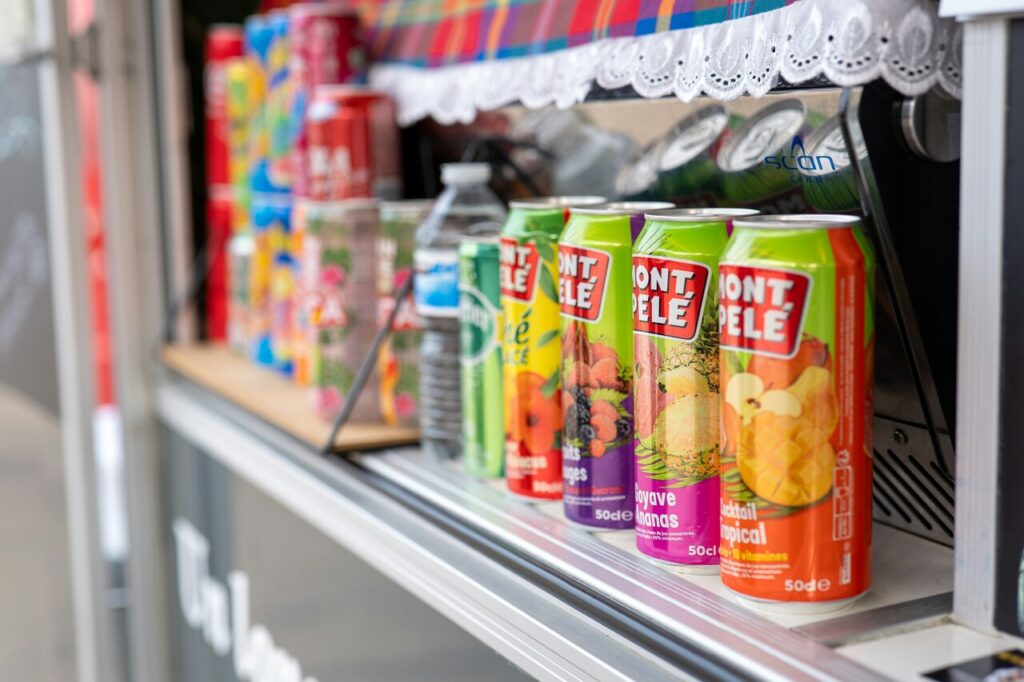
Retail shelves reveal one of the biggest challenges facing new beverage brands. Supermarkets and convenience stores have limited space for drinks, and many of those spots are already occupied by established brands. Large beverage companies maintain strong relationships with retailers and distributors. These partnerships help secure prime shelf locations and prominent displays. Shelf placement strongly influences consumer attention. Products placed at eye level sell more frequently. Retailers often favor dependable brands. This arrangement makes it difficult for these new drinks to gain visibility.
Retailers often prefer products that guarantee consistent sales. Legacy soda brands have decades of sales data proving their reliability. This makes them a safer choice for valuable shelf space compared with newer brands that may still be building demand. Even when startups gain attention online, translating that popularity into consistent retail sales can be difficult. Retailers prioritize products with proven demand. Inventory management becomes easier with predictable sellers. Slow-moving products may be removed quickly. Shelf competition, therefore, remains extremely intense. Established brands also invest heavily in marketing and promotions that support store traffic.
As a result, the beverage aisle often reflects a balance between tradition and experimentation. A few new brands may appear alongside classic sodas, but the majority of space still belongs to established companies. This structure reinforces the dominance of legacy beverage brands while allowing occasional newcomers to test the market. Over time, only a small number of new drinks achieve the scale needed to compete with industry giants. Successful newcomers must demonstrate strong sales growth. Retailers watch performance carefully. Only the strongest products remain long-term. This process determines which brands survive in the beverage market.