8 BBQ Tricks That Sound Wrong but Somehow Work Every Time

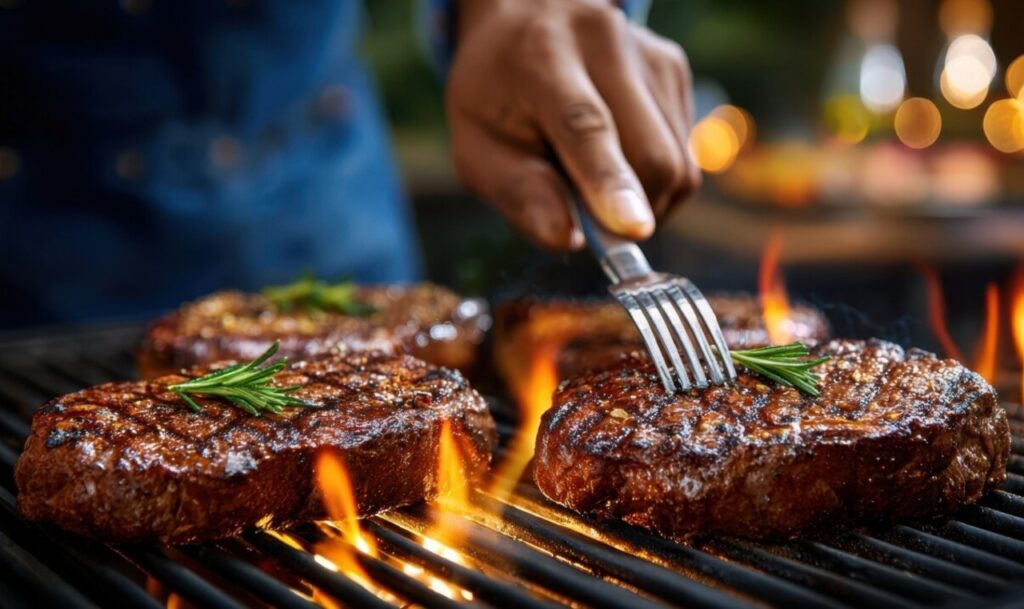
Great barbecue often improves when you stop following the rules everyone repeats without question. Some of the most effective grilling techniques sound backwards at first, even risky, yet they work because they align with how heat, moisture, fat, and protein actually behave. These tricks were not invented for shock value. They come from trial, error, and cooks paying attention to results instead of tradition. Once you try them, grilling feels less stressful and more predictable. The food browns better, stays juicier, and tastes more intentional. These are the kinds of habits that quietly separate confident grillers from frustrated ones.
1. Salting Meat Hours Before Grilling
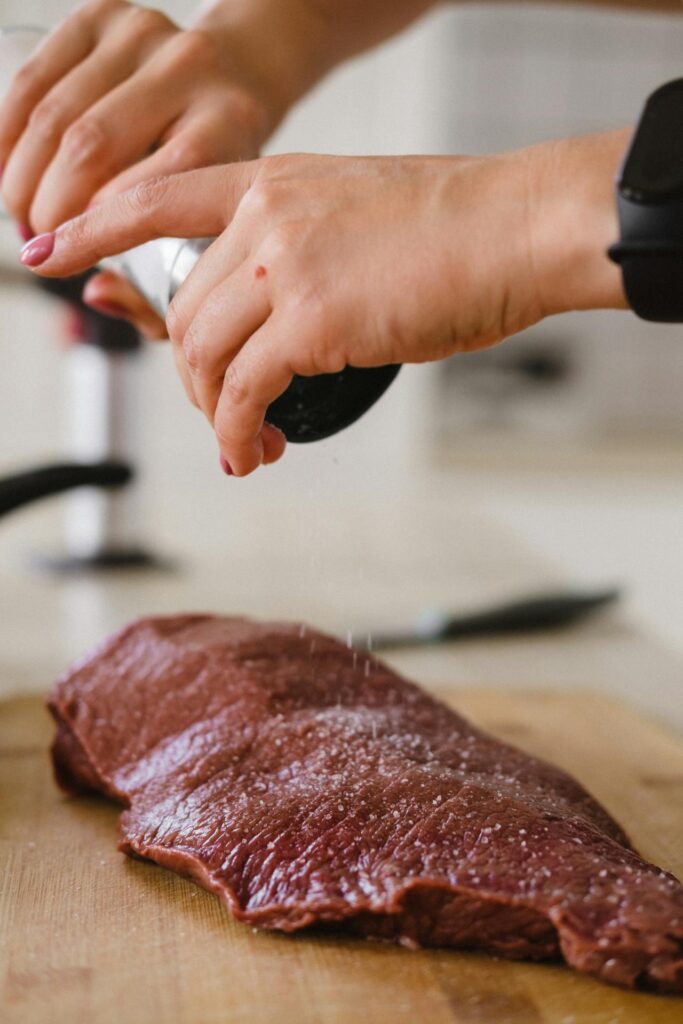
Salting meat well before it hits the grill feels like a mistake to many people because salt is associated with drying food out. What actually happens is more useful. Salt first pulls moisture to the surface, then that liquid dissolves the salt and is slowly reabsorbed into the meat. This process seasons the interior rather than just the exterior. It also changes muscle proteins in a way that helps them retain moisture during cooking. When the meat finally meets heat, it loses less juice and tastes seasoned all the way through. This is especially effective for thicker cuts like steaks, chops, and whole chickens.
2. Cooking Steaks Straight From the Fridge
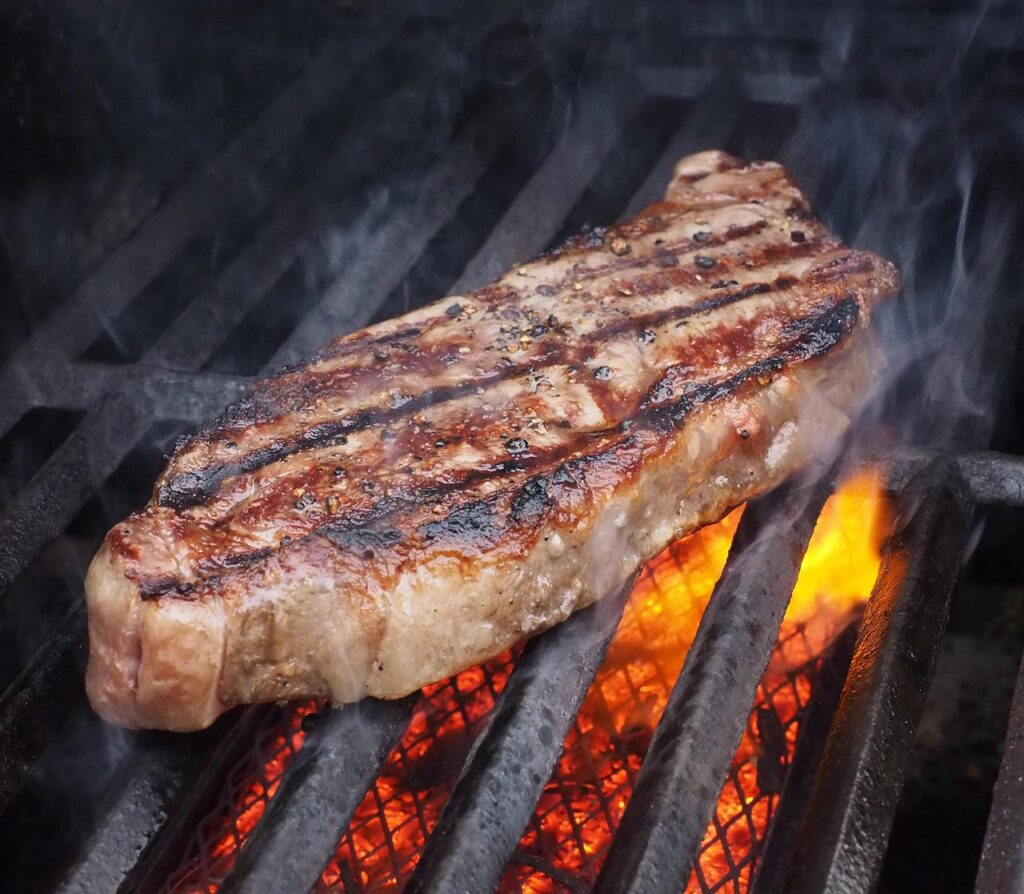
The advice to bring steak to room temperature before grilling is widely repeated, yet it rarely makes a meaningful difference and can actually work against you. Starting with a cold steak slows down how quickly the center cooks while the outside is exposed to high heat. This gives you more control over doneness and reduces the risk of overcooking the interior before the surface browns properly. On a hot grill, the exterior still sears effectively, forming a crust, while the cooler center buys you time. For thicker steaks, this method can improve the contrast between crust and interior. Food safety also favors this approach, since meat spends less time sitting out.
3. Using Mayonnaise Instead of Oil
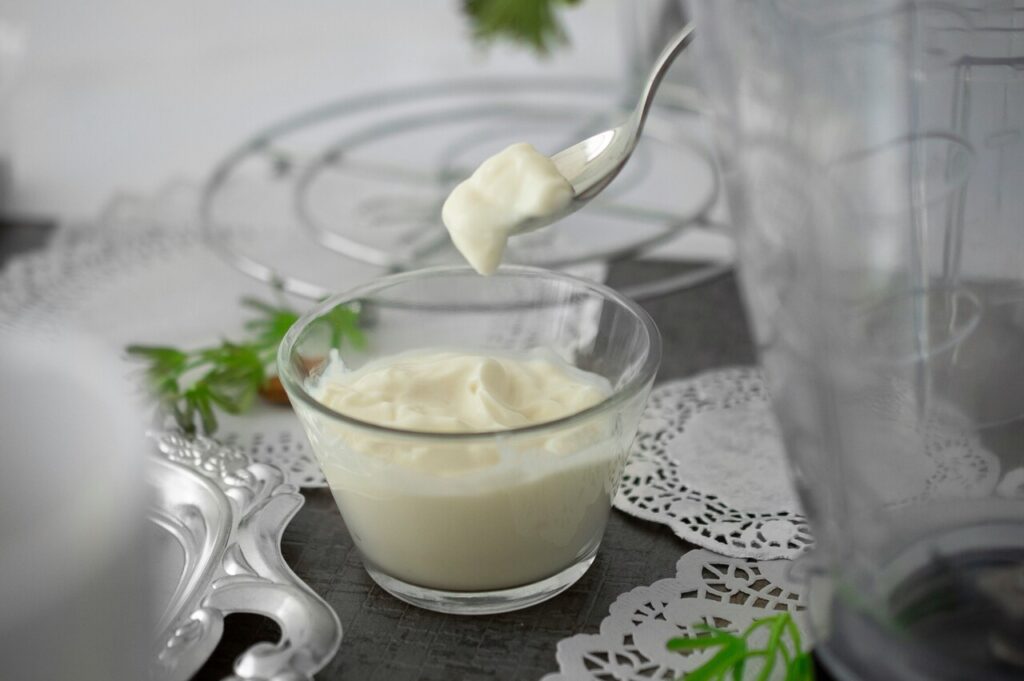
Brushing meat or vegetables with mayonnaise sounds wrong because people associate mayo with cold sandwiches, not fire. In practice, it works extremely well. Mayonnaise is mostly oil, but it also contains egg yolk, which helps it cling to food more evenly than liquid oil. This thin, even coating promotes better browning and reduces sticking. During cooking, the egg proteins brown and disappear, leaving no mayonnaise flavor behind. What remains is a well-seared surface. This trick is especially useful for delicate foods like fish or vegetables that tend to stick or burn unevenly. Compared to oil, mayonnaise gives more consistent coverage with less dripping into the fire.
4. Grilling With the Lid Closed
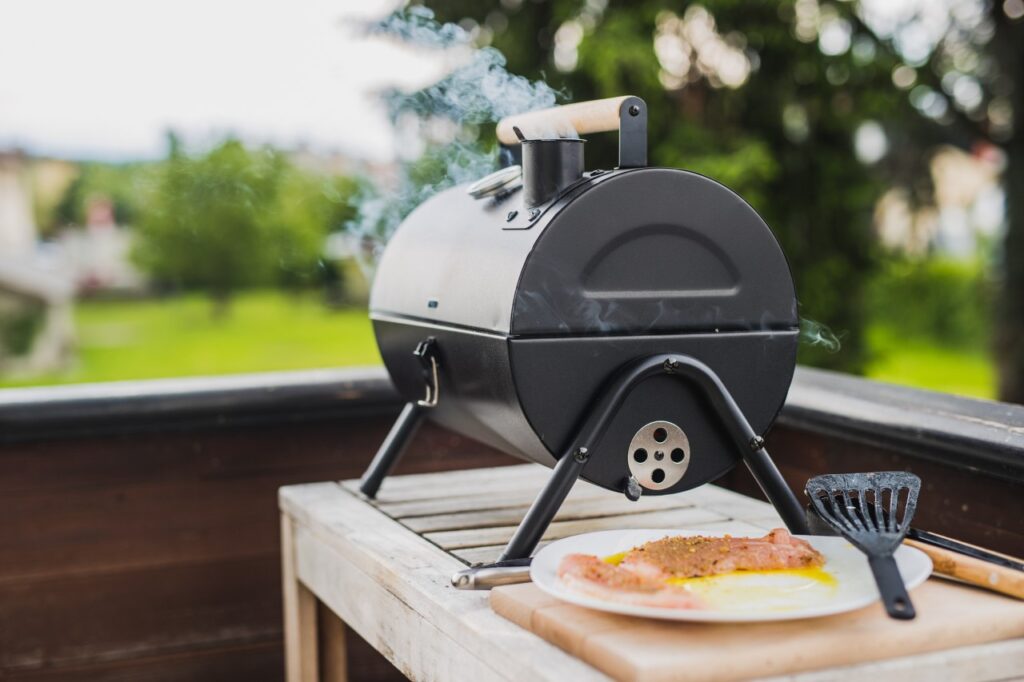
Many people grill with the lid open because they want to watch the food, but this limits what the grill can do. Closing the lid turns the grill into a controlled cooking chamber rather than a direct flame source. Heat circulates evenly, reducing hot spots and allowing thicker foods to cook through without burning on the outside. It also traps smoke, which improves flavor, and reduces flare-ups by limiting oxygen. For items like chicken, roasts, and even burgers, lid-down grilling leads to better texture and more predictable results. The grill behaves more like an outdoor oven while still delivering char.
5. Adding Wood Chips Directly to the Fire

Soaking wood chips is often recommended, but dry chips actually work better for grilling. When dry chips hit hot coals or burners, they ignite quickly and release clean, aromatic smoke. Soaked chips spend much of their time steaming rather than smoking, which delays flavor and can produce harsher results once they finally burn. Grilling is fast, so you want immediate smoke rather than slow smoldering. A small handful of dry chips provides a short burst of flavor that enhances meat without overpowering it. This method works especially well for quick-cooking foods like steaks, burgers, and vegetables.
6. Flipping Meat More Than Once
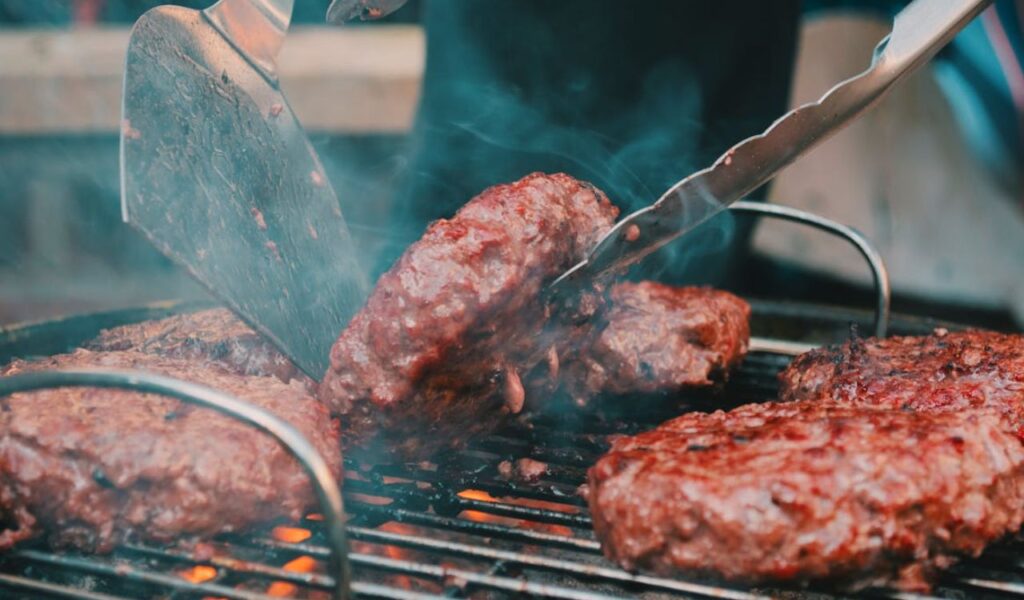
The idea that meat should only be flipped once is deeply ingrained, but frequent flipping can actually improve results. Turning meat often exposes it evenly to heat, reducing the chance of scorching on one side while the inside struggles to catch up. This is especially helpful for thinner cuts or when grilling over very high heat. Frequent flipping also shortens total cooking time slightly, which helps retain moisture. What matters is not how many times you flip, but whether the surface is browning properly. Once you let go of the one-flip rule, grilling becomes more responsive and less rigid. Meat cooks more evenly, and you gain better control over doneness instead of relying on tradition.
7. Resting Meat Longer Than Feels Necessary
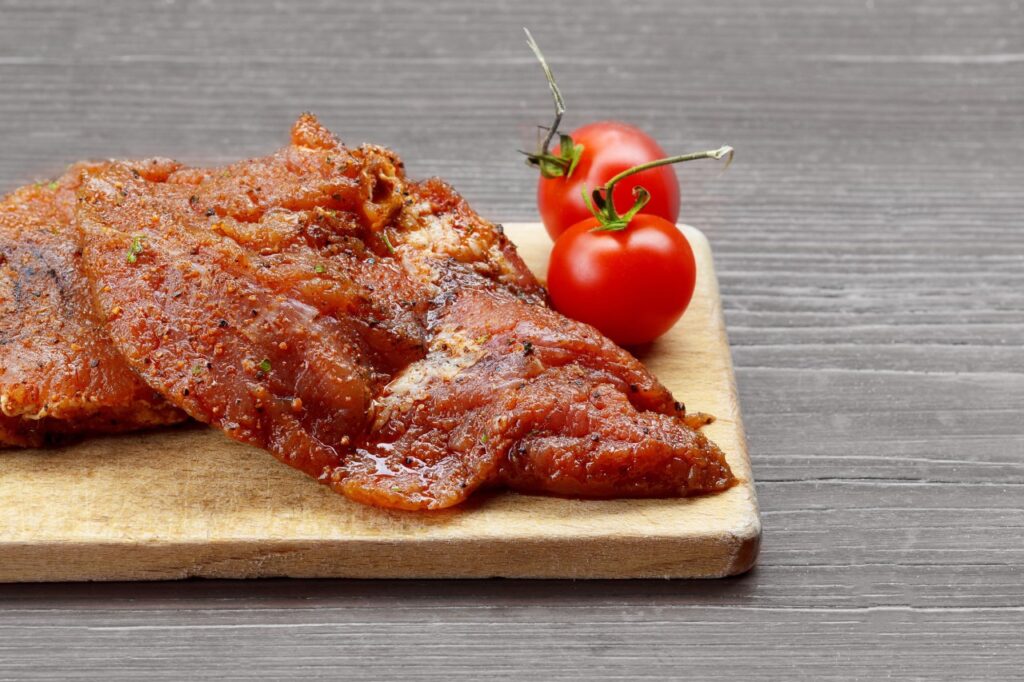
Cutting into meat right after grilling feels tempting, but it wastes effort. During cooking, juices are pushed toward the center by heat. Resting allows those juices to redistribute throughout the meat instead of spilling onto the plate. A longer rest leads to noticeably juicier and more tender results. Larger cuts benefit the most, but even burgers and steaks improve with a short pause. Covering loosely with foil keeps heat in without trapping steam. Once you taste rested meat, cutting immediately starts to feel rushed. The difference is not subtle. Resting finishes the cooking process in a way that heat alone cannot.
8. Cleaning the Grill With an Onion
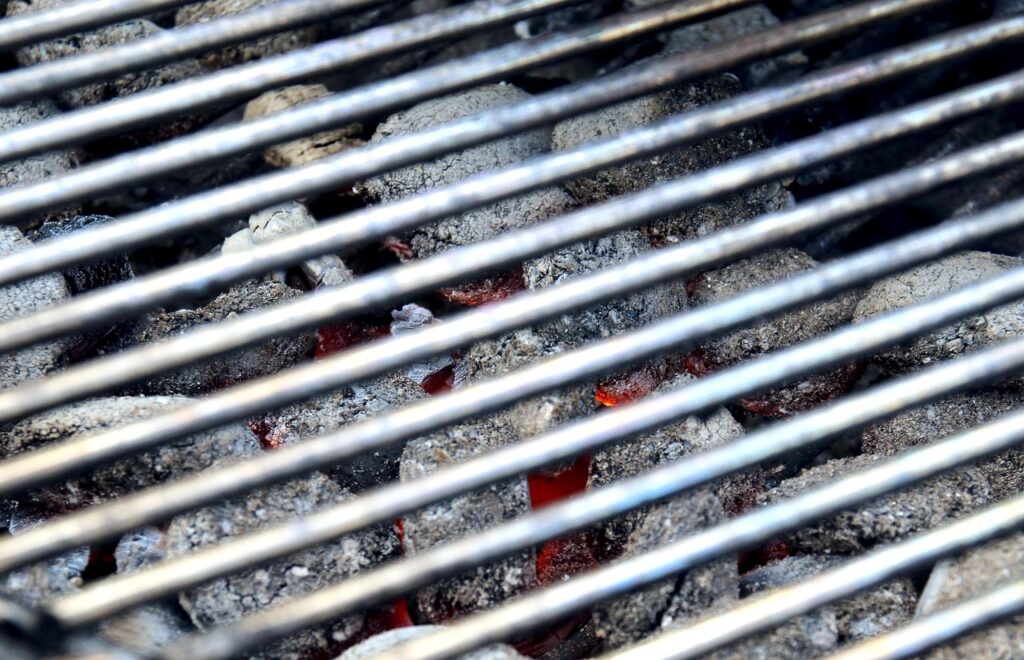
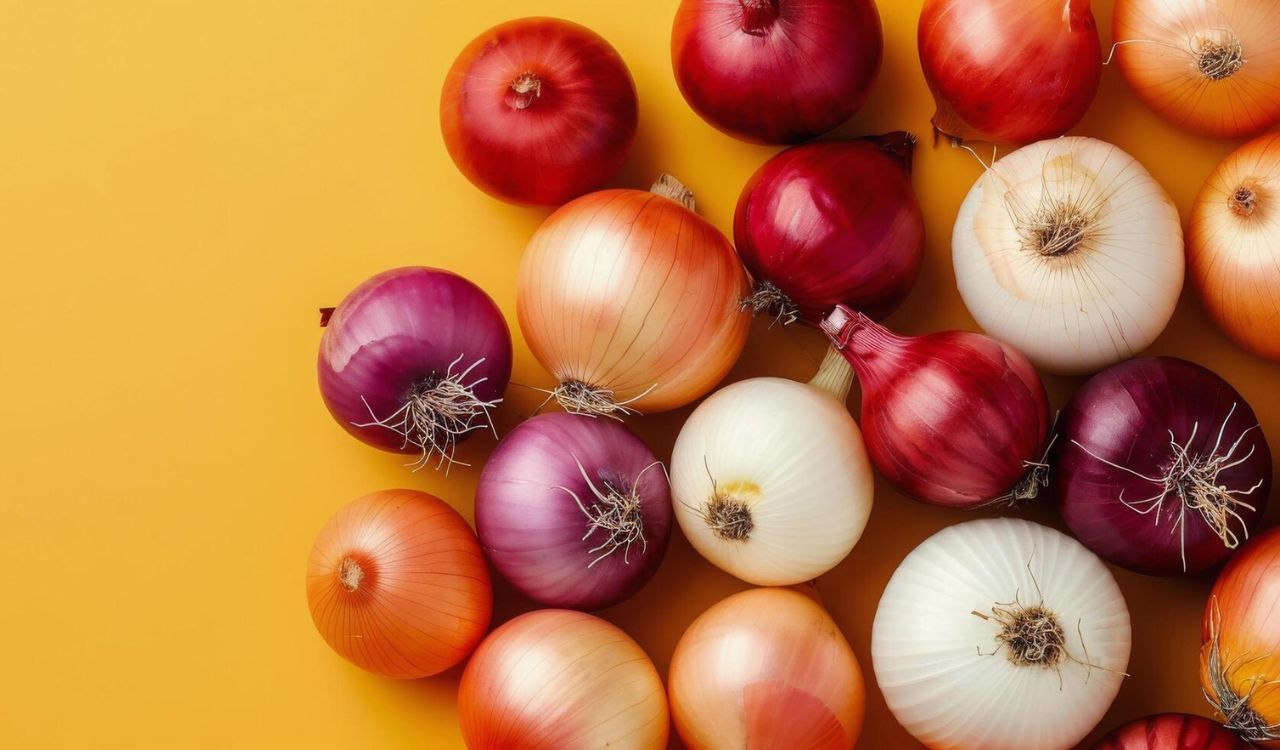
Using an onion to clean grill grates sounds like folklore, but it works for simple reasons. A halved onion contains moisture that helps loosen stuck-on food when rubbed across hot grates. Natural acids assist in breaking down residue, while the onion’s structure provides gentle abrasion. This method avoids chemicals and leaves no soapy taste behind. It works best when the grill is hot and the debris is fresh. While it will not replace deep cleaning, it is effective for day-to-day maintenance. Once you try it, grabbing an onion feels easier and safer than reaching for a wire brush or spray. It also reduces the risk of stray metal bristles ending up on your food.