Casual Dining Chains Closing Underperforming Locations

Casual dining once felt untouchable. These were the places families gathered after games, coworkers met for happy hour, and road trips paused for familiar comfort. But behind the glowing signs and busy parking lots, many well-known chains are quietly closing underperforming locations.
Rising food costs, higher wages, changing consumer habits, and fierce competition from fast casual and delivery-focused brands have reshaped the industry. Even household names are reevaluating where and how they operate.
This list takes a closer look at casual-dining chains trimming weaker restaurants to protect profitability and adapt to a dining landscape that looks very different from just a few years ago.
1. Wendy’s

Even brands built on square burgers and decades of loyalty are not immune to tough math. Wendy’s has been closing underperforming restaurants as part of a broader effort to modernize its footprint and focus on stronger markets.
Executives have pointed to aging locations, weaker trade areas, and shifting traffic patterns as key reasons. Some stores simply no longer generate enough sales to justify renovation or rising lease costs.
At the same time, Wendy’s is investing in newer builds with improved drive-thru capacity and digital ordering. The strategy is less about shrinking and more about pruning weaker units to support long-term profitability and franchise health.
2. Denny’s
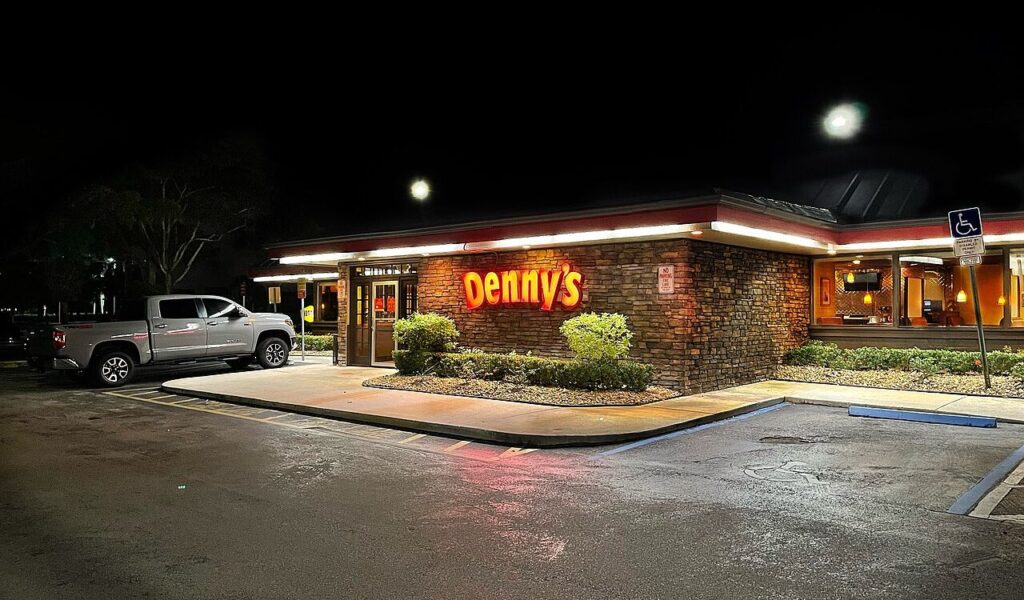
The all-night diner model that once defined highway dining is facing a new reality. Denny’s has closed underperforming restaurants as traffic patterns and consumer habits continue to evolve.
Inflation has pressured food and labor costs, while some older locations struggle with declining late-night demand. In certain markets, sales volumes no longer support 24-hour operations.
By trimming weaker units, Denny’s aims to stabilize margins and reinvest in remodeled restaurants with updated menus and technology. The focus has shifted toward strengthening core locations rather than stretching resources across low-performing stores.
3. Red Lobster
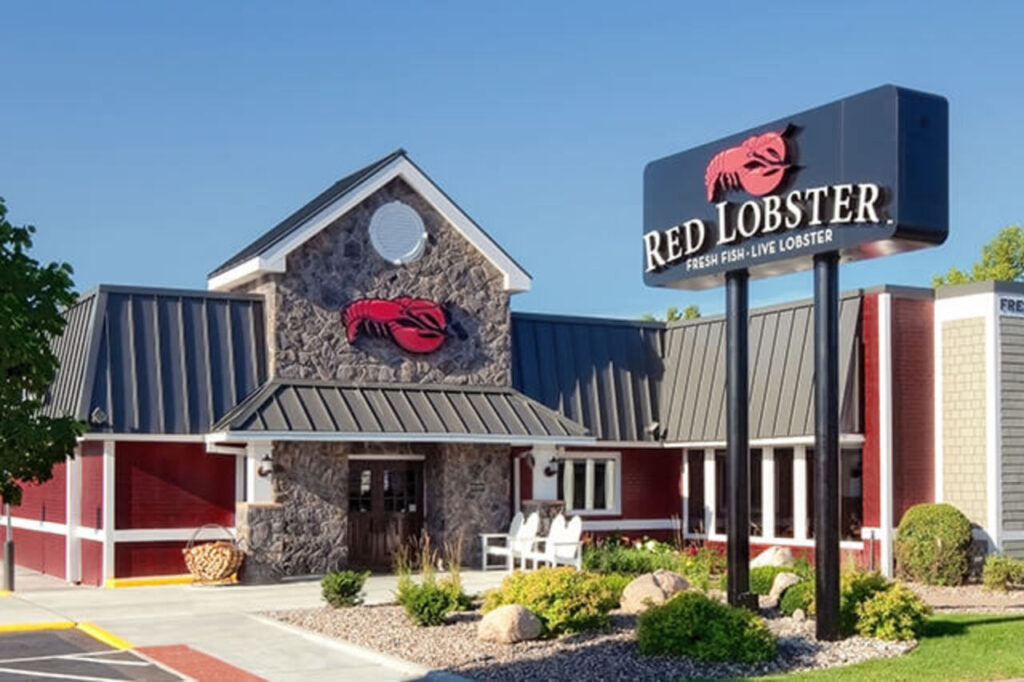
For decades, Red Lobster stood for affordable seafood built around familiar promotions and crowd-pleasing staples. That formula recently collided with serious financial pressure, leading the chain to close numerous underperforming restaurants during restructuring.
Seafood costs rose sharply, while heavy discounting squeezed margins instead of creating lasting traffic. Debt obligations and softer discretionary spending further strained results. Lower-volume locations struggled to keep up with rising labor and operating expenses.
Closing weaker stores became a reset, not a retreat. By cutting losses, renegotiating leases, and simplifying operations, the company aims to stabilize core markets where demand and brand loyalty remain solid.
4. Applebee’s
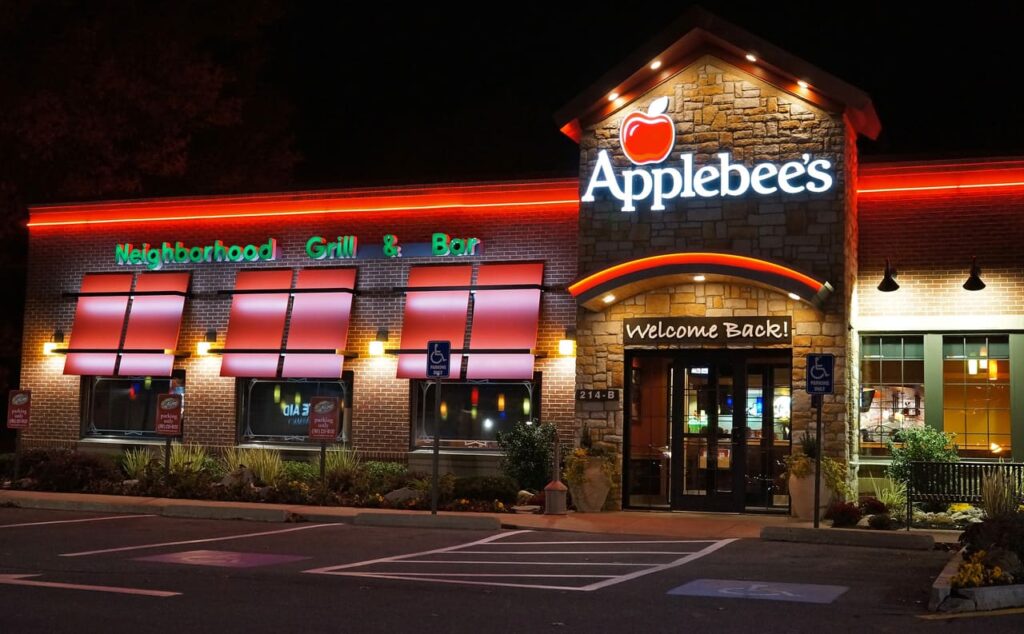
Applebee’s built its brand on neighborhood familiarity, yet maintaining steady performance across markets has grown harder. The chain has closed underperforming restaurants as part of an ongoing plan to protect franchise profitability.
Some units faced declining sales as diners shifted toward fast casual options and takeout-driven habits. Others were located in aging retail centers with fading traffic. Rising food and wage costs further tightened margins at weaker stores.
By trimming low-volume locations, Applebee’s can invest in remodels, menu updates, and stronger markets. The strategy focuses on reinforcing stability where guest demand remains consistent.
5. TGI Fridays
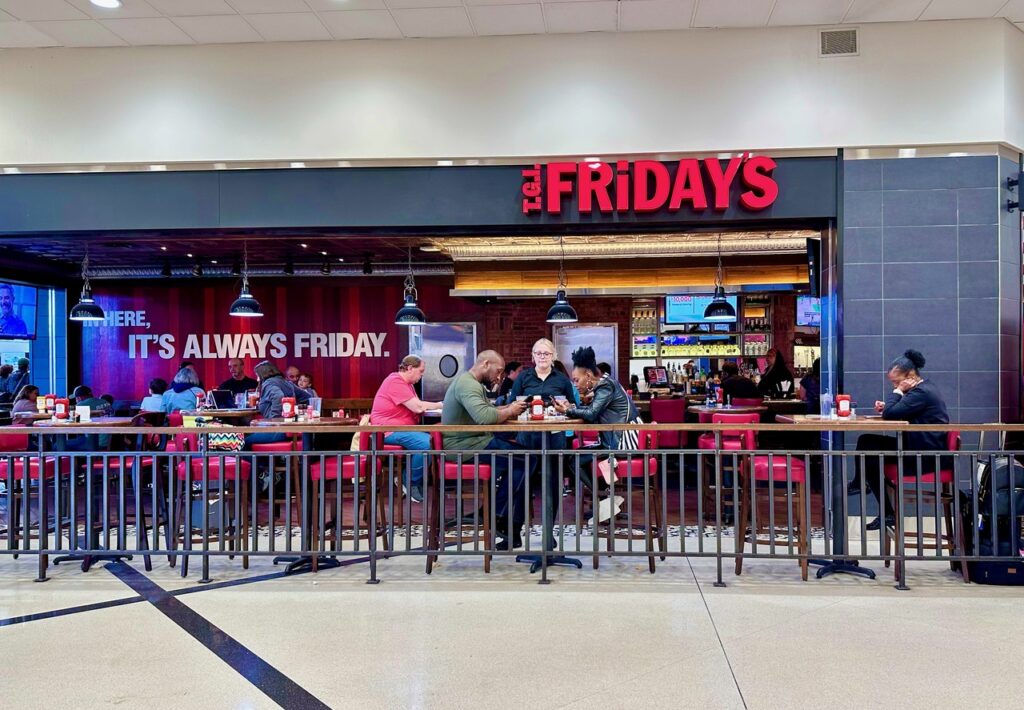
TGI Fridays, once known for lively bar energy, has steadily reduced its U.S. presence. The chain has closed underperforming restaurants as part of broader restructuring efforts.
Lower mall traffic, higher occupancy costs, and intense competition weighed on sales in several regions. In some markets, franchise pressures added further strain, making certain locations unsustainable.
Instead of preserving size at any cost, leadership has chosen to streamline operations and focus on profitable stores. Concentrating resources on stronger locations is seen as a practical step toward stabilizing performance.
6. Noodles & Company
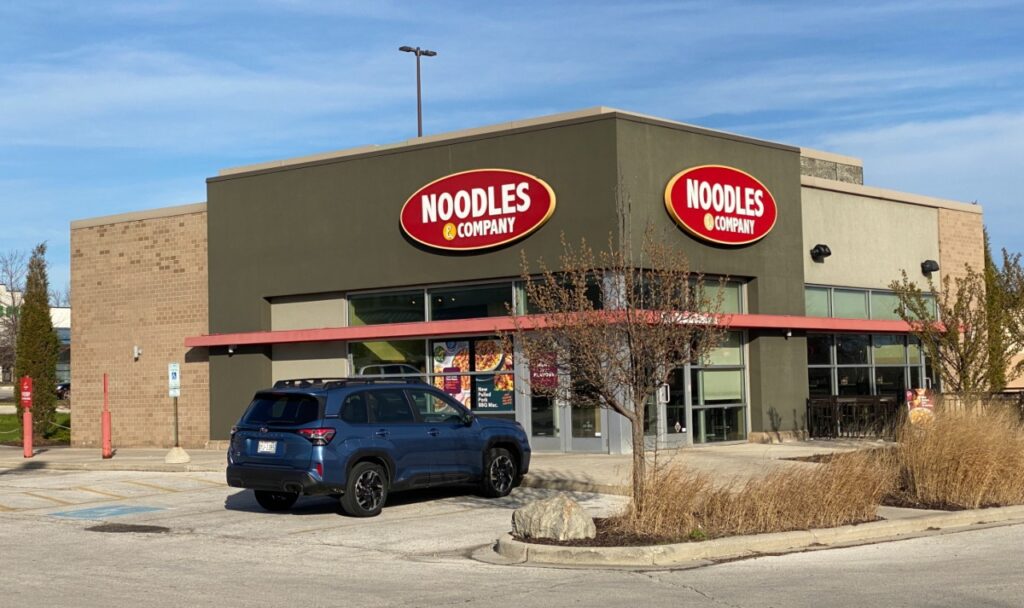
Fast casual was once seen as the safe middle ground between quick service and full dining rooms, yet even that space has tightened. Noodles & Company has closed underperforming restaurants to improve margins and protect long-term stability.
Traffic softness in certain regions, paired with higher labor and ingredient costs, reduced profitability at weaker stores. Some locations consistently fell short of projected sales, making reinvestment difficult to justify.
By exiting lower volume markets, the company is working to stabilize cash flow and sharpen its focus on menu innovation, digital ordering, and operational efficiency. The shift reflects a broader industry move toward disciplined growth instead of rapid expansion.
7. Bloomin’ Brands
Managing multiple full-service brands requires constant evaluation of performance by market. Bloomin’ Brands, parent to concepts like Outback Steakhouse and Carrabba’s, has closed select underperforming locations across its portfolio.
Executives have cited expiring leases, aging buildings, and underwhelming sales volumes as key factors behind these decisions. Softer consumer spending in certain regions also played a role in narrowing store-level margins.
Rather than sweeping closures, the company has taken a targeted approach. By letting weaker sites go, Bloomin’ Brands can direct capital toward remodels, technology upgrades, and stronger trade areas where guest demand remains steady.
8. Hooters
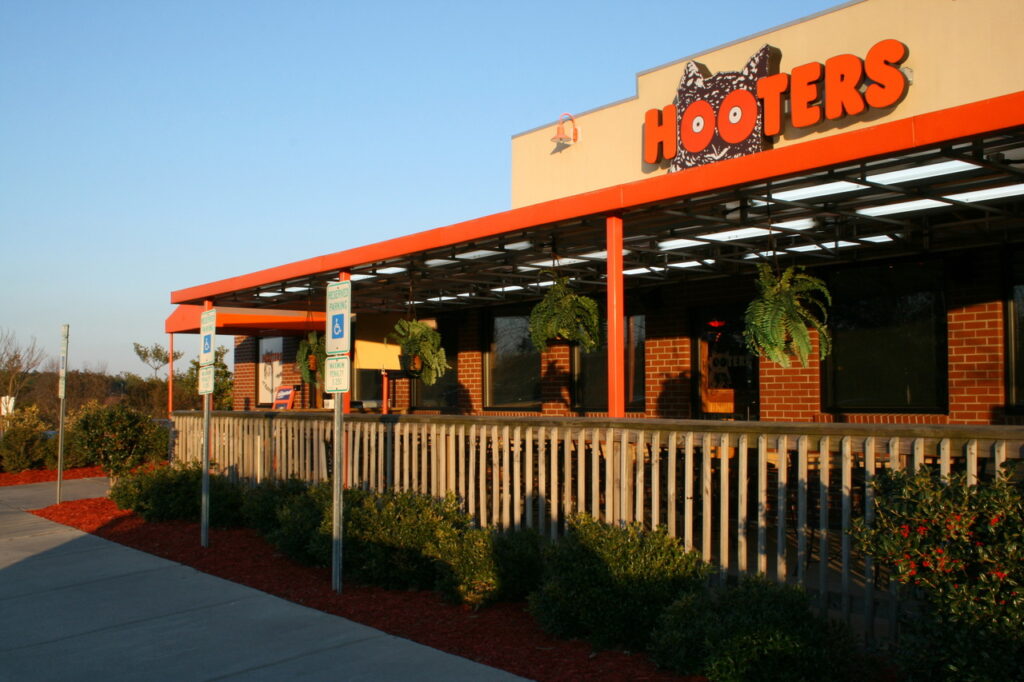
Concept-driven dining can feel shifts in culture and spending patterns quickly. Hooters has closed underperforming restaurants as part of financial restructuring and efforts to stabilize operations.
Some locations faced declining traffic and heavier competition from modern sports bars and delivery-focused operators. At the same time, higher labor and food costs compressed margins at already vulnerable stores.
The closures are designed to concentrate resources on profitable markets. By streamlining its footprint, the company aims to strengthen brand presence in areas where customer demand and unit economics remain sustainable.
9. Rubio’s Coastal Grill
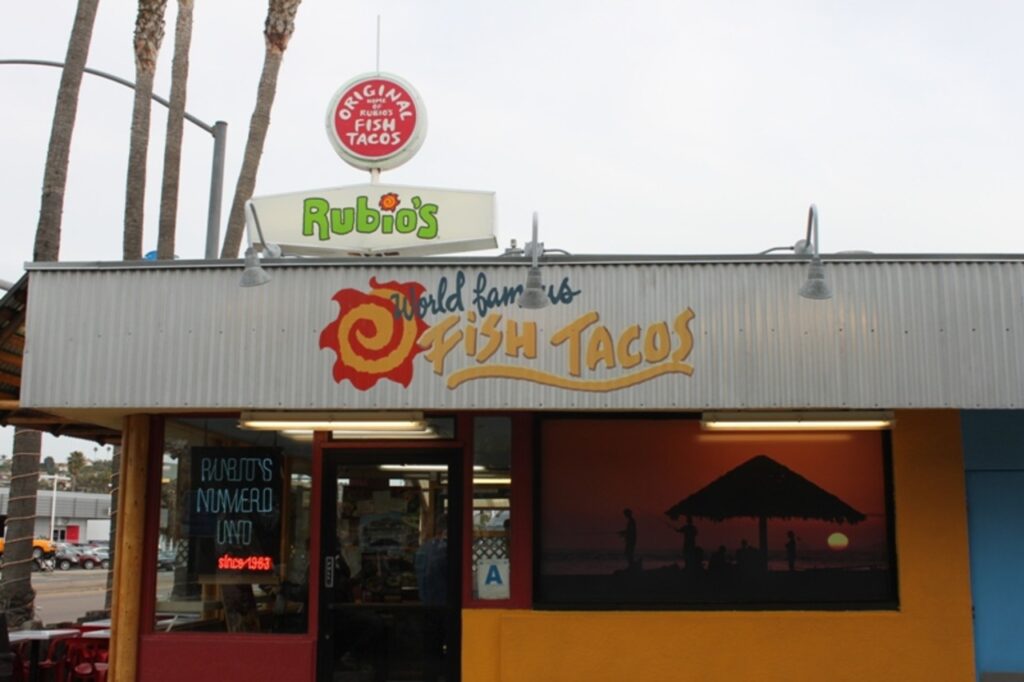
Regional brands often feel economic pressure faster than national giants, and Rubio’s Coastal Grill is no exception. The chain has closed underperforming restaurants, particularly in high-cost states where operating expenses climbed sharply.
Rising minimum wages, higher rents, and increased ingredient prices squeezed store-level margins. In some markets, steady traffic was not enough to offset mounting overhead, leaving certain units financially unsustainable.
By trimming weaker locations, Rubio’s is working to preserve healthier markets and protect overall brand stability. The strategy highlights how local cost structures and regional demand can heavily shape a restaurant’s long-term viability.
10. Boston Market
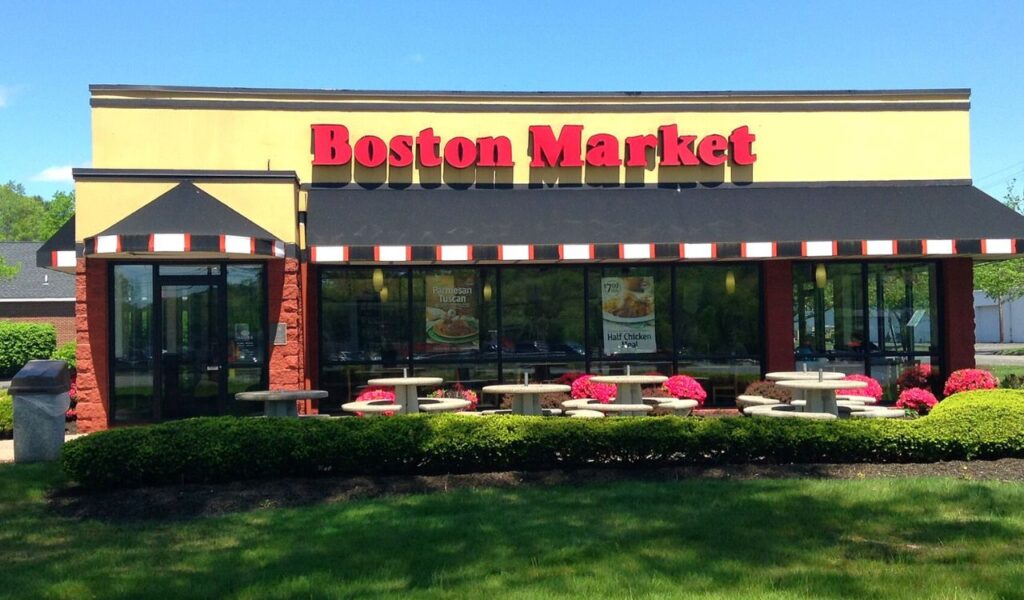
Boston Market once carved out a dependable niche with rotisserie chicken and homestyle sides, but recent years have brought significant contraction. The company has closed numerous underperforming restaurants as financial strain intensified.
Operational disruptions, vendor disputes, and declining guest traffic weakened performance across multiple regions. Some locations shut down abruptly when expenses outpaced revenue and supply relationships became unstable.
The shrinking footprint reflects deeper structural challenges rather than simple underperformance. Any path forward depends on restoring operational consistency, rebuilding supplier trust, and stabilizing remaining units in viable markets.
11. On The Border Mexican Grill & Cantina
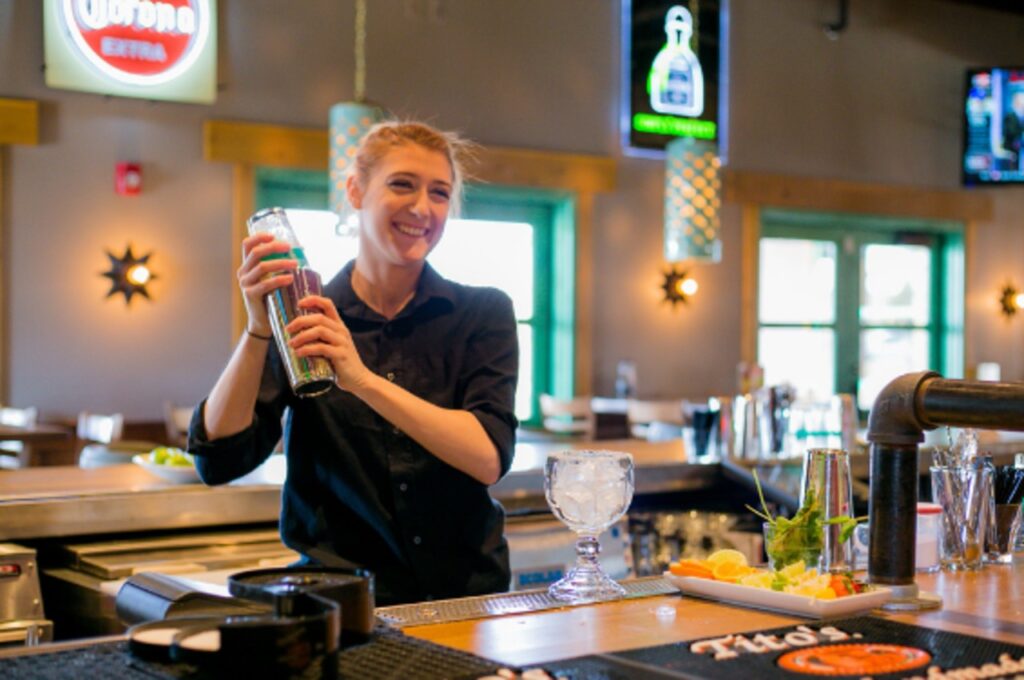
Full-service Mexican dining has grown more crowded, placing pressure on established brands like On The Border Mexican Grill & Cantina. The chain has closed underperforming restaurants amid tightening profitability.
Higher food costs, labor shortages, and uneven regional demand reduced margins at weaker stores. In several cases, leases were not renewed when sales failed to justify continued investment.
By narrowing its footprint, the company aims to concentrate on markets with steadier traffic and stronger unit economics. Selective closures are being used as a defensive strategy to protect long-term sustainability.