Air Fryer Veggie Trends That Fall Flat

Air fryers have earned a permanent spot on American countertops, especially for anyone trying to make vegetables taste less like an obligation and more like a craving. Scroll through social media or recipe roundups and you’ll see endless promises of crispy florets, chip-like slices, and perfectly roasted roots in minutes. The appeal is obvious. Faster cooking, less oil, and minimal cleanup. What’s not to love?
Here’s the thing. Not every vegetable trend translates well to a high speed blast of circulating air. Some ideas look beautiful on a screen but ignore basic food science like moisture content, density, and heat penetration. The result is often dry edges, soggy centers, or textures that feel more disappointing than satisfying.
This list breaks down the veggie air fryer trends that sound exciting but frequently underdeliver once you actually try them at home.
1. Whole Brussels Sprouts Straight Into the Basket
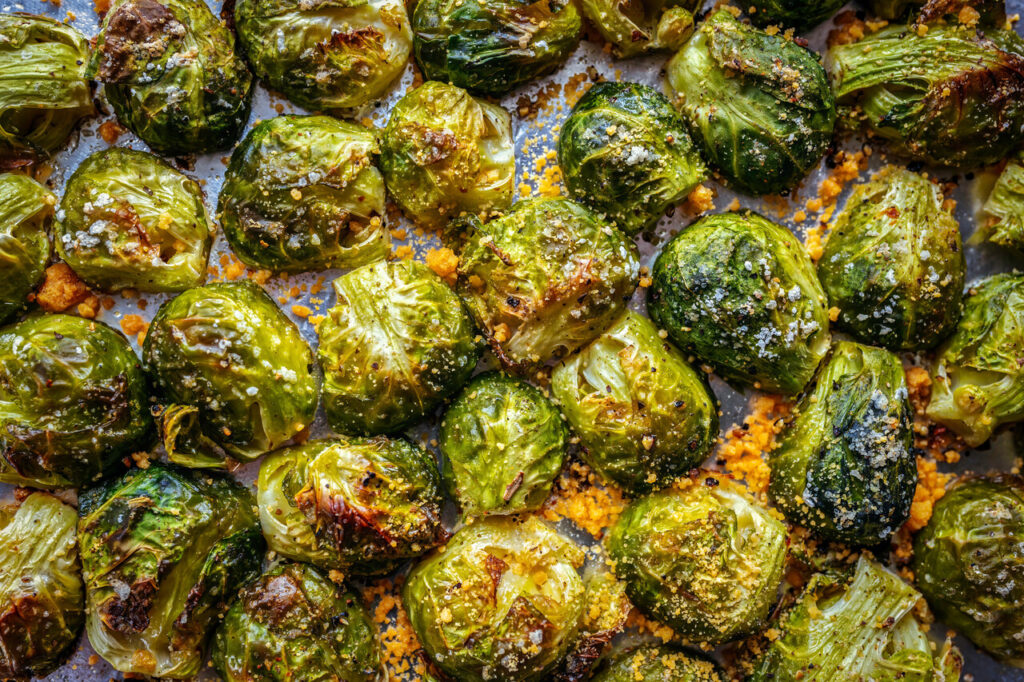
The promise sounds simple. Toss whole Brussels sprouts in a little oil, slide them into the air fryer, and wait for crispy magic. In reality, whole sprouts are dense. Their outer leaves cook much faster than the tight interior. By the time the center softens, the outer layers can turn dark and bitter.
Brussels sprouts contain natural sugars that caramelize quickly under high heat. That is great for flavor, but only when heat penetrates evenly. Without halving or par-cooking, the hot circulating air cannot reach the core effectively. The outside dehydrates while the inside remains firm.
Cutting sprouts in half or blanching them first changes everything. More surface area allows moisture to escape evenly and improves browning. Skipping that step is what causes this trend to disappoint more often than it delivers.
2. Thick Cauliflower Steaks in the Air Fryer

Cauliflower steaks look impressive. Thick cross sections promise a hearty, plant-forward main. The problem is structure. Cauliflower is dense at the stem and airy toward the florets, which means it cooks unevenly in rapid air circulation.
When placed in the air fryer, the edges dry out before the center becomes tender. Without enough oil or moisture, the exterior can become leathery. Unlike oven roasting, the air fryer does not provide sustained radiant heat that penetrates large vegetable slabs effectively.
Smaller florets crisp beautifully because airflow can surround them. Thick steaks need pre-roasting, steaming, or lower temperatures before crisping. Skipping that step leaves you with a dish that looks dramatic but tastes undercooked or overly dry.
3. Zucchini Chips Without a Coating
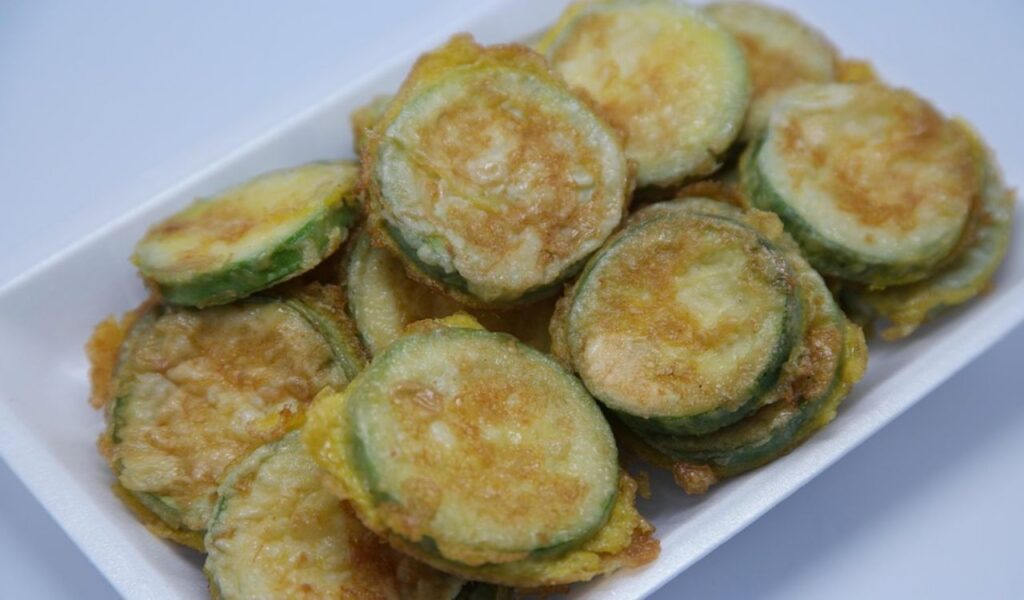
Zucchini holds a lot of water. That single fact explains why bare zucchini slices rarely turn into true chips in the air fryer. As heat builds, the moisture releases and steams the vegetable from within, preventing a crisp texture.
Without breading or a light starch coating, the surface struggles to dry evenly. Instead of crunch, you get pliable slices that bend rather than snap. High heat alone cannot overcome the vegetable’s internal moisture.
Salting and resting zucchini to draw out water helps, but a coating is what truly creates structure. The trend of ultra-simple zucchini chips falls flat because physics, not effort, is the limiting factor.
4. Kale Chips With Just Salt
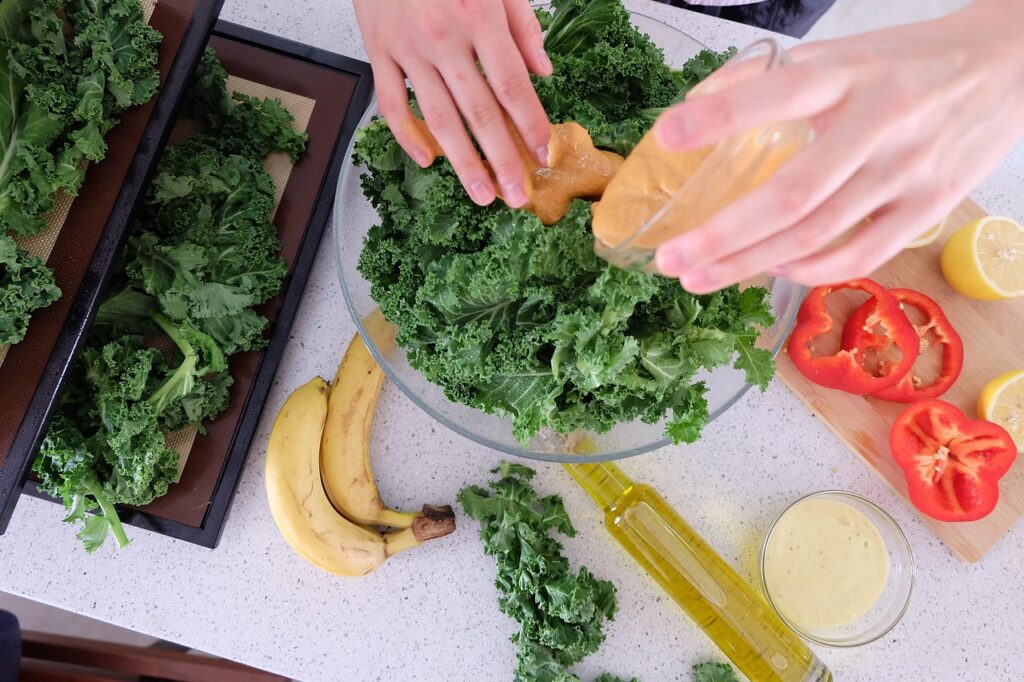
Kale chips gained popularity as a healthier snack alternative. The idea of tossing leaves with salt and air frying sounds efficient. But kale leaves are thin and delicate, which means they dehydrate quickly and unevenly.
Without enough oil, kale can taste papery and bitter. The oil does more than add richness. It helps conduct heat evenly and prevent scorching. In an air fryer, where air circulates aggressively, dry kale edges can burn before the center crisps.
Seasoning also matters. Kale has a naturally strong flavor. A pinch of salt alone rarely balances it. Adding spices, nutritional yeast, or a touch of acidity transforms the result. The minimalist version often tastes more austere than enjoyable.
5. Mixed Vegetable Medleys Cooked All at Once
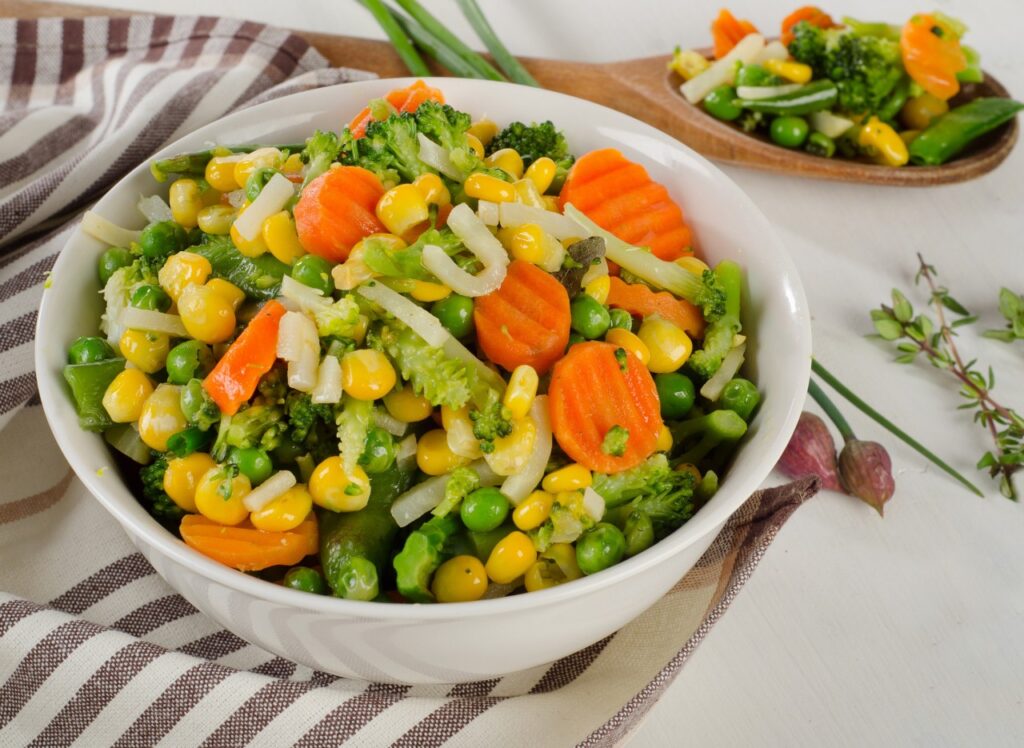
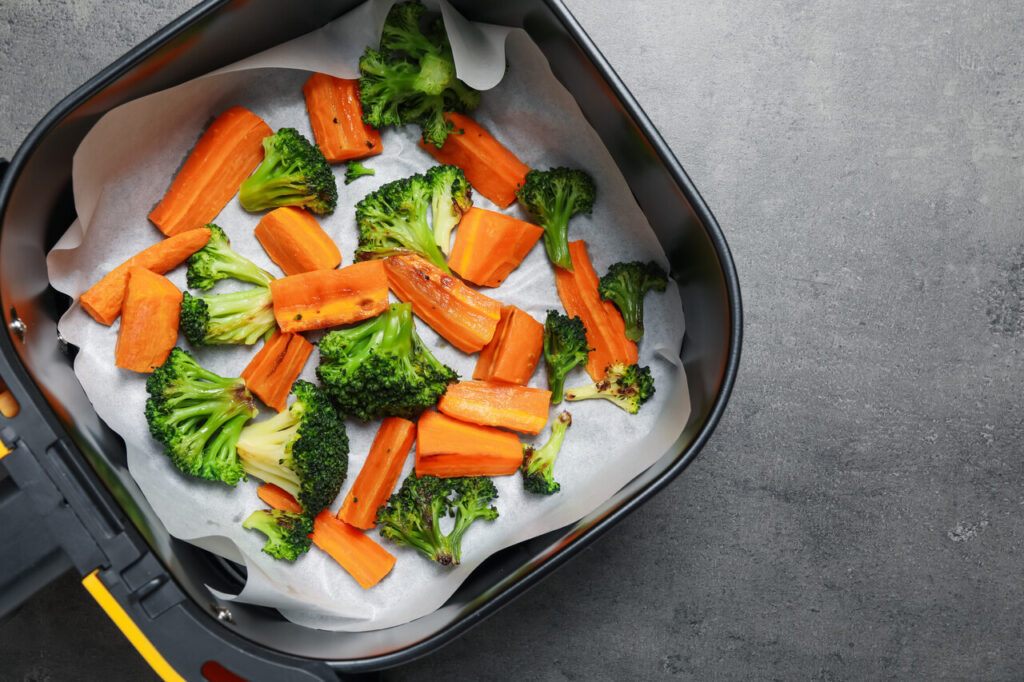
Air fryer recipe lists often suggest tossing carrots, mushrooms, peppers, and broccoli together in one basket. The issue is density. Carrots take longer to soften than mushrooms. Broccoli florets brown quickly. Each vegetable has its own moisture level and structure.
When cooked together, lighter vegetables can overcook while denser ones remain firm. Air fryers rely on consistent airflow, and uneven sizes block circulation. That reduces browning and creates patchy results.
Cooking vegetables in batches or cutting them to similar sizes improves consistency. The convenience of one basket sounds appealing, but mixed densities almost always lead to compromise rather than precision.
6. Frozen Mixed Veggies as a Crisp Shortcut
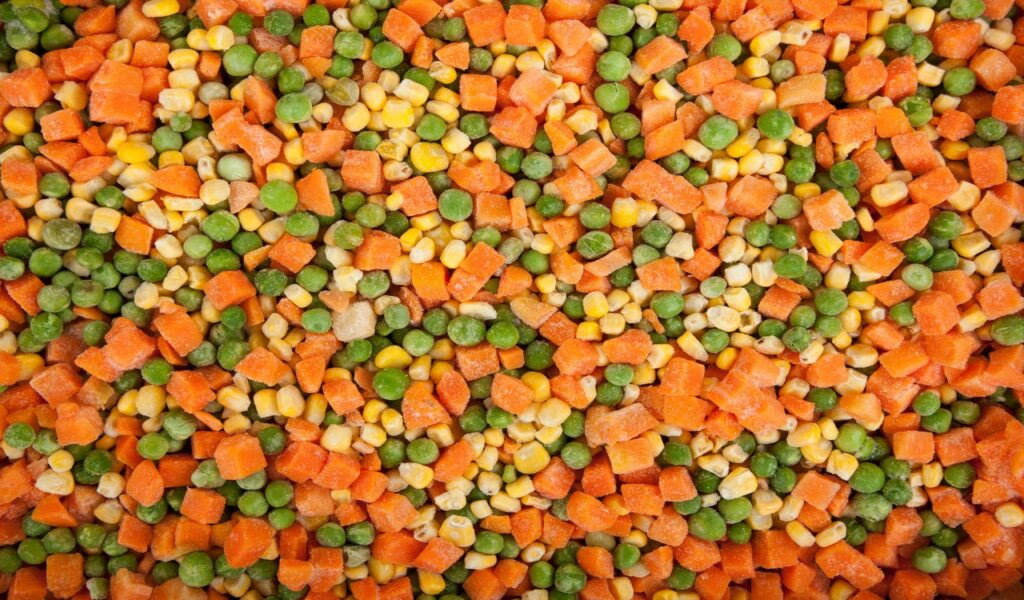
The freezer aisle promises convenience. Toss frozen vegetables directly into the air fryer and expect crisp edges. In practice, frozen vegetables contain surface ice and internal moisture. As they heat, that moisture turns to steam.
Steam is the opposite of crisp. Instead of browning, vegetables soften. Unless spread in a thin layer and cooked longer, they remain slightly soggy. Even then, texture rarely matches fresh produce.
Thawing and patting dry can improve results, but that reduces the very convenience the trend promotes. Frozen vegetables are excellent for soups and stir fries. For crisp texture, they rarely outperform fresh ingredients in an air fryer.
7. Whole Sweet Potatoes Without Prep
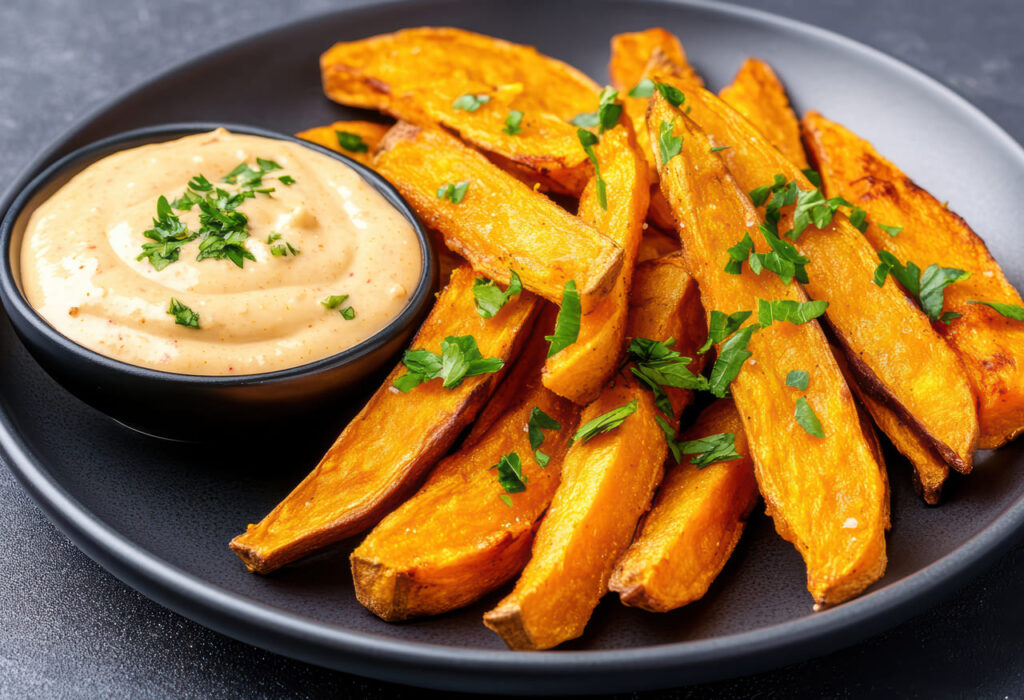
Whole sweet potatoes look perfect for air frying. Their skin seems sturdy enough to handle circulating heat. The problem is thickness. Sweet potatoes are dense and require time for heat to reach the center.
Air fryers cook quickly, but large, whole vegetables need prolonged exposure. The exterior may wrinkle and darken while the inside remains firm. Compared to oven baking, which provides gradual heat penetration, the air fryer can dry out the surface prematurely.
Piercing and partially cooking in the microwave before air frying improves texture. Without that step, the result often feels underwhelming. The convenience of skipping prep rarely justifies the uneven outcome.
8. Oil Free Broccoli Florets
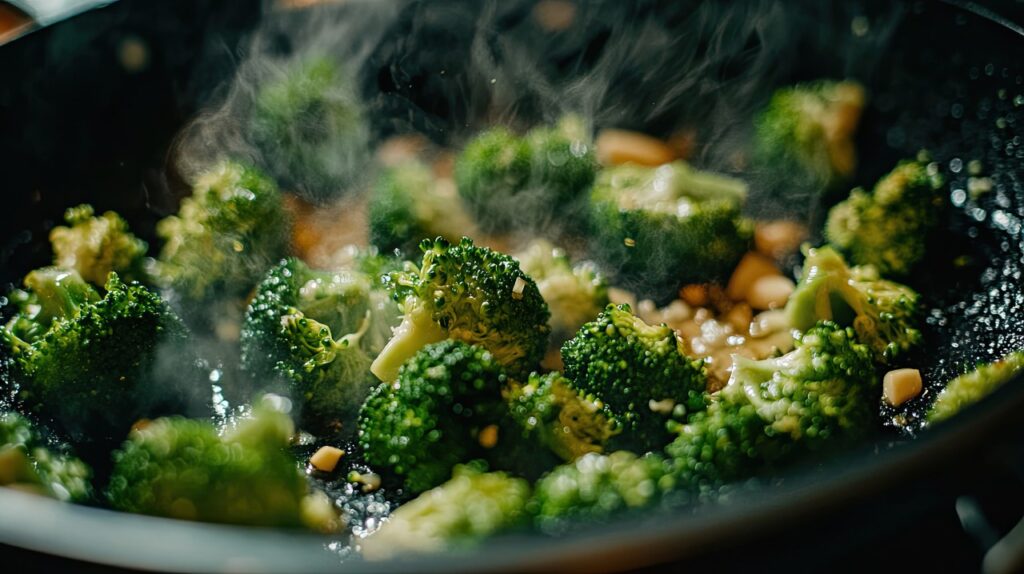
Broccoli can turn beautifully crisp in an air fryer when lightly coated in oil. Remove the oil entirely, and the outcome changes. The florets dry rather than caramelize. Oil conducts heat and supports browning through surface contact.
Without fat, broccoli may become fibrous and chalky. The edges crisp slightly, but the overall texture lacks the depth that oil provides. Flavor also suffers because seasoning adheres less effectively.
Using a small amount of oil is not about indulgence. It is about chemistry. Proper browning depends on surface moisture evaporation and heat conduction. Oil-free attempts often produce dryness instead of true crispness.
9. Plain Eggplant Slices With Only Salt
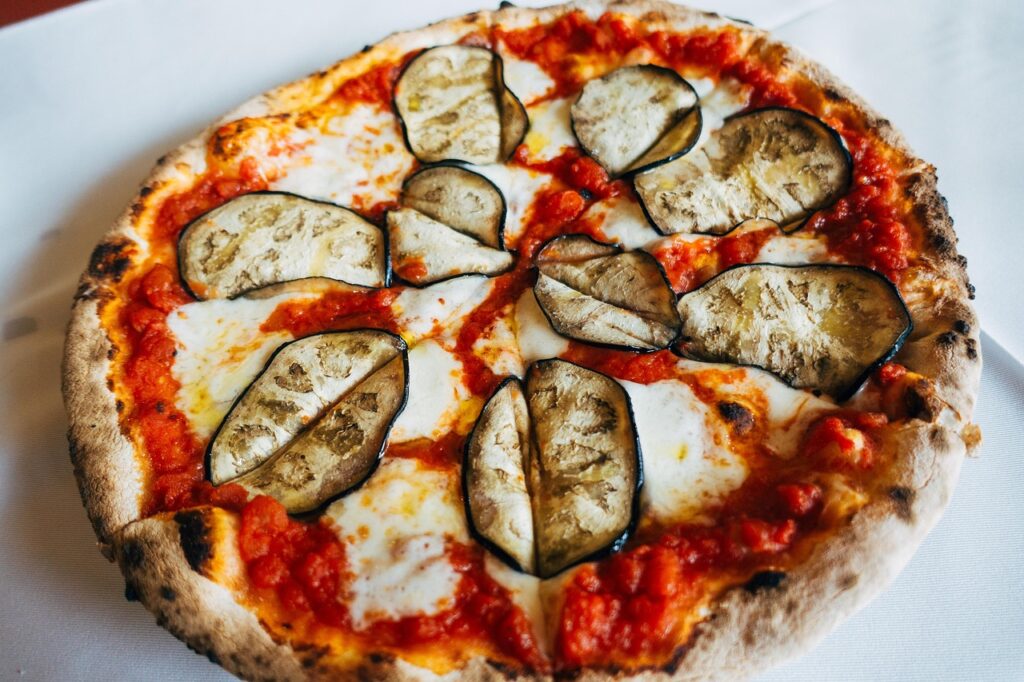
Eggplant has a sponge-like structure. It absorbs oil easily, which is why traditional recipes use generous amounts during frying. In an air fryer, using only salt leaves the slices vulnerable to drying out unevenly.
As moisture escapes, the interior can become rubbery. Without oil to help conduct heat and create surface browning, eggplant struggles to develop a satisfying crust. The texture turns soft but not creamy, dry but not crisp.
Lightly brushing slices with oil or using breadcrumbs provides structure. The minimalist approach overlooks how eggplant behaves under heat. The result often feels flat rather than indulgent, which defeats the purpose of air frying in the first place.
Overall, the air fryer is a powerful tool, but it cannot override the physical properties of vegetables. Density, moisture, and surface area still matter. Trends that ignore those basics tend to disappoint more than they impress.