10 Restaurant Habits That Servers Say Reveal a Customer’s Age Group

Spend enough time in restaurants and patterns start to emerge fast. Servers don’t need surveys or small talk to guess a customer’s age group. They notice it in how people tip, order, use menus, react to delays, and even how they leave the table behind. These habits aren’t about being right or wrong. They’re shaped by when people grew up dining out, how technology changed restaurants, and what service meant at different points in time. Together, they quietly signal generational expectations before the meal is even halfway over.
1. How Customers Handle the Table Before Leaving
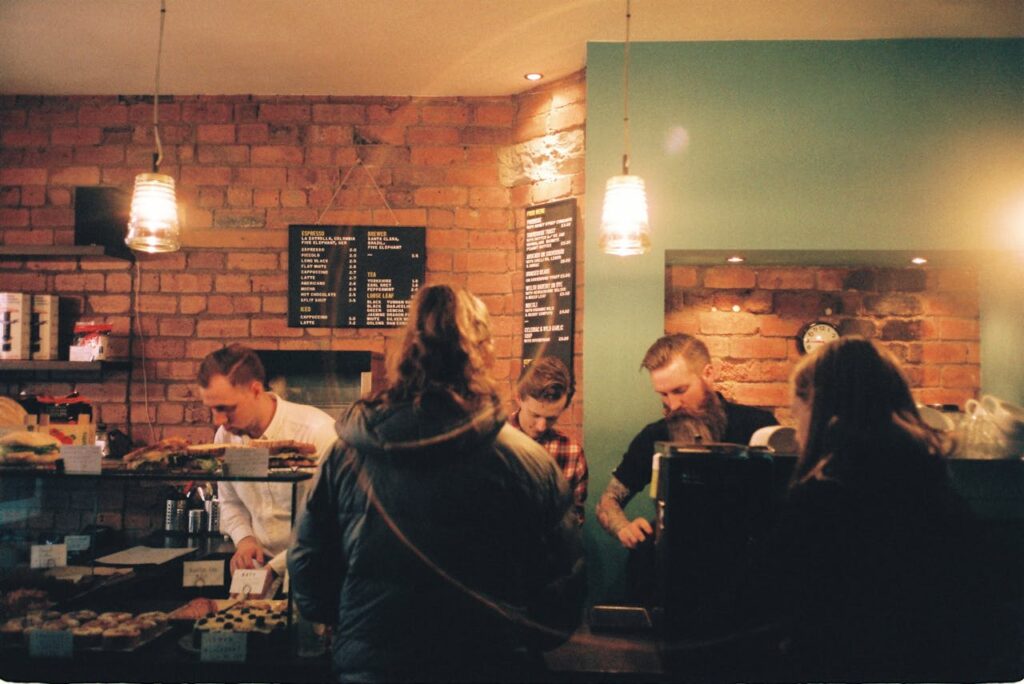
What guests do with their table at the end of a meal is one of the clearest signals servers notice. Older diners are far more likely to leave everything exactly as it is. Plates stay scattered, napkins remain unfolded, and glasses are left wherever they landed. This reflects a long-standing belief that clearing tables is strictly the server’s job and that touching dishes might seem rude or intrusive. Younger diners often behave very differently. Many will stack plates, gather utensils, or place trash in one spot before standing up. This habit comes from lived experience. A large share of Millennials and Gen Z have worked service jobs themselves and understand how overwhelming turnover can be. Social media has also normalized being a considerate customer. Servers consistently say neither behavior is inherently wrong, but it is highly predictable by age group. A neatly stacked table almost always signals younger guests, while untouched chaos tends to indicate older ones.
2. Tipping Patterns That Follow Generational Rules
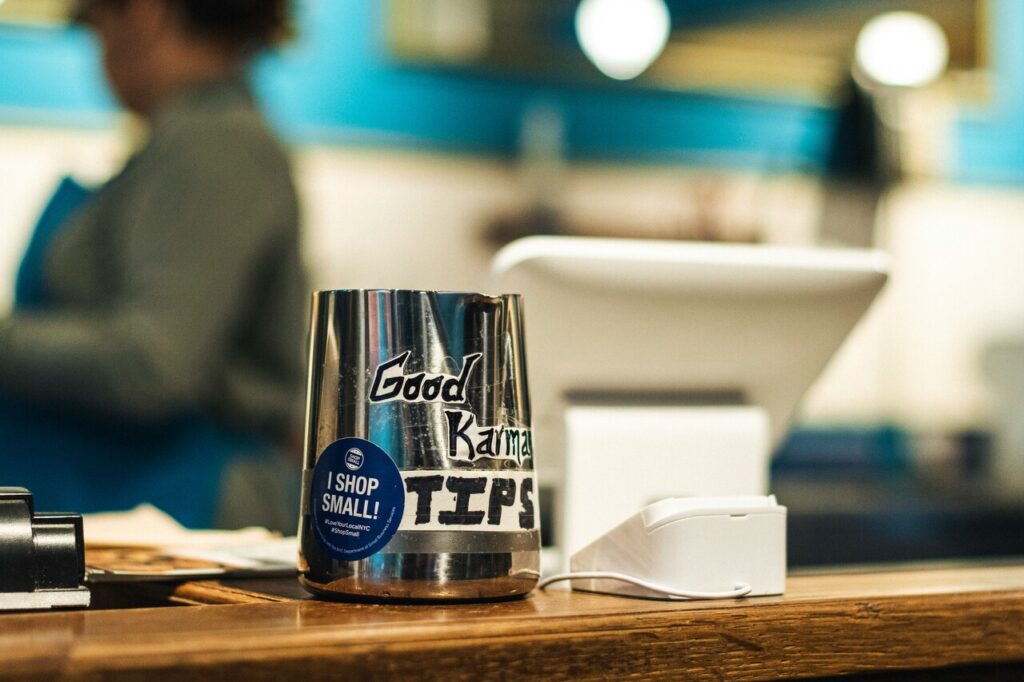
Tipping behavior remains one of the most reliable generational indicators in restaurants. Older diners tend to follow fixed rules they learned decades ago, usually tipping a standard percentage regardless of service details. Many calculate tips manually and feel strongly about what is considered proper. Younger diners approach tipping with more variability. They often rely on digital prompts, adjust tips based on service quality, or factor in service charges differently. There is also more discussion among younger guests about tipping fatigue and whether employers should pay higher base wages instead. Servers say this does not automatically mean younger guests tip less, but it does mean tips vary more widely. Older diners are predictable. Younger diners are situational. That distinction alone often tells servers exactly who they are serving before the receipt is signed.
3. Comfort Level With Restaurant Technology
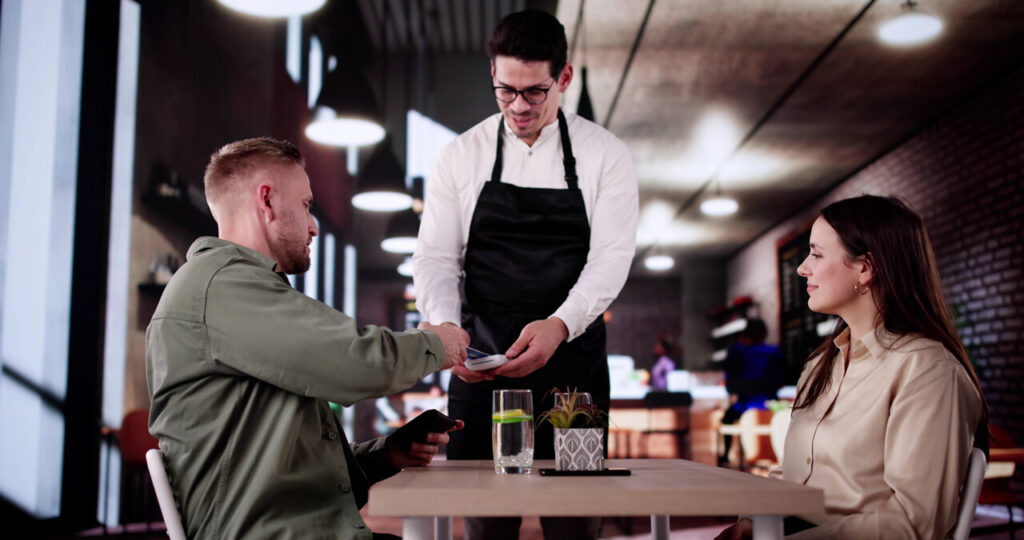
Technology use at the table is a near instant age tell. Younger diners are generally comfortable scanning QR menus, ordering from apps, splitting checks digitally, and paying without ever touching a physical bill. For them, phones streamline the experience. Older diners are more likely to ask for printed menus, verbal explanations, and traditional checks. Many find QR codes inconvenient or impersonal, especially when dining out is meant to feel like a break from screens. Servers note this affects pacing more than most people realize. Younger guests tend to move quickly through ordering and payment, while older guests may need more guidance or time. When a table immediately asks for paper menus or avoids scanning altogether, staff often assume an older age group without hesitation.
4. Willingness to Customize or Break the Menu Rules

How many guests modify their orders often reveals their age. Older diners frequently request substitutions, omissions, or off-menu adjustments, often phrased as expectations rather than questions. This stems from decades of dining culture where customization was normal, and menus were flexible. Younger diners tend to order closer to what is listed, sometimes avoiding substitutions altogether. When they do customize, they are more likely to ask politely whether changes are possible rather than assume they are. Servers say younger guests are also more aware of kitchen limitations and ingredient prep. Older guests are more confident asking for changes because they are accustomed to being accommodated. The contrast shows up clearly during ordering, especially in busy restaurants.
5. How Guests Signal They Want the Check

The way customers ask for the check often reveals their generation. Older diners typically wait for the server to offer it or ask directly when they feel the meal is complete. This reflects traditional pacing where dining out is a slower, more formal experience. Younger diners are more likely to signal readiness through body language, placing cards on the table, or using digital checkout options as soon as they finish eating. Some even request the check early to avoid delays. Servers say younger guests value efficiency and control, while older guests value structure and timing. These habits influence how servers approach closing out the table and managing turnover.
6. Expectations Around Speed of Service
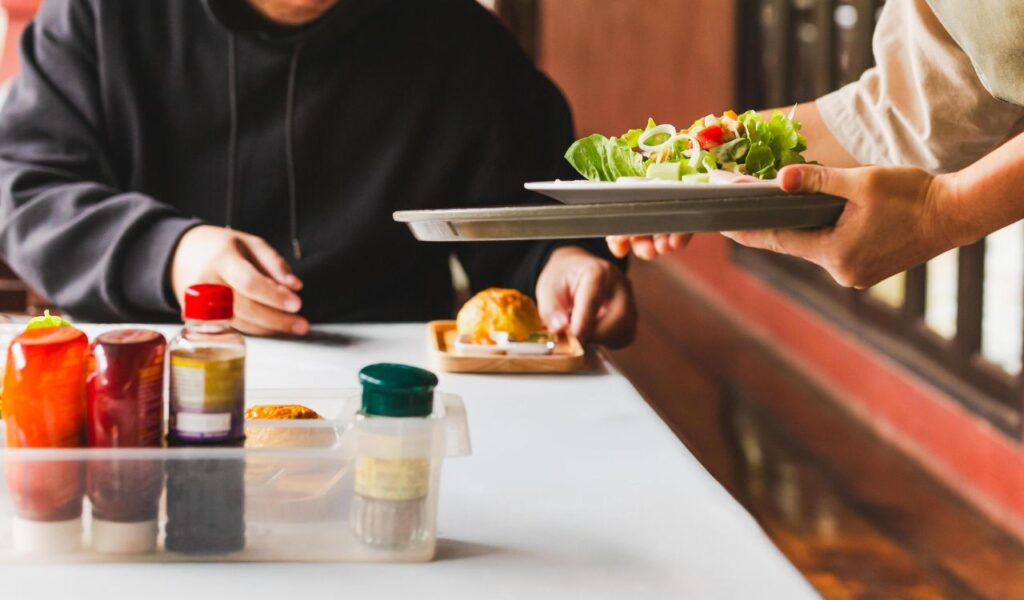
Speed tolerance varies strongly by age group. Younger diners generally expect faster service and shorter waits, especially during lunch or casual dining. Many are juggling schedules, work calls, or time-sensitive plans. Older diners are often more patient and view dining as an event rather than a task. They are less likely to complain about pacing and more likely to linger after the meal. Servers adjust their rhythm accordingly. A table that appears relaxed and unhurried is often older. A table checking phones and glancing around frequently tends to skew younger.
7. How Guests Interact With Servers Personally

Conversation style is another strong indicator. Older diners often engage servers in longer conversations, asking personal questions or sharing stories. This reflects a time when service interactions were more social and less transactional. Younger diners tend to keep interactions brief and efficient, often communicating needs clearly but minimally. This is not rudeness. It reflects comfort with boundaries and an understanding that servers are busy. Servers say neither style is better, but the difference is consistent. Long chats usually mean older guests. Direct, concise communication usually means younger ones.
8. Reactions to Noise, Music, and Atmosphere
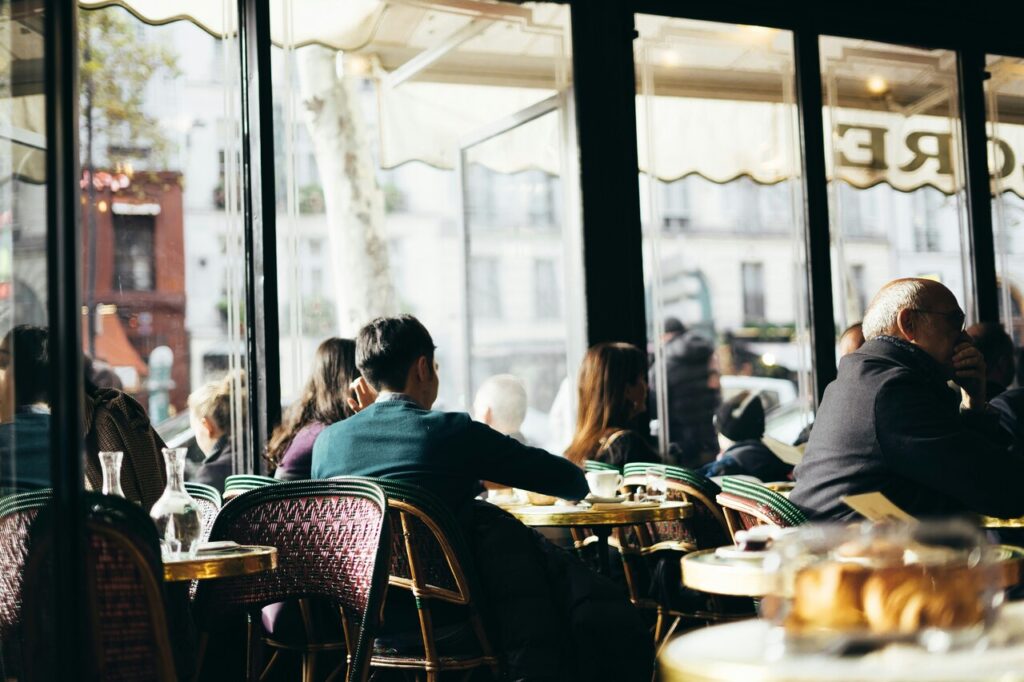
Tolerance for restaurant ambiance varies widely by generation. Younger diners are generally more comfortable with loud music, open kitchens, and crowded spaces. Many see noise as part of the experience. Older diners are more sensitive to volume and often request quieter tables or comment on background noise. Servers say this affects seating decisions and complaint patterns. A request to turn music down or move tables often signals an older group. Younger diners rarely mention it unless it interferes with conversation.
9. Use of Phones During the Meal
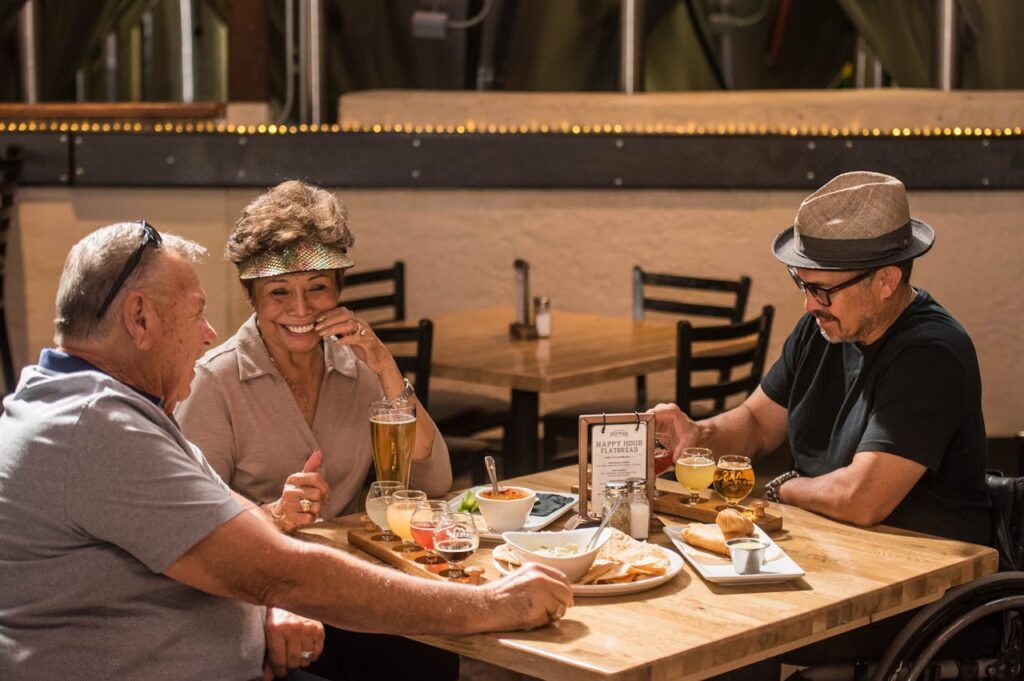
Phone use at the table sends clear signals. Younger diners frequently check phones, take photos of food, or split attention between conversation and screens. For them, this is normal behavior. Older diners are more likely to keep phones put away, viewing phone use as impolite during meals. Servers notice that tables with phones out tend to skew younger, while phone-free tables often skew older. This habit shapes how servers time check-ins and interruptions.
10. How Guests Respond to Mistakes or Delays
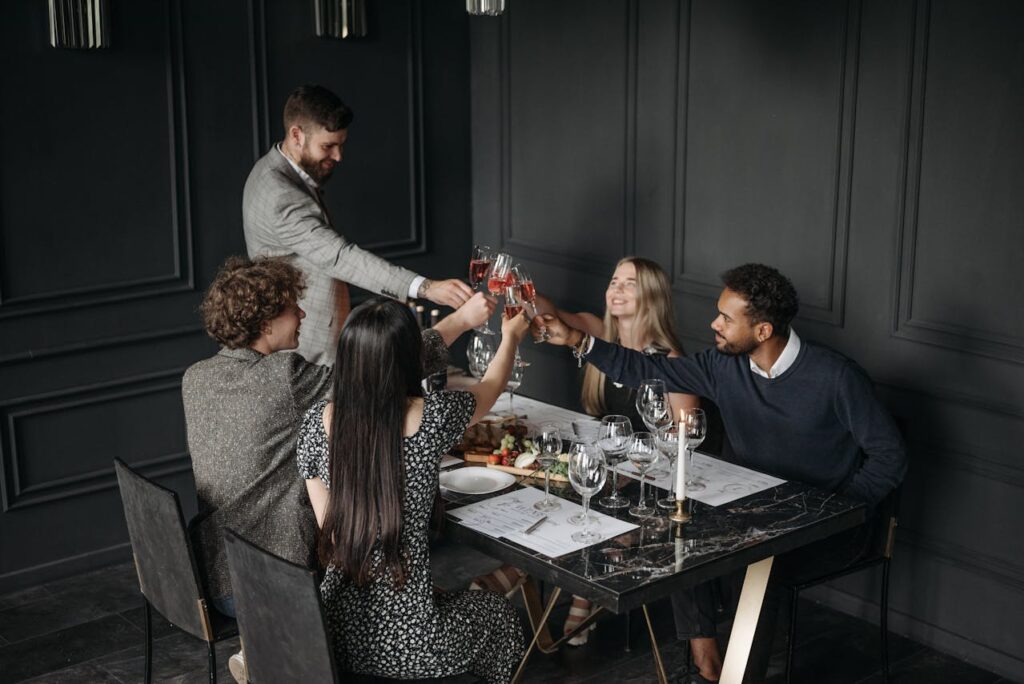
Finally, reactions to service issues often reflect generational expectations. Older diners are more likely to voice dissatisfaction directly and expect immediate correction. Younger diners may be more forgiving or choose not to mention minor issues at all, especially if staff appear busy. When younger guests do complain, they often frame it cautiously. Servers say older guests tend to see restaurants as service-driven experiences, while younger guests see them as collaborative environments where mistakes happen. These reactions strongly influence how servers anticipate conflict or resolution.