11 Foods Americans Are Cooking More Often Because Recipes Went Viral Online

Scroll long enough, and a recipe stops being entertainment and starts changing what people actually cook. Over the past few years, viral food videos haven’t just inspired one-off experiments. They’ve quietly reshaped American home kitchens. Certain dishes solved real problems like saving time, stretching leftovers, or making simple ingredients taste intentional. Once that happened, they stopped feeling trendy and started feeling practical. These are the foods Americans keep coming back to, not because they were flashy online, but because they fit real life better than what came before.
1. Baked Feta Pasta
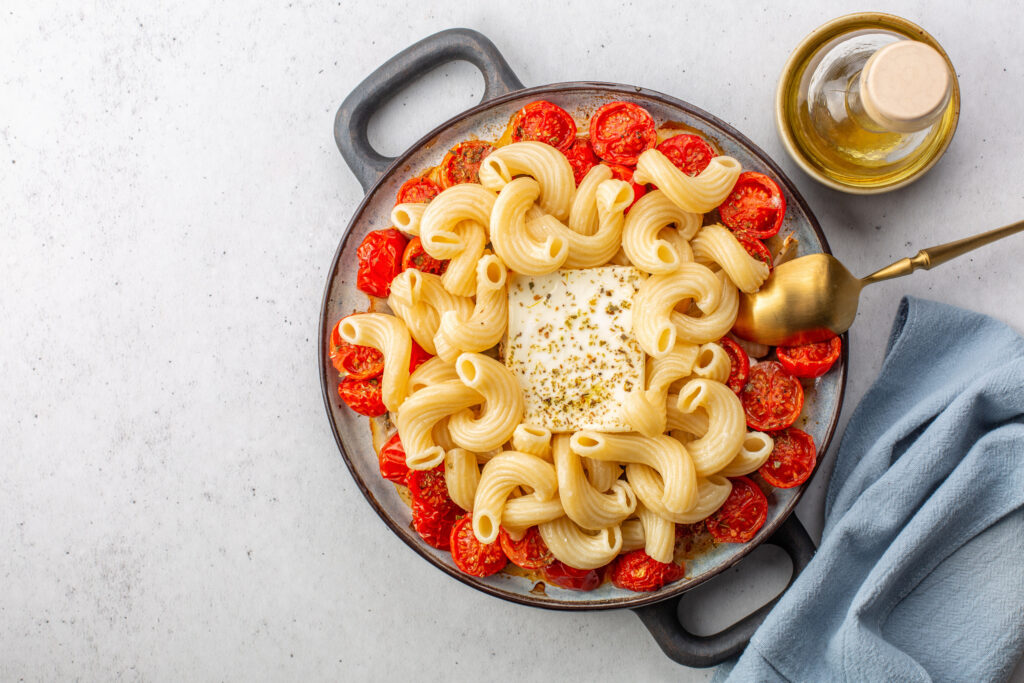
This dish didn’t just go viral; it rewired how a lot of Americans think about weeknight pasta. The appeal starts with how little effort it takes. A block of feta, a handful of cherry tomatoes, olive oil, and heat do most of the work. As the feta softens and the tomatoes burst, they create a creamy, tangy sauce without any stirring or technical skill. That simplicity is why it stuck. It also solved a common home cooking problem. People wanted rich pasta without juggling multiple pans or babysitting a sauce. The visual payoff mattered too. Watching the feta melt and the tomatoes collapse on camera, made the process feel foolproof. Once people realized they could customize it with spinach, chicken, sausage, or chili flakes, it stopped being a trend meal and became a flexible template. Americans keep making it because it’s reliable, adaptable, and feels indulgent without feeling complicated.
2. Pesto Eggs
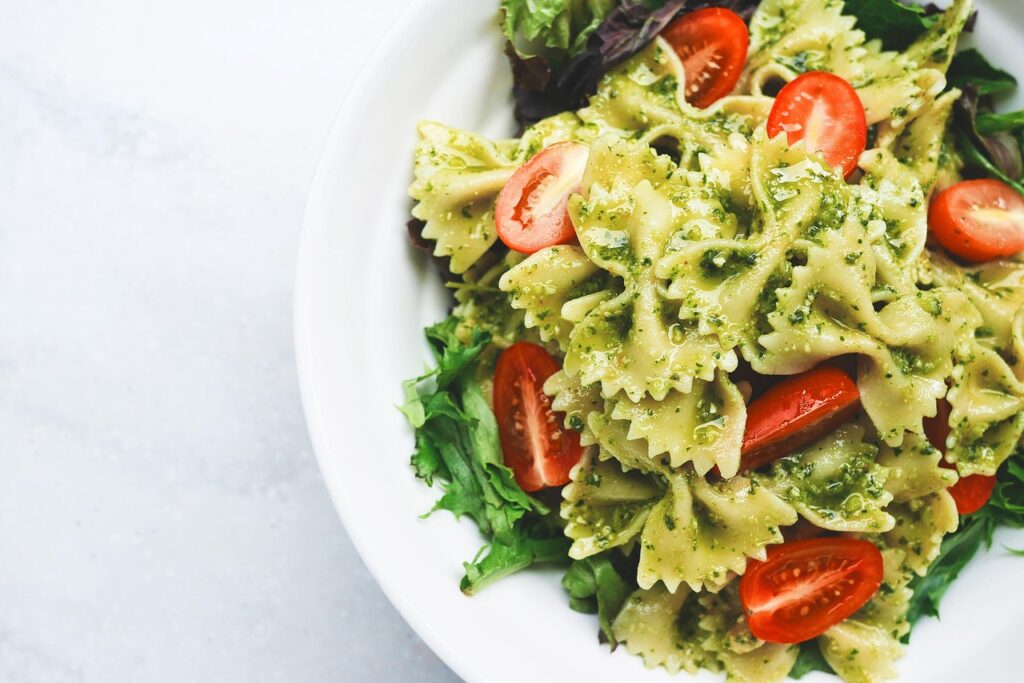
Pesto eggs caught on because they quietly fixed a boring breakfast routine. Instead of frying eggs in butter or oil, cooks use pesto as the fat, letting the basil, garlic, and cheese infuse directly into the eggs. The flavor impact is immediate and noticeable, even for people who rarely season breakfast. What made this stick wasn’t novelty alone. It was efficiency. One spoonful of pesto replaces salt, oil, herbs, and cheese in a single step. That matters on busy mornings. The technique also lowered the barrier to better cooking. People who didn’t feel confident seasoning food suddenly had a shortcut to something that tasted intentional. Once home cooks realized it worked just as well with scrambled eggs, omelets, or even fried tofu, pesto eggs became less of a trend and more of a habit. It’s fast, repeatable, and doesn’t demand extra thinking.
3. Leftover Salmon Bowls
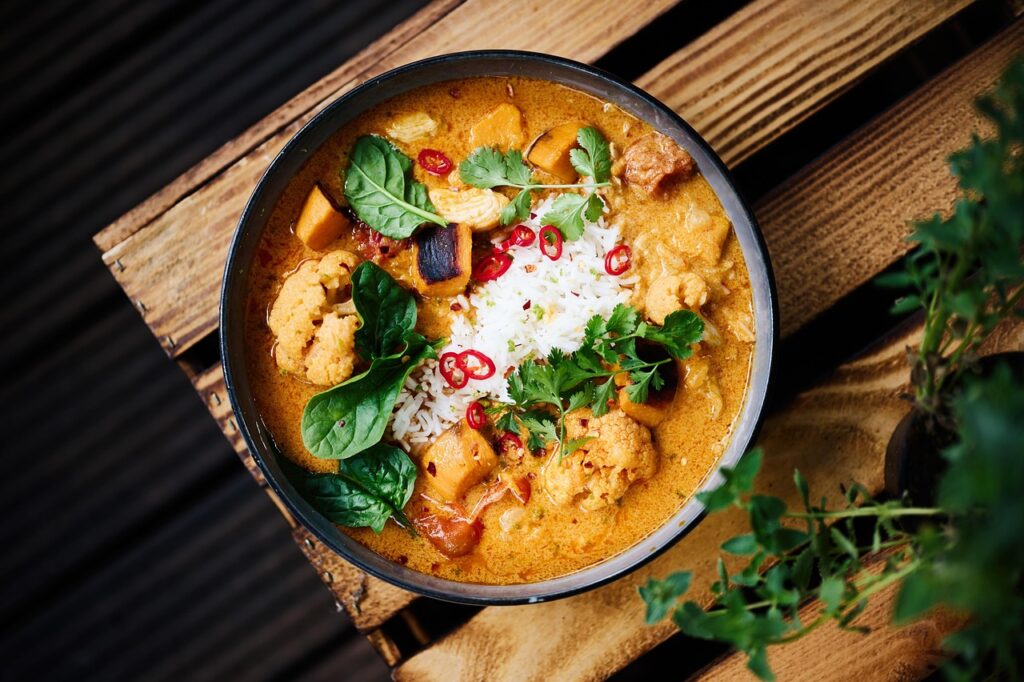
These bowls took off because they reframed leftovers as something worth looking forward to. The viral moment showed cold or reheated salmon paired with rice, soy sauce, mayo, and crunchy toppings. What clicked was permission. People stopped feeling like leftovers were a downgrade. The method encouraged reheating salmon gently, often covered or steamed, which solved the dryness issue many home cooks struggled with. It also matched how Americans were already eating. Grain bowls, customizable toppings, and mix-and-match flavors were familiar. This just slid into that routine. The appeal stuck because it reduced waste while still feeling satisfying. Instead of planning a brand new dinner, people started cooking extra salmon on purpose. That shift from accidental leftovers to intentional reuse is why this bowl keeps showing up in home kitchens.
4. Cottage Cheese Toast and Bowls
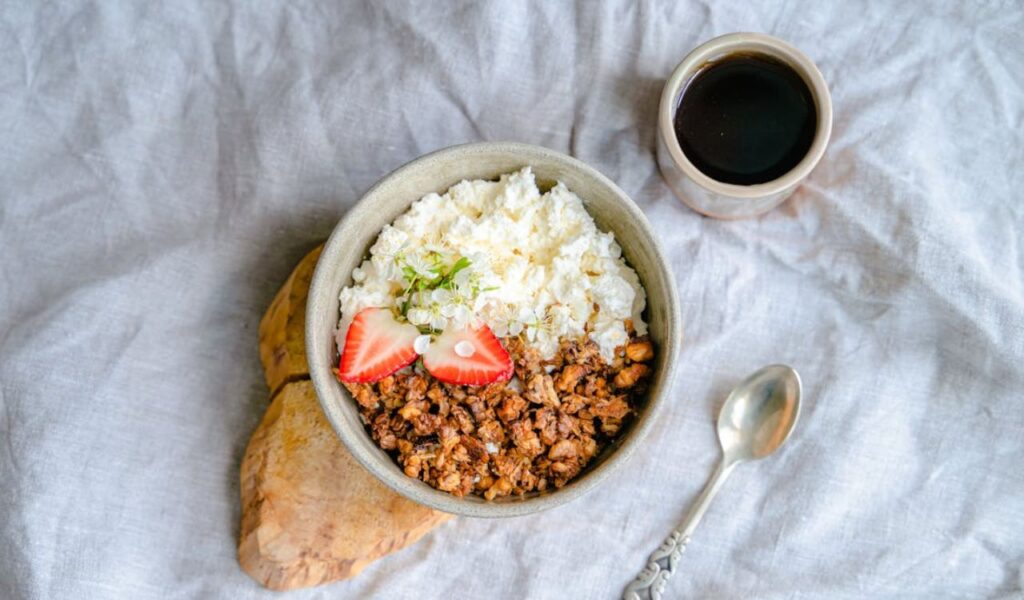
Cottage cheese made a comeback because the internet reframed it. For decades, it carried a diet food reputation that felt dated. Viral recipes showed it blended smoothly, paired with honey, fruit, eggs, or even pasta, and suddenly it looked versatile and modern. The nutritional angle helped too. High protein, low cost, and minimal prep made it appealing to people trying to eat better without tracking every bite. Once cooks realized it could replace ricotta, yogurt, or cream cheese in many recipes, it earned a permanent spot in the fridge. Americans didn’t just try it once. They started using it as a base ingredient. That’s the difference between a fad and a shift. Cottage cheese stopped being a side and became a building block.
5. One Pot Pasta
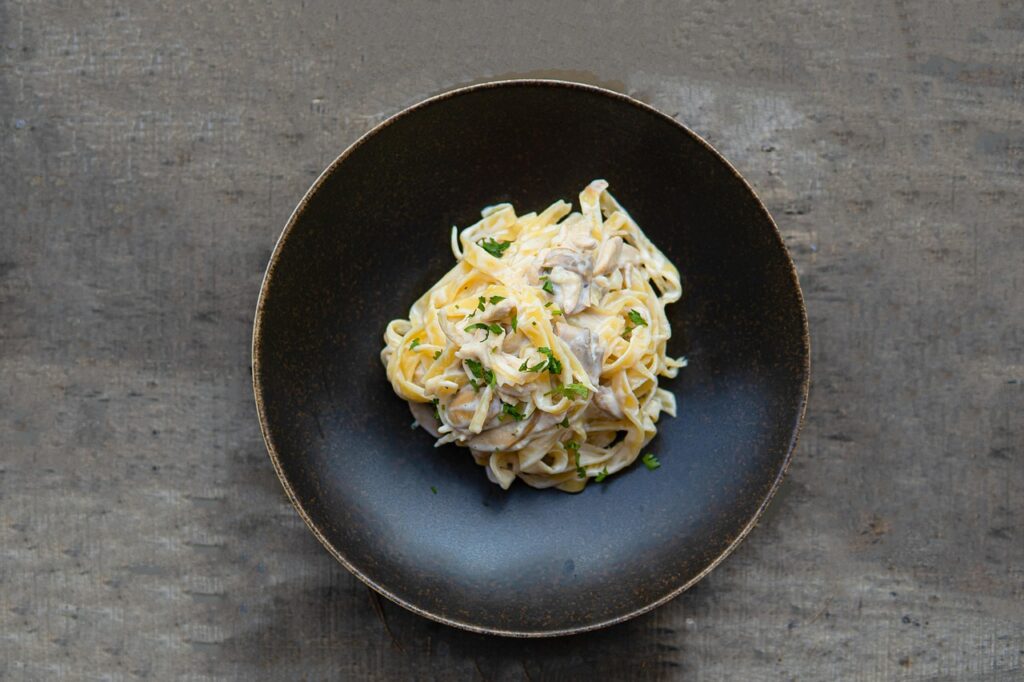
One-pot pasta is stuck because it respects people’s time. Cooking pasta directly in sauce ingredients feels wrong to anyone raised on strict rules, but the results proved otherwise. Starch from the pasta thickens the sauce naturally, cutting down on extra steps and dishes. For home cooks juggling work and family, fewer pans matter. The method also encouraged experimentation. Once people saw that water ratios and timing were forgiving, they felt freer to improvise with vegetables, proteins, and spices. This wasn’t about a single recipe. It was about a new approach. Americans kept cooking it because it simplified dinner without sacrificing flavor. Cleanup became easier, portions became flexible, and pasta night stopped feeling like a production.
6. Magic Cake and Dump Cakes
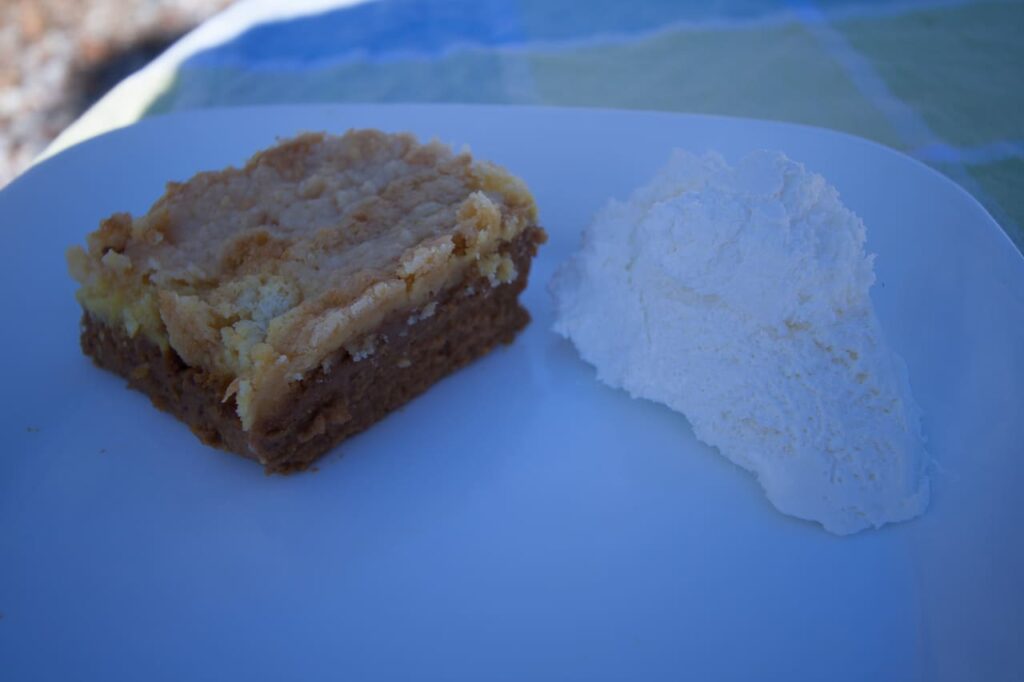
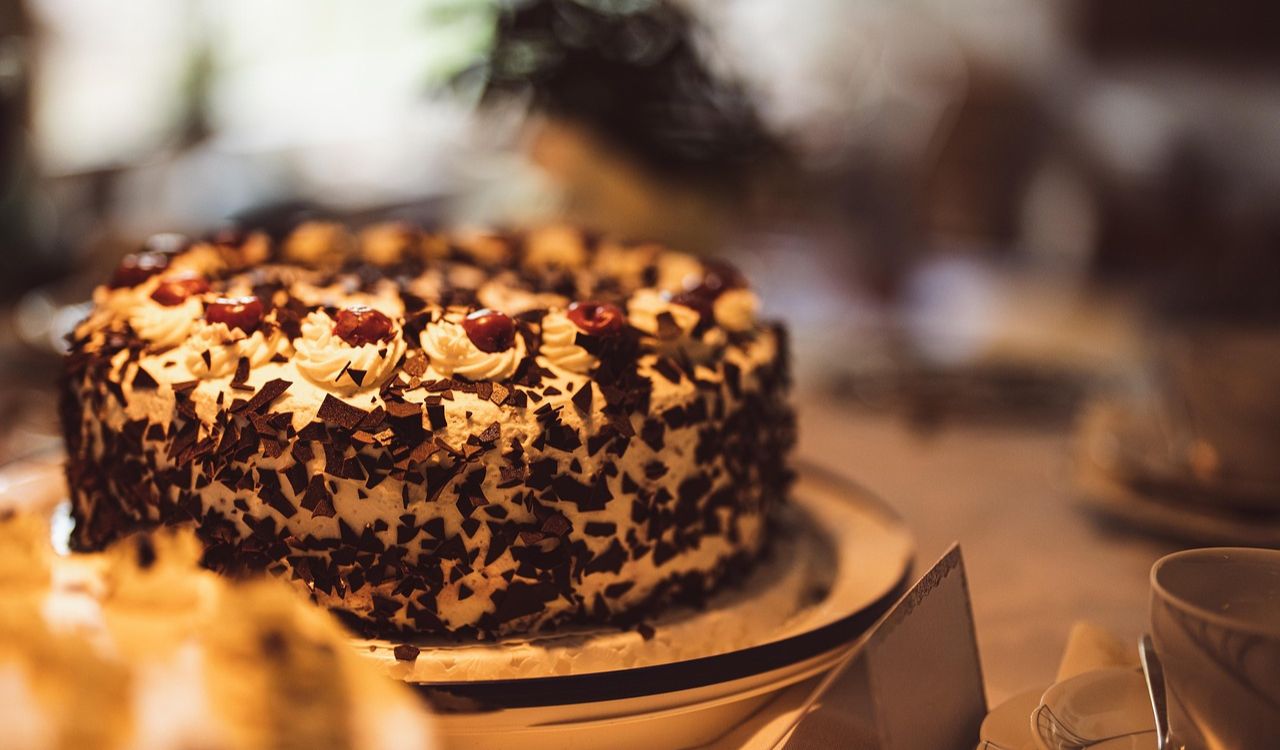
These cakes went viral because they promised dessert without precision. You layer ingredients, bake, and trust the process. For people intimidated by baking, that’s powerful. The texture changes as it cooks, creating layers that feel impressive despite minimal effort. What kept this trend alive is nostalgia paired with practicality. Many Americans remembered similar cakes from childhood gatherings. The internet just permitted them to bring those recipes back. The appeal also lies in consistency. These cakes are hard to mess up. That reliability made them a go-to for potlucks, holidays, and casual desserts when time is short.
7. Creamy Mustard Chicken Thighs
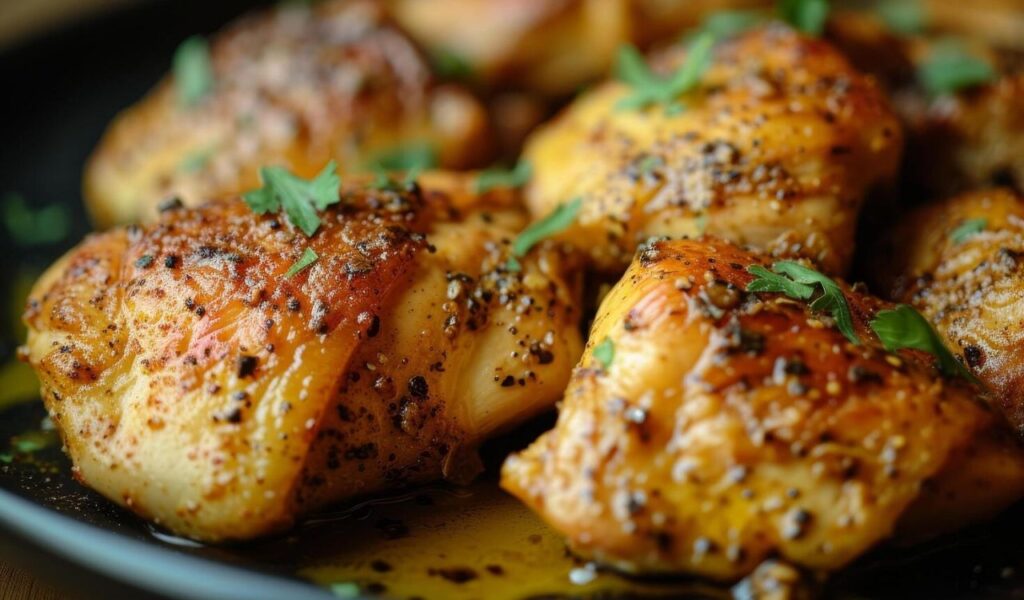
This recipe spread because it elevated everyday ingredients without complicating them. Chicken thighs are affordable, forgiving, and flavorful. Adding mustard, cream, and herbs turns them into something that feels restaurant-worthy while still being approachable. Americans kept cooking it because it solved a common frustration. Chicken breast dries out easily. Thighs don’t. The sauce also reheats well, making leftovers desirable. Once people realized this dish fit both weeknight dinners and casual entertaining, it became part of the regular rotation. Viral attention introduced it, but practicality kept it alive.
8. Cheese-Stuffed Sweet Potatoes
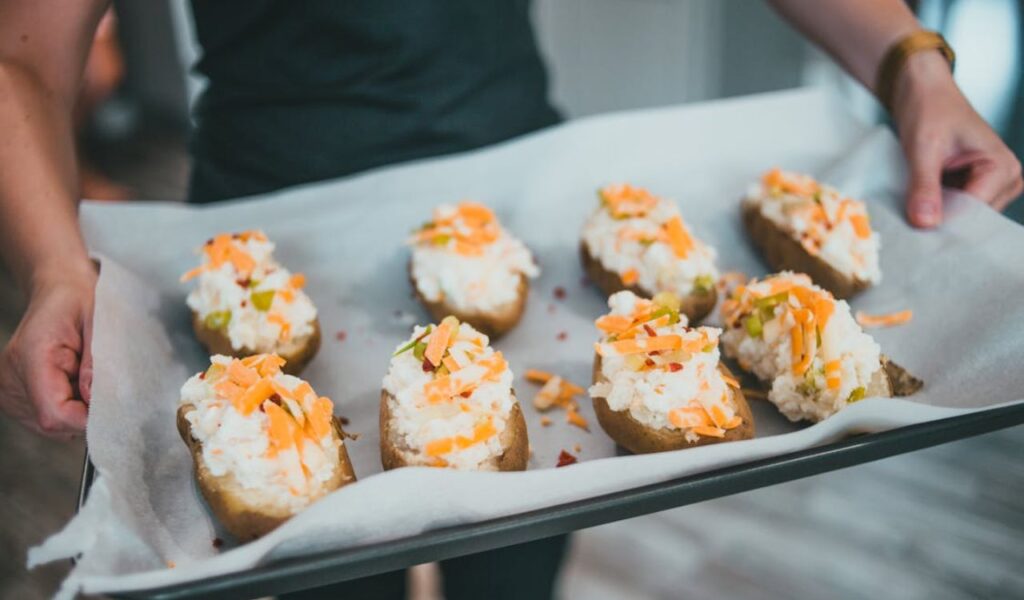
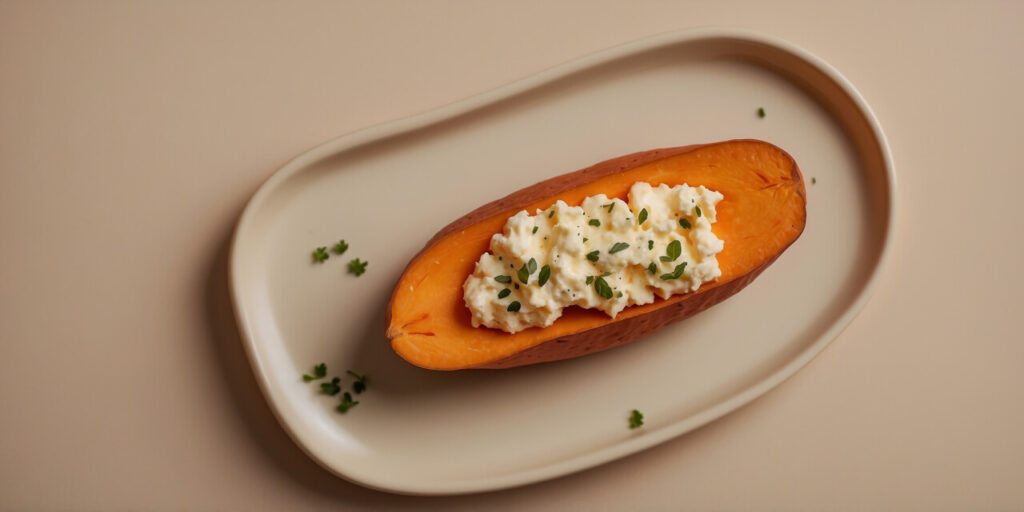
This trend worked because it leaned into comfort without pretending to be fancy. A roasted sweet potato split open and filled with cheese is familiar and satisfying. What changed was how people used it. Instead of a side, it became a meal base. Add beans, greens, or hot sauce, and it turns into a full lunch. Americans kept making it because it’s flexible and filling. It also fits a range of diets without special effort. Sweet potatoes store well, cook easily, and feel hearty. Once people realized how far they could stretch this idea, it stopped being a novelty.
9. Dumpling Bakes
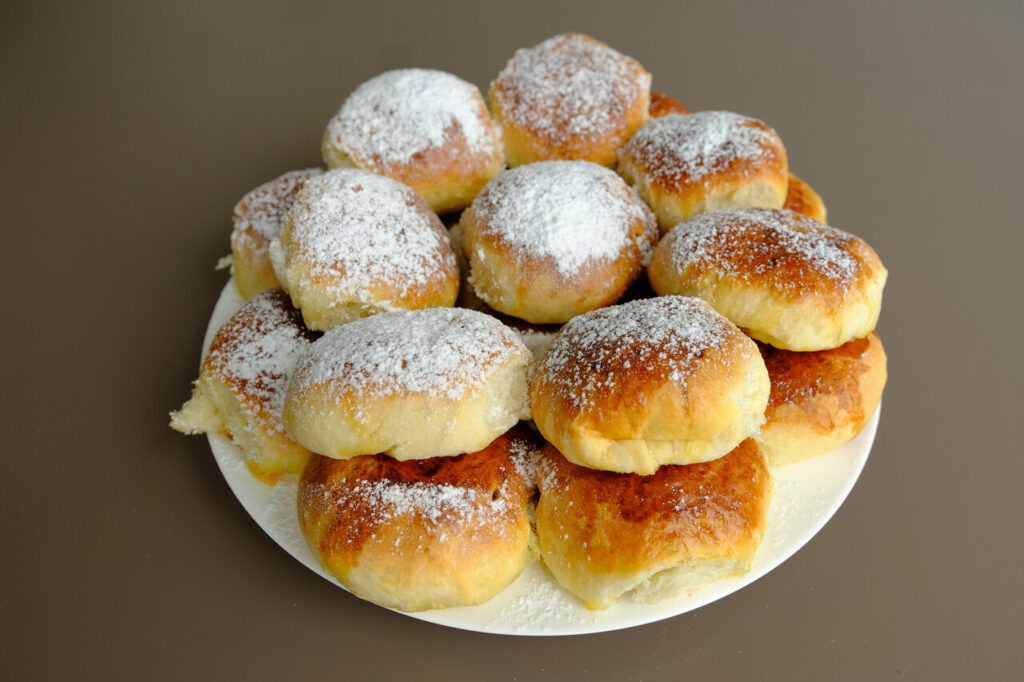
Dumpling bakes caught on because they removed the intimidation factor from dumplings. Instead of boiling or pan-frying, you bake frozen dumplings in a flavorful sauce. This made store-bought dumplings feel homemade. The technique also appealed to people who wanted comfort food without hovering over the stove. It’s a set it and forget it approach. Americans kept making it because it worked for feeding groups and adapting flavors. Curry, tomato, or creamy sauces all fit. It’s less about dumplings and more about convenience with payoff.
10. Hot Honey Bowls
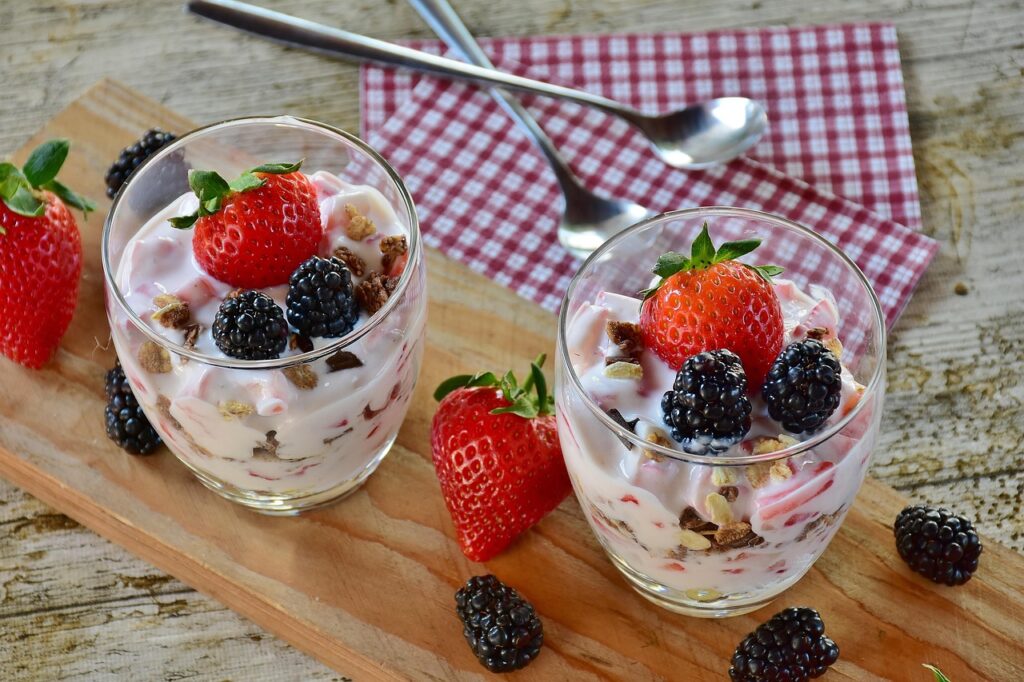
Hot honey didn’t invent sweet heat, but viral bowls made it mainstream at home. Drizzling spicy honey over proteins, grains, or vegetables adds contrast without extra prep. That balance of sweet and heat made simple foods feel intentional. Americans kept using it because it solved blandness fast. A single ingredient changed the whole dish. Once hot honey moved from novelty bottle to everyday condiment, it stuck. People now reach for it the way they once reached for ketchup or ranch.
11. Loaded Fries Variations
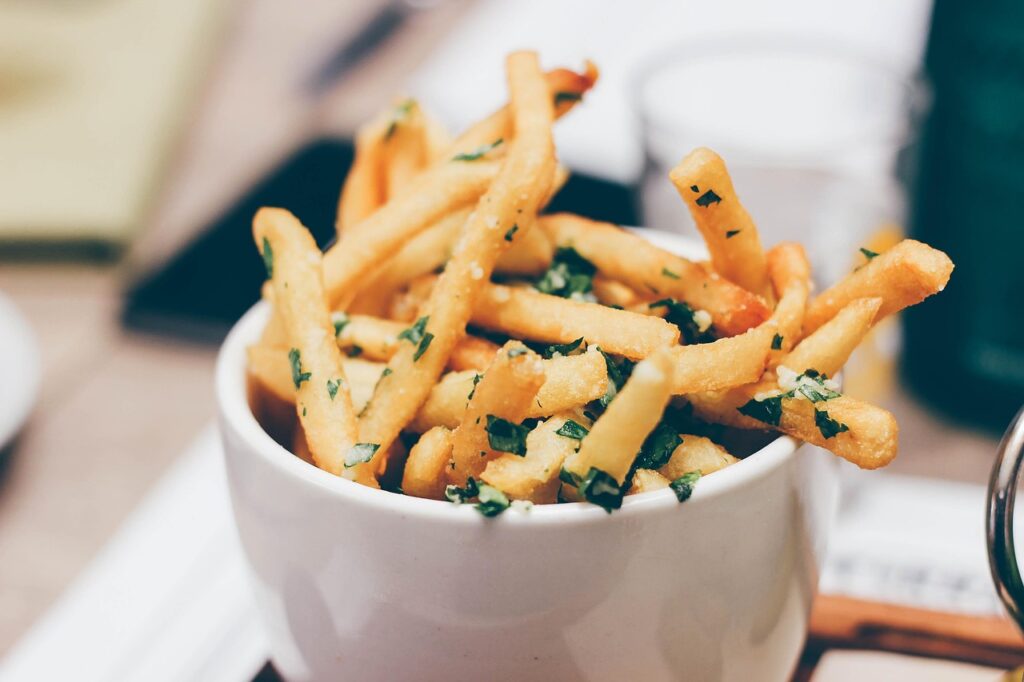
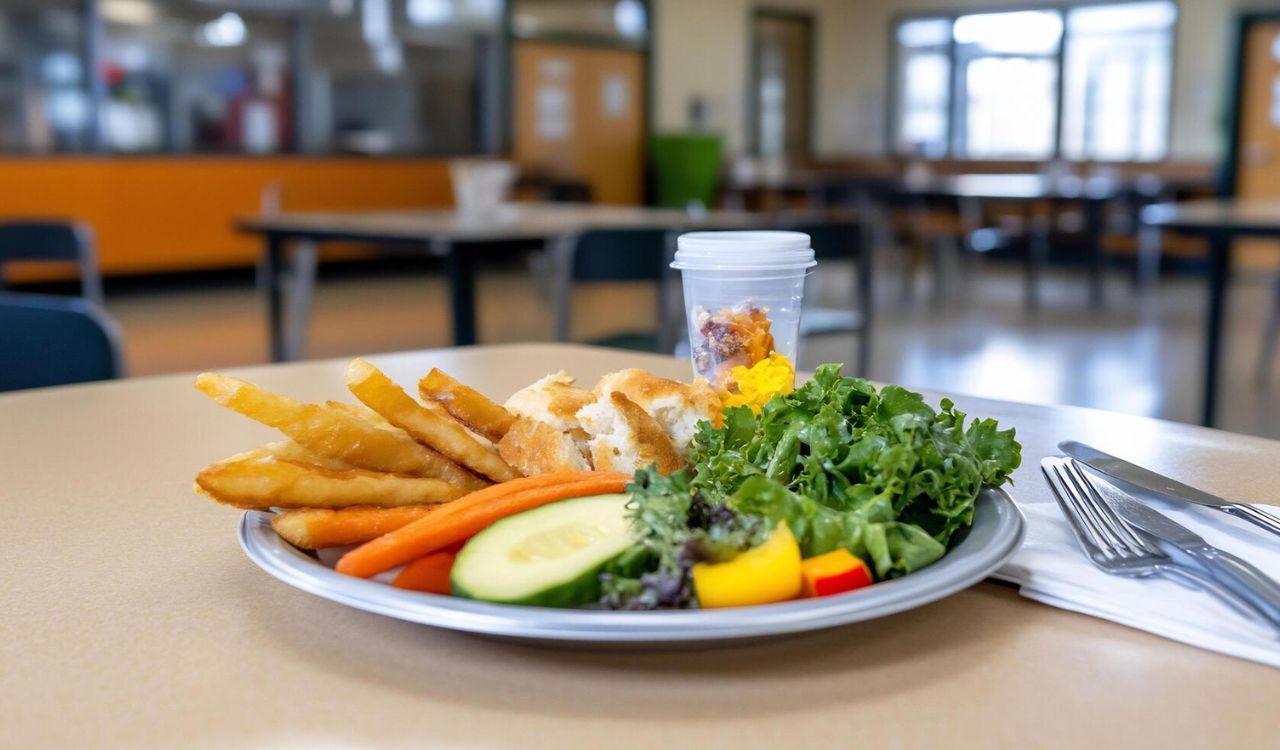
Loaded fries became popular because they blurred the line between snack and meal. Fries are familiar. Adding cheese, sauces, proteins, or vegetables turned them into something shareable and customizable. The viral angle showed endless combinations, which encouraged creativity without pressure. Americans kept making them because they’re forgiving. Frozen fries work. Leftovers work. The dish adapts to whatever is in the fridge. That flexibility is why it lasted. It’s comfort food that doesn’t demand planning.