9 Grocery Purchases That Reveal How a Household Really Eats

A grocery cart quietly reveals how a household truly eats, showing whether meals come from scratch cooking, quick convenience foods, or constant snacking between busy schedules. Fresh produce, bulk staples, ready meals, and snack purchases reflect routines shaped by time, budgets, and lifestyle choices. While menus and intentions change, shopping habits expose daily reality, offering a clear snapshot of how families balance cooking, convenience, and eating patterns throughout the week.
1. Fresh Produce Purchases
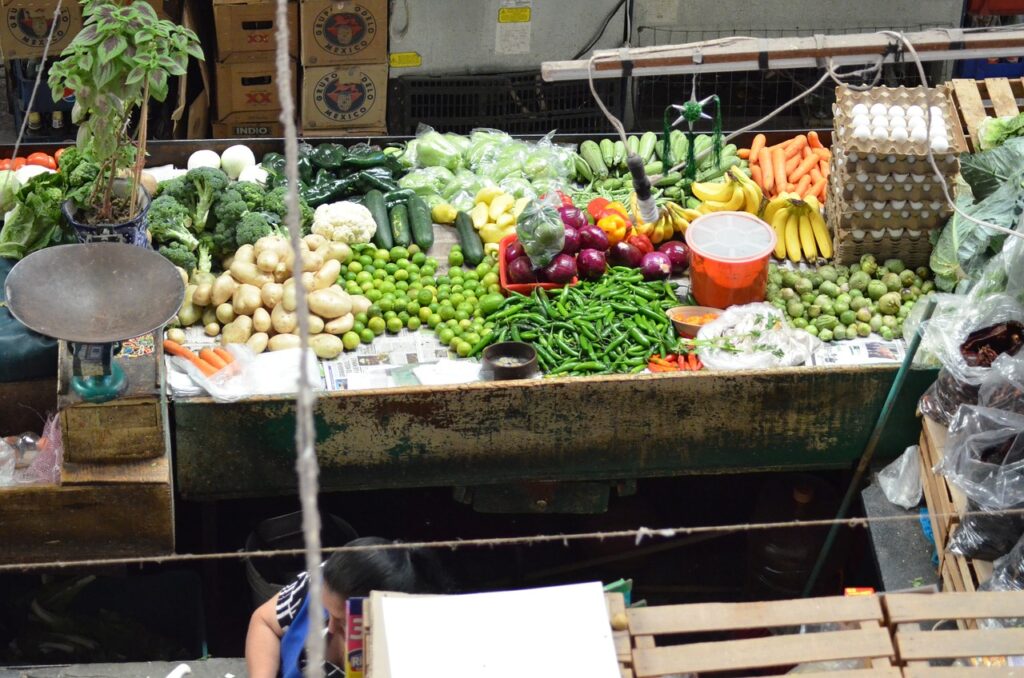
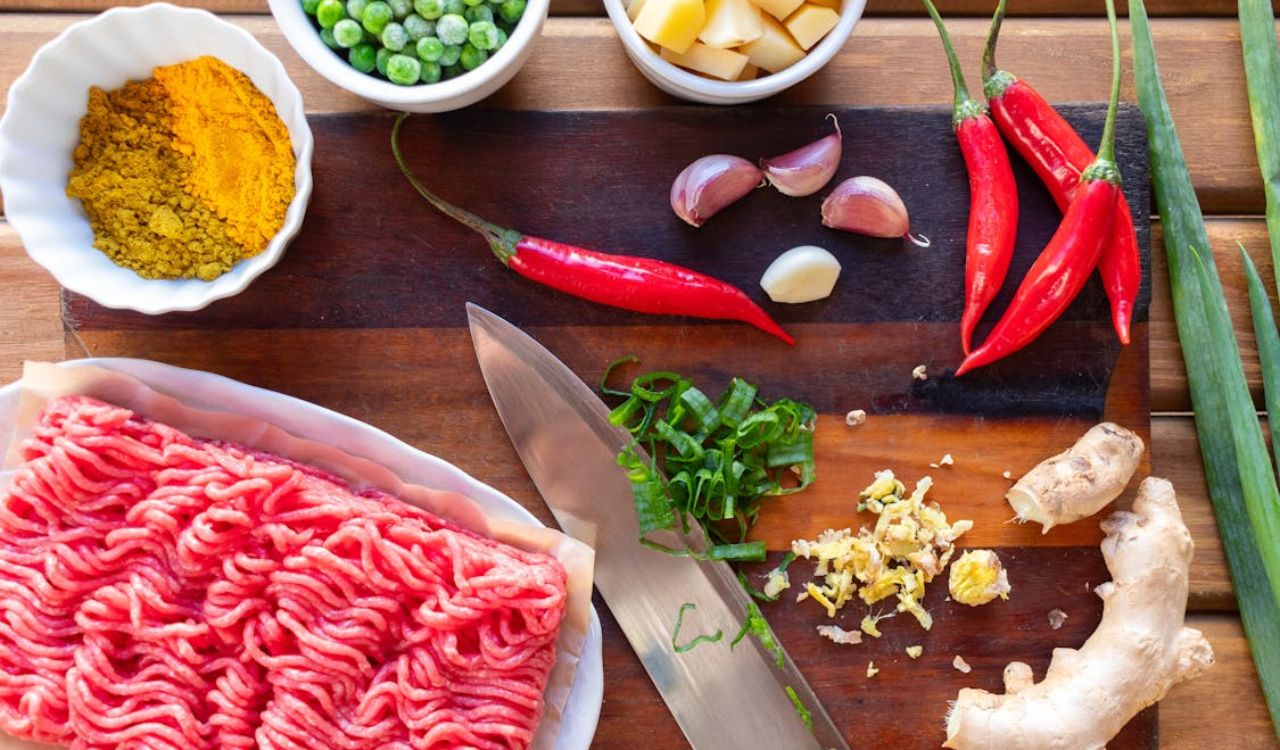
A grocery cart filled with fruits and vegetables often reveals that cooking still plays a central role in the household. Fresh produce requires planning because it spoils quickly, so families who buy it regularly usually cook meals at home rather than relying entirely on takeout or packaged foods.
Leafy greens, onions, tomatoes, and seasonal vegetables usually indicate meals built from scratch rather than reheated. Even simple habits like adding vegetables to pasta or roasting vegetables for sides signal routines that revolve around balanced meals.
The key detail is frequency. Homes that shop for produce weekly or several times a week tend to use ingredients actively. Fresh produce purchases quietly reveal how often kitchens actually get used.
2. Pre-Packaged Convenience Meals
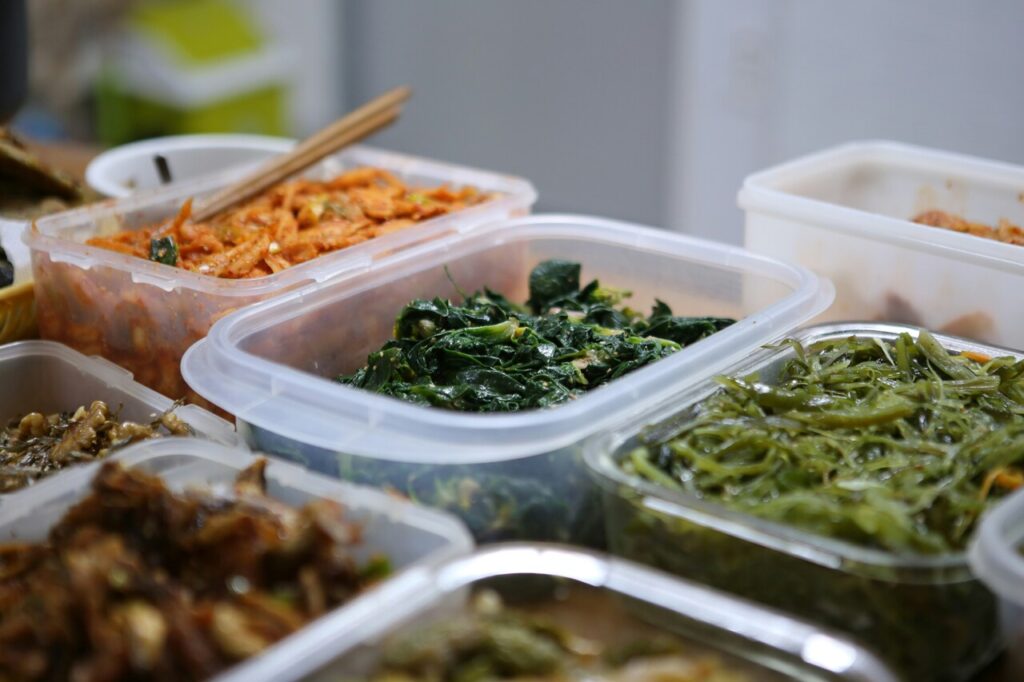
Frozen dinners and ready-to-heat meals tell a story about time pressure more than cooking skill. Households stocking many convenience meals often juggle busy schedules where cooking from scratch becomes difficult during the week.
These meals succeed because they remove preparation steps. Busy professionals, parents managing schedules, or people living alone often rely on convenience foods to avoid cooking fatigue after long days. Packaging also reduces cleanup, making these meals appealing during hectic routines.
When freezers hold multiple ready meals, it usually signals irregular dinner timing or a preference for quick solutions over cooking projects. Convenience purchases often show how households balance food quality with time constraints.
3. Bulk Staples Like Rice and Pasta
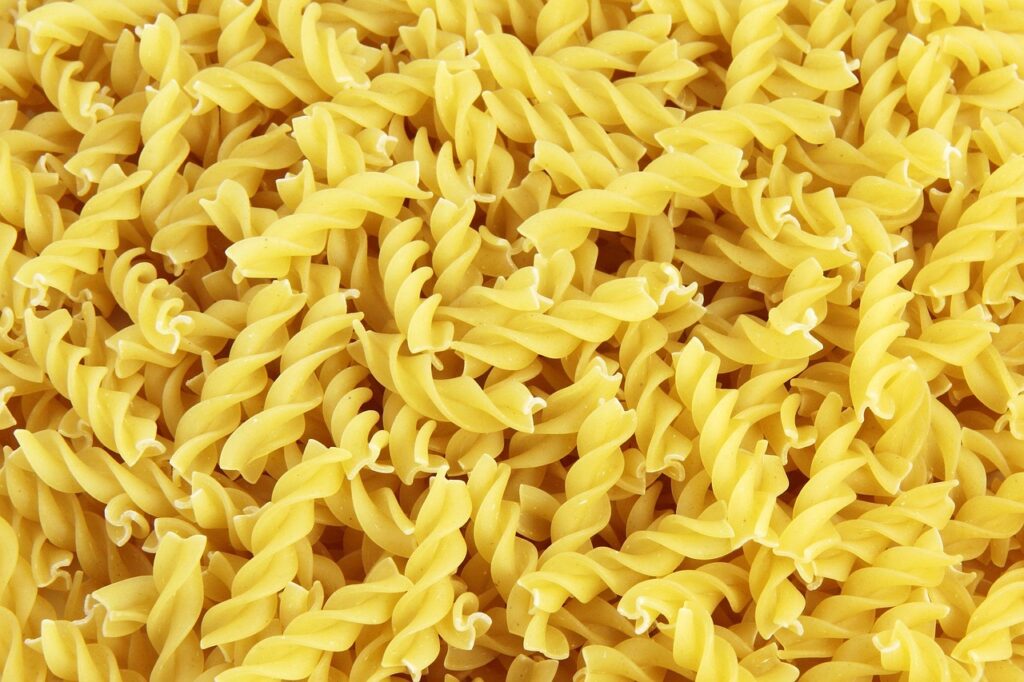
Large bags of rice, pasta, flour, and dried beans often reveal households that cook frequently and plan meals ahead. Bulk staples stretch across multiple meals, making them common in homes where cooking regularly saves money.
These purchases also suggest budget awareness. Bulk buying lowers the cost per meal and supports batch cooking, leftovers, and meal prepping. Families using staples regularly often build meals around these ingredients rather than relying on expensive, ready-made foods.
Storage space and rotation matter too. Home-buying staples in quantity usually have consistent meal patterns that use them up. When bulk goods sit untouched, it often means cooking plans changed. Regularly replenished staples reveal kitchens that actually cook.
4. Snack Food Purchases
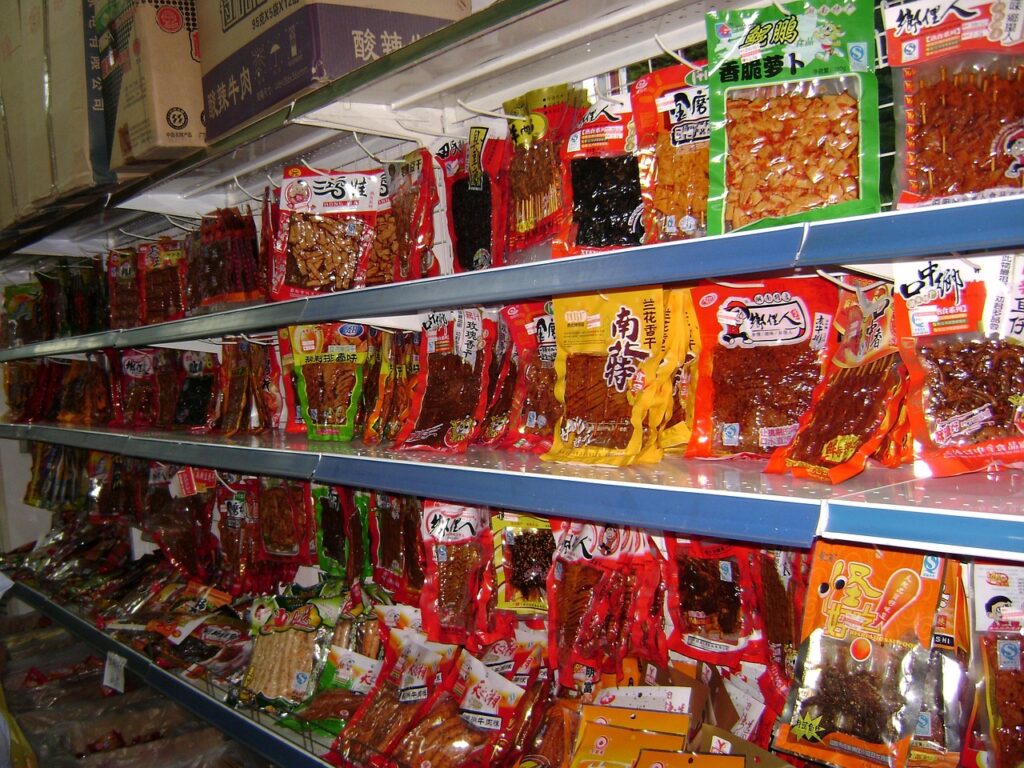
A pantry heavy with chips, cookies, and snack packs often shows eating habits centered on grazing rather than structured meals. Snacks become substitutes for meals in households with irregular schedules or busy evenings.
Snacking patterns also reflect lifestyle pace. Families with children, remote workers, or households where people eat at different times often rely on snacks to bridge hunger between activities. Snacks also appeal during entertainment time or late-night routines.
The ratio matters. When snacks outweigh meal ingredients, it suggests meals may be less structured or cooking may be less frequent. Grocery carts heavy with snack foods often reveal casual eating patterns shaped by convenience and lifestyle rhythms.
5. Organic Foods
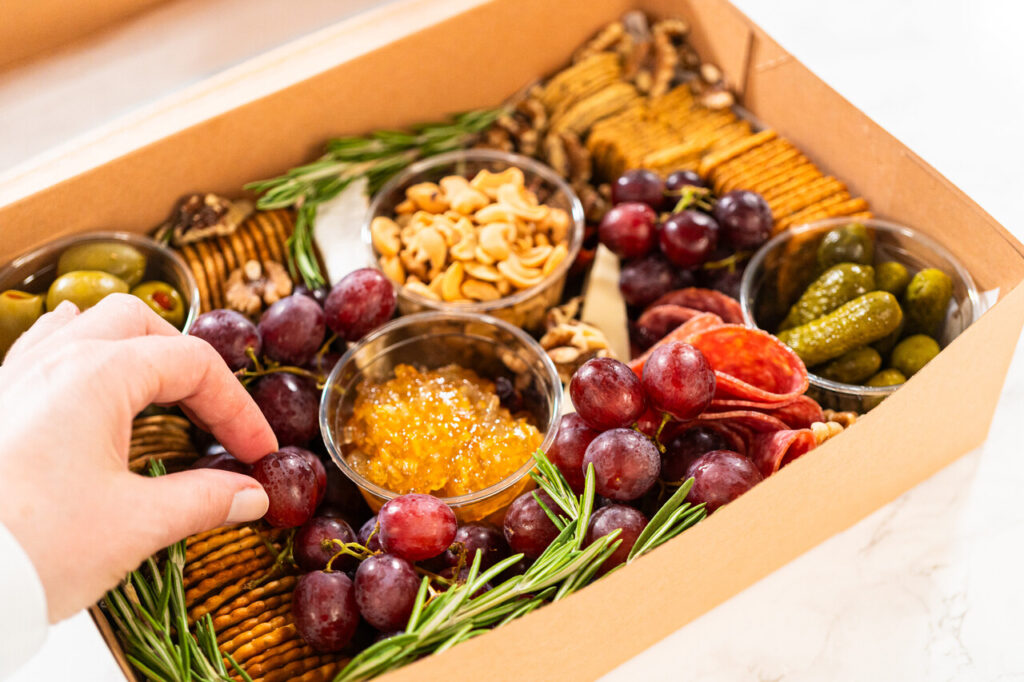
Organic produce, gluten-free items, plant-based alternatives, or specialty diet foods often indicate households paying close attention to dietary preferences or health concerns. These purchases show intentional decision-making about food quality or restrictions.
Such shopping habits often stem from allergies, ethical choices, or health goals. Families managing dietary needs or pursuing specific nutrition plans invest time reading labels and selecting ingredients aligned with those goals.
Specialty foods often cost more, so households buying them regularly prioritize diet over convenience or budget flexibility. Grocery choices centered on dietary preferences reveal households where food decisions connect strongly with lifestyle identity.
6. Bulk Household Supplies

Large purchases of paper goods, cleaning supplies, and storage items might not look food-related, yet they reveal shopping habits connected to meal routines. Stocking up often signals households planning fewer store visits and preparing meals at home consistently.
Bulk buying also indicates planning and storage capacity. Homes with space to store supplies often prepare meals regularly rather than making frequent convenience purchases, which typically happen alongside quick store stops.
The pattern also hints at household size. Larger families or shared living situations stock up more frequently, which often correlates with larger meal preparation routines. Shopping habits around household goods indirectly reflect how kitchens operate daily.
7. Meat and Specialty Protein Choices
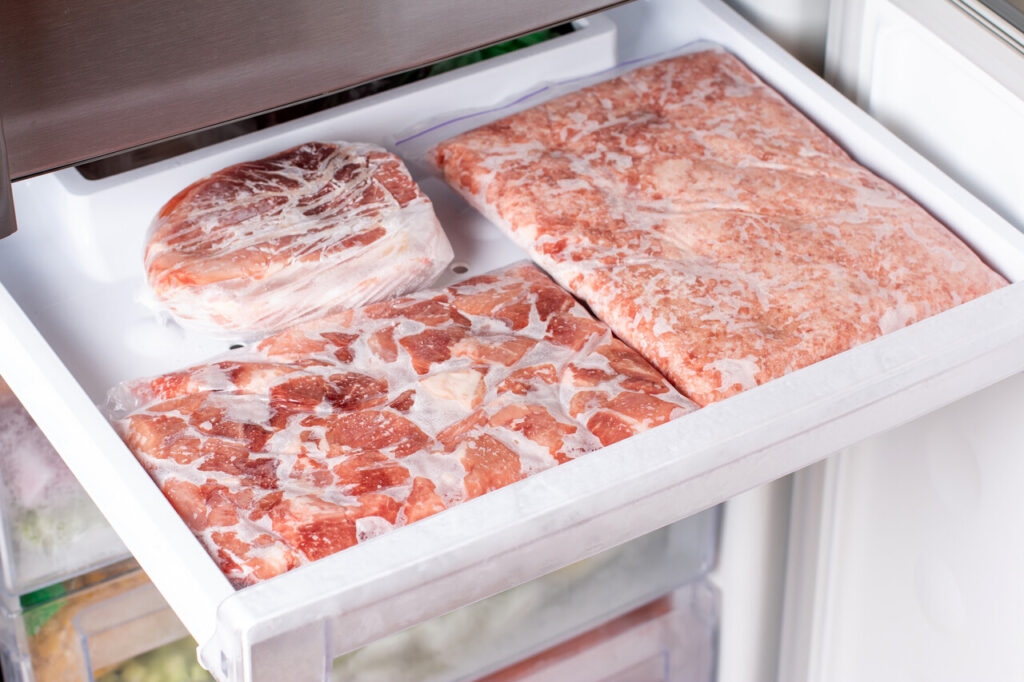
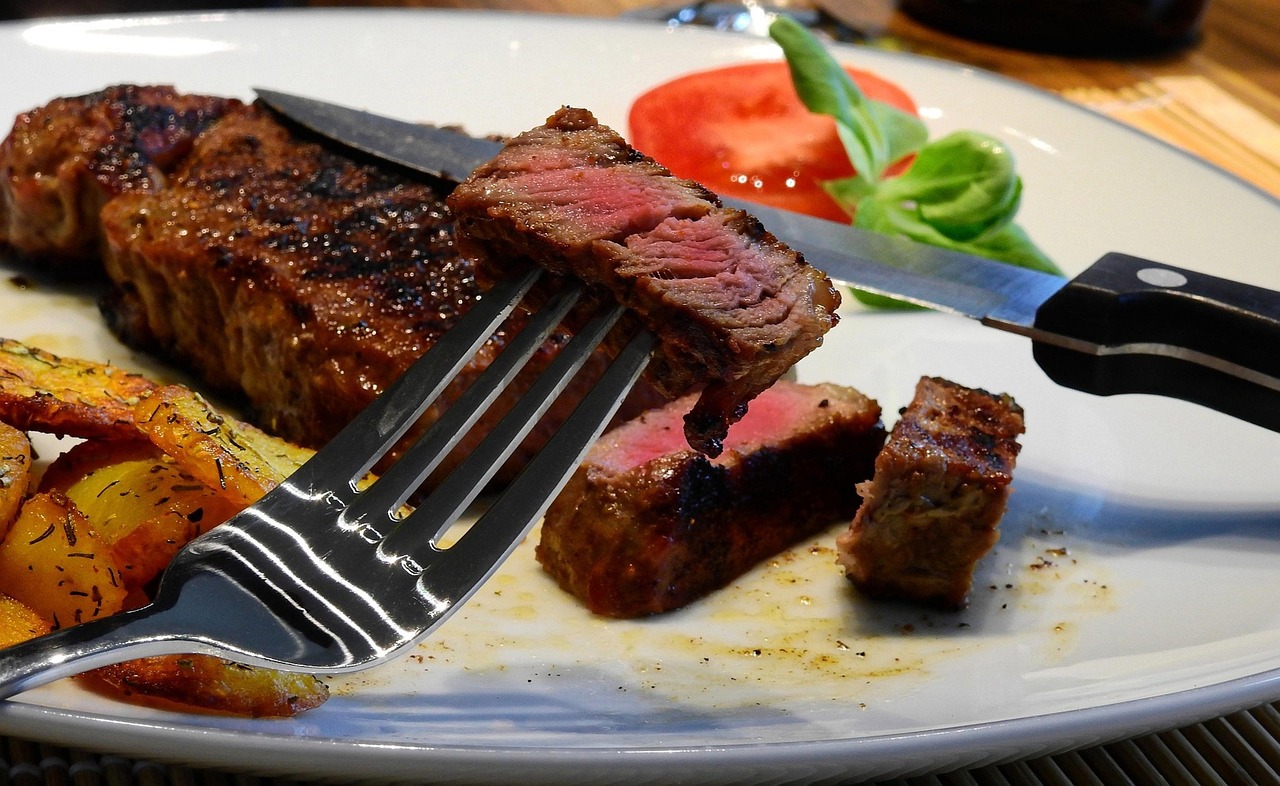
Frequent purchases of meat, seafood, or specialty proteins reveal how meals center around protein choices. Households buying fresh proteins weekly usually cook meals at home rather than relying heavily on restaurant dining.
Protein choice also reflects budget and taste preferences. Premium cuts, seafood, or specialty meats often signal higher food spending, while bulk chicken or ground meat purchases suggest meal planning around cost efficiency.
Cooking habits follow these purchases. Fresh meat requires preparation and timing, so consistent buying suggests kitchens that cook rather than reheat. Protein purchases often reveal whether meals are planned around home cooking or convenience.
8. Beverage Purchases

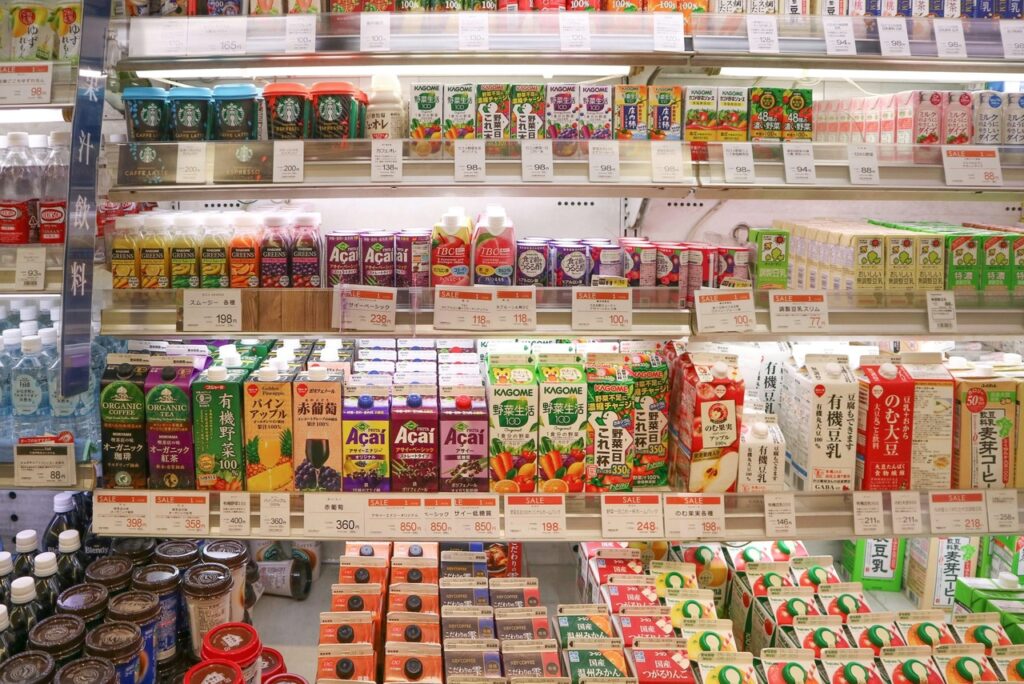
Beverage sections of grocery carts often reveal habits not immediately obvious. Large soda, juice, or alcohol purchases can indicate entertaining routines, social gatherings, or reliance on flavored drinks instead of water.
Families buying sports drinks or juices frequently may be managing children’s preferences or active schedules. Alcohol purchases often reveal weekend hosting or relaxation routines tied to social habits.
Water purchases, on the other hand, suggest households prioritizing hydration convenience or lacking trust in tap water. Beverage selections show daily drinking habits that often reflect lifestyle patterns as much as food choices.
9. Prepared Deli Foods
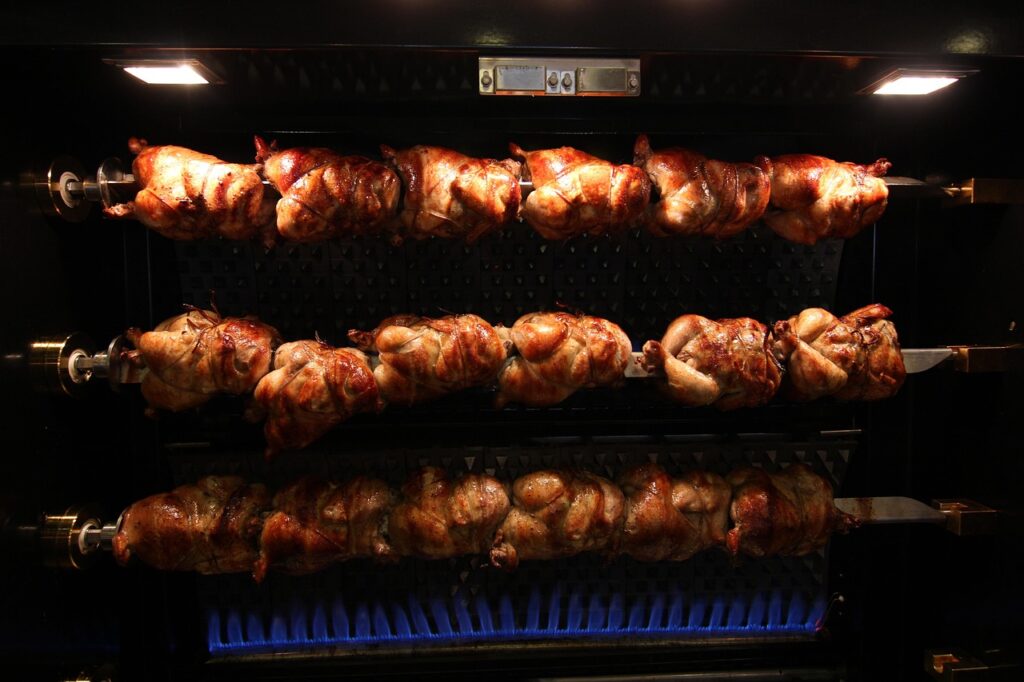
Rotisserie chickens, pre-made salads, and deli trays often reveal households seeking balance between cooking and convenience. These foods allow families to serve meals quickly without full preparation while still avoiding takeout.
Prepared deli foods often appear in households with busy evenings but consistent family meals. They shorten cooking time while still supporting sit-down dinners, making them popular among working families.
The frequency of purchase matters. Occasional deli items suggest flexibility, while weekly reliance indicates limited time or cooking interest. These purchases reveal how households bridge the gap between full cooking and total convenience dining.