10 American Foods That Taste Different Today Because Recipes Were Reformulated


Many American foods still look the same on the shelf, but they no longer taste quite the way people remember. Behind familiar packaging are quiet recipe changes shaped by rising ingredient costs, health guidelines, and long supply chains. Manufacturers adjusted fats, sweeteners, and processing methods to meet modern demands for shelf life and labeling. The result is food that feels familiar at first bite, yet subtly different once you slow down and notice. This look explores everyday American foods whose flavors shifted not because of nostalgia, but because their recipes were carefully reformulated over time.
1. White Sandwich Bread
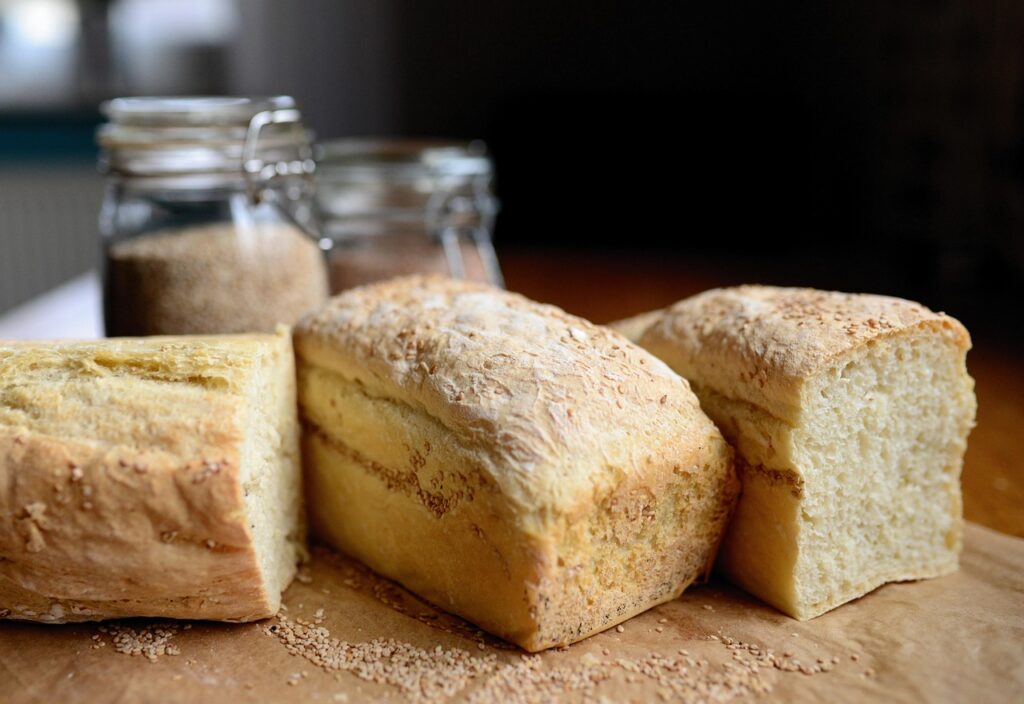
White sandwich bread once tasted fuller and more fragrant because it was designed to be eaten quickly, not stored for weeks. Earlier recipes relied on fewer conditioners and simpler flour blends, which gave bread a softer crumb and a mild sweetness that faded as the loaf aged. As supermarkets expanded and distribution networks stretched farther, bread needed to survive longer on shelves and in home pantries. Manufacturers reformulated dough to improve shelf life, consistency, and resistance to mold. Enzymes, conditioners, and changes in milling made loaves stay soft longer but also altered flavor development.
2. Chocolate Bars

American chocolate bars once leaned heavily on cocoa butter and whole milk solids, which gave them a richer mouthfeel and deeper cocoa flavor. As cocoa prices fluctuated and production scaled up, manufacturers adjusted recipes to control costs and improve heat stability. Alternative fats and modified dairy ingredients changed how chocolate melts and coats the tongue. These reformulations made bars less prone to blooming and easier to ship, but they softened the sharp cocoa notes many people remember. Chocolate today often tastes sweeter and smoother, with less complexity. Many longtime consumers notice the difference most when comparing older bars or imported chocolates side by side.
3. Fast-Food French Fries

Fast-food fries once had a bold, savory flavor because they were cooked in beef tallow, a fat that added richness and depth. When concerns about saturated fat and cholesterol rose, restaurants switched to vegetable oil blends. While this change addressed health perception and sourcing issues, it removed a key flavor component. Texture remained similar, but taste shifted. To compensate, some chains added flavorings to mimic the original profile. Fries today are lighter and more neutral, designed to appeal broadly and pair with sauces. What changed was not how fries looked or felt, but the underlying fat that once defined their unmistakable taste.
4. Canned Soups
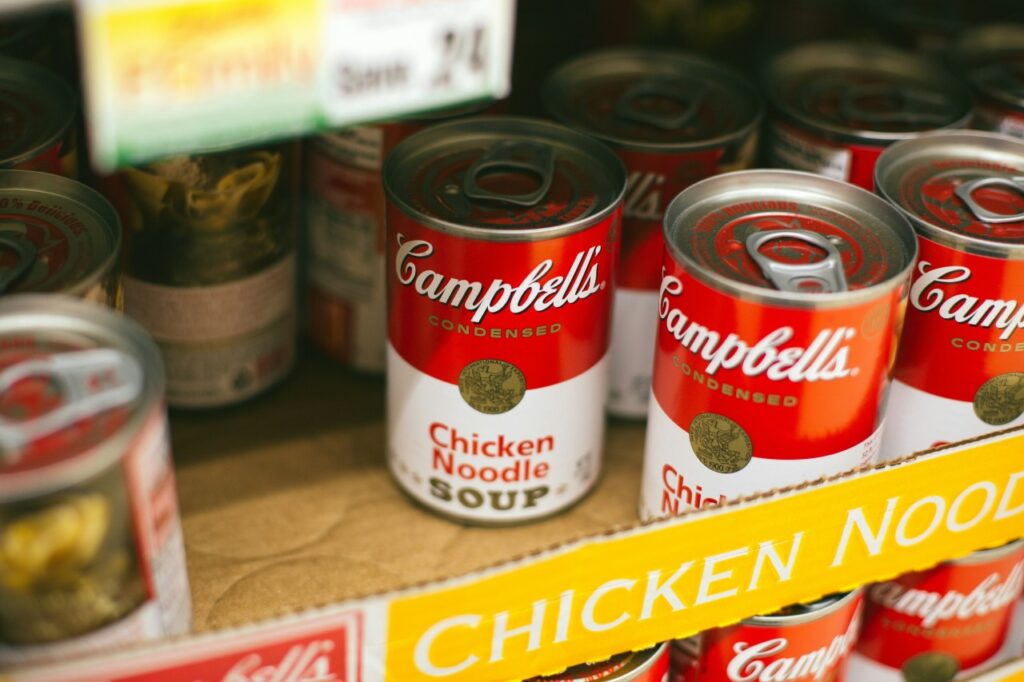
Canned soups were once built around salt and fat to ensure bold flavor after long storage. As nutrition guidelines evolved, manufacturers reformulated to reduce sodium and saturated fat. These changes improved labels but weakened flavor intensity. To maintain texture and appearance, companies leaned more heavily on stabilizers, starches, and flavor enhancers. Modern canned soups often taste thinner and less layered, even when ingredient lists look cleaner. The reformulation reflects a tradeoff between health expectations and sensory richness. While soups are still convenient, they no longer deliver the same depth that once made canned versions feel close to homemade.
5. Boxed Macaroni and Cheese
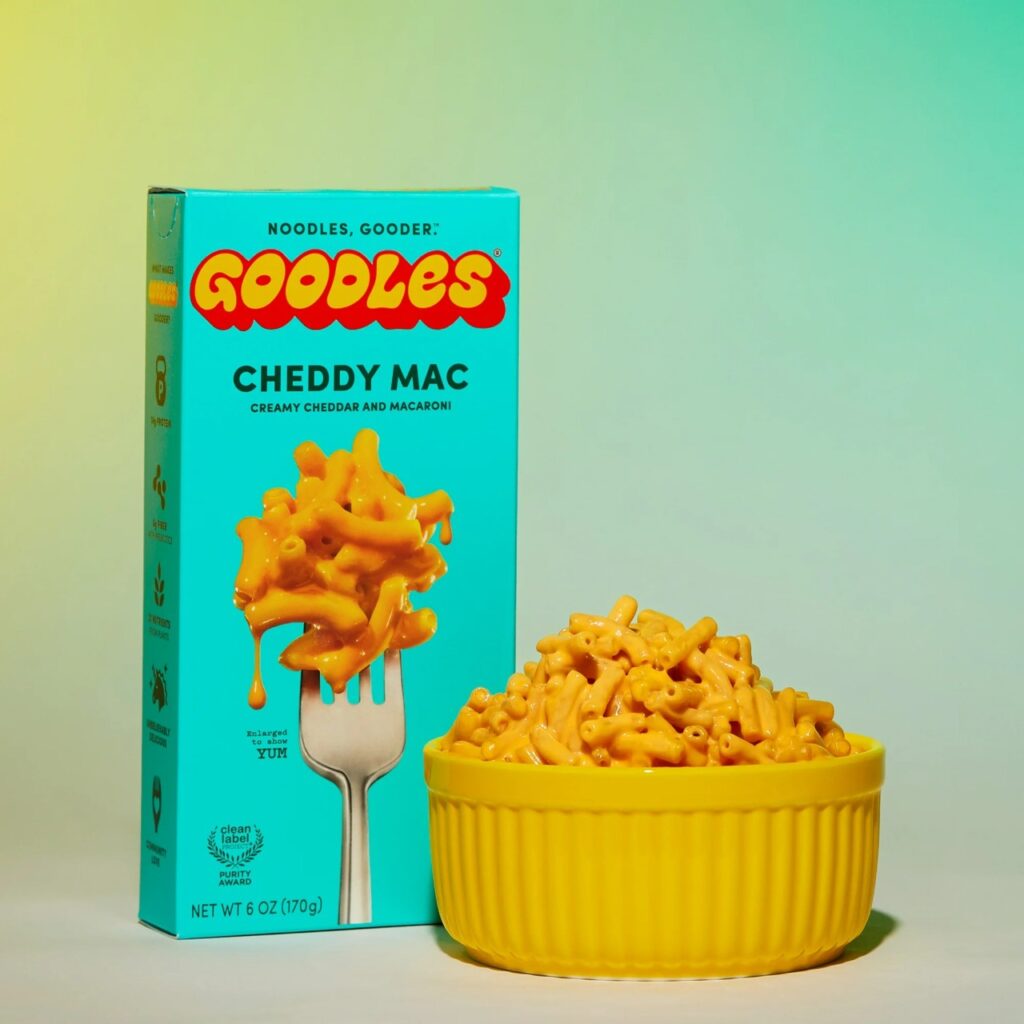
Boxed macaroni and cheese changed as consumer pressure pushed brands to remove artificial colors and preservatives. Earlier versions relied on specific dyes and flavor compounds that created a sharp, unmistakable cheese taste. Reformulated recipes use natural coloring and adjusted cheese powders, which behave differently when mixed with milk and butter. The result is often a milder sauce with a thinner texture. While the ingredient list appears simpler, the eating experience shifted. Modern versions feel less punchy and more subdued. The comfort remains, but the intensity that once defined the dish has been softened by reformulation choices.
6. Cola Soft Drinks
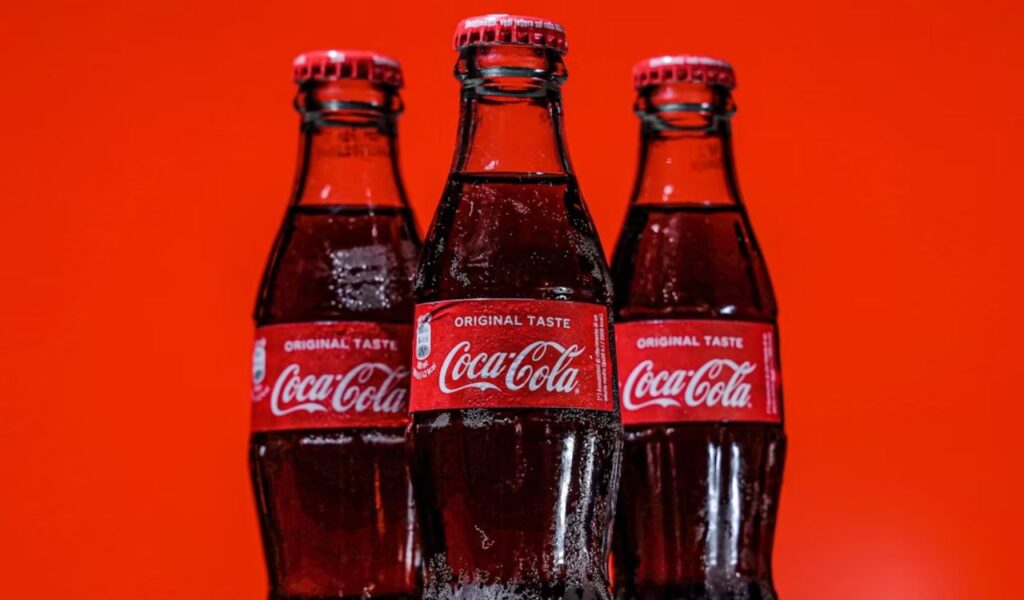
Cola flavor depends on precise balance. When most American sodas switched from cane sugar to high-fructose corn syrup, sweetness delivery changed. Corn syrup lingers differently on the palate and alters how flavors unfold. Over time, additional tweaks were made to adjust sweetness levels and ingredient sourcing. More recently, reduced-sugar versions and alternative sweeteners further shifted taste. While the differences are subtle, longtime drinkers often notice a flatter or sharper profile. The cola still tastes familiar, but it no longer hits the same balance between sweetness, acidity, and spice that defined earlier formulas.
7. Breakfast Cereals
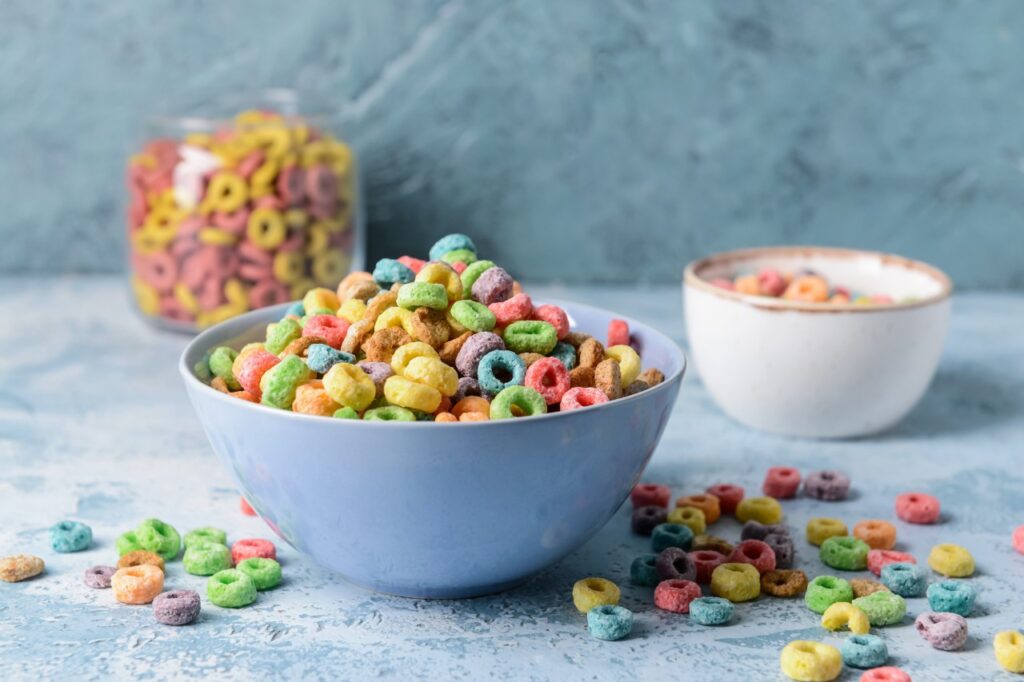
Breakfast cereals once relied heavily on sugar and artificial flavors to appeal to children. As awareness around childhood nutrition grew, manufacturers reduced sugar and removed certain additives. These changes reshaped taste and texture. Cereals that once tasted dessert-like became grain-forward and less sweet. To compensate, brands adjusted shapes and crunch rather than flavor. Modern cereals focus on fiber, protein, and whole grains, which affect mouthfeel and aftertaste. The result is a product that aligns better with health goals but feels less indulgent. The cereal aisle now reflects nutrition priorities more than pure flavor appeal.
8. Bottled Salad Dressings
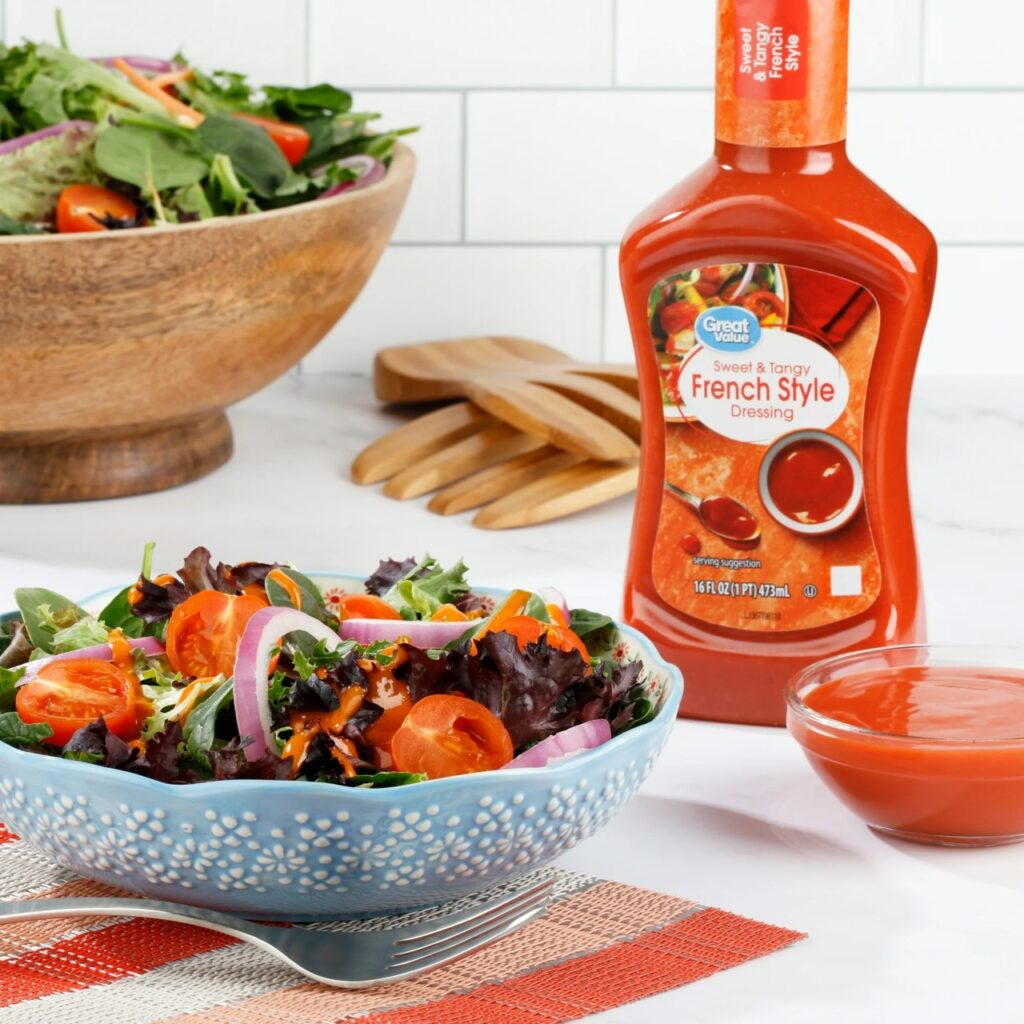
Salad dressings changed significantly during the low-fat movement. Traditional recipes relied on oil to carry flavor and create a rich mouthfeel. Reformulated versions reduced oil content to lower calories, which weakened flavor delivery. To maintain thickness, manufacturers added gums and starches. These ingredients change how dressings coat greens and release taste. Modern dressings often feel lighter and more uniform but less flavorful. Even full-fat versions were adjusted to meet labeling expectations. The result is a dressing that looks similar but tastes less vibrant than earlier oil-forward blends.
9. Peanut Butter
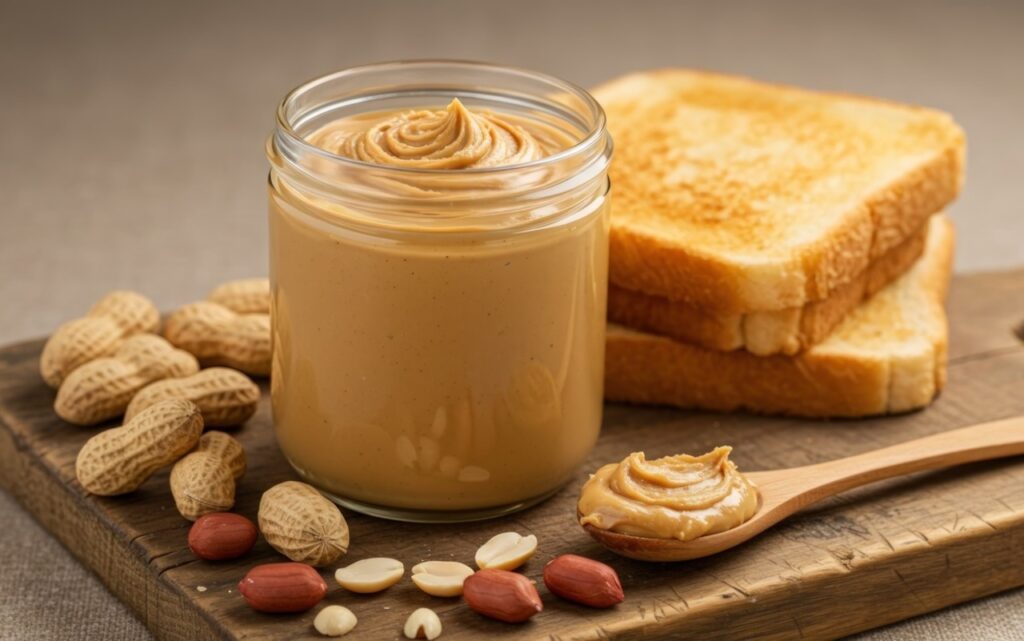
Peanut butter once separated naturally, requiring stirring but delivering a strong roasted peanut flavor. To improve convenience and shelf stability, manufacturers added stabilizers that keep oil from rising. These changes made peanut butter smoother and easier to use but also muted its natural intensity. Roasting profiles and sugar levels were adjusted to create a consistent product across batches. Modern peanut butter tastes milder and more uniform. While it spreads better and lasts longer, it lacks the bold peanut punch that older versions provided straight from the jar. What improved in usability came at the cost of the deeper, toastier flavor many people remember.
10. Ice Cream
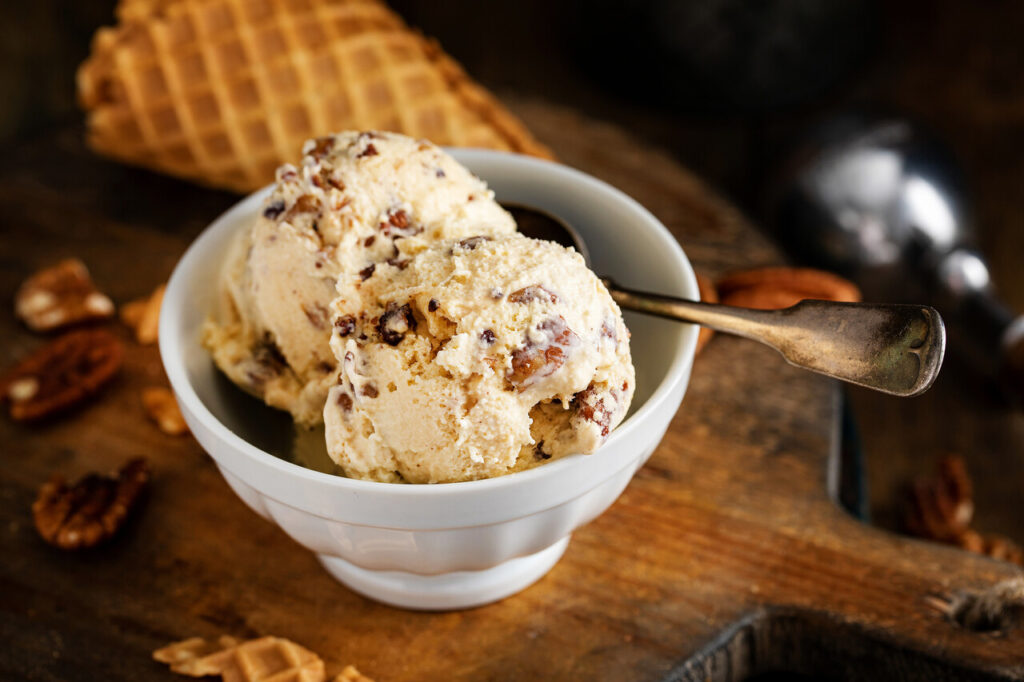
Ice cream has been reformulated to manage costs, texture, and scoopability. Earlier versions used higher butterfat levels and less air, creating dense, rich scoops. Modern formulations often reduce fat and increase overrun, meaning more air is whipped in. Stabilizers help maintain structure and slow melting. These changes make ice cream easier to scoop and cheaper to produce, but they also affect mouthfeel. Many mass-market ice creams now feel lighter and melt faster. While premium brands still preserve traditional methods, everyday options no longer taste as indulgent as they once did. The difference is most noticeable when comparing how full and creamy each bite used to feel.