9 Grocery Items Shoppers Think Are Local but Are Usually Shipped From Far Away

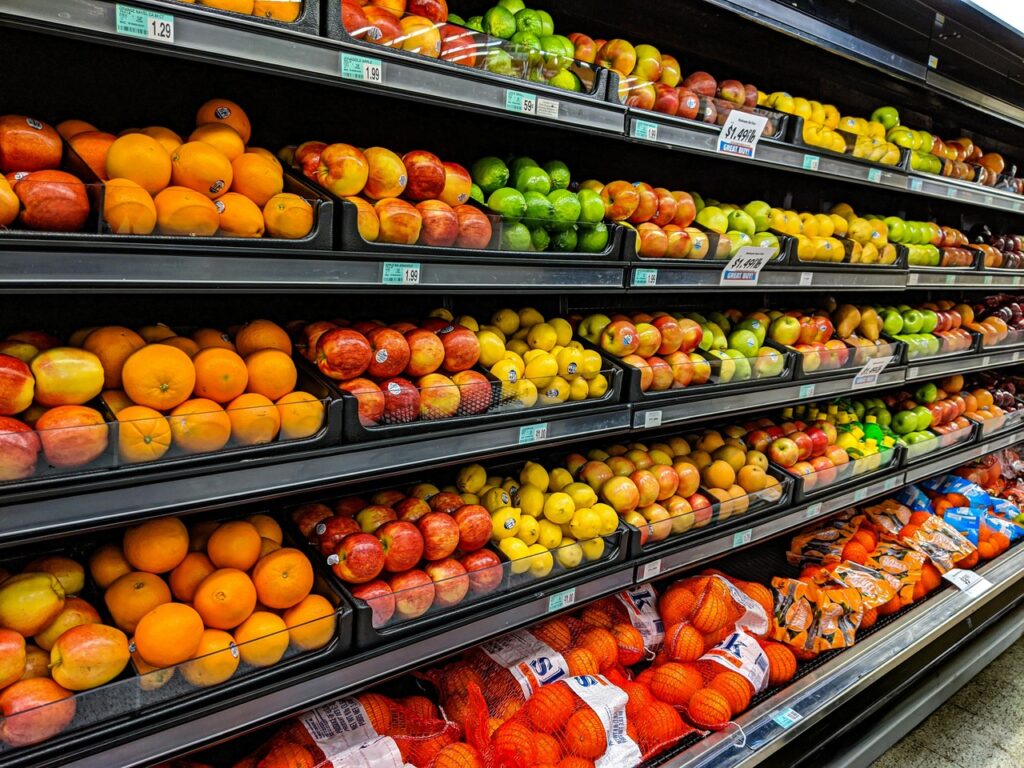
Grocery stores often highlight foods as fresh and local, creating the impression that nearby farms supply everyday produce and staples throughout the year. In reality, modern supply chains quietly move many of these items across states and borders to keep shelves stocked regardless of season. Apples, greens, herbs, and even bakery goods often travel far before reaching stores, revealing how convenience and constant availability reshape what shoppers assume about local food sourcing.
1. Apples Sold as “Local” Year-Round
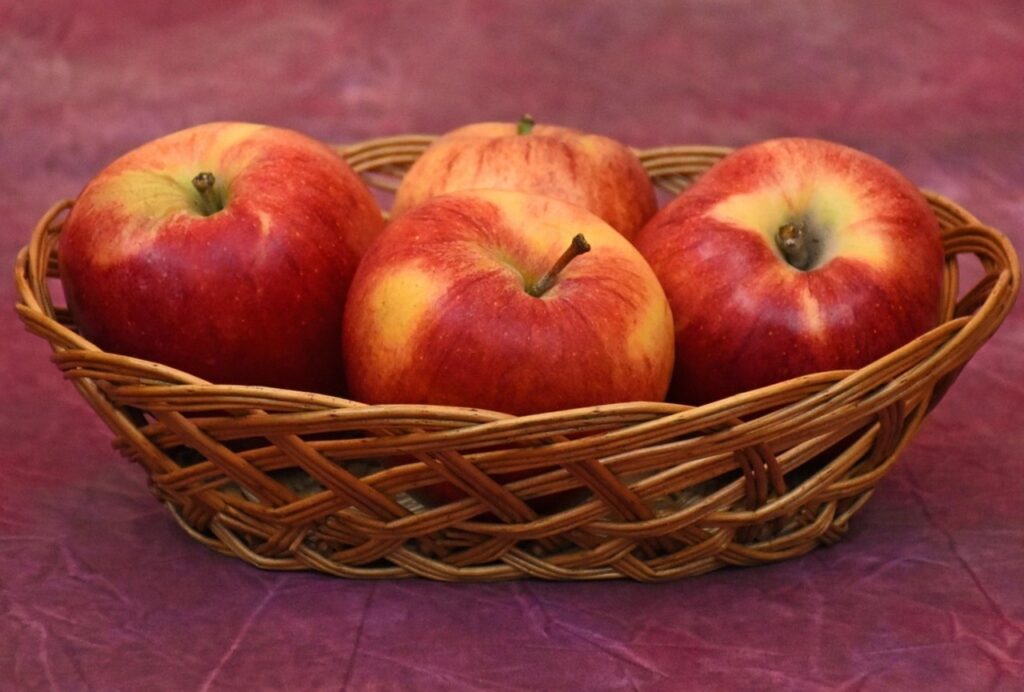
Apple displays often carry local signage that suggests nearby orchards supply fruit throughout the year, yet most regions simply cannot grow apples in every season. Grocery stores rely on cold storage and long-distance shipping to maintain constant availability once harvest periods end.
Once local stocks run low, retailers quietly bring in fruit from major producing states or even imports, ensuring shelves remain full even when orchards nearby are dormant.
Shoppers rarely notice the switch because appearance and packaging remain similar. Unless customers check origin stickers, apples assumed to come from nearby farms may have traveled hundreds or thousands of miles, revealing how modern supply chains quietly support year-round fruit availability.
2. Berries Marketed as Local Favorites
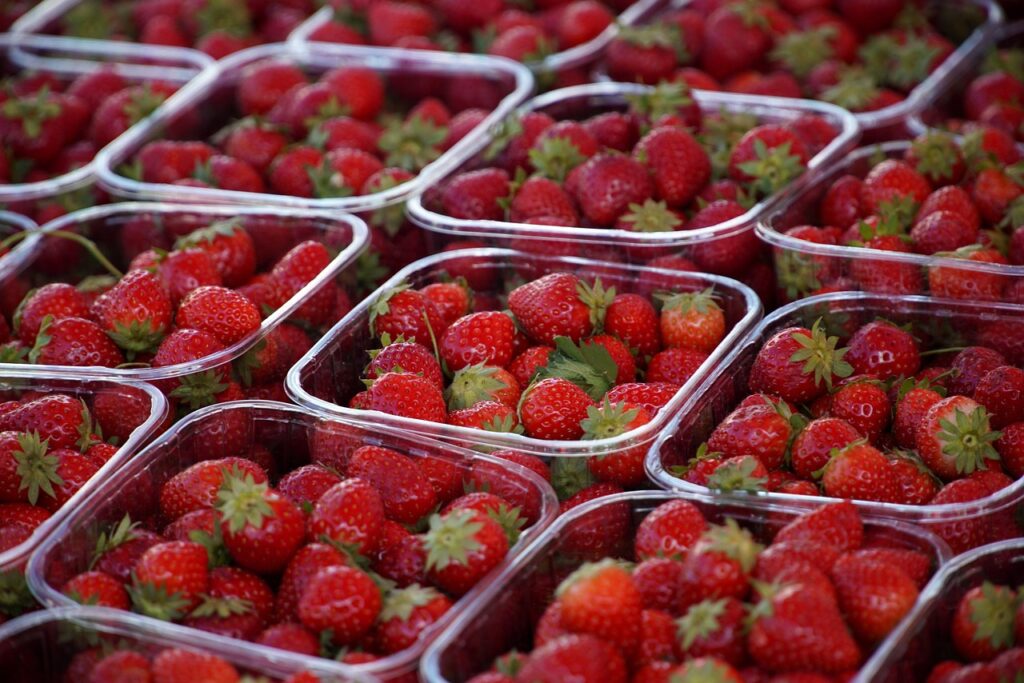
Strawberries and blueberries often appear in grocery stores with signage highlighting local farms, yet many berries on shelves come from distant regions where the climate allows larger-scale production for longer periods of the year.
Berries spoil quickly, so suppliers rely on rapid transportation networks and refrigeration to move fruit across states or borders. Even during local harvest seasons, stores supplement their supply from major farming regions to meet consumer demand.
Because berries look similar regardless of origin, shoppers rarely question sourcing. Attractive packaging and farm imagery reinforce local impressions, even though logistics systems often bring fruit from far away to maintain a consistent supply and competitive pricing.
3. Packaged Organic Greens
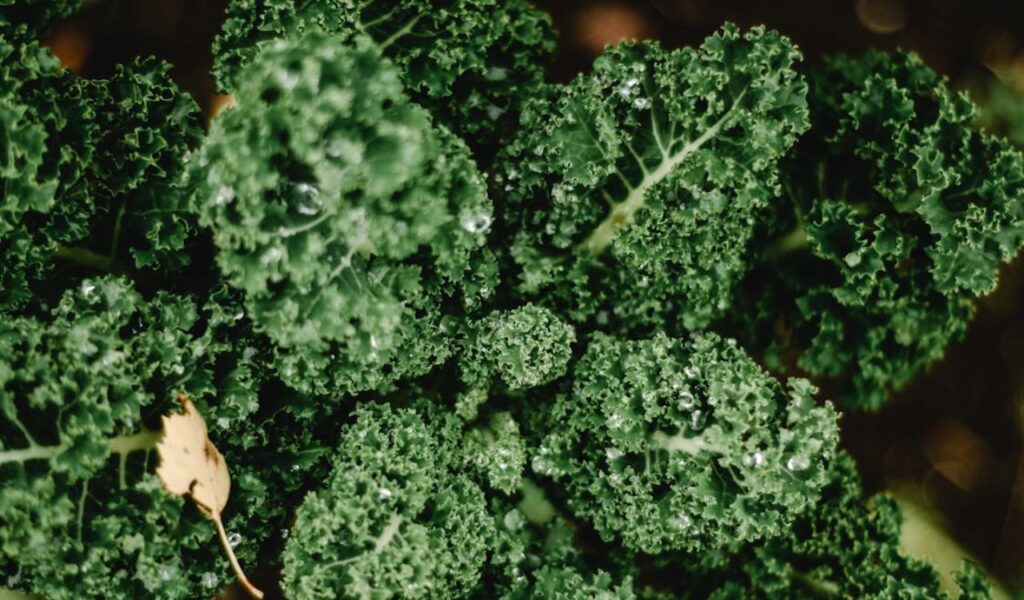
Prewashed spinach, kale, and salad mixes often feel like products that must come from nearby farms because of their delicate nature. In reality, much of this produce travels from major agricultural regions equipped with large processing and packaging facilities.
Growing conditions play a role. States with warmer climates produce greens year-round, allowing suppliers to serve national chains continuously. Central processing plants wash, cut, and package greens before shipping them nationwide.
Packaging highlights freshness and health. Yet supply chains prioritize efficiency and scale, meaning greens frequently travel long distances while still reaching shelves with acceptable freshness due to refrigeration and rapid distribution.
4. Avocados in Everyday Produce Sections

Avocados appear so regularly in stores that shoppers in warm states often assume local farms supply them. In truth, most avocados in U.S. grocery stores come from large production areas in Mexico or distant domestic growing regions.
Demand plays a major role. Avocado consumption has surged, making imports essential to maintain a year-round supply. Large-scale farms with consistent harvest cycles ship fruit across borders and states to satisfy grocery demand.
Because avocados arrive fresh-looking regardless of origin, shoppers rarely question sourcing. Stores rarely emphasize travel distance, so fruit that feels commonplace locally may have traveled thousands of miles before reaching produce displays.
5. Artisan Cheeses with Local Appeal
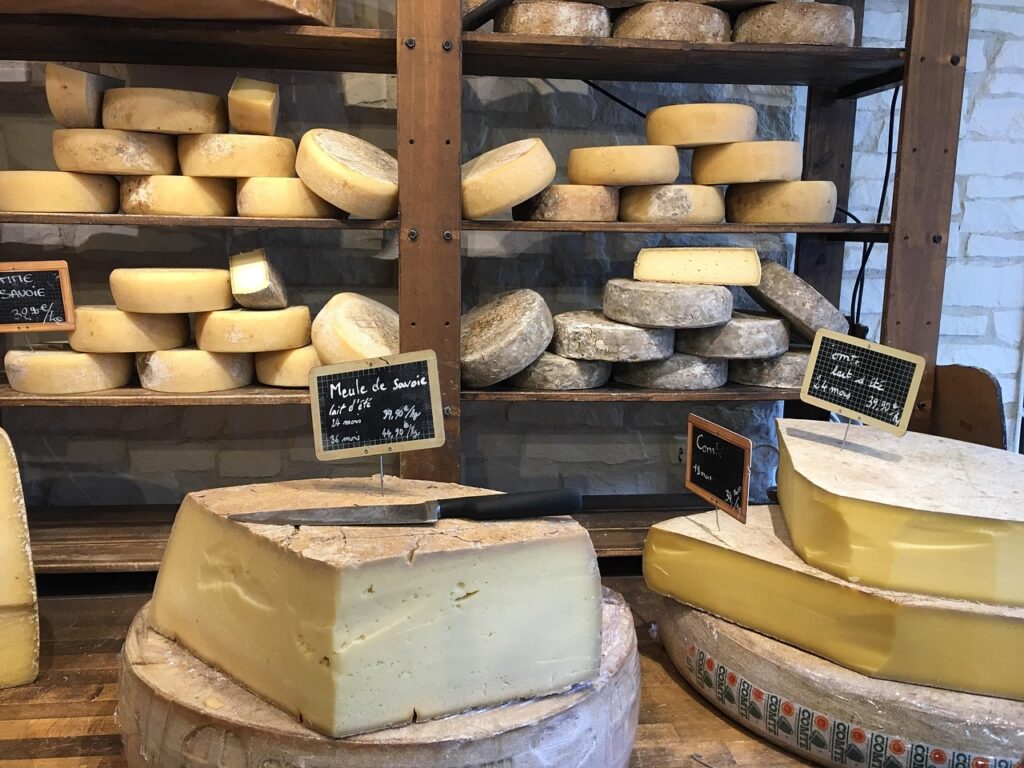
Cheese counters often highlight products as local or artisanal, yet many cheeses travel long distances after production. Specialty cheeses frequently originate from specific dairy regions before distribution expands across states.
Cheese also travels well compared with fresh produce, allowing producers to ship wheels and blocks nationally without significant quality loss. Retailers often emphasize craftsmanship rather than geographic origin when marketing specialty varieties.
As a result, customers may assume cheeses reflect local dairies when they actually come from distant producers. Labels focusing on style or aging methods sometimes overshadow origin, creating a sense of local authenticity even when distribution spans the country.
6. Bakery Bread Marketed as Fresh and Local

In-store bakeries create the impression that bread comes directly from on-site ovens, yet many grocery chains rely on centralized baking facilities supplying multiple stores across large regions.
Some bread arrives partially baked or frozen, then reheated or finished in stores to provide fresh aromas and appearance. This system allows consistent quality while reducing labor and equipment costs at individual locations.
Shoppers smelling fresh bread often assume local production, yet supply chains frequently involve long-distance shipping before final baking steps occur. The result looks and tastes fresh, even though production may have taken place far from the store.
7. Locally Roasted Coffee Beans
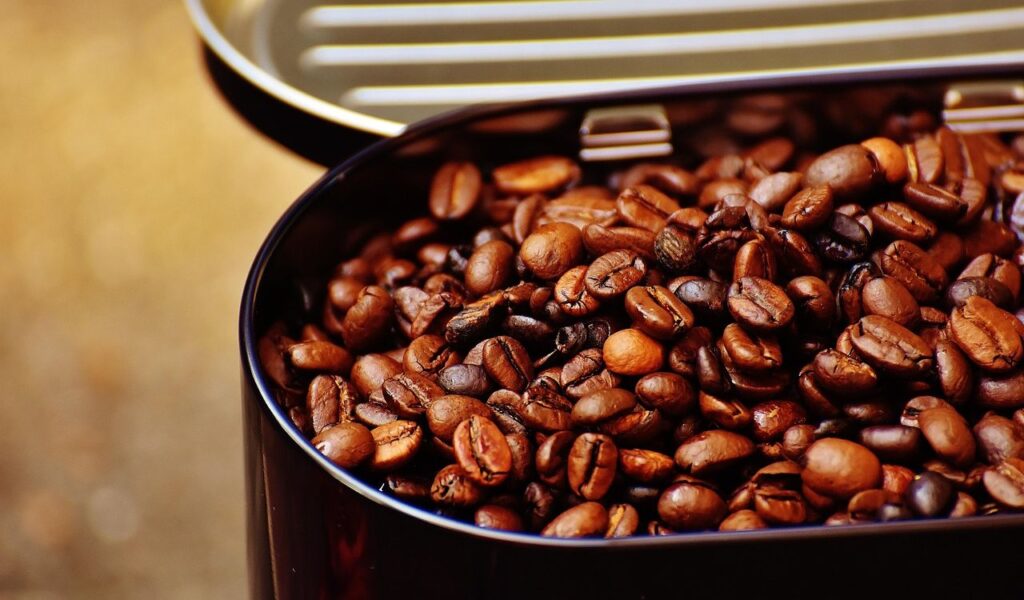
Coffee bags labeled as locally roasted often create the impression that the entire product originates nearby, yet coffee plants grow almost exclusively in tropical regions far from U.S. grocery stores.
Local roasting does add freshness and supports regional businesses, but raw beans travel from countries in Central and South America, Africa, or Asia before reaching roasting facilities. Shipping and processing happen long before local packaging.
Because roasting happens close to home, shoppers associate the product with local sourcing. However, every cup still depends on global supply chains transporting beans thousands of miles before roasting begins.
8. Fresh Herbs Available All Year
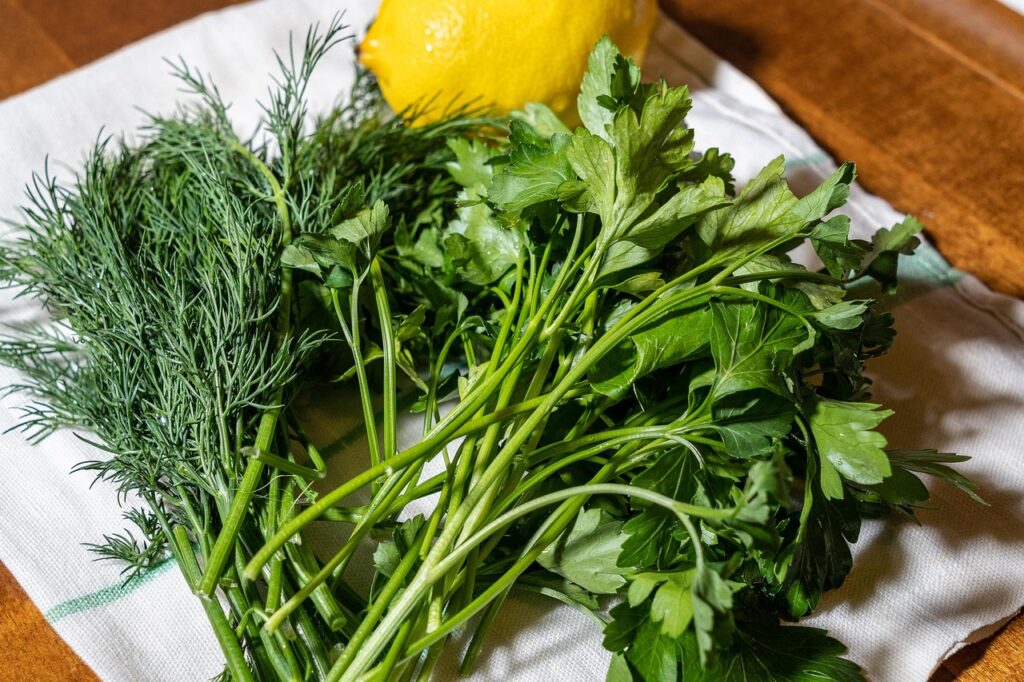
Herbs like basil and cilantro appear delicate enough that shoppers assume nearby farms supply them, yet year-round availability often depends on large greenhouse operations or warm-region farms shipping nationwide.
Transportation networks move herbs quickly using refrigerated trucks to prevent spoilage. Even when local farms produce herbs seasonally, stores supplement their supply with shipments from distant producers during colder months.
Because herbs look fresh regardless of origin, shoppers rarely question where they come from. Packaging often highlights freshness and usage ideas rather than sourcing, allowing distant supply chains to quietly fill shelves year-round.
9. Tomatoes Outside Peak Season
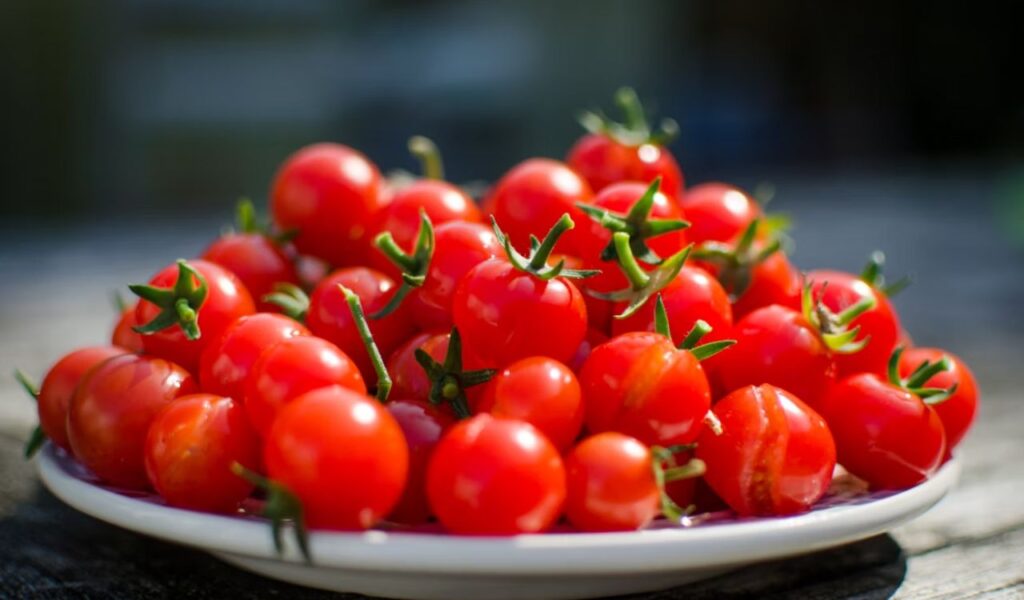
Tomatoes displayed outside the summer months frequently appear labeled as regional favorites, yet colder climates cannot grow them year-round. Stores rely on imports or shipments from warmer states to keep tomatoes available.
Large greenhouse operations and warm-weather farms supply national grocery chains during off-season periods. Controlled growing environments allow tomatoes to ripen despite conditions unsuitable in many local regions.
Because tomatoes remain a staple ingredient, retailers maintain constant availability regardless of season. Shoppers often assume continuity means local production, yet many tomatoes travel long distances to ensure year-round presence in grocery stores.