How Menu Layouts Influence What Diners Order Most

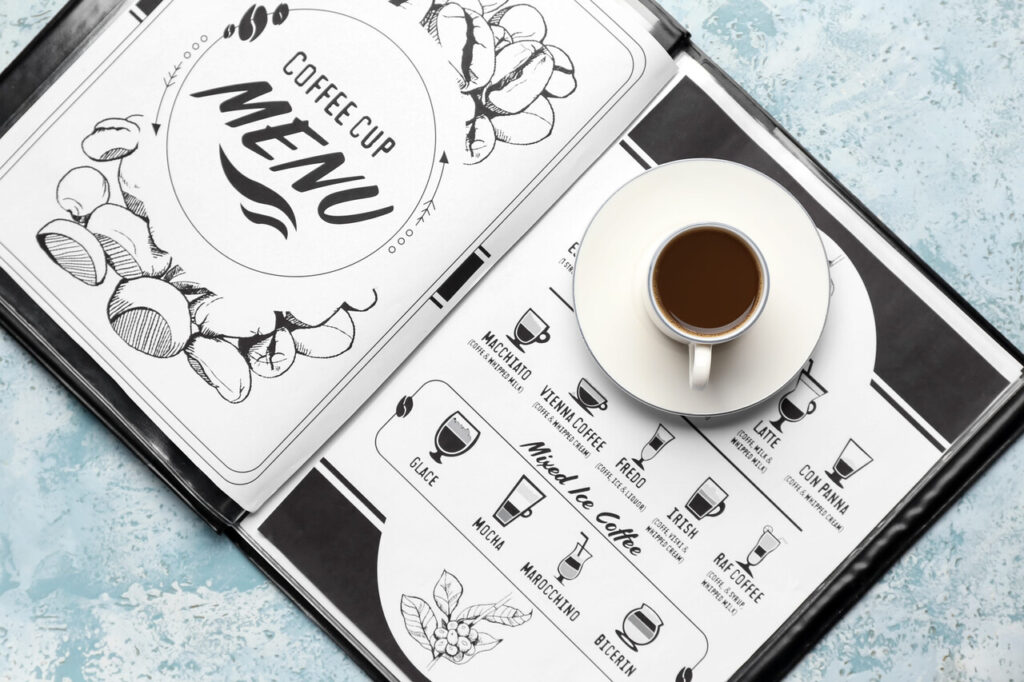
The menu you’re handed at a restaurant is doing more than listing what’s available to eat. It is carefully designed to guide your eyes, shape your decisions, and subtly influence what you end up ordering.
From where items are placed to how they are described, every detail is intentional. Restaurants use layout, design, and language to highlight certain dishes, simplify choices, and create a smoother decision-making process for diners.
What feels like a personal choice is often the result of thoughtful planning behind the scenes. Understanding how menu layouts work reveals just how much influence design can have on what lands on your plate.
The Menu as a Silent Sales Tool
What diners choose to order is often influenced long before they make a conscious decision. A menu is not simply a list of dishes but a carefully structured guide that directs attention and shapes perception. Restaurants use layout as a subtle way to influence behavior, arranging items in a way that feels natural while quietly encouraging certain choices over others. This influence works without diners actively noticing it, which is what makes it so effective.
The structure of a menu creates a visual hierarchy that signals importance. Items placed in prominent positions tend to feel more appealing or significant, even if they are not consciously compared to others. This hierarchy helps diners navigate the menu quickly while also steering them toward specific selections. Over time, this approach has become a core part of how restaurants present their offerings.
Menus are designed to strike a balance between freedom and guidance. While customers want the ability to choose, too many options can create confusion or hesitation. A well-organized layout reduces that friction by narrowing attention and making decisions feel easier. This creates a smoother experience that benefits both the diner and the business.
Other elements, such as spacing, grouping, and pricing, also play a role in shaping perception. Items that are separated or framed differently can appear more valuable or premium. Even small adjustments in layout can influence how diners interpret cost and quality, which in turn affects what they are willing to order.
As a result, menu design has evolved into a strategic tool rather than a simple presentation format. It combines psychology with visual organization to guide choices naturally. Restaurants continuously refine their menus to improve performance, making layout one of the most powerful tools in influencing dining decisions.
Where Eyes Go First on a Menu

The way diners look at a menu follows predictable patterns rather than random movement. Most people naturally scan certain areas first, often focusing on the center or top sections before moving outward. These areas act as visual hotspots, and anything placed within them is more likely to be noticed early in the decision-making process.
Because of this behavior, restaurants strategically place key items in these high-visibility zones. Dishes that are more profitable or popular are often positioned where the eye is drawn first. This increases the likelihood that diners will consider and ultimately choose those items. Placement alone can significantly influence ordering behavior.
The flow of reading also affects how menus are experienced. Diners tend to move through a menu in a logical sequence, and designers can guide this movement through layout choices. By organizing sections in a specific order, restaurants can control which dishes are seen first and which ones are considered later.
Understanding these visual patterns allows restaurants to prioritize certain items without overwhelming the customer. Instead of highlighting everything equally, they focus attention on select options. This creates a more controlled and effective presentation that aligns with business goals.
Ultimately, eye movement plays a critical role in decision-making. When menus are designed with these patterns in mind, they become easier to navigate and more persuasive. This ensures that attention is directed where it matters most, increasing the chances of specific items being ordered.
Design Choices That Drive Attention
Visual design elements are essential in shaping how diners interact with a menu. Colors, fonts, and spacing all influence what stands out and what fades into the background. These choices are not purely aesthetic but are used to guide attention and improve readability. A well-designed menu feels intuitive and easy to follow.
Highlighting techniques are one of the most effective tools in menu design. Using boxes, bold text, or subtle visual cues can draw attention to specific dishes. Diners often gravitate toward these highlighted sections first, which increases the likelihood that those items will be chosen. This makes highlighting a powerful way to influence decisions.
Color also plays a role in how food is perceived. Warm tones can make dishes feel more inviting, while neutral backgrounds help keep the focus on the text. The right color balance ensures that the menu is visually appealing without becoming distracting. This enhances both usability and overall experience.
Typography is another key factor in menu design. Clear, readable fonts make it easier for diners to process information quickly. While decorative fonts can add personality, they must be used carefully to avoid confusion. The goal is to create a balance between style and clarity.
When all design elements work together, they create a cohesive experience that naturally guides attention. The menu feels organized and intentional, allowing diners to move through it effortlessly. This not only improves the dining experience but also increases the effectiveness of the menu as a sales tool.
The Power of Words and Descriptions
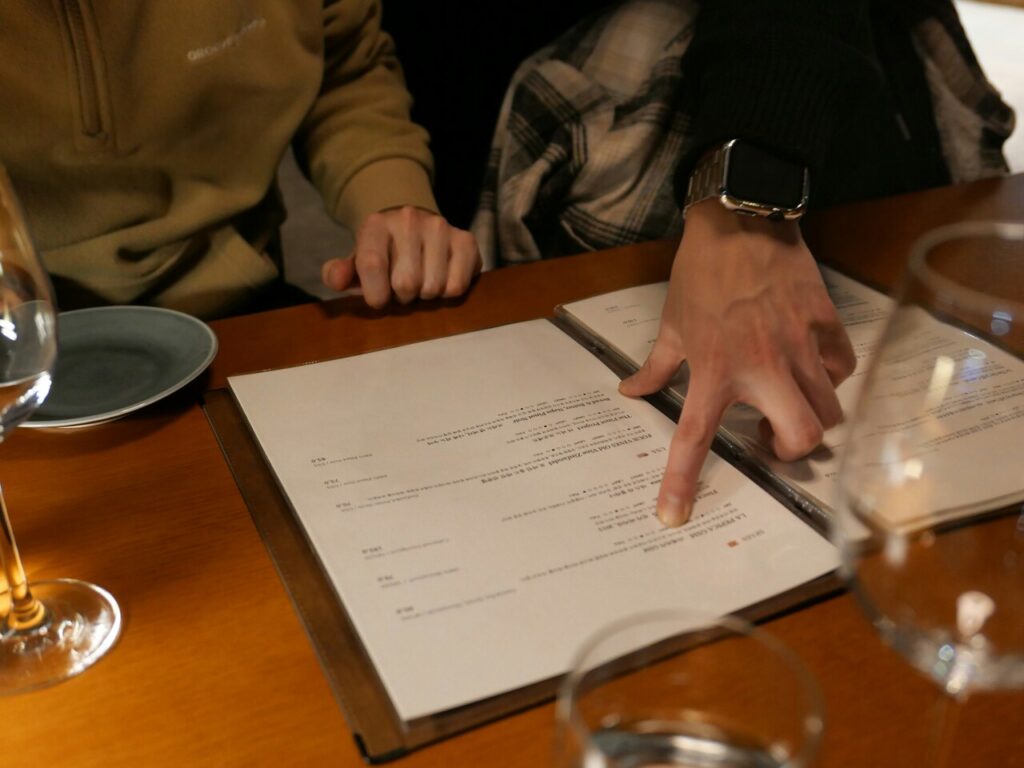
The way a dish is described can significantly influence whether it is ordered. Simple names may communicate what the item is, but descriptive language adds depth and appeal. When a menu uses vivid and specific wording, it helps diners imagine the flavors and textures before they even taste the food.
Details about ingredients and preparation methods can make a dish feel more premium. Mentioning how something is cooked or where ingredients come from adds a sense of quality and care. This can elevate the perceived value of a dish, making diners more willing to choose it even at a higher price point.
Storytelling also enhances the dining experience. A short description that hints at tradition, origin, or inspiration can make a dish feel unique. This creates an emotional connection that goes beyond the basic function of eating, turning the meal into a more memorable experience.
Language also shapes expectations, which in turn affects satisfaction. When a dish is described in a way that sounds appealing, diners are more likely to enjoy it because they anticipate a positive experience. This psychological effect reinforces the importance of thoughtful descriptions.
Clear and engaging wording also helps reduce uncertainty. When diners understand what they are ordering, they feel more confident in their choice. This encourages them to try new items and explore the menu more freely, which benefits both the customer and the restaurant.
How Simplicity Leads to More Orders
Having too many choices can make decision-making more difficult rather than easier. Large menus often overwhelm diners, leading to hesitation or indecision. This phenomenon, known as decision fatigue, can reduce satisfaction and even slow down the ordering process.
Simplified menus help solve this problem by narrowing the range of options. When there are fewer items to choose from, diners can make decisions more quickly and with greater confidence. This creates a smoother and more enjoyable experience from the start.
Restaurants often use this approach to highlight their strongest dishes. By focusing on a smaller selection, they can ensure consistency and quality while also guiding diners toward items that represent the brand well. This benefits both the kitchen and the customer.
Clear organization also contributes to simplicity. Well-defined categories and thoughtful spacing make it easier to navigate the menu. Diners can quickly find what they are looking for without feeling overwhelmed, which improves the overall experience.
Simplicity does not mean limiting variety but presenting it in a way that feels manageable. When menus are clear and focused, diners feel more comfortable making choices. This leads to more confident decisions and often results in higher satisfaction with the meal.