Why Plant Based Meat Sales Are Cooling Off

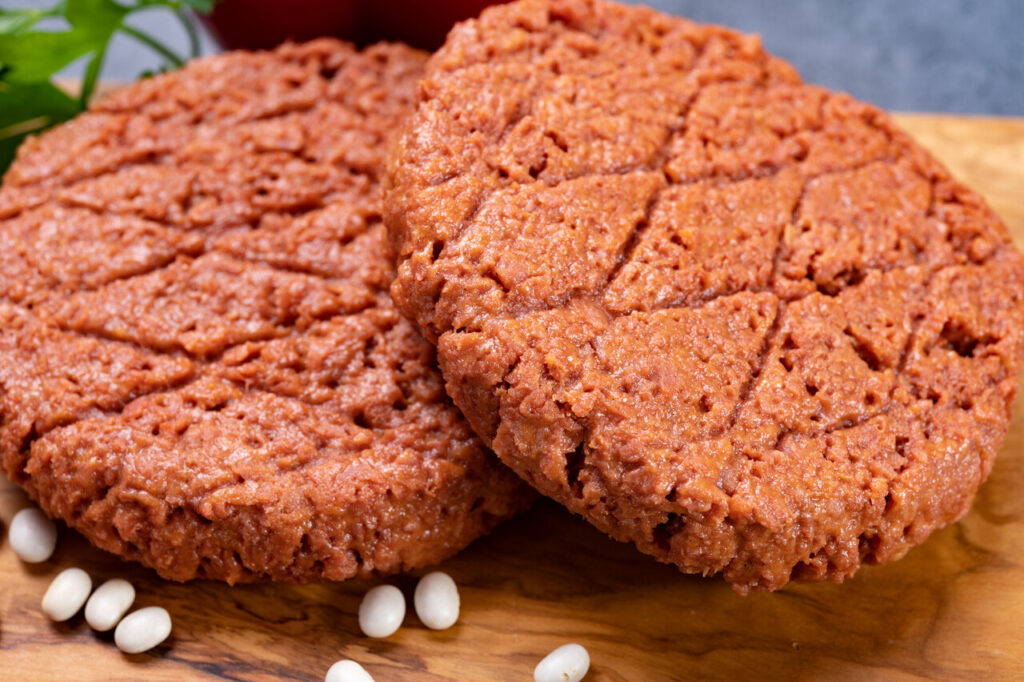
Plant-based meat once looked unstoppable. Grocery shelves expanded, fast food chains signed headline partnerships, and investors bet heavily on a rapid shift away from traditional animal protein. For a moment, it seemed like the category had cracked the code on taste, sustainability, and modern eating habits all at once. But as the excitement settled, sales began to level off and in some cases decline. What changed was not just the market, but the expectations consumers brought to the table.
When the Plant-Based Boom Lost Its Sizzle
Not long ago, plant-based burgers were treated like the future of food. Major fast food chains rolled them out nationwide, grocery stores gave them prime shelf space, and investors poured billions into alternative protein startups. The pitch was powerful: meat without the environmental footprint, animal welfare concerns, or health drawbacks often linked to red meat. Early adopters were curious, flexitarians were enthusiastic, and headlines predicted a sweeping shift in how Americans would eat protein.
But excitement does not always translate into lasting habits. After the initial surge, sales began to flatten and in some segments decline. Analysts point to a gap between early enthusiasm and long-term consumer behavior. Many shoppers tried plant-based meat once or twice, but repeat purchases slowed. The novelty factor faded, and expectations rose. Consumers who were promised a product indistinguishable from beef or chicken often found that the experience did not fully match the marketing. As curiosity cooled, so did momentum.
Taste, Texture and Consumer Satisfaction
Here is the reality that shapes grocery decisions: if it does not taste good, people will not buy it again. While plant-based meat has improved significantly in flavor and texture over the past decade, many consumers still report noticeable differences compared to animal meat. Some describe a lingering aftertaste, a softer texture, or a different mouthfeel that becomes obvious in everyday cooking. For occasional use, that difference may be acceptable. For regular meals, it becomes harder to ignore.
Research into consumer behavior shows that repeat purchases depend heavily on sensory satisfaction. First-time buyers are often motivated by curiosity or values such as sustainability. Second and third purchases depend on taste and cooking performance. If a product does not brown, grill, or bind the same way as traditional meat, it limits versatility. This performance gap has slowed mainstream adoption. While dedicated vegetarians and vegans remain consistent customers, the broader flexitarian market has proven less predictable than companies once assumed.
Price and Value Compared to Real Meat
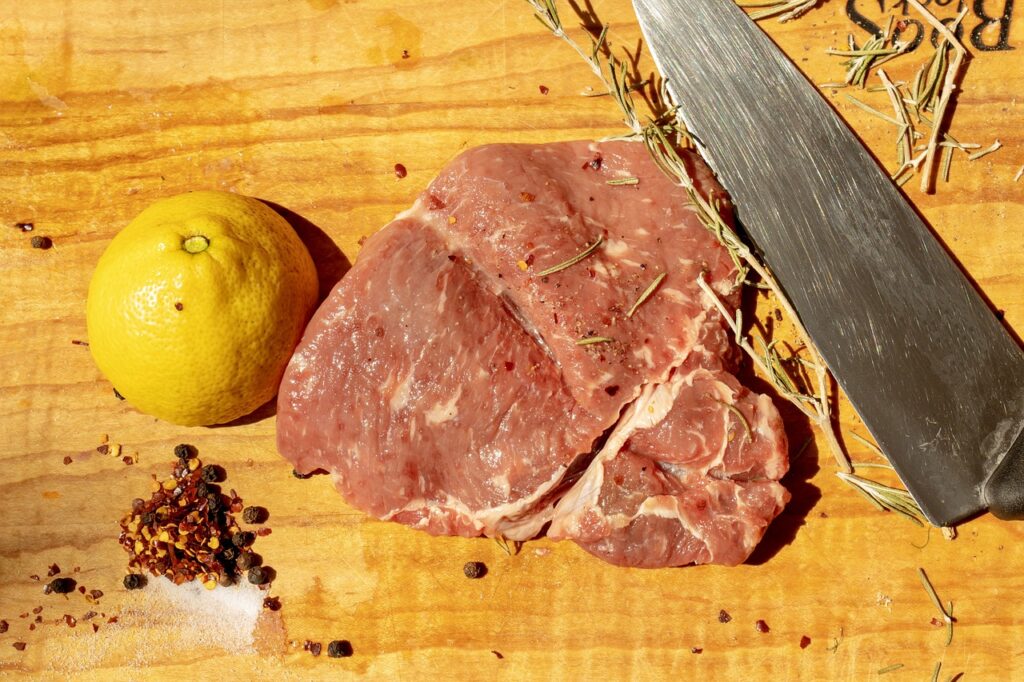
For many households, the decision comes down to cost. Plant-based meat products frequently carry a higher price tag than conventional ground beef or chicken. During periods of inflation, shoppers become even more price sensitive. When grocery bills rise across categories, consumers reassess premium products. A plant-based burger that costs significantly more than its meat counterpart must offer clear additional value to justify the expense.
Economic pressure has sharpened that calculation. As food prices fluctuate and consumers look for savings, some trade down to more affordable proteins. In this environment, plant-based meat competes not only with beef but also with beans, lentils, eggs, and other budget-friendly options. For value-driven shoppers, highly processed meat alternatives may feel less appealing when cheaper whole food proteins are available. Price parity remains a challenge for the category, and without it, mainstream adoption faces limits.
Market Saturation and Product Fatigue
At its peak, the plant-based meat category expanded rapidly. Supermarkets introduced entire sections dedicated to meat alternatives. Multiple brands launched similar burgers, sausages, nuggets, and grounds, often with only slight variations. While variety can signal growth, it can also create confusion. Too many similar options make it harder for any single product to stand out. Over time, shelves that once looked innovative began to feel crowded and repetitive.
Innovation also appeared to stall in some areas. Early breakthroughs focused on mimicking beef patties for burgers. Once that segment filled up, new launches often seemed incremental rather than transformative. Consumers who had already experimented with one or two brands saw little reason to keep trying additional versions. Retailers responded by reducing shelf space or discontinuing slower-selling items. As distribution narrowed, the sense of momentum weakened further.
What This Means for Future Protein Trends
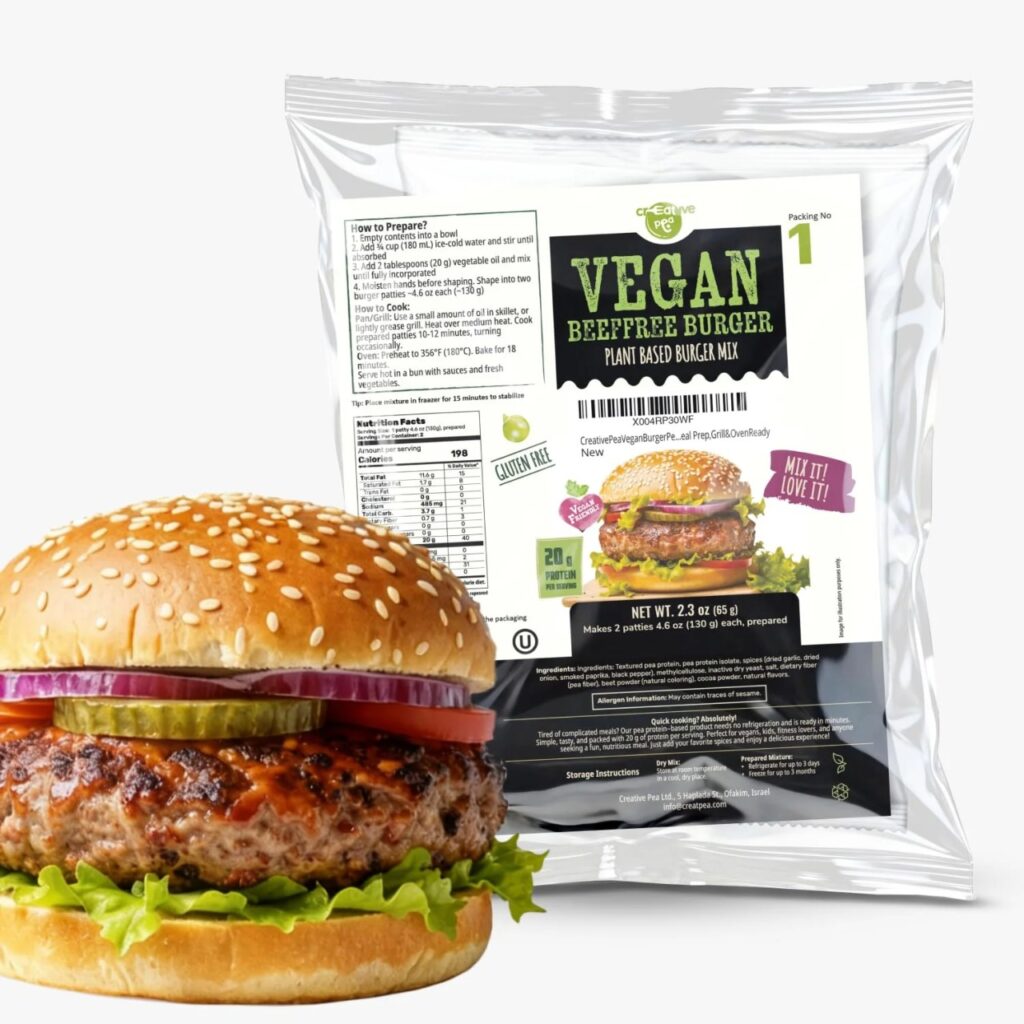
Cooling sales do not necessarily mean the end of plant-based meat. Instead, they suggest a market correction. The initial wave was driven by bold projections and strong investor enthusiasm. Now the category is adjusting to more realistic growth patterns. Companies are reassessing formulations, focusing on cleaner ingredient lists, and exploring hybrid products that blend plant proteins with smaller amounts of meat to improve taste and cost efficiency.
At the same time, consumer priorities are evolving. Health concerns, environmental awareness, and animal welfare remain important to many shoppers, but they compete with affordability and convenience. The future of alternative proteins may depend less on replacing meat entirely and more on offering credible, satisfying options that integrate naturally into everyday meals. The cooling period offers companies a chance to refine their approach. If they can deliver better taste, competitive pricing, and clearer nutritional messaging, plant-based meat could regain steady growth, even if the early hype has settled into a more measured reality.