13 Shrinkflation Complaints Surrounding Big Box Rotisserie Chickens

For years, big box rotisserie chickens have been the unofficial hero of the grocery store. They’re hot, affordable, and ready to turn into dinner the second you walk through the door. For many families, they’ve been the shortcut that stretches into tacos, soups, salads, and sandwiches for days.
But lately, shoppers say something feels different. The birds look smaller. The leftovers run out faster. The value doesn’t stretch quite as far as it used to. In an era where grocery prices are already under a microscope, even subtle changes stand out.
What used to feel like a guaranteed bargain now sparks debate about portion size, pricing strategy, and whether shrinkflation has quietly reshaped one of the store’s most trusted staples.
1. Noticeably Smaller Chickens Are the First Thing Shoppers Spot
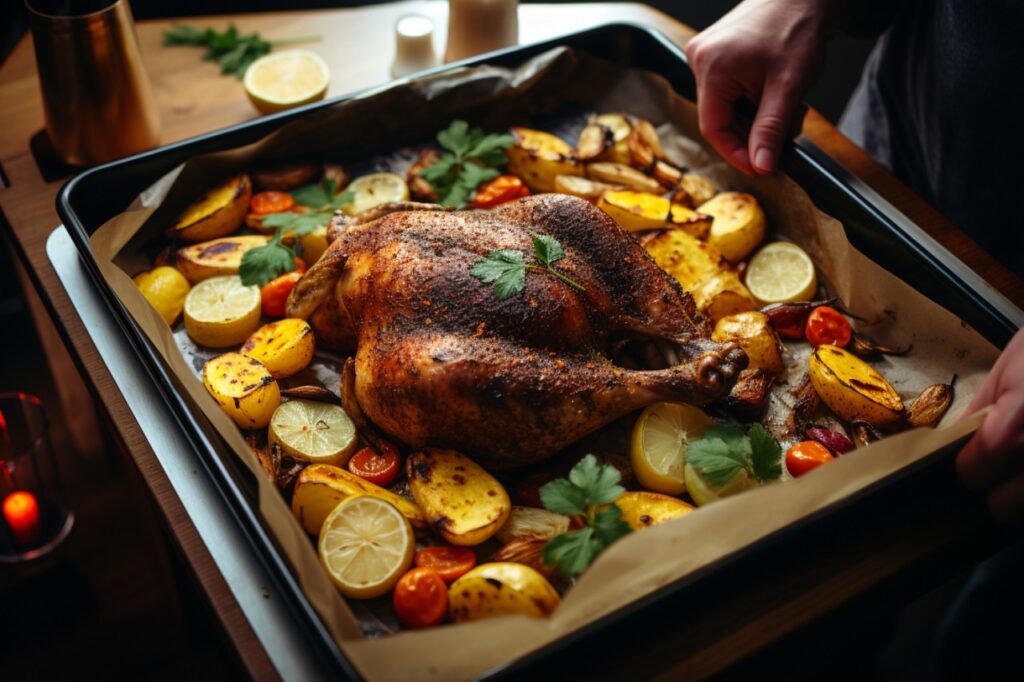
It usually starts with a side glance. Regular buyers who have picked up the same rotisserie chicken for years can tell almost instantly when something feels off. The birds simply look smaller in the container. The dome lid that once felt tightly packed now seems to have extra space around the sides.
Weight changes are often subtle, sometimes only a few ounces, but visually they add up. Poultry supply chains have faced rising feed, labor, and transportation costs, and trimming size is one way retailers maintain a headline price. A five-dollar chicken sounds the same, even if it weighs less.
For families who rely on these birds for easy weeknight dinners, that reduction matters. A smaller chicken means fewer servings, less leftover meat, and less perceived value. When the change is visible, customers feel it immediately.
2. Reduced Weight Without a Price Drop Feels Like a Silent Increase
Here’s where frustration grows sharper. Many shoppers notice that the total price on the shelf stays steady, but the weight printed on the label drops. That means the price per pound quietly climbs even if the sticker does not change.
Rotisserie chickens are often used as loss leaders. Big box stores price them aggressively to drive foot traffic. When input costs rise, shrinking the bird slightly can protect margins without raising the sign. To a business, that is strategic. To a shopper, it feels like paying more for less.
Over time, those small reductions compound. A chicken that once stretched into three meals might now cover two. The math becomes obvious when leftovers run short, and that realization fuels the shrinkflation narrative.
3. More Bone, Less Meat Changes the Whole Value Equation
Shoppers rarely weigh a chicken in the aisle, but they definitely notice what ends up on the cutting board. Complaints about more bone and less usable meat reflect the feeling that yield has dropped.
Bird size is not the only factor. Breed selection, processing standards, and trimming methods all influence how much edible meat remains. If breasts appear narrower or thighs seem leaner, families end up with fewer ounces of actual protein.
For budget-conscious households, yield matters more than packaging weight. When shredding produces a smaller pile of meat, it becomes harder to justify the same purchase. The perception of getting less usable food is often more powerful than a small price change.
4. Thinner Breasts and Smaller Thighs Stand Out on the Plate
Even casual cooks recognize portion shifts. The breast used to cover half a dinner plate. Now it might look modest next to the side dishes. Thighs that once felt substantial can seem slimmer and lighter.
Chicken production has shifted over the years due to feed costs and supply adjustments. Processors may favor slightly smaller birds to manage expenses. While the difference might be measured in ounces, visually, it changes expectations at mealtime.
When serving families, visual fullness matters. If a piece looks smaller, diners feel it before they taste it. That perception feeds the belief that something has shrunk, even when pricing remains unchanged.
5. Less Juiciness Raises Questions About Quality
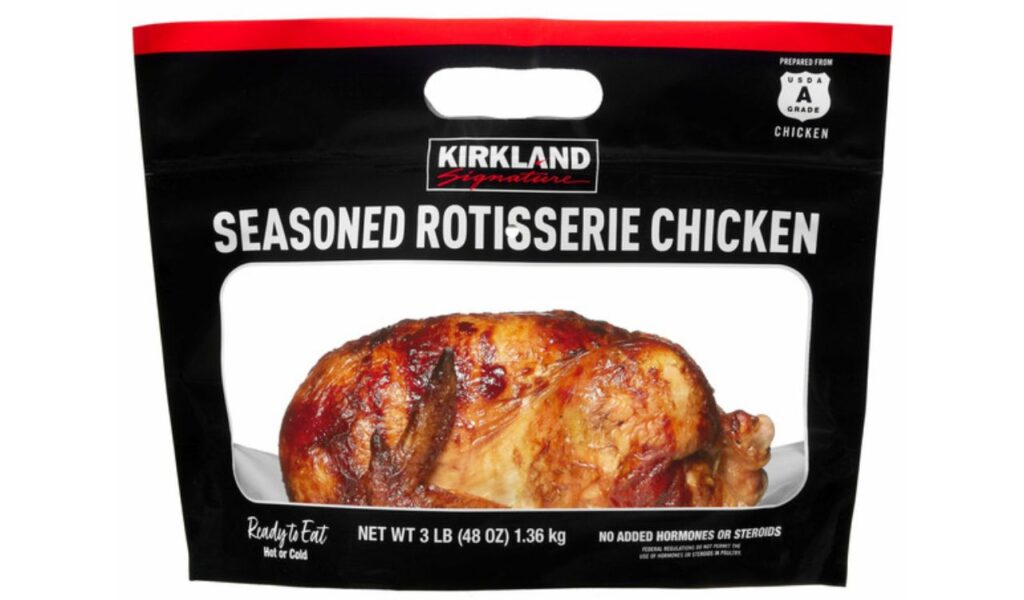
Shrinkflation complaints are not only about size. Some customers tie smaller birds to dryness or texture changes. A thinner breast cooks faster and can lose moisture more easily under heat lamps.
Rotisserie chickens sit under warming units for extended periods. Smaller birds can be more sensitive to timing. If turnover slows or cooking cycles change, moisture loss becomes noticeable.
For shoppers who once praised these chickens as tender and juicy, a drier bite feels like a downgrade. Even if the recipe is unchanged, size adjustments can affect how the meat performs.
6. Rising Price Per Pound Is Harder to Ignore
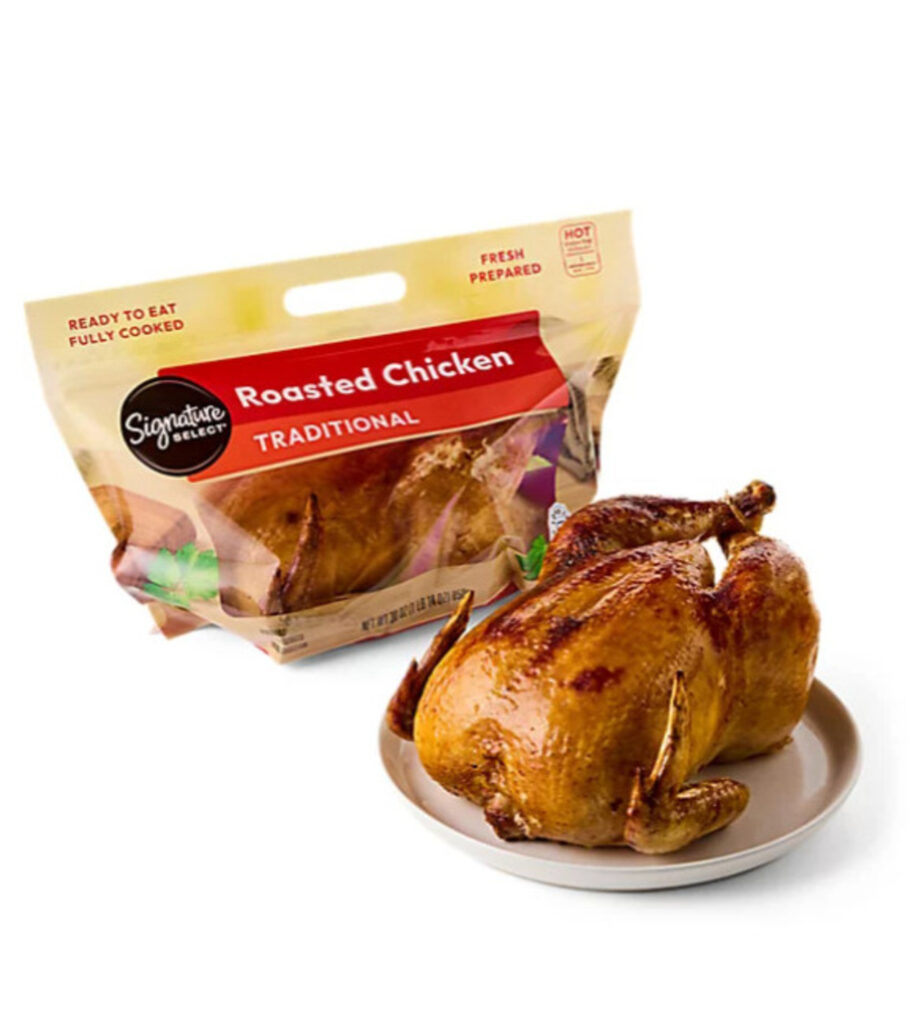
When customers compare labels more closely, they often see the cost per pound creeping upward. Even if the base price looks stable, a lighter bird means a higher effective rate.
Retailers must manage rising input costs, including feed grain, packaging materials, and labor. Instead of adjusting the sticker price upward in a dramatic way, they adjust the product size incrementally.
The result is subtle inflation. Savvy shoppers notice. Once they calculate the difference, the perception shifts from convenience to compromise.
7. Inconsistent Sizes Between Locations Add Frustration
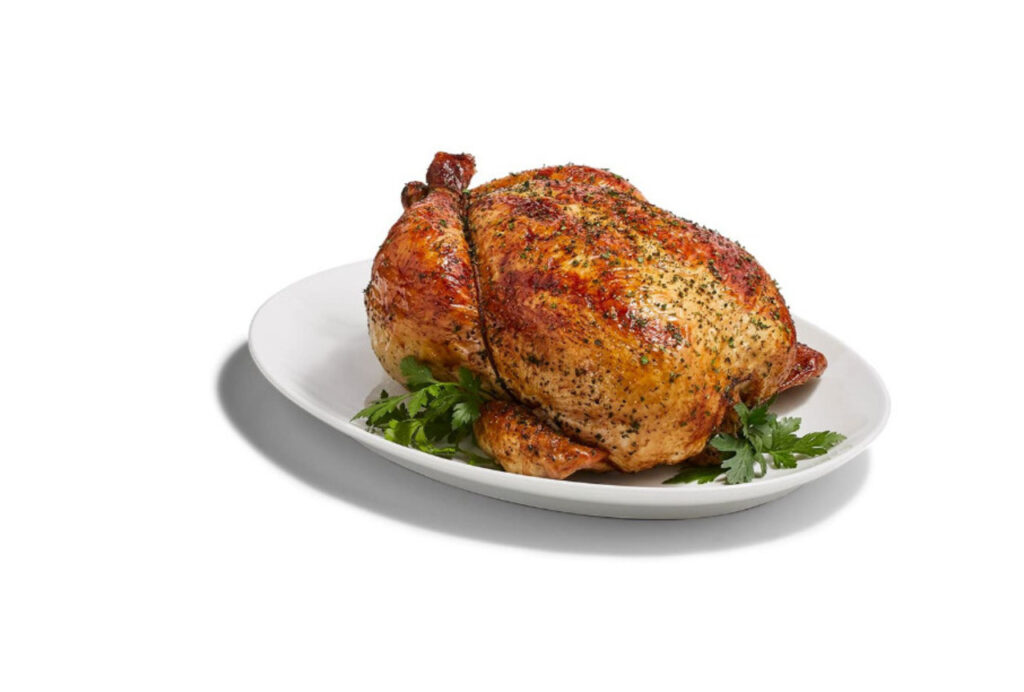
Some shoppers report that birds vary widely between store locations. One branch might offer fuller, heavier chickens while another carries noticeably smaller ones.
Supply chain logistics can differ regionally. Distribution centers source from different poultry processors, and production runs may vary. That leads to inconsistency in size and sometimes in appearance.
When customers cannot predict what they will get, trust erodes. Reliability is part of the appeal of rotisserie chickens. Once that reliability feels uneven, frustration builds.
8. Packaging Changes Can Mask Subtle Reductions
A new container shape or dome height can alter perception. Even small packaging redesigns can make a product appear consistent when the contents have changed slightly.
Retailers periodically update packaging for cost, sustainability, or stacking efficiency. While the goal may be operational, shoppers sometimes suspect that larger lids or deeper bases conceal smaller birds.
Visual cues matter in grocery aisles. If packaging shifts coincide with size complaints, customers often connect the dots, whether or not that was the intention.
9. Perceived Quality Decline Amplifies Shrinkflation Talk
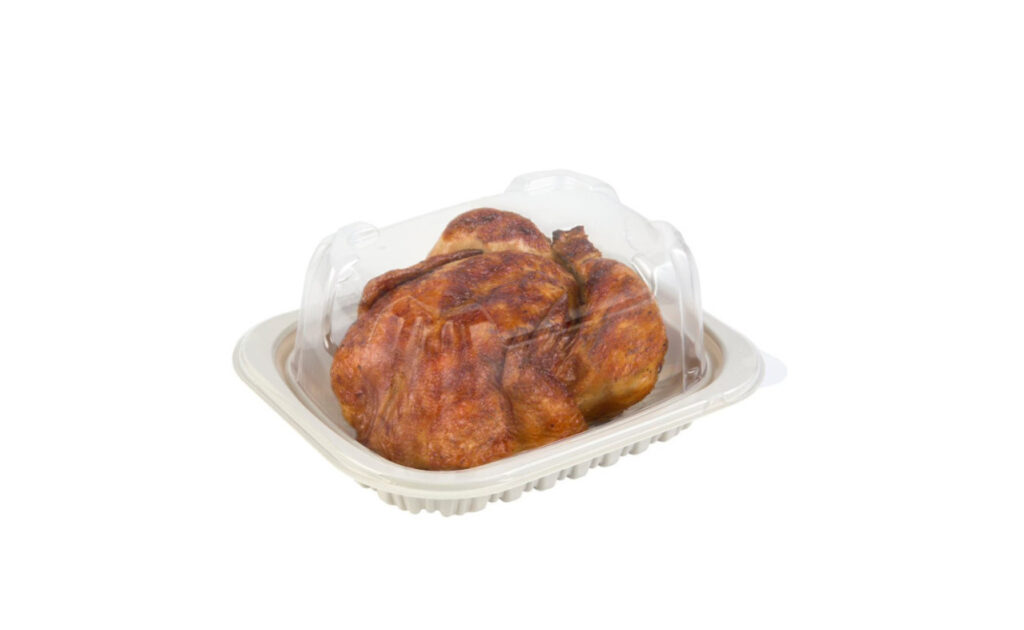
Beyond weight and size, some shoppers feel the meat texture has changed. They describe it as less flavorful or slightly rubbery compared to past purchases.
Quality perception can shift for many reasons including sourcing changes, seasoning adjustments, or longer hold times under heat lamps. Even minor differences in brine or roasting time can affect taste and texture.
When size reduction overlaps with perceived quality dips, complaints multiply. Customers rarely separate the two. They experience it as a single decline in value.
10. Bigger Ovens but Smaller Birds Feel Ironic
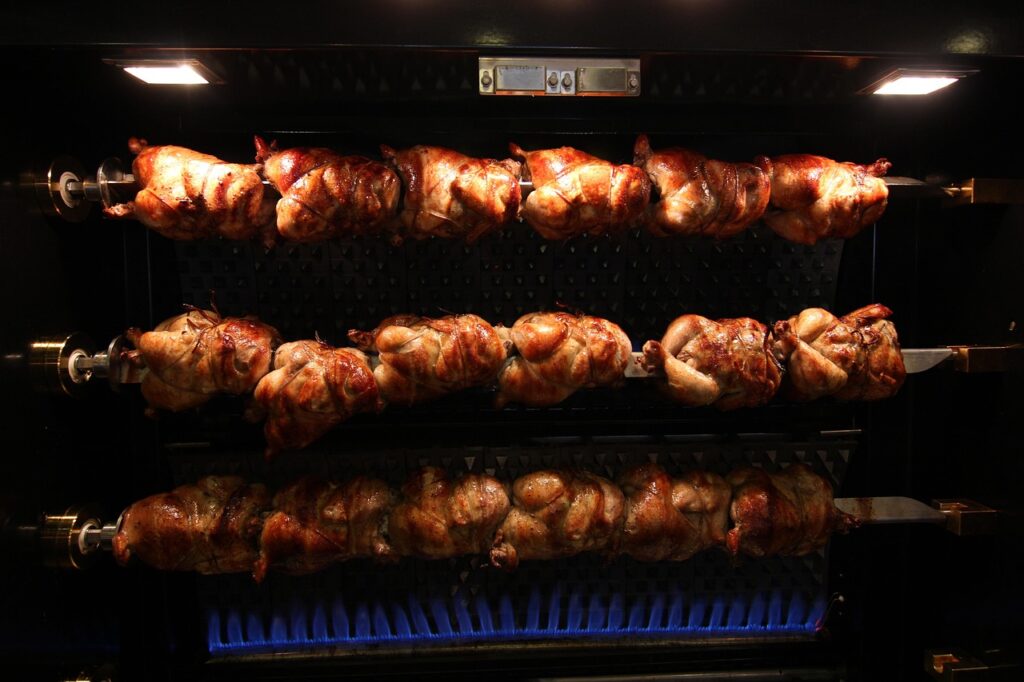
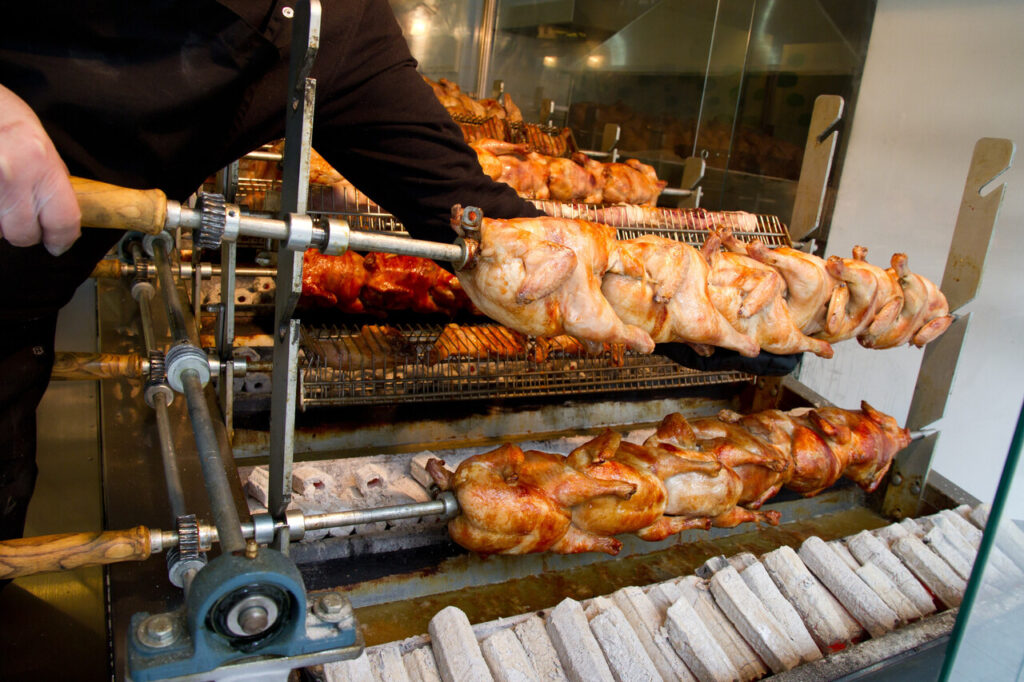
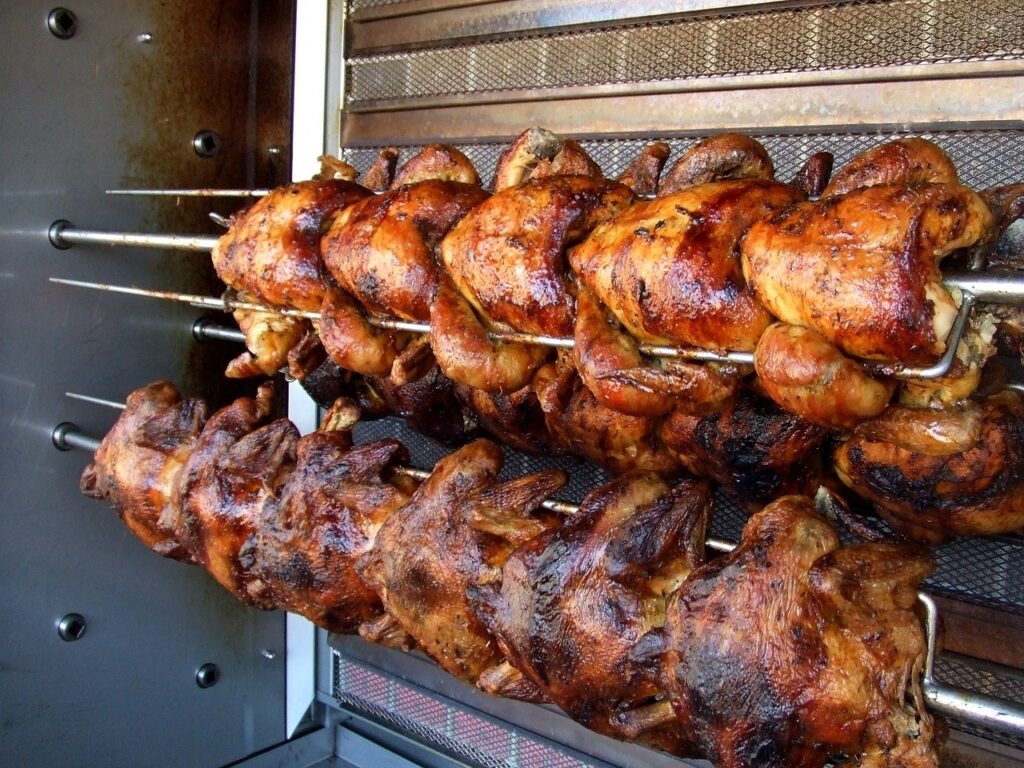
Large rotisserie ovens spinning rows of chickens create a powerful visual. When those ovens appear packed with smaller birds, the contrast becomes obvious.
Retailers often invest in equipment upgrades to increase efficiency and output. However, if bird size decreases while capacity expands, shoppers may interpret that as prioritizing volume over value.
The irony fuels commentary. Bigger displays create expectations of abundance. Smaller chickens inside them feel like a mismatch between presentation and reality.
11. Less Leftover Meat Changes Meal Planning
One major appeal of rotisserie chickens is versatility. Many households rely on them for tacos, salads, soups, and sandwiches the next day.
When the leftover yield shrinks, the planning benefit shrinks too. Instead of stretching into multiple dishes, the chicken may barely cover dinner. That alters its role as a budget-friendly staple.
For time-pressed families, losing that flexibility is significant. The bird is no longer a two-day solution. It becomes a single meal purchase.
12. Shrinking Amid Broader Inflation Feels Worse
Context matters. Grocery bills have climbed across categories. When shoppers see smaller chickens at the same time as rising prices on bread, produce, and dairy, the effect feels magnified.
Shrinkflation becomes symbolic. The rotisserie chicken often represents affordability and consistency. If that product appears smaller, it reinforces a broader sense that money goes less far.
In an inflationary environment, even subtle reductions are scrutinized. Customers who once ignored small differences now pay closer attention.
13. Fewer Meals Per Bird Reduces Its Reputation as a Bargain
Ultimately, shoppers measure value by how many plates they can fill. If a single chicken once fed four people twice and now barely feeds them once, the perceived bargain fades.
Rotisserie chickens have long been marketed as convenient and economical. When portion size no longer supports that narrative, loyalty weakens.
That shift does not require dramatic changes. It can happen through ounces trimmed over time. But when families feel the impact in their kitchens, the complaint becomes personal and persistent.