8 Chain Restaurants Diners Say Struggle with Quality

Chain restaurants promise familiarity. The menu looks the same no matter where you stop, and diners expect a certain level of quality every time. But lately, many loyal customers say that the promise feels harder to trust. Meals arrive looking less polished, flavors feel flatter, and portions no longer match the price on the menu. These changes are not always dramatic, but they are noticeable enough to spark frustration and disappointment. From casual dining staples to seafood and breakfast chains, quality concerns are becoming a common topic among regulars. Here’s a closer look at the chains diners say are struggling to deliver the experience they once relied on.
1. Applebee’s
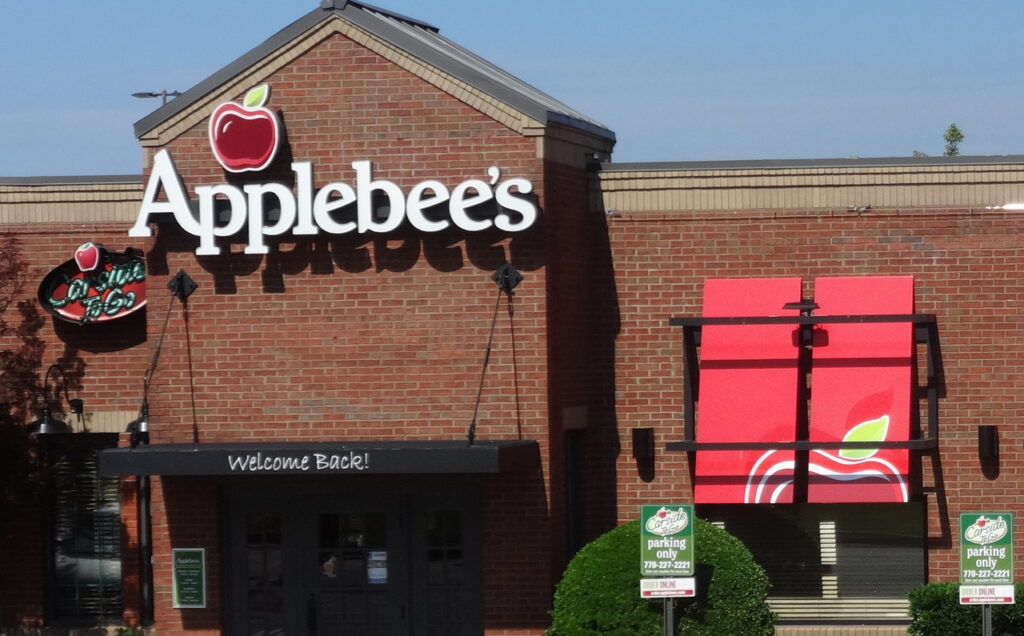
Applebee’s struggles with quality largely because of how much of its menu relies on centralized preparation rather than fresh cooking in each location. Many dishes arrive pre-cooked or pre-portioned and are reheated on-site, which limits texture and flavor development. This approach helps control costs and consistency, but it often produces food that tastes flat or overly processed. Diners frequently report steaks cooked unevenly, pasta dishes that feel watery, and appetizers that lose crispness quickly. Portion size reductions over time have further affected perceived value, especially as prices have risen.
2. TGI Fridays
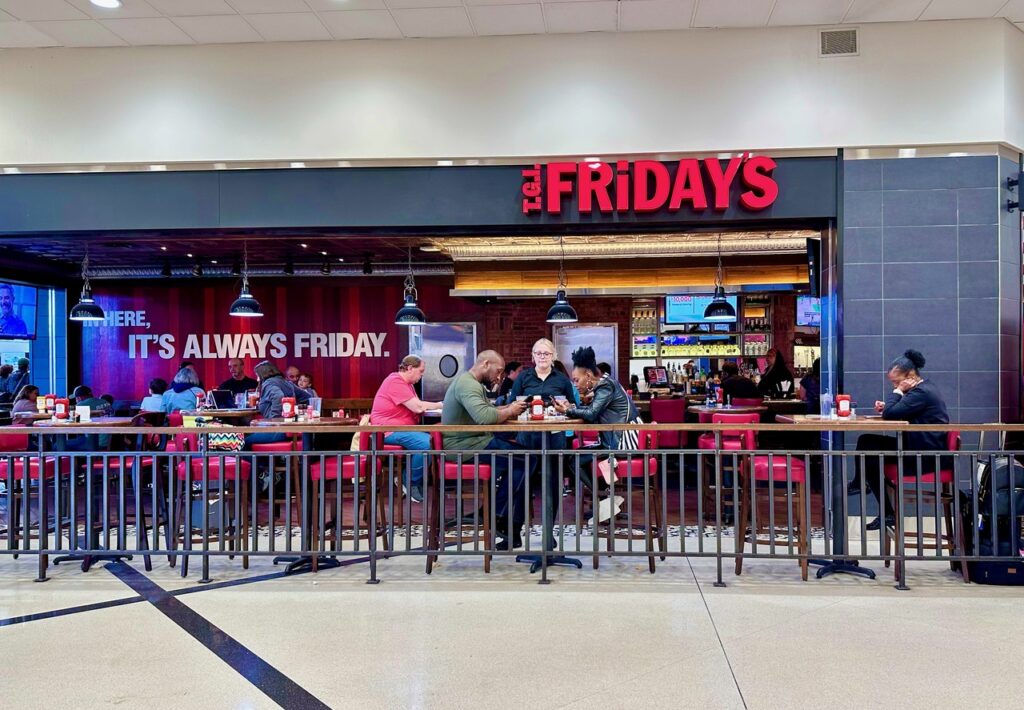
TGI Fridays built its brand on bold flavors and lively presentation, but diners increasingly say the food no longer lives up to that image. One major issue is inconsistency between locations, where the same dish can taste noticeably different from one visit to the next. Fried items are often cited as greasy or under-seasoned, while sauces can feel overly sweet without depth. Shrinking portions have also become a common complaint, especially when paired with premium pricing. Fridays leans heavily on sauces and toppings to create impact, but when execution slips, the food underneath feels basic.
3. Buffalo Wild Wings
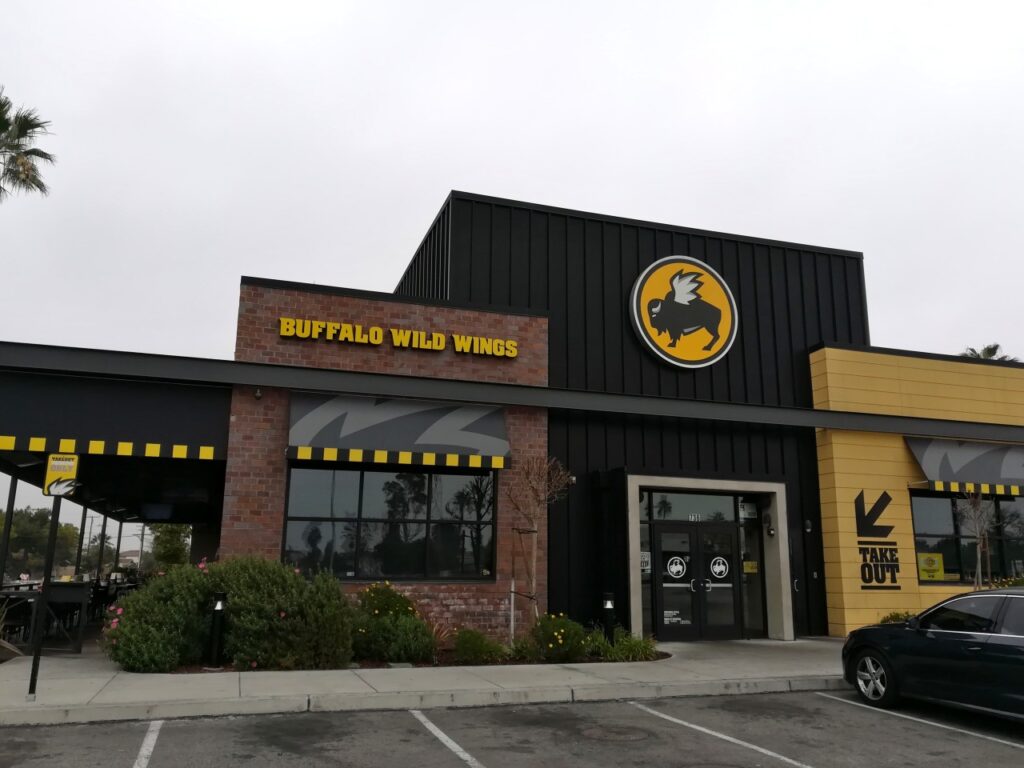
Buffalo Wild Wings faces quality criticism because its core product depends on precision. Wings require careful cooking to stay juicy inside while crisp outside, and diners frequently report inconsistency in size, texture, and doneness. Some visits yield dry wings, while others arrive under-sauced or unevenly coated. Long wait times during peak hours further hurt perception, as food quality tends to drop when kitchens are overwhelmed. Rising wing prices have also heightened scrutiny, making customers less forgiving when meals disappoint. Because the chain positions itself as a destination for wings and sports, any slip in execution feels magnified.
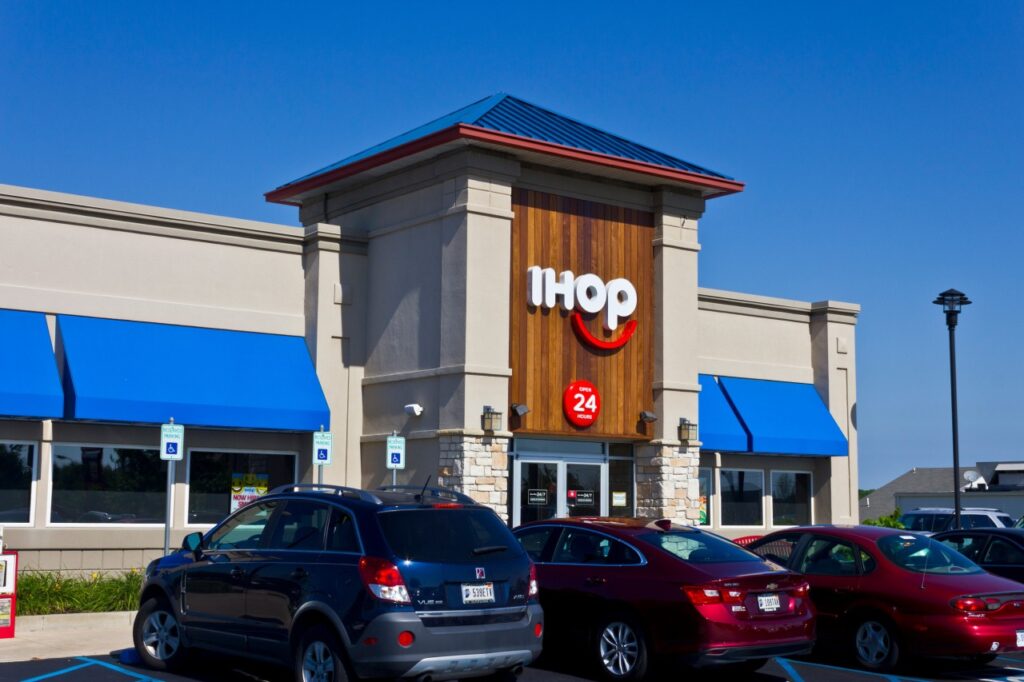
4. IHOP
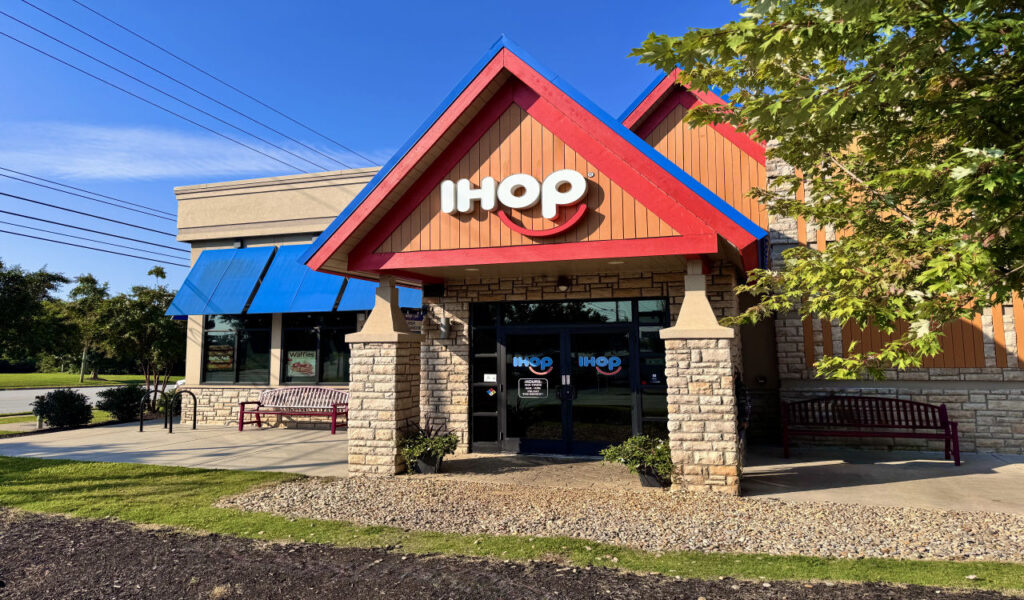
IHOP remains strongly associated with pancakes, but diners say the rest of the menu has suffered in quality. Savory items like omelets, hash browns, and burgers are often described as bland or inconsistently cooked. Eggs may arrive overdone, potatoes under-seasoned, and proteins unevenly heated. Part of the issue lies in an expanded menu that stretches kitchen focus beyond breakfast basics. While pancakes still deliver familiarity, customers expect the same care across the plate. When meals feel rushed or lack freshness, it undermines trust. For a chain built on comfort and reliability, declining consistency makes even loyal diners hesitate before returning.
5. Red Lobster
Red Lobster’s quality concerns stem from the difficulty of serving seafood at scale while managing costs. Diners frequently mention overcooked fish, rubbery shrimp, and smaller portions than in years past. Seafood requires precise timing, and when kitchens are busy, execution suffers quickly. Rising seafood prices have also pushed the chain toward cost-saving measures that affect portion size and preparation. While Cheddar Bay Biscuits remain popular, many customers feel that main dishes no longer justify their price. Red Lobster’s brand promise centers on indulgence and abundance, so when plates arrive looking modest or overdone, disappointment sets in fast.
6. Denny’s
Denny’s positions itself as an always-open diner, but diners often report food that feels rushed rather than thoughtfully prepared. Common complaints include bland seasoning, uneven cooking, and inconsistent portion sizes. Breakfast items can arrive lukewarm, while burgers and sandwiches sometimes feel overcooked or dry. Staffing challenges during overnight hours can further impact execution. While prices remain relatively accessible, expectations for basic diner food still include warmth, balance, and reliability. When meals miss those marks, the experience feels transactional rather than comforting.
7. Olive Garden
Olive Garden’s quality struggles are often tied to its heavy reliance on pre-made sauces and large-batch cooking. Diners say pasta is frequently overcooked, sauces taste diluted, and dishes rely on salt rather than layered flavor. Portion sizes have also been quietly reduced, which stands out given the chain’s family-style image. While unlimited breadsticks remain a draw, main entrees sometimes feel less satisfying than expected. Olive Garden promises comfort and familiarity, but when dishes lack richness or freshness, customers feel the brand is leaning too heavily on nostalgia instead of execution.
8. Chili’s
Chili’s has worked to modernize its menu, but diners still report uneven quality across locations. Burgers may arrive overcooked, fajitas inconsistently seasoned, and appetizers less crisp than expected. Smaller portions paired with higher prices have intensified scrutiny. Chili’s strength lies in bold, Tex-Mex-inspired flavors, yet when seasoning falls short, dishes feel ordinary. Kitchen workload during busy periods also affects consistency, leading to meals that vary from visit to visit. For customers who remember stronger execution in the past, current quality issues feel like a step backward rather than progress.