13 Garten Wines Elites Drink to Seem Fancy

In elite circles, wine is rarely about showing off and almost always about signaling quiet confidence. The most telling choices are not loud labels or trendy bottles, but classic wines that suggest knowledge, restraint, and cultural fluency. These are the wines ordered without hesitation, trusted to speak for themselves at dinners, events, and private gatherings. Each carries a reputation shaped by tradition, terroir, and time, making them ideal for those who want to appear effortlessly refined. This list explores the bottles elites reach for when they want sophistication to feel natural, not forced, and elegance to arrive without explanation.
1. Sancerre
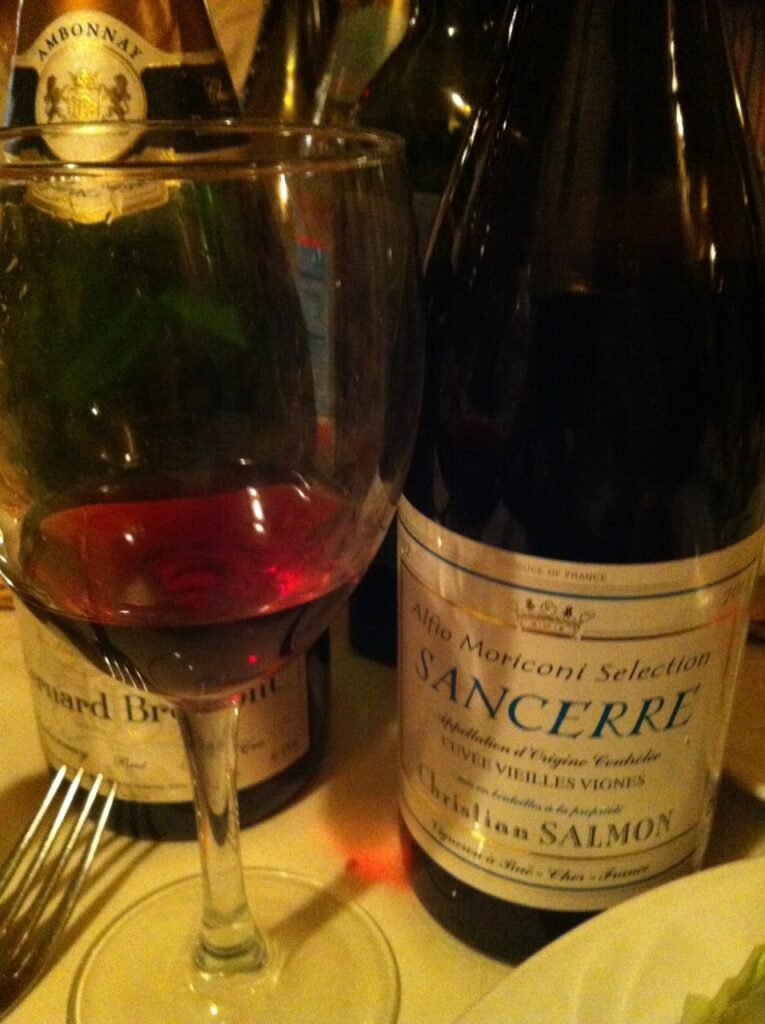
Sancerre is the kind of wine people choose when they want refinement without flash. Made exclusively from Sauvignon Blanc in France’s Loire Valley, it is prized for its high acidity, mineral backbone, and restrained fruit character. Unlike fruit-forward New World Sauvignon Blancs, Sancerre leans crisp, dry, and earthy, with citrus and stone notes shaped by limestone-rich soils. That restraint is exactly why elites favor it. It signals an understanding of terroir and balance rather than boldness. It pairs naturally with seafood, goat cheese, and vegetable-driven dishes, making it a safe but informed choice at dinners where wine should support conversation, not dominate it.
2. Chablis
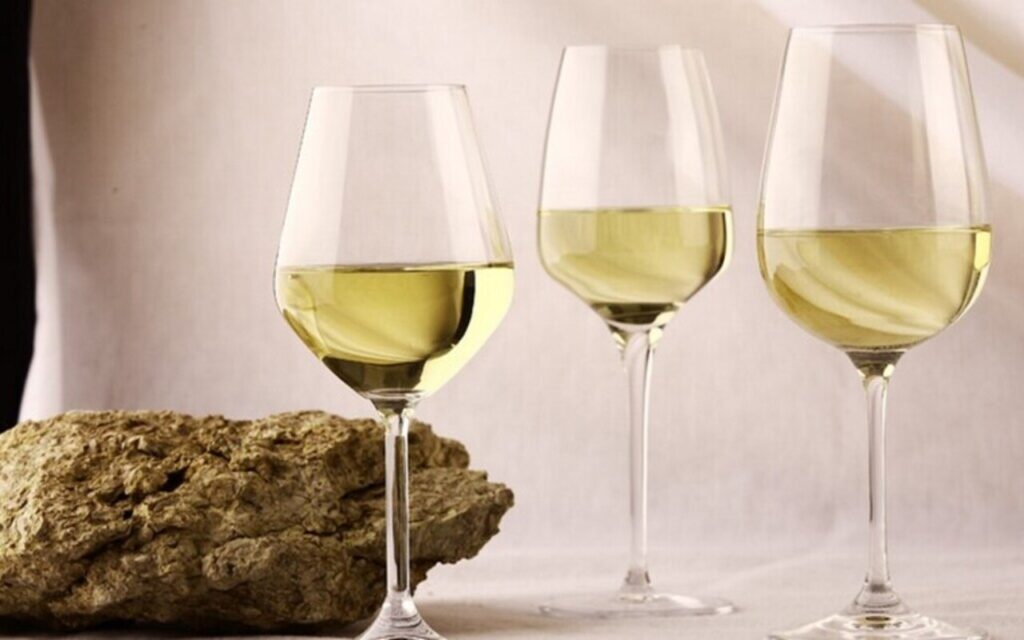
Chablis communicates sophistication through clarity. Though it is made from Chardonnay, it tastes nothing like the buttery, oak-heavy versions many people expect. Grown in a cool climate with chalky soils, Chablis emphasizes acidity, minerality, and precision. The result is a clean, structured wine with green apple and flint notes rather than richness. Elites gravitate toward Chablis because it quietly rejects excess. It signals an appreciation for traditional winemaking and regional identity. Chablis also works seamlessly with food, especially seafood and lighter sauces, where heavier wines would overwhelm the plate.
3. Barolo
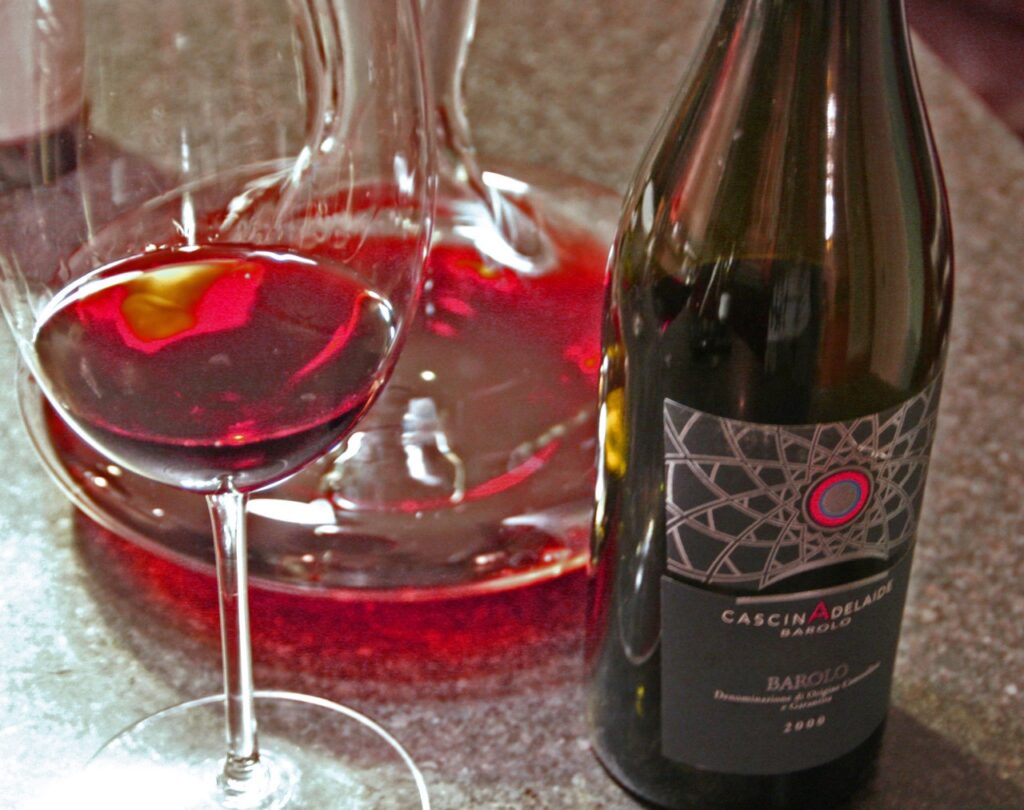
Barolo carries prestige built over centuries. Made from Nebbiolo grapes in northern Italy, it is known for firm tannins, high acidity, and complex aromas that evolve with age. Even young Barolo signals seriousness, as it is rarely casual or inexpensive. Elites favor Barolo because it implies patience, taste, and long-term thinking. Traditionally aged for years before release, it represents discipline and respect for tradition. Barolo’s structure pairs well with rich meats and formal meals, reinforcing its role as a centerpiece wine. Ordering Barolo suggests familiarity with classic wine hierarchy and an appreciation for wines that reward time and attention.
4. Pouilly-Fuissé
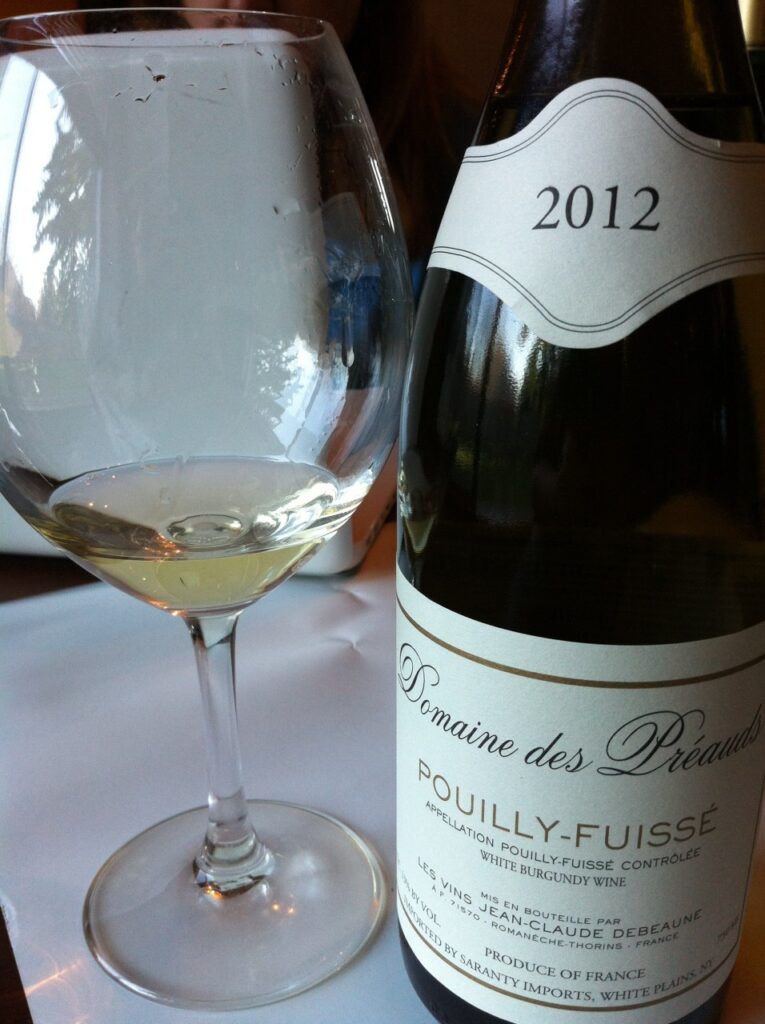
Pouilly-Fuissé sits comfortably between familiarity and insider knowledge, making it a favorite for those who value subtle sophistication. It is Chardonnay from southern Burgundy, but with more body than Chablis and less aggressive oak than many global styles. The wine often shows ripe orchard fruit balanced by minerality and controlled richness, creating a profile that feels polished rather than heavy. Elites choose Pouilly-Fuissé because it sounds refined without being intimidating. It suggests the drinker understands Burgundy beyond its most famous names. This wine adapts well to a wide range of foods, from poultry to seafood and creamy dishes, making it practical for shared meals.
5. Brunello di Montalcino
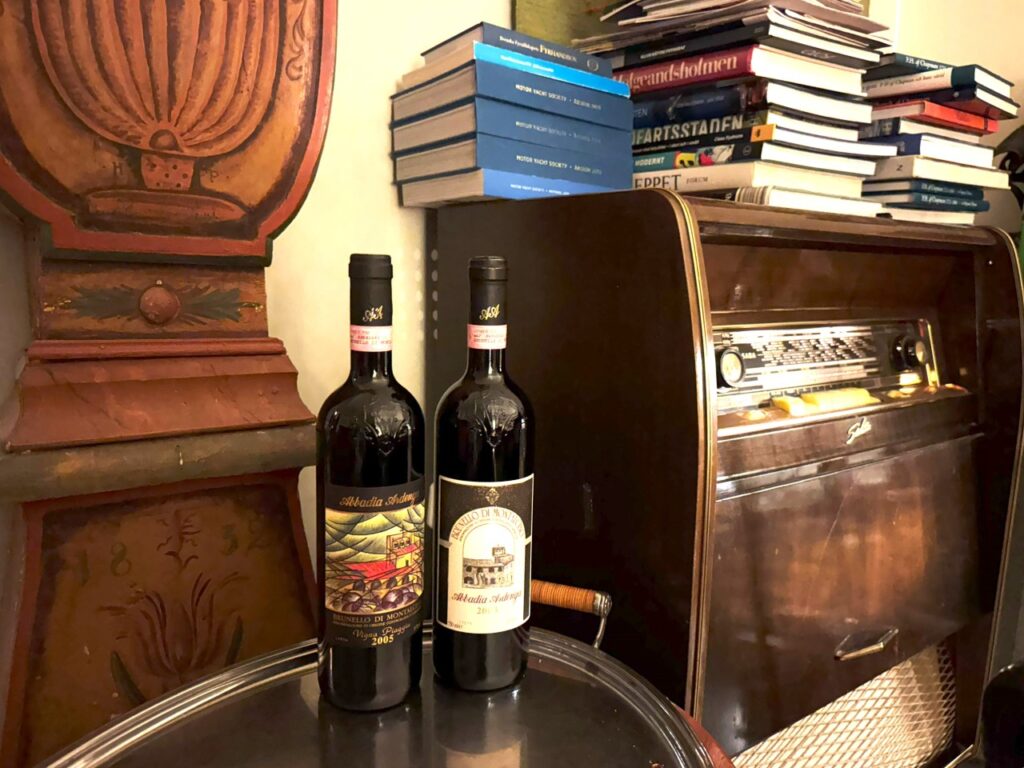
Brunello di Montalcino is a statement of seriousness and patience. Made exclusively from Sangiovese and aged extensively, it delivers structure, depth, and longevity. Elites favor Brunello because it reflects long-term craftsmanship rather than immediate gratification. Its reputation alone signals quality and cost, even to non-experts. Brunello pairs best with substantial meals, reinforcing its association with formal dining and celebration. Choosing it implies familiarity with Italian wine beyond entry-level regions. The wine communicates authority and tradition, which is exactly why it remains a favorite among those who want credibility without explanation.
6. Champagne Blanc de Blancs
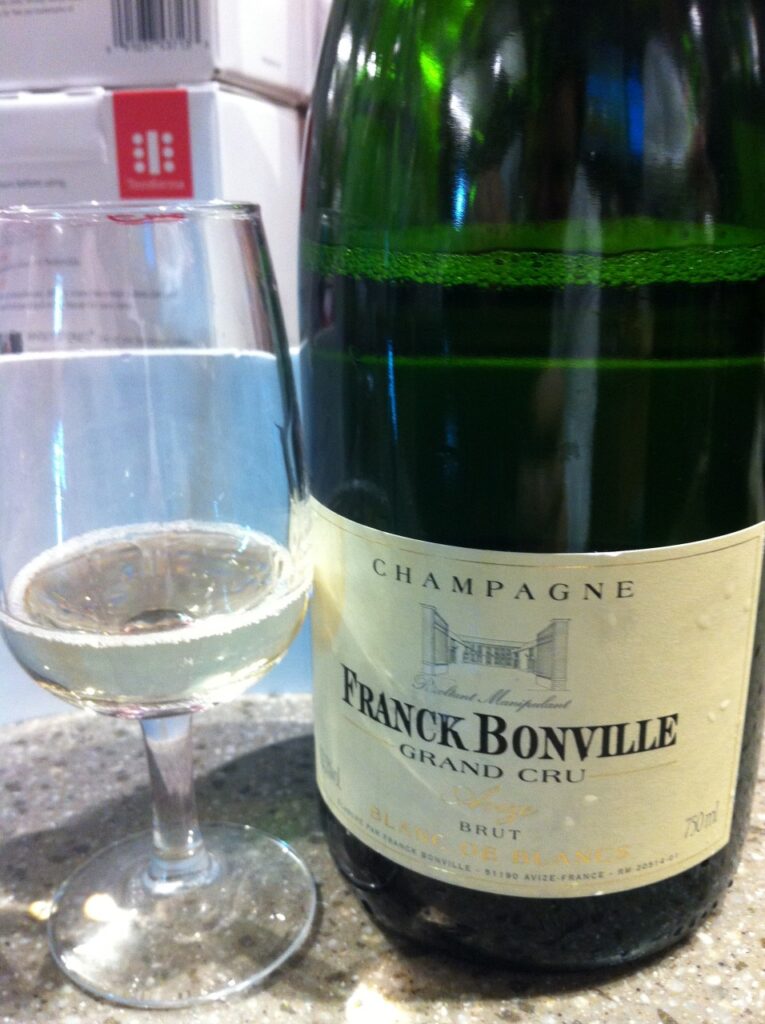
Blanc de Blancs Champagne signals precision over indulgence. Made entirely from Chardonnay, it tends to be lighter, sharper, and more mineral-driven than blended Champagnes. Elites choose it because it feels intentional and informed. It shows knowledge of Champagne classifications rather than reliance on brand recognition alone. Blanc de Blancs performs well as an aperitif and with delicate foods, making it socially versatile. Its elegance lies in restraint, not sweetness or excess bubbles. Ordering it suggests confidence and familiarity with fine details. It is celebratory without being showy, which makes it a favorite in refined gatherings.
7. Rioja Reserva
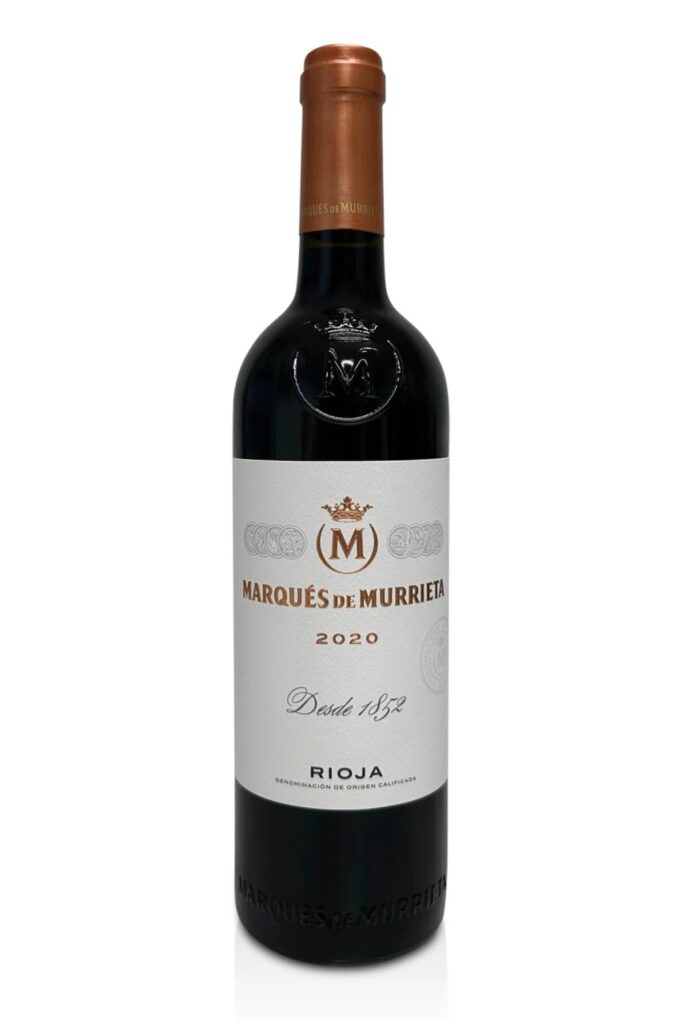
Rioja Reserva offers tradition with approachability. Aged longer than standard Rioja, it develops smoother tannins and layered flavors while remaining accessible. Elites favor Reserva because it reflects knowledge of Spanish aging classifications without appearing obscure. The wine balances fruit, oak, and acidity in a way that appeals to both casual and experienced drinkers. It works well across many meals, which makes it socially safe. Choosing Rioja Reserva signals respect for classic wine regions and patience in production. It suggests thoughtful selection rather than impulse, which adds to its quiet prestige.
8. Etna Rosso
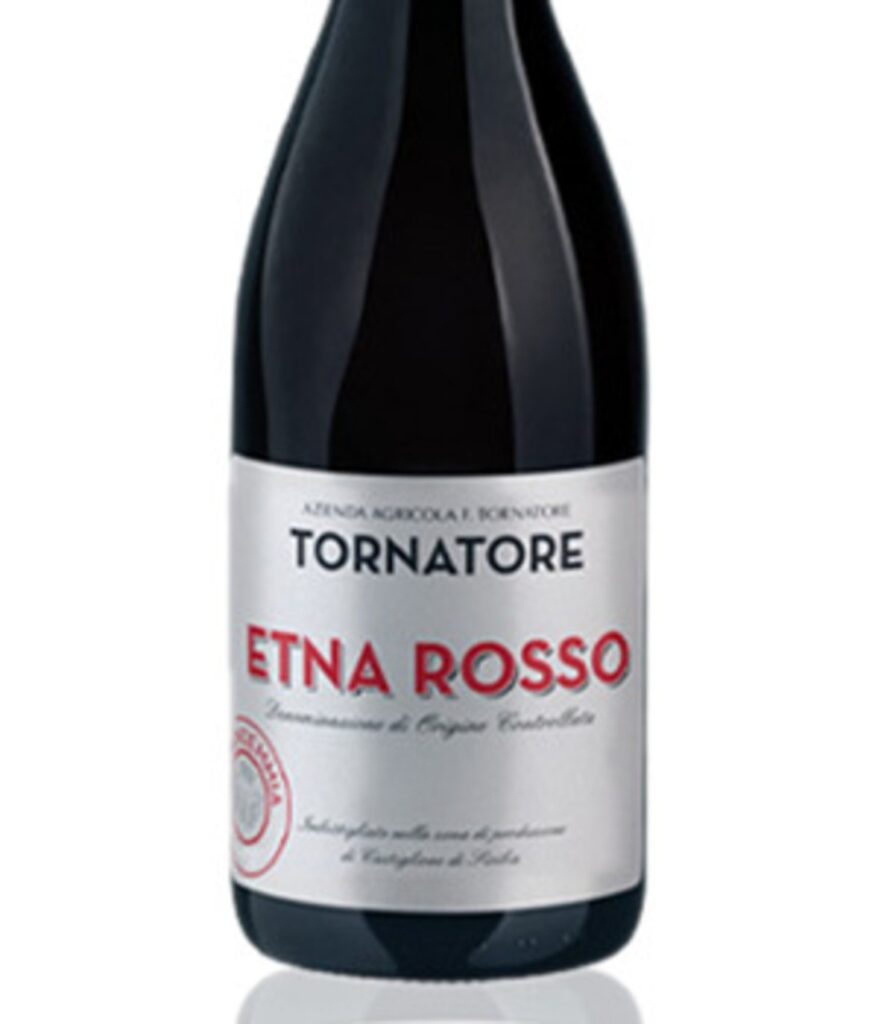
Etna Rosso represents modern sophistication rooted in place. Grown on volcanic soils in Sicily, it delivers freshness, minerality, and elegance rather than power. Elites like Etna Rosso because it feels current but not trendy. It signals awareness of emerging regions driven by terroir rather than marketing. The wine’s lighter body and complex character make it adaptable at the table. Ordering Etna Rosso suggests curiosity and evolving taste, qualities valued in elite circles. It shows the drinker stays informed without chasing hype. Its volcanic origin also gives it a distinct identity that feels intentional rather than fashionable.
9. Vouvray
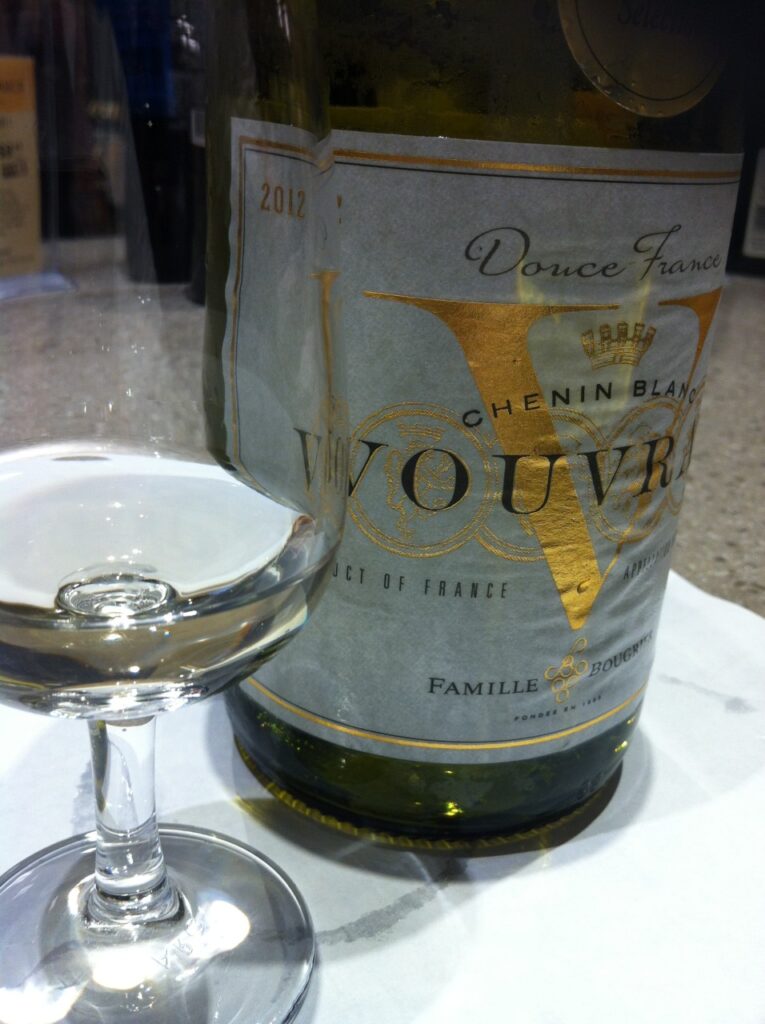
Vouvray appeals to those who appreciate flexibility and nuance. Made from Chenin Blanc, it can range from dry to lightly sweet, always anchored by strong acidity. Elites favor Vouvray because it rewards understanding. Knowing which style you are ordering suggests familiarity with wine structure and balance. Vouvray pairs well with diverse foods, from seafood to richer sauces. Its versatility makes it practical while still intellectual. Choosing it communicates comfort with complexity and subtlety rather than bold statements. That range allows it to shine in settings where one wine must please many palates.
10. Amarone della Valpolicella
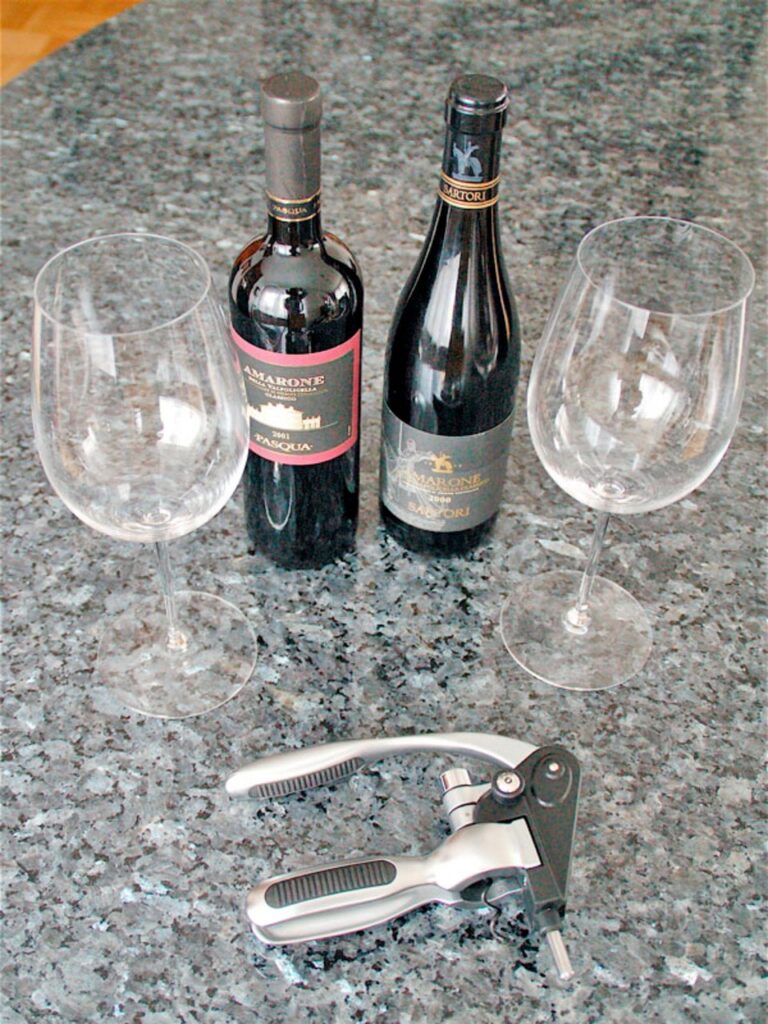
Amarone is indulgence with intention. Made from dried grapes, it produces a rich, concentrated wine with high alcohol and deep flavor. Elites choose Amarone because it is unmistakably deliberate. It signals confidence and appreciation for labor-intensive production. Amarone is often reserved for special moments, which adds to its status. Ordering it suggests decisiveness and comfort with bold choices. Despite its richness, Amarone carries prestige rooted in tradition rather than novelty. Its intensity feels purposeful, not excessive, when chosen at the right moment. It works best when the setting allows the wine to unfold slowly and command attention.
11. Muscadet Sèvre et Maine
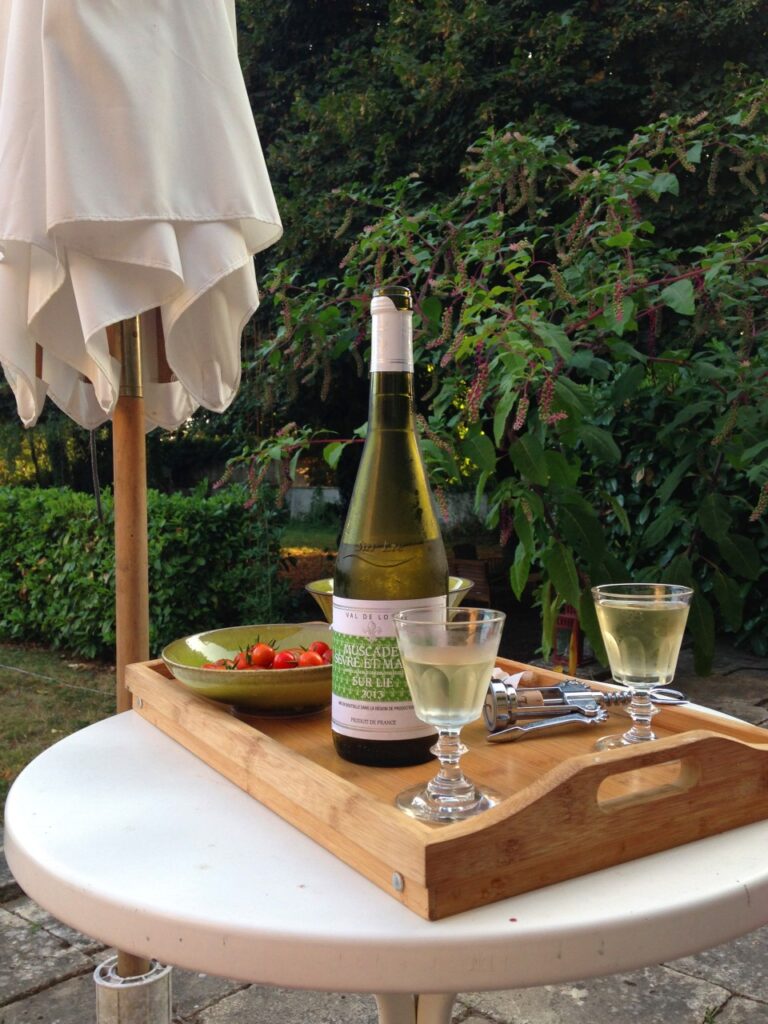
Muscadet communicates quiet authority. Crisp, low in alcohol, and saline, it reflects restraint and regional specificity. Elites favor Muscadet because it rejects obvious choices. It pairs perfectly with seafood and light dishes without overpowering them. Choosing Muscadet suggests knowledge beyond popular white wines. Its subtlety requires confidence, as it does not announce itself loudly. That quiet elegance is precisely why it functions as a refined signal. It rewards attention rather than demanding it, which suits understated settings. Its simplicity often surprises those expecting something more showy.
12. Côtes du Rhône Villages
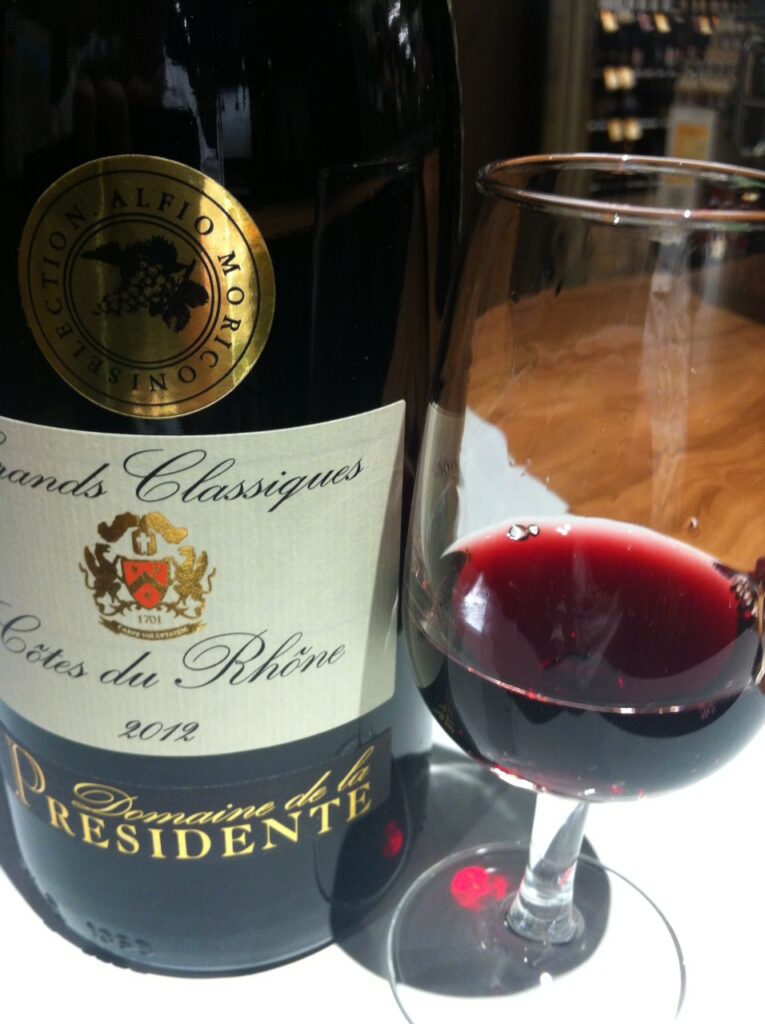
Côtes du Rhône Villages signals discernment within familiarity. It elevates a well-known region by narrowing focus to higher-quality villages. Elites appreciate that it balances value and credibility. The wine is reliable, food-friendly, and grounded. Choosing Villages instead of generic Rhône suggests awareness of regional hierarchy. It communicates thoughtful selection rather than excess spending. This makes it a frequent choice for those who value consistency and reputation over flash. Its strength lies in dependability rather than dramatic flair. That reliability makes it ideal for gatherings where wine should quietly support the meal.
13. Tokaji Aszú
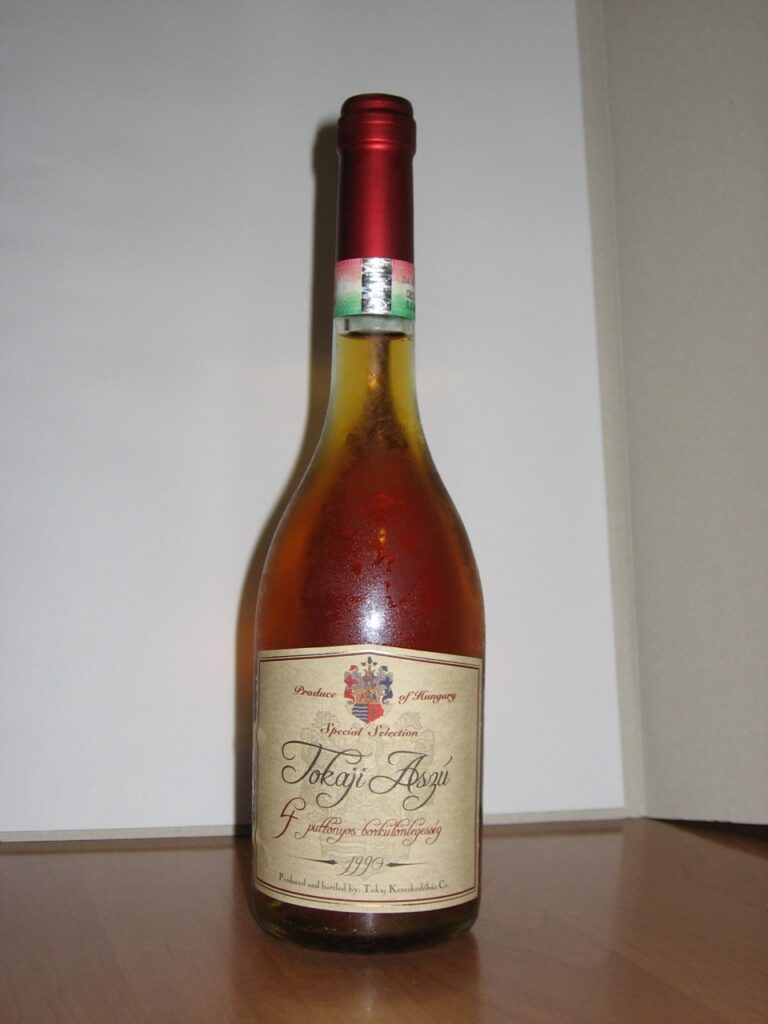
Tokaji Aszú carries historic prestige that few dessert wines match. Sweet yet structured, it balances richness with acidity, avoiding heaviness. Elites choose Tokaji to conclude meals with cultural depth. Ordering it signals deep wine knowledge and respect for tradition. Tokaji’s long history and labor-intensive production make it a subtle but powerful statement. It leaves a lasting impression without needing explanation, which is why it remains a favorite among those who value understated sophistication. Ending with Tokaji feels deliberate, thoughtful, and quietly memorable. It turns the final glass into a conversation rather than just a course.